Desert Digest3 New Happy Hours to Check Out in Phoenix
Leah LeMoineFebruary 7, 2024

We interviewed dozens of chefs, ate at hundreds of restaurants and typed 18,000 words to bring you this one-of-a-kind guide to international dining in the Valley. If there was an Afghan Qabuli, we found it. If there was a hungarian porkolt, we ate it. all to expand your minds and waistlines.

Keep the long drives on the par fives and make your post-round travel your short game specialty with our list of the closest crafty drinks after a day on the links.
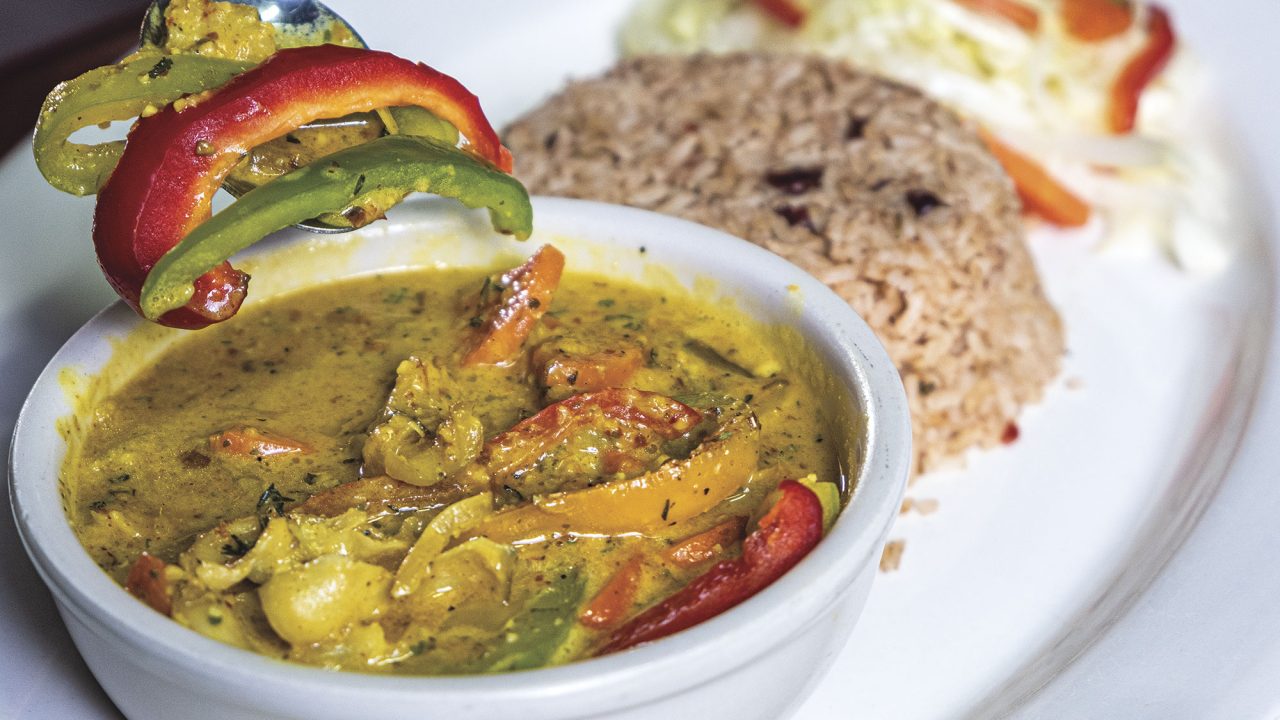
It’s hard to conceive of two cuisines more diametrically opposed than those of Canada and Mexico.
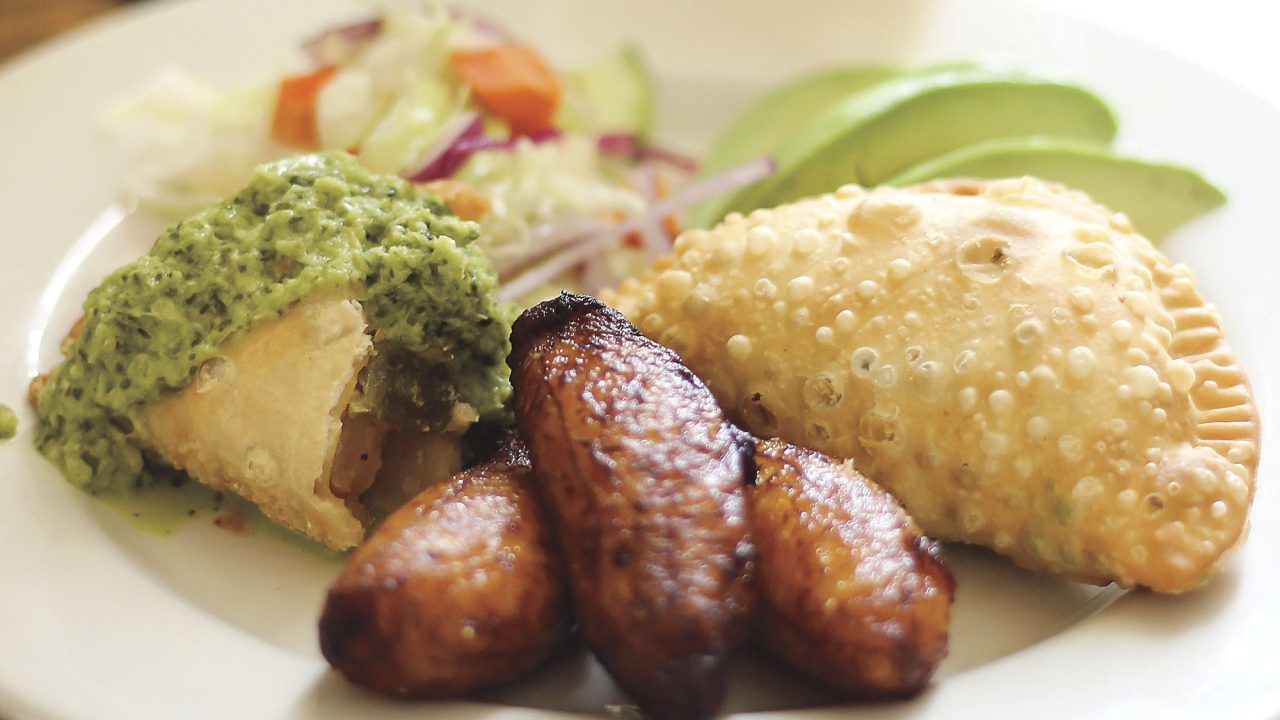
The seven nations that compose Central America have significant culinary overlap with Mexico and the Caribbean – but much that is distinct, as well.
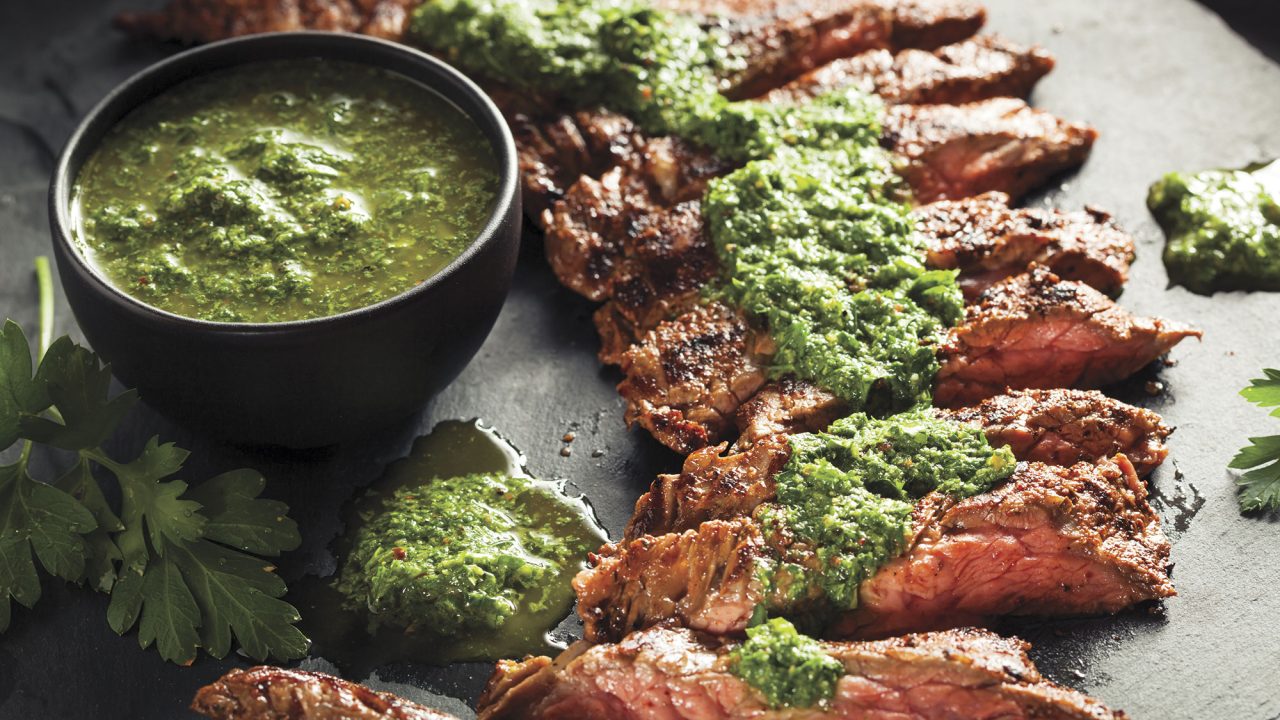
South America is blessed with the kind of culinary wealth one would expect from a biodiverse continent that both straddles the equator and tickles the planet’s South Pole.
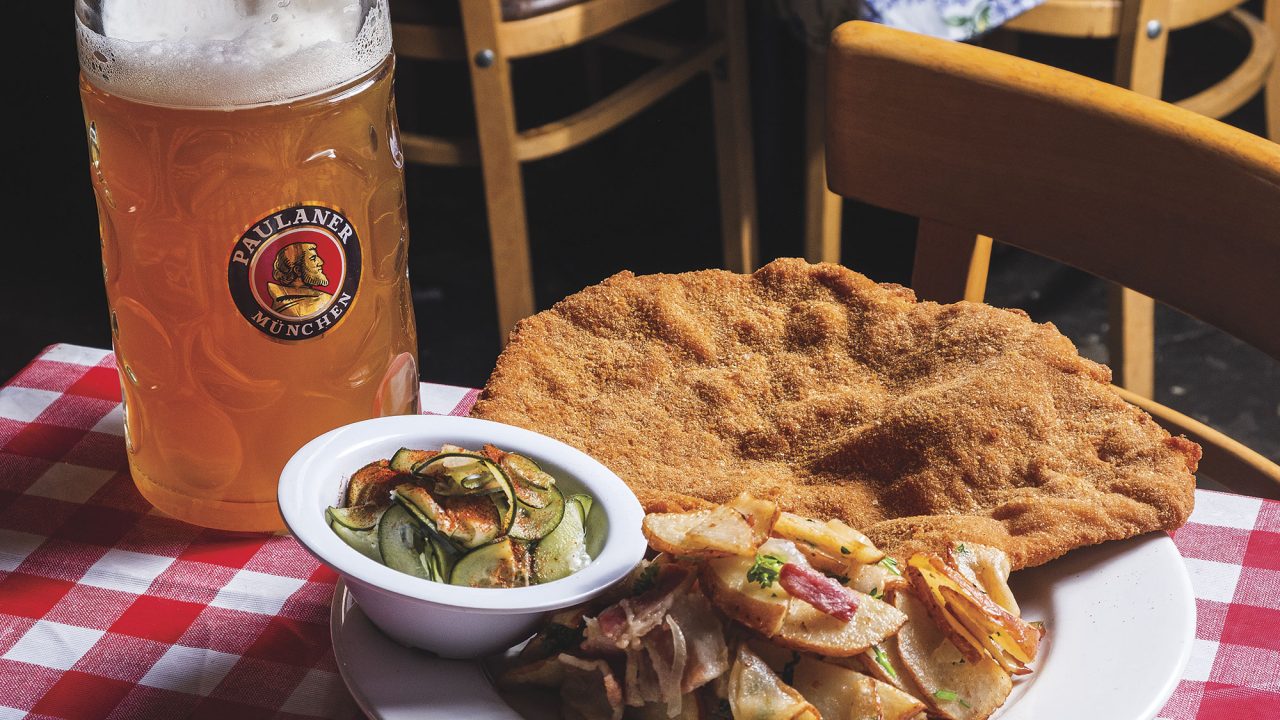
The food of Western Europe is woven into the fabric of American life and has largely dictated the course of “modern” cuisine worldwide.
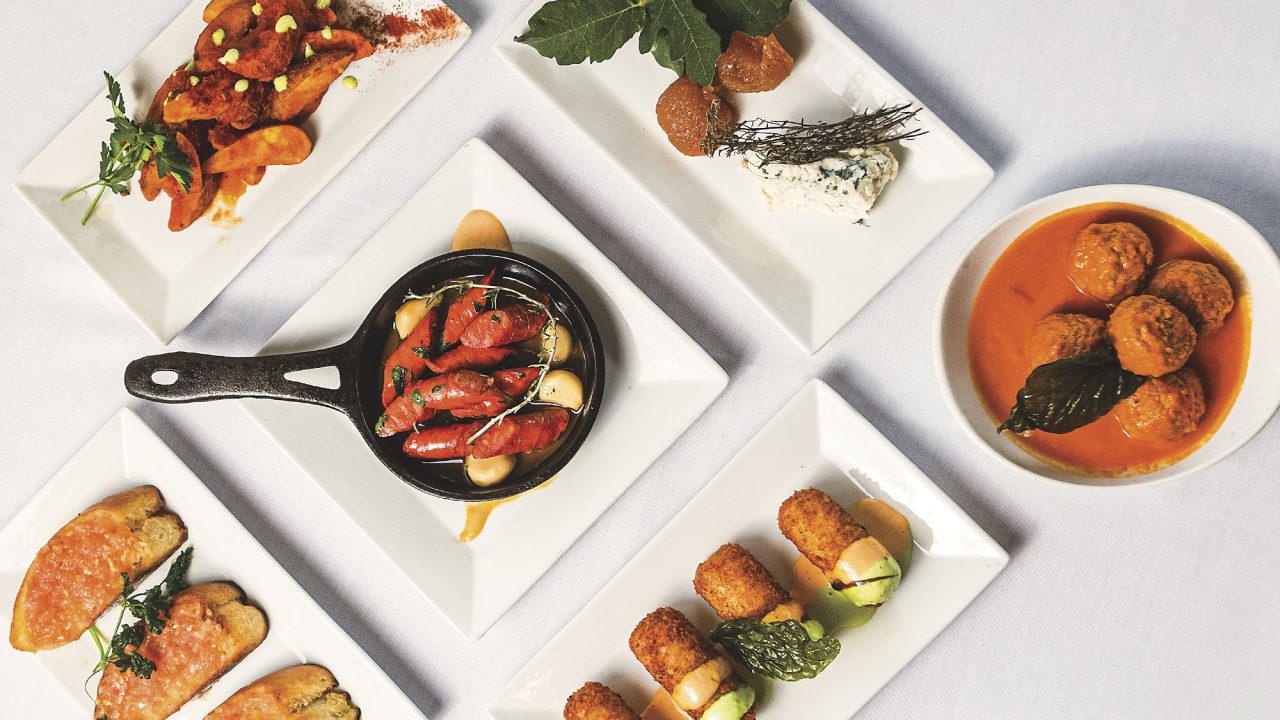
Particularly Italian cuisine, routinely a U.S. favorite – but there is always a lamb kapama or acorn-fed jamón to keep things interesting.
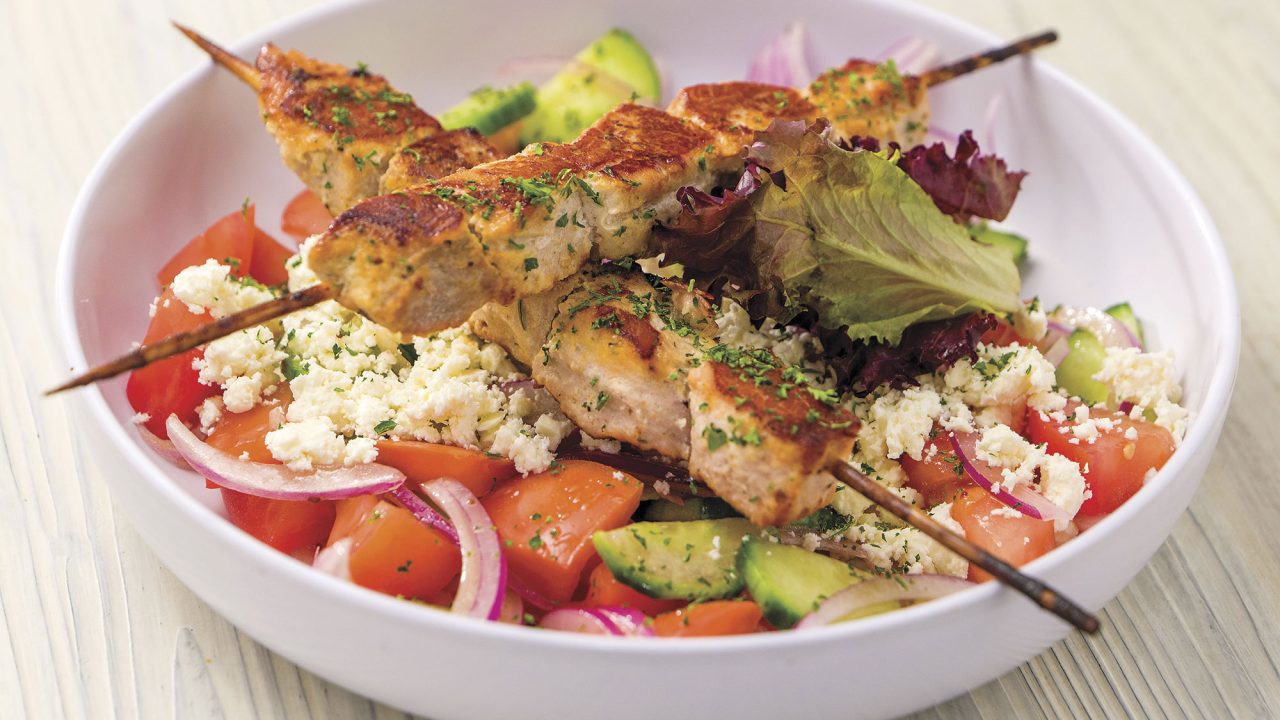
You’ll find similar ingredients and dishes in many of these countries, with different names and cultural expressions.
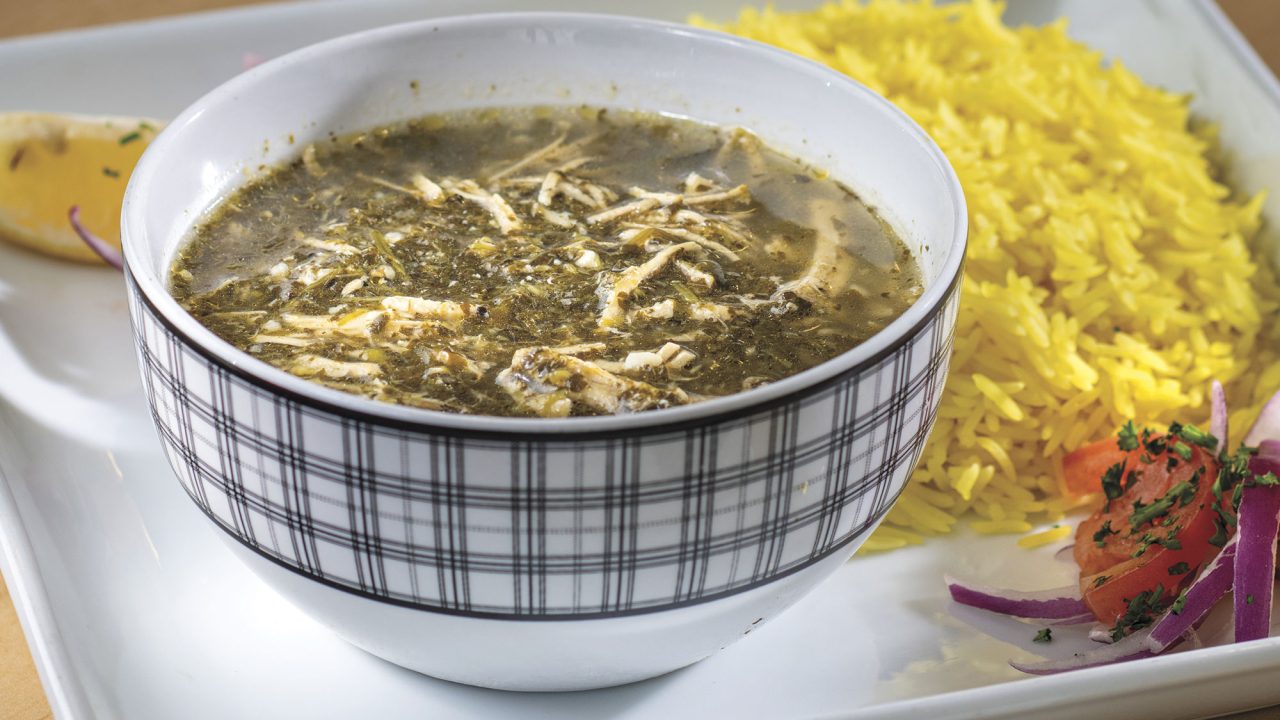
The Valley’s rising community of African restaurants has grown exponentially over the past 20 years.