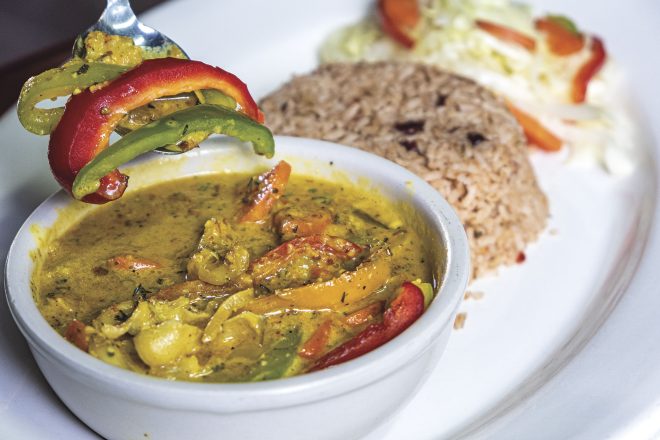
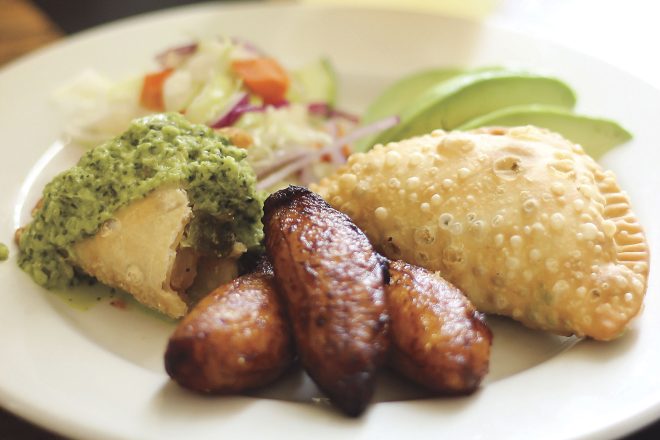
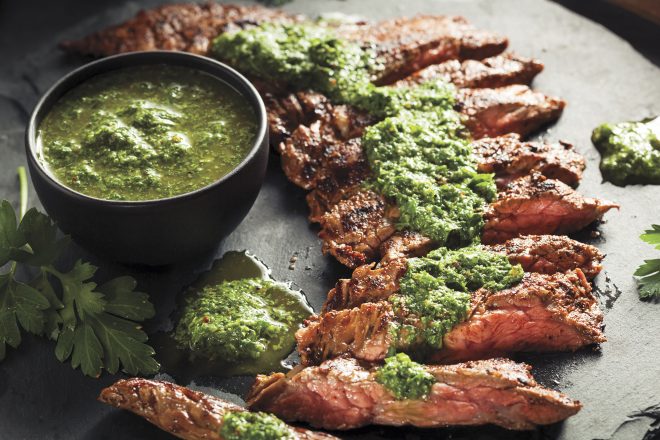
The Ottoman and Austro-Hungarian empires – plus the Jewish diaspora and, later, the U.S.S.R. – left lasting effects on the food cultures of Eastern Europe and the Balkans, which fan out below Russia’s hulking presence in the north. You’ll find similar ingredients and dishes in many of these countries, with different names and cultural expressions.
by Nikki Buchanan, Leah LeMoine, Craig Outhier & Madison Rutherford
No Love For… Albania
While many Albanian dishes have analogues in Mediterranean, Middle Eastern, Eastern European and other Balkan cuisines (burek-like byrek, spanakopita-like lakror, cevapi-like qebapa), we couldn’t find an Albanian restaurant or even dishes with expressly Albanian names.
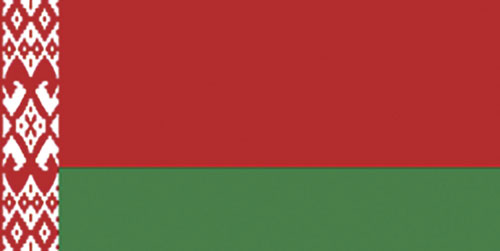
Belarus
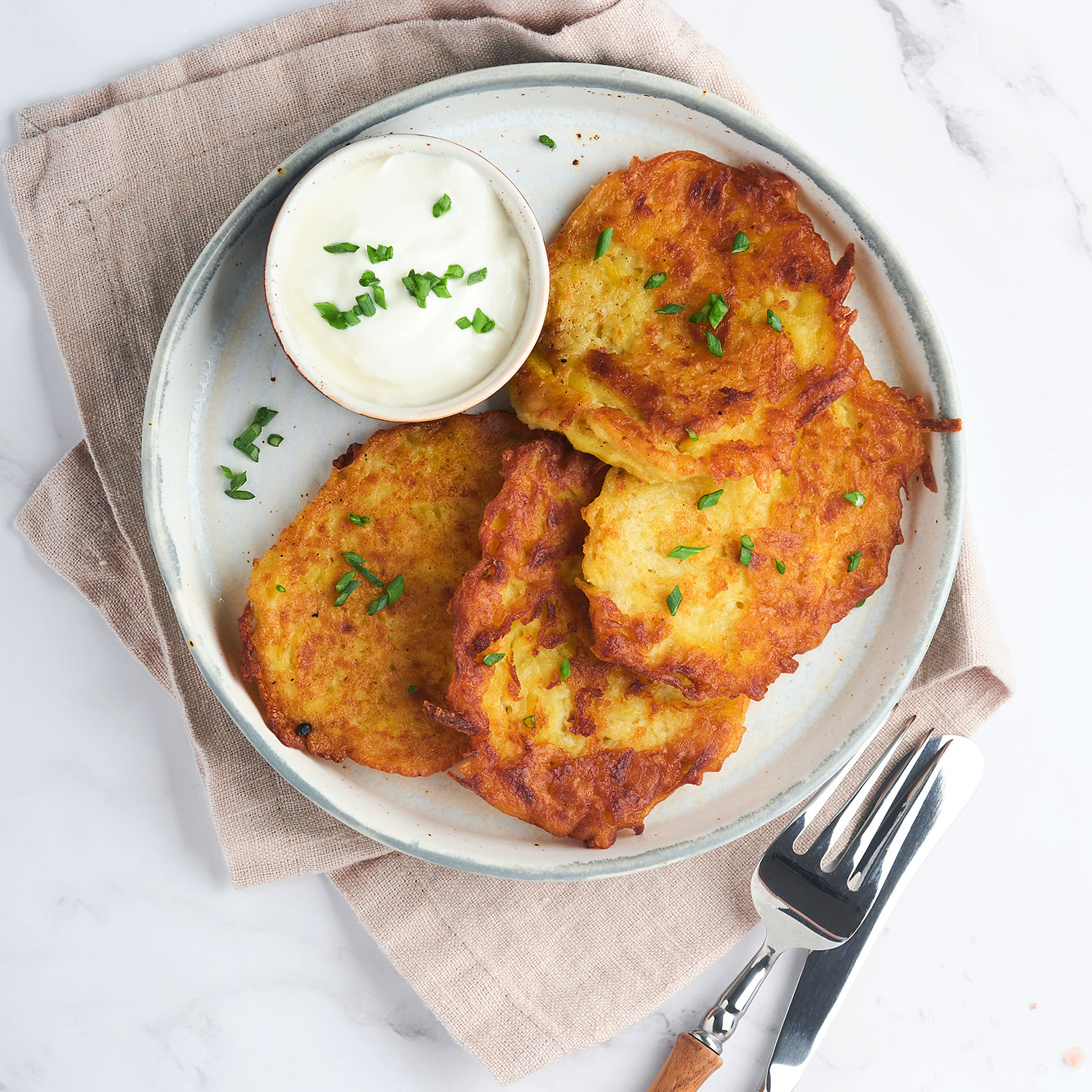
Potato pancakes are popular throughout Eastern Europe, but Belarus was known as the potato capital of the former U.S.S.R., so they’re especially dear to Belarusians. The potato pancakes at All Pierogi (allpierogi.com) in Mesa most closely resemble Belarus’ draniki.
glossary
sarmale /SAR-me-leh/
“Cabbage roll” in Romanian. Ubiquitous throughout Eastern Europe, the bundled comfort dish varies slightly from country to country in recipe but more so in name – golabki/golumpki in Poland, holubtsi in Ukraine, golubtsi in Russia, holubki in Czechia and Slovakia.
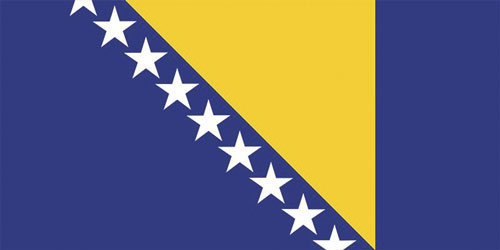
Bosnia and Herzegovina
An influx of immigrants in the 1990s boosted the Valley’s Bosnian population – Maricopa County has the fourth-highest concentration of Bosnian Americans in the U.S., as of a 2019 American Community Survey – and, eventually, its Bosnian restaurants. These three are must-visits:
Balkan Bakery
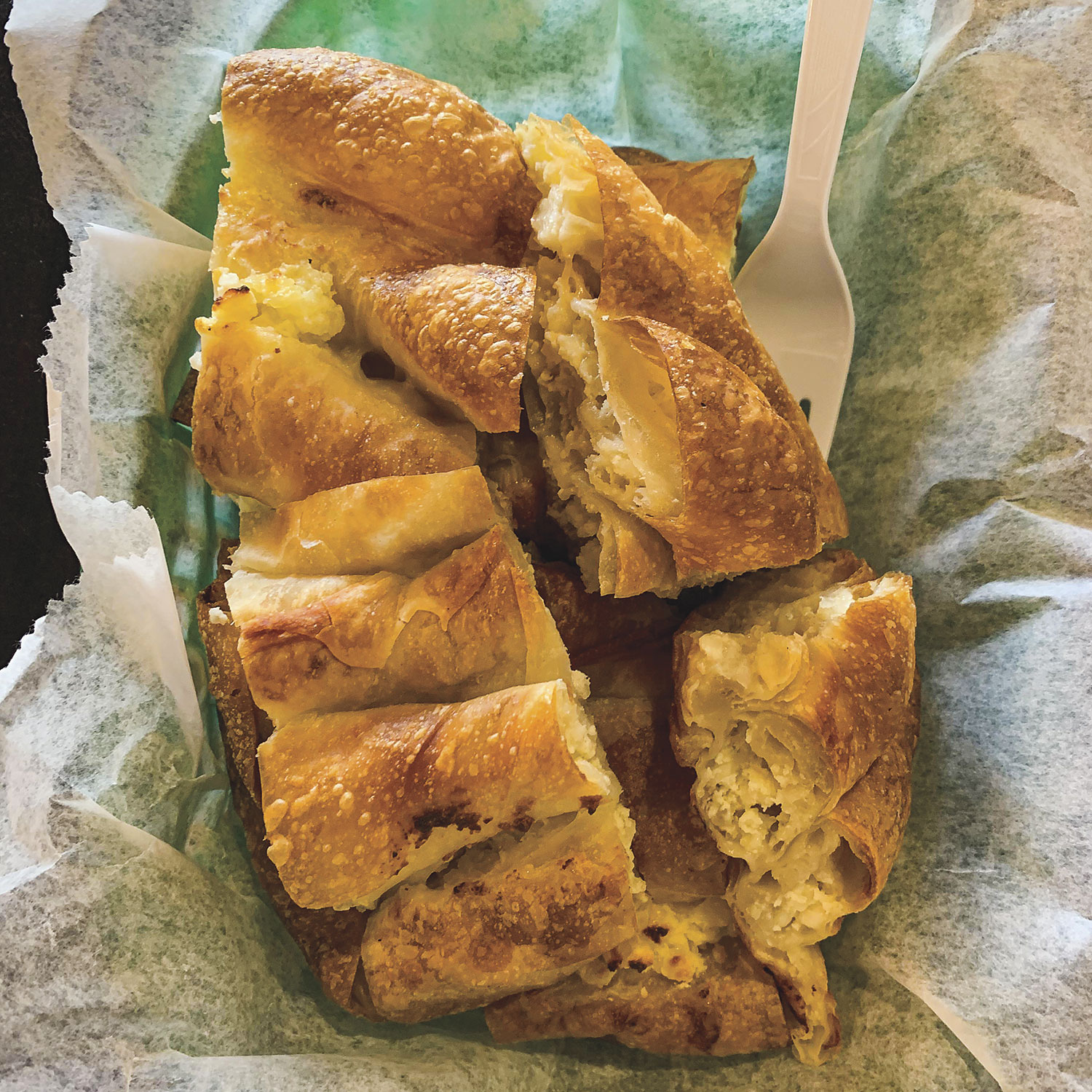
The springy folds and flaky exterior of burek, the signature Balkan pastry, taste so buttery that it’s shocking that its hand-stretched phyllo dough is made with vegetable oil and not a speck of butter. This North Phoenix hub for the Balkan community (facebook.com/balkanbakery) offers burek stuffed with cheese, spinach or a mixture of beef, onions and potatoes. All are fabulous, as are the fresh rye, somun and kifla breads.
Old Town Sarajevo
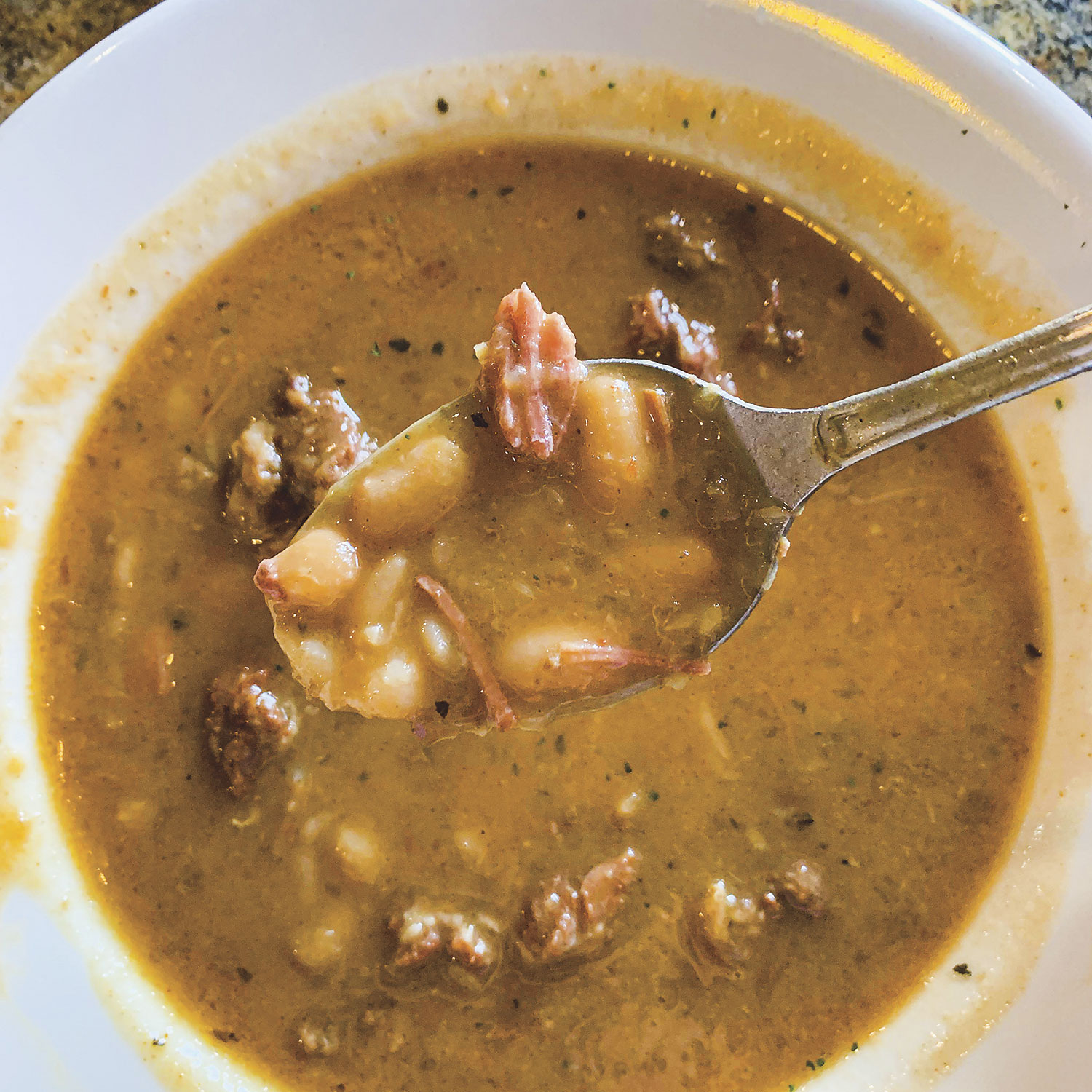
You feel like you’ve stepped into a quaint Balkan village at this West Phoenix institution (oldtownsarajevophoenix.bestcafes.online). Order grah, a bean soup often called the “cassoulet of the Balkans.” Also known as pasulj, grav and grosh, it’s typically made with white, cranberry or pinto beans and pork or beef. Old Town Sarajevo’s version is all beef, yet it has the deep umami and satisfying saltiness of a stew made with a smoked ham hock.
Café Emina
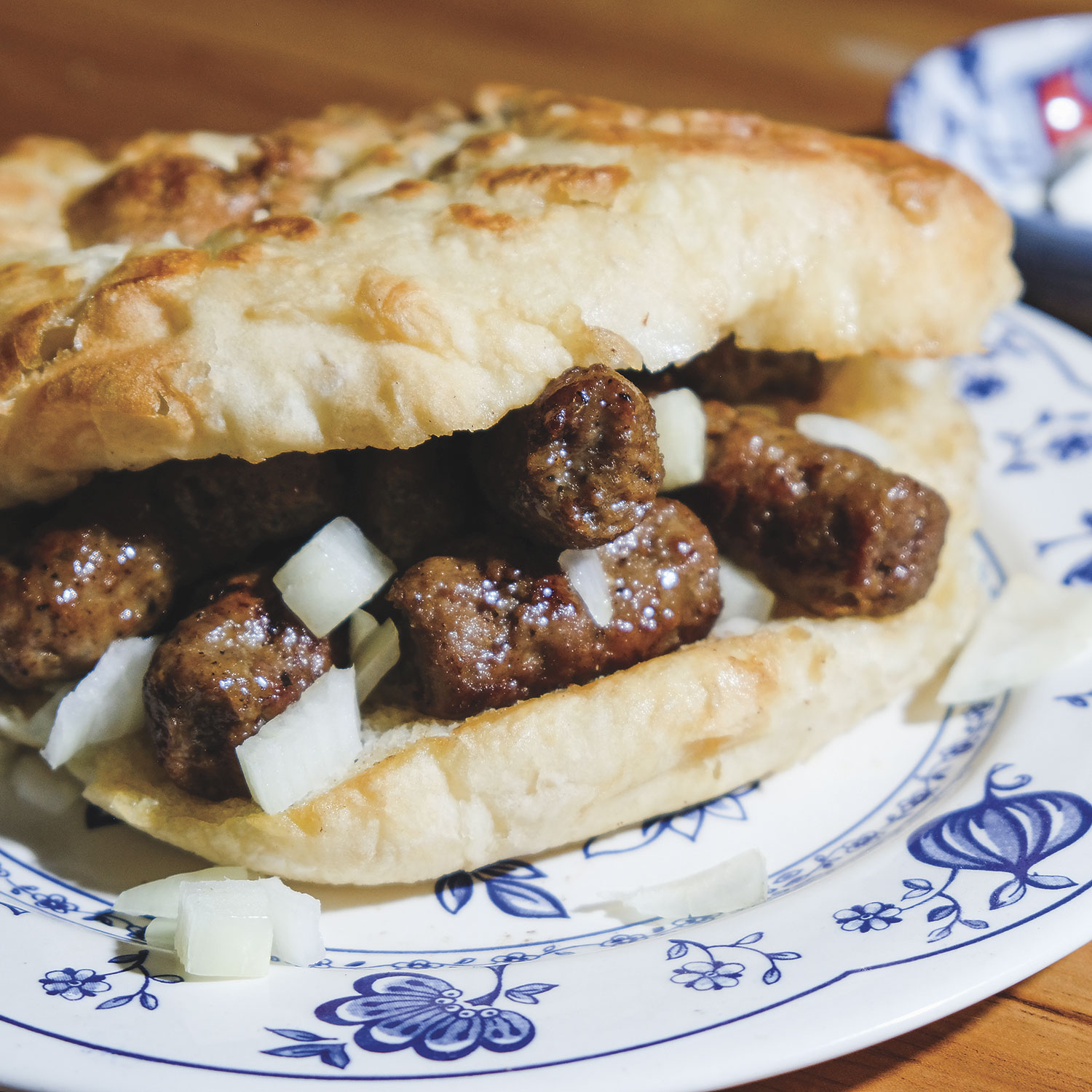
No Balkan food tour is complete without cevapi, which is regarded as the national dish of Bosnia and Herzegovina as well as Serbia. The small, caseless sausages are grilled and served in multiples, typically with onions and bread (lepinja/somun). Café Emina’s (yelp.com/biz/cafe-emina-phoenix) are plump, juicy and perfectly smoky. Cash only.
Bulgaria
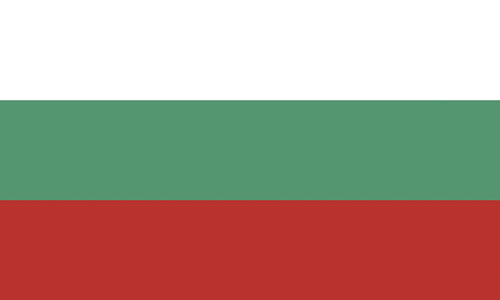
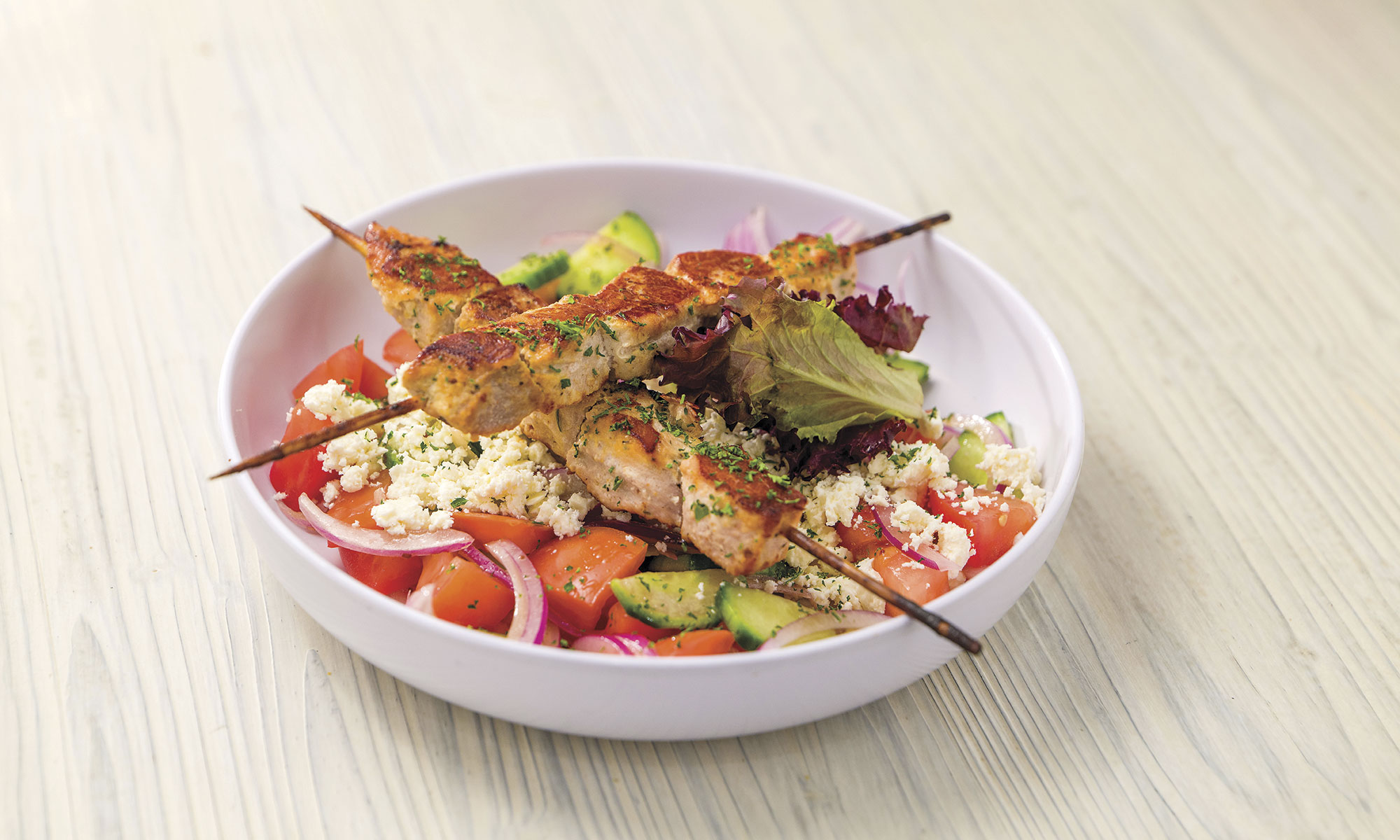
Salads of tomatoes, cucumbers, peppers, onions and feta are found in plenty of countries throughout Eastern Europe, the Mediterranean and Middle East. But Bulgarians claim Shopska salad for its colors, which mimic those of the Bulgarian flag, and it was reportedly developed (or at least rebranded) by a state tourism agency in the 1950s. Café Balkan (cafebalkanaz.com) in North Phoenix has a deliciously tangy version.
Croatia
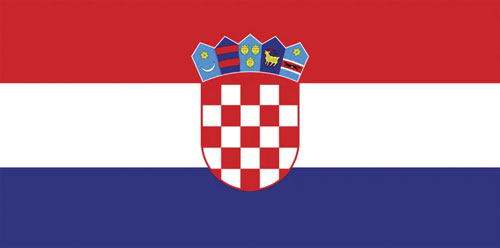
Where French crêpes are delicate and flimsy, Croatian palacinke are hardy and pliable, often rolled up, cigar-style, and filled with jam, fruit or sweet cheese. At Café Balkan (cafebalkanaz.com), you can get palacinke stuffed with Eurocrem and Plazma (milk chocolate-hazelnut spread and crushed biscuits/cookies), Nutella and banana, apricot jam and walnuts, or strawberries and cream.
Czechia
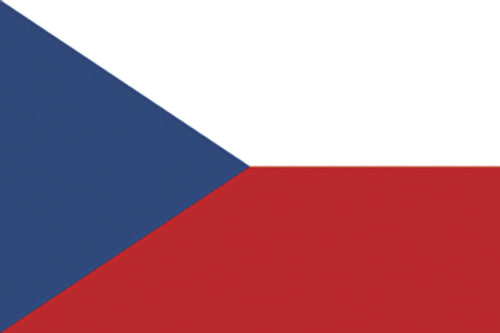
In a part of the world where pickles, fermented cabbage and vinegary soups reign, the Czech people offer a foil to all the tartness with their collective sweet tooth. Kolaches – yeasted sweet dough nests with fruity fillings – are their signature pastry, and you can get yummy traditional versions at The Kolache Café (thekolachecafe.com) in Ahwatukee, along with the savory permutation popular in Texas.

Latvia
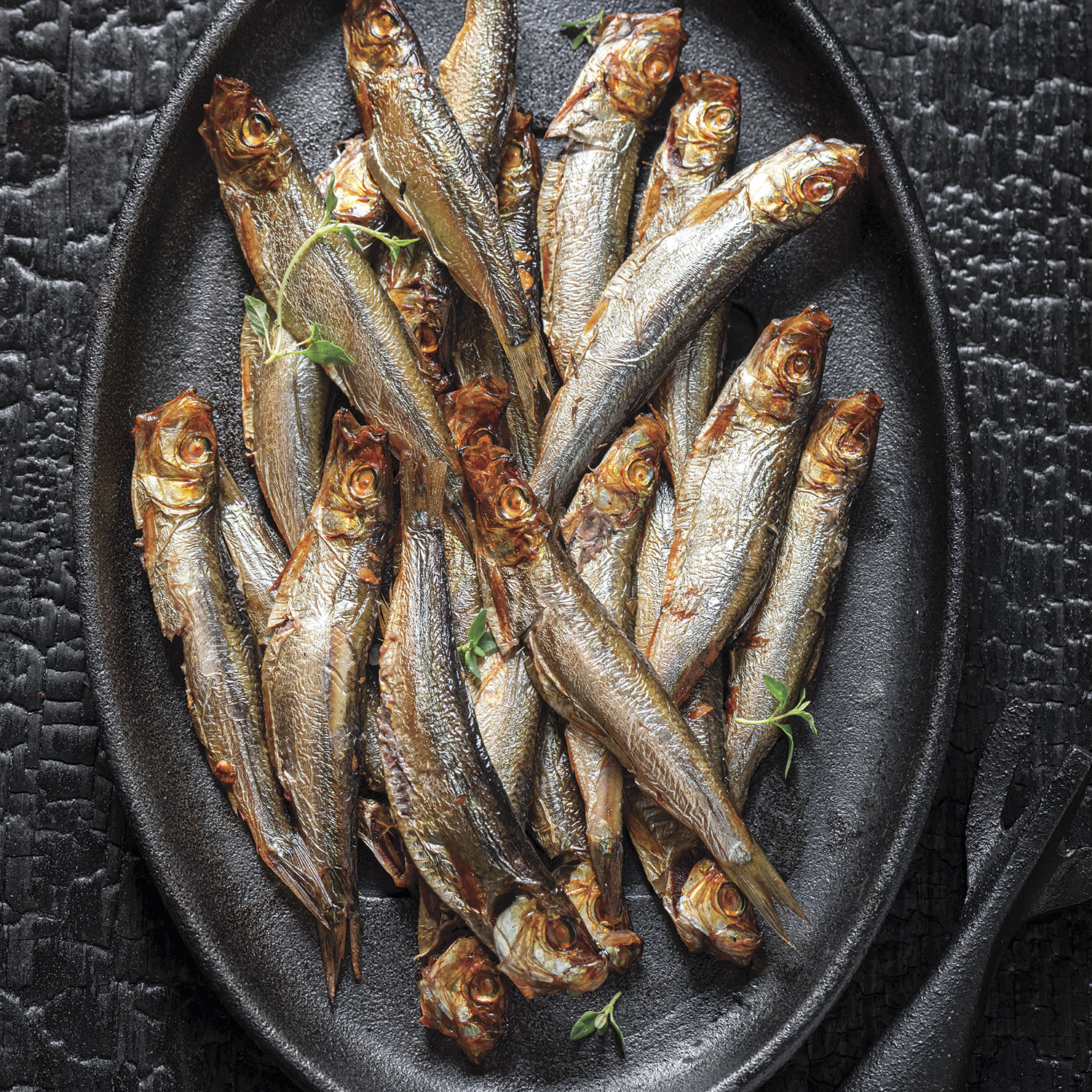
Preserved fish is a way of life in this region, and the Latvian capital of Riga is famed for its smoked sprats (firm Brisling sardines smoked over oak and packed in sunflower oil). You’ll find Riga brand sprats – and an impressive aisle of tinned and jarred fish of all kinds – at Yasha from Russia (yasha-from-russia.business.site), a North Mountain-area market specializing in the goods of Russia and its surrounding countries.
Georgia
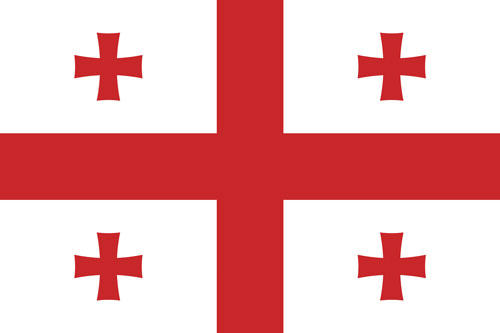
Italy and France are famed for their vineyards. Ditto South Africa, New Zealand, Chile and Argentina. But Georgia? Not enough people know that this transcontinental country – located at the intersection of Europe and Asia – is considered the archaeological “cradle of wine.” The people of the South Caucasus discovered winemaking in 6,000 BCE, when the grape juice they buried underground to store for the winter fermented. The craft spread throughout the world via human migration, and the rest is wino history. Georgia still has a proud and thriving wine industry, and you can buy a bevy of bottles at Yasha from Russia (yasha-from-russia.business.site) for a Georgian wine tasting.

Hungary
Hungarian cuisine is sometimes described as “the spiciest food in Europe,” which admittedly isn’t a high bar – sort of like saying, “the richest man in the soup line.” This claim to fame is largely owed to the Central European nation’s generational use of its native piquant spice, paprika. You’ll find liberal use of it on the Hungarian half of the menu at Edelweiss Biergarten in Phoenix (edelweissbiergarten.com), from a fragrant, warming bowl of porkolt (braised pork and beef stew) to the lively pepper sauce ladled over the Hungarian schnitzel. The restaurant also excels with capsaicin-free Hungarian dishes like pogi, a starter of turf cakes (buttery biscuits) with cranberry sauce. In a town generally lacking in Hungarian food, it’s a gold mine.

glossary
borscht /borSHt/
Omnipresent in Eastern Europe, this sweet and sour beet soup (sometimes served hot, sometimes served cold) is also slurped in Northern Asia; variants include Ukrainian green borscht and Polish white borscht.

Chef Chat
Diana Domokos of Edelweiss Biergarten
With her husband, fellow Hungary native Arpad Domokos, this self-trained chef and hotelier (see page 153) runs Edelweiss, a brilliant German-Hungarian restaurant in North Phoenix that they opened in 2018.
Is this the first restaurant the two of you opened?
It is. My husband moved here in the late ‘80s [and] I moved in 2003. He worked at [Sky Harbor] and I was a stay-at-home mom. And that’s where I learned to cook. He’s more the advertising expert, and the clerical side.
Why Hungarian and german? it’s an interesting mash-up.
My husband grew up in Germany, and loves the food. That’s why we have the mix. Plus, the beer in Germany is much better.
Is there any overlap between the two cooking styles?
Oh, yes. One dish is probably eisbein, which is smoked ham shank. [The Germans] make it a litle different… Hungarians don’t add beer, but German cooks use wheat beer [in the braise]. Hungarians just [add] garlic, onion and different herbs.
Which way do you do it?
The German way. We use wheat beer.
What’s your most popular hungarian dish on the menu?
The most popular is chicken paprikash, which is traditional Hungarian chicken stew. And it’s served with spaetzle… we call it nokedli in Hungary. But it’s the same thing.

Lithuania
The hearty meat pies known as kibinai trace their origins to Trakai, a lakeside town in the Baltics with a high concentration of Lithuania’s Karaite (Turkic Karaim) ethnic minority. We couldn’t find them by that name in the Valley, but Soup & Sausage Bistro (myeurokitchen.com) offers meat- and onion-stuffed buns that come reasonably close.

glossary
somun /suh-MUN/
Yeasted, stone-baked Balkan flatbreads. Also called lepinja (interchangeable to some, distinct to others, with somun often viewed as softer and more aromatic), they have origins in the baking traditions of Iraq.
Food for Thought
Caffe Boa (cafeboa.com) has an impressive global wine list, with many pours from Slovenia, Croatia and Georgia.

Poland
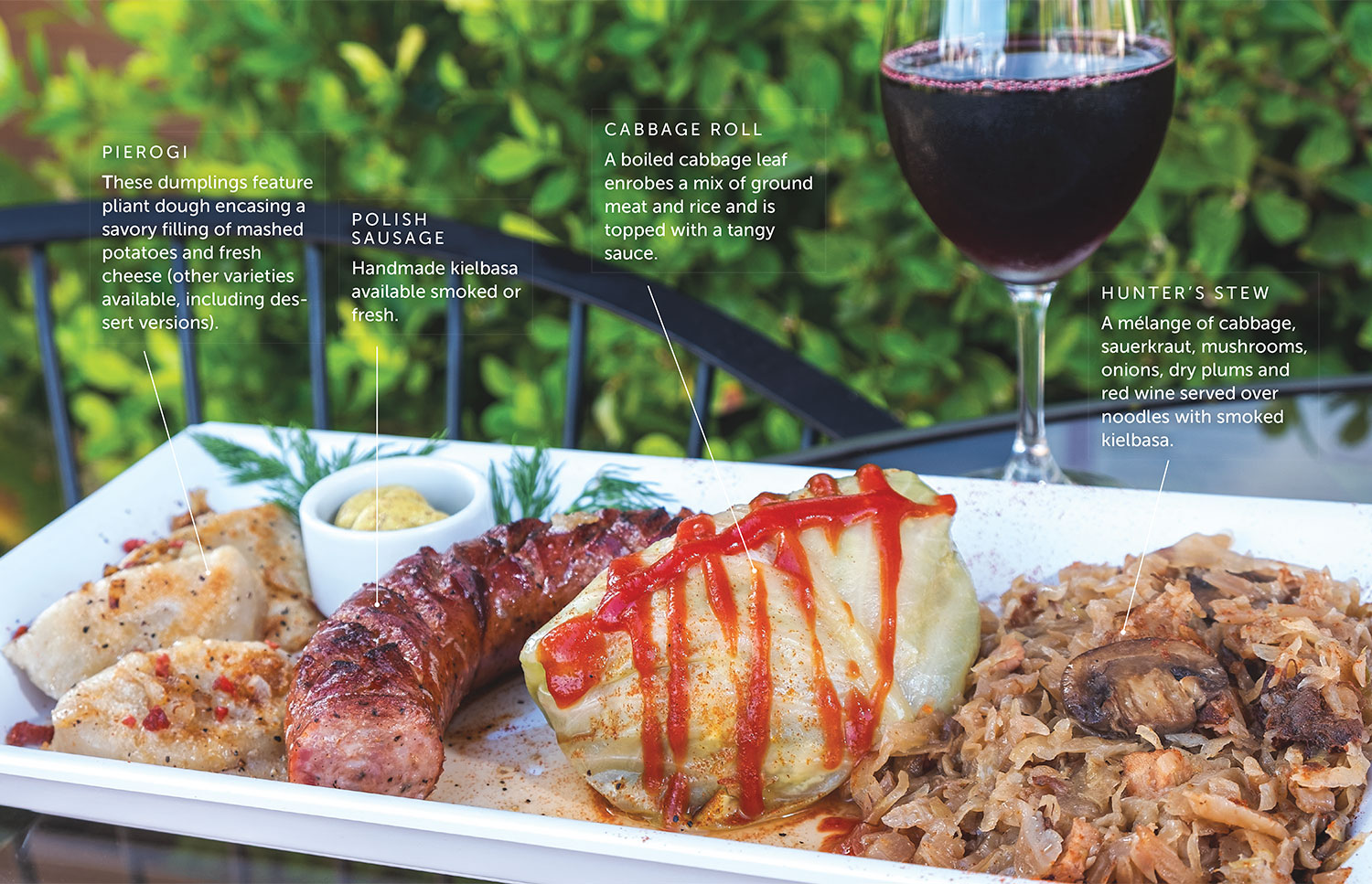
Before the pandemic ravaged the restaurant industry, Poland was perhaps the best-represented Eastern European country in the Valley dining scene. While we said goodbye to Polish Goodies Bistro and BeCe Kitchen (née Beaver Choice, which fused Polish, Scandinavian and Canadian cuisines), we still have A to Z Polish Market, Stanley’s Homemade Sausage Company and A Touch of European Café. The latter (atouchofeuropeancafe.com) offers not only a wide selection of classic dishes, but culinary tours of the motherland. Its Polish sample platter provides a bountiful overview of Polish cuisine (see below).

No Love For… Romania
The Valley has a robust Romanian immigrant population and several Romanian churches, but we couldn’t find a Romanian restaurant. No ciorba de burta (beef tripe soup) for you!
Russia
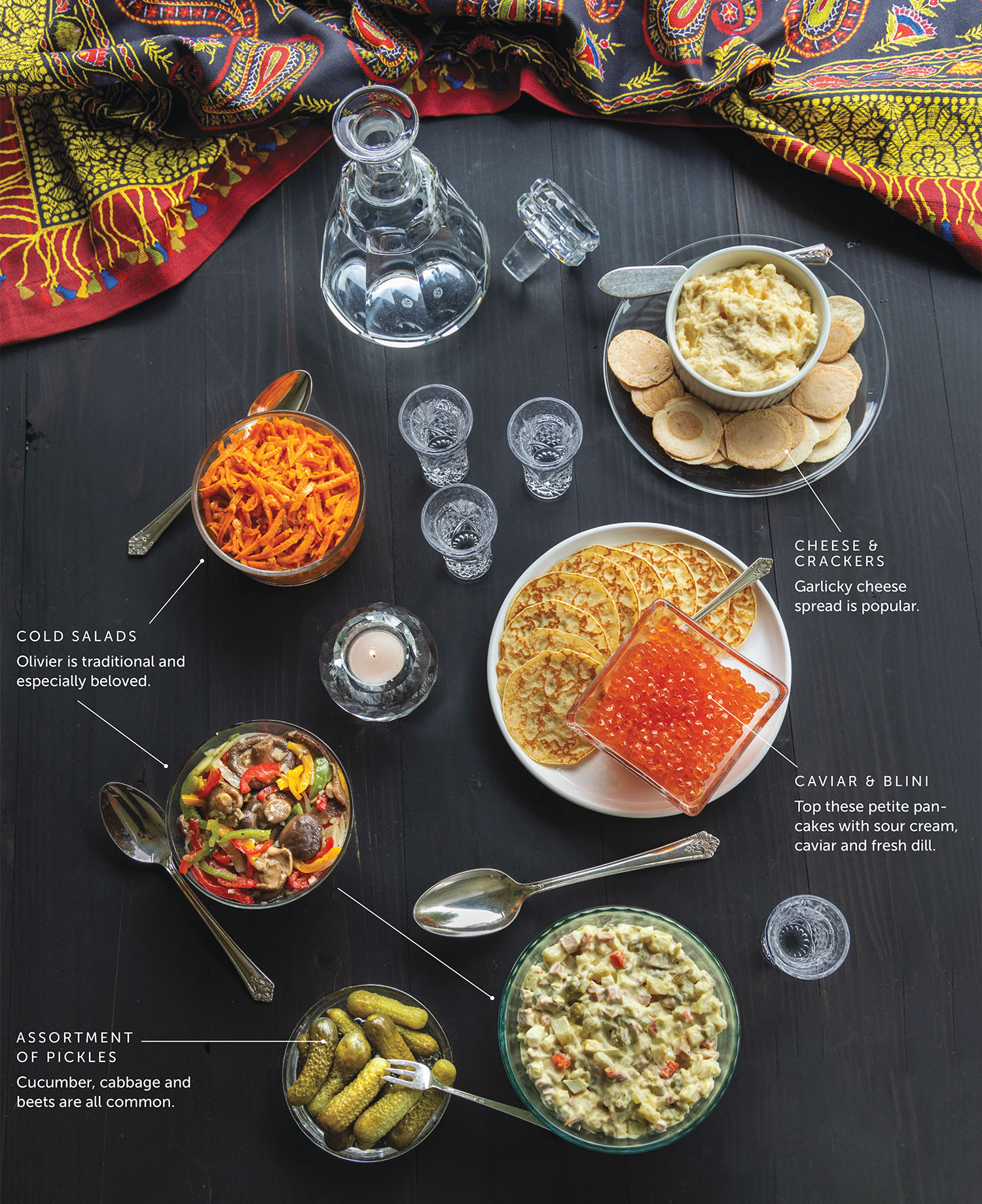
As tapas are to Spaniards, so zakuski is to Russians. The cold hors d’oeuvres – typically a glut of them, spread out over a table for communal enjoyment – are designed to pair with vodka, of course. One non-negotiable: something pickled. Make your own zakuski spread with these treats (see below) from Yasha from Russia (yasha-from-russia.business.site), the closest thing we have to a Russian restaurant.
Food for Thought
Soviet statesman Anastas Mikoyan is credited with modernizing food production in the then-U.S.S.R. Starting in 1936, he visited the U.S. to study the American food industry, bringing back techniques like flash-freezing and dishes like kotleti, fried meat patties akin to hamburgers.
Serbia
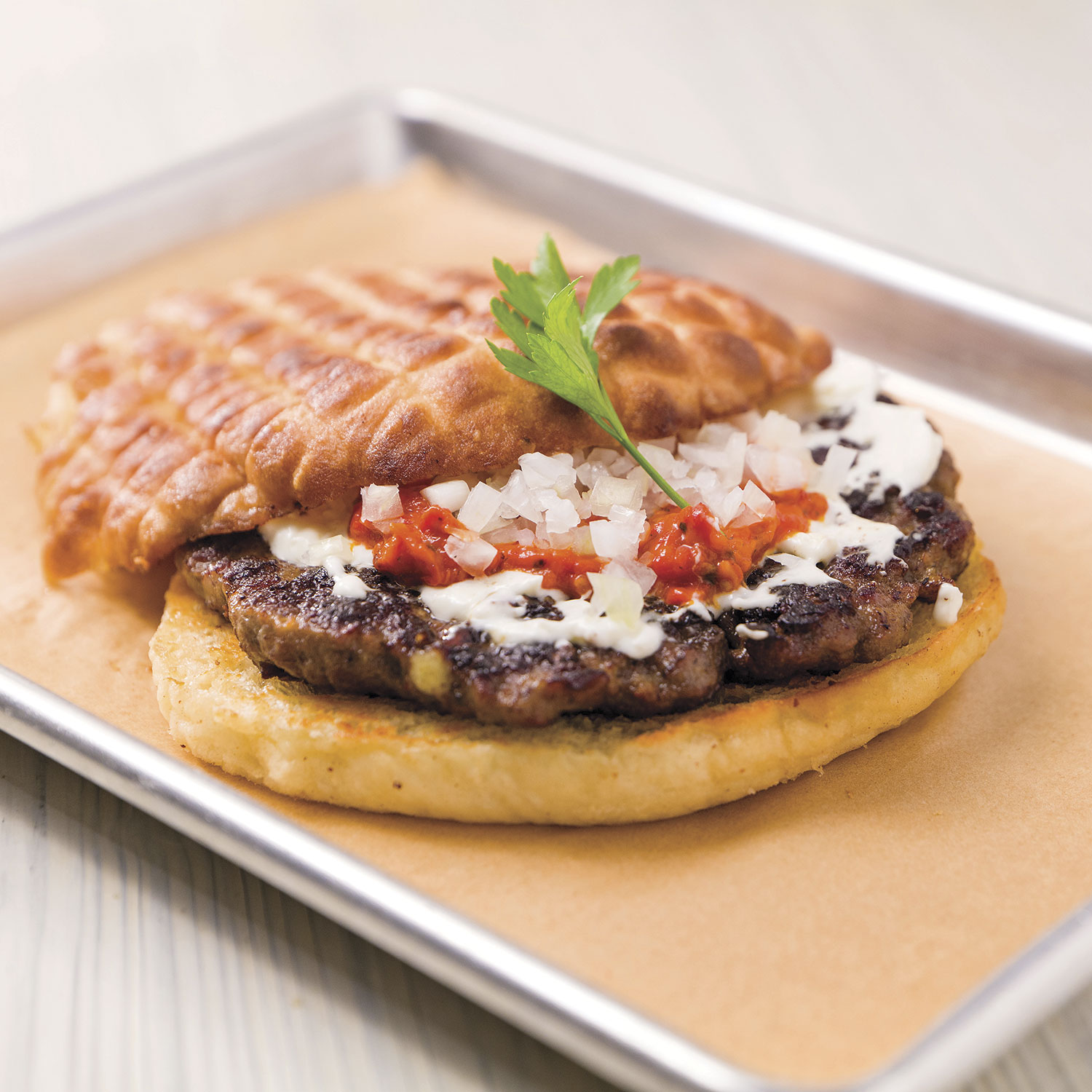
One of the signature dishes of Serbia, pljeskavica is a patty of ground meat (typically pork, beef and lamb), grilled and served with onions. At North Phoenix pan-Slavic eatery Café Balkan (cafebalkanaz.com), the all-beef “Balkan burger” (below) is served on homemade pita with kajmak (Balkan cream cheese), ajvar (roasted bell pepper spread) and chopped onions.

Ukraine
Long known as “the breadbasket of Europe,” Ukraine has mineral-rich black soil in which grains flourish. Consequently, bread is a big deal there, from savory pampushki (rolls topped with garlic butter) to sweet paska (egg-enriched, decorative Easter bread). Its harsh winters also make hearty, warming fare like soup and rib-sticking meat dishes, and preserved foods like pickles and sauerkraut, modes of survival – albeit delicious ones.
Chef Chat
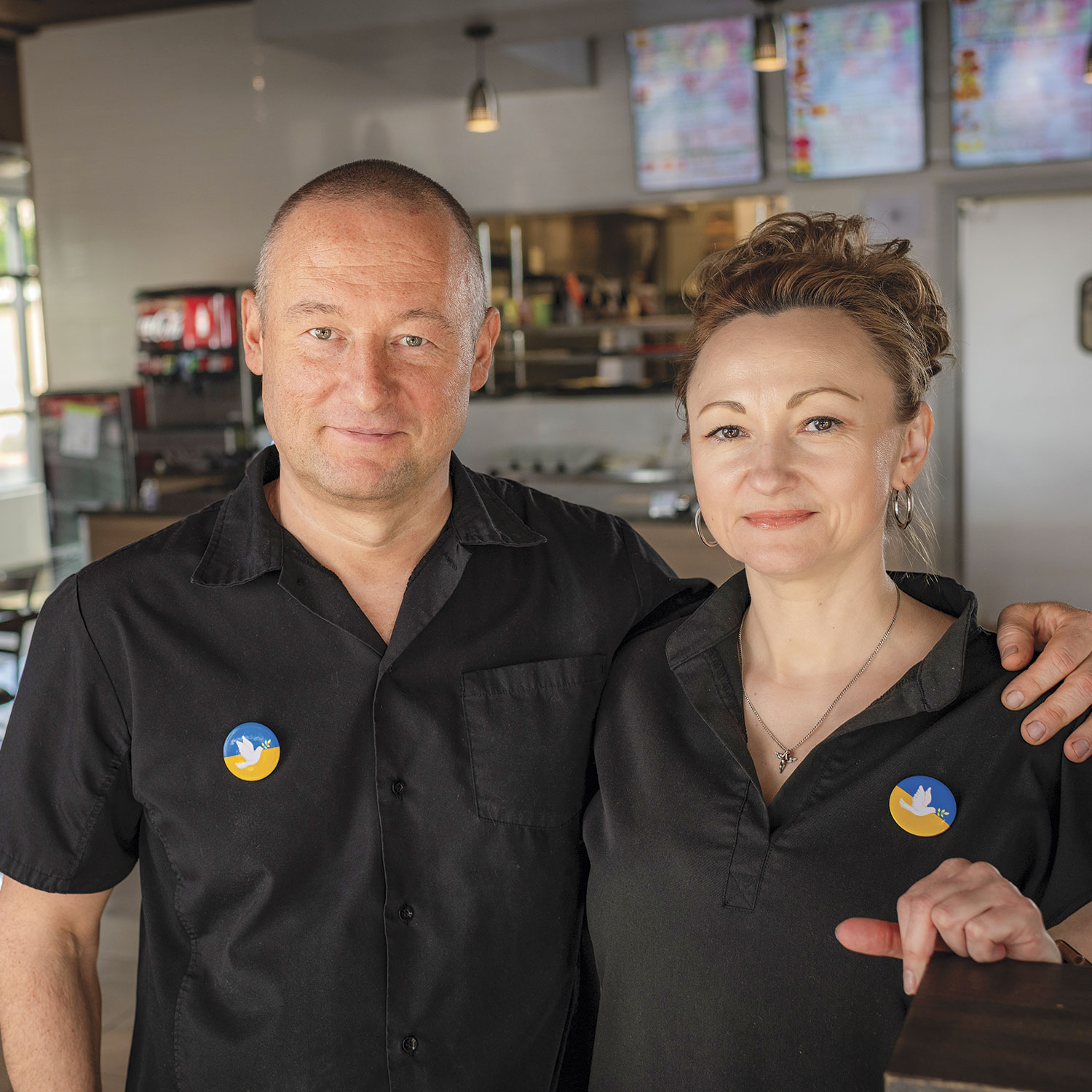
Oleksii “Alex” Koshalko of Soup & Sausage Bistro
Technically, he’s not the chef at Soup & Sausage Bistro – that’s his wife, Natalie – but Ukrainian expat Oleksii “Alex” Koshalko runs their Moon Valley restaurant and its new outpost in North Phoenix. They offer “a taste of home” for Ukrainians and other Eastern Europeans in the Valley.
Are most of your customers from Ukraine and Eastern Europe?
It’s probably like 80 percent American people, but their parents and grandparents are from that part of Europe. It’s like that second, third generation that already was born in the United States, but they still remember how their grandma or mom cooked in the kitchen.
A lot of your recipes come from your family. What are your comfort foods?
Cabbage rolls. A lot of dishes that we are doing on our menu are what our families do for holidays, like big celebrations, like Christmas. Pierogies [vareniki] – it’s usually like Christmas time or Easter… We do not do [them] every day [at home]… because you will spend for preparation an hour, you know, to do 10 pierogies… and there is no sense to do that. It’s for big parties.
So, your namesake soup and sausage dishes are more like everyday staples?
Lunch time, it’s a soup… It can be with the [stuffed] buns, it can be with bread, it can be a first dish [or a] second dish, but usually at lunch time, it’s soups. If you will check online, for example, in Ukraine, any restaurant’s lunch special – everywhere will be soup.
Food for Thought
Romanian mici (garlicky sausages sans casings) are cousins of Balkan cevapi, Middle Eastern kofta kebabs and Persian koobideh.