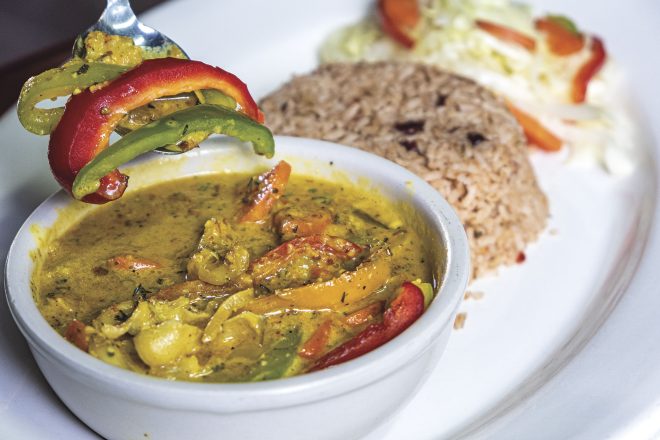
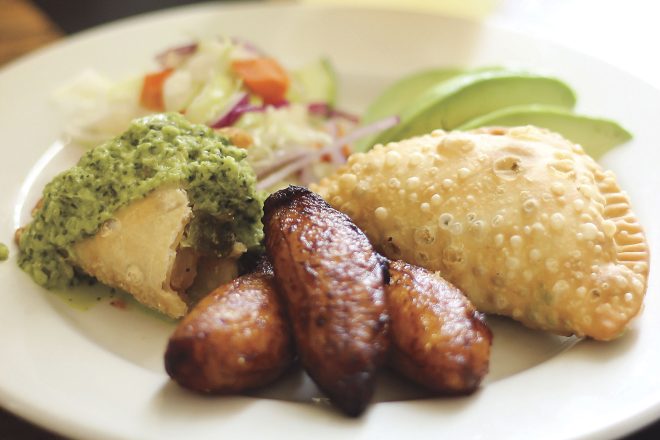
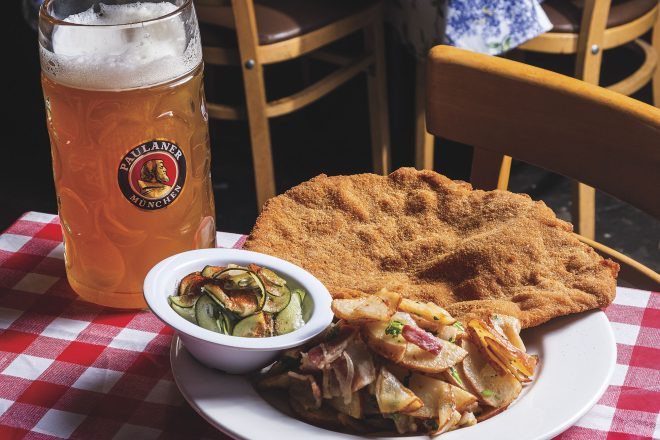
Spanning 4,700 miles tip to tip, South America is blessed with the kind of culinary wealth one would expect from a biodiverse continent that both straddles the equator and tickles the planet’s South Pole. As a collective culinary art form in the Valley, it’s still a work in progress. Several countries are heroically represented. Others, barely at all.
by Nikki Buchanan, Leah LeMoine, Craig Outhier & Madison Rutherford
Argentina
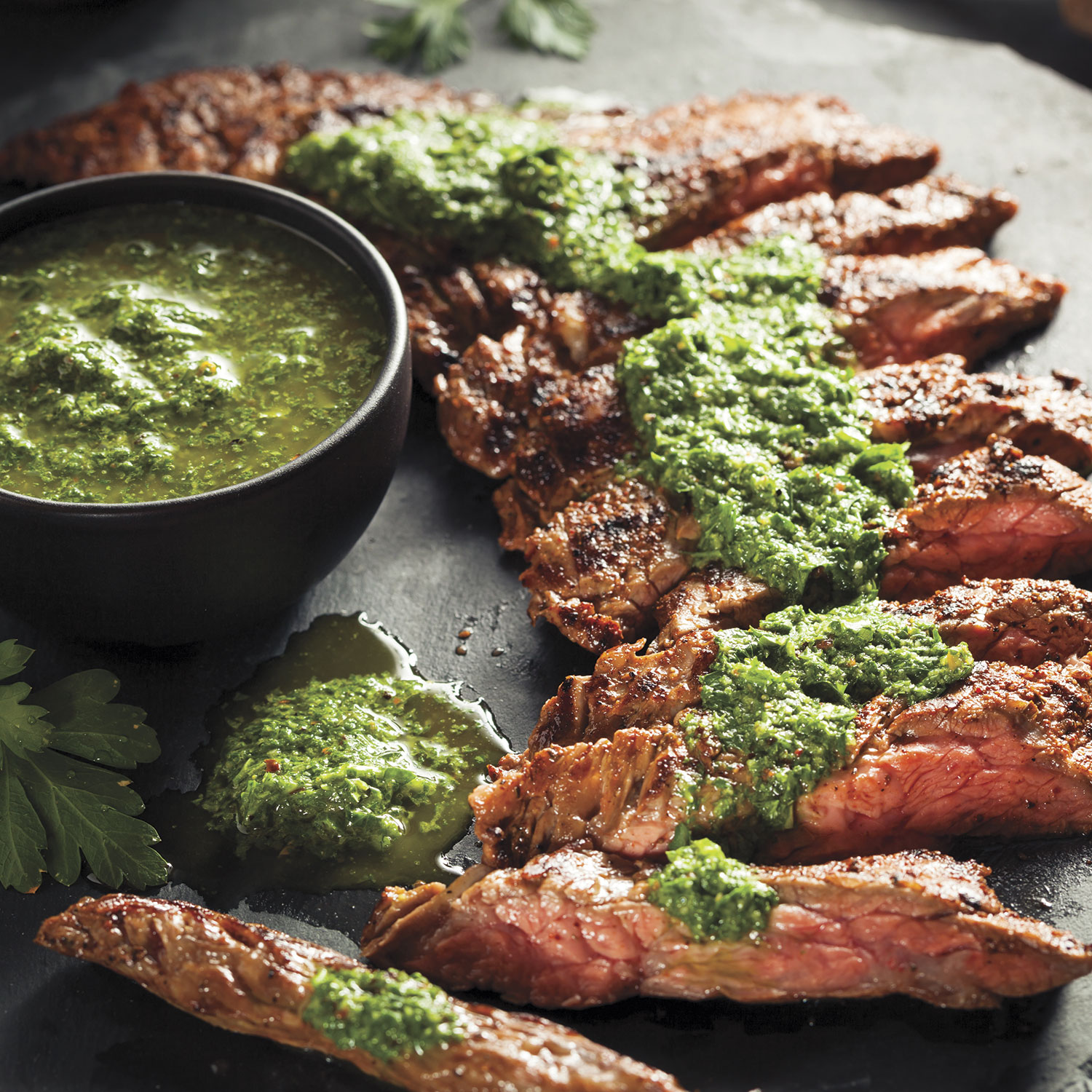
How best to console yourself over the lack of a dedicated Argentine restaurant in the Valley? Order the A5 Wagyu hot stone sirloin at Old Town newcomer Donabe (donabeaz.com). Not explicitly an Argentine dish, but it is slathered in perhaps the country’s greatest culinary achievement: chimichurri, that irreplaceable medley of minced parsley and garlic, here brightened with minty shiso. It’s the most ridiculously good steak-and-chimichurri pairing in Phoenix, and those beef-crazy Argentines would surely approve.

Bolivia
The socialist nation shares a border and Andean mountain range with Peru, so little surprise it shares a few dishes with that country, too. We found one at Melrose-area El Chullo Peruvian Restaurant & Bar – namely, anticuchos, or grilled beef hearts (elchullorestaurant.com). Marinated in red wine, cumin and ají panca chiles, the dense, purplish flesh is grilled and served with a kicky rocoto pepper sauce. The taste: gamey, coppery and, uh, hearty.
Brazil
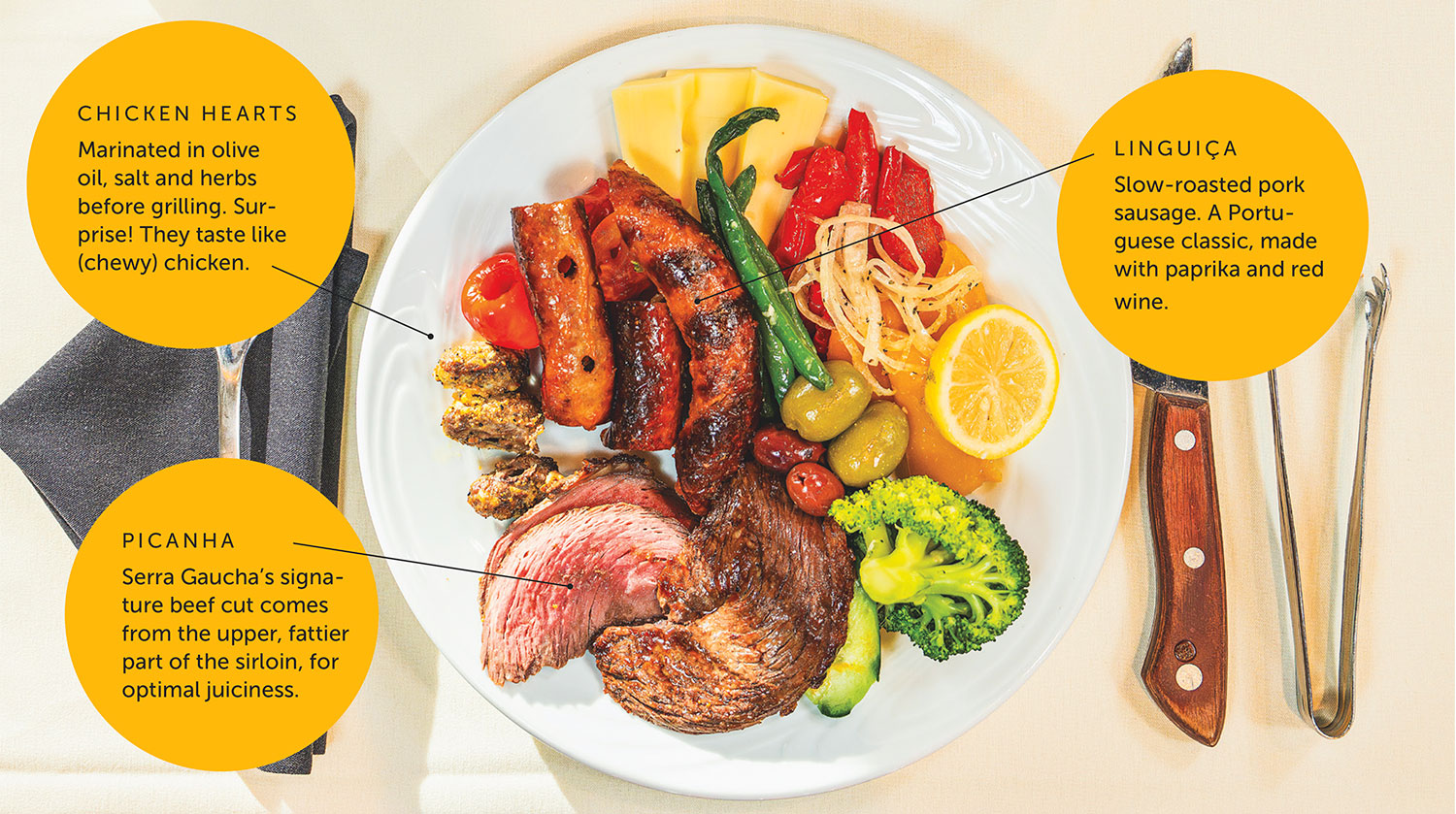
Brazilian cuisine is not defined by all-you-can eat spits of lamb and beef tenderloin alone. The massive Portuguese-speaking country also has tradition-driven dishes like feijoada (a rich black bean stew, typically paired with fried kale salad) and farofa, a salty side of bacon fried with cassava flour. Unfortunately, we had little luck finding any such dishes in the Valley. So let’s lean into the all-you-can-eat steakhouse, known as a churrascaria. Peoria has a respected one in Serra Gaucha (serragauchausa.com), where proteins predictably rule (see below).
Chile
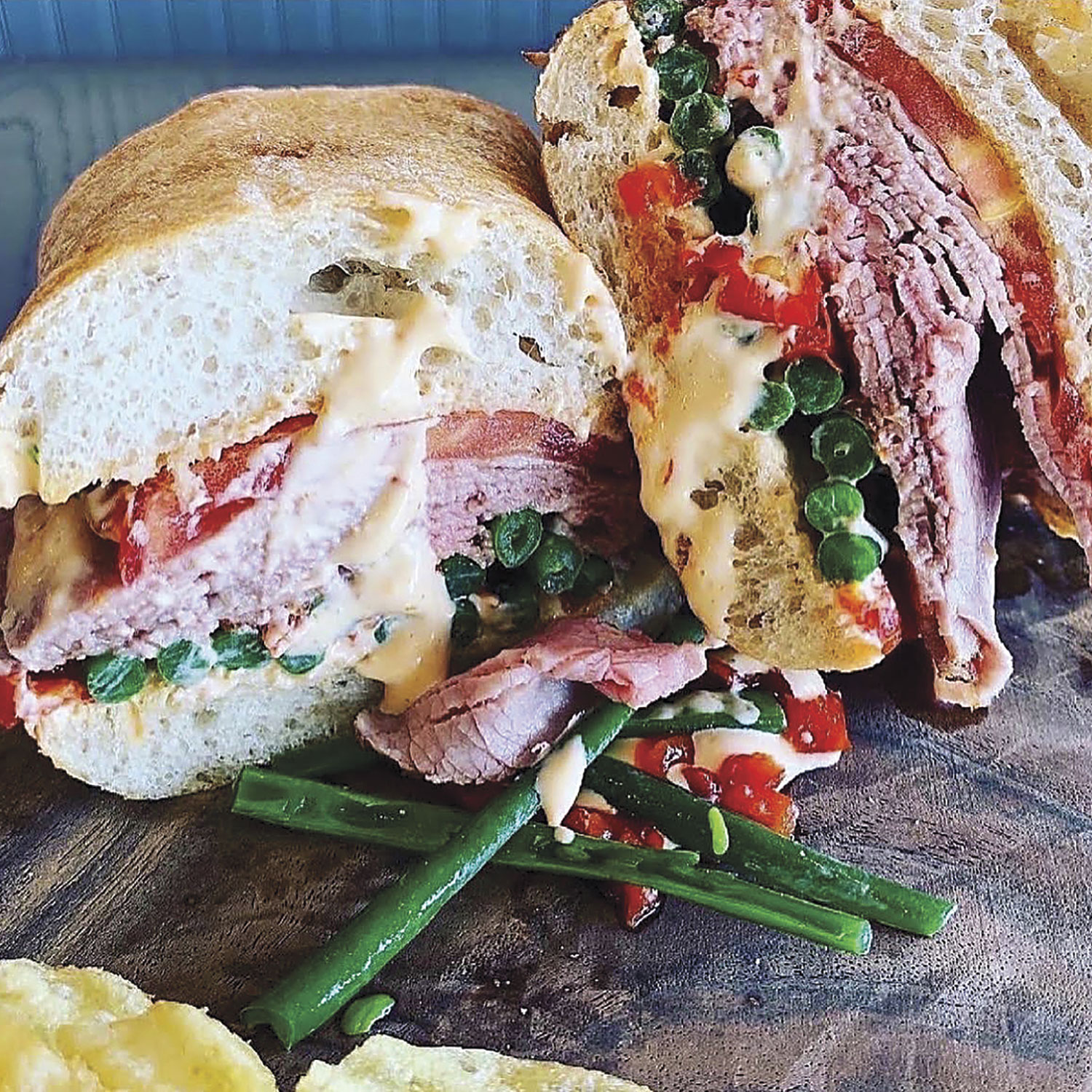
The slender, latitude-spanning Atlantic nation is replete with intriguing dishes, including cazuela (done as a soup with multiple stocks) and the completo (a Chilean-style hot dog smeared with mashed avocado). Sadly, our sleuthing would have been a complete wash if not for the El Chileno sandwich at Chandler’s Mingle + Graze (mingleandgraze.com). Inspired by co-owner Cristóbal Alarcon’s Chilean childhood, it marries lean roast beef with crisp green beans and pepper relish on soft ciabatta. “You would defintely find a sandwich like this in Chile,” Alarcon says.
glossary
fricase /freh-ka-SEE/
Beef stew served with egg or cream sauce; one of the national dishes of Guyana on the north coast of South America. We tried and failed to find one in Phoenix.
Columbia
Colombia’s unique positioning at the top of the South American continent, where it receives the Central American isthmus while touching both the Caribbean and the last, waning foothills of the Andes, is reflected in its diverse cuisine. Colombian food isn’t exactly plentiful in the Valley, but the purveyors tend to be great, including Downtown newcomer Que Sazón (622 E. Adams St., 602-919-2246) and Mesa mainstay La Tiendita (facebook.com/latienditacolombianrestaurant).
Arepas
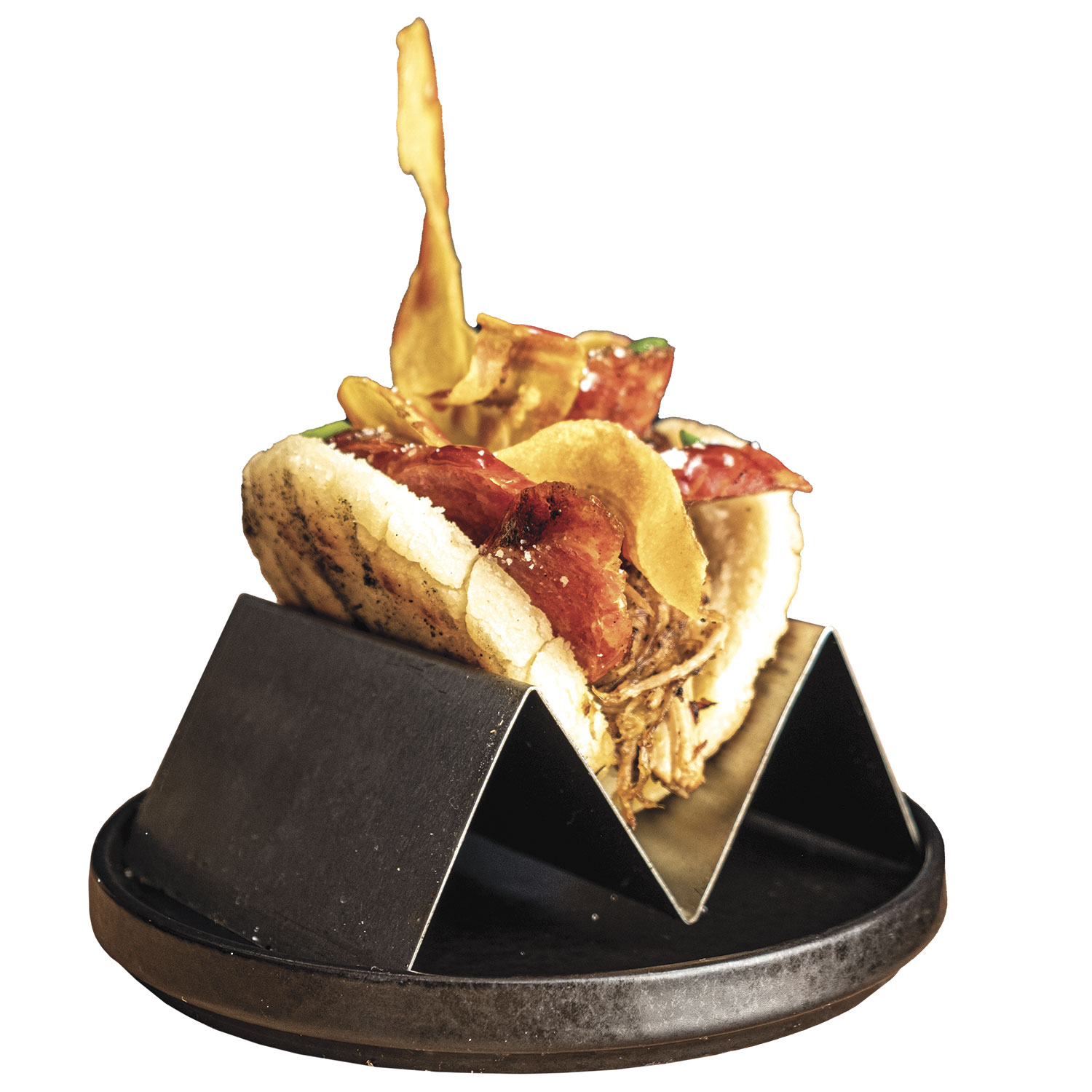
A fluffier cousin of the pupusa, these masa tortillas are Colombia’s heritage staples. La Tiendita serves six versions, stuffed with cheese, chicken and more.
Bandeja Paisa
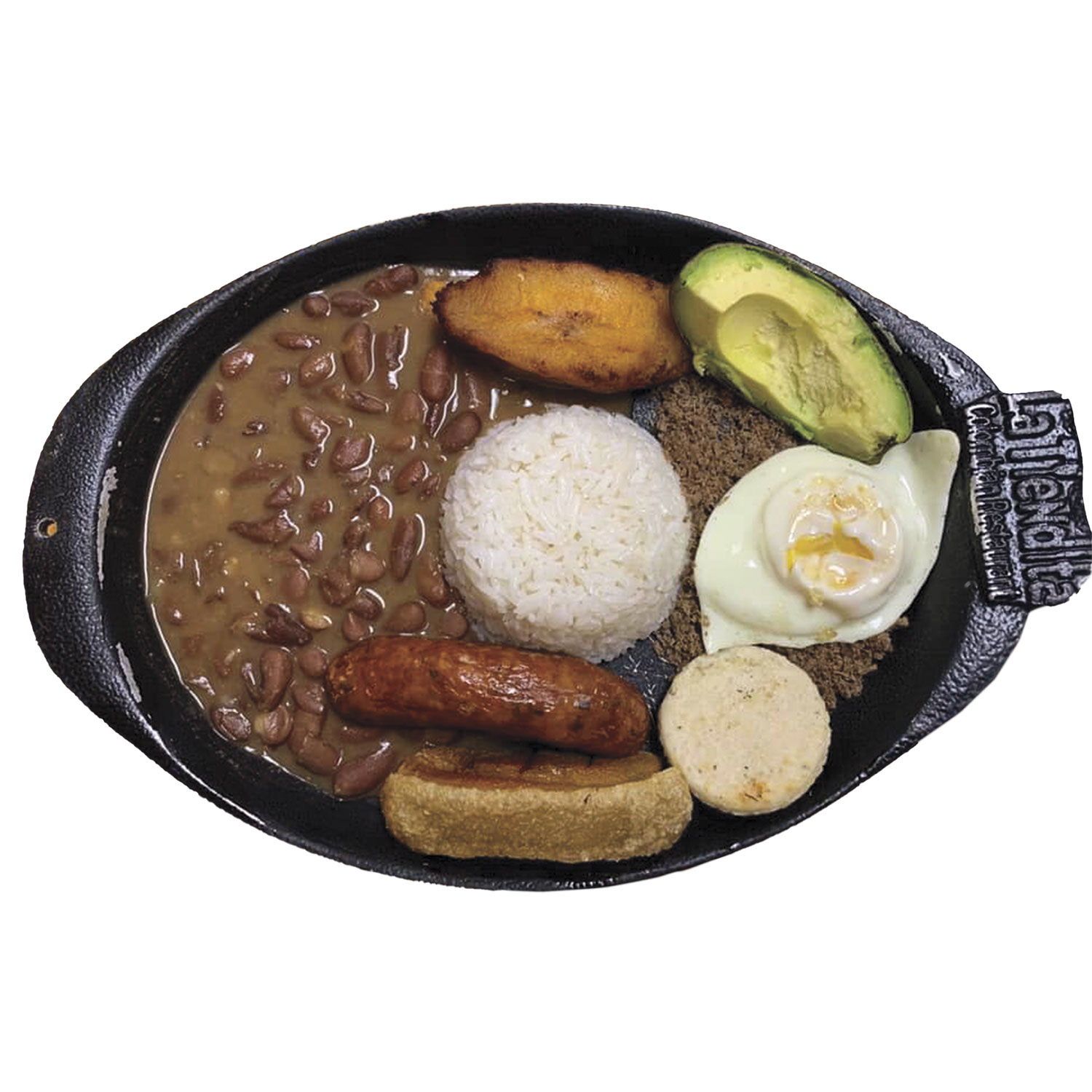
Native to the city of Medellín, the national dish of Colombia is basically an everything-platter of meats, rice and plantains. Also avaiable at La Tiendita.

Sancocho
The pride of Cali is traditionally a fragrant chicken and corn soup flavored with coriander. Que Sazón’s elevated version substitutes short ribs for the chicken.
Chef Chat
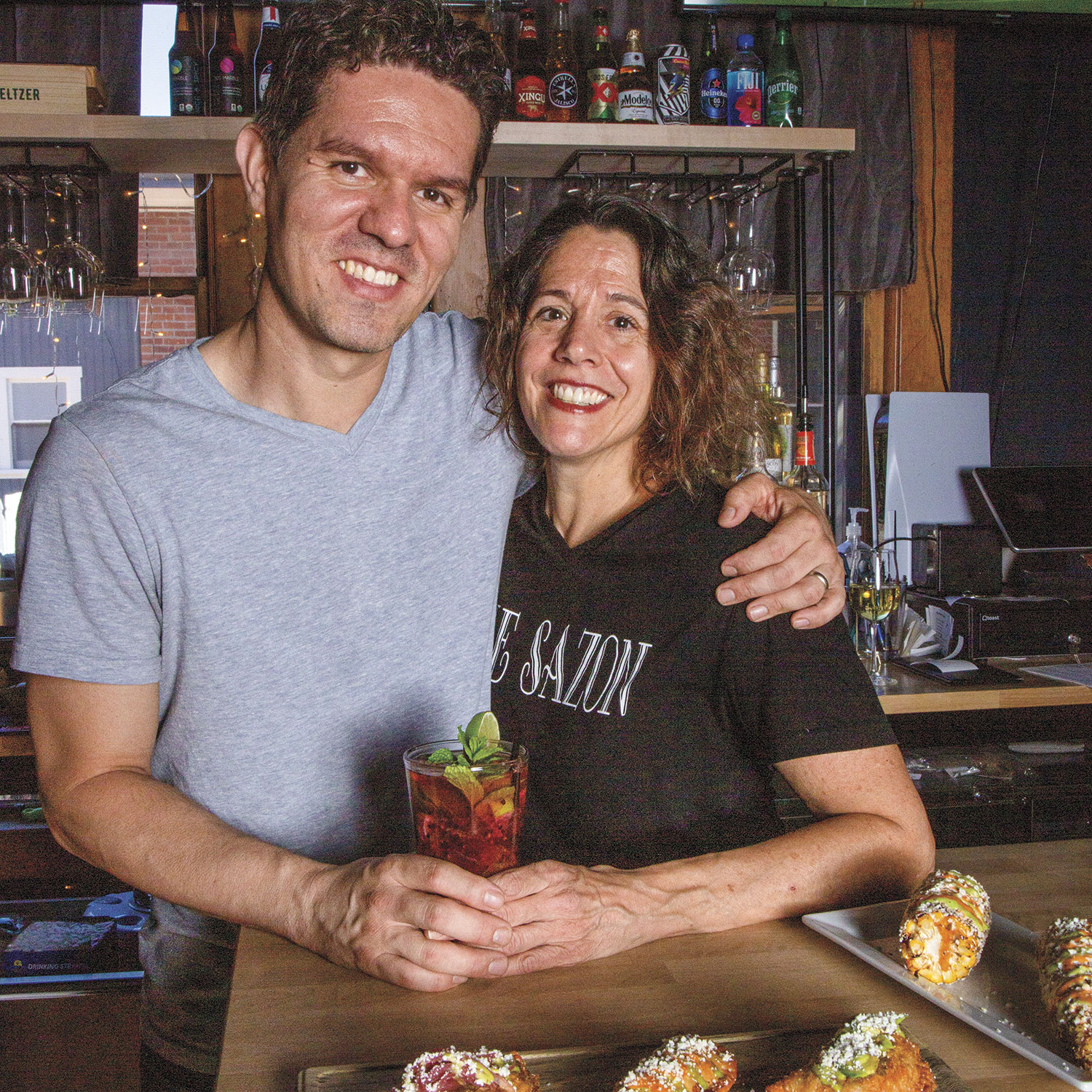
Fabian & Julie Ocampo of Que SazÓn
He’s a chef from Colombia. She’s a psychologist from St. Louis. Together, they own and operate Que Sazón, a 2023 PHOENIX Best New Restaurants honoree that started life as a Colombian food truck before moving into Nobuo Fukuda’s old digs at Downtown’s historical Heritage Square. We talked tiradito with the couple.
What’s the difference between tiradito and ceviche?
Fabian Ocampo: Mostly in the way they’re cut. Tiradito is cut sashimi-style, while ceviche is cubed. Tiradito can also be made with cured salmon and tuna, while ceviche is typically just shrimp or white fish.
You also make a mean empanada. Did those originate in colombia?
FO: No, those were [brought] from Europe. Empanadas are made from wheat flour and baked, as opposed to arepas, which are Indigenous and made from corn. Using wheat lets you make them bigger and stuff them with things, and they come out nice and flaky.
What are the most and least favorable parts of of moving from a truck into a brick-and-mortar?
Julie Ocampo: The best part is being able to settle in and spread out… you can stock more and don’t have to dump gray water. The amount of driving was pretty bad, too. The least favorable: having less flexibility with your own schedule. You can’t really take off for a whole month and just close down… or work a full-time job on the side. So, I don’t do that anymore.
Ecuador
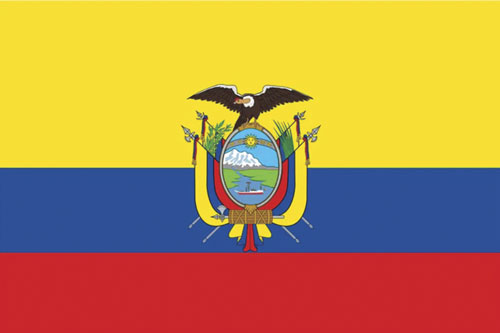
The mineral-rich volcanic soil of Ecuador and its location on the equator make it a fertile coffee-growing area. Get a taste of the tiny country’s vibrant coffee culture at Galapagos Coffee Shop (galapagoscoffeeshop.weebly.com), the Valley’s only Ecuadorian coffeehouse. The signature pizza espresso is topped with a square of cheese, which partially melts before being scooped out for a coffee-flavored snack. “We are the Switzerland of South America,” owner Alexandra Moran says. “We put cheese on everything.”
Peru
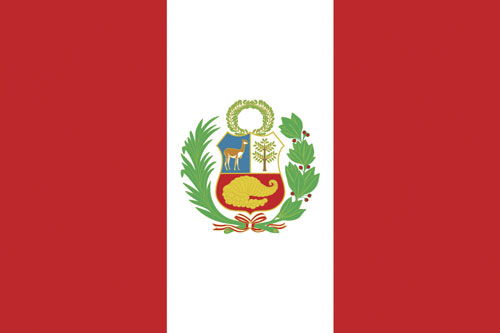
It seems like the Valley reliably maintains a stable of three or four good-to-great Peruvian restaurants. Never more, never less. Hey, we’ll take it. Combining the culinary traditions of European colonists, Asian and African laborers, and Indigenous Quechua people, Peruvian food has been described as the world’s first fusion cuisine and a harbinger of modern restaurant trends. As anyone who’s experienced the profound culinary shift traveling between Lima and the hinterlands knows, it’s also quite regional (see below).
Map It: Peru
Where to find regional Peruvian treasures in the Valley.
Lima
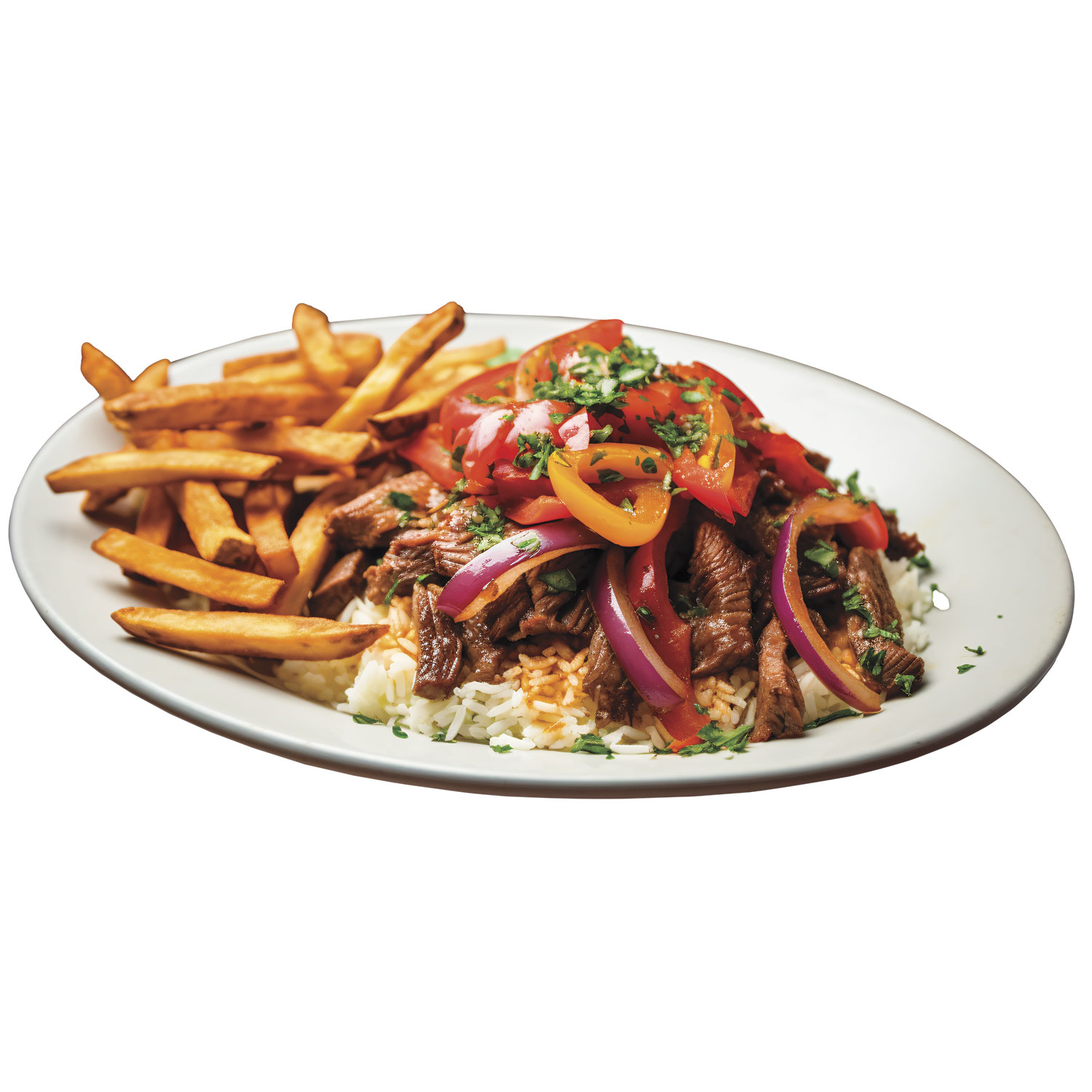
Many of the multi-cultural dishes that typify Peruvian cuisine orginated in its bustling capital. Case in point: lomo saltado, the iconic Chinese-Latin beef stir fry, made tangy with a touch of vinegar. Per tradition, Andes Peruvian Cuisine (losandestogo.com) in West Phoenix serves it with a side of french fries.
Pisco
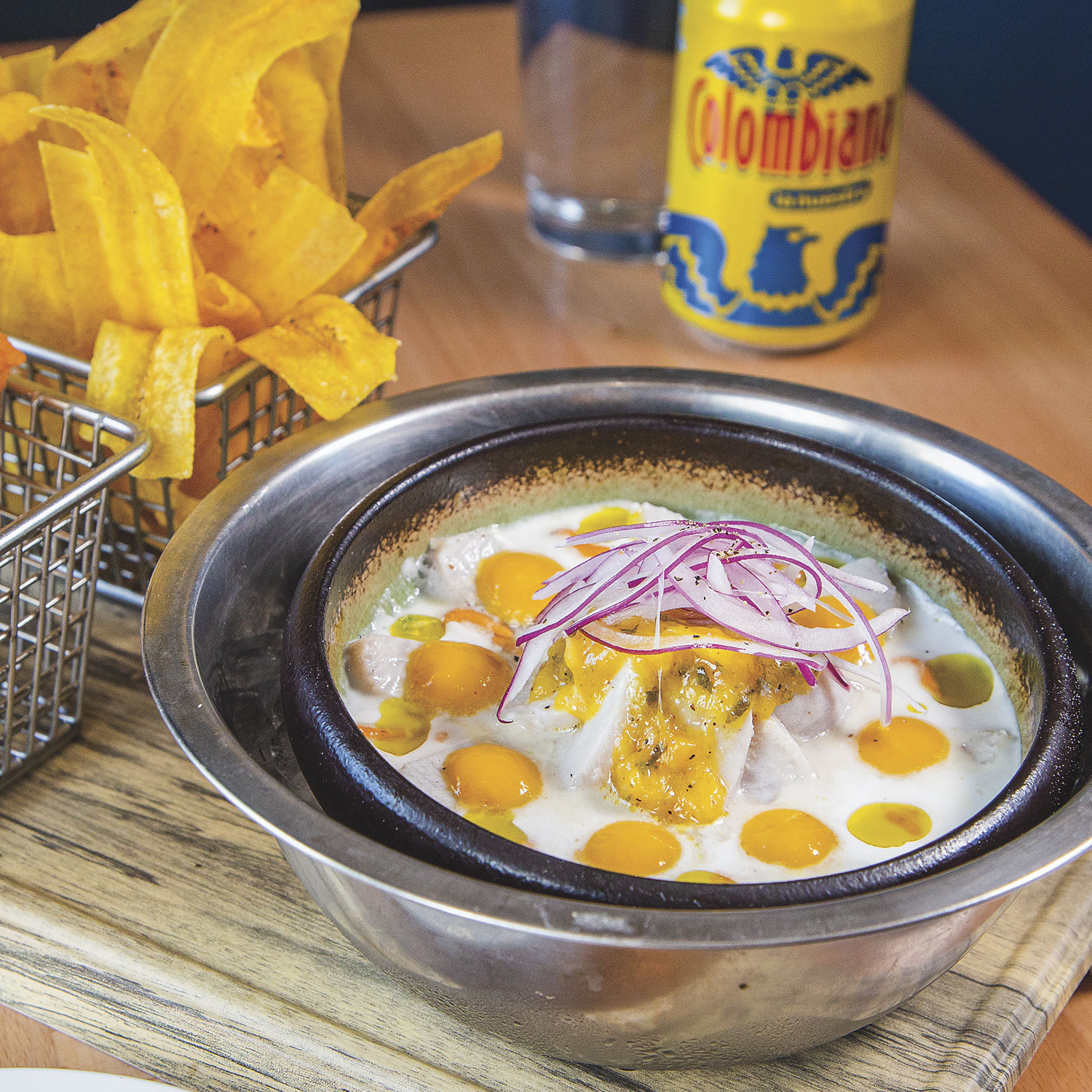
A port city located 180 miles south of Lima, Pisco is best known for the rum-like spirit that bears its name. But it’s also the birthplace of ceviche-like tiradito, pioneered by Japanese immigrants who added leche de tigre (a milky citrus-ginger marinade) to sashimi cuts. Que Sazón in Downtown Phoenix (622 E. Adams St., 602-919-2246) serves a luscious version with ringlets of fried calamari.
Andes
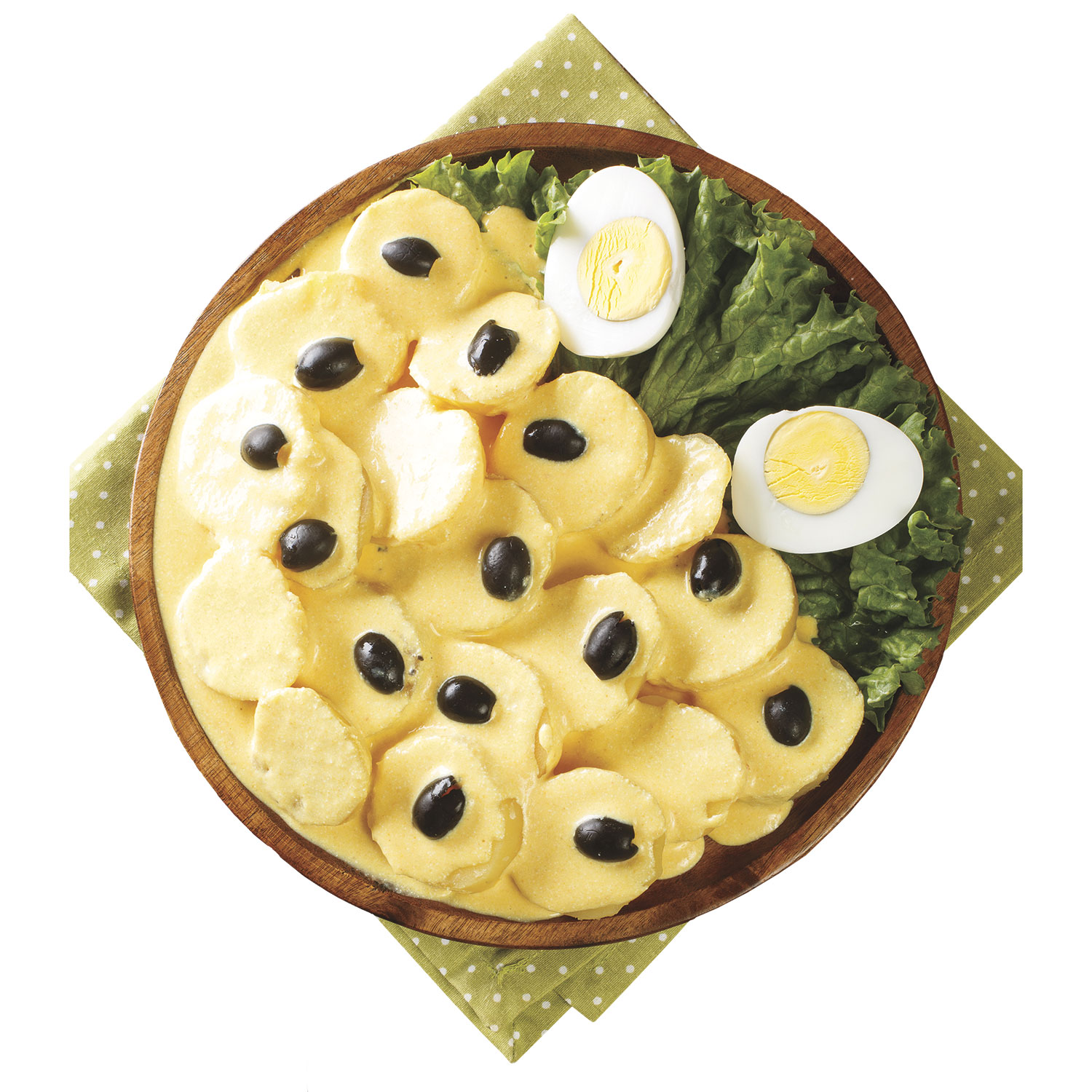
The masterpiece of the Peruvian highlands’ starch-heavy diet is papa a la huancaína, in which a spiced cheese sauce is poured over cooled potatoes and topped with hard-boiled egg and Peruvian black olives. Find a great one at El Chullo Peruvian Restaurant & Bar, now with two Central Phoenix locations (elchullo.com).

No Love for… Uruguay
Neither Uruguay or its northern landlocked counterpart, Paraguay, have anything resembing a culinary presence in the Valley, though you can easily fudge it – popular dishes include gnocchi and stuffed pizza.
Venezuela
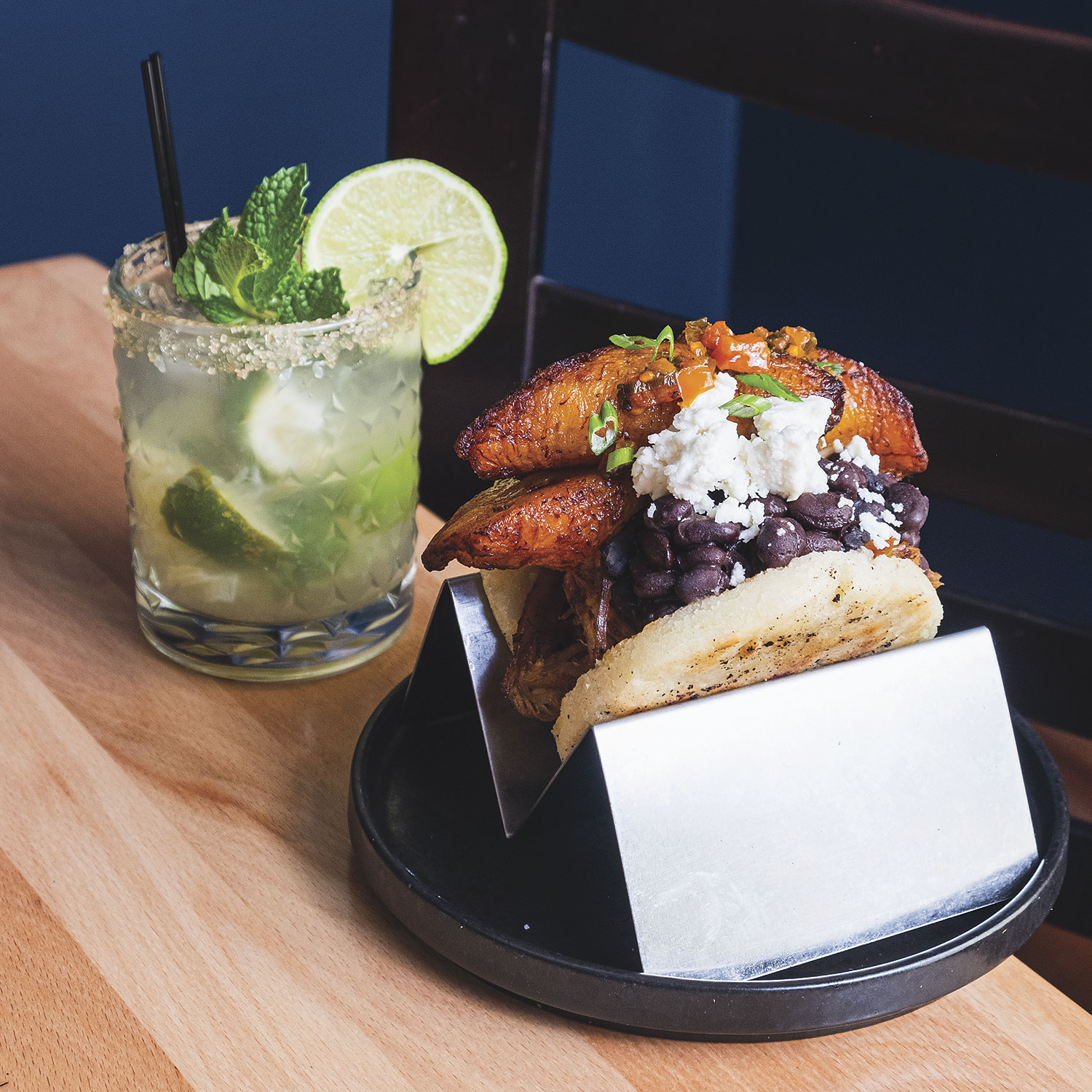
Similar to Guatemalan hilachas or Cuban ropa vieja, pabellón criollo is the national dish of Venezuela – beef slow-cooked in a flavorful but mild chile braise and served alongside a mountain of black beans. At Que Sazón in Downtown Phoenix (622 E. Adams St., 602-919-2246), chef Fabian Ocampo piles the whole kit-and-kaboodle onto another Venezuelan staple, the arepa (a vaguely Frisbee-shaped masa cake), along with fried plantains and irresponsible heaps of cotija cheese. Merced, amigo!
Food for Thought
Though embraced and elevated throughout Latin America, the empanada may have North African roots. They first appeared in Medieval Iberia during the time of the Moorish invasions.