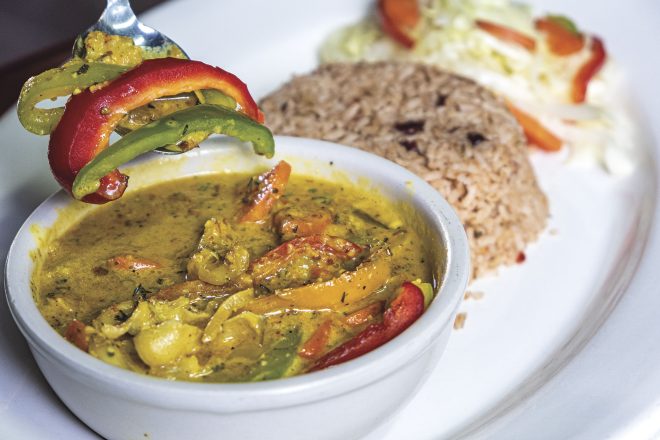
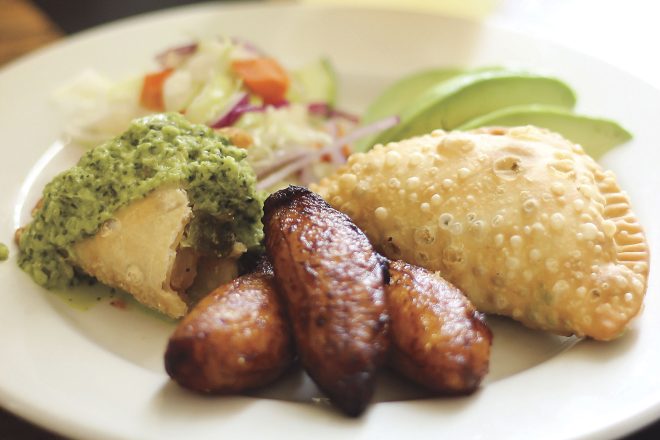
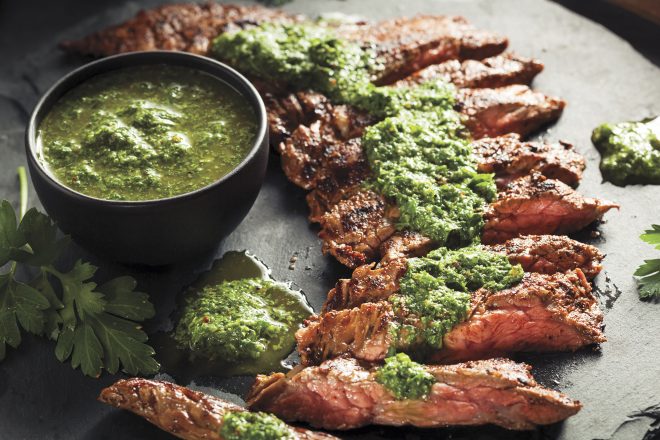
Much of the food covered here will be familiar to Valley diners – particularly Italian cuisine, routinely ranked by U.S. restaurant-goers as their favorite – but there is always a lamb kapama or acorn-fed jamón to keep things interesting.
by Nikki Buchanan, Leah LeMoine, Craig Outhier & Madison Rutherford

Cyprus
Although this Mediterranean Island shares food traditions with Greece and Turkey, it gets all the credit for halloumi, a pleasantly salty goat’s and sheep’s milk cheese with a high melting point. You can find it in a handful of Valley restaurants, including do-everything North Scottsdale eatery De Babel (de-babel.com), where squeaky slabs of halloumi are grilled in sizzling butter and tucked into pita crammed with cucumbers, tomatoes and mint.

Greece
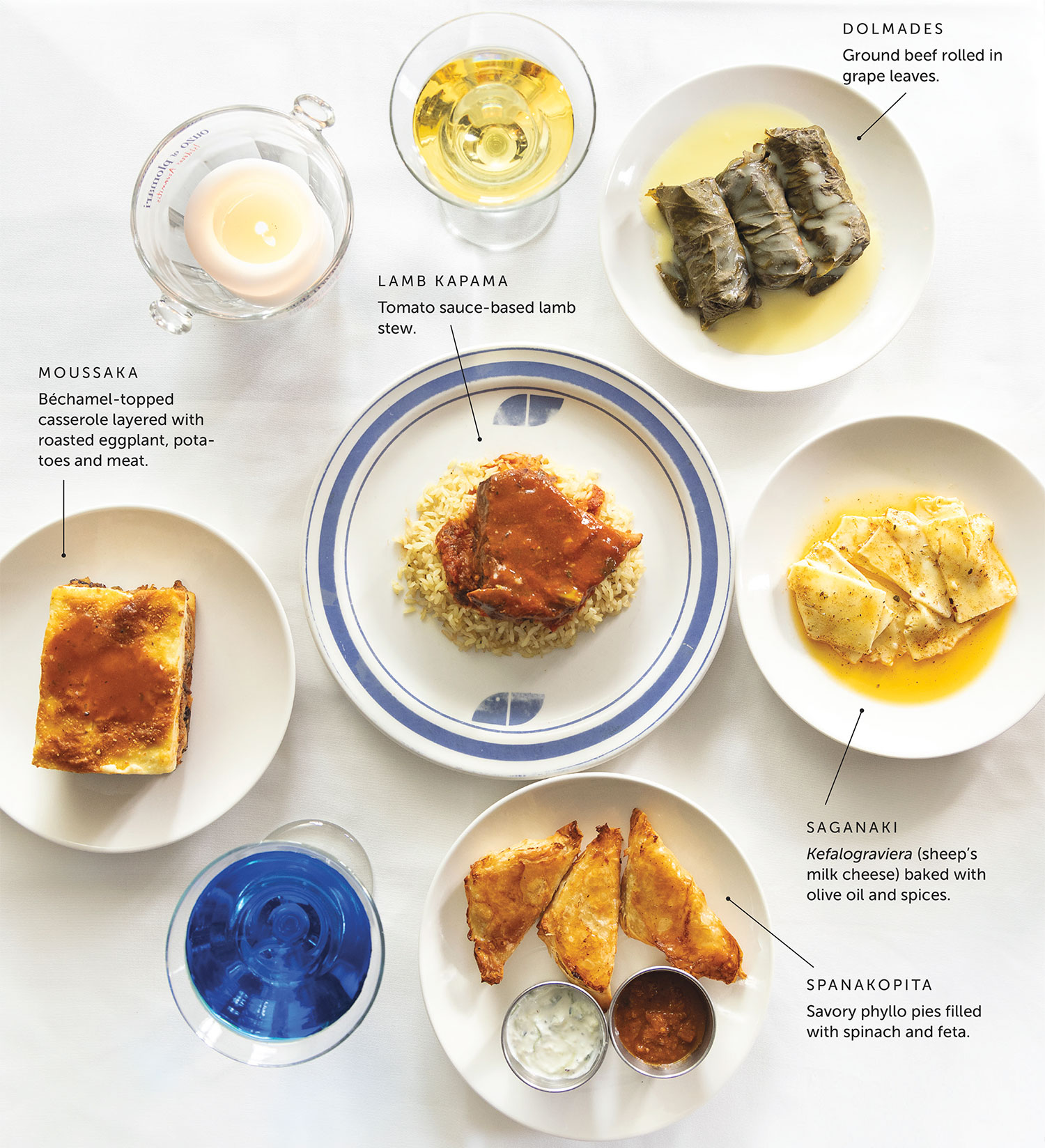
By and large, Phoenix’s Greek restaurants are tasty fast-casuals that stick to basics such as gyros, souvlaki, burgers and Middle Eastern specialties. For a broader selection of authentic, deep-cut Greek dishes, try Greektown (greektownrestaurant.com) in Sunnyslope (below).

Italy
Fifty years ago, Italian food was generally found in three types of Valley restaurants – pizza parlors, neighborhood spaghetti joints and quasi-Continental high-end Italian restaurants – and all of it was Americanized. Nowadays, local Italian restaurants more often strive to authentically capture Italy’s regional diversity. Giovanni Scorzo of Andreoli Italian Grocer and Franco Fazzuoli of Franco’s Italian Caffe were two early pioneers, followed by the likes of Stefano Fabbri of Pomo fame, who introduced the Valley to Neapolitan pizza in 2010.
Map It: Italy
Where to find regional Italian treasures in the Valley.
1. Lombardy
Lombardy is dotted with rice paddies, and risotto – rice cooked in broth to decadent creaminess – is its specialty. At Va Bene (vabeneaz.com) in Ahwatukee, risotto mare monte, loaded with shrimp, scallops and mushrooms, is an entrée, not primi piatti, the starchy first course in Italy.
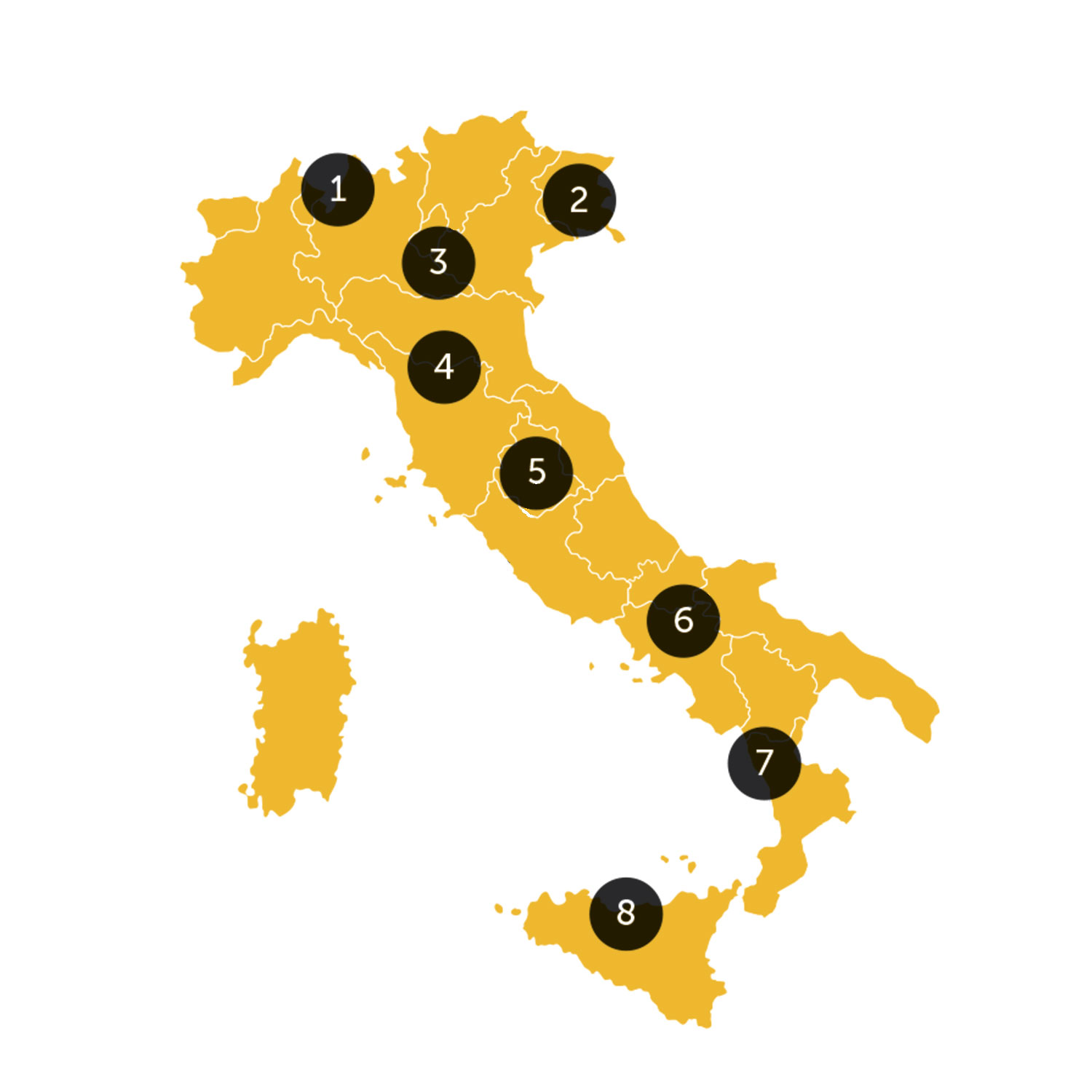
2. Veneto
Corn, a staple in this water-rich region, is ground into meal and transformed into porridge-like polenta, eaten by peasants for centuries. Short ribs, slow-cooked to divine unctuousness, are polenta’s perfect partner at Downtown diner Rosso Italian (rossoitalian.com).
3. Emilia-Romagna
Italy’s food capital is famous for its handmade egg pasta, including tortelloni, a ring-shaped stuffed pasta said to resemble Venus’s navel. Marcellino Ristorante (marcellinoristorante.com) in Scottsdale makes an impossibly luxurious version, usually available as a special. Stuffed with a purée of filet mignon and vegetables, and finished with butter and shaved black truffle, it’s perfect.
4. Tuscany
Tuscany’s trademark wild boar isn’t available in Phoenix, but we’ll happily settle for the region’s quintessential appetizer, crostini Toscani – chicken liver pâté on toasted bread. Tratto (trattophx.com) takes liberties with the dish, spooning seared whole livers onto grilled house-made sourdough and dotting it with seasonal jam.
5. Umbria
Although Umbria and Lazio both claim to have invented porchetta (fatty, herb-seasoned pork roast), it’s Umbria that turned it into a sandwich of rich, greasy meat tucked between slices of homemade bread. Called panino con la porchetta, it’s a simple classic handled expertly at Andreoli Italian Grocer (andreoli-grocer.com).
6. Campania
Naples is best known for thin-crust, soupy-centered pizza, usually topped with buffalo mozzarella, another important product of Campania. Get the real deal, which meets strict standards outlined by the AVPN (Associazione Verace Pizza Napoletana) at Pomo (pomopizzeria.com).
7. Calabria
Upscale Casa Mia (casamiascottsdale.com) in Fountain Hills salutes Calabria’s spicy, robust cooking and its most famous ingredient – ’nduja, spreadable pork spiked with Calabrian chiles – by combining it with tubular paccheri pasta, Calabrian pecorino (sheep’s milk cheese) and fresh basil.
8. Sicily
Named for their resemblance to oranges, arancini (softball-size rice balls, breaded and deep-fried) were invented 1,100 years ago when Sicily was under Arab rule. Here at home, they’re usually served as dainty, mozzarella-filled appetizers, just as they are at The Parlor (theparlor.us).

Chef Chat
Stefano Fabbri of Pomo
Stefano Fabbri of Pomo Pizzeria, Luna Gelateria and Rosso Italian grew up in Italy, later following his “heart” (read: an American girl) to the States, where he married and eventually settled in Phoenix. He opened the first Pomo in 2010.
How did you become a restaurateur?
Entering the restaurant industry was less of a plan and more of a destiny. In 1949, my grandfather opened the first bakery in our little town. My dad and uncle worked as bakers for many years. I remember playing with the flour and dough as a kid.
You brought VPN pizza to Phoenix. What are the requirements to make it certified?
The oven must be wood-fired and heated to 905 degrees [and] the flour must be imported from Italy. Each pizza is cooked for 60 to 90 seconds, producing a blistered crust and soft center. These are just a few of the requirements.
You go to Italy every summer. Why?
It’s important to keep up with trends but also to remember the flavor of Italian food. Our gnocchi burrata, served with cherry tomatoes, fresh burrata and basil, was inspired by my travels. We hand-make it every day. It’s our customers’ favorite dish.

No Love For… Portugal
We had a bead on a Portuguese salted cod stew called bacalhau at Mambo’s Dominican Kitchen, but the East Valley restaurant no longer offers it.

Spain
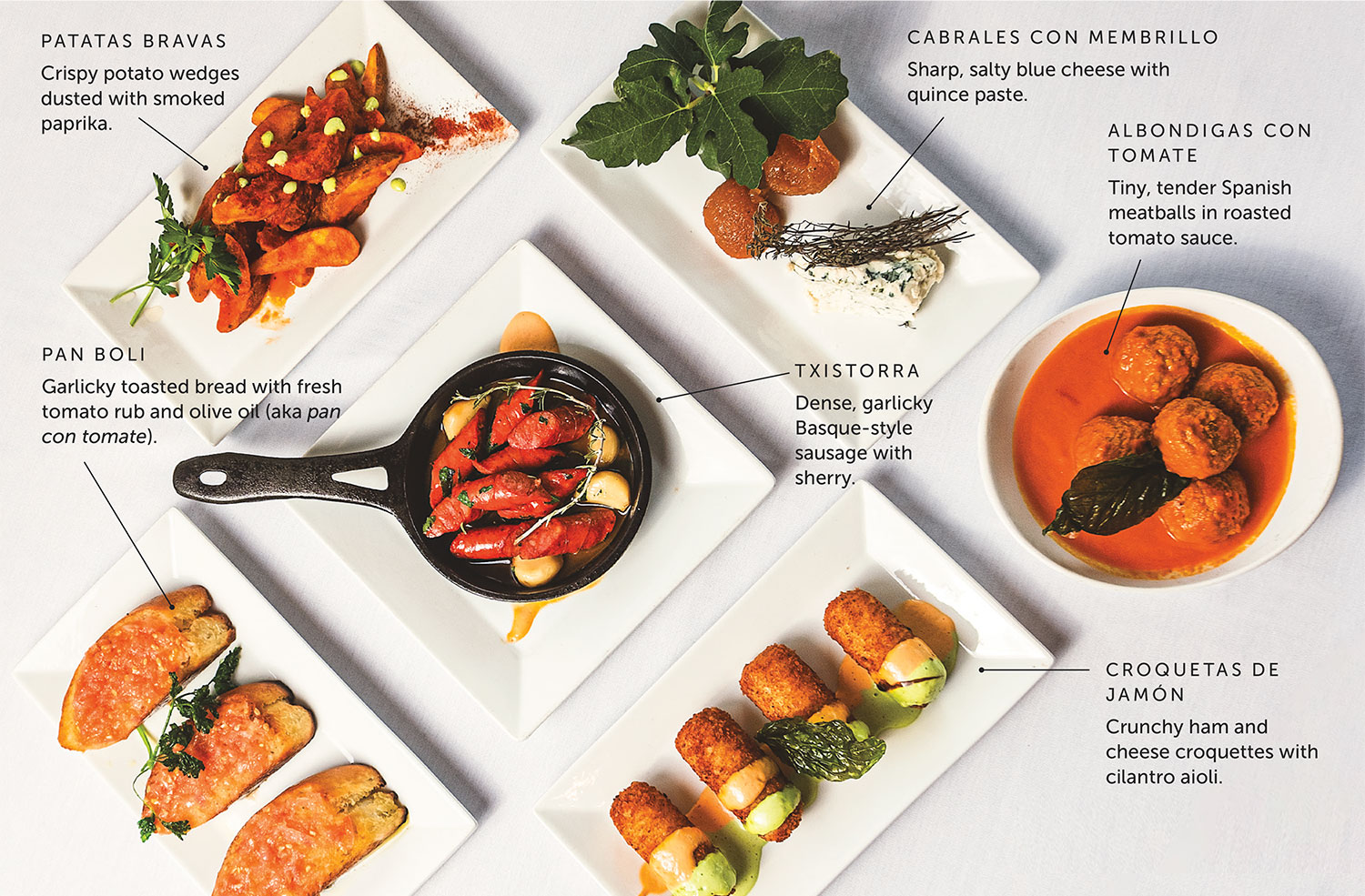
Spanish cuisine is so easy to love – all those nibbles of garlicky goodness. We’ve even appropriated the Spanish word “tapas” for small plates of every persuasion. Most of the Valley’s Spanish (or Spanish-ish) restaurants are high-end (Talavera, Prado, Arboleda) and a bit spendy, but not Tapas Papa Frita (tapaspapafrita.com) in Old Town Scottsdale, where gentleman chef Joseph Gutierrez offers 48 brilliant tapas selections at affordable prices. It’s purpose-built for experimenting.

Chef Chat
Emmanuel Urban of Talavera
After culinary school in Mexico, Emmanuel Urban, the new chef de cuisine at Talavera at the Four Seasons Resort Scottsdale, took an internship at Disfrutar in Spain, helmed by three former chefs from Spain’s legendary El Bulli. He has also worked at James Beard-awarded Rioja and at Narrative, both in Denver.
What will you bring to Talavera from your experience at Rioja?
Working with fantastic local producers.
Tell us about the tableside touches you’re doing.
Tableside service is always the most interesting part of the meal because it creates a memory for every guest. For our croquetas, we make frozen fat from the jamón rinds we use in the dish and shave it on top of the croquetas, where it melts and adds extra flavor. We sprinkle house-made parsley powder over the horseradish cream that tops our salmon roulade. We also slice porterhouse and dry-aged tomahawk steaks at the table for a nice experience.
Describe the perfect paella.
The perfect paella should have al dente rice and strong flavored stock, but the key is the socarrat. Those crispy, caramelized burnt bits at the bottom of the pan make it perfect.
glossary
percebes /per-SAY-beys/
Otherwise known as “goose barnacles” – expensive, intensely flavored crustaceans harvested by Spanish fishers at great peril off the sides of cliffs.