
In a Healthcare System Built for Speed, Dr. Elissa B. Gartenberg Built a Practice Designed for Finding Answers
In a Healthcare System Built for Speed, Dr. Elissa B. Gartenberg Built a Practice Designed for Finding Answers

I care for patients of all ages, and while it can be challenging, I truly enjoy the diversity each day brings. I especially enjoy working with patients 65 and older and helping improve their quality of life as they age.

My future was [mainly] shaped in medical school at Harvard-MIT’s HST program. Nobel laureates taught me that diseases stem from genetic and physiologic disorders, treatable through advancing technologies. This foundation emphasized that cutting-edge innovation must always be balanced with essential human compassion and hope.
I have had the privilege of caring for many hundreds of patients who have had their lives changed with a liver transplant, and the people I have met and cared for over the years who reside in some of the medically underserved rural communities in our very large state create lasting memories for me. I do keep in touch with many and still see patients whom I have known for decades.

My brother taught me mental health care works best by honoring differences and prioritizing acceptance. I developed a strengths-based model centered on achieving authenticity over “normalcy.” Treatment helps patients become their fullest selves while supporting families navigating stigma and celebrating progress.
In our local health-care settings, we are currently experiencing a higher rate of carbapenem-resistant infections than the national average.
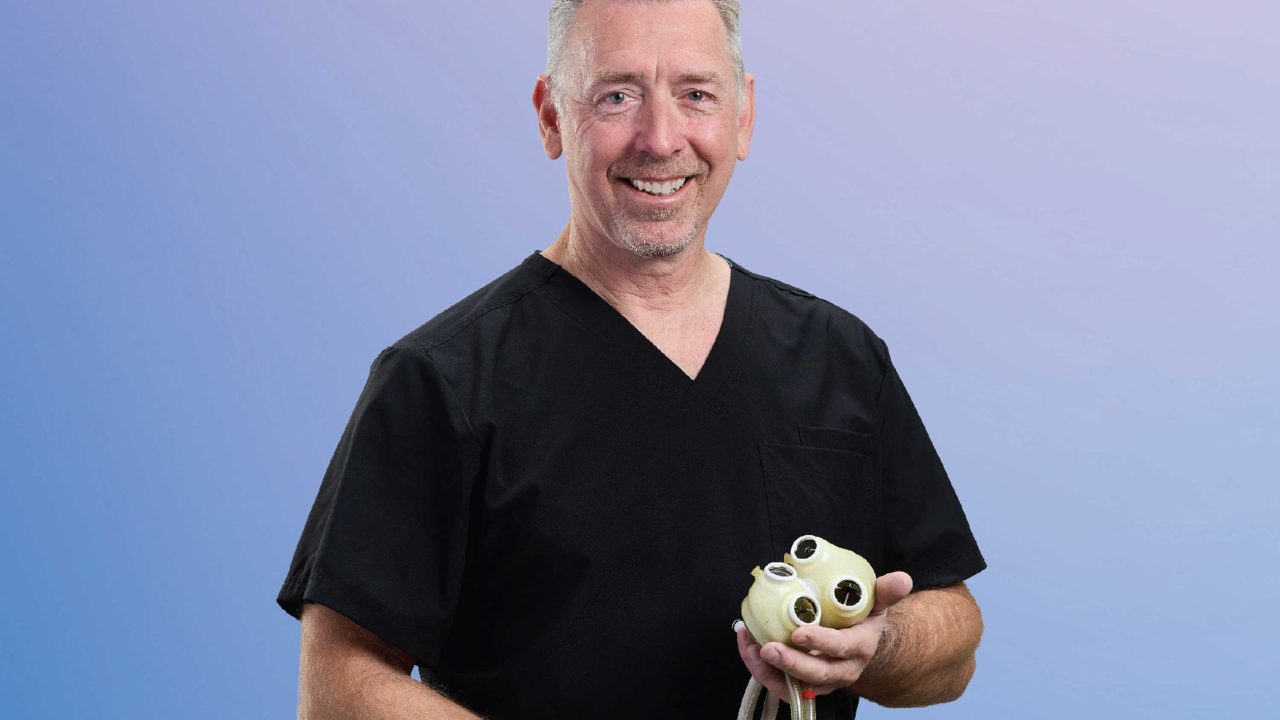
How many surgeries do you estimate you’ve performed in your career? Around 6,500 surgeries at this point.
There’s nothing else I’d rather be doing. After all, I went to 29th grade before I got my first real job.
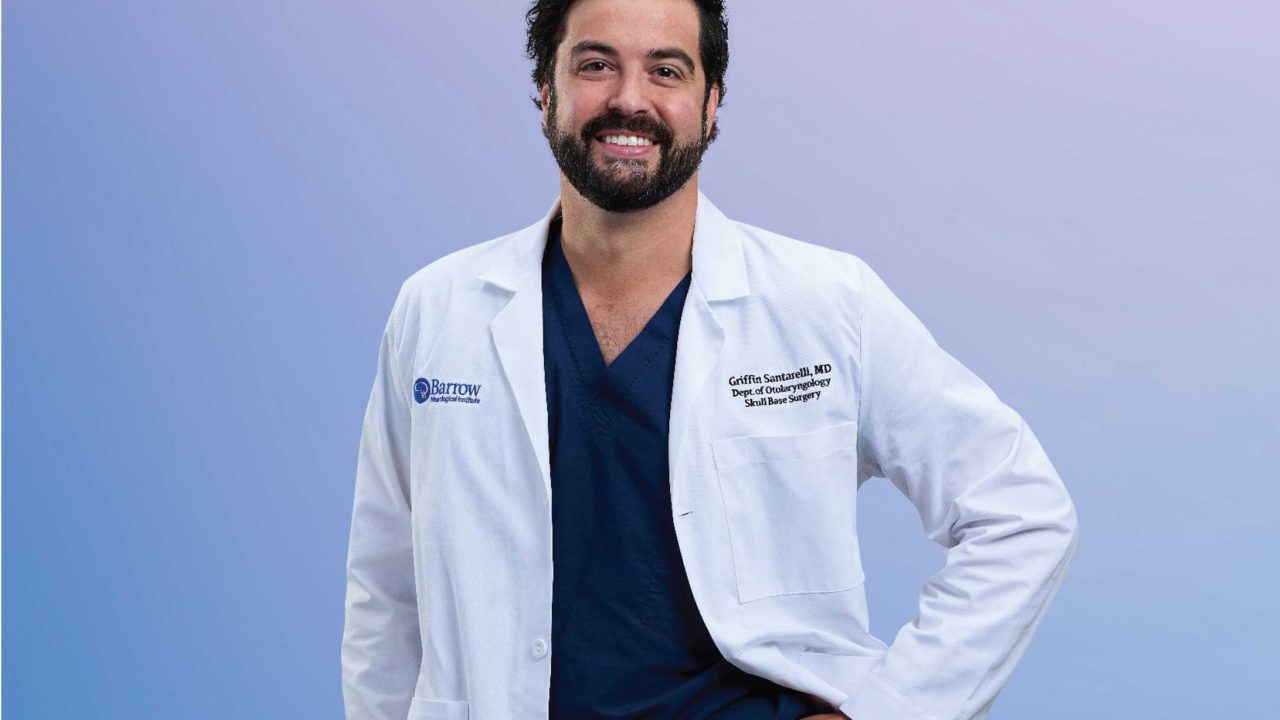
Like many people, I’ve experienced common ENT issues, which reinforces my focus on empathy, clear communication and minimizing disruption to patients’ daily lives while pursuing the safest, most effective surgical outcomes.
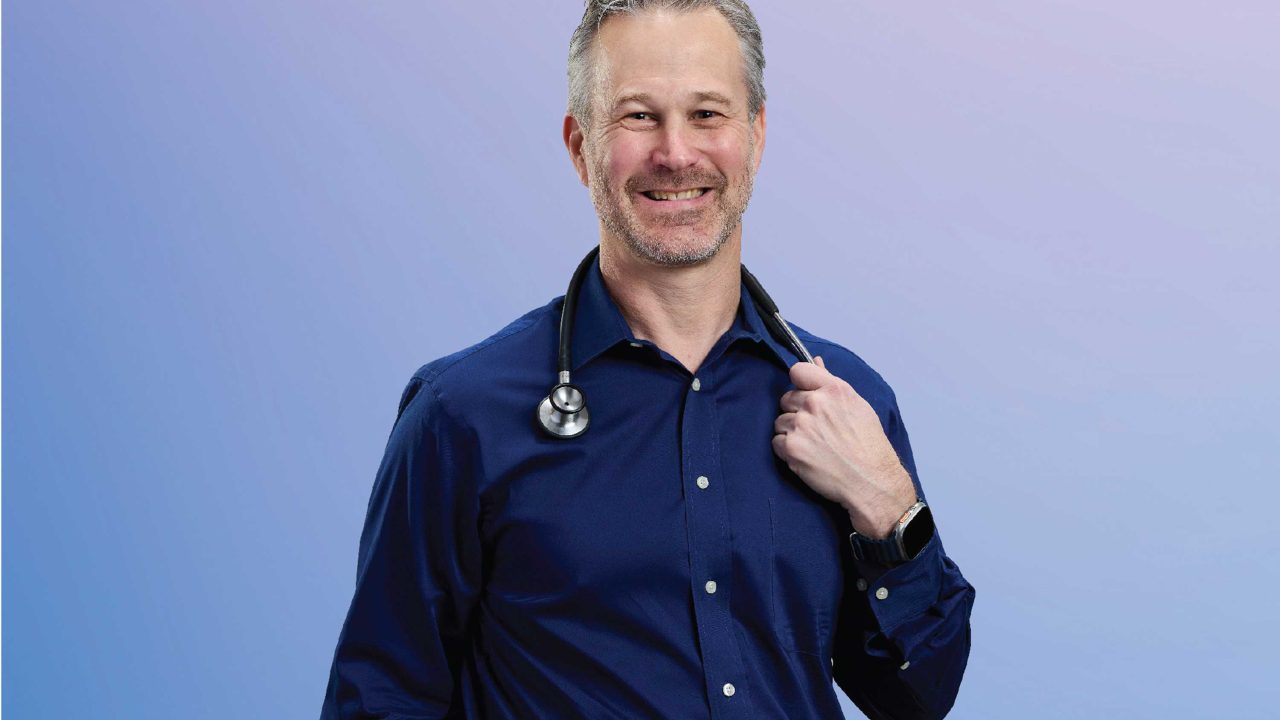
As a primary care doctor, I wanted real, sustainable solutions without just adding prescriptions. Treating weight allows patients to use fewer medications and improve their health after years of frustration. Watching people regain hope and health has been incredibly rewarding and career-changing.
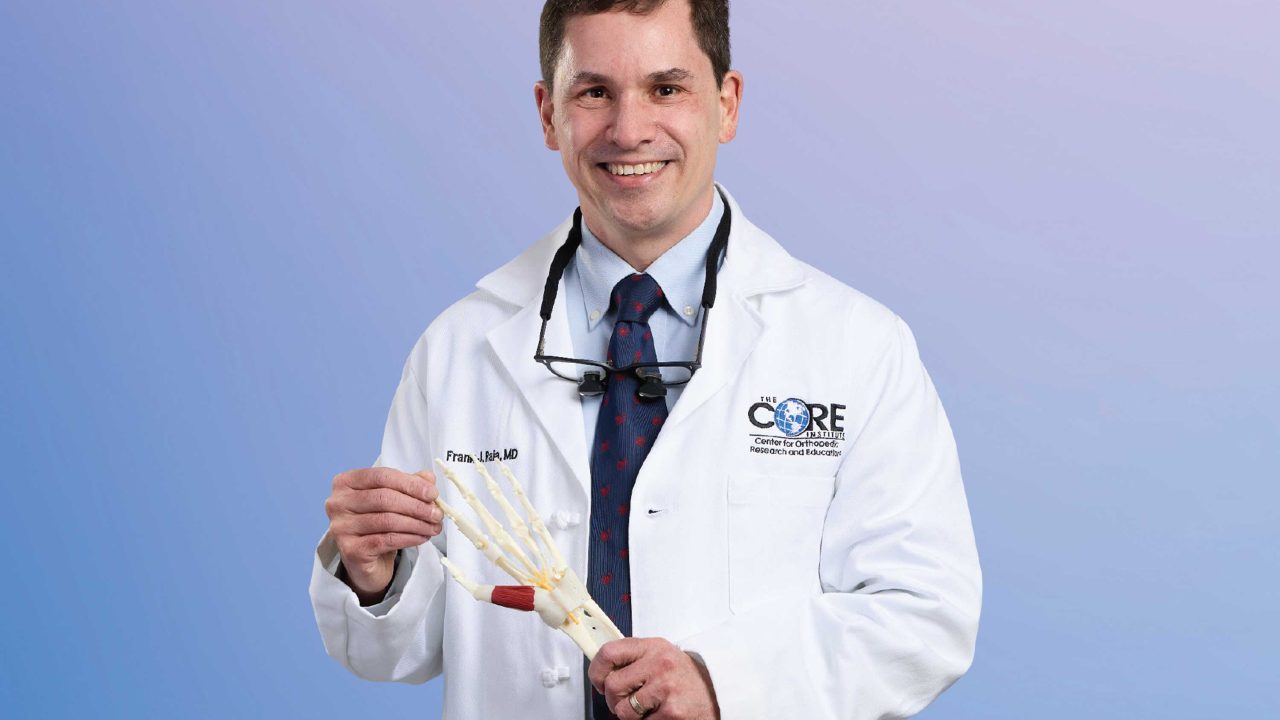
I once had to reconstruct the thumb, index and ring finger of a patient with a table saw injury. Luckily, the patient was able to get his grip and pinch strength back. A motivated patient is very important in this scenario.

As a pre-med student, I walked with my grandfather through his journey with lung cancer. I shared several meaningful months with him before he passed away, and that stayed with me. Radiation oncology felt like the perfect blend of a visual, anatomy-based specialty and impactful patient relationships.

I think there’s a growing desire among surgeons to be “complete clinicians.” By being double-boarded in general surgery and surgical critical care, we don’t have to hand our patients off when they leave the OR. We have the expertise to manage their physiology in the ICU, which leads to better outcomes and deeper professional fulfillment. The other driver is technology. We’ve integrated robotic surgery into the emergency setting. This has made the field incredibly attractive to a new generation of surgeons who want to combine the intensity of trauma and emergency work with the precision of minimally invasive, robotic platforms.
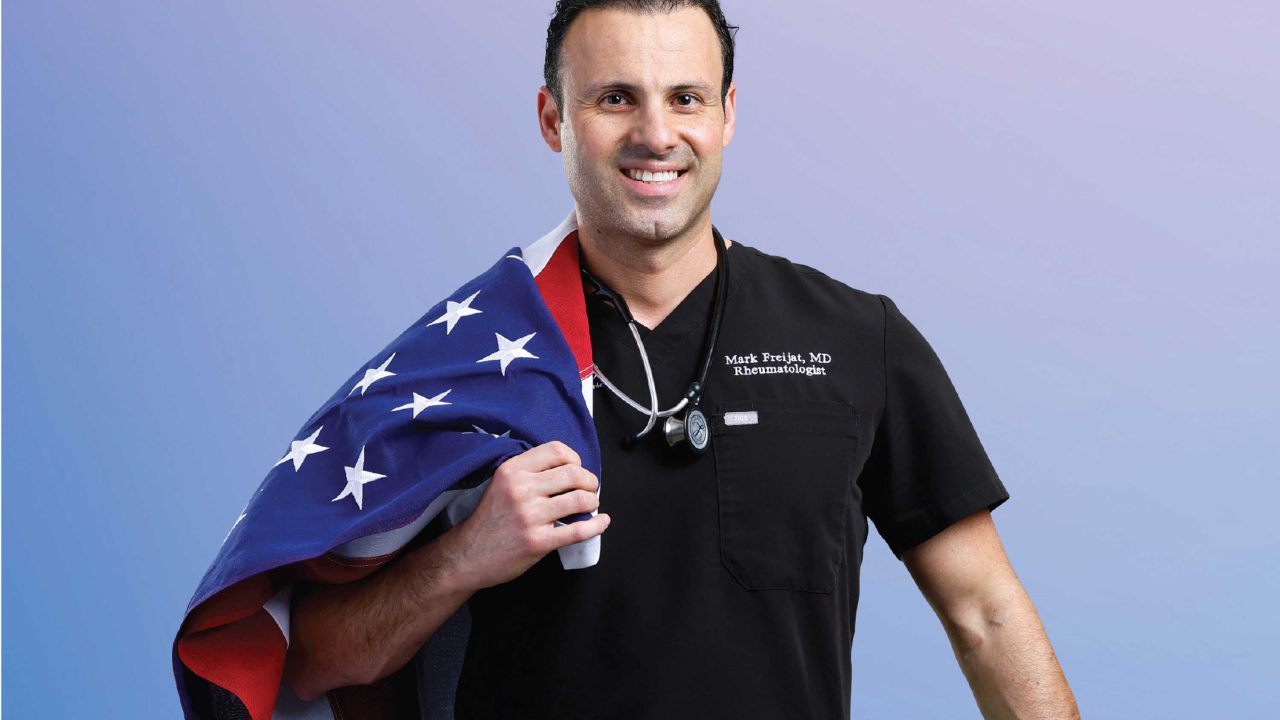
Rheumatoid arthritis commonly causes morning stiffness that will last more than one hour but will improve with movement. [Sufferers will also experience] fatigue, joints swelling, soft-tissue inflammation, nerve symptoms like numbness and tingling, low-grade fever, skin changes and sometimes eye, heart and lung inflammation.

The anesthesiologists I met in medical school were the happiest doctors in the hospital. While this sparked my initial interest in the specialty, I quickly realized that I loved the physiology, pharmacology, procedures and the team environment of the [operating room], and knew anesthesiology was the right fit.
