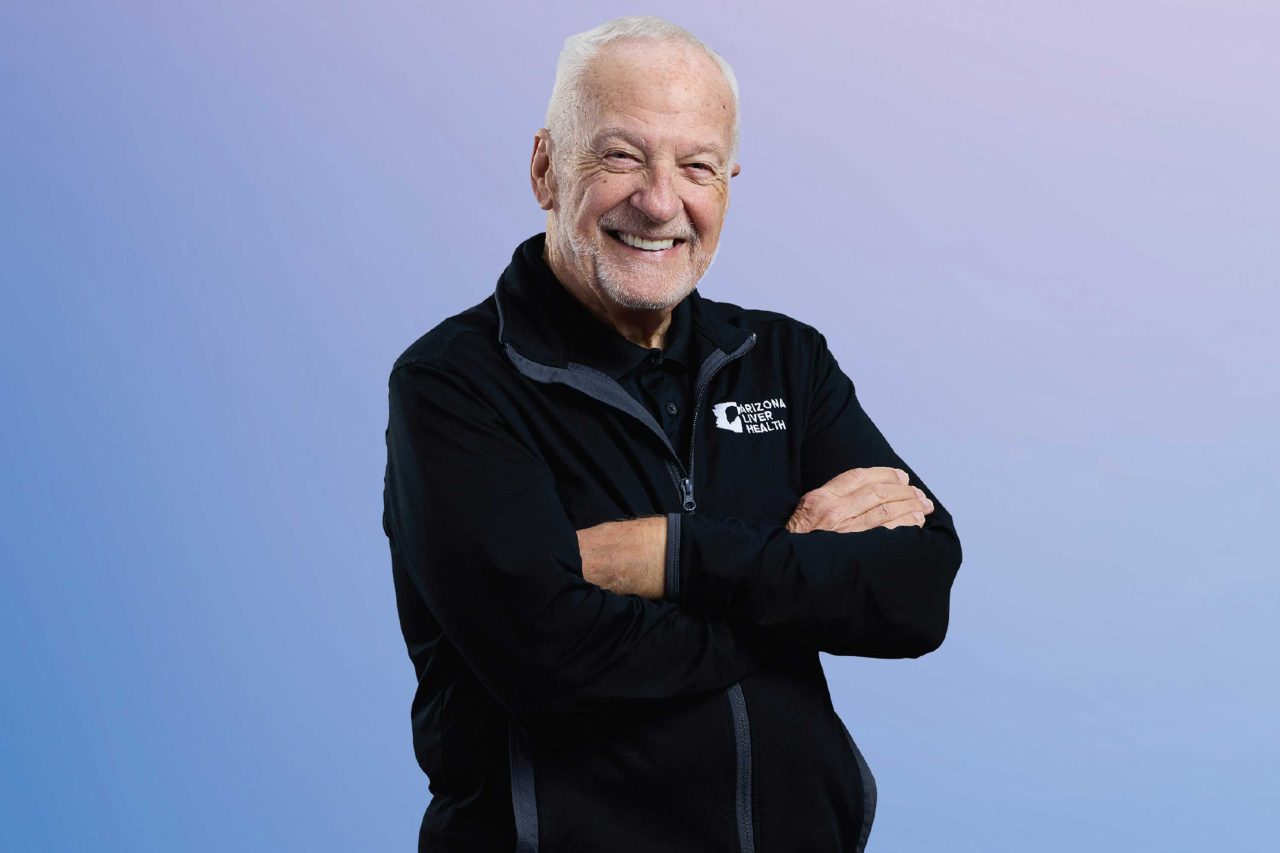
Med School/Year Graduated: State University of New York at Buffalo, 1971
Years in Practice: 50
Hepatology is making its Top Docs debut as a specialty in 2026. We know it primarily involves liver health. What is something people might not know about the field?
Well, the field itself is not new, but it only became a board-certified specialty in 2006 under the name “transplant hepatology.” Most serious liver conditions, including those leading to transplant, are related to lifestyle challenges, including fatty liver disease, which is related to diet and exercise, plus alcohol-use disorder and injection drug use, which is one way people get viral hepatitis.
Like all hepatologists, you first trained as an internal medicine doctor. What additional training must one receive to advance into hepatology?
I followed the established pathway, which is training and certification in internal medicine, then gastroenterology and finally transplant hepatology. But many physicians, nurse practitioners and physician assistants effectively practice hepatology coming from different clinical backgrounds.
What tools do you have at your disposal to treat patients?
In recent years, there have been significant advances in diagnostic tools and therapy options. Blood tests can often pinpoint [problems] or findings on imaging tests such as ultrasound, CT or MRI scans. Many patients can be quickly assessed in our clinics with a rapid scan, which estimates the amount of fat and scarring in the liver in just a few minutes. New medications are becoming available every year that can reverse the damage caused by fatty liver, slow the growth of liver cancer and cure some types of viral hepatitis.
You have developed liver transplant programs and outreach clinics throughout the state. Do you ever sit and contemplate the meaningful legacy of that network? Do you keep in touch with any patients who have benefited from it?
I have had the privilege of caring for many hundreds of patients who have had their lives changed with a liver transplant, and the people I have met and cared for over the years who reside in some of the medically underserved rural communities in our very large state create lasting memories for me. I do keep in touch with many and still see patients whom I have known for decades.
What do you enjoy doing in your spare time?
I enjoy hiking and running. I’ve been on many hikes in and out of the Grand Canyon, which is one of my favorite spots on Earth… I love being outside, even in the Phoenix summers. I’ve also been a guitar and banjo player since college, and I still play when I can.
What shows are you streaming these days?
In addition to sports, at home we are huge fans of PBS and British TV… especially mysteries, both traditional and modern. I like most science fiction offerings, and I’m an original Star Trek fan, even before the age of re-runs. I enjoy film noir and Western movies.
“If I wasn’t a doctor, I’d be…”
A musician or an actor… though I wasn’t very good at it [when I tried it]. Or maybe a sportscaster.