The recent rescue of a 124-year-old Phoenix home sparked a broader conversation about the significance of historic preservation and the power of civic engagement.
by Madison Rutherford
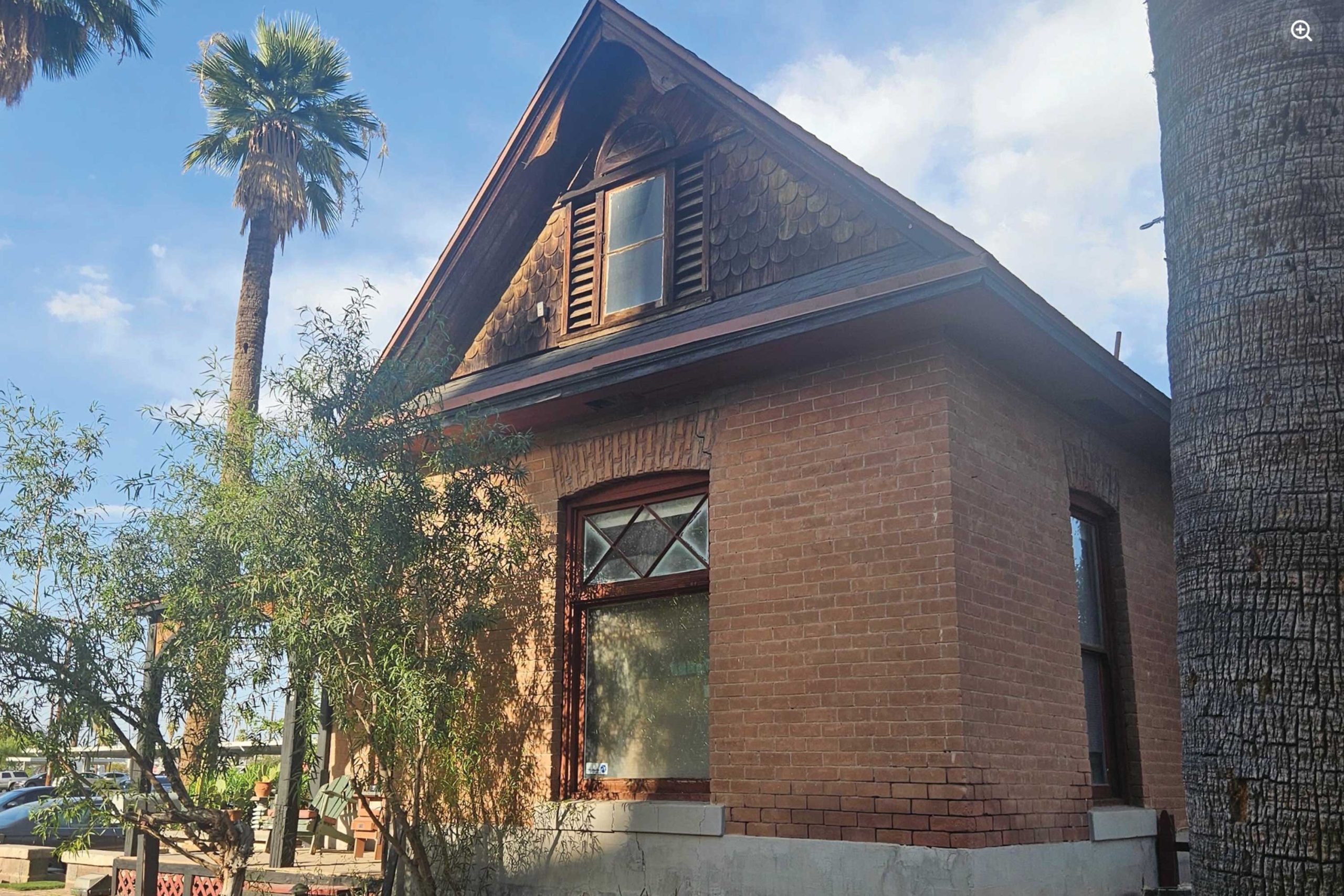
One of Phoenix’s few remaining pre-statehood structures nearly met its end in 2026. The Emerson House, a Victorian home in Downtown’s Evans Churchill neighborhood, was saved after a high-profile battle pitted preservationists against Arizona State University.
The fight highlights mounting friction in Downtown, where rapid development is colliding with a dwindling collection of historic buildings. Preservationists believe the Emerson House could be a blueprint for protecting remaining buildings.
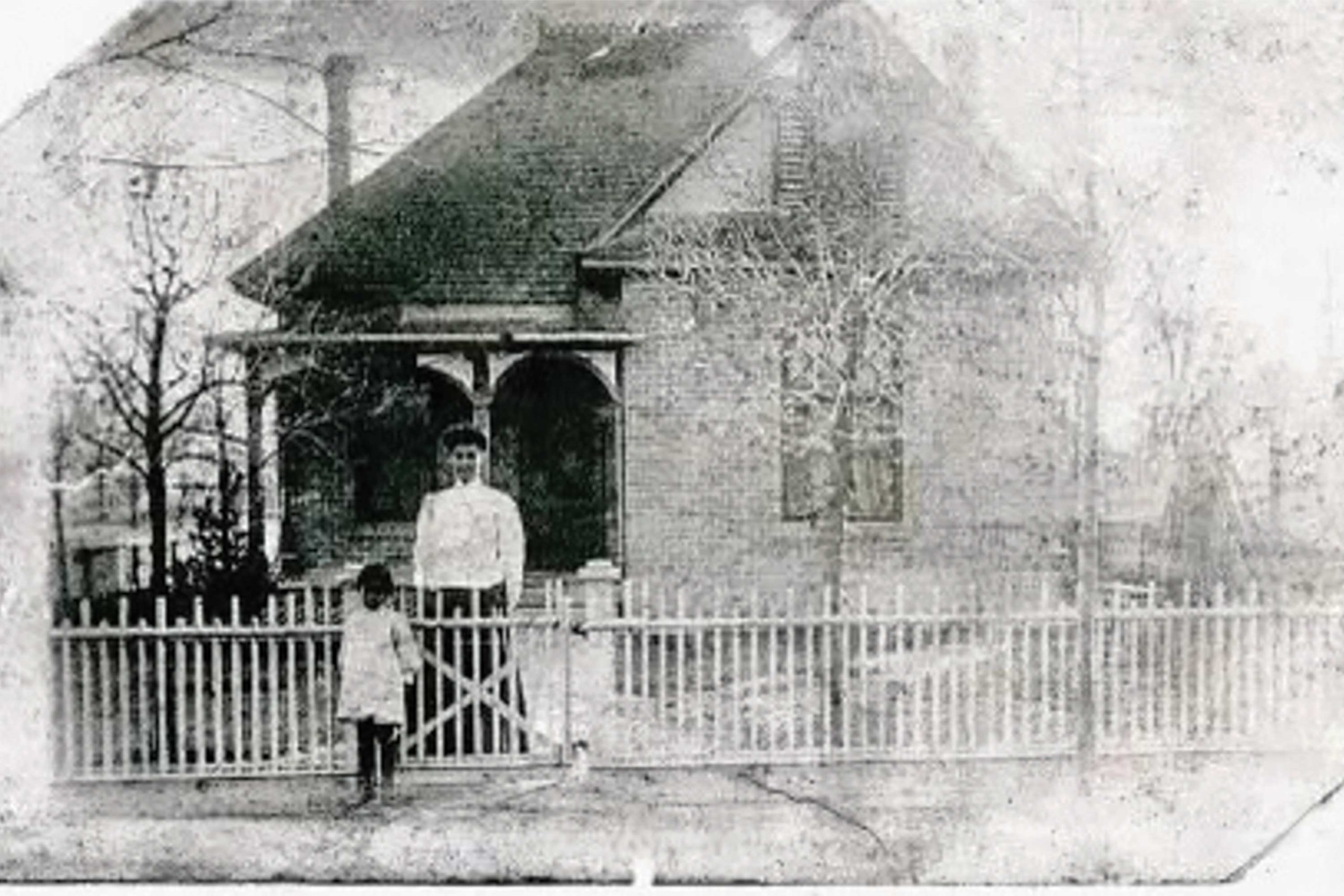
Built by local butcher Louis Emerson in 1902, the Queen Anne-style home became a major flashpoint in June when ASU announced plans to raze it as part of the university’s new 178,000-square-foot medical school facility. Last year, retired Phoenix attorney Robert Young – who has owned the 4,672-square-foot property since 1975 – received a letter from ASU. It outlined the university’s plans to acquire the property through eminent domain – a controversial legal process that allows government entities to take private property for public use, even if the owner does not consent to the sale. “It was like a nastygram,” says Jim McPherson, board president of the Arizona Preservation Foundation and vice president of Preserve Phoenix, organizations that played a key role in the effort to spare the Emerson House. “It was written by lawyers, and it was threatening.” A court date was set for September 4, 2026.
Word of the David-versus-Goliath battle between an 89-year-old homeowner and a public university spread quickly. An online Save the Historic Louis Emerson House petition garnered more than 12,000 signatures. On July 10, country star John Rich was sworn in as the inaugural United States Special Envoy for American Landowners under the Trump administration. One of his first initiatives was contacting ASU President Michael Crow to urge the university to drop the case. ASU officially withdrew the lawsuit on July 17. “ASU has been working for about 18 months with the owner toward a resolution to satisfy competing interests with regard to the house,” ASU spokesperson Jerry Gonzalez says. “To honor the homeowner’s desires, the university has agreed to withdraw its court proceedings and allow the house to remain.”
The Emerson House’s rescue has a sobering backdrop. City surveys have documented the loss of 53 percent of Downtown Phoenix’s century-old buildings since the mid-1990s. A recent audit revealed that only 48 structures older than 100 years remain. “That just makes those houses that are still there even more precious,” Phoenix historian and preservation advocate Marshall Shore says.
ASU used eminent domain in previous expansion efforts, including a 2007 dispute involving properties on Alpha Drive in Tempe. This outcome, however, could alter the playbook, compelling public developers to factor public opinion before going that route.
The Emerson House is not the only historical Downtown property facing an uncertain future. The Phoenix Historic Neighborhoods Coalition’s 2025 “Endangered Dozen” list includes two Evans Churchill properties (see sidebar); both sit on university-owned lots. The next challenge might be channeling the Emerson House case into lasting momentum, preventing another historic property from reaching the brink.
“The preservation of historic buildings is important because it gives the city authenticity and gives it a soul,” Shore says. “We’re not the first ones here. We’re not the last ones here. We’re just stewards of it for the next generation.”
– Madison Rutherford
What’s Next for Phoenix’s Historical Homes?
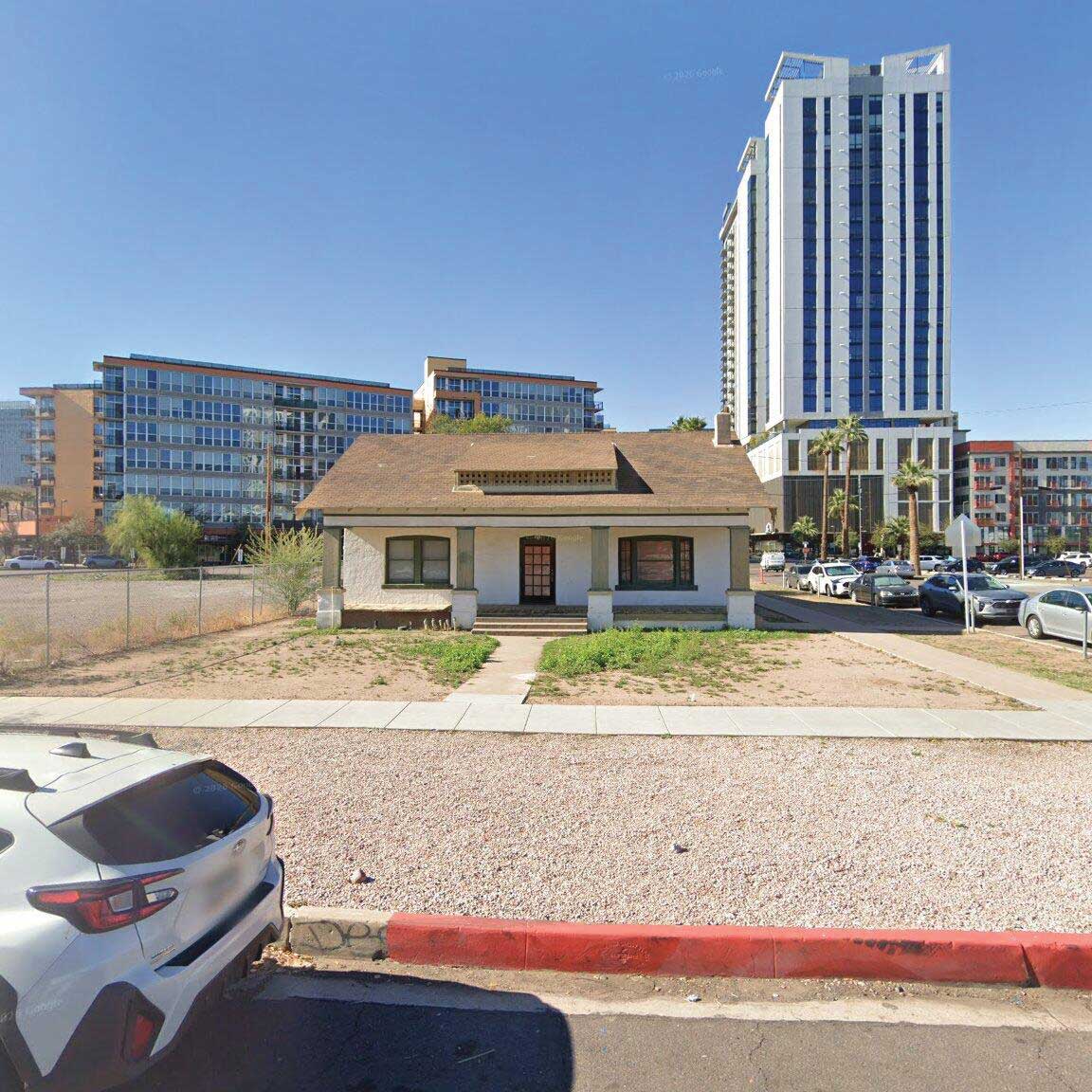
Kuchiro House
624 N. Fifth St.
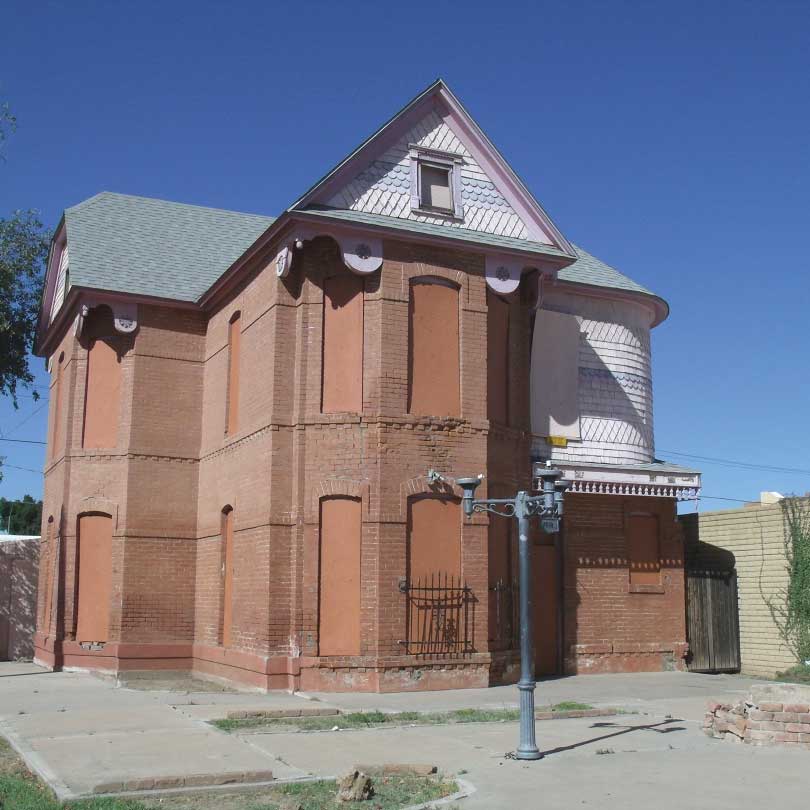
The Phoenix Historic Neighborhoods Coalition included this Victorian bungalow on its 2025 “Endangered Dozen” list. The home sits on ASU-owned land that faces potential future development.
Charles Pugh House
356 N. Second Ave.
Built in 1897, this Queen Anne-style home spent decades as a rooming house before being restored and converted into a restaurant in the 1970s. Despite its 2003 designation on the Phoenix Historic Property Register, it has sat vacant for years.
Jones-Montoya House
1008 E. Buckeye Rd.
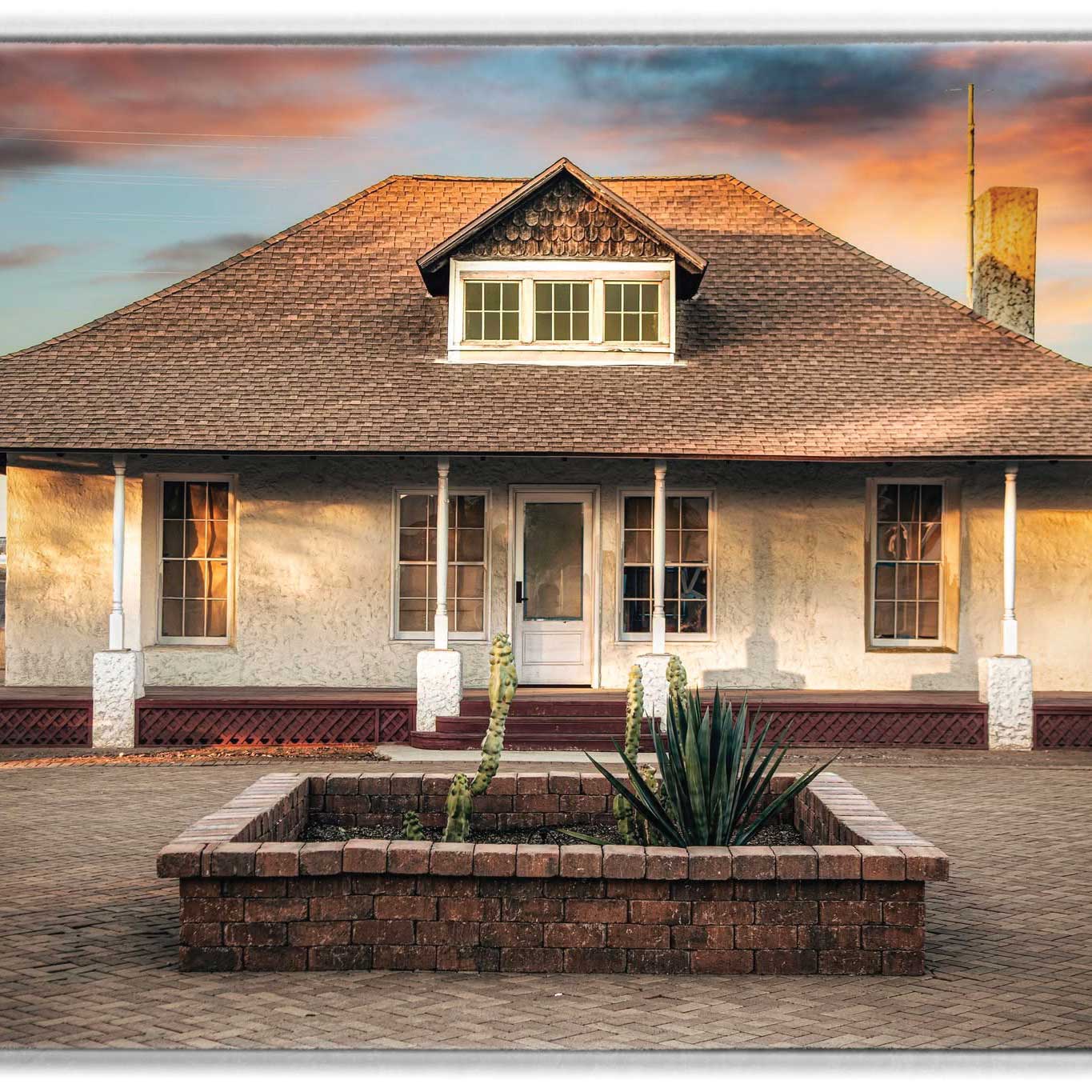
Wilson Walker Jones and Alcaria Montoya built this adobe-style abode in 1879 on what was once agricultural property on the city’s outskirts. Considered Phoenix’s oldest known surviving house, it now faces significant deterioration.
— Madison Rutherford
HomeStat
13.5% vs. 5.1%
Growth in closed home sales in Scottsdale over the first seven months of 2026 relative to the previous year, versus growth over the same time period in Metro Phoenix. In short: Scottsdale remains a more active market for home sales than Greater Phoenix, by more than 8 points.
Source: Phoenix REALTORS
— Craig Outhier