Phoenix is transforming Hance Park into the Downtown gathering place it always strived to be.
For more than three decades, Margaret T. Hance Park has existed in a strange in-between state – one of Downtown Phoenix’s greatest civic assets, yet surprisingly easy to overlook. Drivers heading down Central Avenue often cross directly over the park, built in 1992 atop the nearly mile-long tunnel spanning the city-splitting I-10, more focused on the passing light rail than the 32.5-acre green space below.
“It’s a hidden gem,” acknowledges Devney Majerle, president and CEO of Downtown Phoenix Inc. “But it sits so low that it is hard to see it from the street.”
Now, an eight-year revitalization effort, stimulated by a $45 million public-private partnership and guided by years of public feedback, aims to change how Phoenix sees – and uses – the park. “Every great city has a great urban park,” Majerle says. “It needs to realize its full potential.”
Planned upgrades include widened entryways, expanded shade and cooling features, a future amphitheater, upgraded lighting and replacement of the park’s aging restroom facilities – currently a harbor for the homeless and a frequent source of complaints from visitors to the park’s popular Fiesta Bowl PLAY playground, built in 2020 as the revitalization plan’s proof of concept.
“We recognize and believe that the park is for everybody,” Majerle says, while a woman carrying a frayed backpack approaches her, looking to sell a cellphone. “As long as it’s used in the ways in which it’s intended to be used.”
For those who don’t, Majerle says Downtown Phoenix Inc. will beef up outreach efforts with the city and organizations like Circle the City to connect unhoused individuals with shelter, medical care and other services rather than simply pushing them elsewhere.
The timing may finally be right. Downtown Phoenix now has roughly 25,000 residents, with 15,000 apartment units added since 2000 – many occupied by younger professionals and empty nesters drawn to walkable urban living.
Tim Sprague, a longtime Downtown developer and former Roosevelt Row board member, says the park’s evolution mirrors Downtown Phoenix itself, from a freeway-divided urban core into a denser neighborhood searching for a true civic center.
“We have this asset,” Sprague says. “To have created that kind of open space in this city is a miracle. But it’s time to finish it off.”
— Jimmy Magahern
Planned for Hance Park
The first phase of the Hance Park revitalization blends practical upgrades with bigger ambitions for Downtown Phoenix’s “hidden gem.”
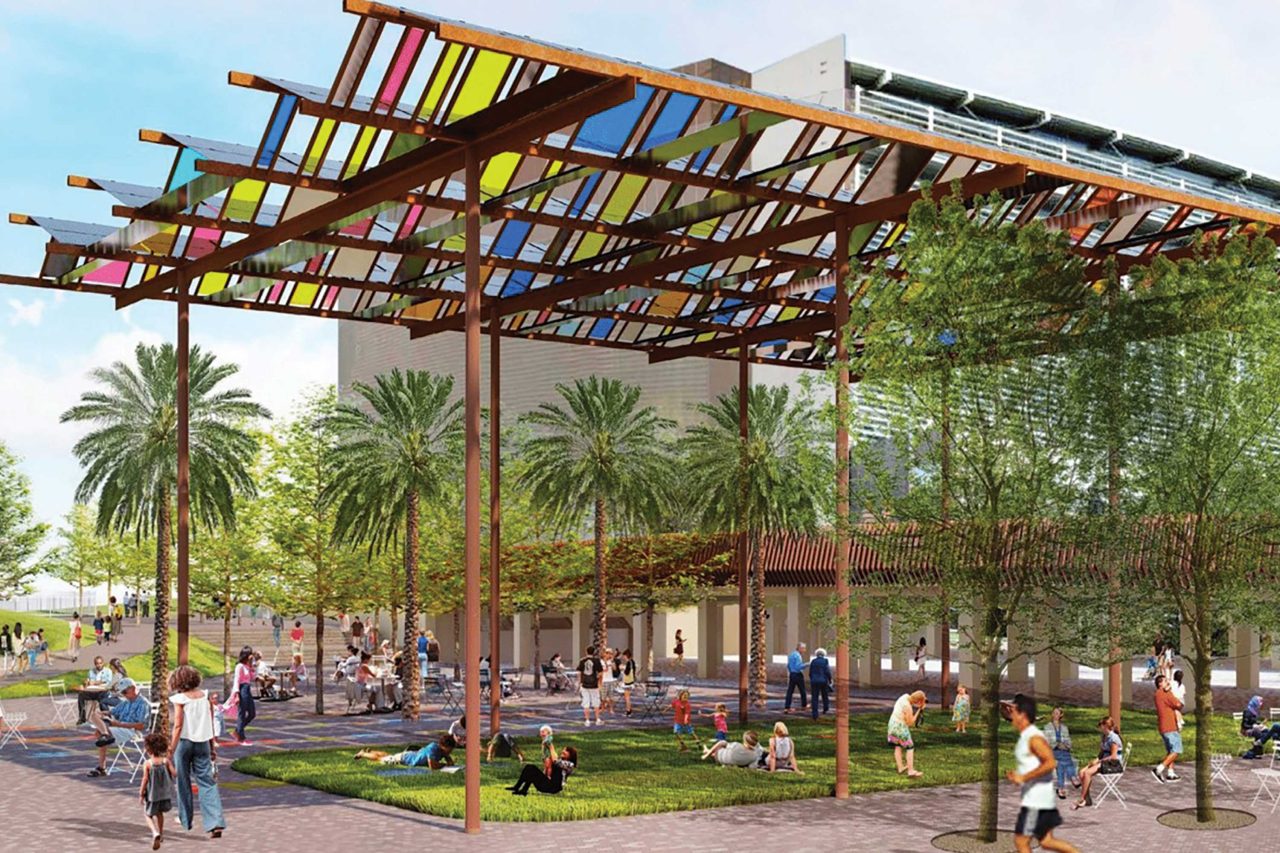
Solar Canopy Landmark
Designers envision an artful shade structure overlooking Central Avenue that could become Hance Park’s own “meet me at” landmark – Phoenix’s answer to Chicago’s Bean.
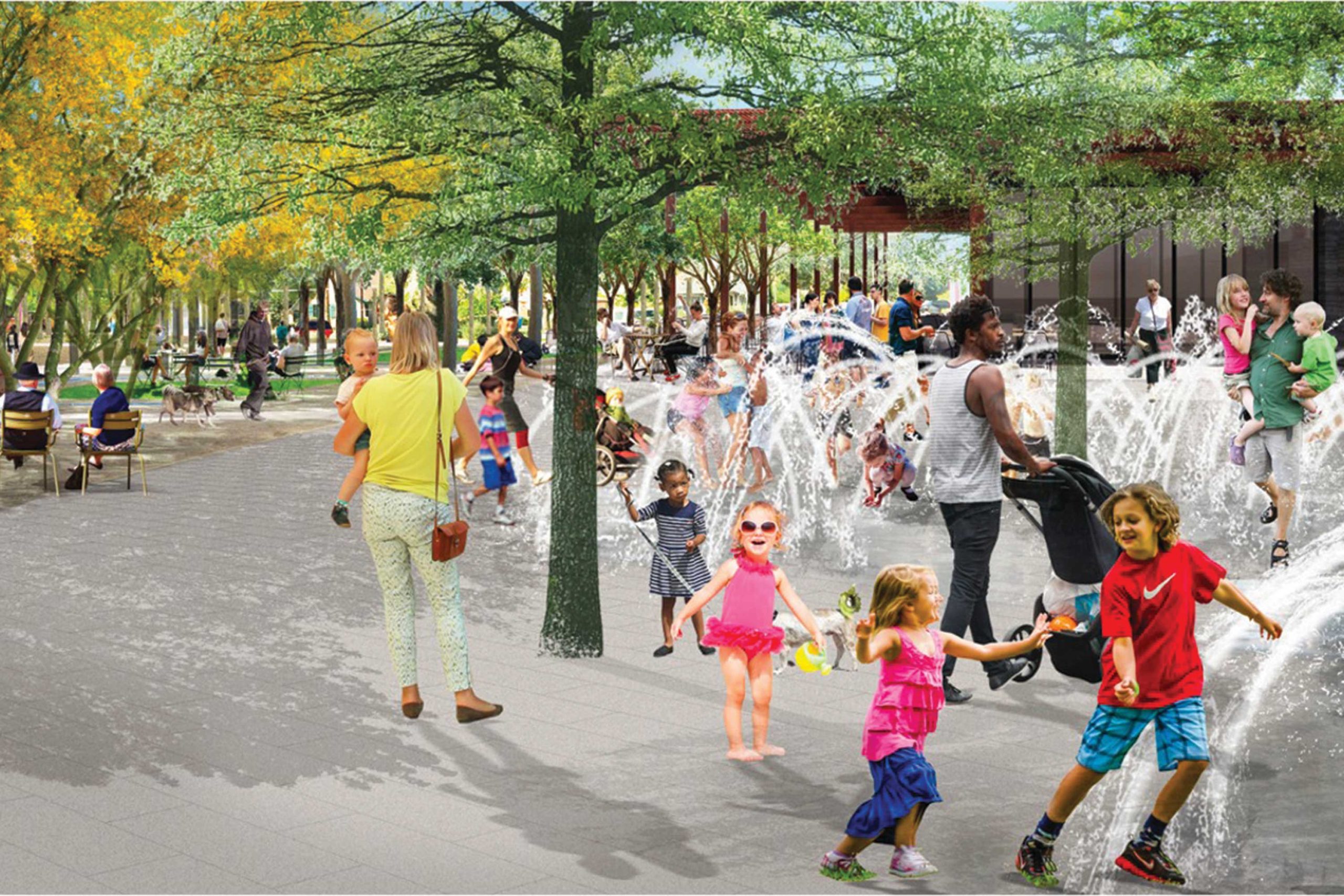
Splash Pad & Café
A new family zone near the west end of the park would include a splash pad, café, shaded seating and upgraded restroom facilities.
Permanent Concert Infrastructure
Future phases envision a bandshell and amphitheater near Burton Barr Central Library designed for everything from local performances to mid-size touring acts, while also serving as backstage infrastructure for major Downtown events. “It’ll allow things to happen there on a regular basis,” Sprague says, “without the hassle of trying to go out and find staging.”
—Jimmy Magahern
HomeStat
31.3%
Home listings in Greater Phoenix that indicated a price drop in April 2026, the highest such rate in the U.S., according to realtor.com. Coupled with a 21 percent plunge in luxury home sales during a single week in late spring (May 6-11), the figure reflects a pronounced “buyer’s market” in the Valley, according to some observers.
—Craig Outhier