Ubiquitous but notoriously tricky to master, cacio e pepe is the double Axel of Italian cooking.
Traditional cacio e pepe has four unfussy ingredients: spaghetti, pecorino Romano, freshly cracked black pepper and a bit of starchy pasta water reserved from cooking. Simple, right? Not really. Currently enjoying a massive revival on Italian restaurant menus, the dish requires mad technical skills to do right. Tinker with the formula – as most modern chefs do – and the results could be transcendent, or you could end up with a gloppy, undignified mess.
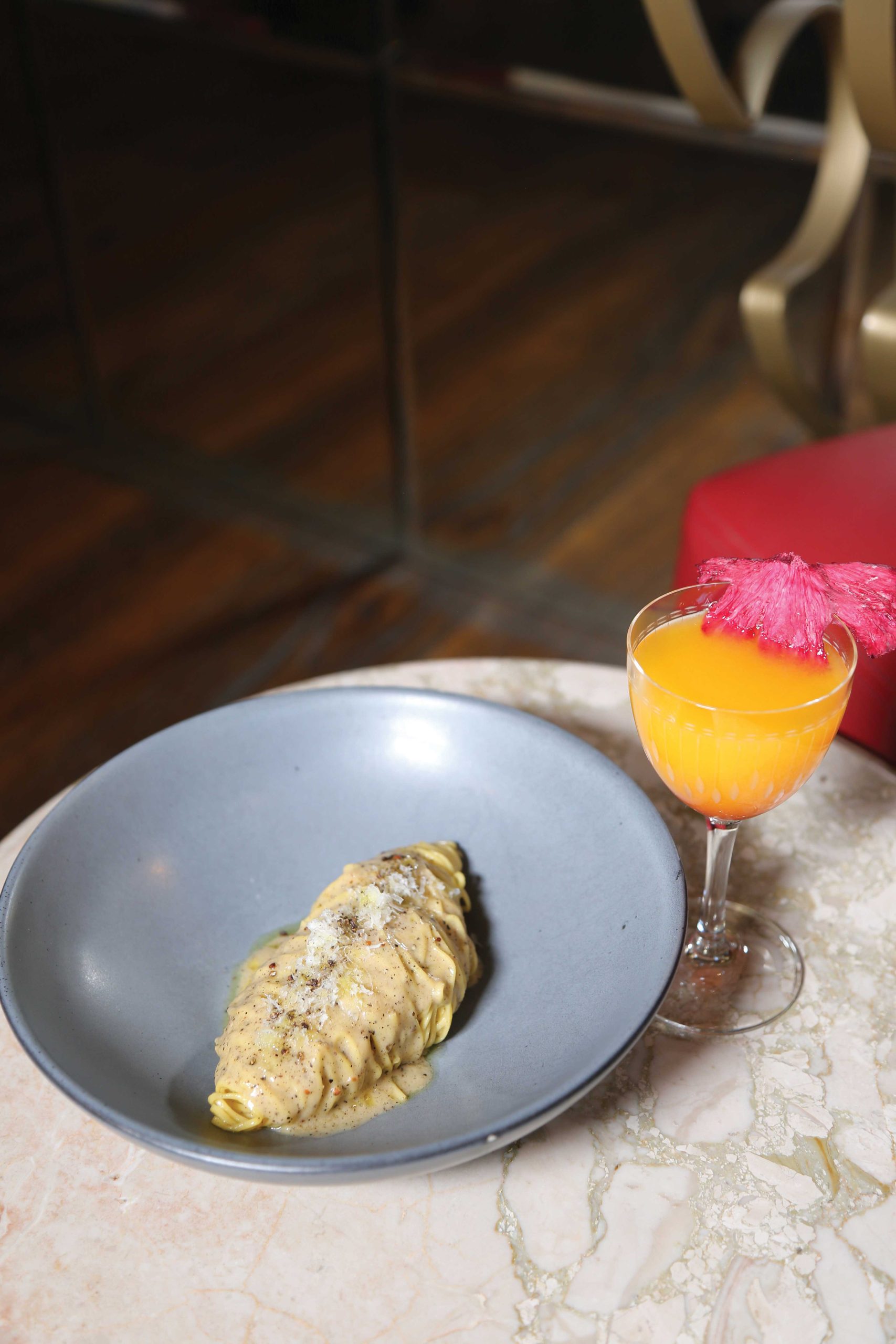
At Fat Ox (6316 N. Scottsdale Rd., Scottsdale, 480-307-6900, ilovefatox.com), executive chef Matt Carter prepares his cacio with house-made tajarin, slender, egg-rich noodles with double the yolks of conventional pasta ($22, pictured). While the noodles cook, Carter toasts razor-thin garlic in an olive-oil-slicked pan and then adds salty pecorino and sheep’s milk Parmesan along with reserved pasta water tickled with butter. When the noodles are nearly done, he adds them to the pan to finish cooking. “You’re allowing the starch to come out of the pasta to bind the dish together,” Carter says. He also offers this trick: “Toast your black pepper until it smells like coffee.” To plate, he twirls the pasta with tongs or a turning fork and finishes with olive oil. Absolute perfection.
Adding a non-traditional spin, the cooks at Pizza to the Rescue (2601 E. Indian School Rd., Phoenix, 602-314-4832, pizzatotherescuephx.com) garnish the dish with grated house-cured egg yolks. “It adds a nutty, umami flavor,” says general manager David Reali. Each plate of cacio e pepe ($19) is cooked to order using handmade pasta, pecorino Romano with a dash of aged Parmesan, cracked black pepper and a little butter to “pull everything together,” he says. Many Italian restaurants use tonnarelli, a thick, square-cut spaghetti, but Pizza to the Rescue opts for bucatini, a thick, tubular spaghetti that adds another level of texture. “It’s like a straw, so you have a little bit of sauce that creeps into the pasta.” While most folks go to this dog-friendly spot for the pizza, the made-in-house pasta also deserves a walk.
For restaurateur Sheila Bryson of Vic & Ola’s (20775 N. Pima Rd., Scottsdale, 480-513-2048, vicandolas.com), cacio e pepe ($14) evokes childhood memories of growing up in an Italian family. “It’s comfort food,” she says. Bryson crafts her version with house-made spaghetti bathed in a pecorino-Parmesan blend, cracked peppercorns (black, yellow and red), butter and pasta water. She removes the pasta from the water al dente because it will continue to cook in the pan. The secret to a successful cacio e pepe is constantly flipping and rotating the noodles in the pan while adding the pasta water to achieve the perfect creaminess, or the cheese will get clumpy, she says. “You have to stir until you get the right consistency, and you can’t walk away or watch another pan. It’s a pretty simple dish, but it’s not as easy to make as you’d think.”
— Marilyn Hawkes