
These Valley residents are proving that caring for the environment can be a part of our everyday lives.
By Paula M. Bodah
David Hovey Jr.
President, chief operating officer and principal architect, Optima
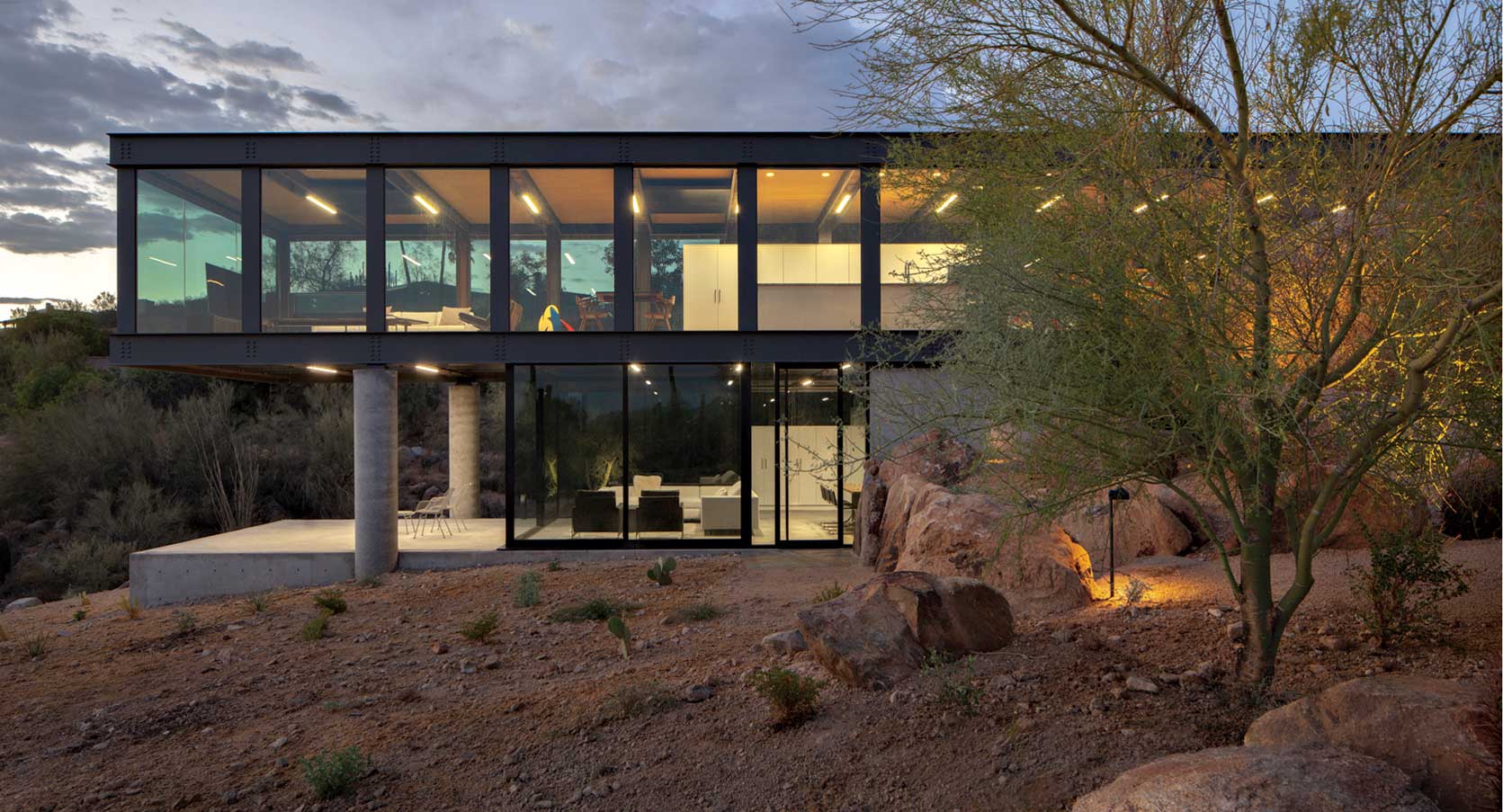
David Hovey Jr.’s passion for sustainability runs in the family. “My parents started doing green roofs back in the 1980s,” the architect says, referring to Eileen and David Hovey Sr., who founded Optima in 1978. Hovey, who joined the firm right after earning his master’s degree in architecture, says sustainability is a driving force at Optima. “It’s a design approach that keeps the people and the environment at the forefront,” he says. One of the company’s latest projects, Scottsdale’s Optima McDowell Mountain Village, will be the first residential development in the Southwest to be built under the International Green Construction and International Energy Conservation codes, and will have the nation’s largest private rainwater harvesting system. And, in keeping with the firm’s mission, it will make heavy use of biophilic design. “Biophilic is a trendy term right now, but it’s simply about connection to nature,” Hovey says. “So, green roofs, floor-to-ceiling glass, terraces, our signature vertical landscaping—those are all biophilic design.”
Karen Bradshaw
Professor of Environmental Law, Arizona State University, and author of “Wildlife as Property Owners: A New Conception of Animal Rights”
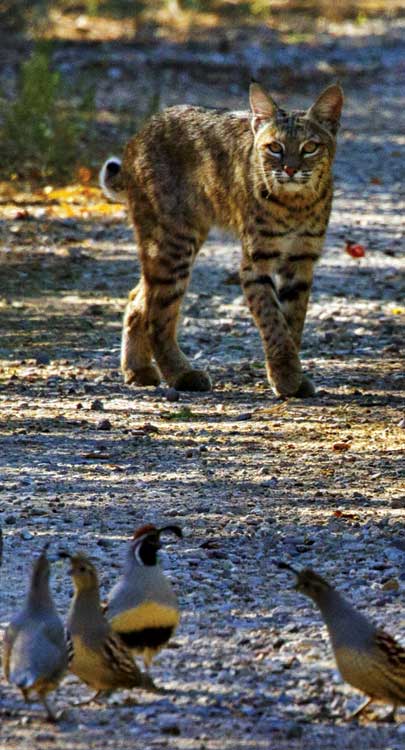
“We think of wildlife as something at the national parks, but here we are in the city, and it’s everywhere,” Bradshaw says.
Most people are on board with the concept of protecting the environment and preserving natural habitat, Bradshaw says, but environmental law doesn’t have a lot to say about the subject. Her book, “Wildlife as Property Owners,”
proposes that animals should have the same rights to property that humans have. It’s not as radical an idea as it might at first seem, she says. “Expanding who can own property is something we’ve done many times in the past.”
Until it happens, she encourages people to “re-wild” their yards. Plant flowers that attract pollinators, she suggests. Hang a feeder to welcome birds. “We exist as one species among thousands on any given acre of land,” she says. “We’re already sharing the land, and we always will.”
Marlene Imirzian
Principal, Marlene Imirzian & Associates Architects
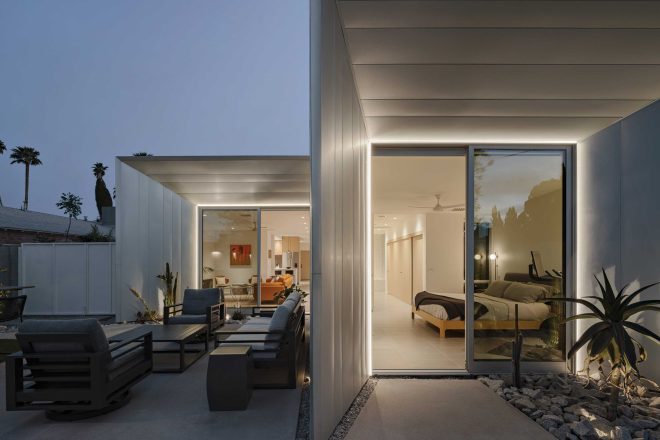
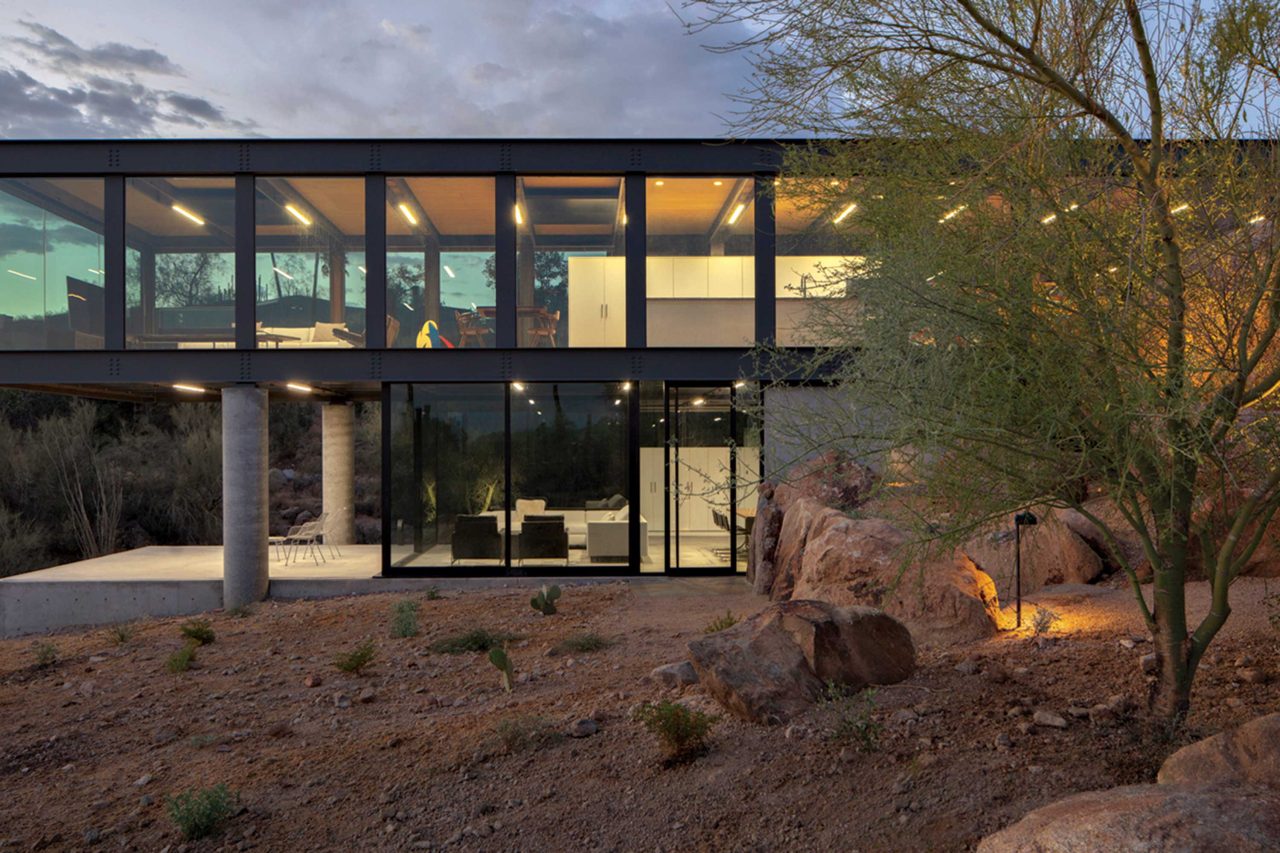
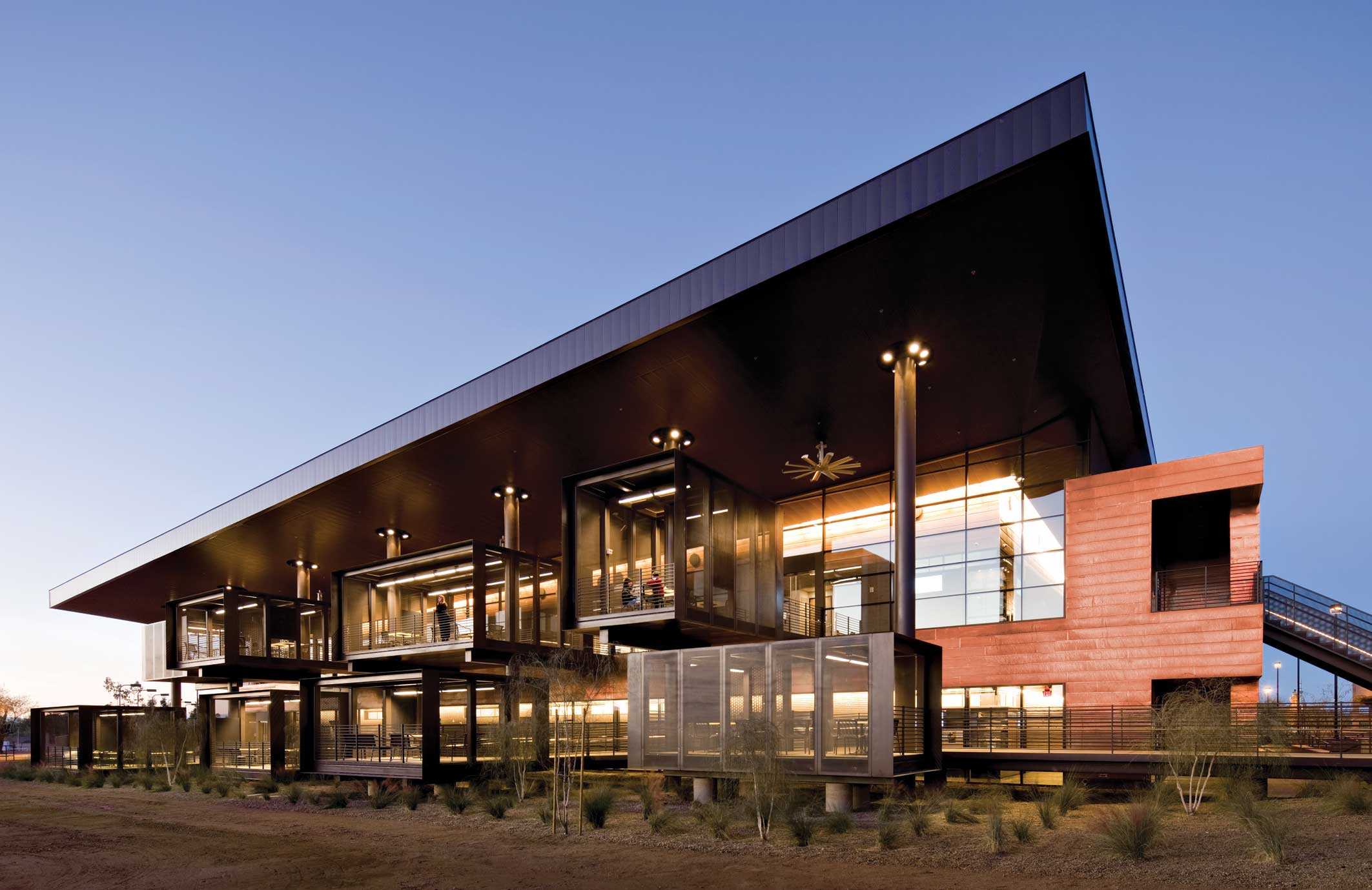
Even at the height of summer, a well-designed Phoenix-area home can go for hours without the air conditioning being turned on. “Every house has the potential for efficient operation,” says architect Marlene Imirzian. She should know, given her firm’s record of designing houses as well as commercial and institutional buildings that are models of sustainability. They’re also strikingly attractive and artfully attuned to their desert landscapes. Sustainability has long been a priority for Imirzian. “It’s always been an important aspect of good work,” she says. She’d like to dispel the myth that it takes money to build an eco-friendly house. In fact, her firm won a 2018 contest sponsored by the city of Phoenix and the American Institute of Architects to create a nearly net-zero energy, affordable single-family home. “In the Valley, we have the most potential for independent, off-the-grid housing,” she says. “What we can do here has hardly been touched.”
Justin Rohner
Co-founder, Queen Creek Botanical Gardens, and founder, Agriscaping
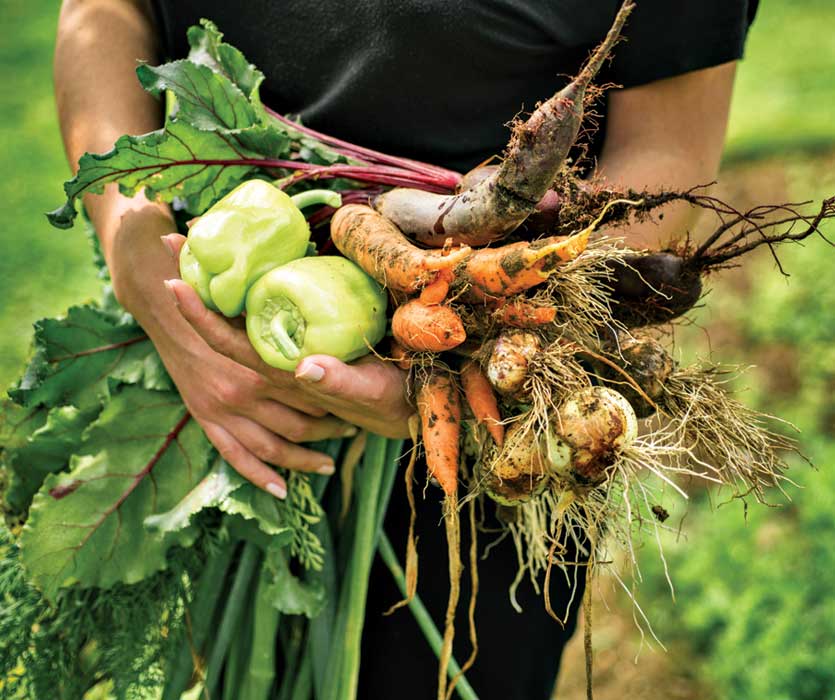
When you grab a bundle of asparagus at your local supermarket, you figure you’re getting fresh produce. Justin Rohner would like you to know that those veggies likely traveled more than 1,500 miles to get to that grocery store shelf. “That doesn’t sound fresh,” he says. Rohner’s passion is helping people get a bit closer to their food by growing it themselves. “Any yard has plants,” he points out, “so why not have them be productive?”
Something as simple as planting a rosemary bush or a citrus tree can enhance our connection to nature, he says. His company, Agriscaping, conducts webinars for people who want to know more about growing their own food and provides help, through a one-time consultation with a personal coach who will work with you over the course of a year to build an edible yard. “You can have your beautiful garden and eat it too,” Rohner says.
SOURCES
David Hovey Jr., AIA, Optima, Scottsdale, optima.inc. Marlene Imirzian, Marlene Imirzian & Associates Architects, Phoenix, imirzian-architects.com. Justin Rohner, Queen Creek Botanical Gardens, Queen Creek, qcgardens.org, and Agriscaping, Scottsdale, agriscaping.com. Karen Bradshaw, kmbradshaw.com.