Technically part of the North American continent, the seven nations that compose Central America have significant culinary overlap with Mexico and the Caribbean – but much that is distinct, as well. Apace with immigration trends, the Central American restaurant community has exploded over the past two decades, particularly with Salvadoran options.
by Nikki Buchanan, Leah LeMoine, Craig Outhier & Madison Rutherford
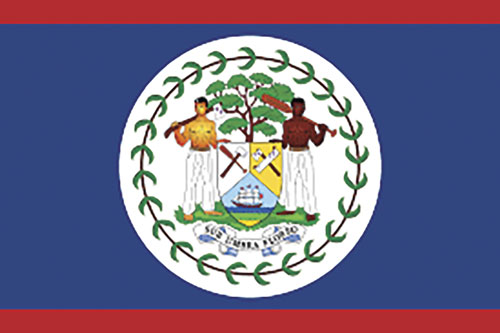
No Love for… Belize
Long a British territory, the Caribbean nation is not exactly bursting with culinary innovation, but it can claim chimole, a dark soup of chicken, boiled eggs and achiote paste. Alas, we could not find it in the Valley.

Costa Rica
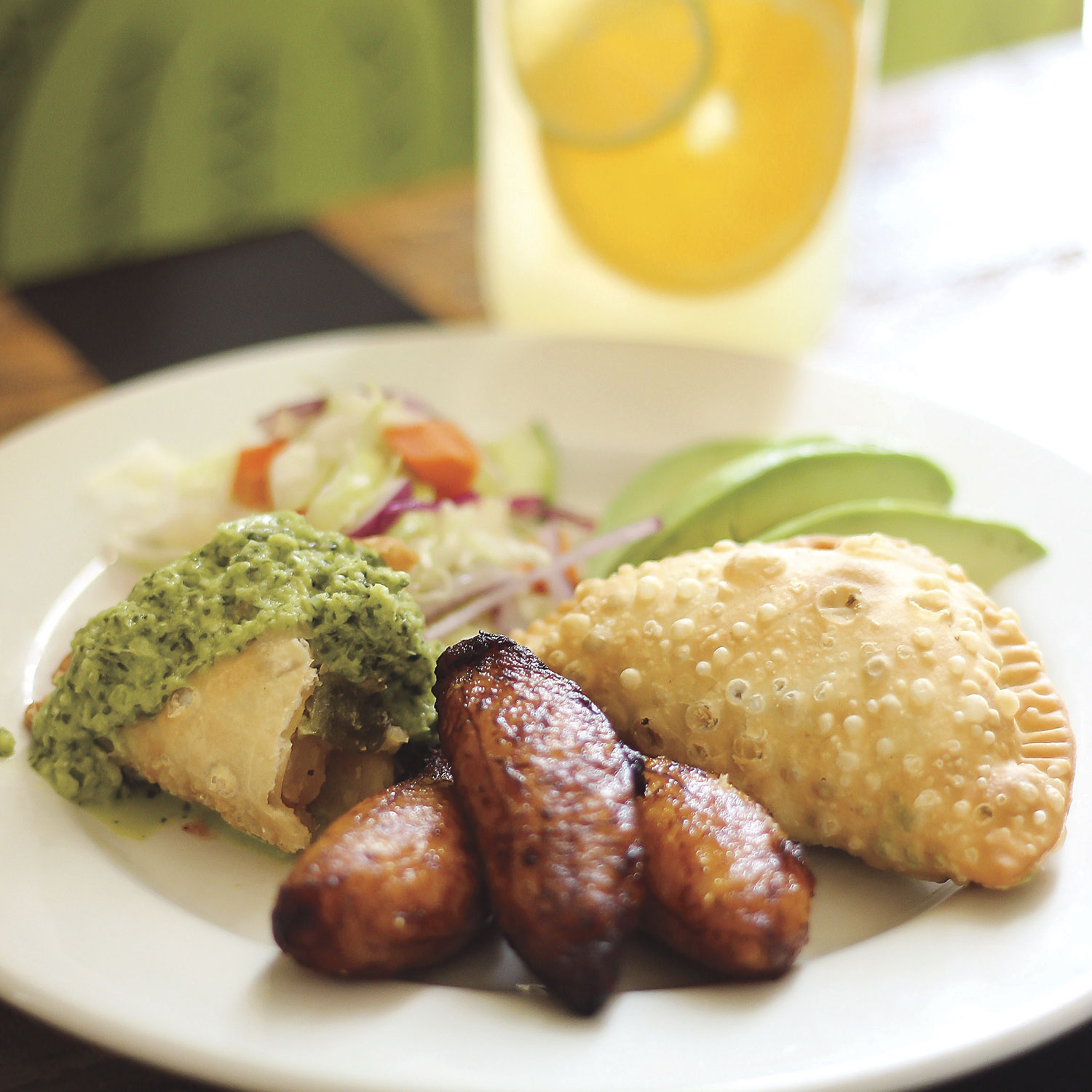
The Valley is not blessed with a Costa Rican restaurant, per se, but it does have República Empanada in Mesa (republicaempanada.com), owned by the Maraz family, which partly hails from the bicoastal nation. Thus, you will find redolent gusts of matriarch Jinette Maraz’s homeland on the pan-Latin menu, from the beef-olive-raisin medley in the El Capitan empanada to the piping-hot potatoes in the Jalapeño Popper empanada, seasoned with achiote, a scarlet spice powerfully conneced to Costa Rican food.
El Salvador
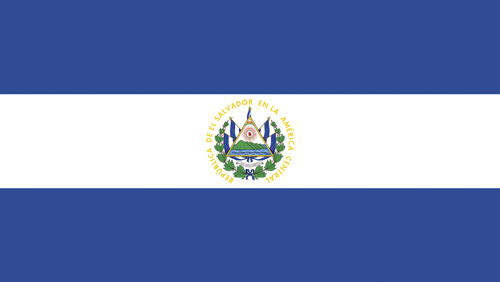
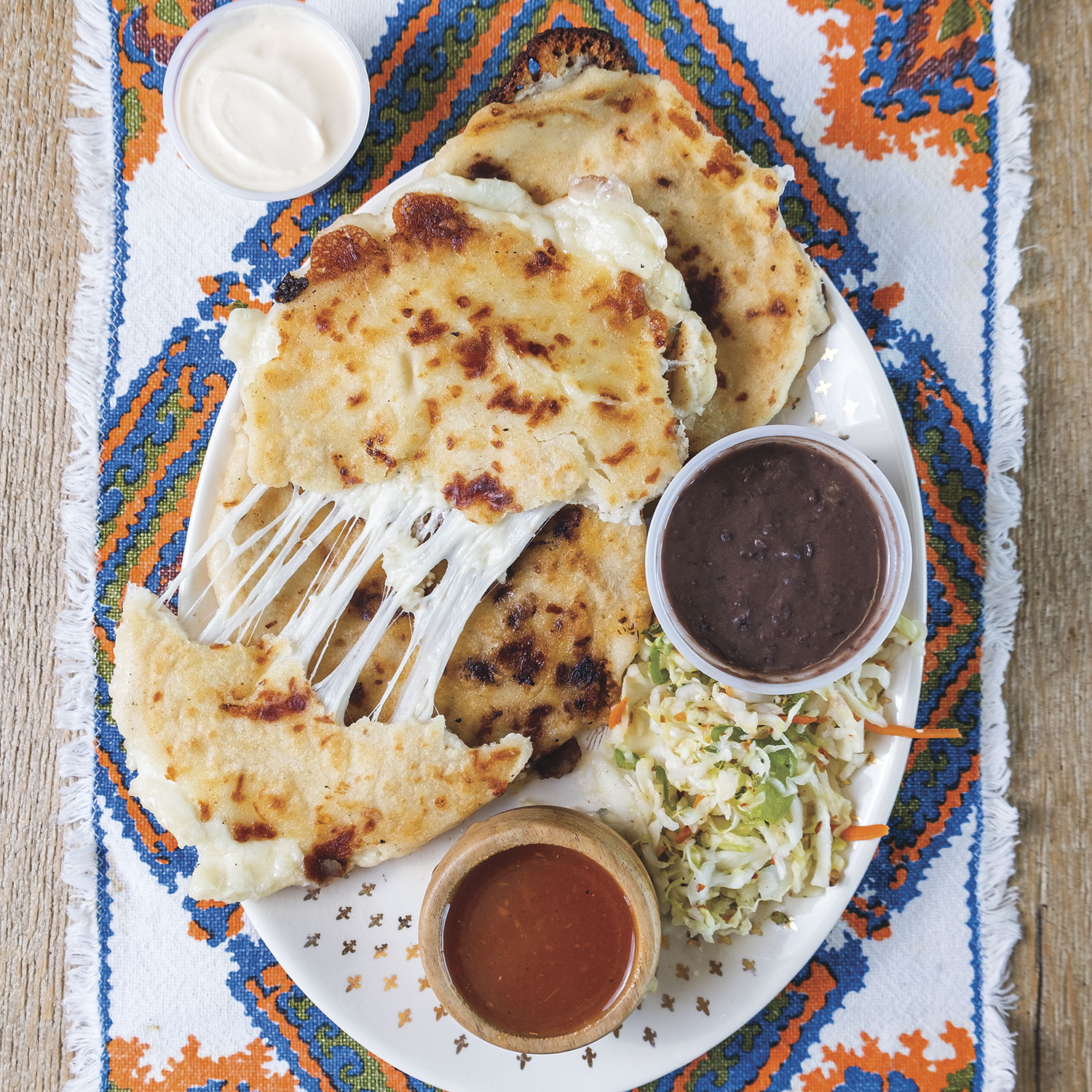
Tucked under Honduras on the Pacific side of the Central American isthmus, El Salvador has a pork- and seafood-centric food culture but is best known as the birthplace of the pupusa, a thick flatbread made from corn flour (unlike the European wheat-flour empanada) and originating with pre-Columbian Nawat people. Gooily stuffed with melted cheese and meat, pupusas can be found in virtually any Salvadoran restaurant, which now number about a dozen in the Valley.
3 Places for Pupusas & More
Seydi’s PupuserÍa & Grill
In North Phoenix, owner Seydi Flores griddles her pupusas with quesilla (a soft Salvadoran cheese) and loads them with proteins like chicharrón (fried pork belly). For vegetarians: the loroco con queso (a Central American flower bud). seydis-pupuseria-grill.business.site
Restaurante el Guanaquito
Per tradition, the pupusas are sided with curtido (crunchy fermented cabbage) at this Miracle Mile legend, but for a deeper Salvadoran cut, try the salpicón – a salad in Mexico, but here done as minced steak seasoned with modest sprigs of peppermint. restauranteelguanaquito.com
SalvadoreÑo Restaurant
Soon to open its fourth location, in Tempe, this family-owned chain is the unquestioned Salvadoran success story of the Valley. Pupusas are copious, but don’t sleep on blackboard specials or entrées like pollo pepián (chicken in a rich pumpkin sauce). salvadorenorestaurant.com
Guatemala
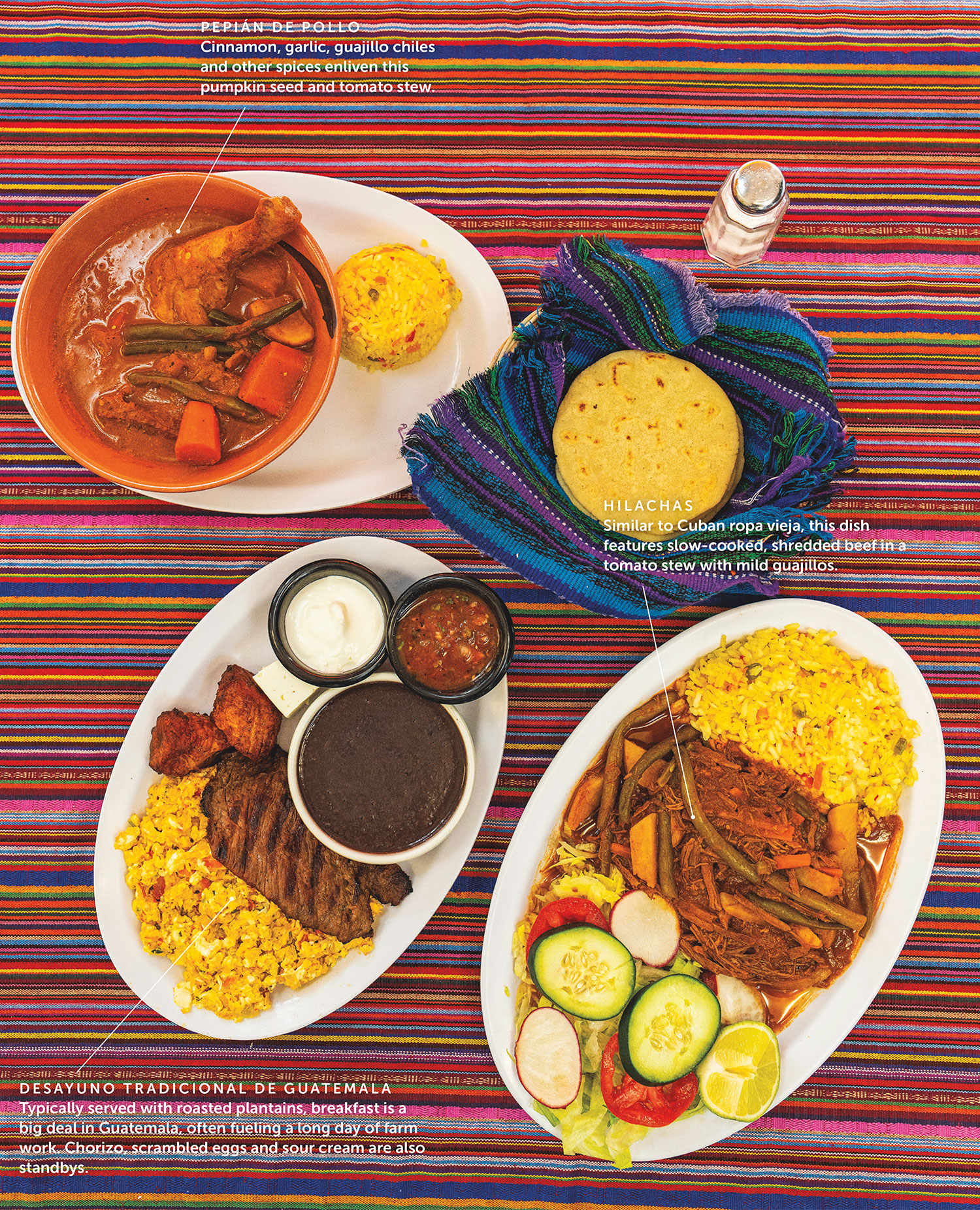
From tamales negros (made with chocolate, raisins and prunes added to the masa dough) to pepián de pollo (chicken in a roasty recado stew), much of Guatemalan cuisine bears the hallmarks of ancient Mayan cooking. Tamales are a culinary way of life in the country (which borders Mexico’s Chiapas region), done in a dizzying variety of styles, but Guatelinda Restaurant & Bakery (guatelinda-restaurant-bakery.negocio.site) in Mesa goes well beyond them with an all-day menu fit for multi-visit exploration (see below).
glossary
fiambre /fee-AHM-bray/
Essentially antipasti on steroids, this Guatemalan salad can feature as many as 50 ingredients (hard-boiled eggs, prosciutto-wrapped asparagus, cornichons, etc.) and is a traditional meal on All Saints’ Day.

Honduras
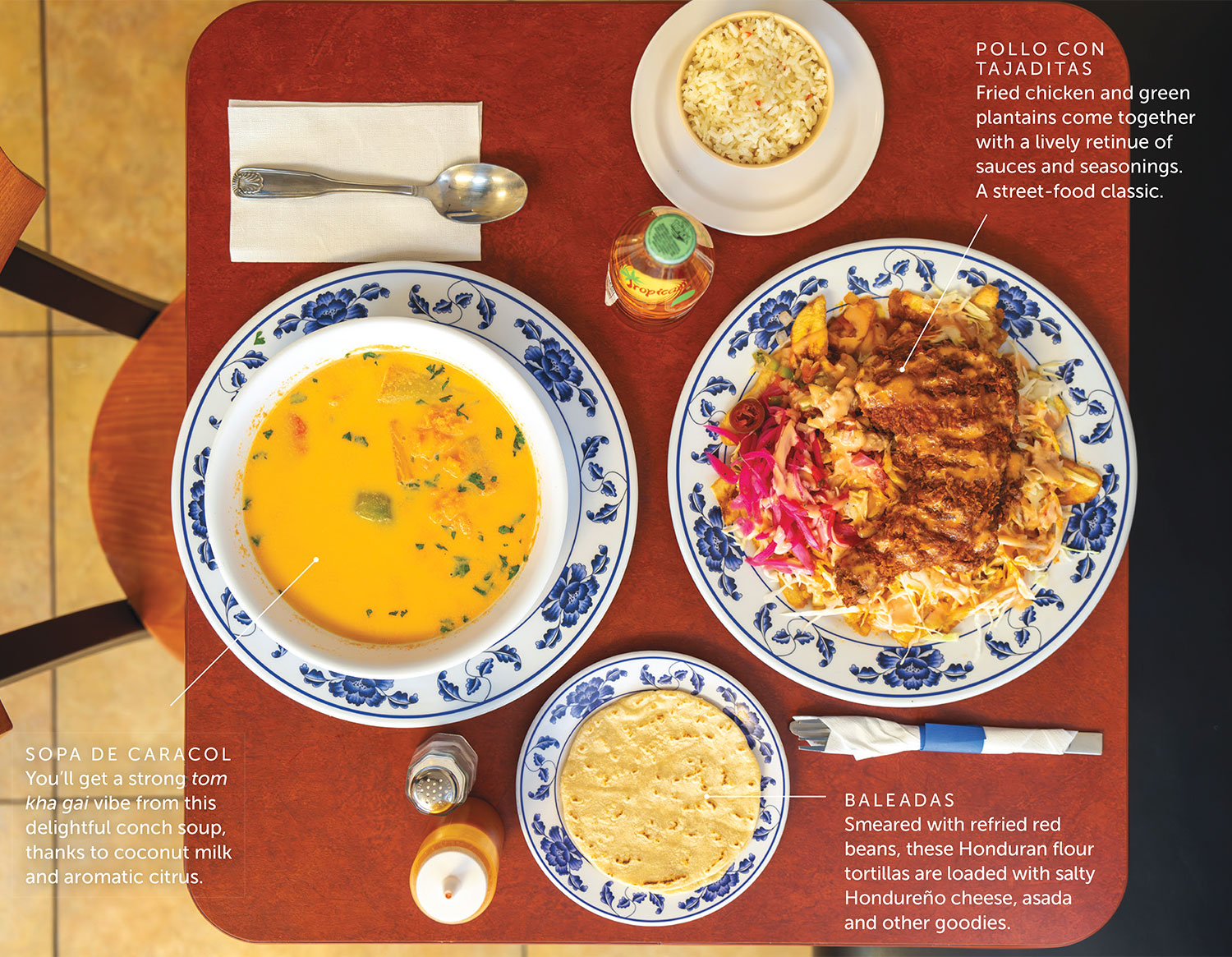
Fusing Mesoamerican, Spanish, Afican and Caribbean traditions, Honduran cuisine is perhaps the most syncretic and complex of Central America’s cooking styles – and arguably its most intoxicating. Thankfully, the Granados family opened Taste of Honduras (7828 N. 19th Ave., 602-354-2649) in the Christown Spectrum area in 2018, giving the Valley its most concentrated dose yet of the nation’s ample culinary endowments (see below).
Nicaragua
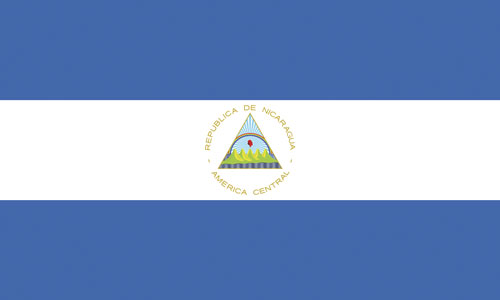
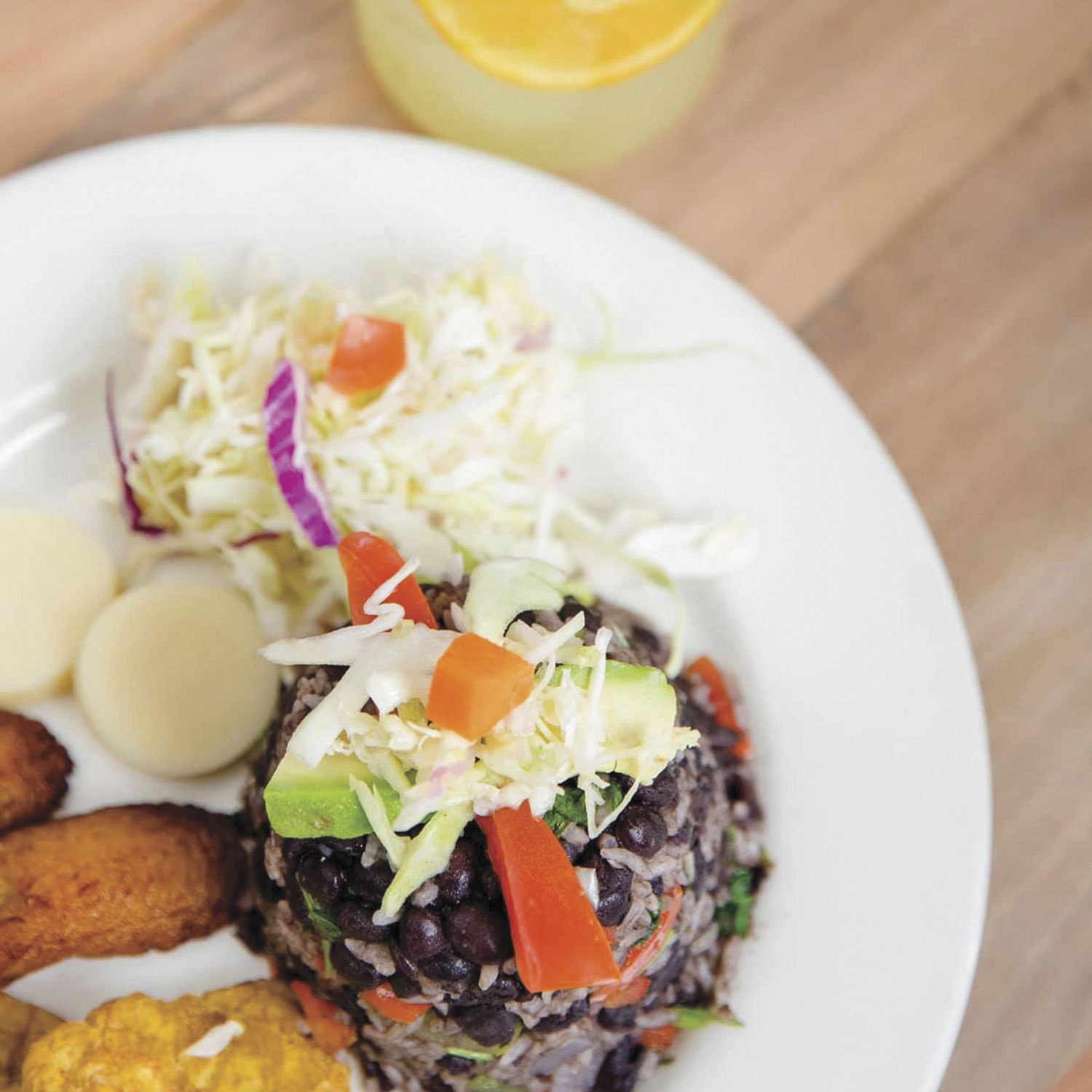
It’s an unkind but provable truth: The farther south you go on the Central American isthmus, the less interesting the food gets… and the harder to locate in Greater Phoenix. We tried and failed to find nacatamal (basically, an over-size tamale) but we did turn up the country’s national dish: gallo pinto (translation: “spotted rooster), a mash-up of red beans and rice served at pan-Latin Mesa mainstay República Empanada (republicaempanada.com), named for its dappled appearance.
No Love for… Panama
Formally separated from Colombia (with the help of the canal-hungry U.S.) in 1903, the southernmost Central American nation generally has a secondhand food culture, borrowing dishes like sancocho from Colombia.