From epic hikes to you-chop-’em Christmas trees, make it a holiday season for the ages with this special wintertime lineup of experiences to crush before you kick it.
By Mare Czinar, Jessica Dunham & Craig Outhier
Photography by David Blakeman, John Burcham, Mare Czinar, Jim David, Mirelle Inglefield, Thomas Ingersoll and Kevin Kaminski
Snag Permits to The Wave
You’ve seen the photos. Impossibly smooth sandstone formations swirled in shades of crimson, amber and rose. A cresting surf of rock. The cerulean sky. If The Wave looks this seductive in 2-D, imagine its gobsmacking majesty up close. Located in the Paria Canyon-Vermilion Cliffs Wilderness on the Arizona-Utah border, the landmark – consisting of two major erosional “troughs” 50- and 100-feet long, respectively – is so globally popular, its ecosystem so delicate, that it’s accessible via lottery-only permits. Though the 6.4-mile round-trip hike is strenuous, and the backcountry wild and undeveloped, the payoff is a heady immersion in one of Earth’s most dazzling creations.


Chop Down Your Own Christmas Tree
’Tis the season for manifesting a winter scape of snow-blanketed hills and icicle-dipped boughs. How? With a seasonal tree-cutting permit from one of five national forests in Arizona. For a nominal fee, you’ll get a weekend in the woods to reenact your favorite Hallmark movie and a Christmas tree redolent with pine. Visit recreation.gov for permits ($15/tree, 10 feet or under), available first-come, first-serve.

Apache-Sitgreaves National Forest
Venture into the White Mountains and choose from Douglas fir, blue spruce and white firs with silvery needles. Permits (max three trees per family) go on sale in early October for a cutting window of mid-October to December 31. The cutting areas change from year to year – consult the “cutting areas” map you can download with your permit.
Coconino National Forest
Head to Flagstaff to claim a mighty Ponderosa. Permits (max one) sell out within days of their mid-November release date, and the timeframe to cut is a month. Review maps on recreation.gov before you buy, since cutting areas tend to be highly specific and range from the Mogollon Rim to Utah.
Kaibab National Forest
Permits (max one) go on sale in early October and include Williams, Tusayan and the North Kaibab ranger district, making it a longer haul than a trip to Coconino but a good alternative if you can’t secure that particular pass. Pick from spruce, fir, pinyon pine and juniper.
Prescott National Forest
Another sought-after permit ($20/tree, max one), these also sell out within a day or two of their mid-October release date. Find cutting areas on Mingus Mountain and in the Bradshaws.
Tonto National Forest
If you don’t mind an unconventional tree – a spry alligator juniper, for example – then buy a permit (max three) for Tonto near Payson. On-sale date is in early November and cutting window runs through December.
Tools Checklist
- Leather work gloves
- Bow saw
- Loppers
- Rope or straps to secure tree to vehicle
- Measuring tape
DO…
- Print permit and display it on vehicle dash.
- Print cutting-area maps provided by the National Forest.
- Start tree search early in the day.
- Measure area of where in the house the tree will go beforehand.
DON’T…
- Drag tree to vehicle once cut. It’ll rub off the bark and needles.
- Remove top of tree. Take the entire tree.
- Leave snow on tree, unless you want a wet mess.
- Wear shorts. Dress warmly and bring extra layers.
Take a Guided Tour of Canyon de Chelly
Five thousand years. That’s how long people have lived in the verdant cradle of Canyon de Chelly. As the longest continuously inhabited land in North America, it’s been home to ancestral Puebloans, then Hopi, now Navajo. Five thousand years, a measure of time so great that it can mean both nothing and everything at once. How, then, to grasp the enormity of human history that has ebbed and flowed here? The best way, and in fact the only way, is with a Navajo-led tour.
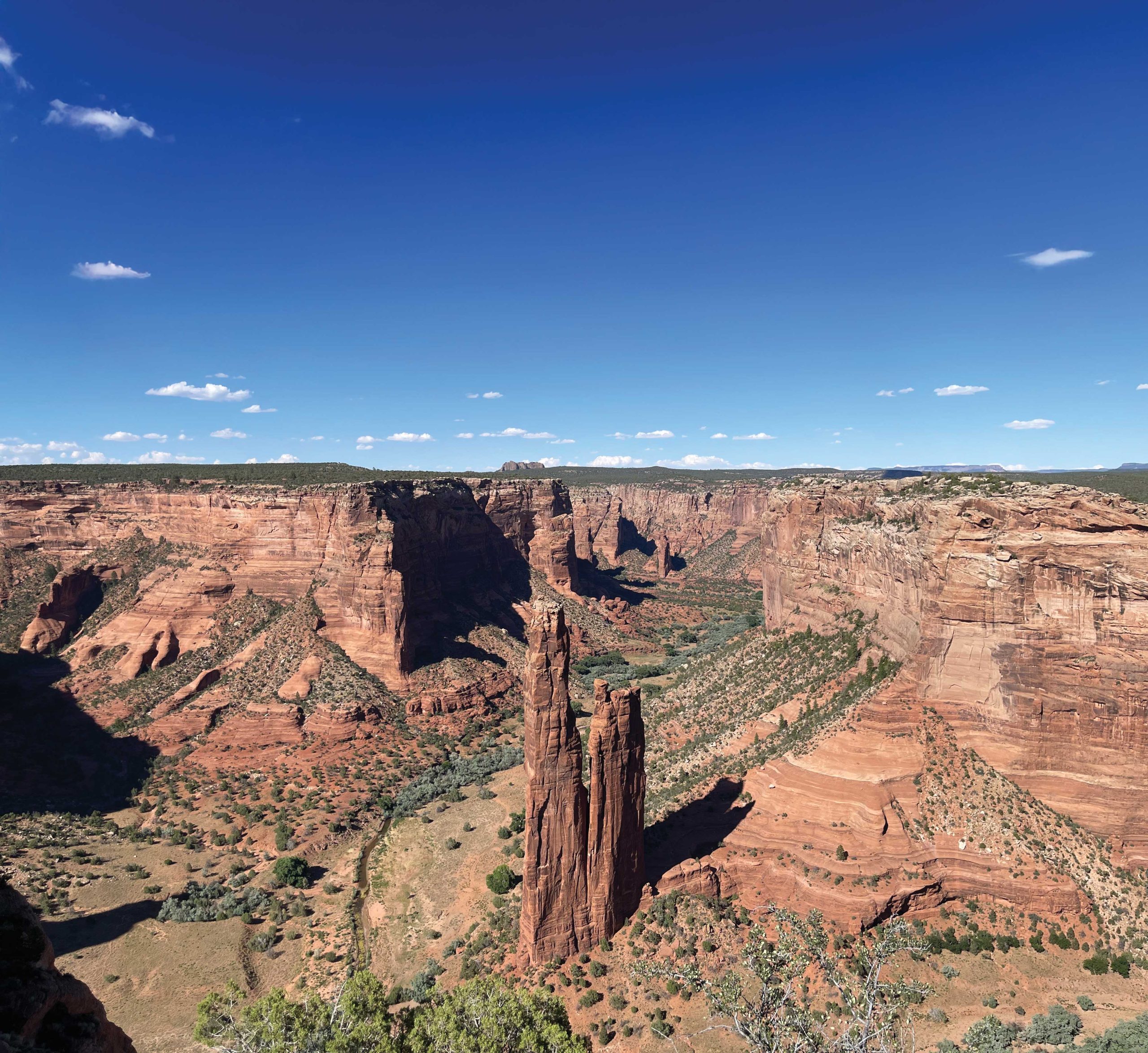
The Navajo refer to Canyon de Chelly as Tséyi, “the place within the rocks,” an 84,000-acre crevasse of sandstone cliffs and red-rock spires knitted together by the cottonwood-hemmed Chinle Creek. The need for a guide is to respect the privacy of the Navajo living in the canyon today and to preserve the natural and cultural resources that lie within. But it’s also to bring to life the millennial petroglyphs and Puebloan dwellings, to color in all that history with lived-in detail. Tanya Yazzie owns Canyon de Chelly Tours (928-349-1600, canyondechellytours.com), one of a handful of authorized outfitters, and she describes the experience like this: “This is not a cookie-cutter tour. It’s one-on-one with the guides, who share oral histories and their own stories about growing up in the canyon. It’s powerful.”
Drive the Scenic Loop at Petrified Forest National Park
There’s much to inspire wonder within this strange and beautiful Triassic-era landscape, but the park’s 28-mile loop offers all the must-sees. Start at the south entrance (exit 285 off I-40 to Hwy. 180) and head north back to I-40; plan for 45 minutes of driving time.
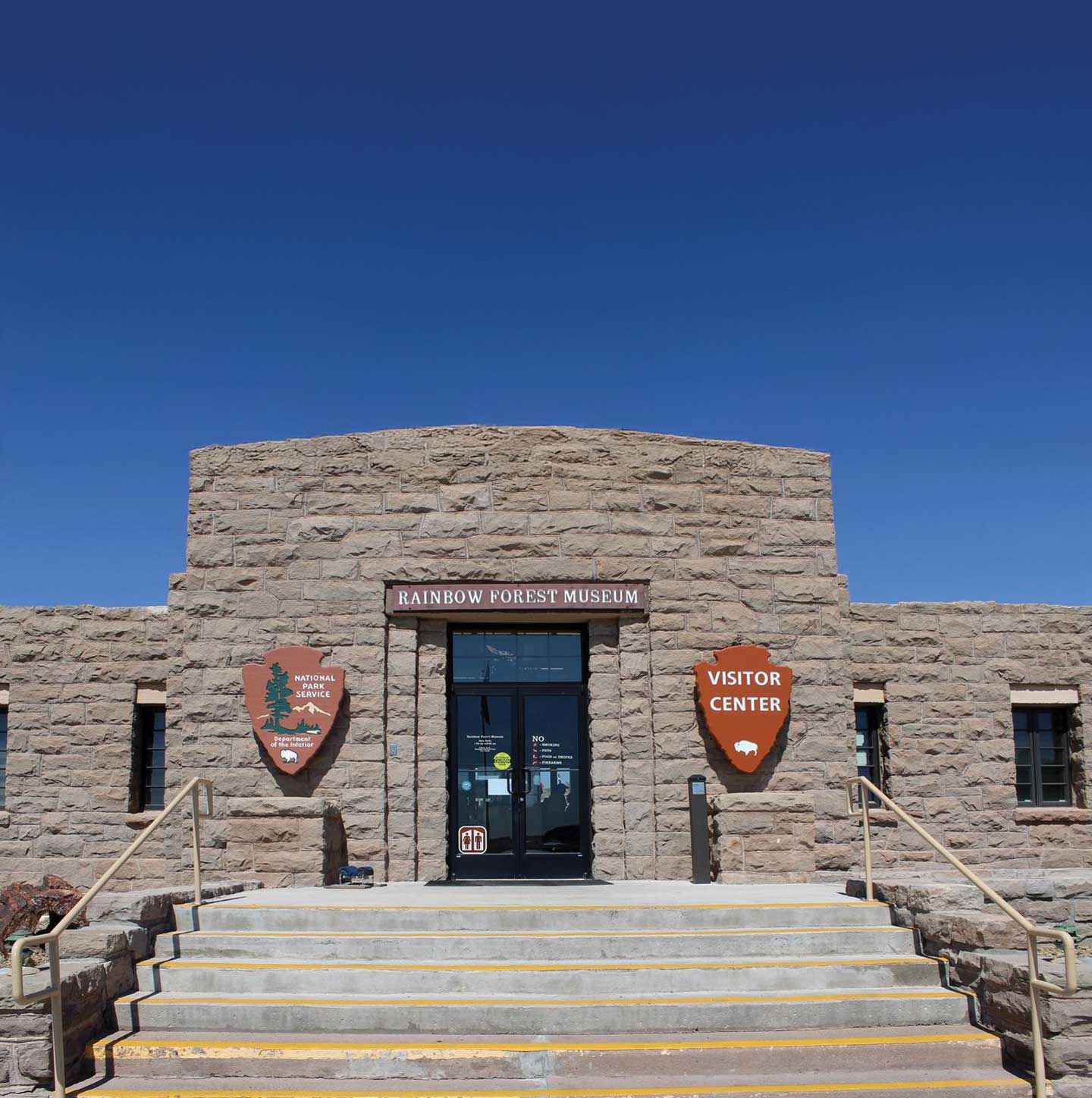
Rainbow Forest Museum
Get your bearings at the visitor center – read: trip planners, snacks and bathrooms – plus see paleontological displays of prehistoric creatures.
Crystal Forest
So named for the glittering quartz chunks embedded in the petrified logs, this shimmering “forest” of wood deposits lines a 0.75-mile trail.

Blue Mesa
Stretch your legs on a 1-mile journey through striated badlands in cool hues of periwinkle, lavender and pewter. Keep your eye out for animal fossils etched into the sedimentary layers.

Puerco Pueblo
A 0.3-mile paved path leads to an ancestral Puebloan village some 600 years old. The partially excavated site reveals 100 rooms and a series of petroglyphs.

Painted Desert Inn
For astonishing views of the Painted Desert in all its pigmented brilliance, start at the Painted Desert Inn visitor center, then amble toward Tawa Point.

Summit Piestewa Peak at Sunrise
It’s still dark when you pull into the parking lot. No hint of morning on the horizon yet. It’s dark, but it’s not quiet. Hikers mill around Dreamy Draw’s 302 Trailhead, adjusting headlamps and zippering backpacks, while others rummage in car trunks readying gear. There are more people here than you expected given the pre-dawn hour and the difficult 1.2-mile summit hike that awaits.
Then you see him. A short man, fit and muscular, his black hair pulled in a low ponytail. He heaves a giant taiko from his van. It’s a Japanese drum, a fact you might know from the dozens of news stories about him. The man is Ken Koshio, and he will haul that drum up Piestewa Peak and pound on it in what he’s described to the press as a sunrise prayer ceremony. He’s done it every day since March 23, 2020.
With the drum strapped to his back, Koshio begins the ascent. You follow, as do others. The climb is challenging, but the momentum steady, and when Koshio reaches the peak with a group trailing behind, the sun’s glow is fringing the sky. You find a rock on which to perch among your fellow hikers. Someone offers you a granola bar and tea from a thermos. You accept.
Koshio faces east. He chimes a bell. The murmuring of the crowd softens and Koshio begins to play a flute, the notes bright and reedy. And then the taiko.
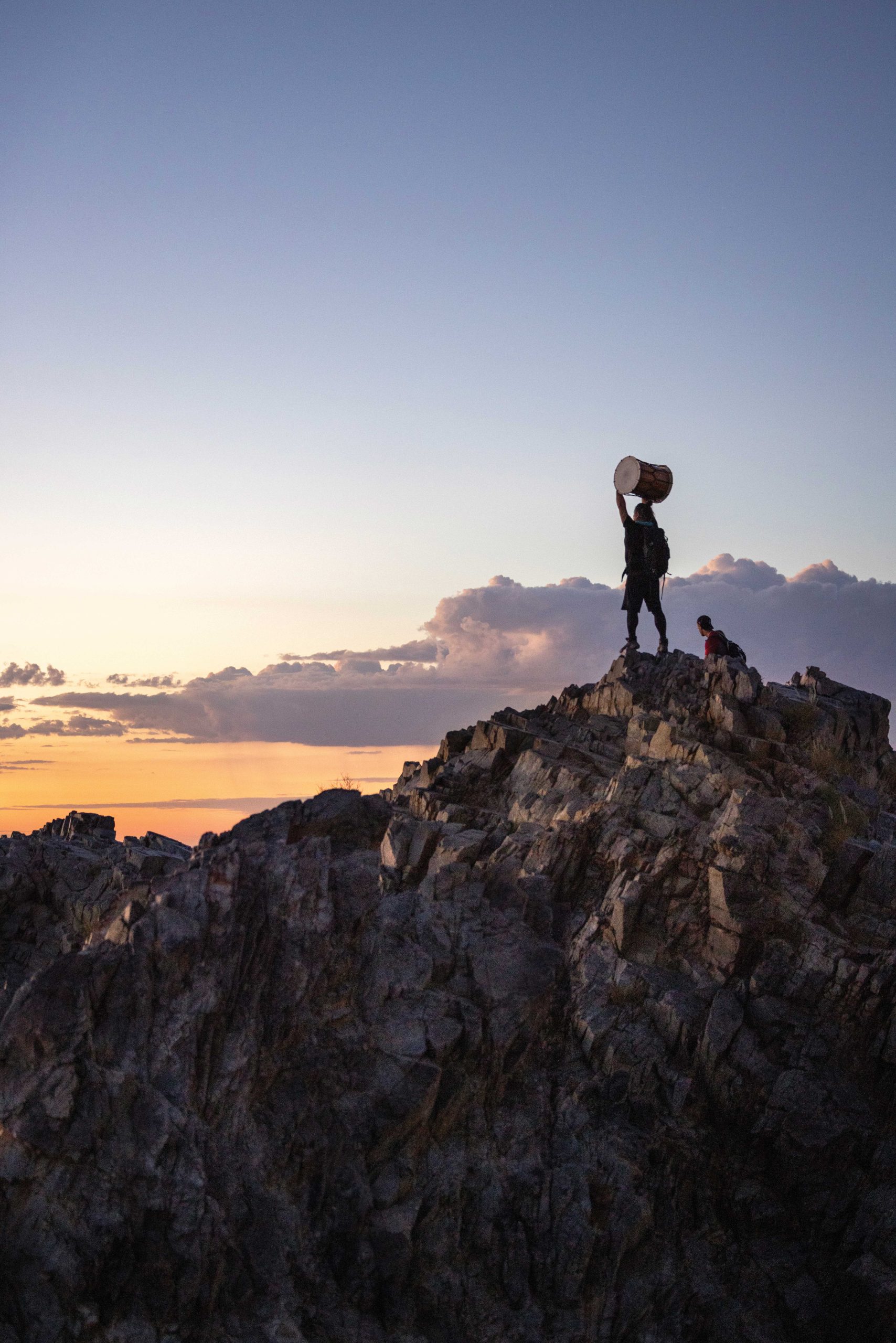
He grips a drumstick in each hand and hits the sides of the drum, back and forth in a rhythm that starts slow and then quickens. You can’t quite believe it, but as Koshio drums faster, the sun seems to ascend faster, almost as if Koshio himself were conjuring its rise. The sun appears in all its fullness, and Koshio stops. There are whistles and a clap or two from the gathered hikers, but mostly the only sounds now are birds, and wind.
You learn later that you didn’t need to wake up early, nor hike 2.4 miles round trip, nor climb 1,200 feet in elevation – Koshio performs a similar ceremony at the Desert Botanical Garden in the evenings.
But could there be a better way to start the day?
Get Gussied Up at the Bentley Scottsdale Polo Championships
Cliché tells us polo is the sport of viscounts and Bond villains – and that’s generally accurate. One notable exception will take place in Scottsdale November 8-9, when the mega-popular Scottsdale Polo Championships descend on WestWorld of Scottsdale for a weekend of mallet-pounding, pony-bumping fun. Now in its 14th year, the one-day, eight-team tournament is billed as the most-attended polo event in the U.S., drawing upward of 10,000 fans. It’s “polo for the masses,” as The Arizona Republic dubbed it – a sun-drenched soiree for viscounts and Joe Schmoes alike.

Polo Fashion Cheat Sheet
Think: Kentucky Derby Party, but in the fall. Also: Don’t wear black.
WOMEN
It’s sunny in the Valley in November. You’ll need this Tuckernuck toucan hat ($65) or similar piece of wide-brimmed headwear to complete the look.
The sundress, maxi dress and jumpsuit – like this coco-print belted romper from Zimmermann ($725) – all fit the bill for lady polo habitués.
Tory Burch Miller Capri espadrille wedge sandals ($350) are refined and cushioned, for spectating in comfort and style.
MEN
Are you dressed like a German soda jerk at his wedding? If so, you’re ready for the polo grounds, sir! See: this railroad-stripe linen sports coat from Patrick James ($418).
Hey, brother: Some white chinos from Luca Faloni ($210) will look sharp with that sport coat.
A pair of granite Monterrey slip-ons from Tecovas ($185) completes the upper-crusty man-of-leisure look.




Polo Basics
- The sport originated in Central Asia around 200 BCE, invented by horse-mad Persians.
- Play lasts around 90 minutes and consists of four to eight 7-minute chukkas, or periods.
- Each team consists of four players (no goalies) attempting to strike a ball through goals 8 yards wide.
- Polo is inherently biased against lefties; players are required to strike the ball right-handed to avoid head-on collisions.
- The field of play is massive – equal to nine football fields.
If You Go
Bentley Scottsdale Polo Championships
When: November 8-9
Where: WestWorld of Scottsdale, 16601 N. Pima Rd., Scottsdale
How much: GA starting at $45
Contact: thepoloparty.com
Spend Christmas Morning at The Hermosa Inn
“There’s no place like home” is usually the aphorism that pays when it comes to the holidays, but even the most wonderful time of the year can get a lift from a change of scenery. Our moonshot idea for a once-in-a-lifetime yuletide: Book a room at the historical Hermosa Inn, a property so rich in ambiance, history and mystique, it actually does Christmas morning justice. (Read: It ain’t a Courtyard by Marriot.) Here’s our five-point argument.
All but four of the 43 casitas at the 90-year-old hotel have a fireplace, which is sort of a must for Christmas morning, no? Plus, there are five fireplaces on the property’s various patios; three more inside its exquisite restaurant, LON’s at the Hermosa, and adjacent cocktail bar, The Last Drop; another in the lobby; and a fire pit outside in the garden. Bring plenty of stockings.
The Hermosa features live music on the patio Wednesday through Sunday evenings, and Christmas Eve is on a Wednesday this year, so break out the scarves.
Fill your tummies with complimentary house-made muffins in the morning and cookies in the afternoon – all holiday-themed through the New Year.

The Ornamentini! The Last Drop’s signature holiday cocktail is offered from Thanksgiving Day through New Year’s Day – an elixir of Absolut Elyx Vodka, house-made cranberry syrup, orange zest, vanilla, cinnamon and lemon juice served in a red Christmas bulb, then poured into a chilled martini glass tableside. Prost, Santa!
It wouldn’t be Christmas without a Christmas Eve feast. Curated by chef Brian Peterson, the in-the-works prix fixe menu at LON’s ($120 for adults/$35 for kids) will deliver “classic and contemporary Christmas flavors,” served on the former estate of cowboy artist Lon Megargee. Think of it as a family dinner at your long-lost Uncle Lon’s groovy desert mansion. And let the Christmas warmth flow like wine.
If You Go
Christmas at the Hermosa Inn
When: November 16, 2025-January 10, 2026
Where: 5532 N. Palo Cristi Rd, Paradise Valley
How much: Rates starting at $397/night
Contact: azhideawaycollection.com/hermosa-inn


Fly to the North Pole at Carry On
If you’re an Arizona parent, there’s a high likelihood you’ve choo-choo’d into the nighttime wilderness of Tonto National Forest on Grand Canyon Railway’s Polar Express ride. And it’s also likely that your kids long ago aged out of such wholesome holiday diversions. So, aging parent (and all adult-beverage fans 21-and-up), this one’s for you: a cocktail-centric yuletide escape in Downtown Phoenix, staged by the mixology maestros at Carry On. Reimagining their ’70s-era jetliner cabin replica as a Christmas-time airship, head barkeep Ruben Fernandez III and his merry band of servers and mixers promise to deliver a 90-minute cocktail odyssey every bit as immersive as their signature airline concept, with six all-original holiday libations. Bonus points if you wear your jammies, Boomer.

If You Go
North Pole Journey
When: November 7-December 24
Where: 2 N. Central Ave., Ste. 101, Phoenix
Contact: carryonphx.com
Hike the 315-Mile Maricopa Trail (Or Part of It)
Simply put, the Maricopa Trail is a microcosm of the Valley of the Sun. Across its 315-mile, Valley-circumnavigating length, the non-motorized recreational trail (it broke ground in 2004 and was completed in 2018) connects county parks; wanders through national forest, desert and farmland; and tethers to suburbs and urban centers. It also passes by the canals, dams and lakes that deliver water to one of the largest and fastest-growing settlements in the Southwest. It’s a gift that every Valley hike-lover should savor.

DAY HIKE: Great Views on South Mountain
Following the backbone of South Mountain Park and Preserve, this ridge-hugging segment of the Maricopa Trail runs between the Pima Canyon and San Juan trailheads. Super fit hikers take on the full 14.4 miles in the annual National Trail Trek event each January. But casual day hikers can cherry-pick smaller, half-day segments via two connecting park trails: the Kiwanis Trail or the Telegraph Pass Trail, which both top out at the Telegraph Pass Lookout after 1-mile and 1.5-mile hikes, respectively. An iconic Depression-era stone structure, the lookout showcases 360-degree vistas and supreme city views. After getting your fill, hike on in either direction, east or west, to get the miles you want. A steady 5-hour hike, a frenetic 3-hour jaunt – it’s all up to you.
PRO TIP: Keep an eye out for petroglyphs and chuckwalla lizards. maricopacountyparks.net/assets/1/6/regional-trail-south-mountain-11×171.pdf

OVERNIGHT HIKE: A Mountain-to-River Meander
The Bush Highway to Granite Reef segment links Usery Mountain Regional Park near Apache Junction with the popular Salt River recreation area north of Fountain Hills. Start at the Trailhead Staging Area in Usery Mountain Regional Park and head up and across Usery Mountain, where hikers get sweet Superstition Wilderness views. The 14.5-mile route then dips into the Tonto National Forest, crossing cactus-studded foothills on twisted paths. The segment shares space with the ever-expanding Sonoran Desert (Hawes) Trails System, a loopy maze for adding exploratory side trips. Soon you’ll arrive at Bulldog Trailhead and have a decision to make: Bail the trail and be content with your 4 miles or soldier on and look for a camping spot as you make your way into the Salt River Recreation Area. Since this is lightly regulated federal land, you can camp virtually anywhere, including Coon Bluff and various rafting beach sites. The next day, continue to your destination: Granite Reef Trailhead at Bush Highway.
PRO TIP: This segment passes by the famous Wind Cave on Usery Mountain and prime wild horse territory along the Salt River. maricopacountyparks.net/assets/1/6/regional-trail-usery-8×111.pdf
MULTI-DAY HIKE: Backcountry Trek
Of all the Maricopa Trail segments, the far northern Bronco to Spur Cross route is the most challenging. A point-to-point trek requires good physical condition, proper gear and plenty of supplies, including water. The 36-mile route starts at the Granite Mountain Trailhead in Scottsdale’s McDowell Sonoran Preserve and heads north into Tonto National Forest, where camping is plentiful (see sidebar). Although it’s only 30 miles north of Downtown Phoenix, the spare backcountry feels completely untamed and remote – a true wilderness hike. Deer, javelina and myriad native birds congregate near ephemeral water holes and the course of Camp Creek, which the trail traces for the last 2 miles to Spur Cross Ranch Conservation area. The route should take 2-4 days, depending on your pace.
PRO TIP: Tack on additional miles with optional side trips to Camp Creek Falls (easy 1-mile detour) and Skull Mesa (2-mile one way to the top grueling adventure). maricopacountyparks.net

FULL-TRAIL TREK: Full Circle
According to the Fastest Known Time website, a few hearty hikers have finished the entire 315-mile Maricopa Trail loop in a little more than three days. But what’s the rush? The beauty of the trail is its accessibility – take it at whatever pace suits, from a week to a year to several years. Most trail “finishers” knock it off in multi-day segments, taking time to savor all its diversity. For those who want to crush it in one fell swoop – a journey that would work out to about 21 days, assuming a comfortable pace of 15 miles per day – a good place to start is amenity-rich Cave Creek Regional Park. Start by hiking east toward Lake Pleasant and simply follow the Harris’s hawk-emblazoned signs full circle. For a multi-week hike, the main challenges are camping and resupply. Beware federal land – services are scant and remote. Use Maricopa County Regional Parks (maricopacountyparks.net/assets) as a resource – the park system’s website and staging hubs can help you plan resupply stops, enjoy comfort breaks and camp in style.
PRO TIP: Approximately 30 percent of the trail is Maricopa County Regional Park land – and those are fee areas. Get the annual pass for the best deal or carry cash for the “iron ranger” self-pay stations. maricopacountyparks.net/assets
Maricopa Trail Highlights
Make sure to savor these landmarks along the trail.
1. White Tank Mountain Regional Park
The West Valley segment is scenic and amenity-rich, including a waterfall trail perfect for kids.
2. Estrella Mountain Regional Park
With a great nature center and equestrian park, this Southwest Valley region is perhaps the most horse-centric of the segments.
3. Cave Creek Regional Park
The most mountainous of the Valley’s regional parks includes the Clay Mine Trail, ending in the ruins of a historical clay mine.

Camping 101 with Mare
Camping is prohibited in the McDowell Sonoran Preserve (city land) but near-universal in the Tonto National Forest (federal land). “Camp well away from any water holes,” PHOENIX hiking guru Mare Czinar says. “Seek out a scenic spot, that looks like it’s been established. [Camping is] the whole point of getting back there.”
Hike the Week Away at Crescent Moon Ranch Cabin
This Red Rock Country getaway melds comfort with access to some of Sedona’s most beautiful hiking areas. Ideally positioned on the banks of Oak Creek in a nexus of premium hiking trails and recreation areas, including iconic Cathedral Rock, the U.S. Forest Service-managed cabin is like Sedona’s answer to a Silk Road inn.

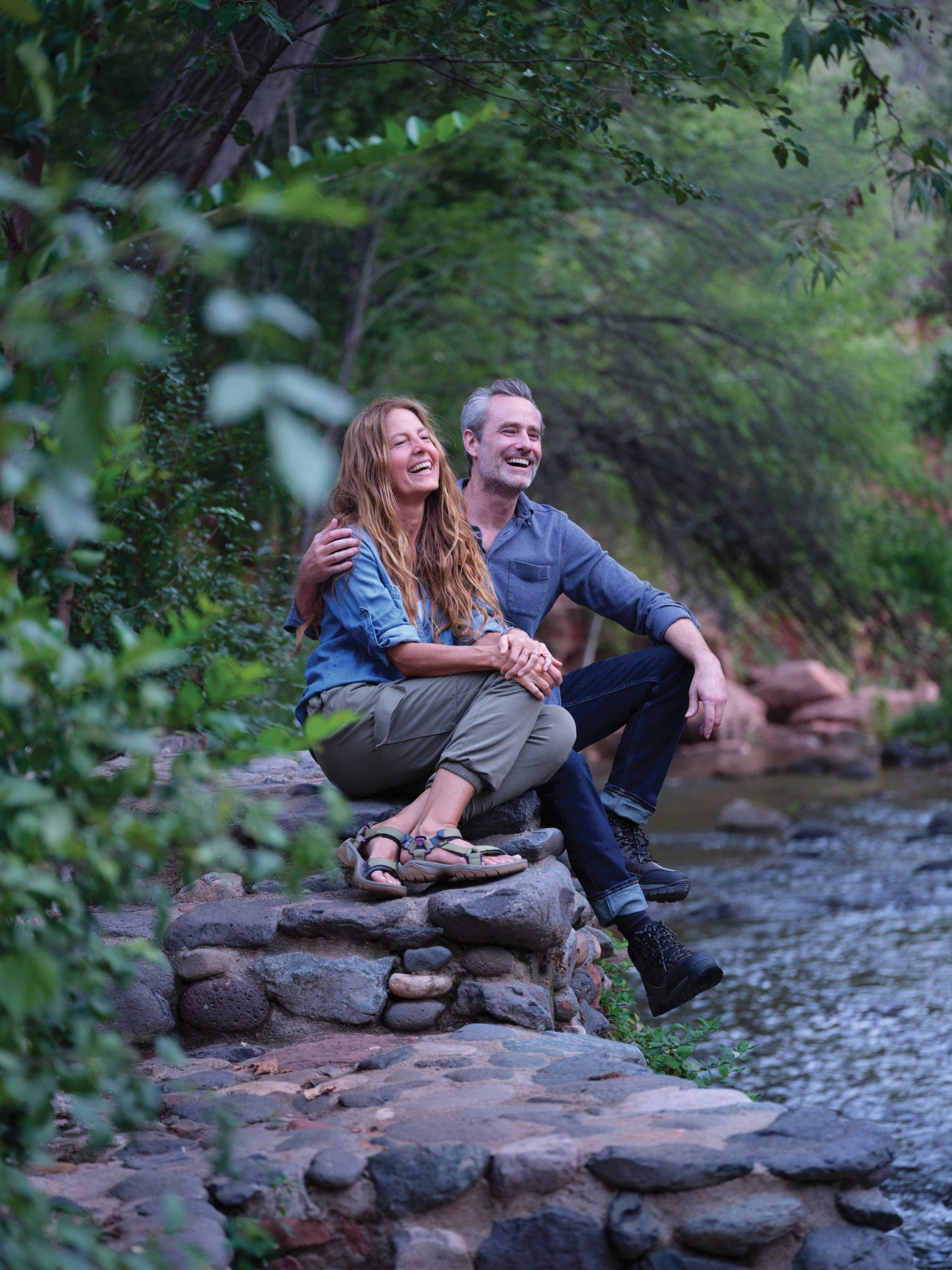
From the secluded three-bedroom, three-bath, fully furnished historical ranch house (which comfortably sleeps 10), guests can step directly out onto the leafy creekside trails in the Crescent Moon picnic area and Chavez Ranch historic site. A short drive away, hikers can take on the rugged climb up Bear Mountain or its companion mesa, Doe Mountain, where 2 new miles of fresh-cut trails on the summit were completed this past summer.
Nearby, the Turkey Creek area is expanding, with more than 20 miles of new trails planned for 2026-2028. The recently opened, 3.3-mile Del Sol Trail along Verde Valley School Road will serve as a main artery in the system. Plus, the gorgeous 3.2-mile Transept Trail can be accessed from the same trailhead. The only downside: No pets permitted. recreation.gov/camping/campgrounds