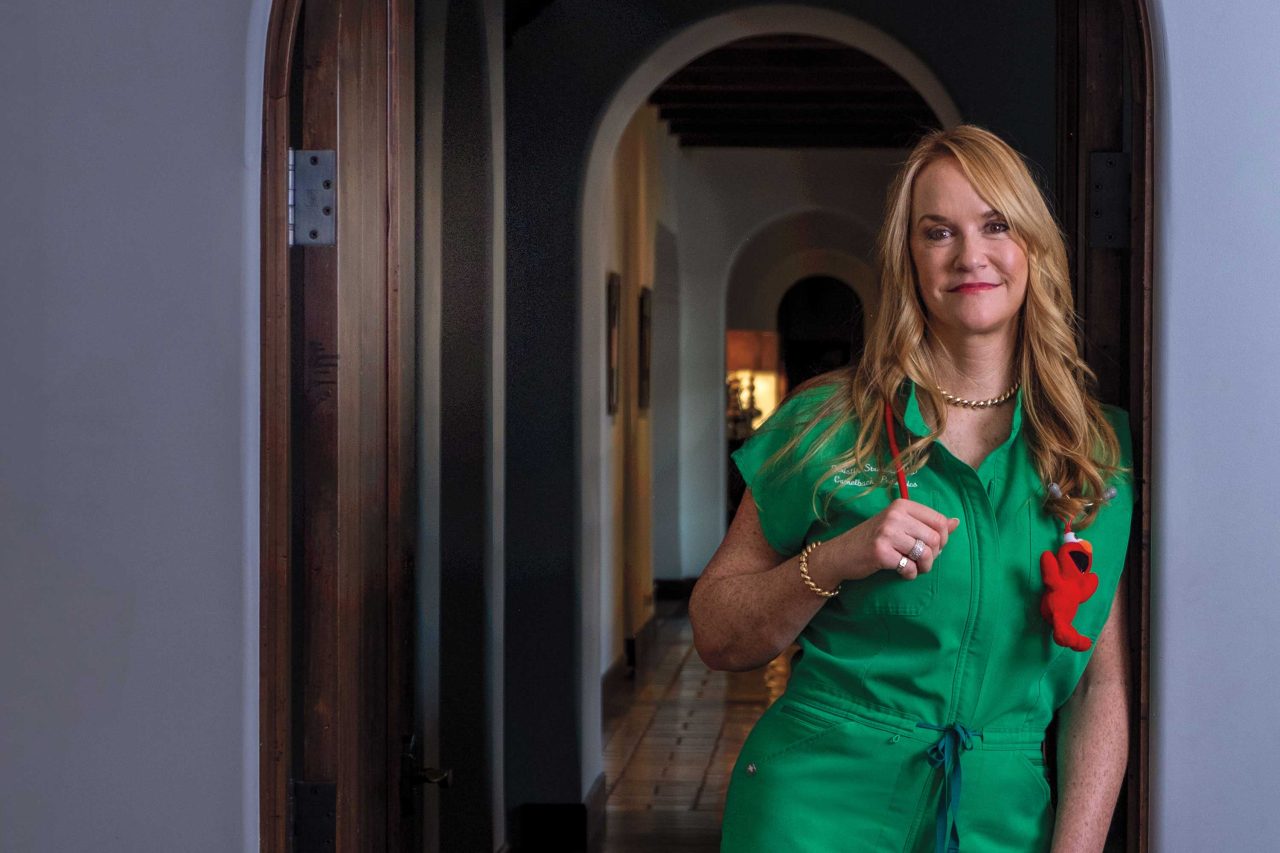
Three Valley physicians share how a near-death experience shaped their approach to life and medicine.
by Madison Rutherford | Photography by Mirelle Inglefield
Doctors help us heal by setting broken bones, suturing wounds, diagnosing diseases and prescribing medications – but also by providing a sense of steadiness and calm in times of crisis.
What happens when a medical professional faces a medical emergency of their own? Physicians aren’t immune to unexpected injury and illness, or the fear, uncertainty and sorrow of what could come after.
Here, find the stories of three Valley healers, all survivors of their own near-death experiences – critical tests of mortality that profoundly changed how they care for their patients and themselves.
Dr. Mannes’s Course-Correcting Cardiac Event
Before entering medicine, Mesa anesthesiologist Bruce Mannes had a successful career as a commercial airline pilot. “I got into anesthesia because it’s a lot like flying,” he says. “My cases are like takeoffs and landings, hopefully nothing in between.”
In 1981, he traded the cockpit for the operating room, later joining Metro Anesthesia Consultants in Phoenix in 2000. Though he has a family history of heart disease, the septuagenarian was always in excellent health, even as his medical career hit the four-decade mark. Regular cardiology visits never revealed anything concerning, and he played pickleball with his wife, Amy, four times a week without any pain, fatigue or shortness of breath. Yet, the day before Halloween in 2022, he suddenly collapsed and became unresponsive mid-game.
“We were having a conversation… Next thing I know, I see him go back. I start screaming when I see his eyes fluttering in his head,” Amy says. “Then everybody starts to yell, ‘Doctor!’ Well, they’re yelling for him, because he’s the doctor.”
Fortunately, one of the Manneses’ pickleball partners, a former EMT, began CPR before the ambulance arrived. “He broke his ribs, but he kept him alive,” Amy says.
Mannes was rushed to the emergency department at Mercy Gilbert Medical Center, where an electrocardiogram indicated a ventricular tachycardia rhythm disturbance, an abnormally rapid heartbeat that can disrupt blood flow and trigger cardiac arrest. Regaining consciousness, he was immediately transferred to Chandler Regional Medical Center, a Level I trauma center with specialized cardiovascular services, to undergo a life-saving quadruple bypass surgery.
Mannes says his medical training was both a blessing and a curse as he put his life in the hands of a team of fellow physicians. “As an anesthesiologist, I did cardiac cases all the time, so I knew what bypass meant,” he says. “There was nothing I could do.”

The roughly four-hour procedure requires surgeons to remove healthy blood vessels from a patient’s chest, legs and arms to reroute blocked arteries and improve blood flow to the heart. A cardiopulmonary bypass machine can mimic the heart and lungs while the heart is temporarily stopped, but it can also increase the risk of blood clots, heart attack or stroke during surgery – a fact of which Mannes’s background made him acutely aware. A team of surgical specialists helmed by cardiothoracic surgeon Kevin Brady was able to perform the operation on his beating heart without complications.
However, Mannes was unexpectedly transported back to the OR shortly after the procedure. One of three mediastinal tubes – small funnels that prevent fluid buildup around the heart – had malfunctioned. “One of them was draining too much [blood], so they took me back in and reopened my chest, found the bleeder and closed me back up,” Mannes says matter-of-factly.
After a week in the hospital, Mannes returned home to recover. He was back at work 10 weeks after surgery and back on the pickleball court within six months. “After an event like this, you just want to feel normal, as normal as you can,” he says. “I wasn’t ready to retire, and I didn’t want to go out like that.”
Apart from a faint scar and occasional paresthesia in his fingers, the effects of Mannes’s near-death experience are more spiritual than physical. “It wasn’t my time yet to meet my maker. I still have a purpose. I still have a skillset that’s valuable for the community,” he says. “I feel like I’m making a positive difference. It’s a reminder.”
Dr. Wagner’s Fate-Altering Medical Mystery
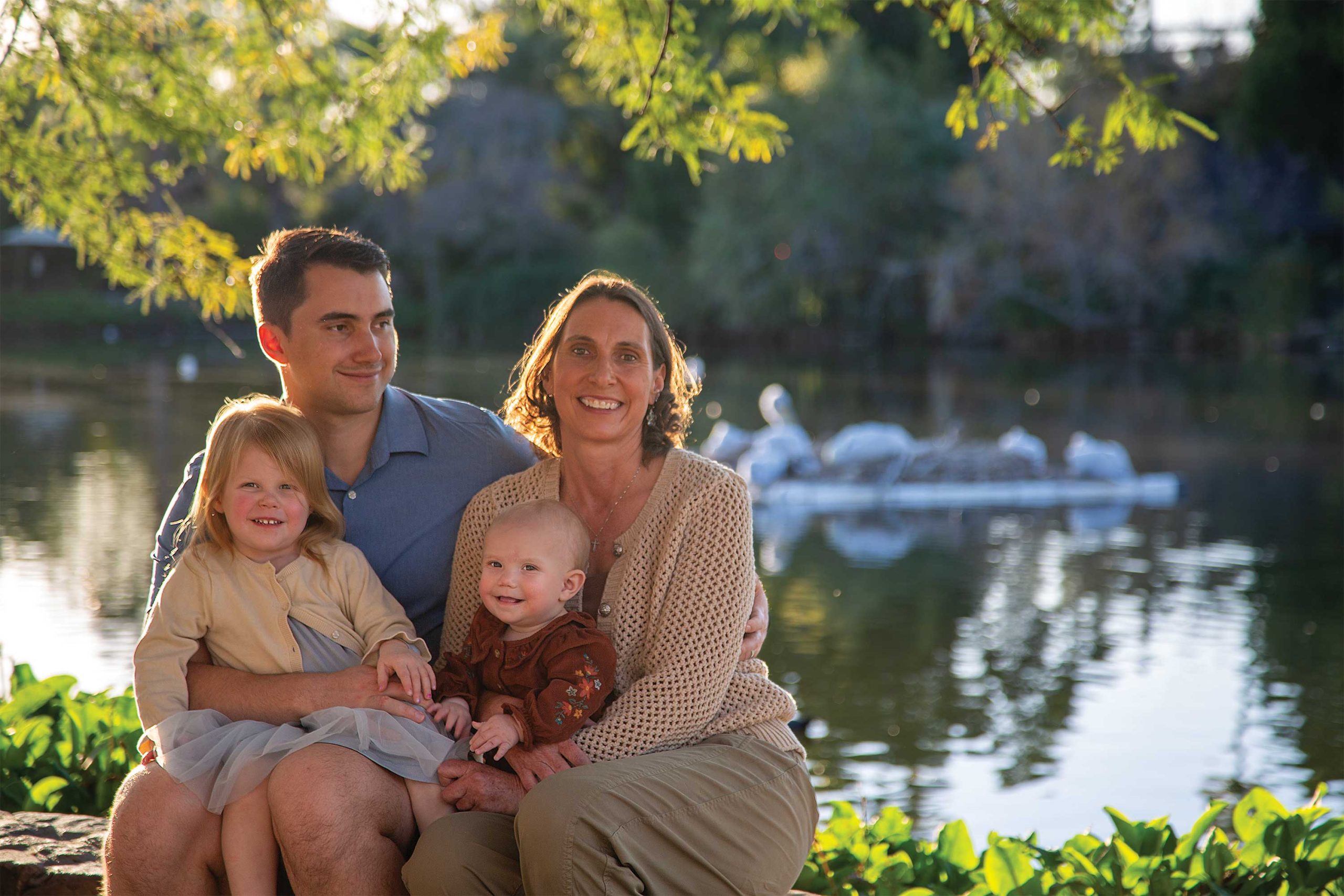
Monica Wagner, a pediatrician at Camelback Pediatrics in Phoenix, was a high school sophomore when she volunteered at the Missionary Sisters of Charity’s House for Dying Babies in Haiti, where she worked with HIV-positive infants. “My job was basically just to hold these dying babies during their transition,” she says. “I was exposed to death as a part of life very early on.”
This eye-opening missionary trip not only inspired Wagner to pursue pediatrics but introduced her to the power of optimism. “They lived in dirt huts with nothing, but there was so much joy in these people,” she says. “Every day the sun came up, they celebrated.”
This perspective proved especially beneficial when the St. Louis, Missouri, native was confronted with her own mortality three decades later. By 2015, she had relocated to the Valley, where she was an established clinician with four children of her own. That December, Wagner experienced a sudden onslaught of unexplained symptoms, including severe fever, chills and body aches. “On Christmas, I was only up for about an hour. My mother’s birthday was December 26, so I woke up briefly and bought her a gift,” she says. “I thought, ‘Maybe I’m a little bit better.’ Then, on the 27th, I couldn’t breathe.”
She was admitted to the ICU at Chandler Regional Medical Center, where her condition remained a medical mystery and caused her to flatline – twice. Though her body was in critical distress, Wagner says these brief brushes with death were marked by “indescribable peace, forgiveness and healing” and encounters with deceased loved ones. Her most profound visit was from a former patient – an 11-year-old boy she treated during her residency nearly 20 years ago.
“I heard his last words ever… He said, ‘I’m just so tired of fighting.’ When I saw his parents… I thought, ‘I need to go tell them what he said,’ and I didn’t,” she says. “I carried that guilt until I saw him when I was dying… and he told me that he was OK and that he forgave me.”
Wagner narrowly survived to see 2016. “The second time I coded, I remember I was watching the ball drop in Times Square on TV [on New Year’s Eve],” she says. Her blood count was rapidly dropping, her lungs were full of fluid, and she wasn’t responding to treatment. “They’re pumping me full of antifungals, antibiotics, transfusing blood…” she says. “I had multi-organ failure. And they didn’t know why.”
More than two weeks after her initial hospitalization, a last-resort high-dose steroid IV finally allowed her to turn a corner and improve enough for discharge. But she still didn’t have a diagnosis.
The end of January 2016 finally brought answers. A blood test revealed her ferratin levels exceeded 6,000 nanograms per milliliter, more than 30 times the normal range. A spike in this vital iron-regulating protein is a hallmark of a rare, often fatal immune disorder called hemophagocytic lymphohistiocytosis (HLH) – essentially an unchecked immune response that causes massive inflammation, one of the so-called “cytokine storm” syndromes. She was referred to Mayo Clinic, where she was diagnosed and treated.
Ten years later, Wagner is symptom-free and focused on being a compassionate doctor and a present mother and grandmother. Her near-fatal health scare also reconnected her with the simple joy she first witnessed among the people of Haiti. “When you’re in the hospital, there’s no windows… no sense of time,” she says. “One of my big things now is I never take a sunrise or sunset for granted.”
Dr. Struble’s Life-Affirming Embolism
Facing her own life-threatening health crisis cemented Phoenix pediatrician Kristin Struble’s career path long before she attended medical school.
She was still in her first year of undergrad at the University of Arizona when an acute blood clot nearly took her life. It began when she was prescribed a seemingly harmless, widely used medication among college-age women – birth control pills. “Little did I know that three months later, I would develop severe chest pain and shortness of breath,” she says.
Struble’s mother, Carol, lost her own mother to an abdominal embolism when she was 13. Struble also knew she had a family history of protein C deficiency, a condition marked by low levels of natural anticoagulants in the blood. After her initial ischemic symptoms, Struble and her mother visited their family physician. “She said to him, and I will never forget this, ‘Could it be a blood clot?’ And he said, ‘No, Carol, don’t scare her,’” she says. “A day later, I was in sociology class doing a group presentation, and I remember almost fainting and started coughing up blood.”
This time, she went to the ER at St. Joseph’s Hospital in Tucson, where a ventilation-perfusion scan detected a potentially fatal blood clot in her lung. “They said to me, ‘Had you not come in, you would’ve died,’” she says.
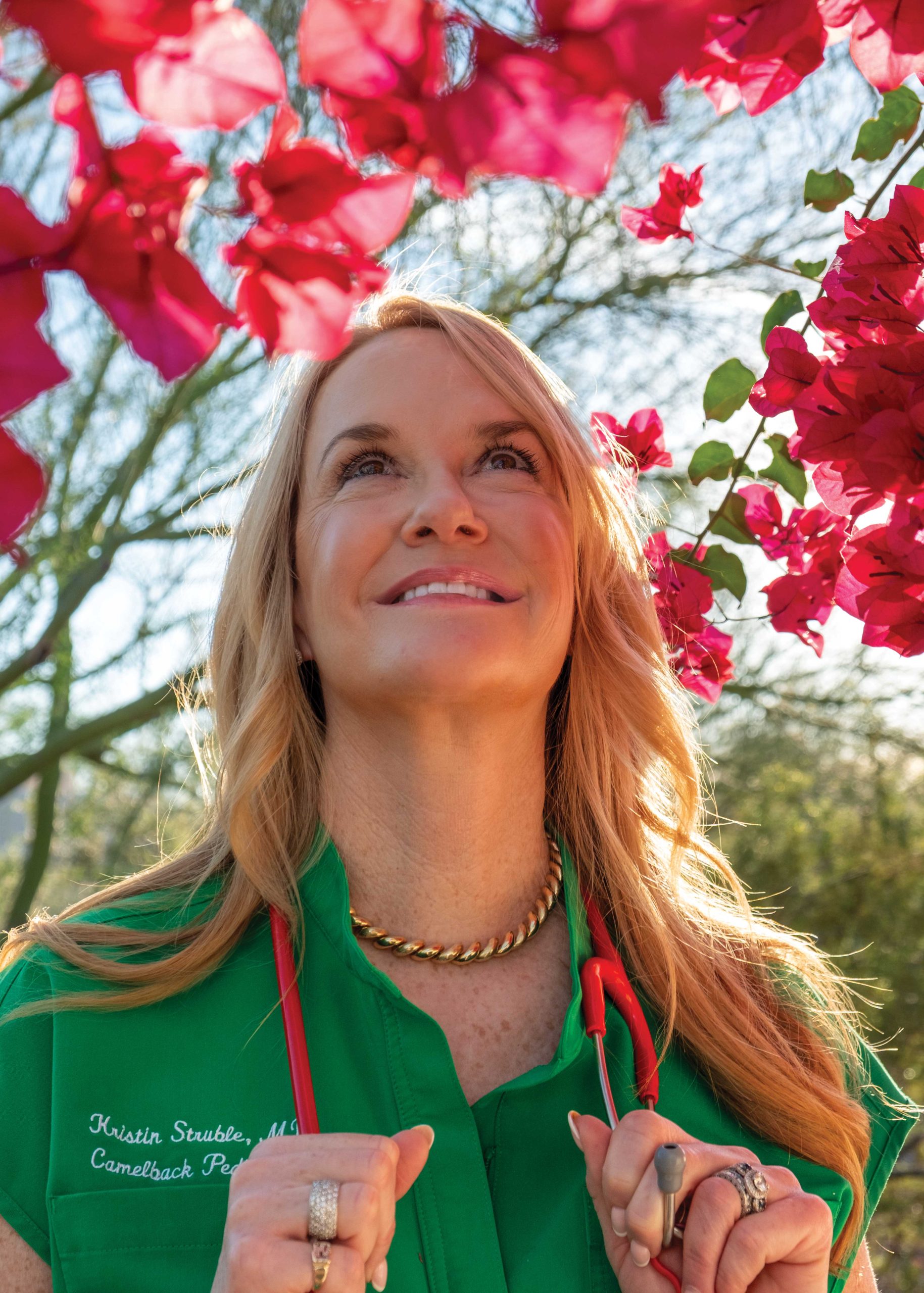
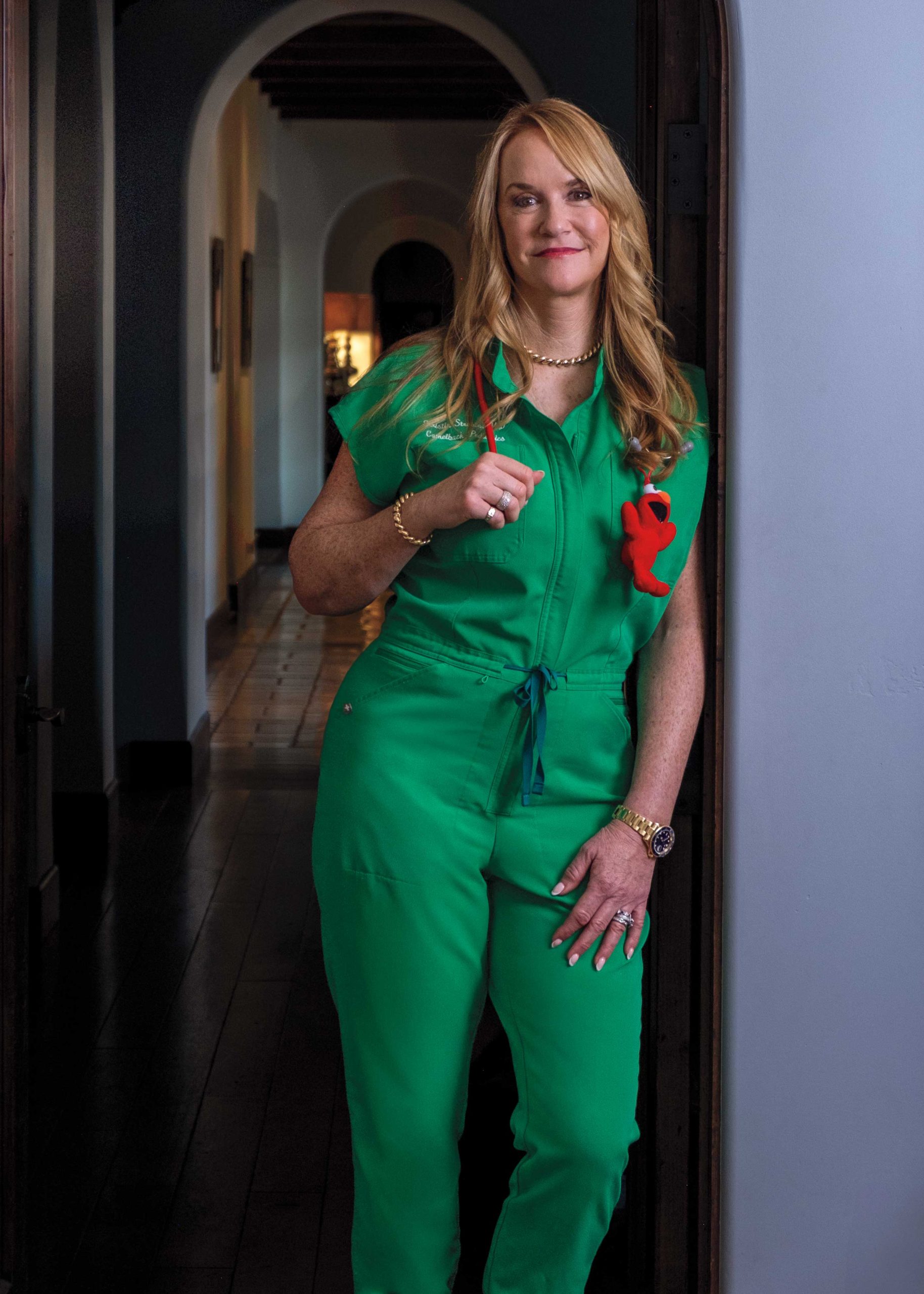
Struble was given blood thinners but developed a pleural effusion – a buildup of fluid between the lining of her lung and chest cavity – that left her fighting for her life in the ICU for 10 days. “It was the worst pain I’ve ever felt in my entire life,” she says.
Upon discharge, she was more concerned about making up two weeks of missed classes than surviving a pulmonary embolism. “I was like, ‘I almost died, but I’m not going to get into med school now because if I get a B in biology, it’s going to throw me off and ruin my life,’” she says.
Struble considers this a pivotal moment in her professional journey. “I started to really listen to what I needed to do to move forward, so I thought, ‘I’m going to go talk to my professor.’ I told him my story, and he goes, ‘I’m giving you an A,’” she says. “It taught me that you have to advocate for yourself… I advocated for myself, and there were people being put in my path that advocated for me.”
Struble has carried this message of resilience and resolve throughout her career and continues to instill it in her young patients and their families. “One of my biggest messages [to parents] is, ‘You can advocate for yourself, for your kid… You are ultimately in charge,’” she says. “Then, I try to teach that to 3-year-olds. I try to have the parent let me ask the kids questions. I want to facilitate conversation.”
Experiencing a medical emergency as a patient also further fueled her desire to become a physician. “It made me want to be a doctor more,” she says. “Going through that experience… really reinforced that this is my calling.”