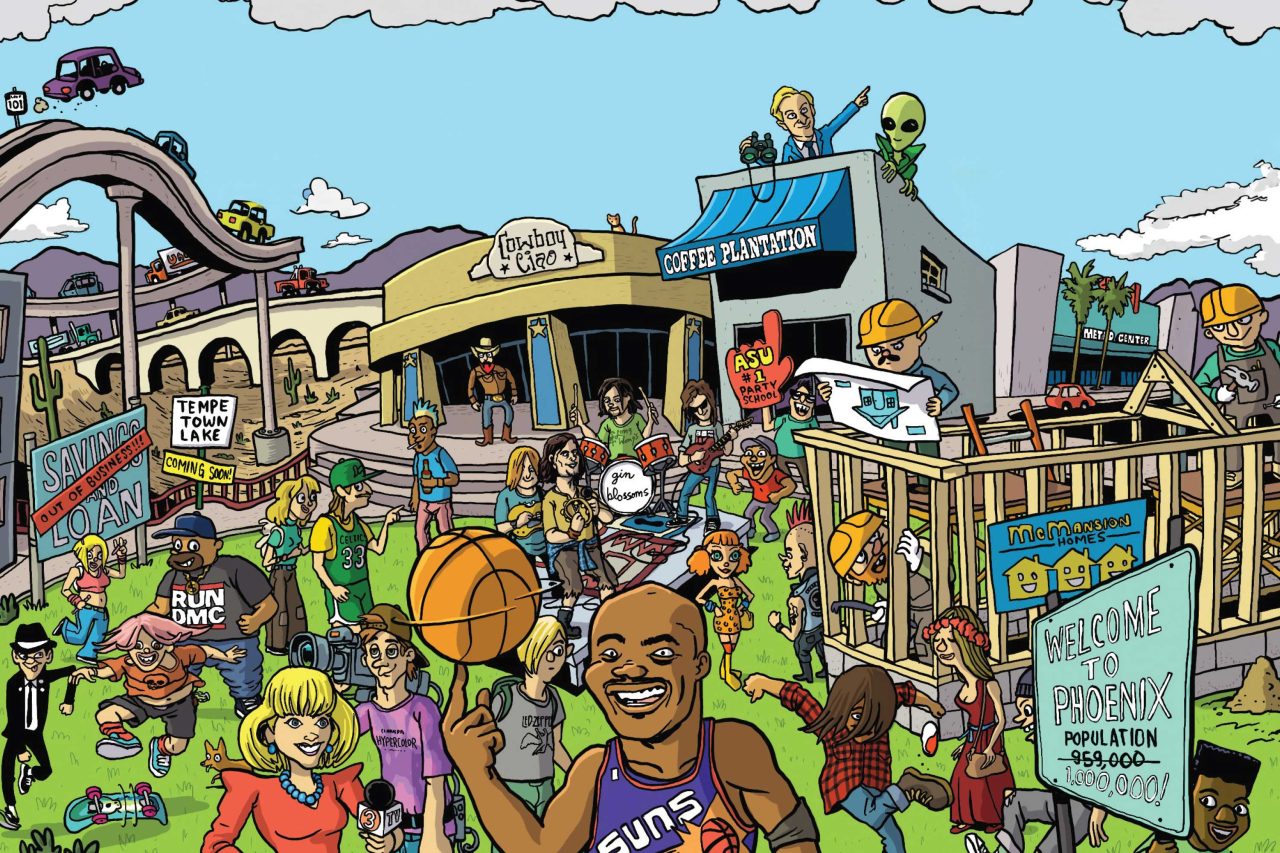
Flannel and frosted tips. Seinfeld and screamo rock. Fife Symington and the Phoenix Lights. A quarter of a century after we left it in the rearview mirror of our trusty Honda Del Sol, the decade that gave us the Internet, the D-backs and the greatest sustained growth spurt in city history comes back into view with this colorful year-by-year feature.
by Nikki Buchanan, Leah LeMoine, Craig Outhier & Madison Rutherford
Original photography by Camerawerks
Illustration by Luster Kaboom
Wardrobe Styling by Michelle Phillips
Hair & Makeup by Kami Tafoya
1990: The “Good Decade” Begins
That’s the History Channel’s nickname, not ours. German reunification and the release of South African dissident Nelson Mandela highlight profound changes on the world stage, while Arizona begins to extricate itself from a tangle of controversies.
Coming in Hot
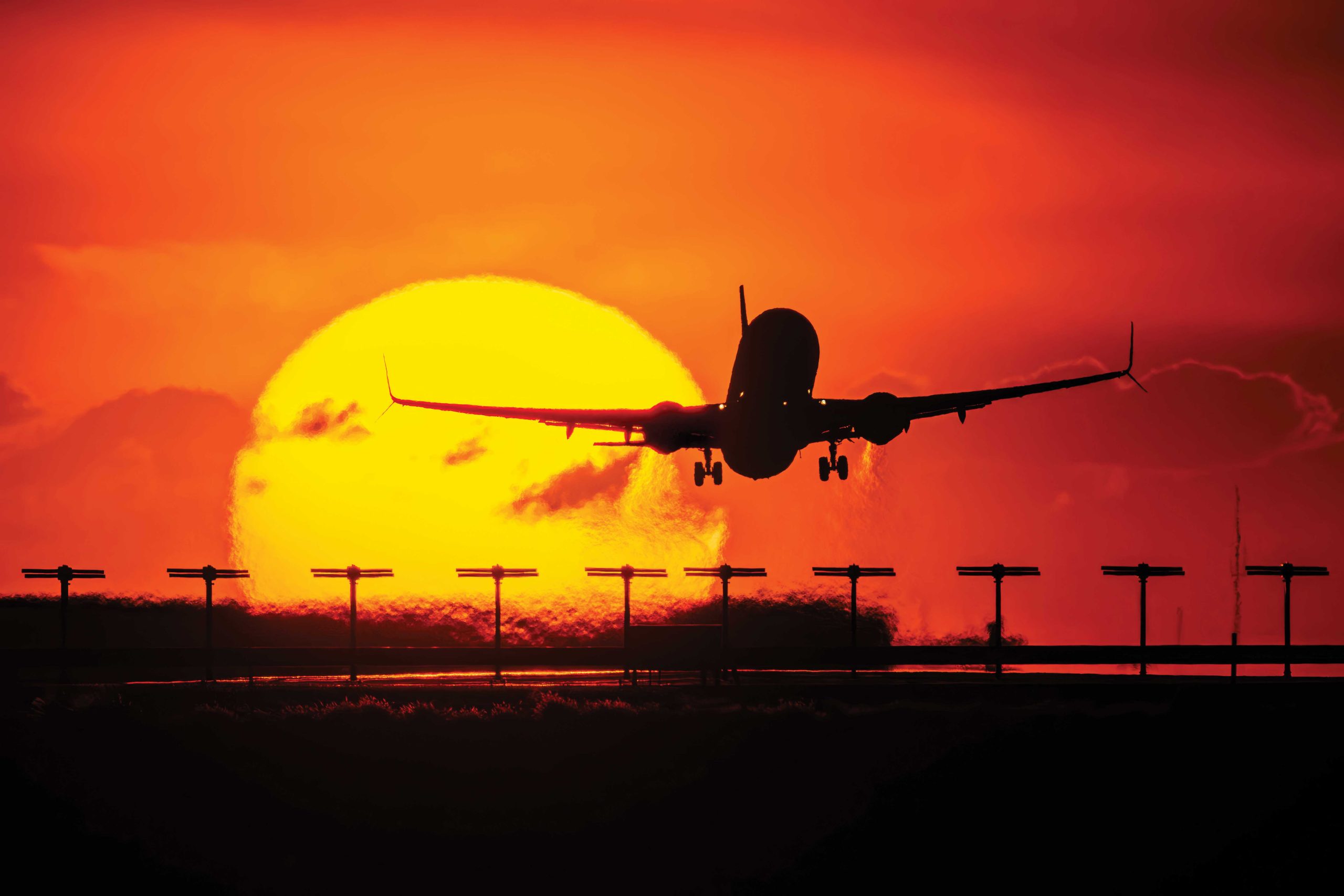
Around 4 p.m. on June 26, 1990, Phoenix reached a climatic climax that residents hadn’t experienced before or since. The automated surface observing system at Phoenix Sky Harbor International Airport, the city’s official weather station, reported a record-breaking temperature of 122 degrees, quickly triggering citywide disruptions. Arizona Public Service delivered more than 5,000 megawatts of power as Valley air conditioners kicked into overdrive. Postal carriers, construction crews and utility workers halted operations, local hospitals saw a surge in heat-related cases and Sky Harbor experienced unprecedented delays when departures were briefly suspended. “Air temperature is one of the variables used by pilots for airplane settings during takeoff or landing,” Arizona state climatologist Erinanne Saffell says. “In 1990, most plane settings hadn’t been calculated for an air temperature of 122 degrees, so the FAA called a ground stop until pilots could use their settings.” According to Saffell, a high-pressure heat dome caused temperatures to skyrocket, resulting in what remains Phoenix’s hottest day on record. This historic heat left an incendiary legacy and set the precedent for Maricopa County’s first designated public heat shelters. “Soon after, Arizona communities started formalizing cooling and hydrating centers,” Saffell says. “Phoenix [set] an example for keeping people safe from heat.”
Cover Shot!
Our July 1990 cover story contemplates the economic opportunity of bringing film productions (like Back to the Future III, pictured) to Arizona. It’s a topic we covered this year, too. The more things change…

OTHER 1990 NEWS BITS
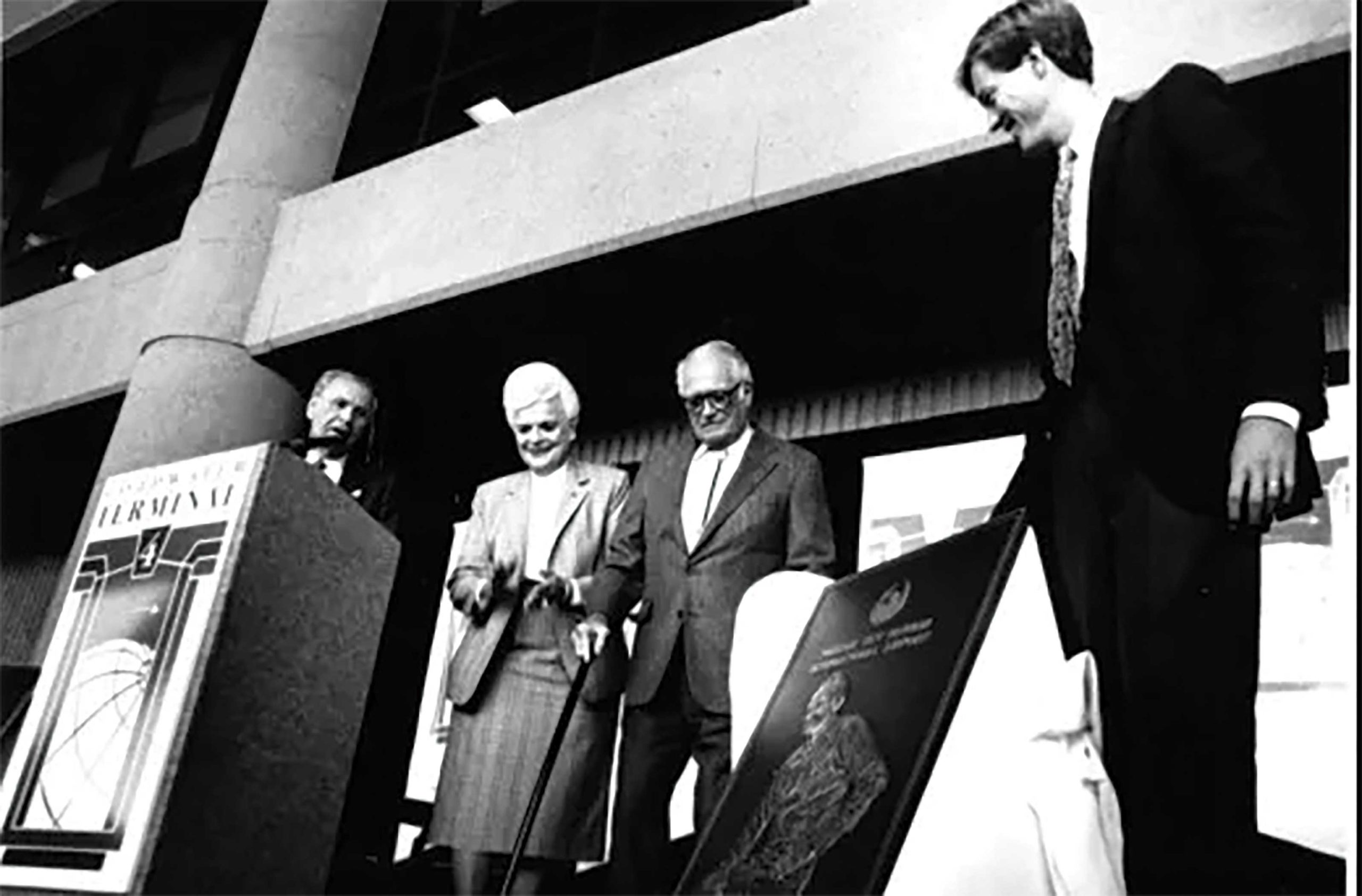
- Barry Goldwater Terminal (Terminal 4, pictured) opens at Sky Harbor International Airport, adding five concourses and 44 gates to the growing air travel hub.
- Phoenix-based convenience store chain Circle K files for Chapter 11 bankruptcy amid rapid expansion and mounting debt.
- The infamous AZScam sting operation leads to the indictment and eventual conviction of seven state legislators on charges of bribery, fraud and money laundering.
’90s Hot Spot: Devil House/Club Rio
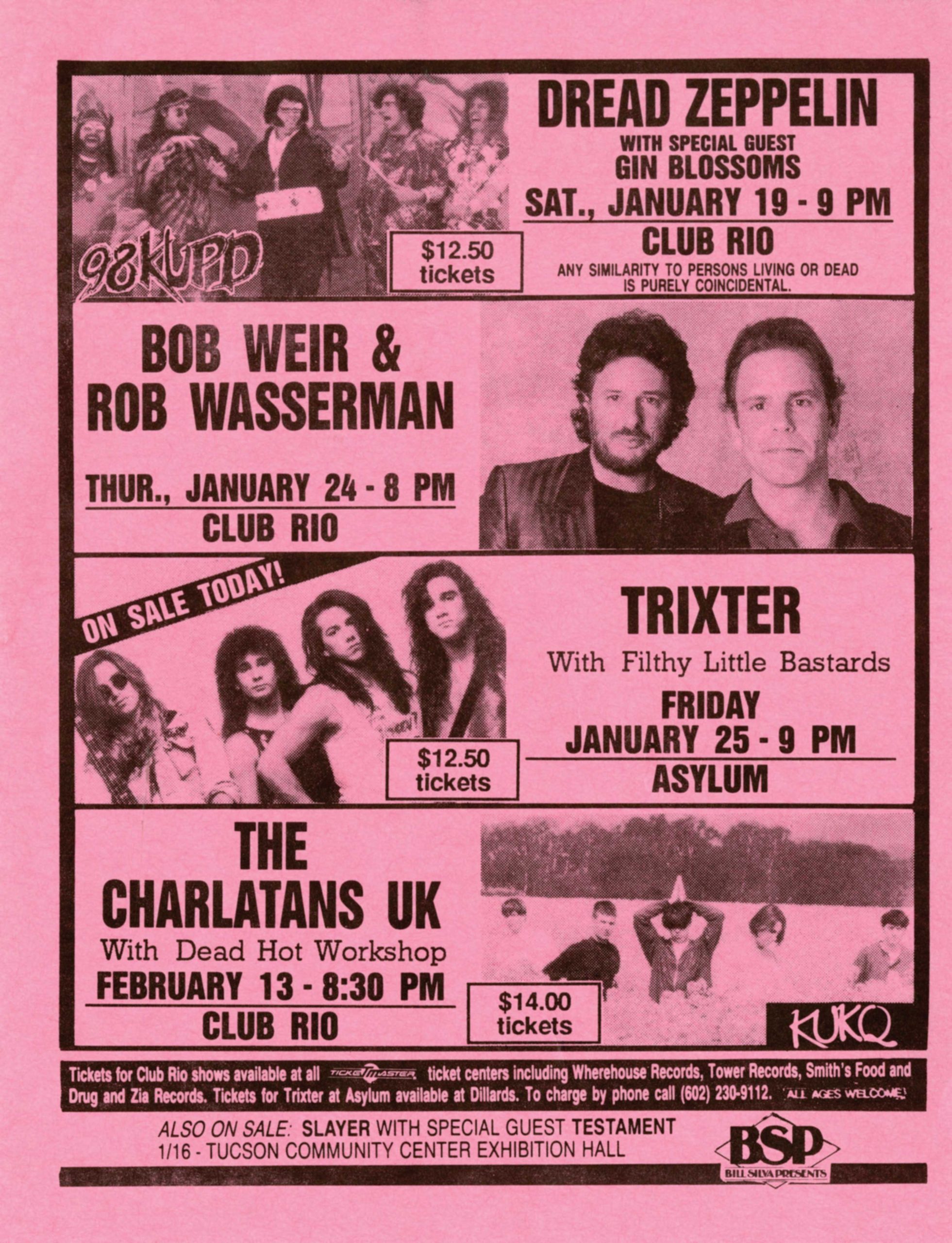
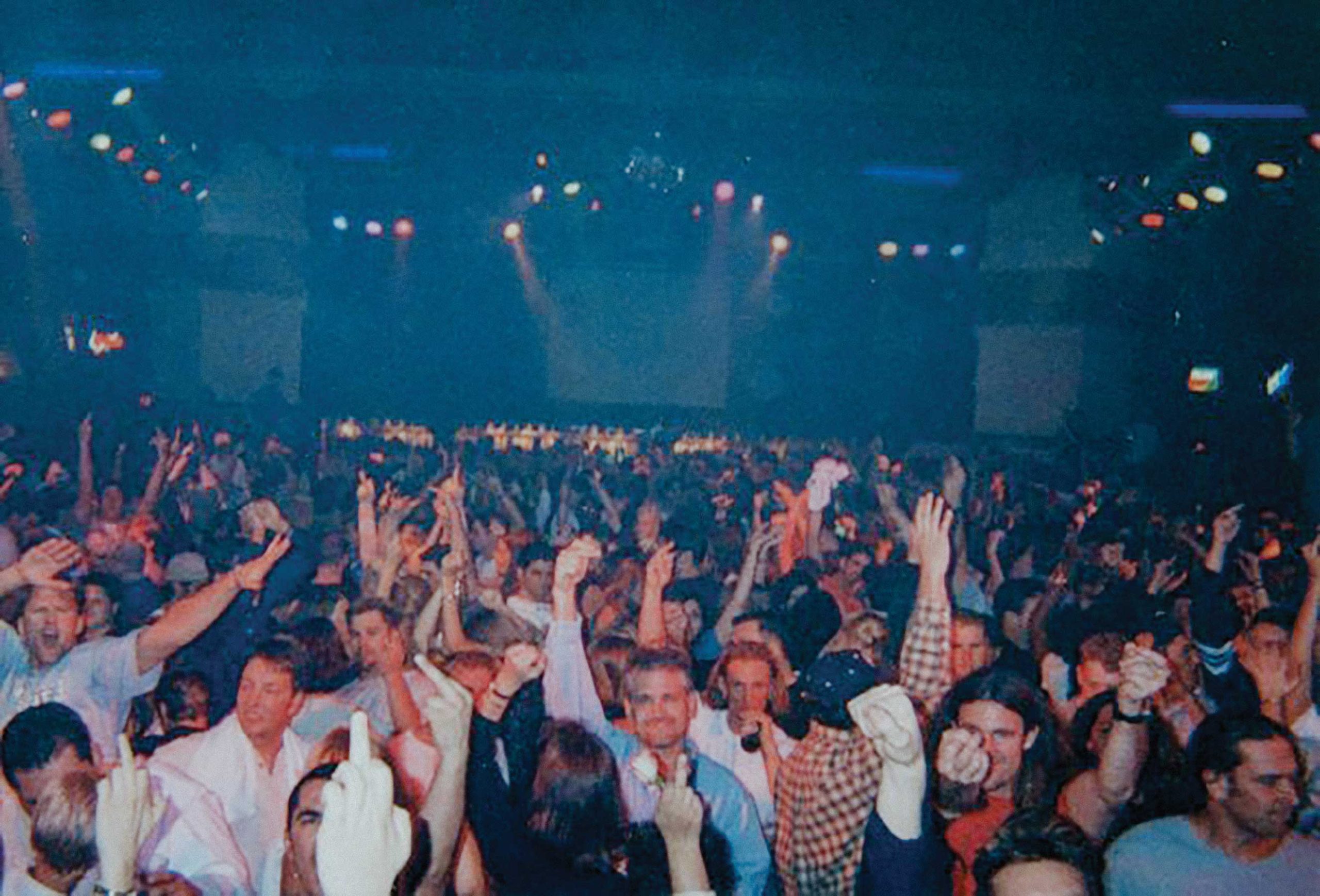
Tucked into an odd membrane of desert between the 202 freeway and Tempe Town Lake, the Devil House was perhaps the off-campus watering hole most responsible for ASU’s impressive No. 13 party school ranking by Playboy in 1987. Cheap cocktails, bunker-like noise-suppression, lax ID enforcement. And it didn’t miss a beat when the venue was rebranded as Club Rio in 1993. “I think the Long Islands were only 3 bucks… and they were strong!” remembers ASU grad and current 3TV/CBS 5 assistant news director Tyson Milanovich, who also recalls seeing No Doubt perform at Club Rio prior to the 1996 Tempe Super Bowl. The club was demolished in the mid-2000s to make way for the Watermark Tempe mixed-use development.
PEOPLE OF THE ’90s
“My entire life in the early ’90s was Stinkweeds. Rarely went out to restaurants, but did go to so many shows. Only reason I went to bars was for live music.”
— Kimber Lanning
Local First Arizona founder & Stinkweeds owner

ANCHORMAN CHIC
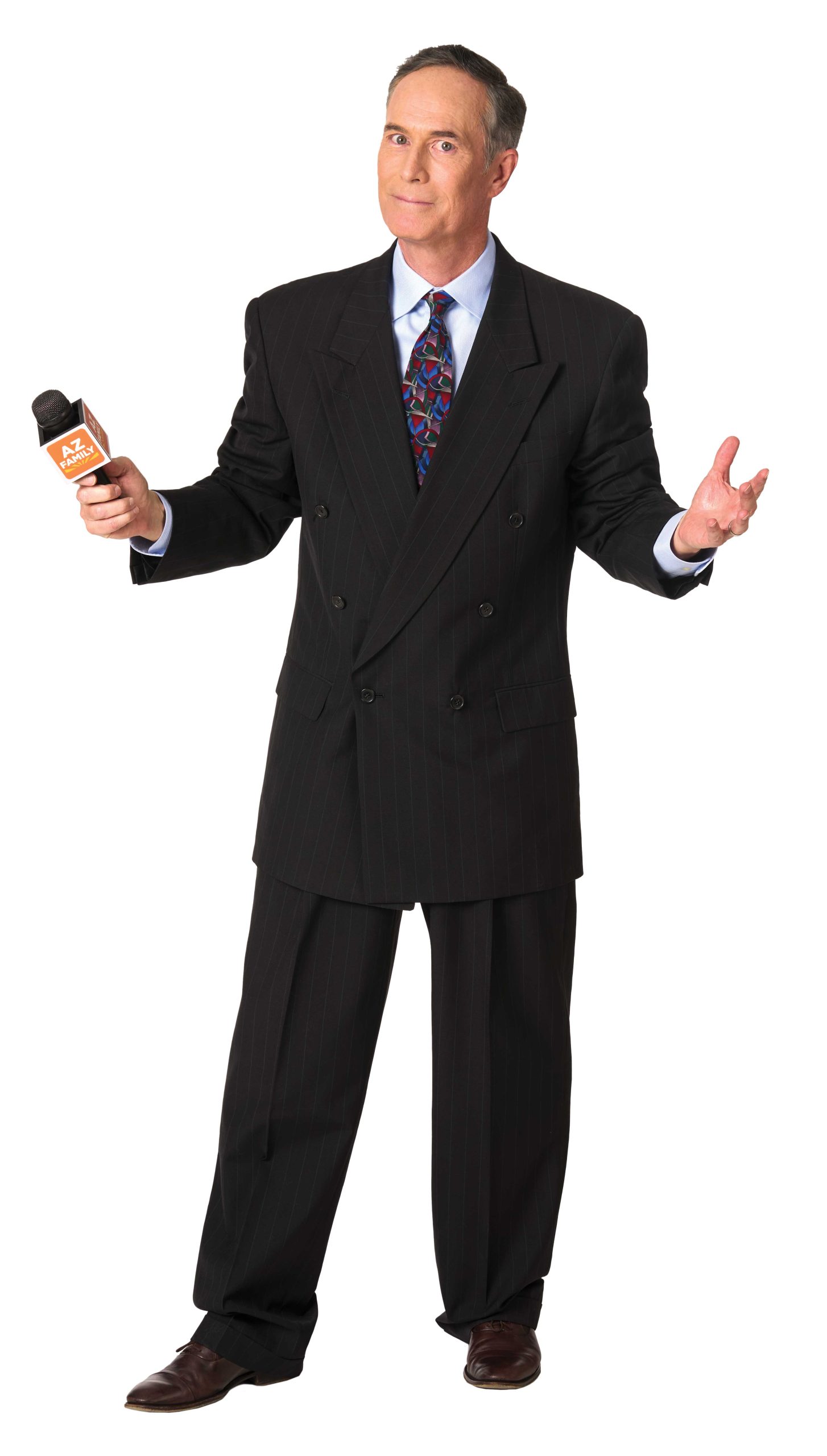
AZ Family TV anchor Sean McLaughlin
Known as the Valley’s premier TV news dreamboat as a young meteorologist in the 1990s, McLaughlin later flipped his 12News fame into national gigs with MSNBC and the TODAY show. “But I missed [Arizona] so much… and we kept getting pregnant!” Modeling a classic ’90s double-breasted business suit – hello, L.A. Law! – the Iowa native returned with his family in 2006, and anchors nights at CBS5. He fondly remembers “listening to live music almost nightly on Mill Avenue.”
1991: Exit Rose, Enter War
Arizona’s first female governor, Rose Mofford, steps down from office after calming the state’s political waters in the wake of disgraced predecessor Evan Mecham. Meanwhile, President George H.W. Bush initiates Operation Desert Storm against Iraqi strongman Saddam Hussein.
Blood on the Altar
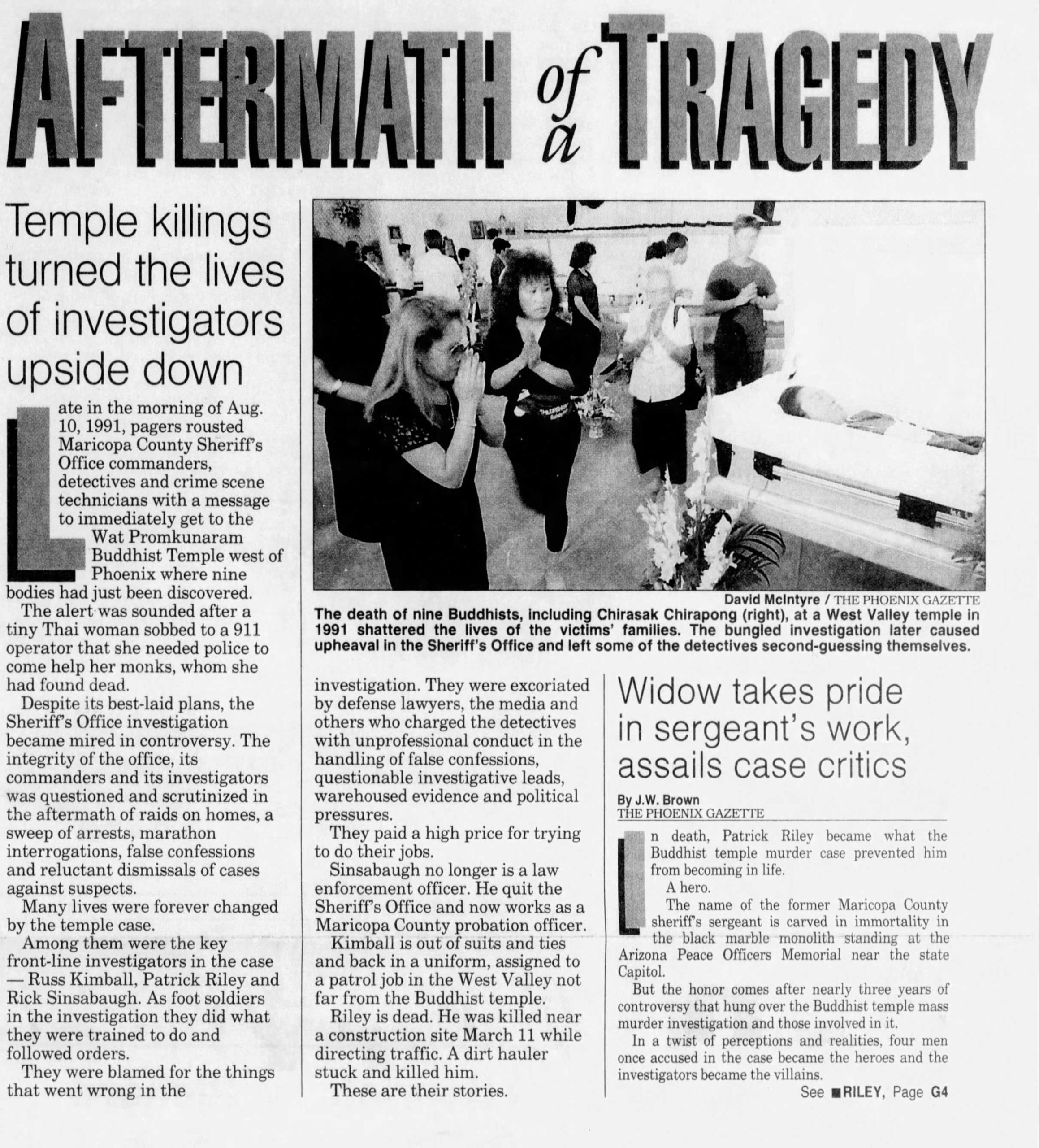
In his 2010 book Innocent Until Interrogated: The True Story of the Buddhist Temple Massacre and the Tucson Four, Phoenix author Gary L. Stuart recounts temple kitchen assistant Chawee Borders’s nightmarish discovery on August 10, 1990: “The monks lay face down on the carpet in a rough circle, their heads toward the center… their hands clasped above their heads, an uncomfortable position for sleep and an odd one for prayer.” Nine members of the Wat Promkunaram Buddhist temple in Waddell – including the abbot, five monks and a nun, all of Thai descent – were executed with a .22-caliber rifle. This harrowing crime at a humble West Valley holy site sparked international conversations about xenophobia, gun control and unethical interrogation practices.
Authorities initially arrested a group of young men – later known as the Tucson Four – in connection with the killings. Eventually, it was revealed that the Maricopa County Sheriff’s Office used deception and sleep deprivation to coerce false confessions. Ultimately, Phoenix teenagers Johnathan Doody and Allesandro Garcia were convicted of the murders – claiming it was the result of a robbery gone wrong – and sentenced to life in prison. “Along the way, the shameful story of how the Arizona legal system dealt with its first mass murder added a new layer of blood onto what had been a place of peace,” Stuart says.
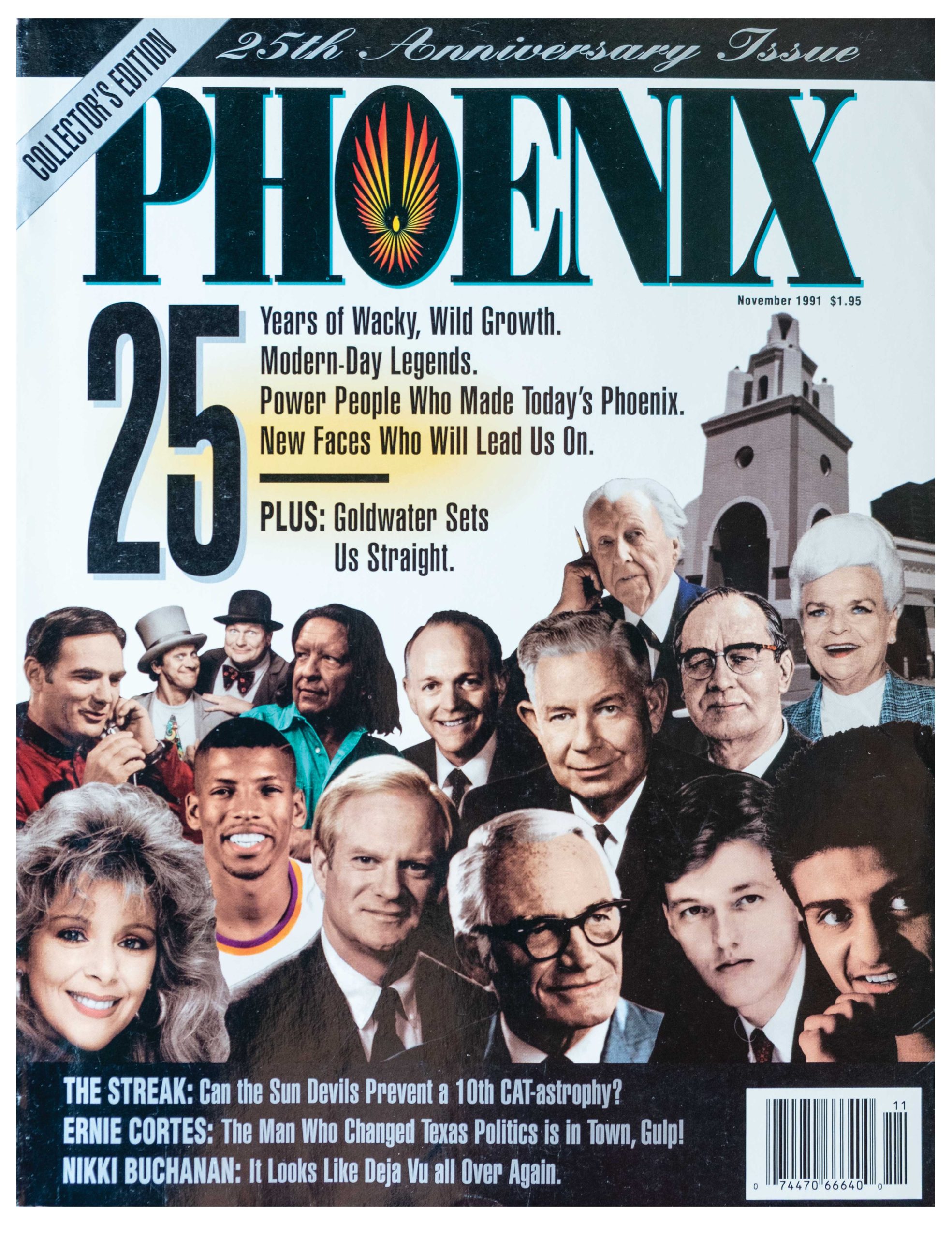
Cover Shot!
We celebrate 25 years of PHOENIX magazine in our November 1991 issue. A retrospective within a retrospective – so meta.
OTHER 1991 NEWS BITS
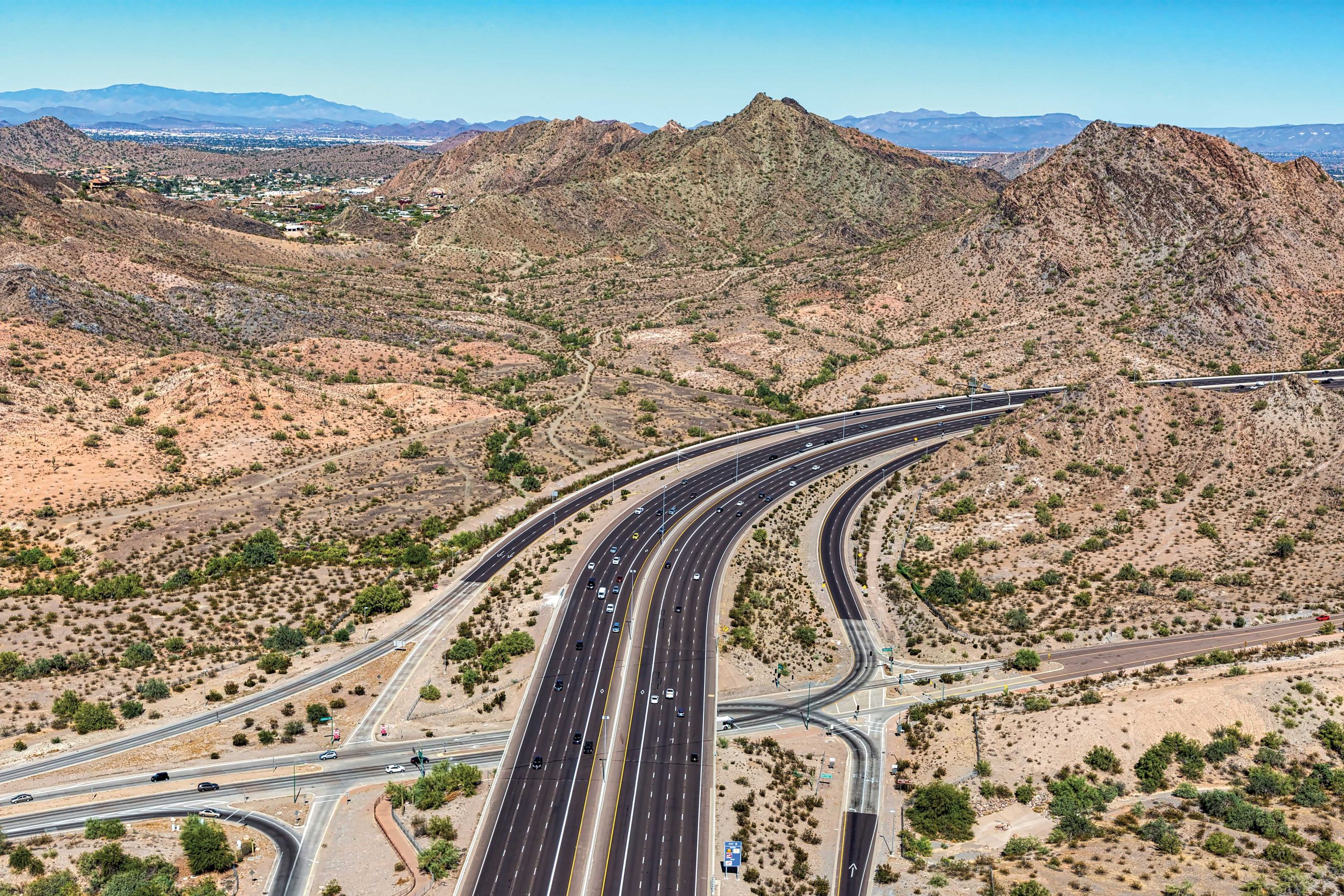
- The Piestewa Freeway (pictured) fully opens, laying the foundation for the grid-based freeway network that defines the Valley today.
- Phoenix hosts its first Formula One race, the 1991 United States Grand Prix, on a temporary circuit set up along several major streets in Downtown Phoenix.
- Chandler is the first stop on the inaugural Lollapalooza tour, which goes on to become one of the country’s largest and longest-running music festivals.
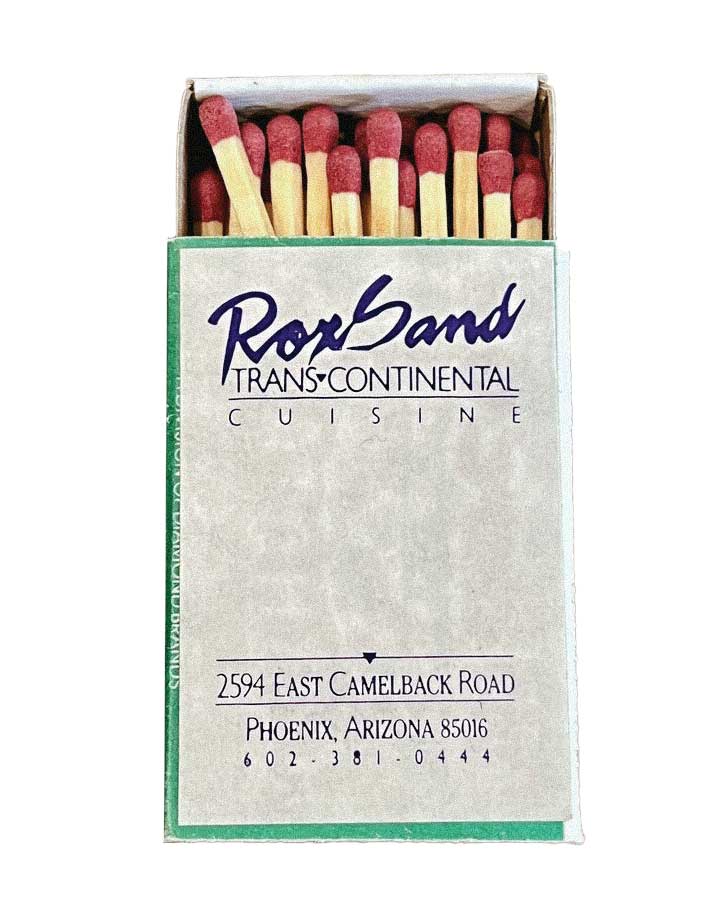
’90s Hot Spot: RoxSand
Before “farm-to-table” even had a name, RoxSand Scocos was doing it. Out of her sexy, bi-level restaurant in Biltmore Fashion Park, which she opened in 1990, the trailblazing chef rigorously sourced from local farms to create a groundbreaking international menu that featured the likes of chicken b’stilla and curried lamb-rice tamales. Valley cookbook author and cooking school owner Barbara Fenzl jokes, “We had no idea what anything on the menu said, but we always knew it was going to be great.” In 1998, Scocos became the first chef to grace the cover of Bon Appetit. A year later, she won the James Beard Award for Best Chef: Southwest.
PEOPLE OF THE ’90s
“In the 1990s, Phoenix began to establish itself on the national culinary map. Four Phoenix-based chefs were honored with a James Beard Award in the ’90s, bringing national attention to an evolving, dynamic culinary scene. Signature dishes we created at Vincent’s remain just as popular today, a testament to the lasting impact of that transformative decade.”
— Vincent Guerithault
Chef-owner of Vincent on Camelback

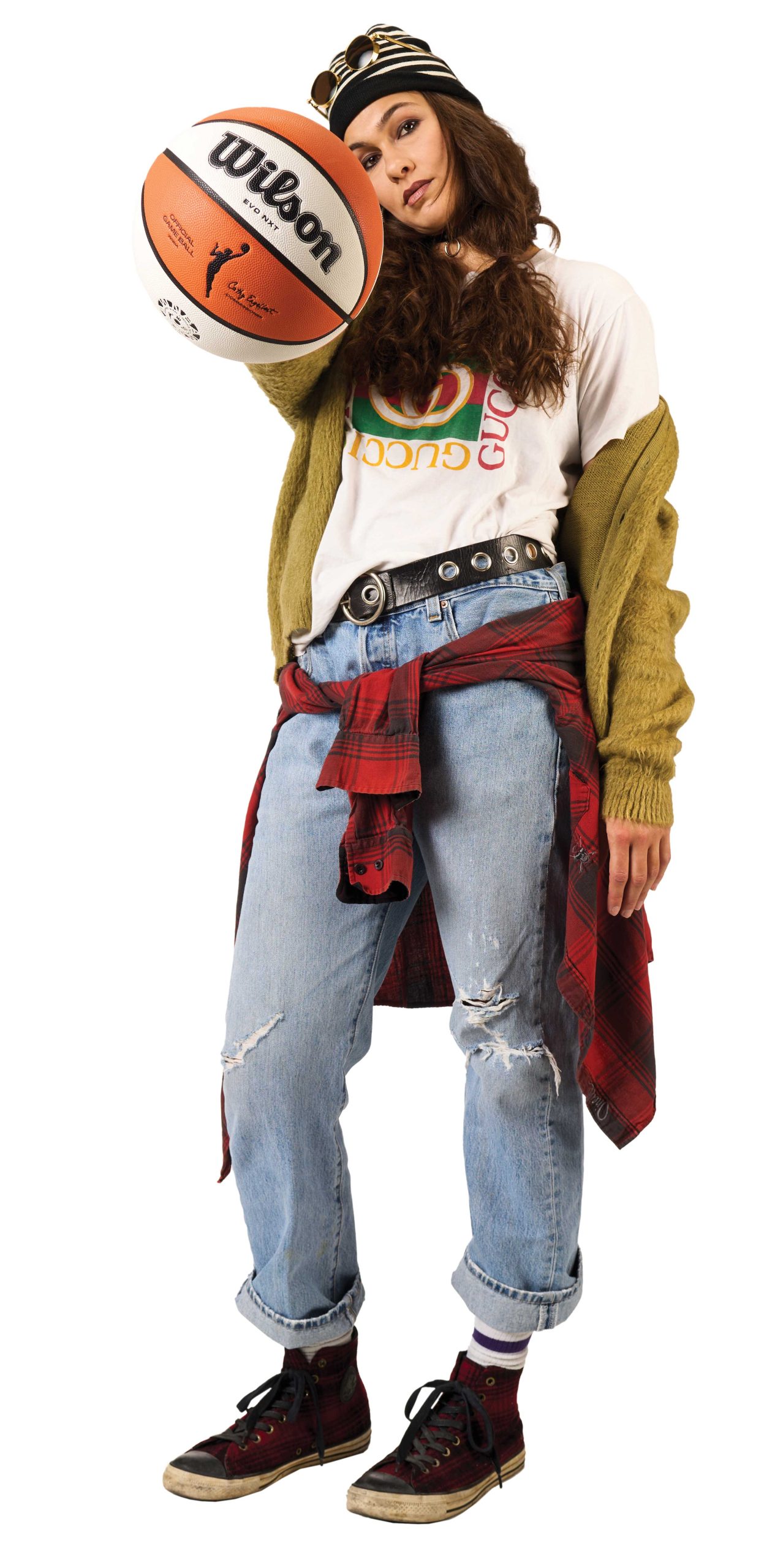
GIRLIE GRUNGE
Phoenix Mercury Forward Kathryn Westbeld
Not yet of this earth when Nirvana hit its early-’90s heyday, the former NCAA champion forward at Notre Dame was nonetheless game to model Kurt Cobain mohair for our fashion shoot, along with other era-specific accoutrements. New to the Valley in 2025 after a succsesful career overseas, the 6-foot-3 enforcer has been a key contributor for the playoff-bound team. “I’m a 29-year-old rookie,” she told Desert Wave Media after a recent win. “It feels good.”
1992: One for You, One for Me
Arkansas Governor Bill Clinton accepts his party’s nomination for U.S. president at July’s Democratic National Convention in New York. Meanwhile, a schism in modern Valley politics emerges.
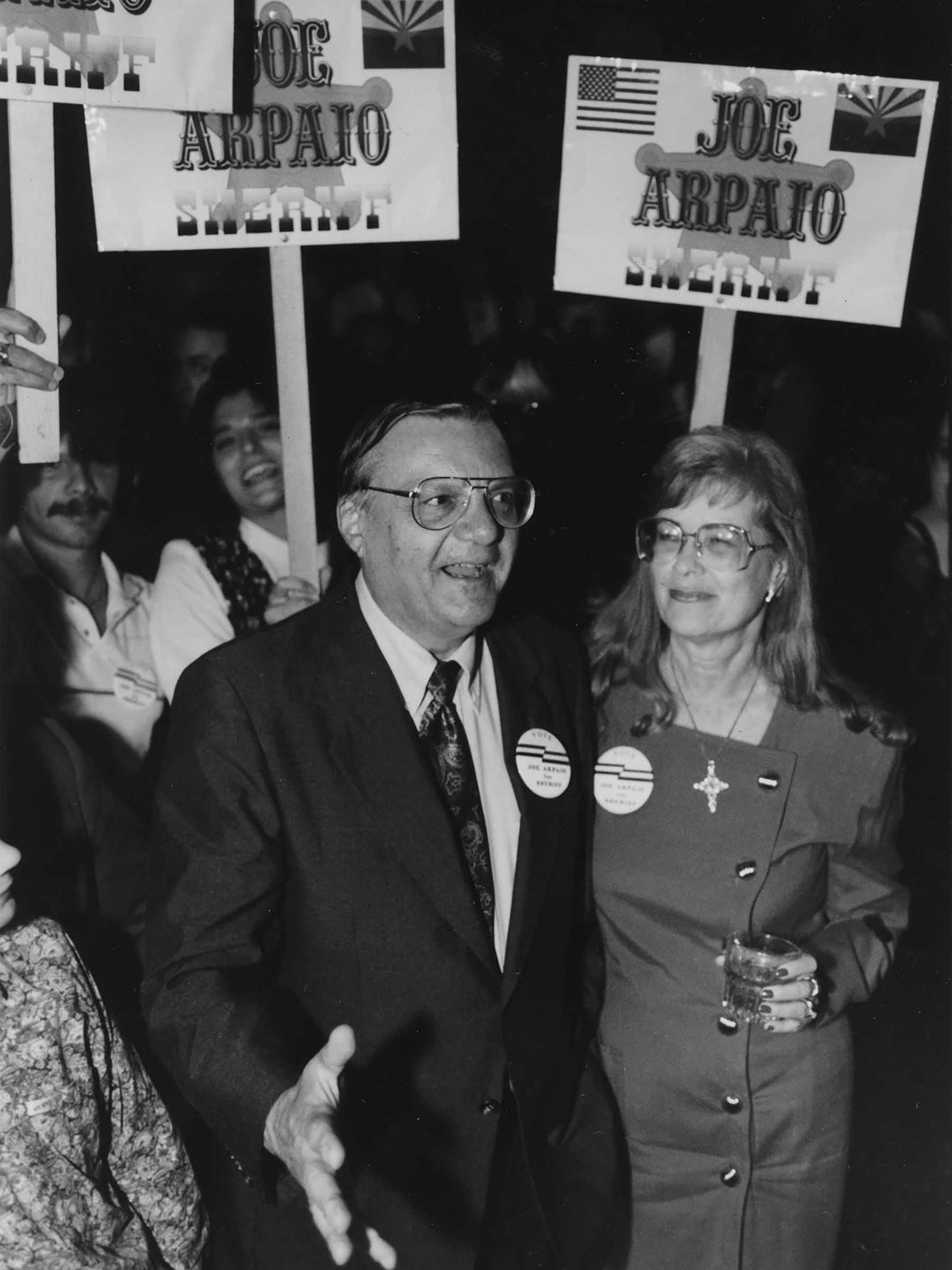
The Sheriff and the Reverend
The rise of “America’s Toughest Sheriff and the recognition of a Civil Rights giant underscored the emergence of a deep political divide in Greater Phoenix. In November, voters concurrently elected former DEA agent Joe Arpaio as Maricopa County sheriff and approved Proposition 300, establishing Martin Luther King Jr. Day as a paid state holiday. The MLK Day saga was particularly tumultuous. In 1983, the holiday was approved federally, but a series of executive orders and rejected ballot measures impeded its implementation in Arizona. National backlash and boycotts followed, culminating in the NFL’s decision to move Super Bowl XXVII from Tempe to Pasadena in 1991. Chastened, Arizona became the only state to adopt the MLK holiday by referendum, and the last to enact it at the state level. Meanwhile, Arpaio’s tough-on-crime campaign resonated with Arizona voters, part and parcel with a greater political shift that saw Republicans seize control of the Arizona Senate and the House.
Signaling things to come, Arpaio’s draconian policies at state correctional facilities quickly sparked controversy. “There were DOJ investigations and inmate deaths in the jails. There was pink underwear,” says Arizona journalist and author Terry Greene Sterling, who wrote for the Phoenix New Times in 1992. “There was Tent City. There were chain gangs.” Arpaio served six consecutive terms, later extending the same aggressive tactics to immigration enforcement. Sterling describes 1992 as a landmark year that generated “broad political discussions about civil rights and broad political shifts” among Arizona constituents.
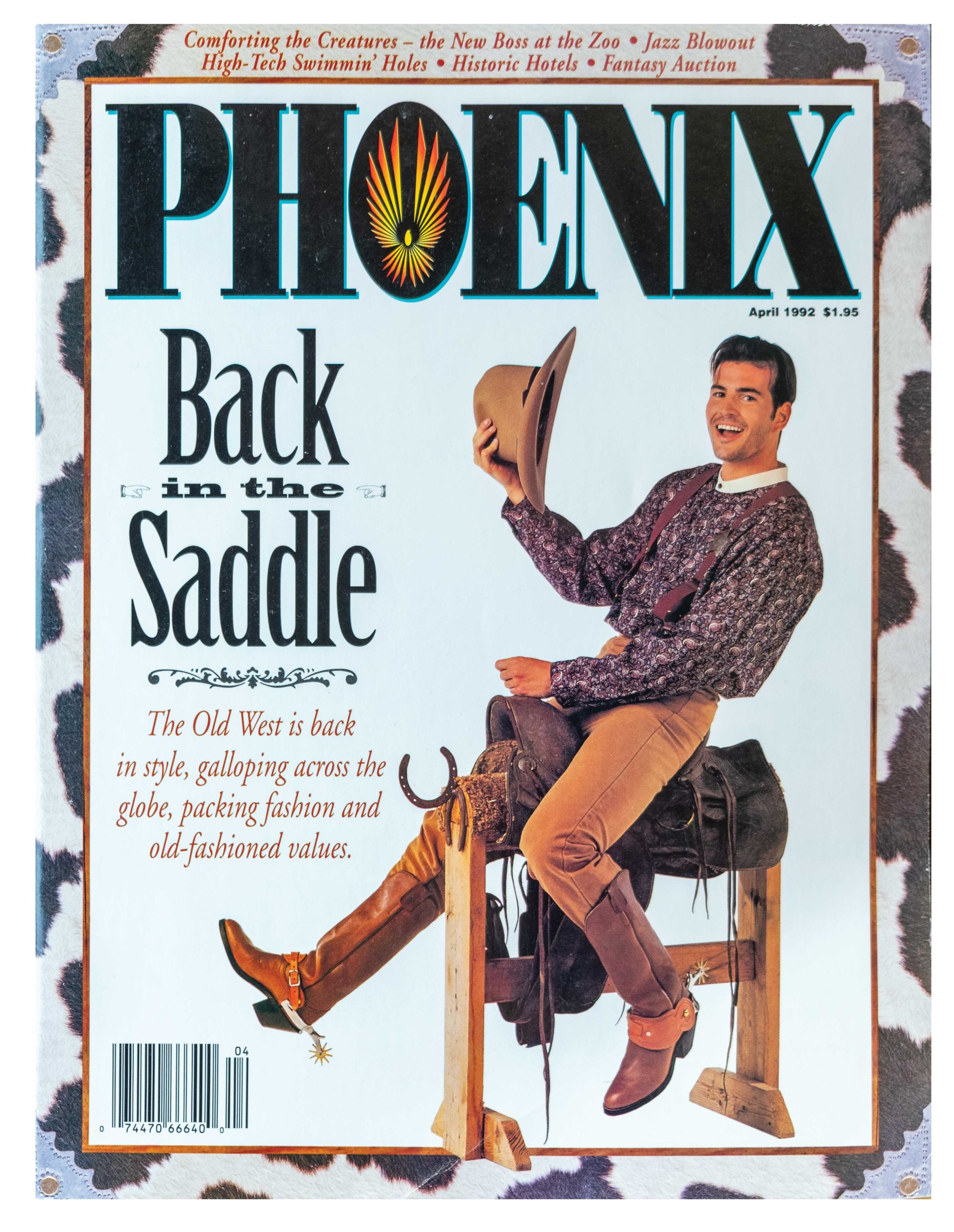
Cover Shot!
The country boom of the 1990s – Garth Brooks, Alan Jackson, et al. – meets Old Town Scottsdale in April 1992’s fashion-pictorial-meets-morality-think-piece.
OTHER 1992 NEWS BITS
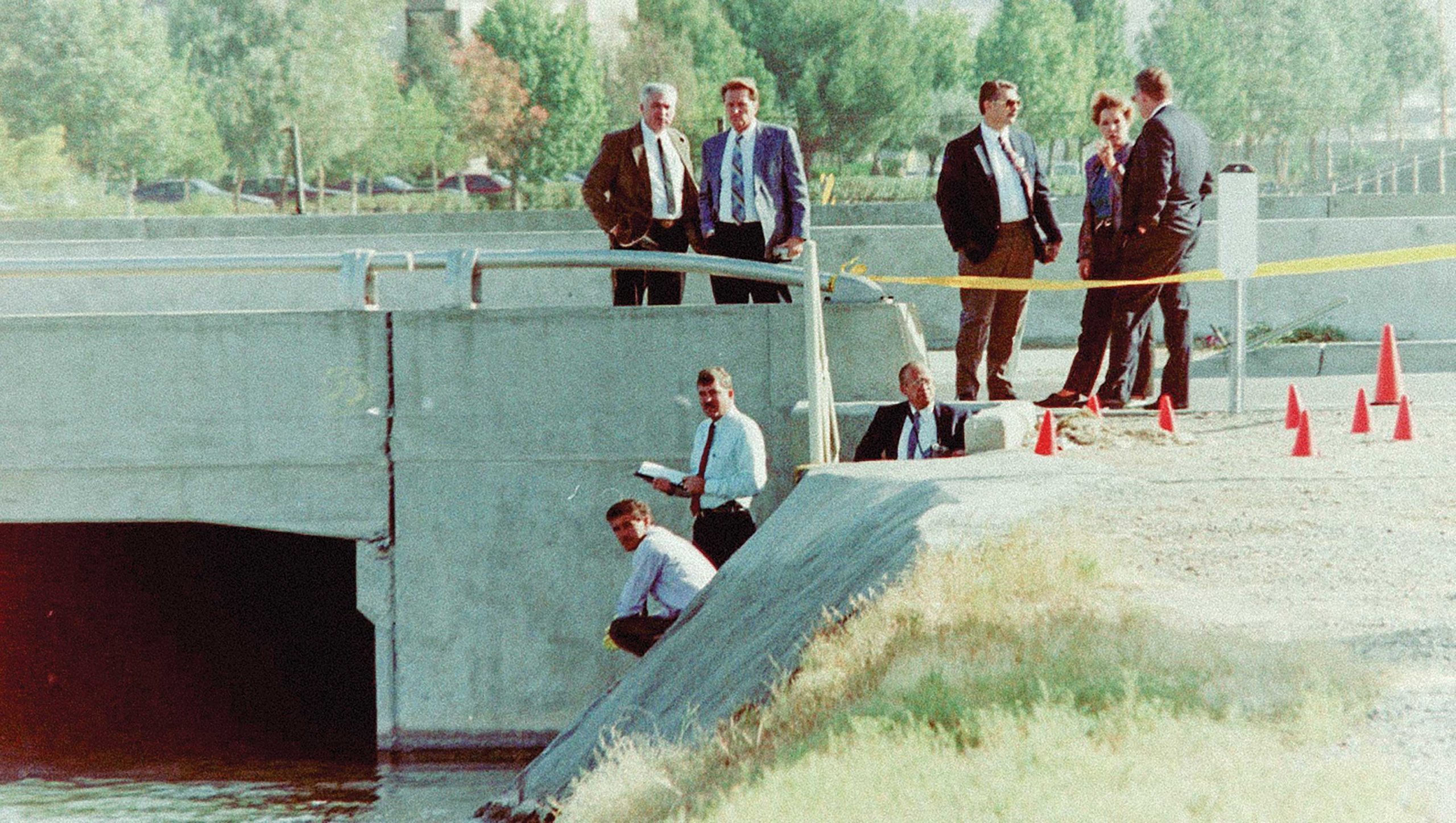
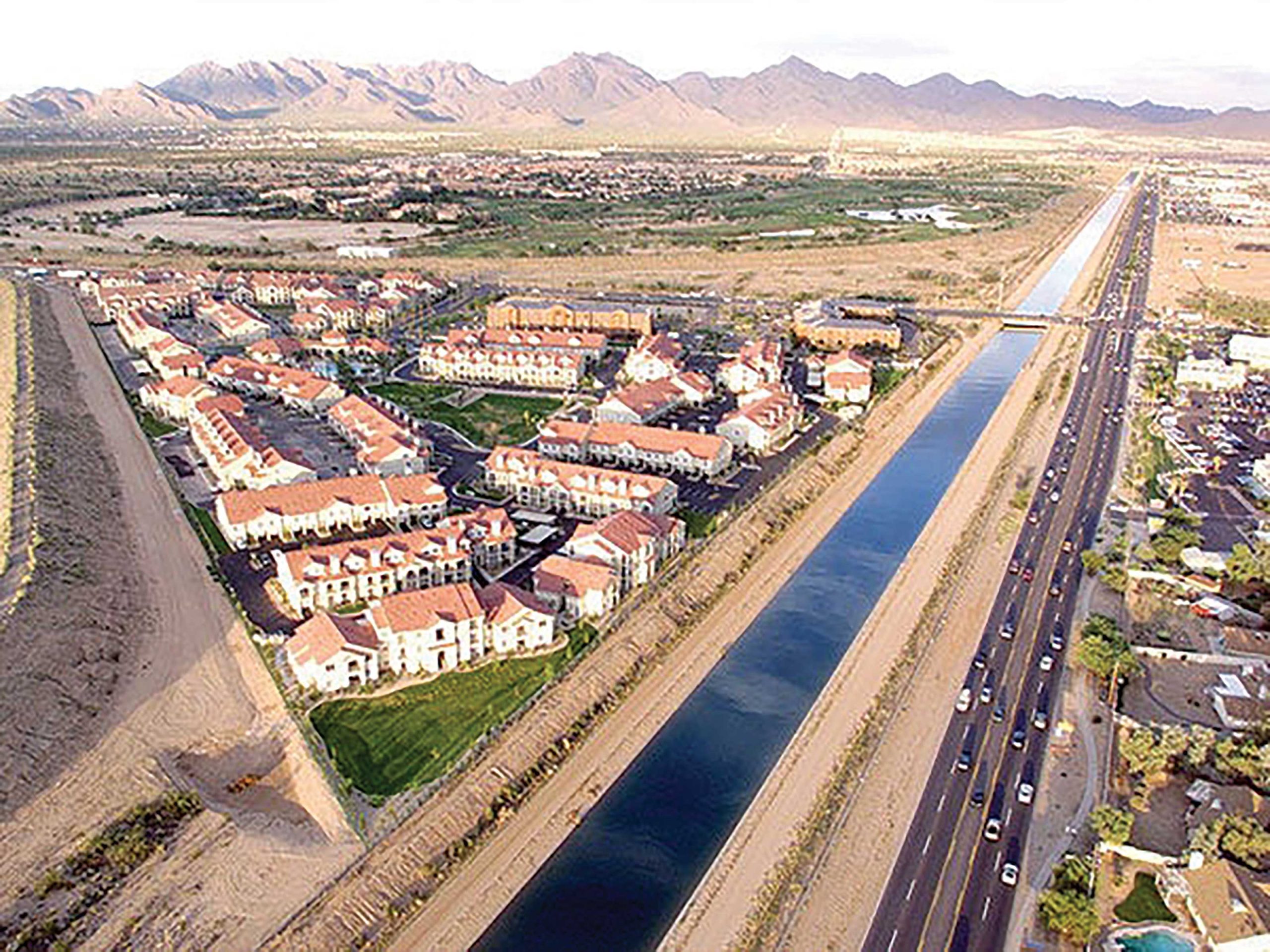
- The stabbing of 21-year-old Angela Brosso along the Arizona Canal (pictured) shatters a North Phoenix community’s sense of safety and sparks a citywide search for answers. Her killer, Bryan Patrick Miller, isn’t brought to justice until 2015 – when breakthroughs in forensic genetic genealogy connect him to DNA at the crime scene. “The Canal Killer” is also convicted of the 1993 murder of 17-year-old Melanie Bernas and sentenced to death in 2023.
- Philanthropists Geordie and Jamie Hormel rescue the historical Wrigley Mansion from demolition, transforming it into a cherished fine dining and event venue.
- The debut of America West Arena (now PHX Arena) solidifies Downtown Phoenix’s status as an entertainment destination, drawing acts like George Strait, Metallica and Bruce Springsteen in its first few months.
’90s Hot Spot: Coffee Plantation
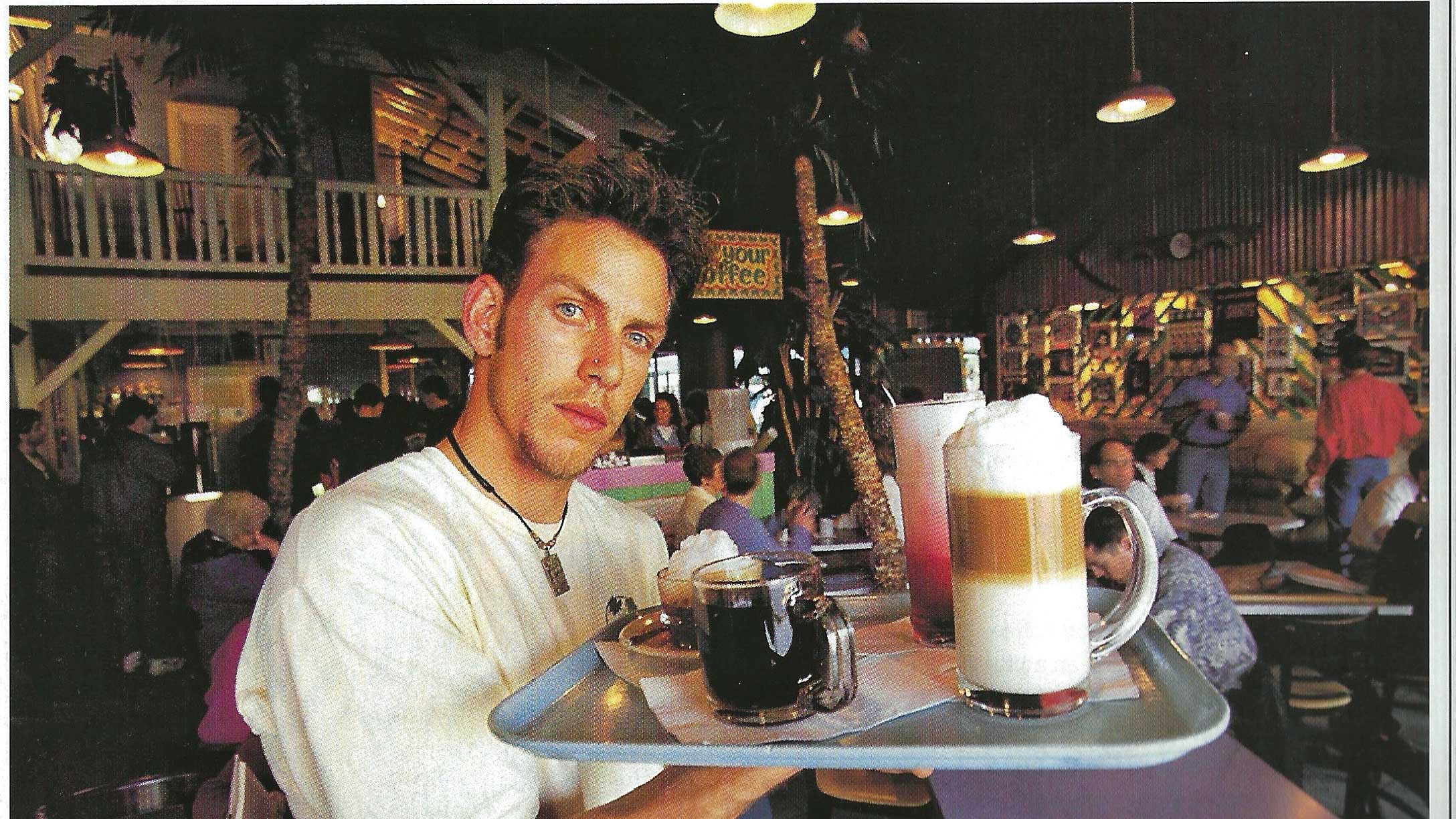
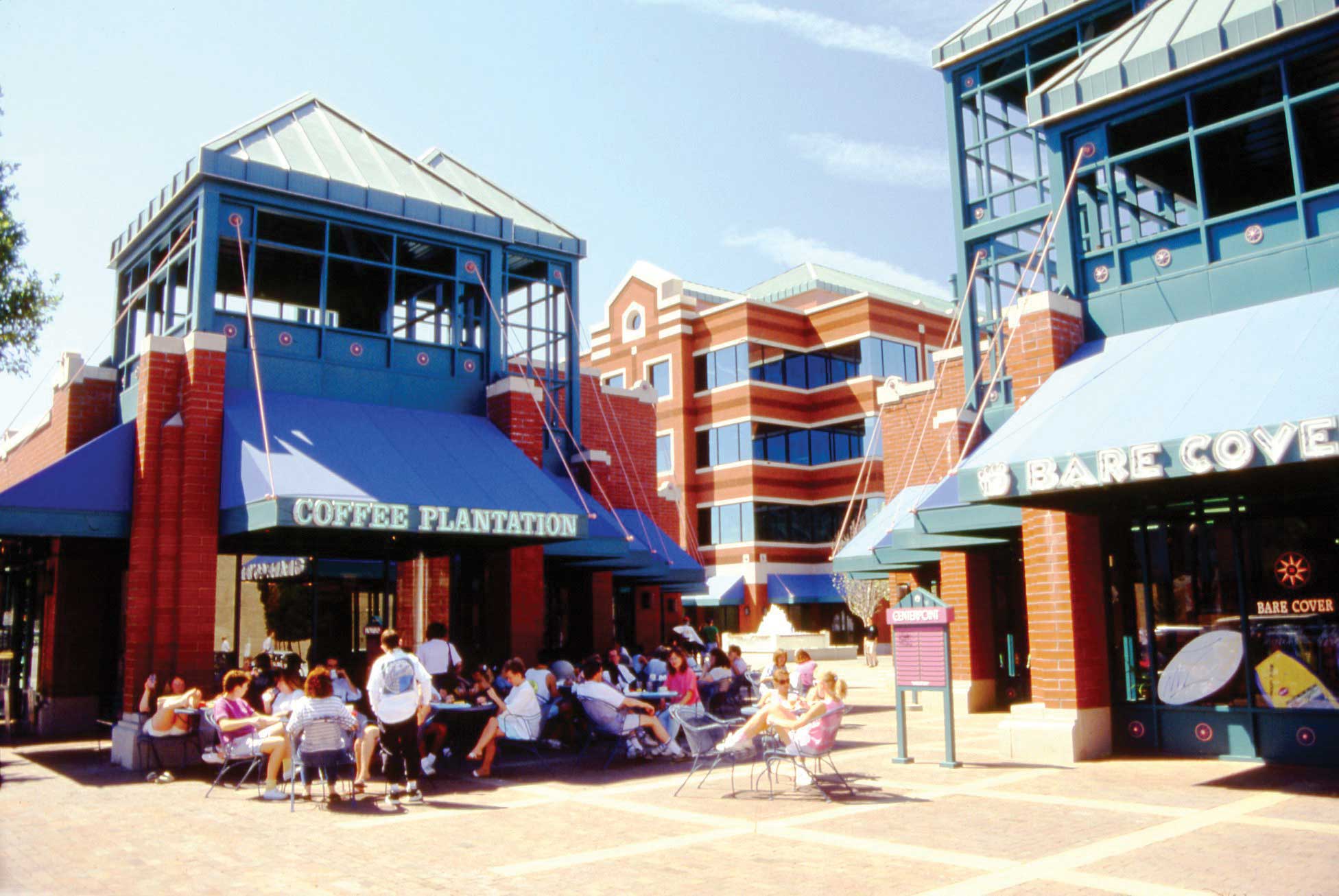
Starbucks had not yet sunk its tendrils into Arizona when Joe Johnston – alongside his friend and fellow roasting hobbyist, Tim Peelen – left a prosperous engineering career to open the first Coffee Plantation on Mill Avenue. The Valley was essentially bereft of craft coffee in early 1989, a curiosity which gave the future Joe’s Real BBQ founder pause. “[It] made us concerned that Arizona was just too hot for this sort of thing,” Johnston recalls. As if! By 1992, the Mill Avenue location was serving 1 million customers annually and was reported to be the busiest coffeehouse in the country. After flipping the chain to Canadian coffee giant Second Cup, Johnston moved on to other culinary and developmental pursuits, but the thrill of getting folks hooked on espresso has never left his blood. “I still love coffee, and our machine shop at [Gilbert business incubator] Barnone is working on coffee roasting technology,” he says.
PEOPLE OF THE ’90s
“I was 30 and mayor in the 1990s. Phoenix faced crisis after crisis – from the savings and loan collapse to MLK Day boycotts. What I discovered was the power of a ‘can do’ people who make up this city, and who still do.”
— Paul Johnson
Former mayor of Phoenix

MLK DAY RISING
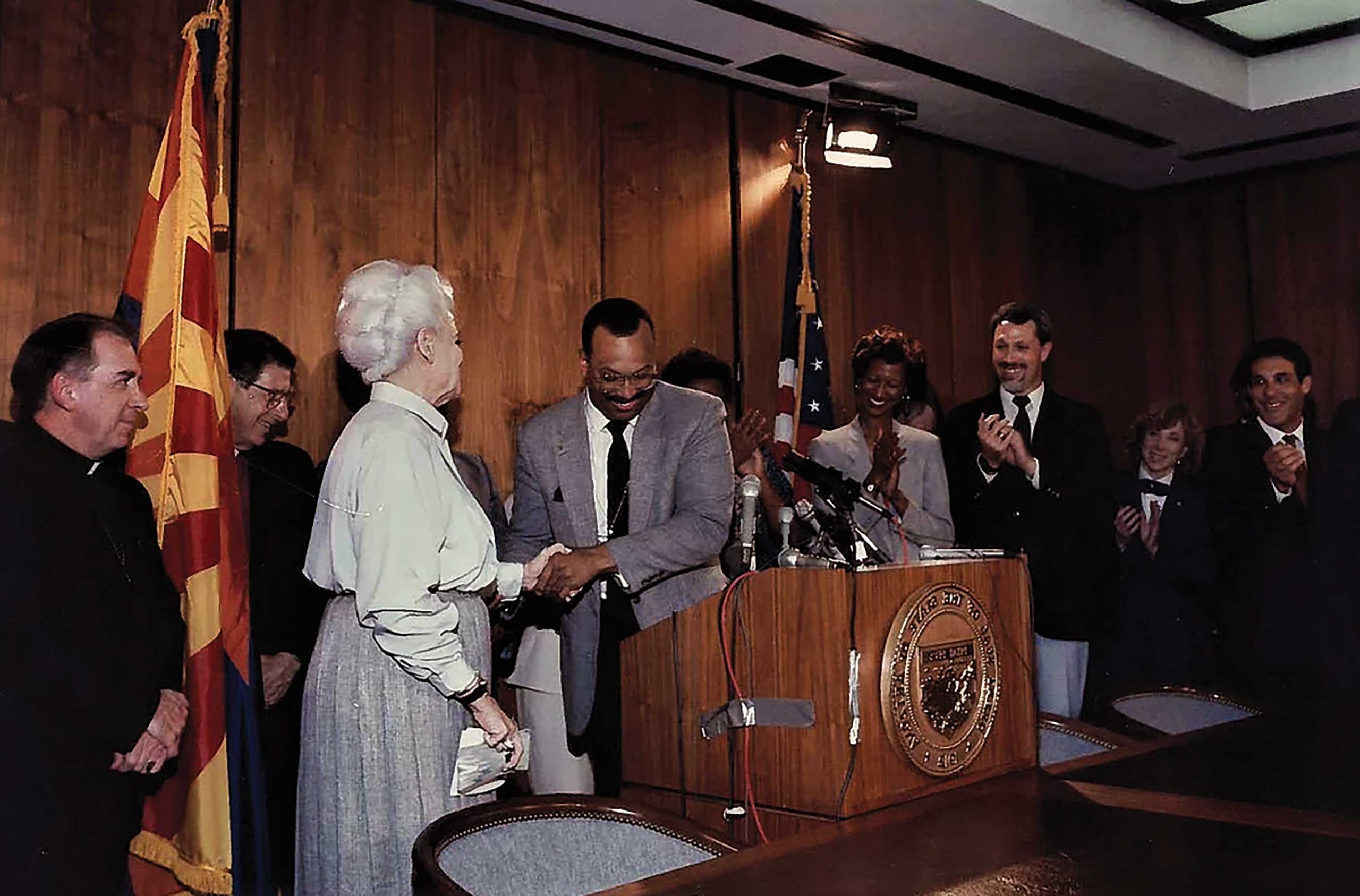
Gov. Rose Mofford and Civil Rights leader Dr. Warren Stewart at the MLK Day signing ceremony on May 16 at the Arizona State Capitol
1993: Hoops and Slots
The Waco siege and World Trade Center bombing seize national headlines while an NBA title run and casino gaming occupy thoughts closer to home.
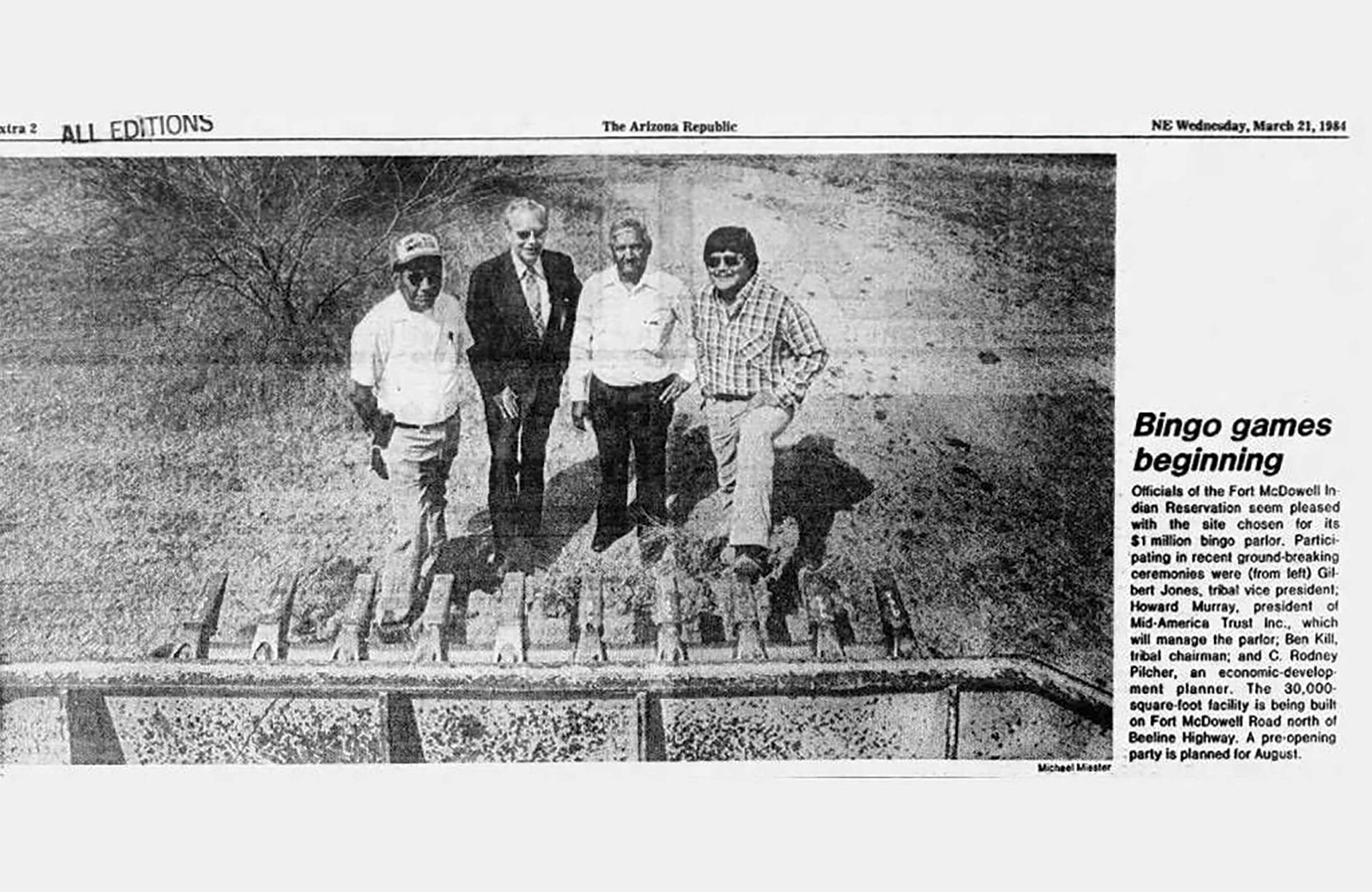
House of Cards
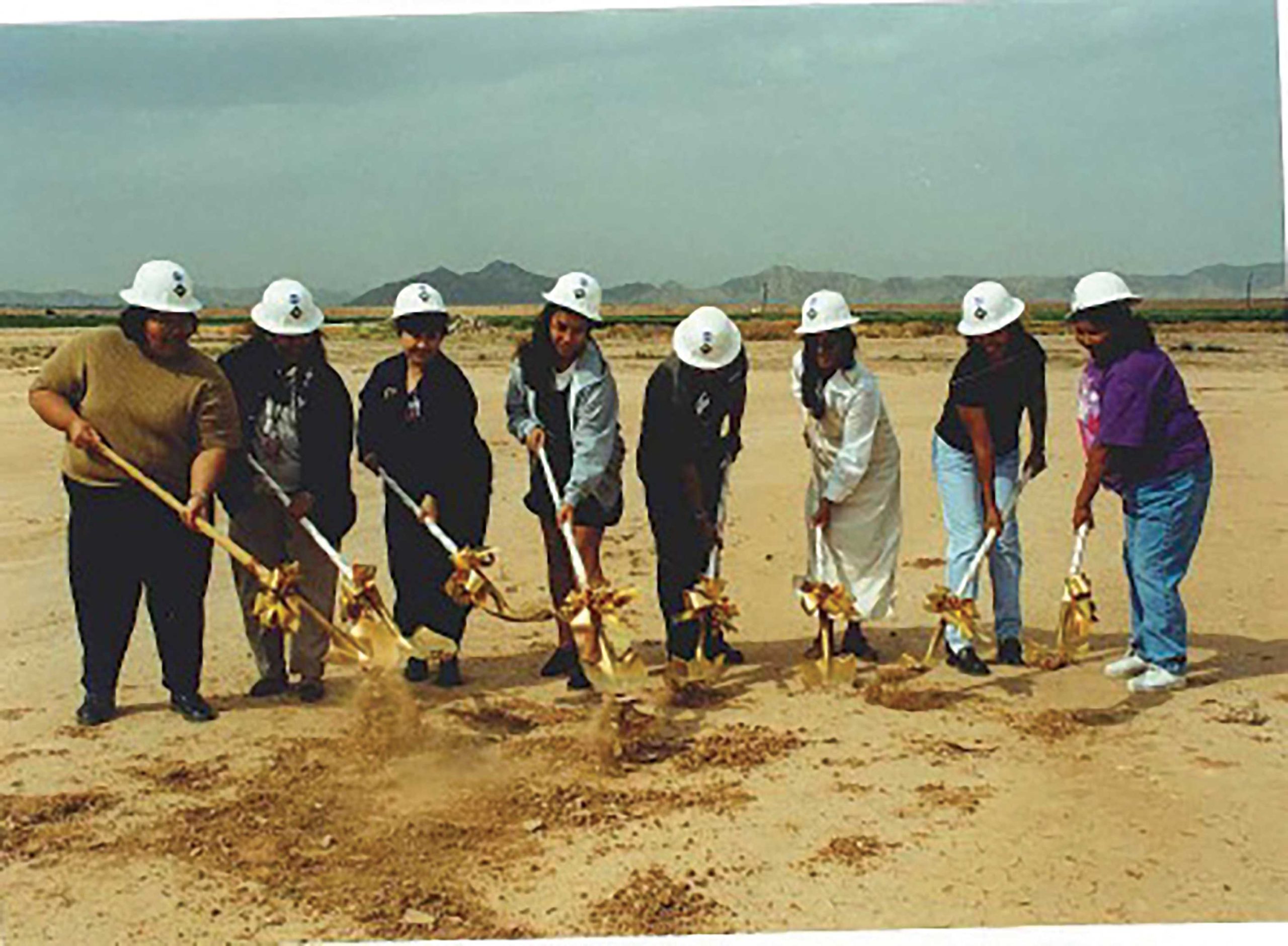
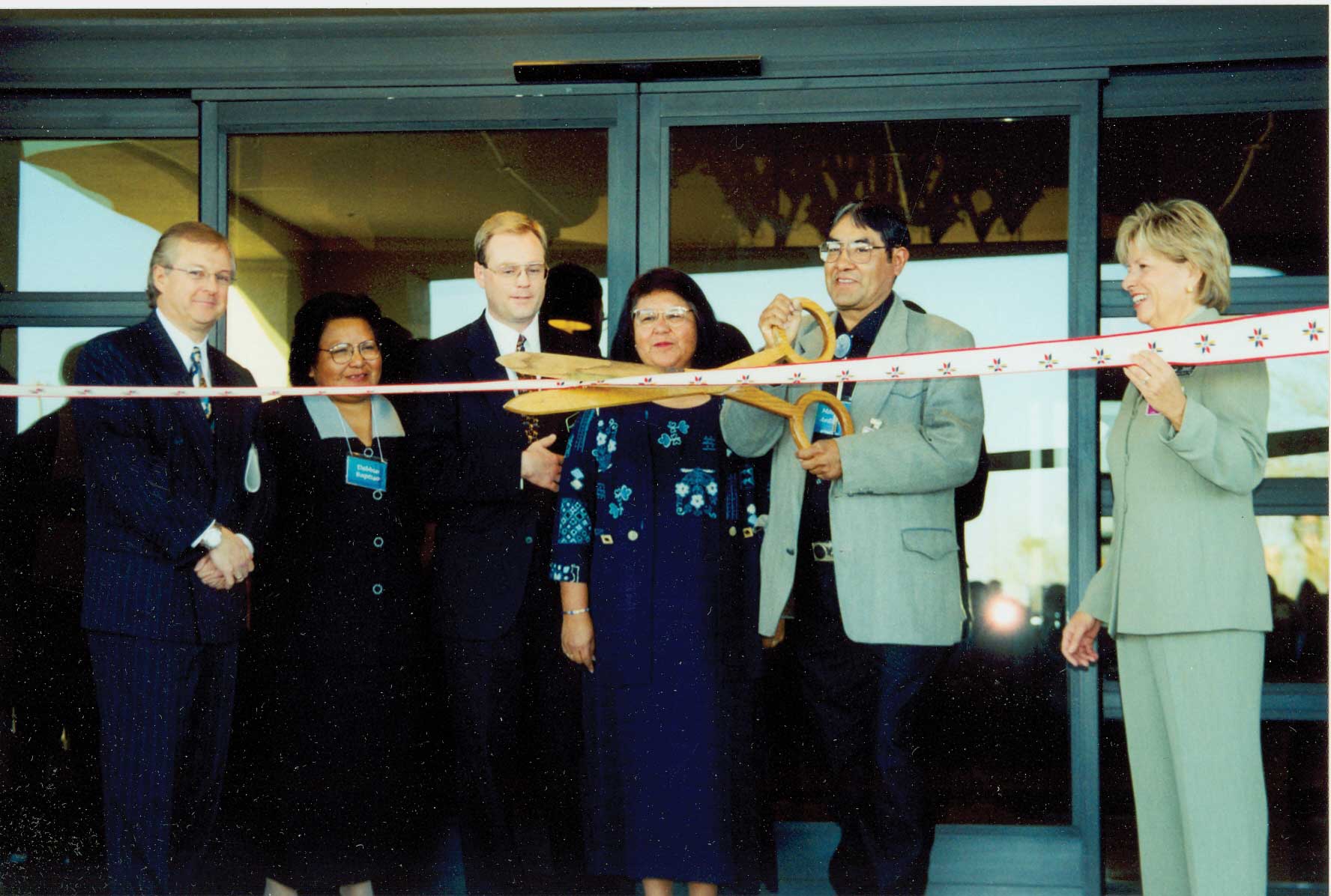
The Indian Gaming Regulatory Act of 1988 provided a legal framework for Indigenous gaming, allowing tribes to operate gambling facilities on reservation land. In Arizona, several tribes subsequently asserted their sovereign rights as Native nations, arguing that the state couldn’t block gaming if it permitted other forms of gambling, like the Arizona State Lottery and off-track betting. The state pushed back, most notably on May 12, 1992, when armed federal agents seized slot machines from the Fort McDowell Yavapai Nation’s gaming facility (now We-Ko-Pa Casino Resort). In response, tribal members blocked the parking lot exits, initiating a days-long standoff that led to compact negotiations and the formal legalization of tribal gaming throughout the state in 1993. This legislation was a watershed moment for the sovereignty, prosperity and autonomy of Arizona’s 22 federally recognized tribes. “Fort McDowell is proud to have been the pioneer in tribal gaming in Arizona, fighting for tribes’ right to pursue economic development on our own lands,” says Fort McDowell Yavapai Nation president Sandra Pattea. “That advocacy continues to the present day as we share the benefits of tribal gaming with the state, local governments and remotely located tribes without a gaming market.”
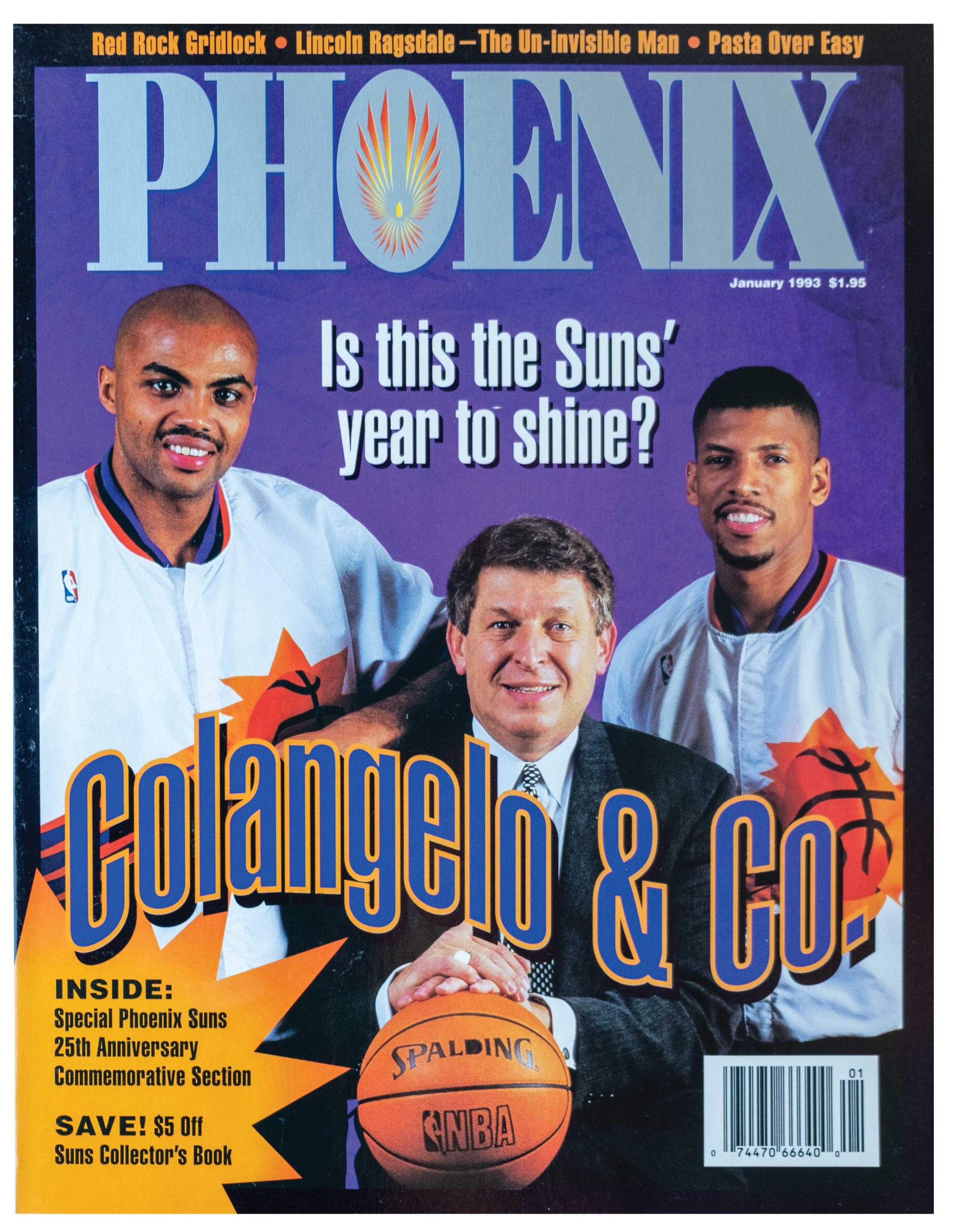
Cover Shot!
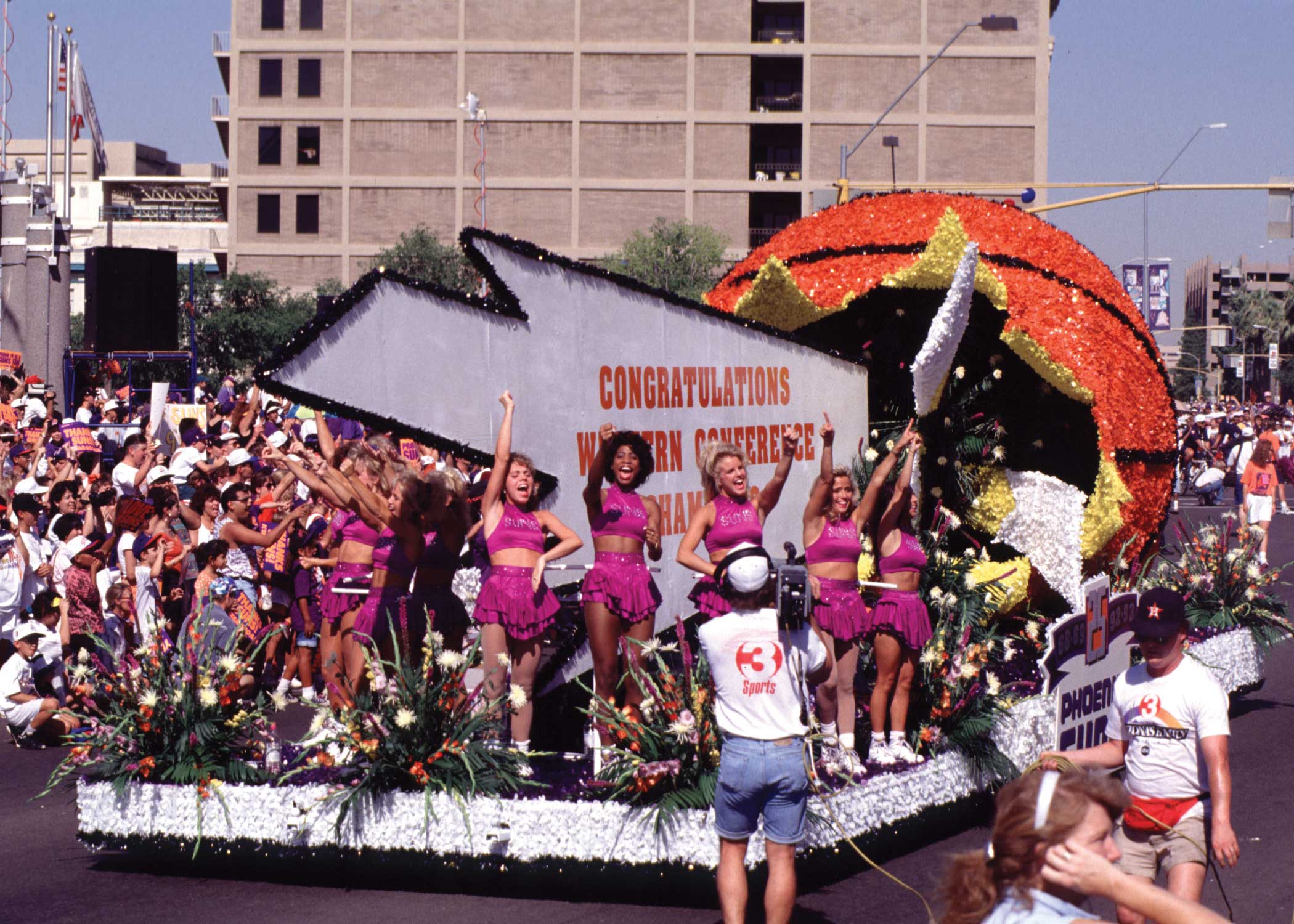
It truly is the Year of the Suns – their championship attempt and their 25th anniversary, honored with a special commemorative section in our January 1993 issue.
OTHER 1993 NEWS BITS
- Record rainfall and snowmelt from surrounding mountain ranges leads to one of the worst floods in Arizona’s history, causing severe damage to Valley roads, homes, businesses and other infrastructure.
- The Phoenix Suns advance to the NBA Finals, led by power forward Charles Barkley, who beats out Michael Jordan to win the NBA MVP award for the 1992-1993 season.
- After 20 years of construction, the 336-mile Central Arizona Project canal system is completed, supplying Phoenix with up to 456 billion gallons of Colorado River water annually.
- The population of Phoenix crosses 1,000,000 for the first time, according to U.S. Census data.
’90s Hot Spot: Long Wong’s on Mill
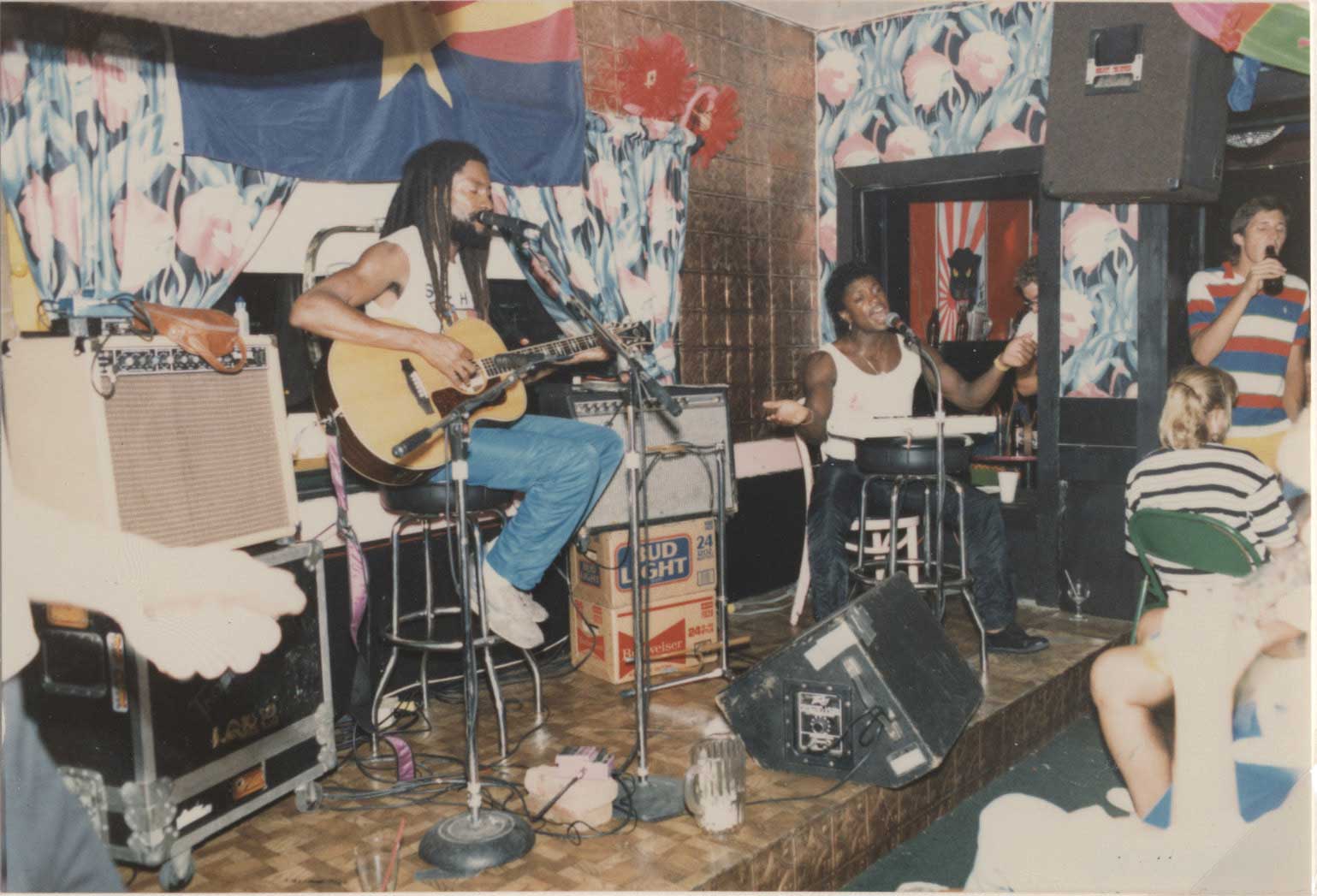
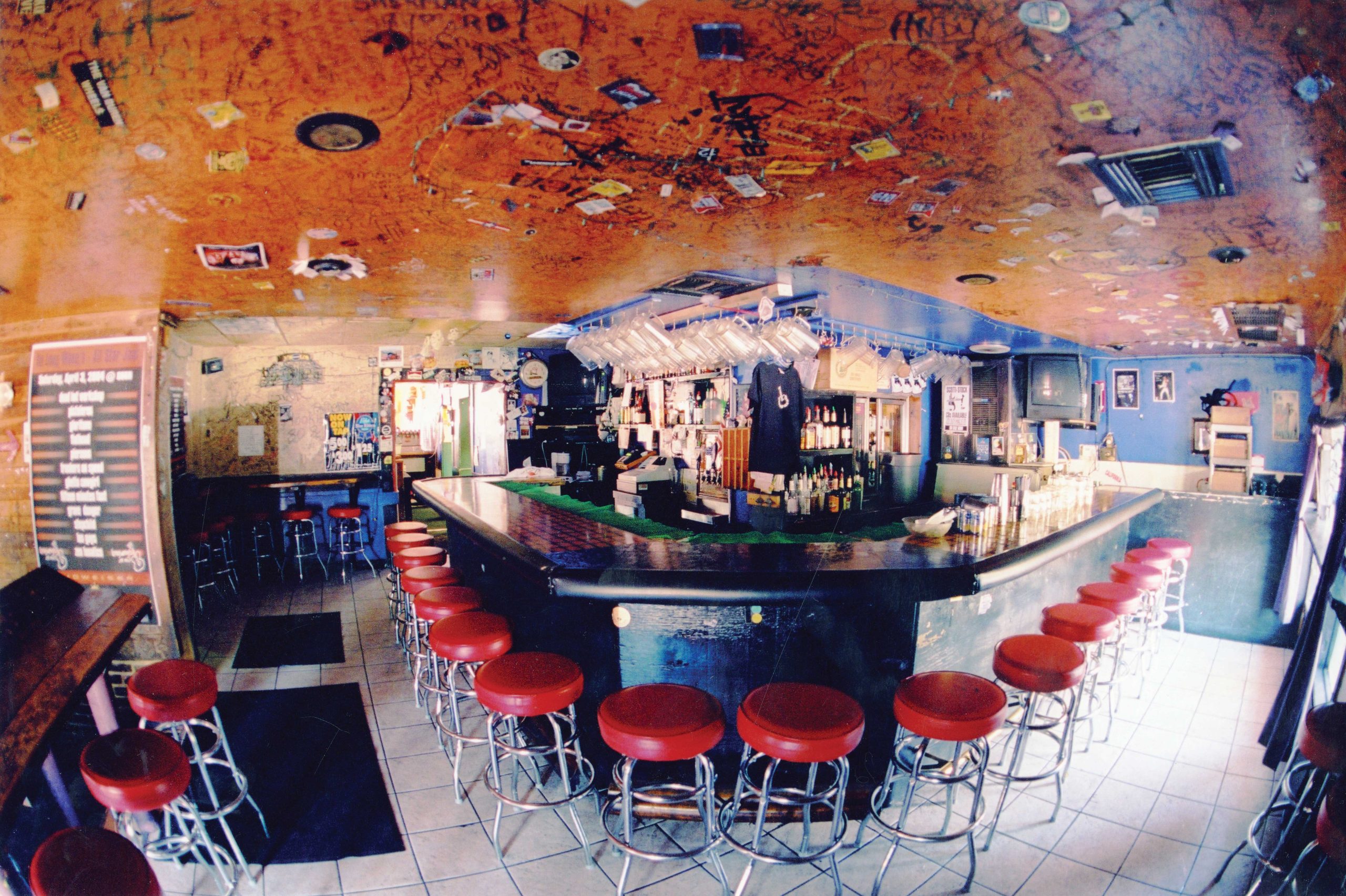
Widely recognized as the epicenter of the Valley homegrown music scene in the early 1990s – and the spiritual birthplace of the “Tempe Sound” era that catapulted the Gin Blossoms to stardom – Long Wong’s (pictured) was a model of minimalism. Low ceilings, cheap wings, 2,000 square feet of sweat-soaked floor space. But the cramped, no-frills environs churned out more creative wattage than any other venue of the era, thanks to an improvisational ethos that encouraged bands to workshop songs live, on stage, in real time. “It was a crazy, high-energy clubhouse, for sure,” says former East Valley Tribune music critic Chris Hansen Orf. “There’s never been anything quite like it.” The venue closed in 2004 and was eventually razed to make way for long-term parking.
PEOPLE OF THE ’90s
“The Phoenix Suns were at the apex at that point, and the community was very, very excited… Giving birth to the Arizona Diamondbacks in the mid-’90s and bringing MLB to the city and state was one of the highlights of the ’90s. The rebirth of Downtown Phoenix, the arena, the ballpark, the expansion of the civic plaza, etc., made for a great decade.”
— Jerry Colangelo
Former Suns and D-backs owner


THE BALLER
Phoenix Suns’ “Thunder” Dan Majerle
Even as a star forward and U.S. Olympian at Central Michigan University in the ’80s – and, of course, a key piston in the Phoenix Suns’ historic 1993 NBA title run – Majerle was never big on Wu-Tang Clan-style track jackets. “I was more of a T-shirt and jeans guy,” he says. But ever the Valley loyalist, Majerle – admired for his eponymous sports bars and role in elevating Grand Canyon University’s basketball program – embraced the assignment.
1994: The Year of OJ
The Balkans and East Africa collapse, but Americans are most fixated on a certain low-speed police chase on the 405 freeway. Closer to home, Jon Kyl’s U.S. Senate victory augurs a two-decade run of dominance for the GOP in Arizona.
A Walk to Remember
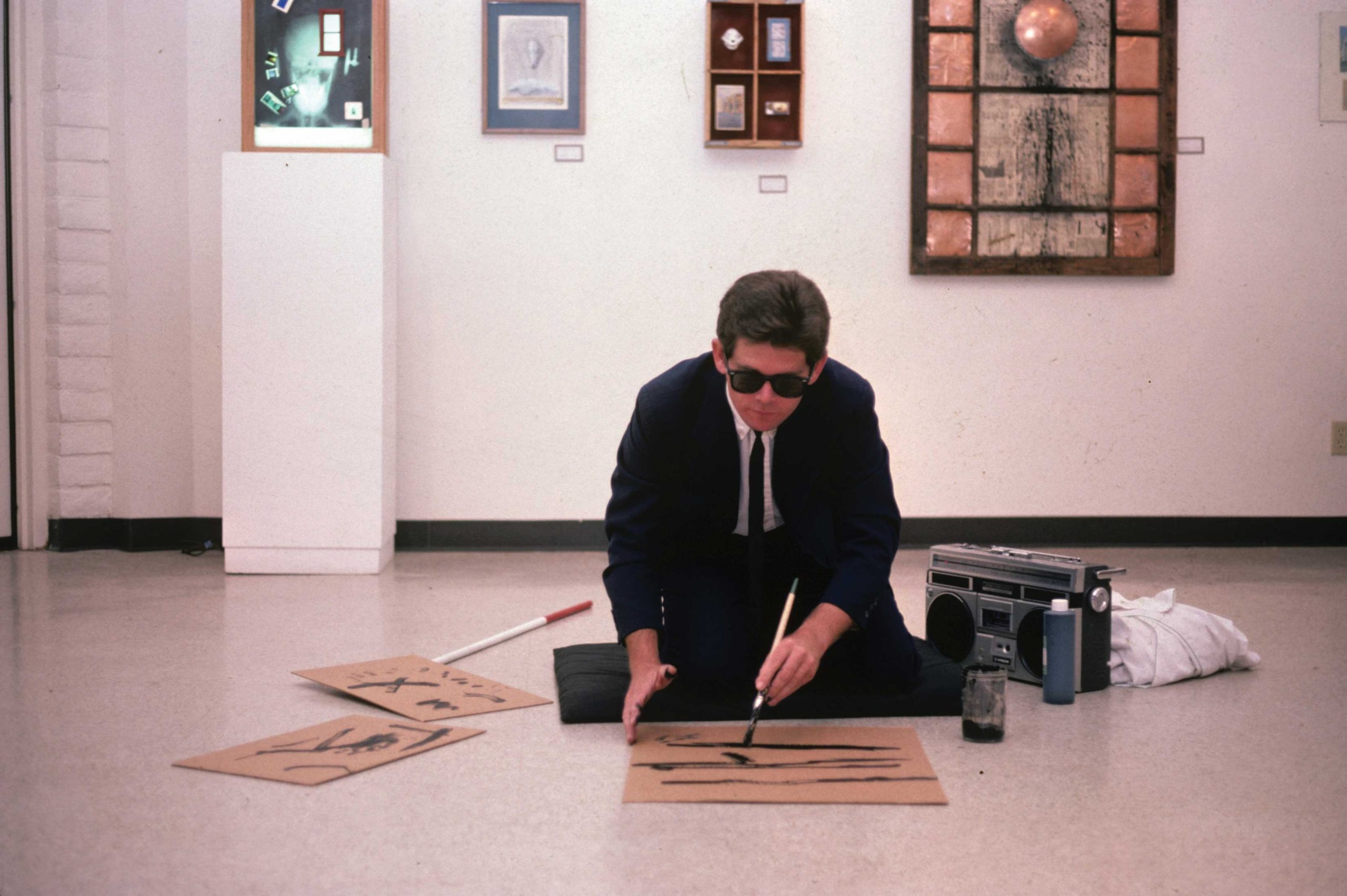
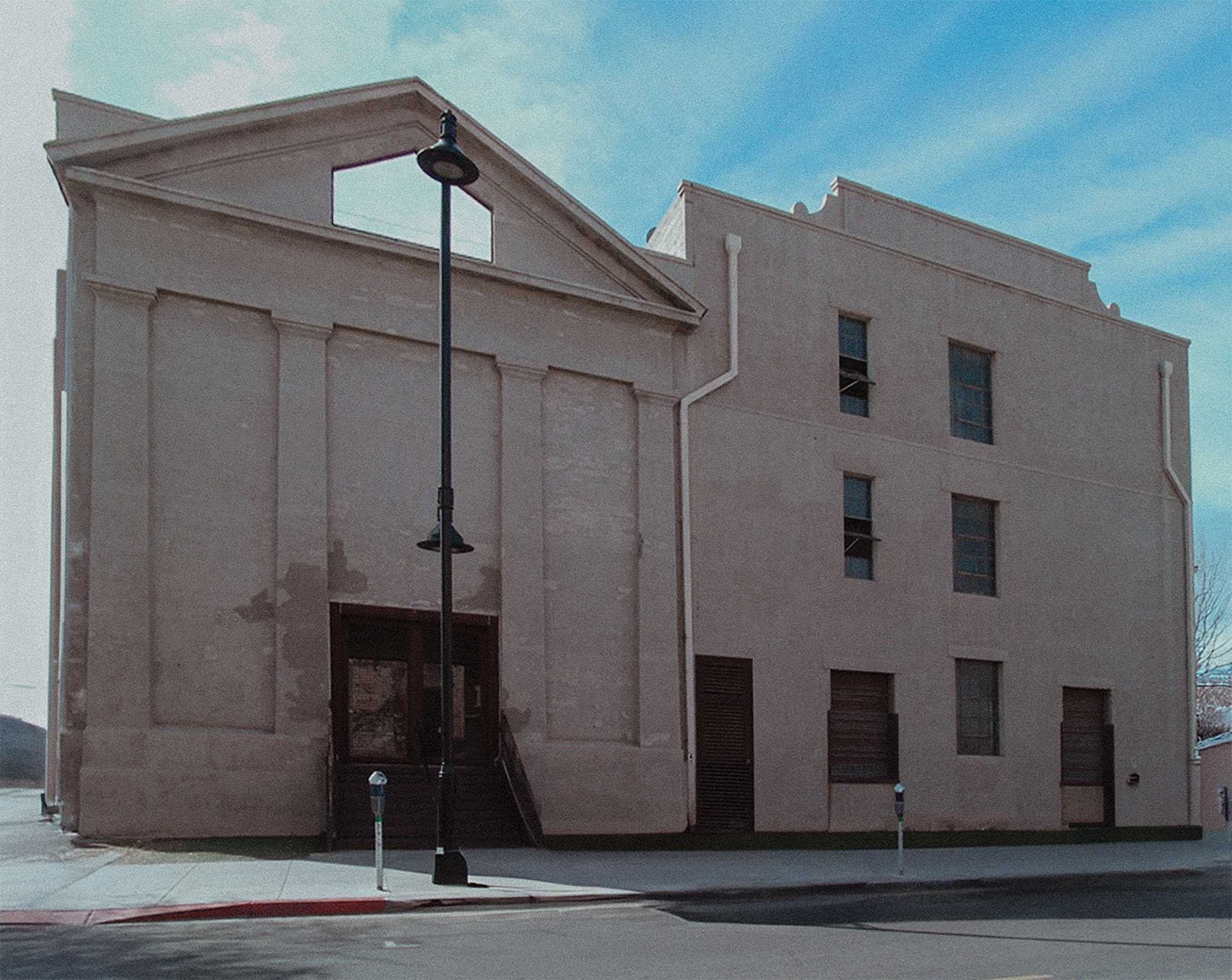
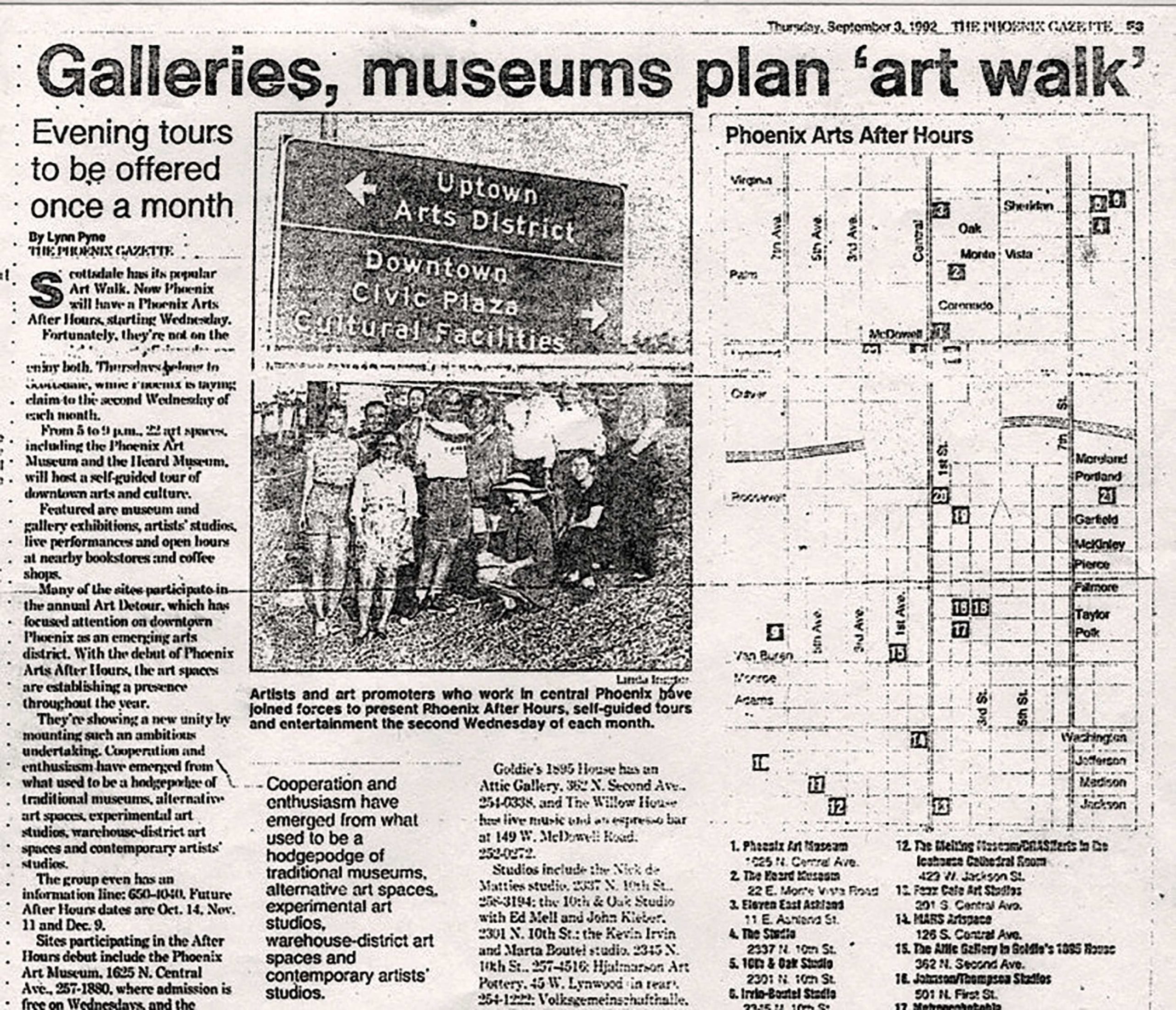
The First Friday Art Walk in Downtown Phoenix is a dazzling flurry of boom-bap beats pulsating from street performers’ portable speakers, sidewalks lined with technicolor canvases and thousands of people strolling through more than a dozen city blocks to support local business and art. But First Friday wasn’t always this large, crowded or organized. It started in fall 1994, when a handful of Phoenix artists – including Beatrice Moore, Tony Zahn, Helen Hestenes and David Therrien – envisioned a recurring public art event to activate unused spaces and boost foot traffic in the city’s core. Many artists simply set up shop on street corners, alleyways or front lawns. Others partnered with grassroots galleries and studios like MARS Artspace, Mystery Gallery and The Icehouse. “You literally had artists who would push all the furniture into bedrooms and open up their living room as a gallery for the night,” Phoenix historian and podcast host Marshall Shore says. Local nonprofit Artlink Inc. soon partnered with First Friday’s founding artists to create directories and organize transportation, animating the historic rise of Roosevelt Row, Historic Grand Avenue and other Downtown art enclaves. “People started saying, ‘Yes, there is a culture and creative community here, and it’s worth supporting,’” Artlink president Catrina Kahler says.
Cover Shot!
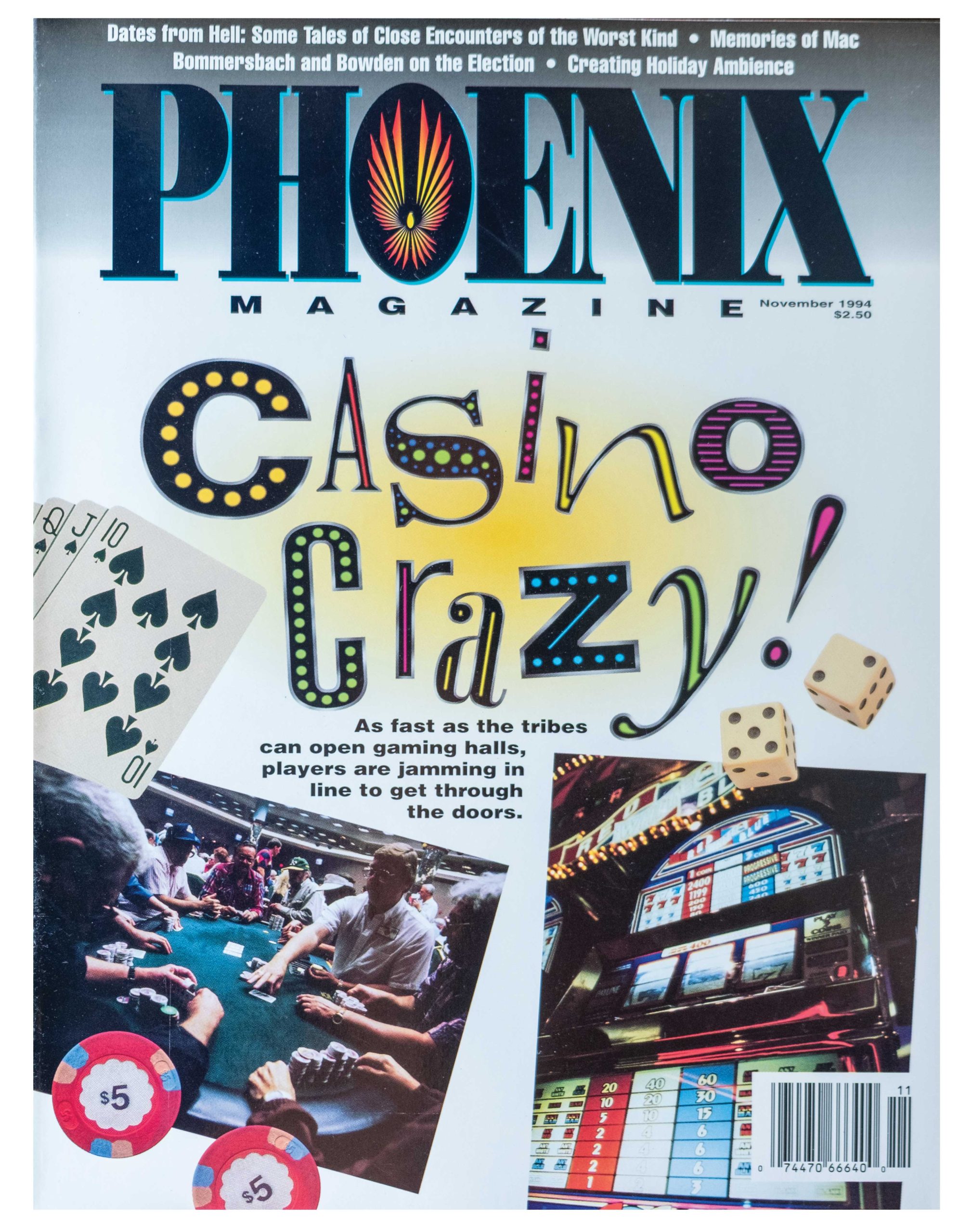
The previous year’s gaming win (p. 146) yields a casino boom. Our November 1994 issue also includes a feature on dating stories that are hilarious and harrowing.
OTHER 1994 NEWS BITS
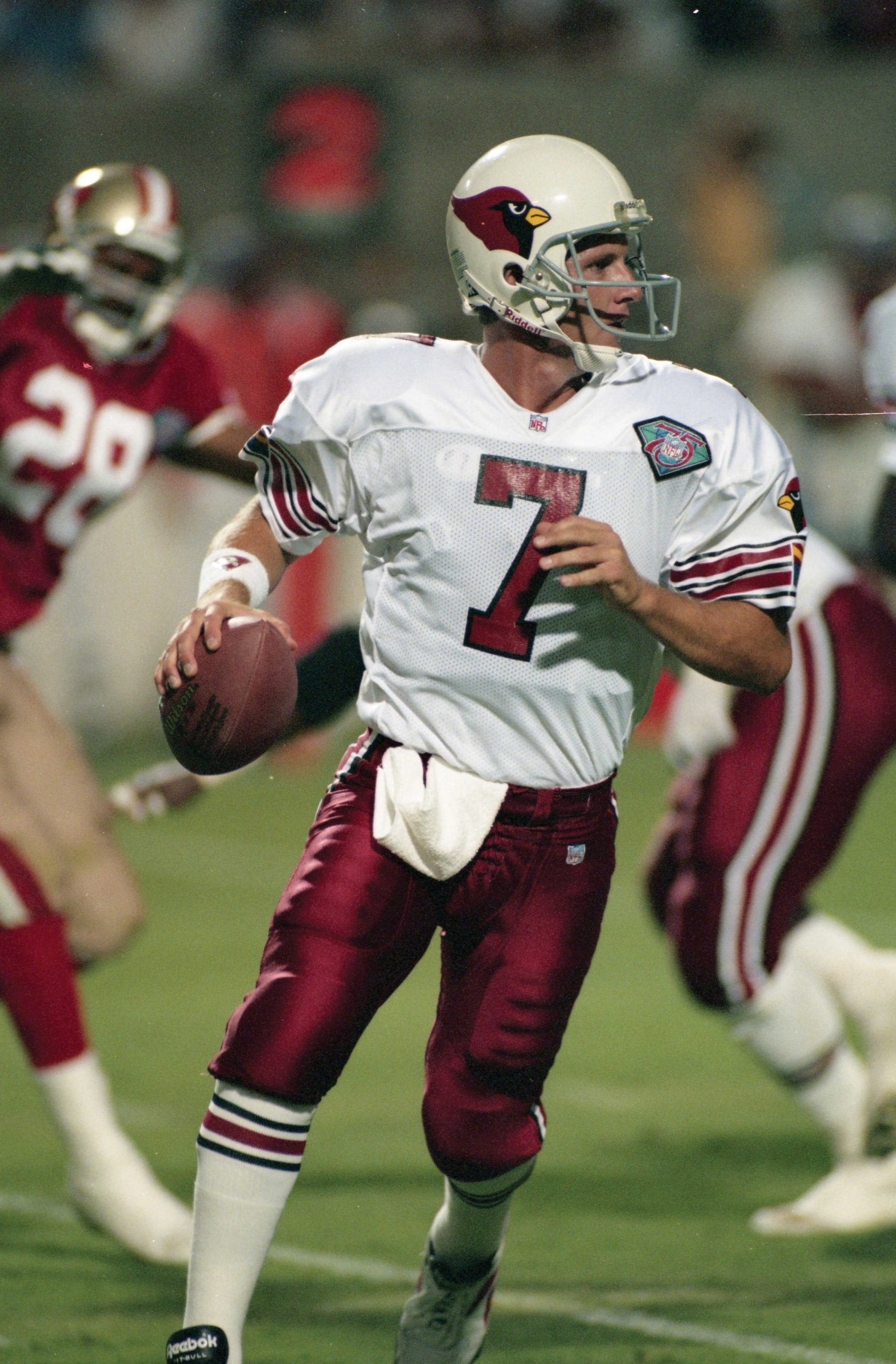
- Following its sixth season in the Valley, the Phoenix Cardinals rebrand as the Arizona Cardinals (pictured) to appeal to fans across the state.
- Phoenix unveils its new 20-story City Hall building, a two-year project that costs the city $83 million.
- The Phoenix Pride Festival expands from a small event in Downtown Phoenix to a three-day celebration at Tempe Diablo Stadium, marking a significant milestone for LGBTQ+ visibility in the region.
’90s Hot Spot: Mary Elaine’s
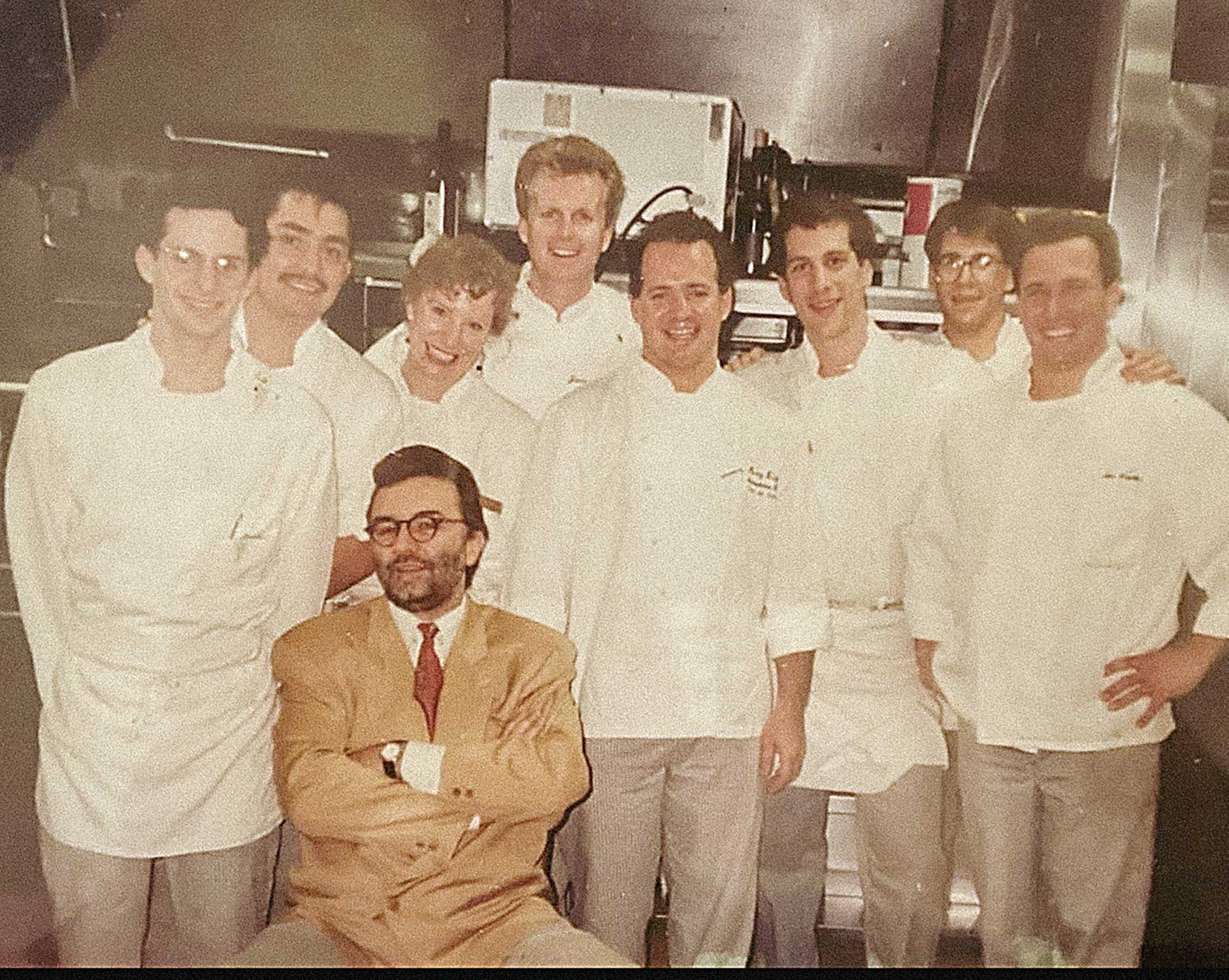
Offering sweeping Valley views from the fifth floor of The Phoenician, French-inflected Mary Elaine’s was the ultimate in fine dining. Former Arizona Republic restaurant critic Howard Seftel remembers it as a “hushed, formal” restaurant where “an impeccable brigade of captains, servers and sommeliers” catered to every whim. It was certainly a lucky charm for star chef Alex Stratta. In 1994, Food & Wine named him one of 10 Best New Chefs in America, and he scored a James Beard Award in 1998.
PEOPLE OF THE ’90s
“The 1990s were the golden age for artists in Phoenix. There was a spirit of collaboration. [My husband, fellow artist] Jeff [Falk] and I were members of MARS, which hosted performance art and poetry events along with visual art… MARS had great exhibits of local artists, especially the shows that we put together reflecting the theme shows at the Phoenix Art Museum. The art scene in Phoenix in the 1990s was open to everyone. We all experimented with our art forms. Studios were all over Downtown. Artists shared their spaces. It was a real community.”
— Annie Lopez
Artist


THE HIP HOP HOTTIE
Social Media Influencer Aiesha Beasley
Having worked with such heavy-hitter brands as Dove, Bumble and Enterprise, the TikTok queen knows how to leverage her look. That goes for this ensemble, as well – because nothing conjures the ’90s like baggy denim, Calvin Klein boxer briefs, crop tops, Adidas and bucket hats. “I was a kid in the ’90s. So much of what I loved came from what my parents were watching on TV, the sitcoms, the music.”
1995: Rock On, Greater Phoenix
America is shaken by the Oklahoma City bombings, while the “worldwide web” gives us comically named startups eBay, Craigslist and Match.com. Phoenix moviegoers vibe to Woody and Buzz while getting their first taste of a bona fide homegrown rock scene.
Seattle South
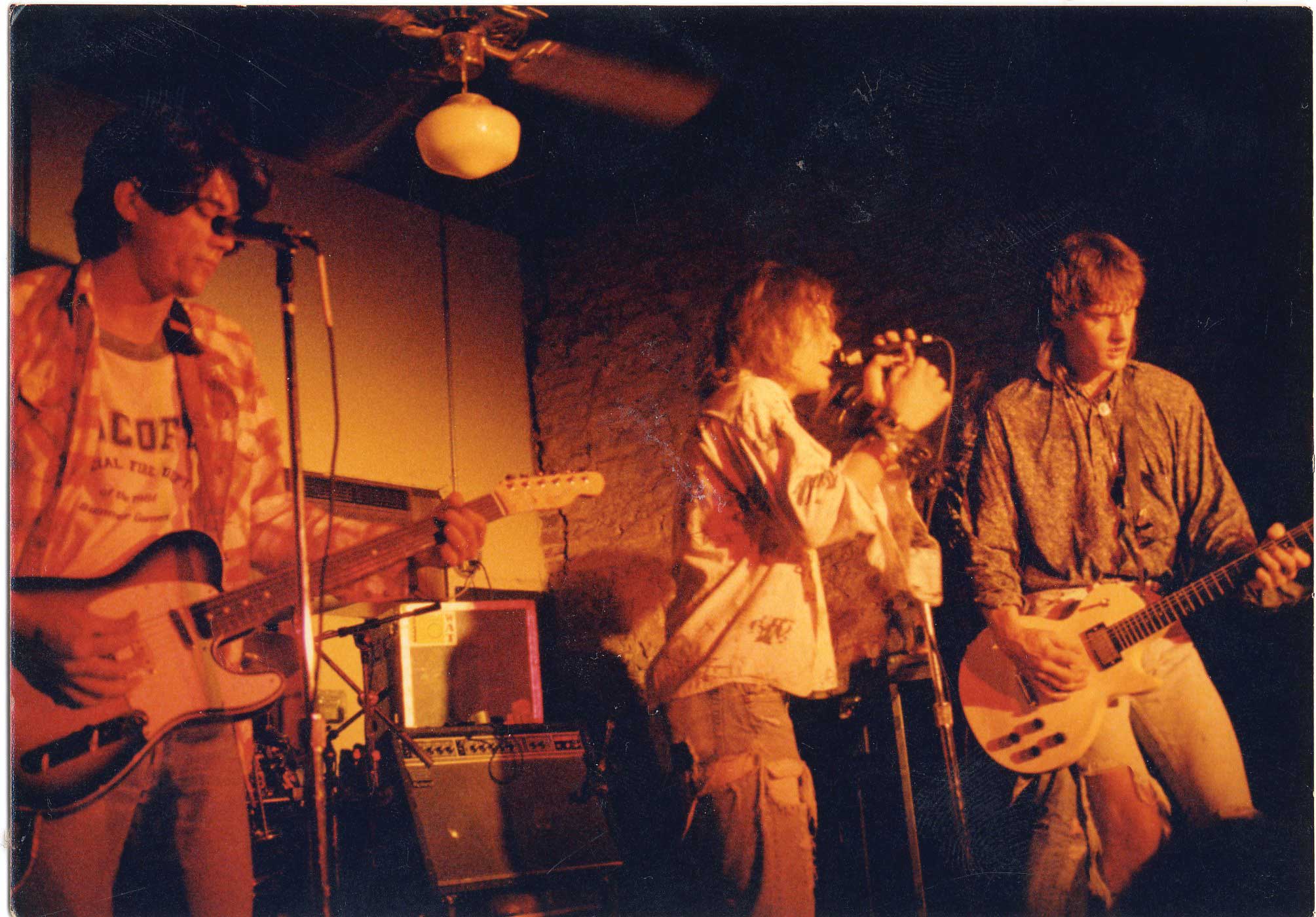
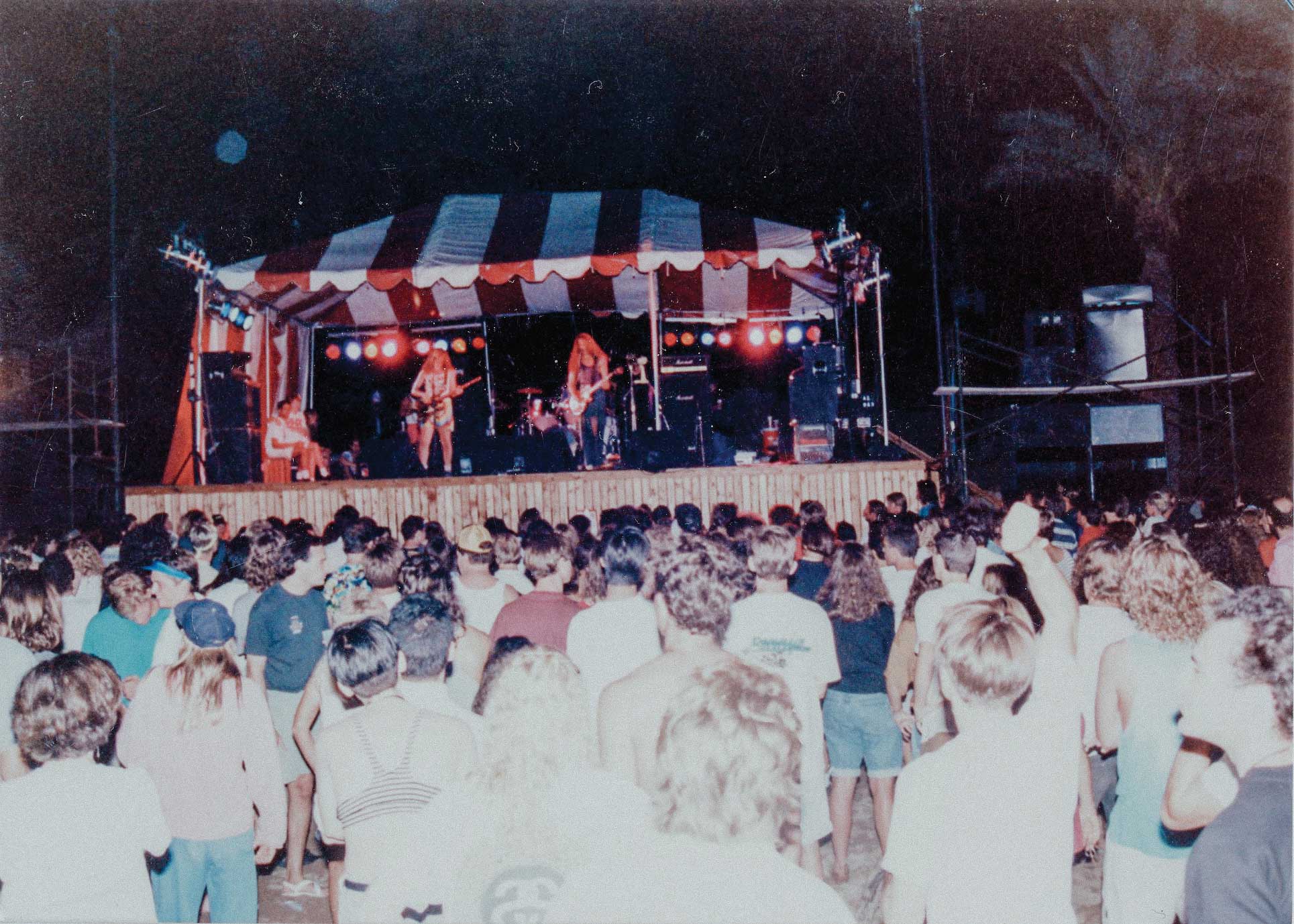
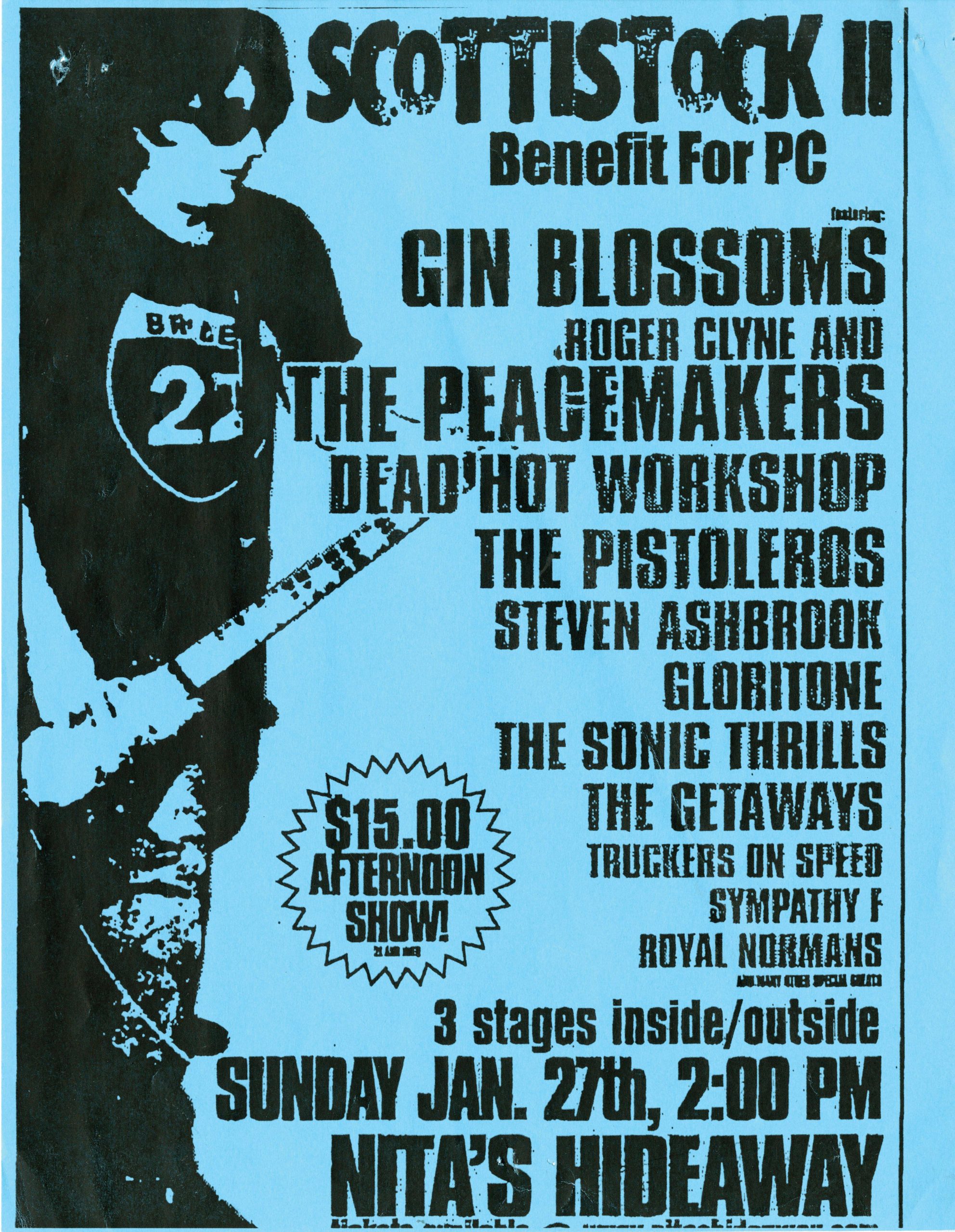
The 1990s marked a golden age for the Valley music scene. Mill Avenue was lousy with legendary venues such as Long Wong’s, Edcels Attic and Gibson’s – DIY incubators where a new wave of rockers gave birth to the “Tempe Sound.” Rooted in the college town’s bar culture, this jangly, sun-drenched brand of alt-rock was just polished and poppy enough for mainstream radio – our answer to the grittier Seattle grunge-rock that had lit up airwaves earlier in the decade. By 1995, many Tempe bands were garnering national attention. It was the year Dead Hot Workshop released its first commercial album, 1001 – named for the street address of the now-defunct Sun Club in Tempe, an unpretentious live-music cave where local bands cut their teeth and trailblazing rock icons like The Flaming Lips, Nirvana and Dinosaur Jr. played before they got big. “That was a magical place. It was old, it was made of wood, there was no air-conditioning,” Dead Hot Workshop drummer Curtis Grippe says. “It was a miserable place to play in the summer, but it sounded glorious.” Meanwhile, the Gin Blossoms released its third studio album, Congratulations…I’m Sorry, and legendary promoter Charlie Levy began organizing shows at Nita’s Hideaway. Today, the Tempe Sound era is remembered as a peak period of authenticity, creativity and community that paved the way for the likes of Jimmy Eat World and Authority Zero. “It was a little moment in time that launched a thousand ships,” Grippe says. “It’s cool to see them still floating.”
Cover Shot!
Local newspaper columnist Laurie Notaro is our May 1995 cover girl, in a feature highlighting Valley women bucking the Gen X slacker stereotype.

OTHER 1995 NEWS BITS
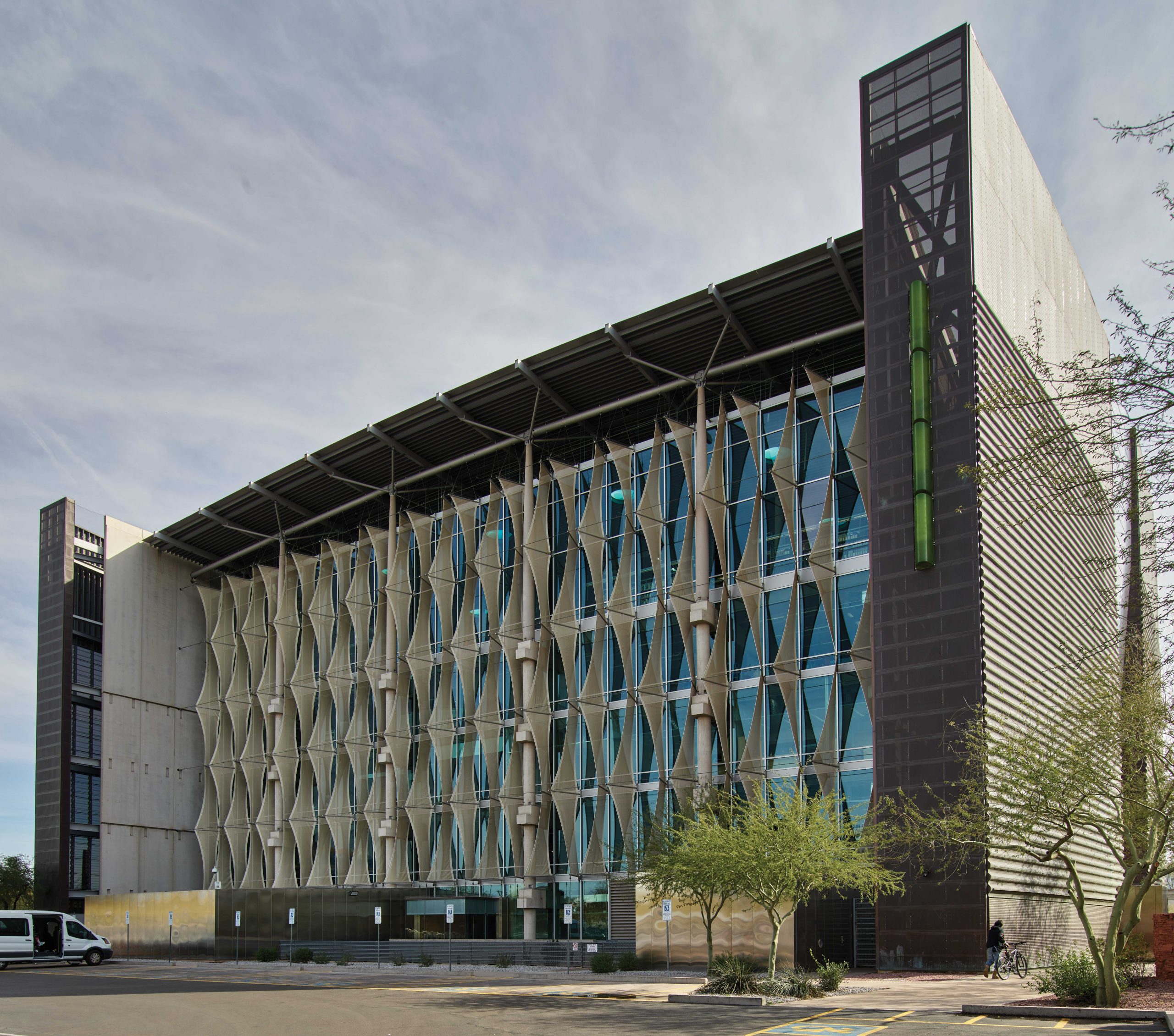
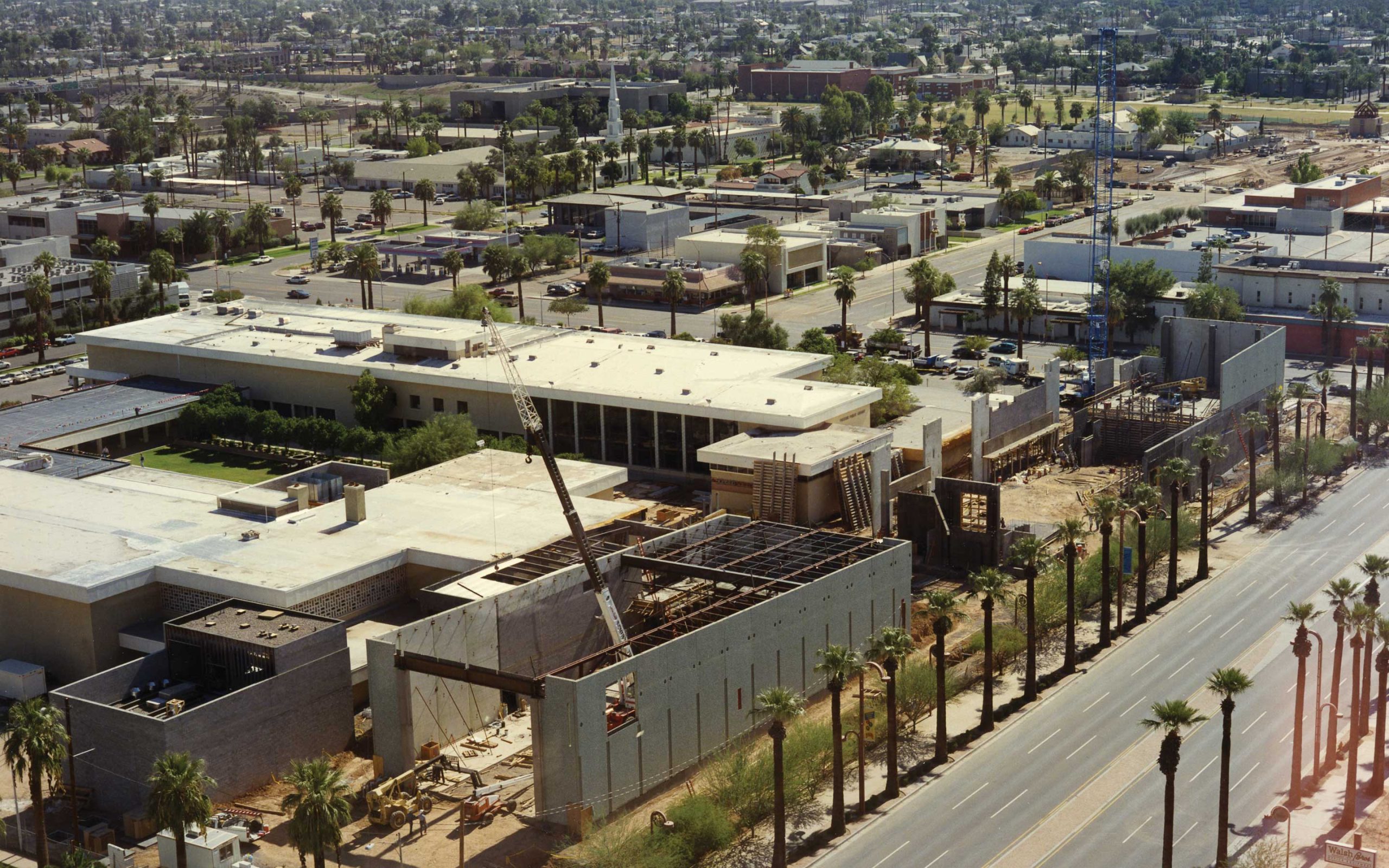
- The Burton Barr Central Library (pictured) opens its doors, offering the Phoenix Public Library system a cutting-edge flagship building with five sweeping floors, a central open core, copper-clad facades and sustainable design elements.
- Valley Metro modernizes fare payment as the first U.S. municipal bus system to accept credit cards.
- The City of Phoenix launches the first iteration of phoenix.gov, becoming one of the earliest municipalities to offer online access to information about public resources, city services, community events and government projects.
’90s Hot Spot: Christopher’s
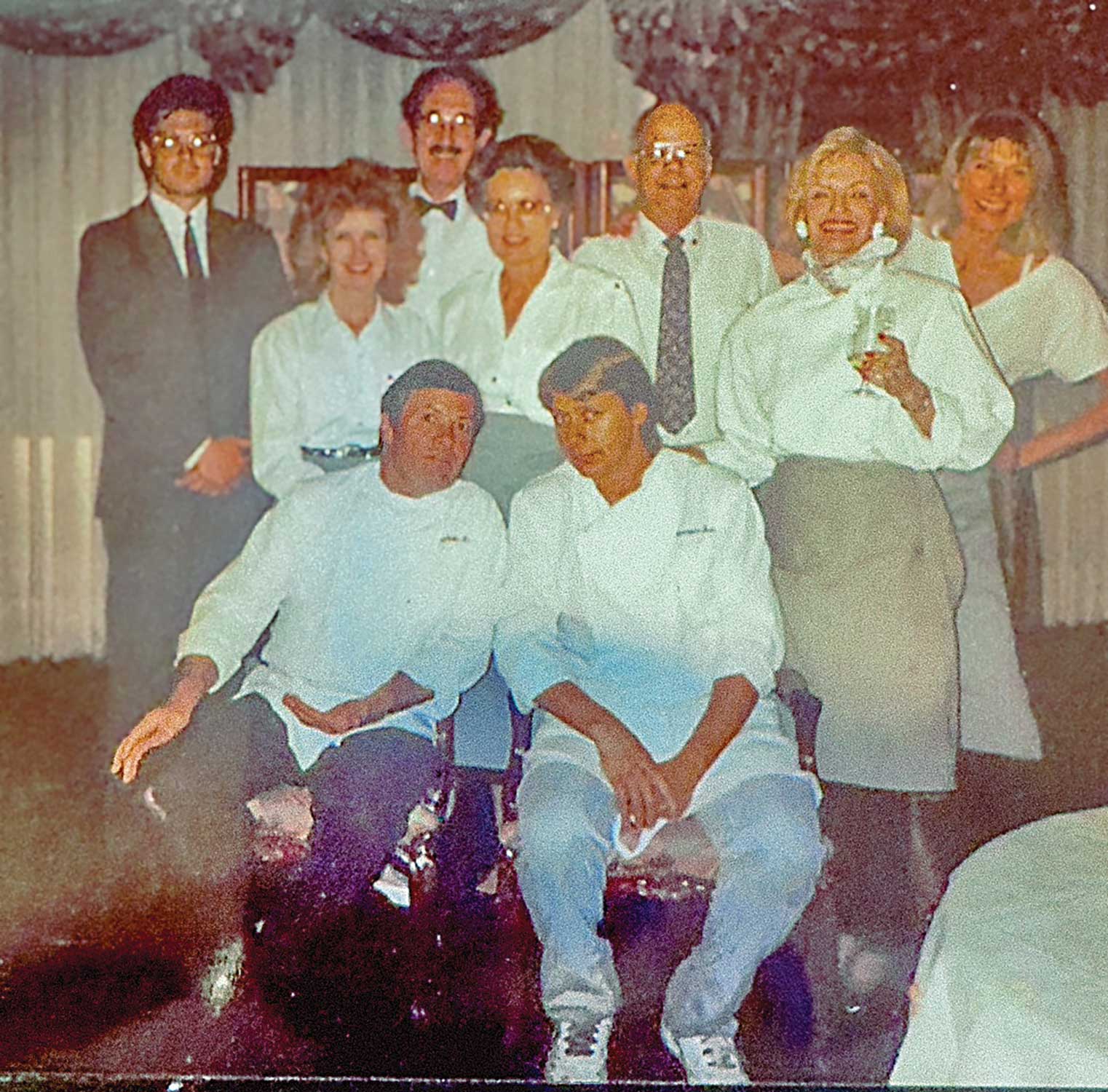
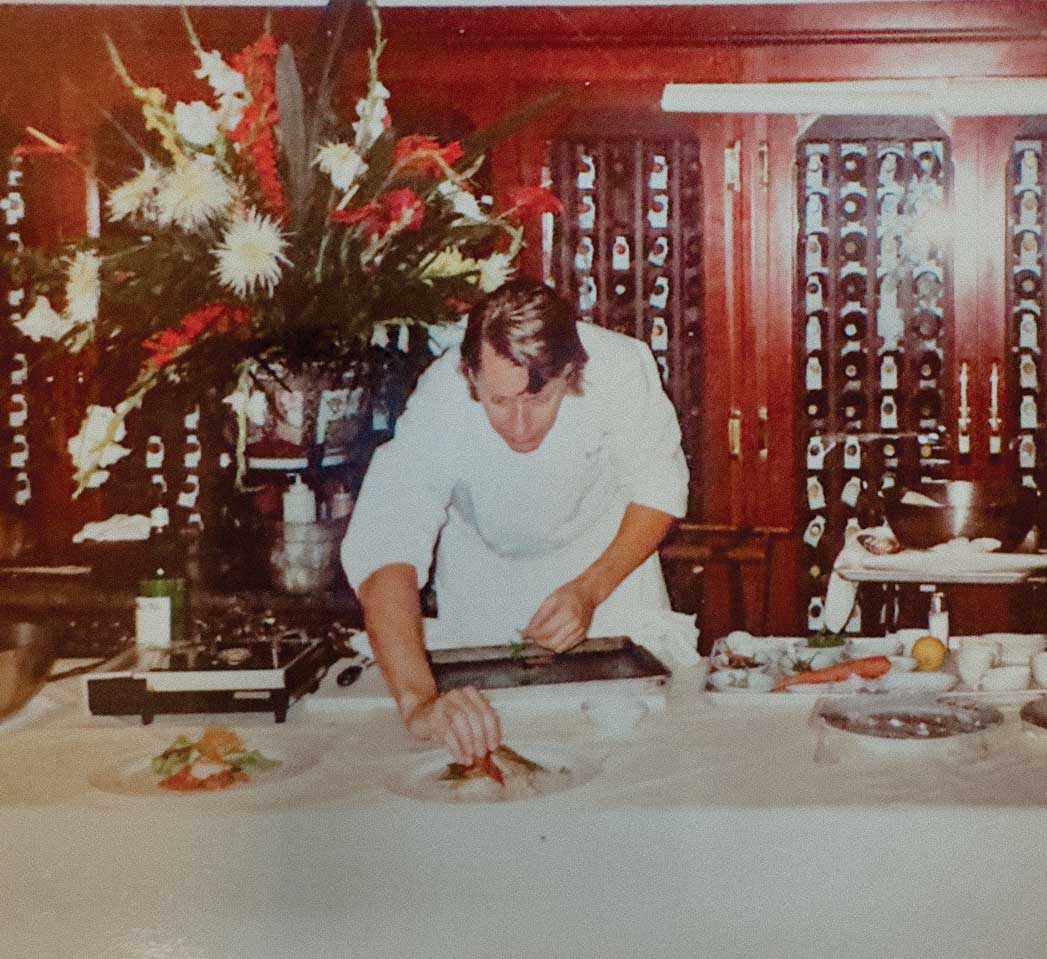
Christopher Gross was on fire in the mid-’90s, running two eponymous concepts – a casual French bistro and a formal restaurant gastronomique – near Biltmore Fashion Park. Matt Carter (chef-owner of Zinc Bistro, The Mission, Fat Ox) worked for the 1995 James Beard Award winner in those golden years and declares, “It was a blast,” observing that they “pushed boundaries” and hosted the luminaries of the day, including legendary chef Paul Bocuse, Muhammad Ali and President Bill Clinton.
PEOPLE OF THE ’90s
“Phoenix in the ’90s was a unique blend of optimism and rebellion, cowboys and trophy wives eating Tex-Mex in sun-bleached strip malls. It was a city that was exploding with growth, where the golf course grass was always green and the AC was always pumping. Frozen yogurt from Mountain View Yogurt, The HUB at Fashion Square Mall, Ajo Al’s, Rawhide, Bobby McGee’s, Gainey Ranch, Chaparral High School, tumbleweeds, hot car seats and the occasional rattlesnake.”
— Jenny Mollen
Actress & author


THE PREPPY PRINCESS
TV Host Lexy Romano
As the Emmy-nominated host of Destination (an Arizona-based travel show streaming on Roku) and Phx Finds on FOX 10, Romano had just the right camera savvy to pull off the Clueless look, complete with houndstooth mini-skirt and platform Mary Janes. Though the ’90s were not her personal heyday, “I love a ton of things from [them]… The music and movies, but also the supermodels like Kate Moss and Naomi Campbell! So glamorous!”
1996: Sticking with the Script
Dolly the Sheep becomes a household name and Atlanta pulls off the centennial Summer Olympic Games. Meanwhile, the Valley’s hot construction-fueled economy hums along.
Don’t Touch That Dial
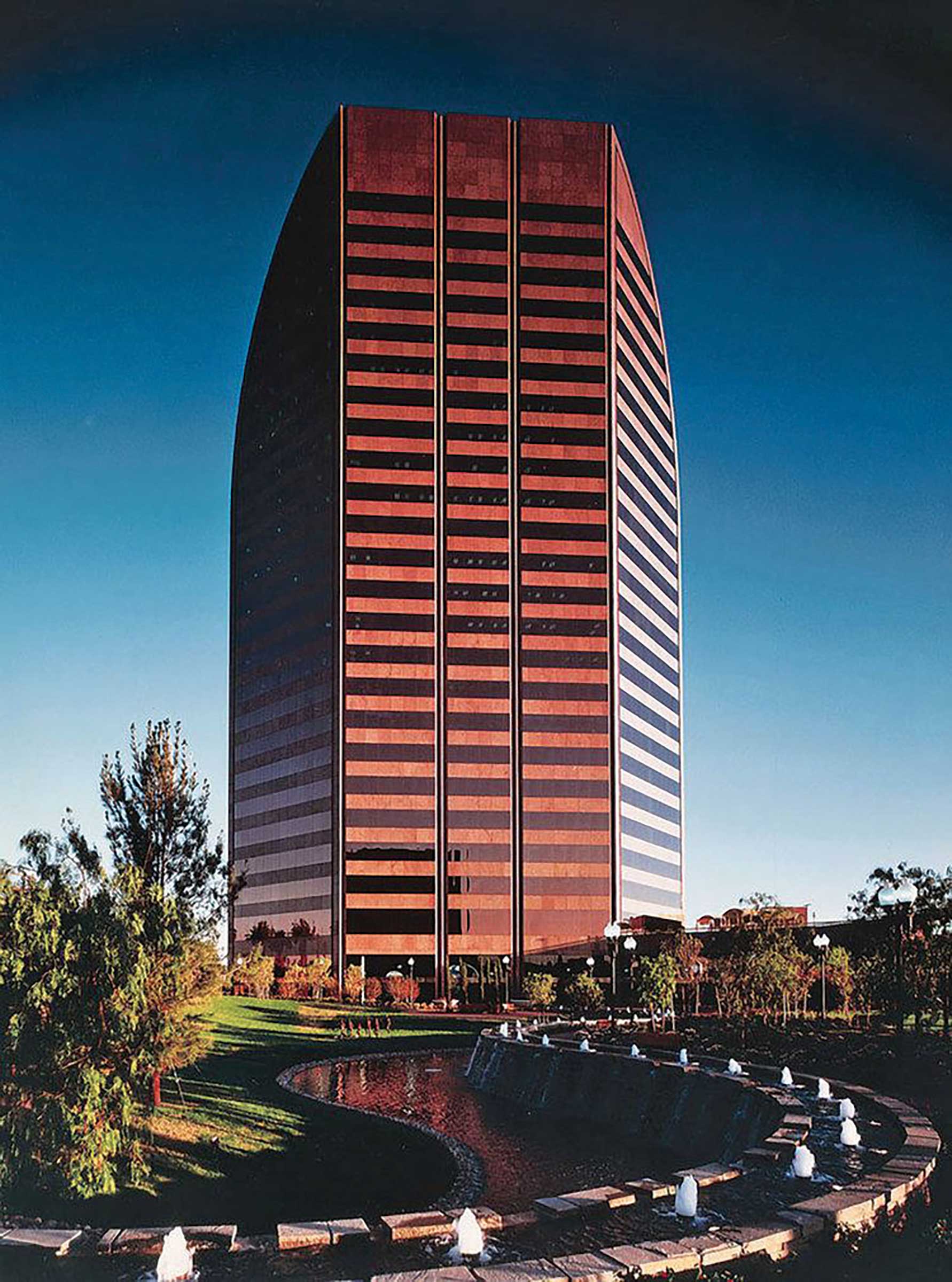
In 1991, The Dial Corporation unveiled its new 24-story headquarters in Midtown Phoenix – the skyscraper’s flattened oval shape and beveled edges designed to resemble a bar of the company’s soap. Known as the Dial Tower, it stood proudly as one of the young city’s few corporate HQs and a symbol of its aspirations to become a business hub – and not just an economy fueled by home builds. By 1996, however, Dial was struggling to stay competitive in the whirlwind retail world, and Wall Street pounced. The company announced it would split into two separate publicly traded entities – Dial and Viad – which greatly diminished its presence in the Phoenix area. Within a few years, Dial was sold to Connecticut-based Henkel North American Consumer Goods, and BMO took over the soap-shaped skyscraper.
Despite these shifts, the aggregate growth measures in Phoenix’s economy remained steady, according to Tom Rex, associate director of the Center for Competitiveness and Prosperity Research at ASU. “The period from 1993 through 2000 was really a decent period economically in Arizona,” he says. “Population growth reached a peak during the 1990s [and] employment growth was also quite strong.”
Cover Shot!
Our February 1996 cover boasts a peek into native son David Spade’s glamorous house, but we only get photos of his entryway (above) and couch. Whomp whomp.

OTHER 1996 NEWS BITS
- The Winnipeg Jets relocate to Phoenix and adopt a new identity as the Phoenix Coyotes (later the Arizona Coyotes), who play at America West Arena throughout the ’90s.
- Spurred by intensifying urban sprawl, grassroots activism and city support, momentum builds for the development of the McDowell Sonoran Preserve in Scottsdale. Land acquisition, trail planning and public buy-in accelerate what is now the largest city nature reserve in the country.
- Massive renovations upgrade Phoenix Art Museum’s mid-century digs, adding classrooms, gallery space, a research library, theater and café that more than double its physical footprint.
’90s Hot Spot: Rancho Pinot
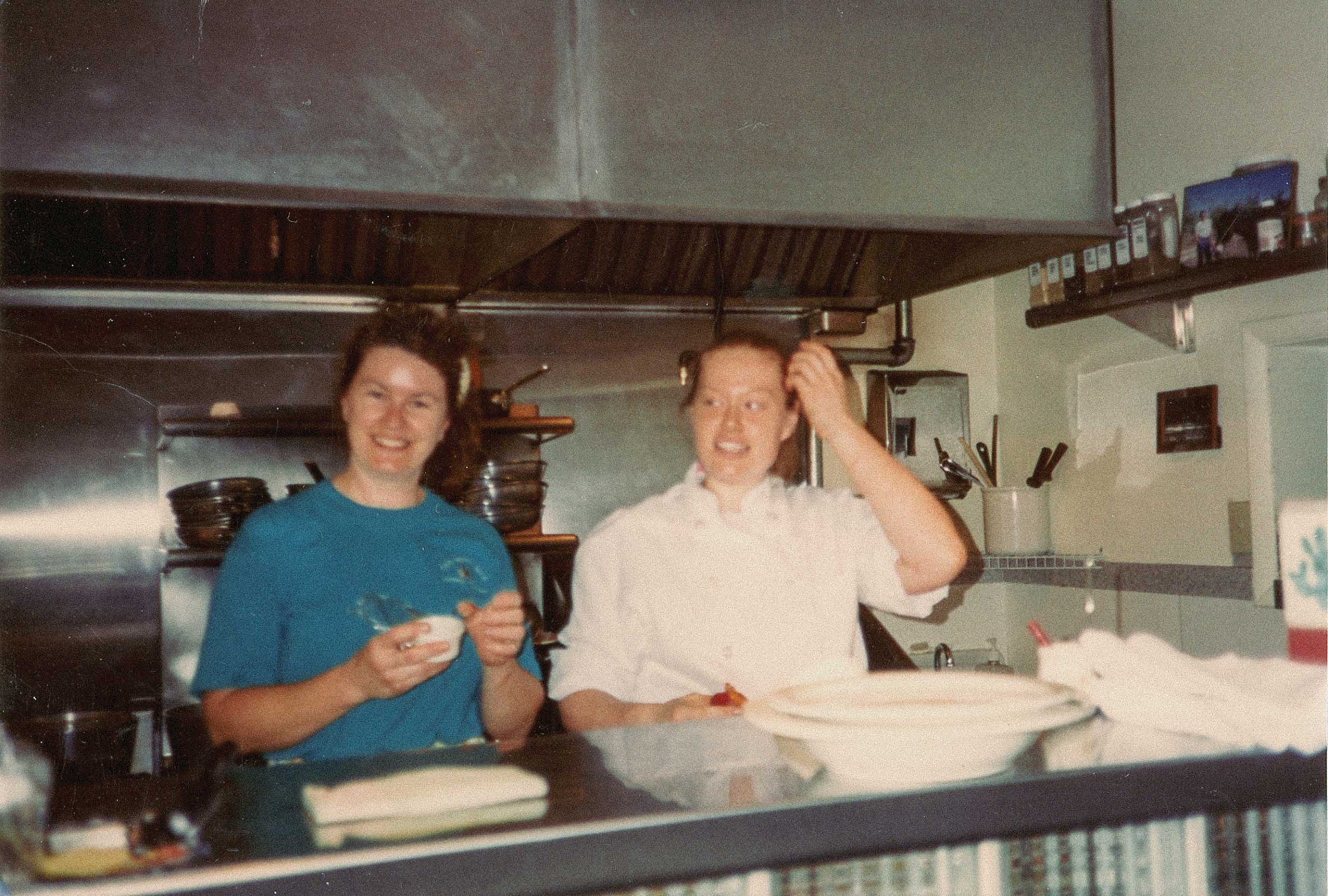
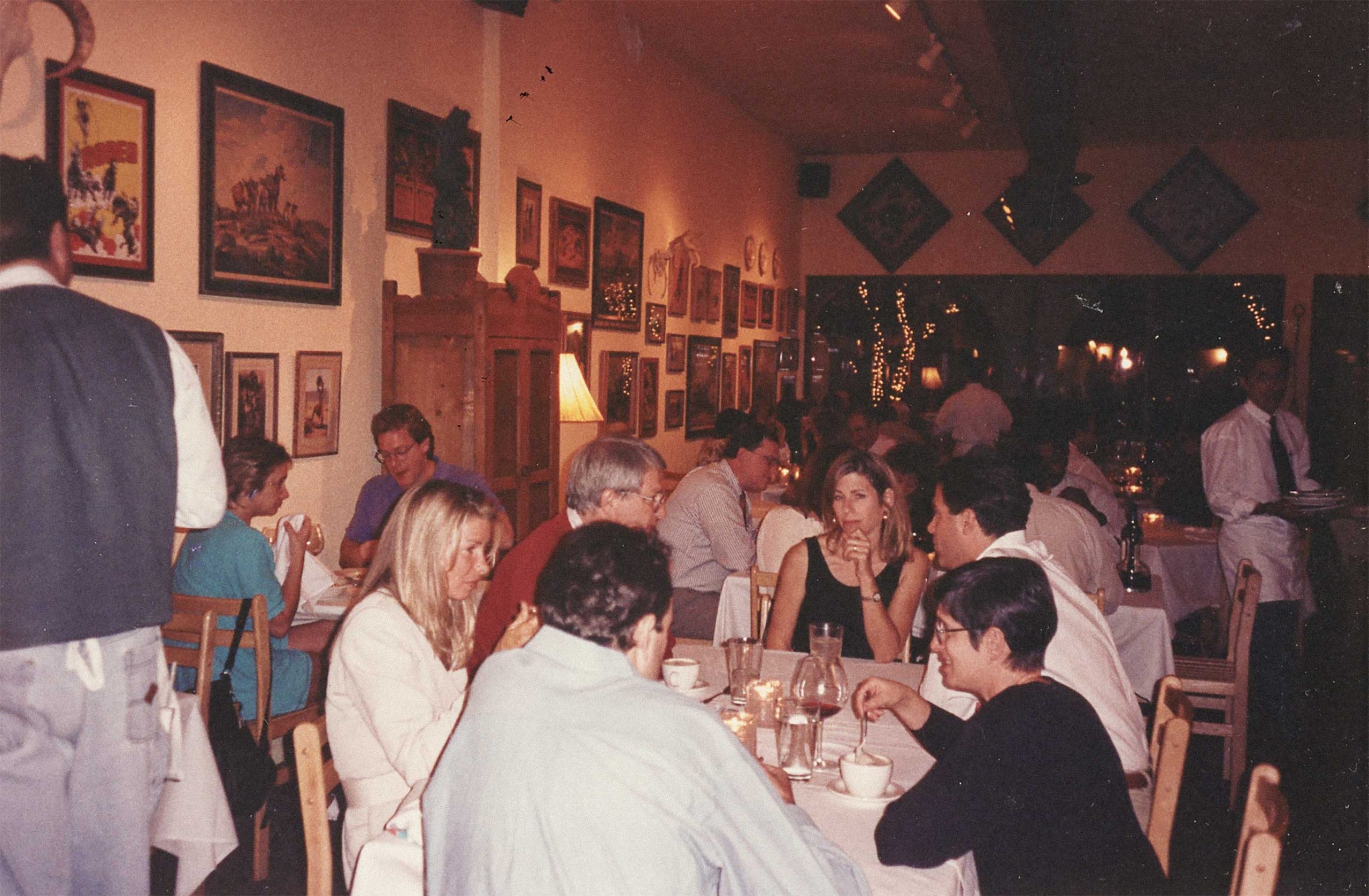
At her cowboy-chic restaurant in Scottsdale, chef-owner Chrysa Robertson turned out the kind of simple but sophisticated food customers wanted to eat every day. It was seasonal, local, honest and firmly rooted in Arizona. Charleen Badman, the FnB chef-owner who worked for Robertson back in the day, observes: “The smell of the mesquite grill, the open kitchen, the farmers coming through the back door… we take them for granted now, but these things contributed to our culinary culture today.” Rancho Pinot closed in 2021, and the space reopened as INDIBAR this spring.
PEOPLE OF THE ’90s
“The ’90s were the years when I came into my own – thanks to perseverance and some great cosmic timing. I had been looking to make a market jump from my main anchor gig at KBMT in Beaumont, Texas, and ended up getting the call to move to Arizona and replace Good Morning Arizona OG Jodi Applegate, whose talents were snatched by the network after seeing her during the 1996 Super Bowl.”
— Tara Hitchcock
Former Good Morning Arizona anchor

FIRST PASS
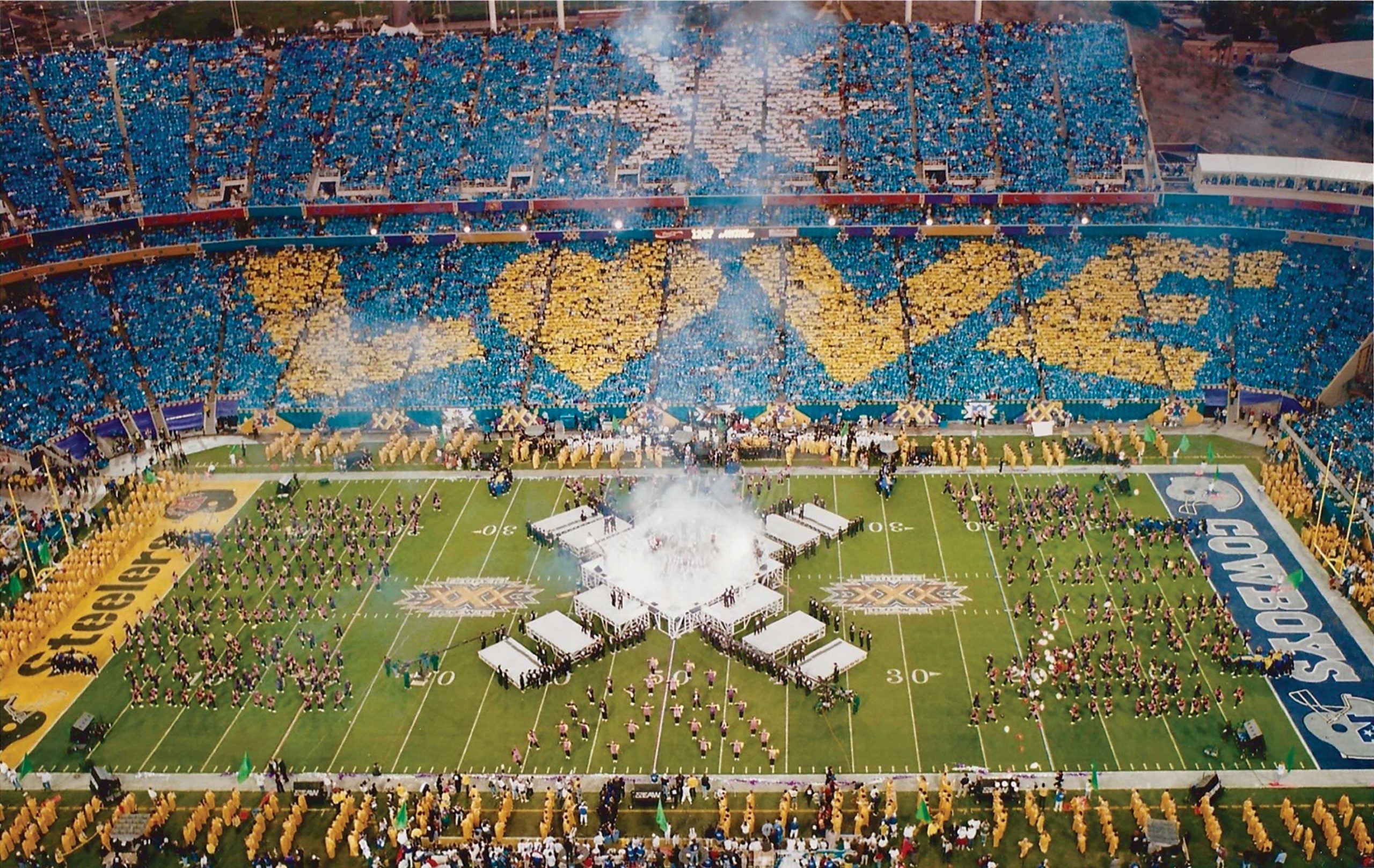
A card-effect created by local artist Joe Kivett kicks off Super Bowl XXX in Tempe. The Dallas Cowboys defeated the Pittsburgh Steelers 27-17 in the first-ever Arizona Super Bowl.
1997: Flying Objects
A year after getting its first Super Bowl, the Valley once again becomes the focal point of the sporting universe when 21-year-old Tiger Woods aces the 16th hole at the Phoenix Open in Scottsdale. And the airborne hijinks didn’t stop there…
Lights and Graft
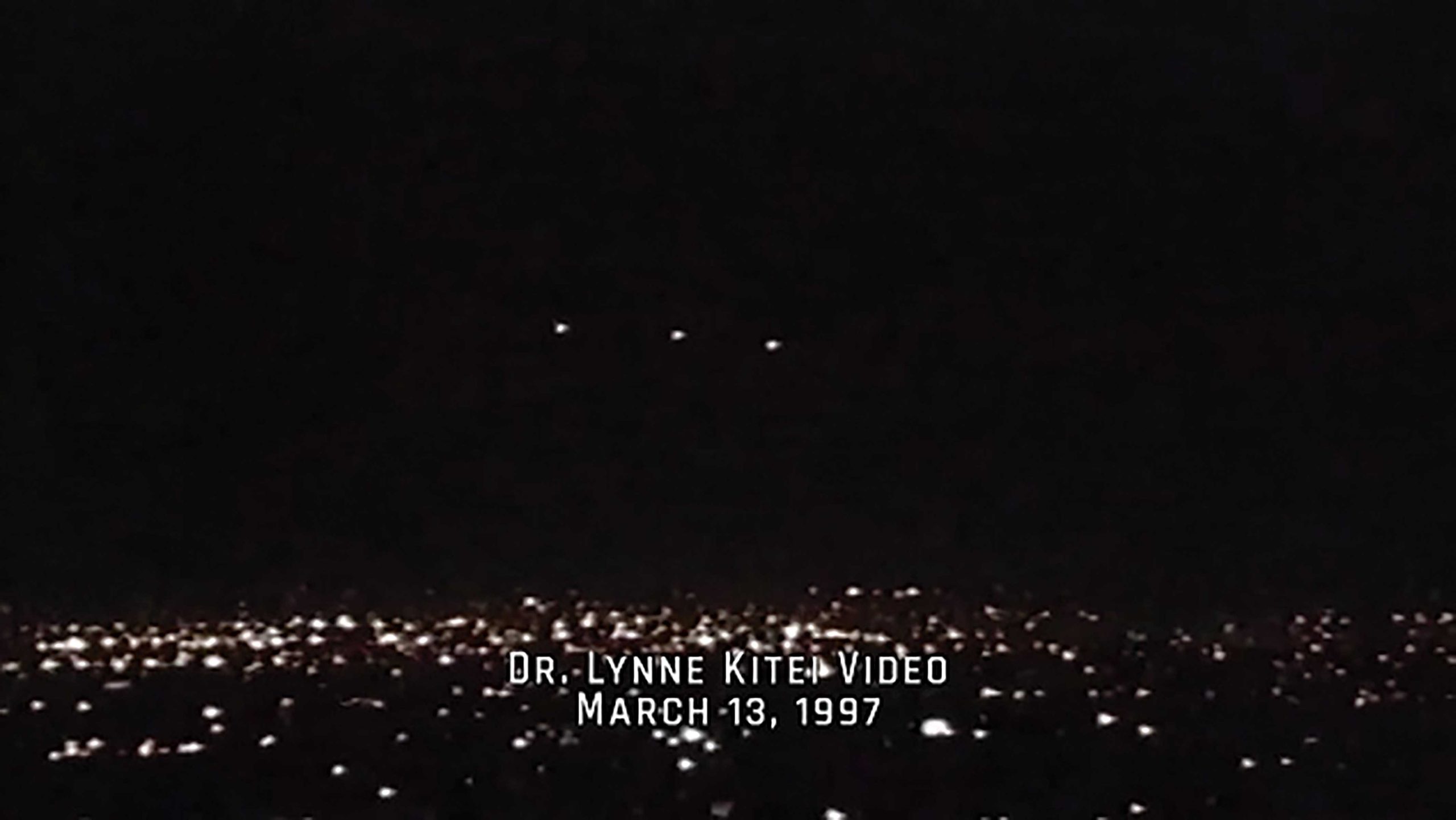
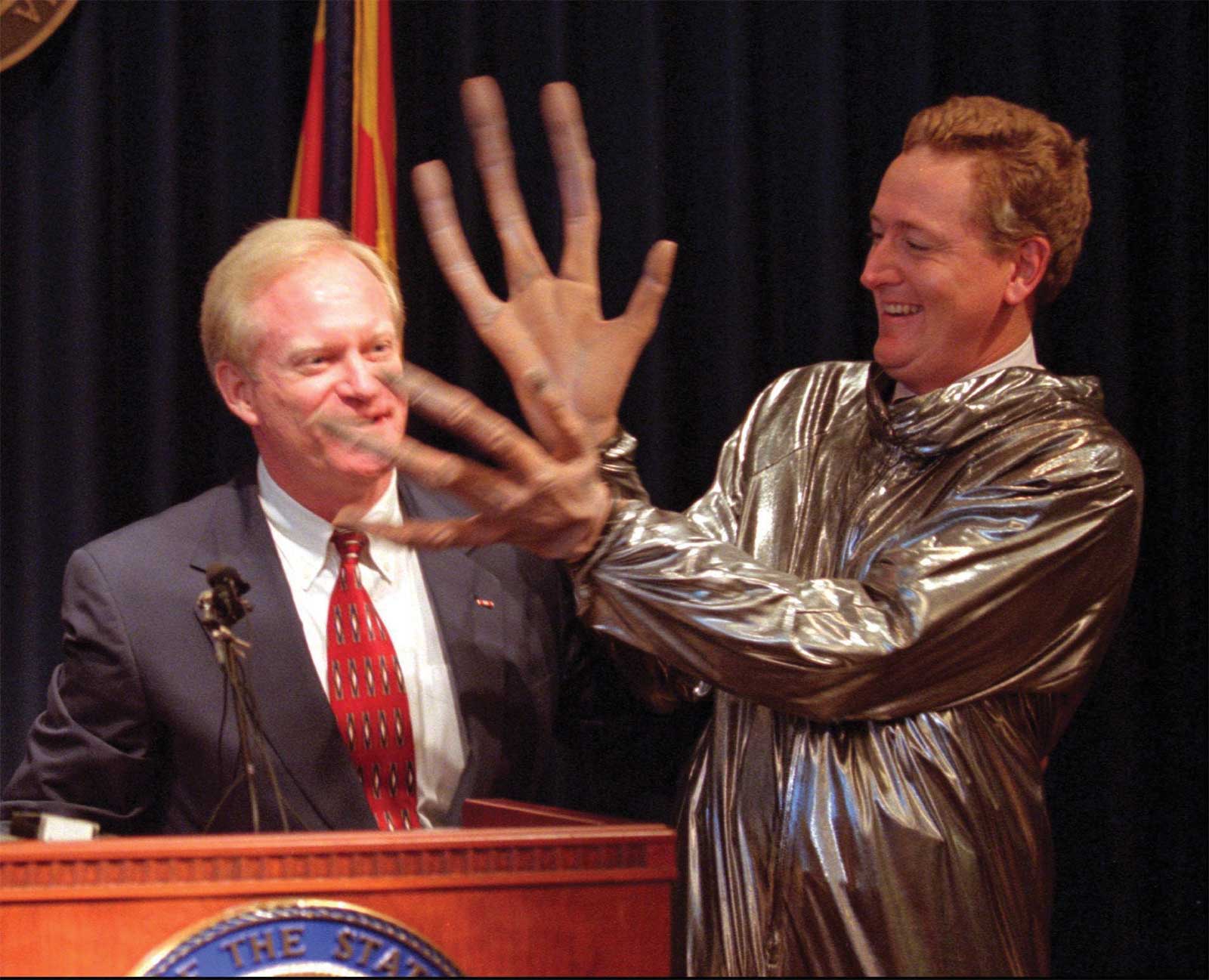
On March 13, 1997, Paradise Valley physician Lynne Kitei looked out a window and noticed three “huge amber balls of light” levitating in the night sky. Quickly locating her camera, she took a few shots. At the time, Kitei didn’t realize she was capturing photographic evidence of the Phoenix Lights, the mystifying formation of glowing orbs reported by thousands of witnesses that remains one of the most documented mass UFO sightings in modern history. Kitei later spoke with equally curious Sky Harbor air traffic controllers, who described seeing “six points of light… in rock-solid formation, appearing in an equidistantly spaced line at 1,000-foot altitude over Class B restricted airspace.” Kitei soon pushed her medical career aside to compile data, write a book and release a documentary in relentless pursuit of a logical explanation. “After 30 years of continued inquiries, I have yet to find one,” she says. Though he joked about the lights at a press conference and later claimed to be a witness, then-Arizona Governor Fife Symington had more on his mind than UFOs in 1997 – later that year, he was convicted of falsifying financial statements to defraud lenders in a commercial development project before he took office, leading to his swift resignation. The Ninth Circuit Court of Appeals overturned his conviction in 1999.
Cover Shot!
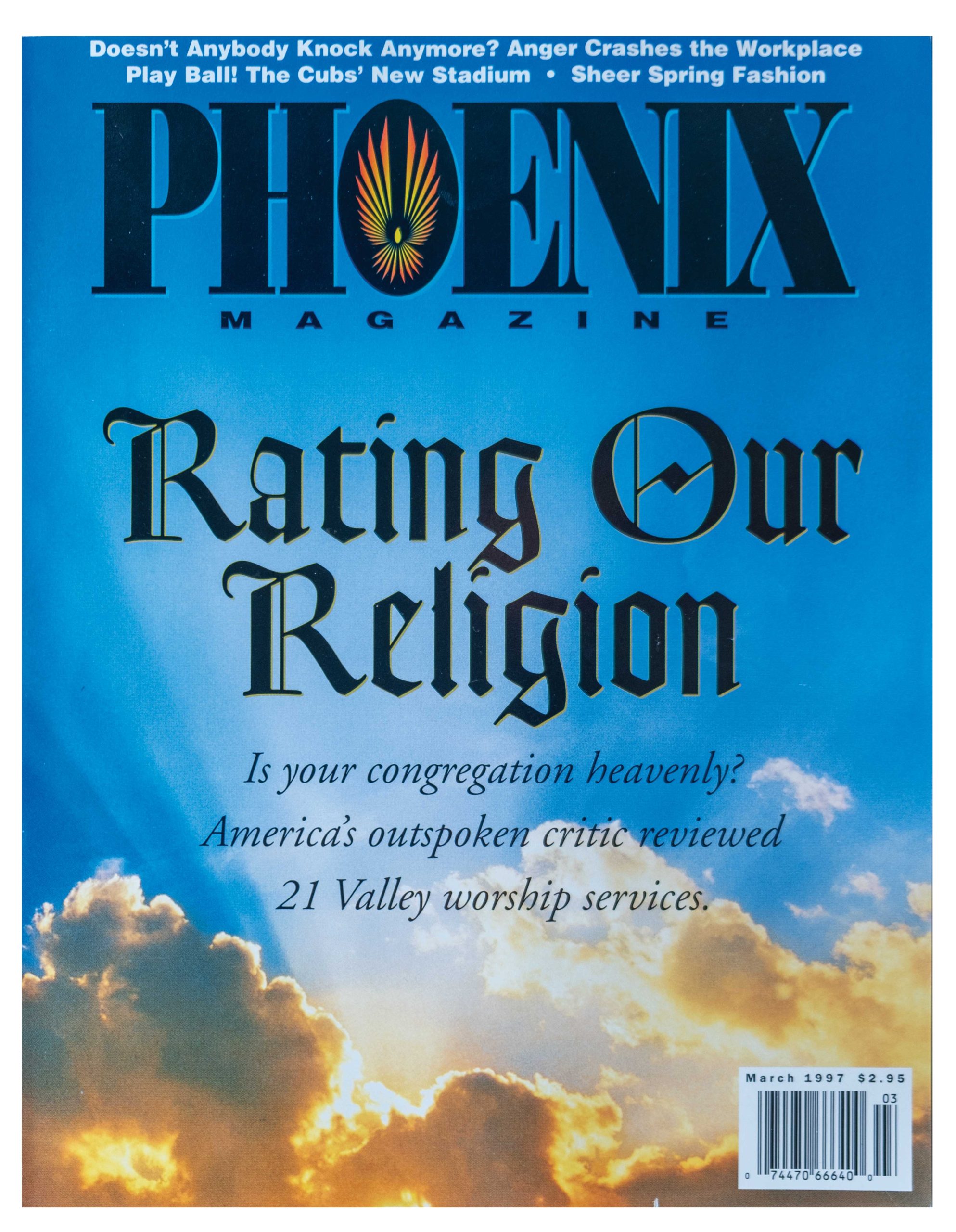
Lifestyle pubs will rank anything, won’t we? In our March 1997 issue, a critic called The Church Man rates 21 services from various religions and places of worship.
OTHER 1997 NEWS BITS
- Scott Falater stabs his wife, Yarmila, 44 times and drowns her in their Phoenix swimming pool, later claiming that he was sleepwalking and had no memory of the incident. Falater is currently serving a life sentence without the possibility of parole for first-degree murder.
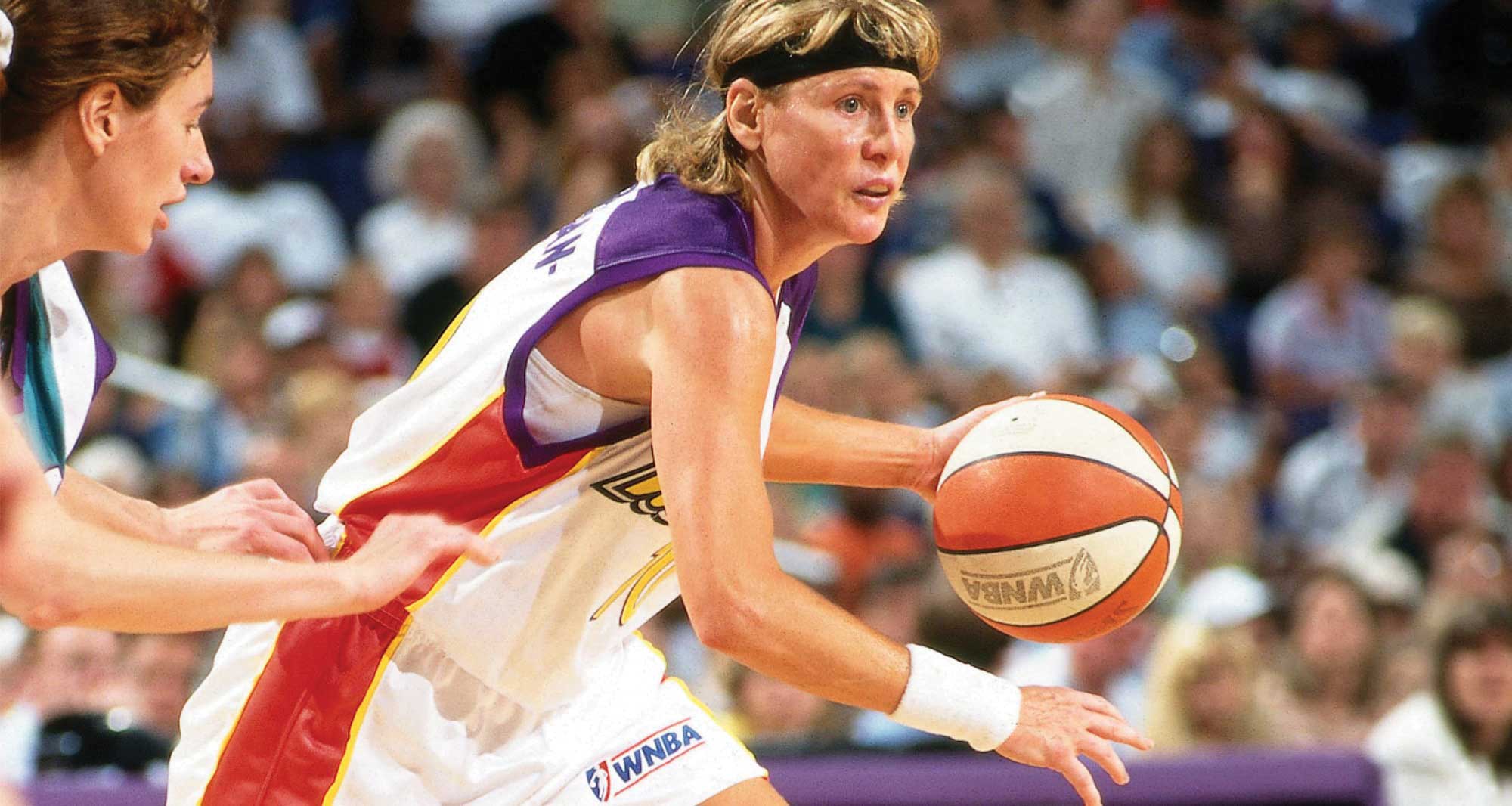
- The Phoenix Mercury’s (pictured) strong inaugural season helps fuel the the growth and popularity of the WNBA in the Valley and beyond.
- Phoenix entrepreneur Bob Parsons launches internet domain company GoDaddy, which quickly grows into a household-name web hosting empire.
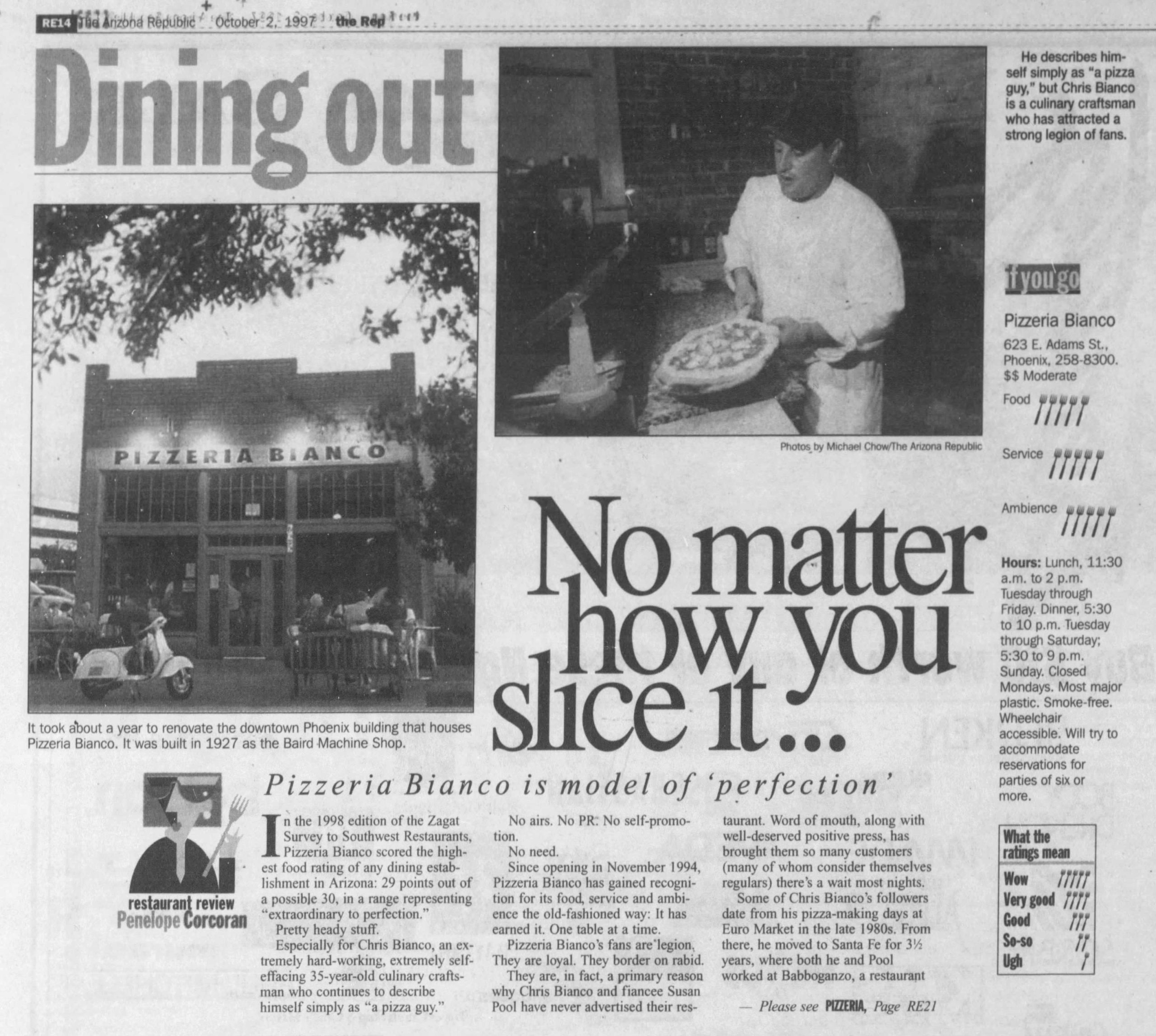
’90s Hot Spot: Pizzeria Bianco
Already a cult favorite in culinary circles, pizza-maker extraordinaire Chris Bianco moved his Town & Country pizzeria to Heritage Square in 1997 and promptly became a mainstream sensation, stacking up three-hour waitlists with his beautiful, wood-fired pies. Soon, the secret was out on a national level. Bianco became the first (and only) pizza chef to win a James Beard Award in 2003, and food writer Ed Levine of The New York Times declared Bianco’s pizza the best in the U.S., which only exacerbated the long lines. Local organic farmer Bob McClendon says of this humble perfectionist, “Chris always inspired us to go the extra mile for quality.”
PEOPLE OF THE ’90s
“During the summer of 1996, I was invited to speak to a group of schoolteachers attending a summer school class at ASU. Afterward, they decided to prevail upon the governor to name me Arizona’s official state historian. I told them they were wasting their time, as he [J. Fife Symington III] had a lot on his plate. But in the spring of 1997, I received a request to come to the old Capitol building to receive my appointment.”
— Marshall Trimble
Official state historian

SMELLING ROSES
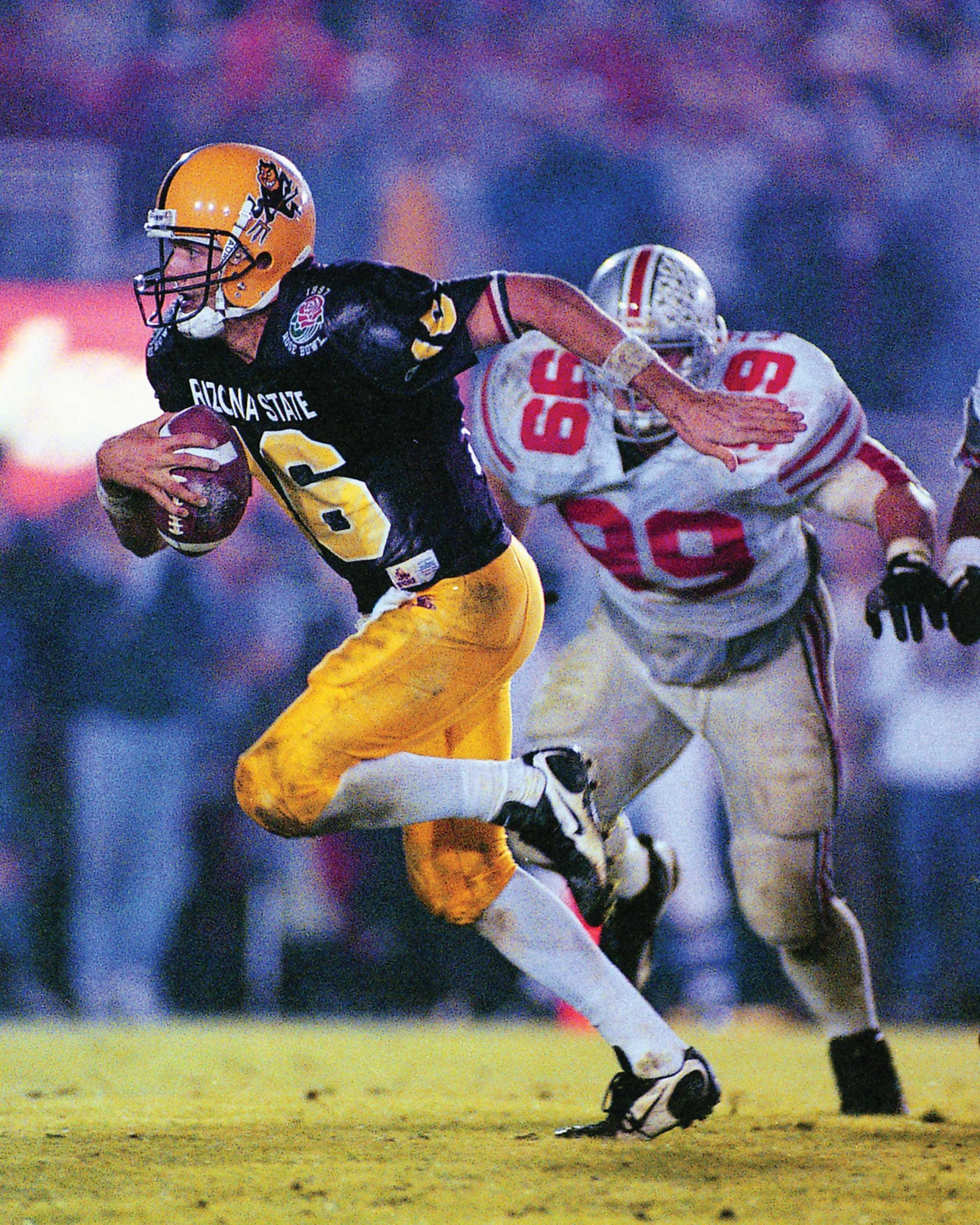
Arizona State University quarterback Jake Plummer scrambles against Ohio State University defenders at the 1987 Rose Bowl. The Sun Devils suffered a narrow 20-17 defeat in the school’s second Rose Bowl appearance, in 1997
1998: This City is Stacked
The Monica Lewinsky scandal, er, comes to a head while Titanic sinks its competition at the box office. Meanwhile, Phoenix assumes a more buxom cultural appearance, with a new Major League Baseball team, a growing core of chef-owned restaurants and other big-city endowments.
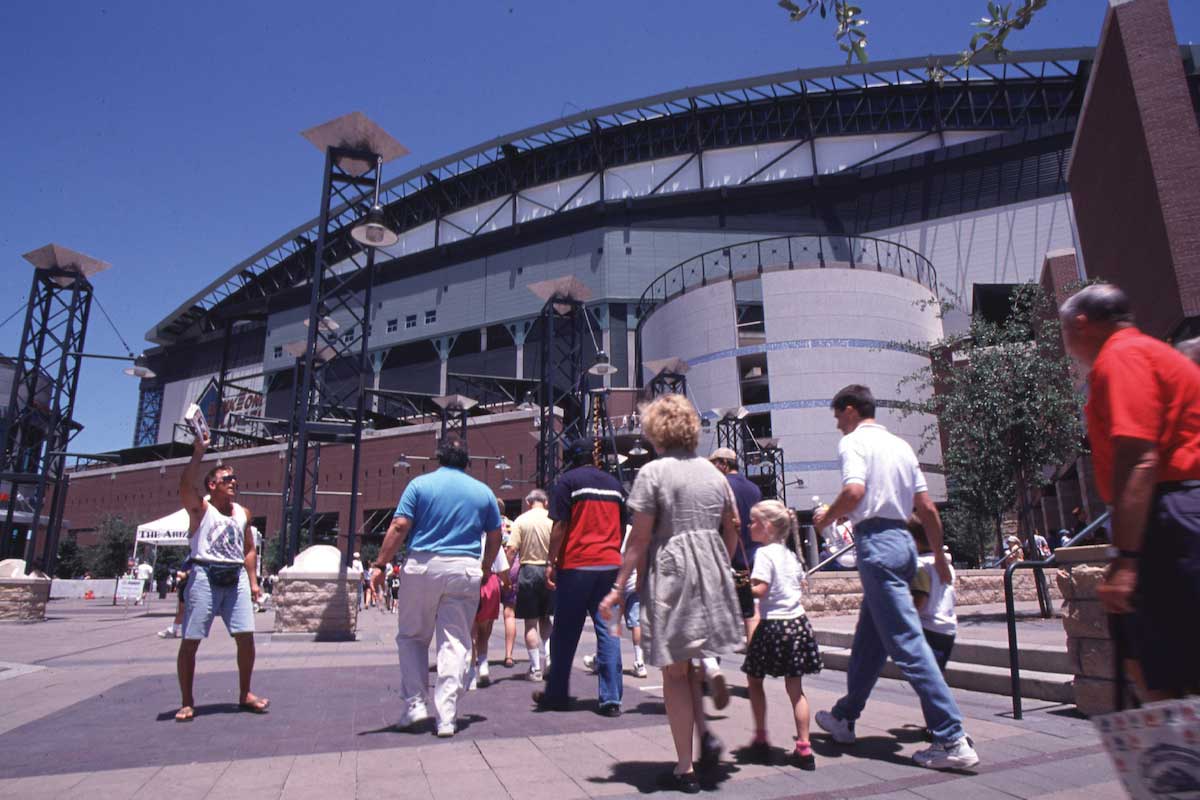
Joy in Desertville
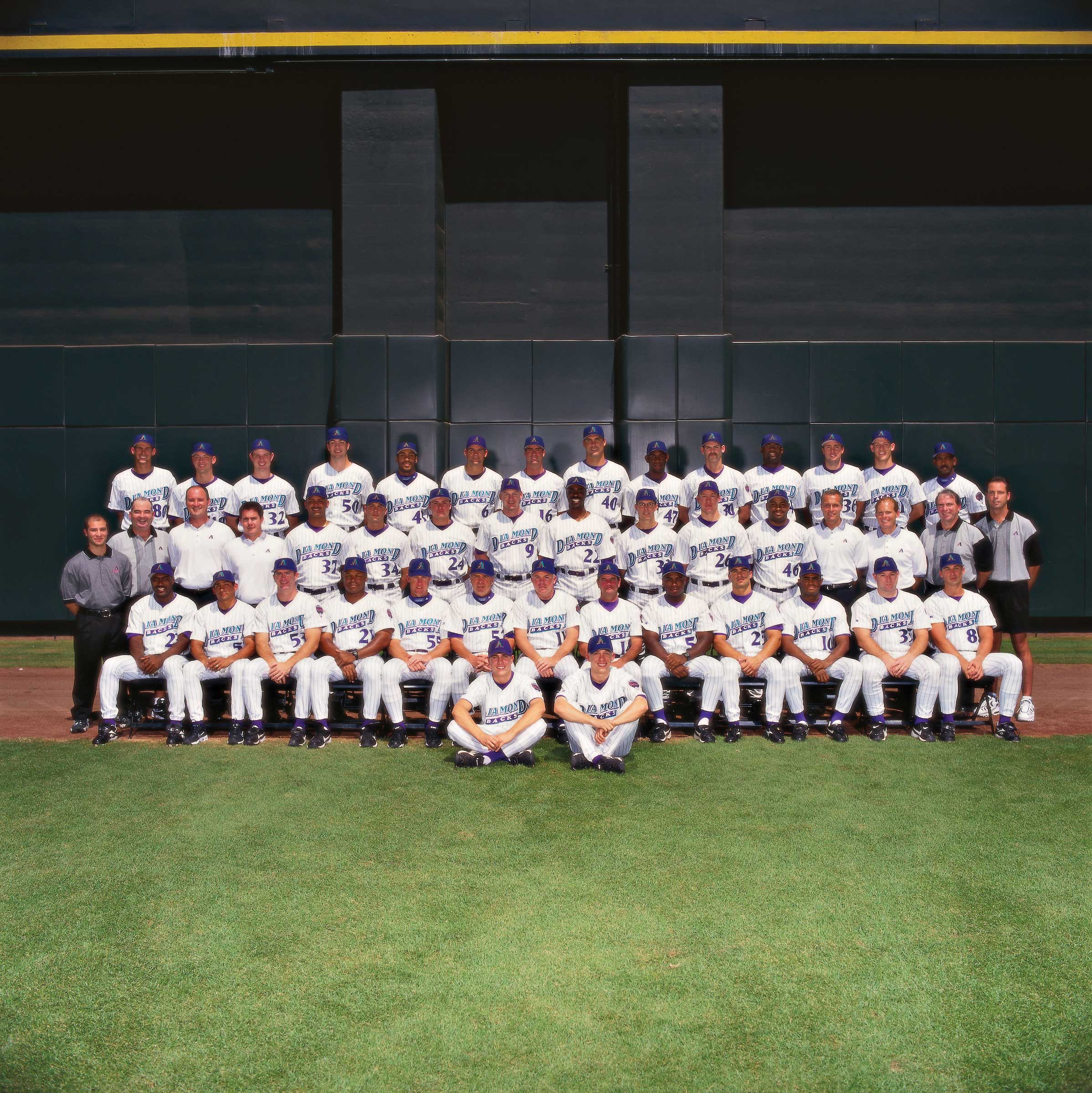
It’s not like Valley baseball fans had nothing to cheer for prior to 1998. Greater Phoenix had hosted Major League Baseball spring training games since 1947, and the city was the proud home of the Phoenix Thunderbirds, a very serviceable minor league team. But their fortunes clearly improved the moment righthander Andy Benes hurled the first official pitch in Arizona Diamondbacks history on the evening of March 31. Tickets for Opening Day went on sale in January and sold out within hours, packing nearly 50,000 fans into Bank One Ballpark, a cutting-edge sports facility featuring a retractable roof and a swimming pool, to see the D-backs take on a fellow expansion franchise, the Colorado Rockies. The pre-game festivities rivaled the game itself. A skydiving team soared through the stadium’s open roof to land in centerfield, while an ensemble of Arizona’s musical hall-of-famers – including Alice Cooper, Dave Mustaine, Nils Lofgren and Joni Sledge – sang the National Anthem. “I still remember the reaction of the people when the roof started to part,” says Greg Schulte, the team’s radio play-by-player announcer from 1998 to 2023. “Everybody got on their feet and cheered. It was quite a sight to behold.” Despite the tuxedos Schulte and his broadcast mates wore in the booth, the team lost 9-2 and finished the season 67-95. “Everything was so new for the ballclub, the broadcasters and the fans, you appreciated every moment of it – even the losses,” Schulte says.
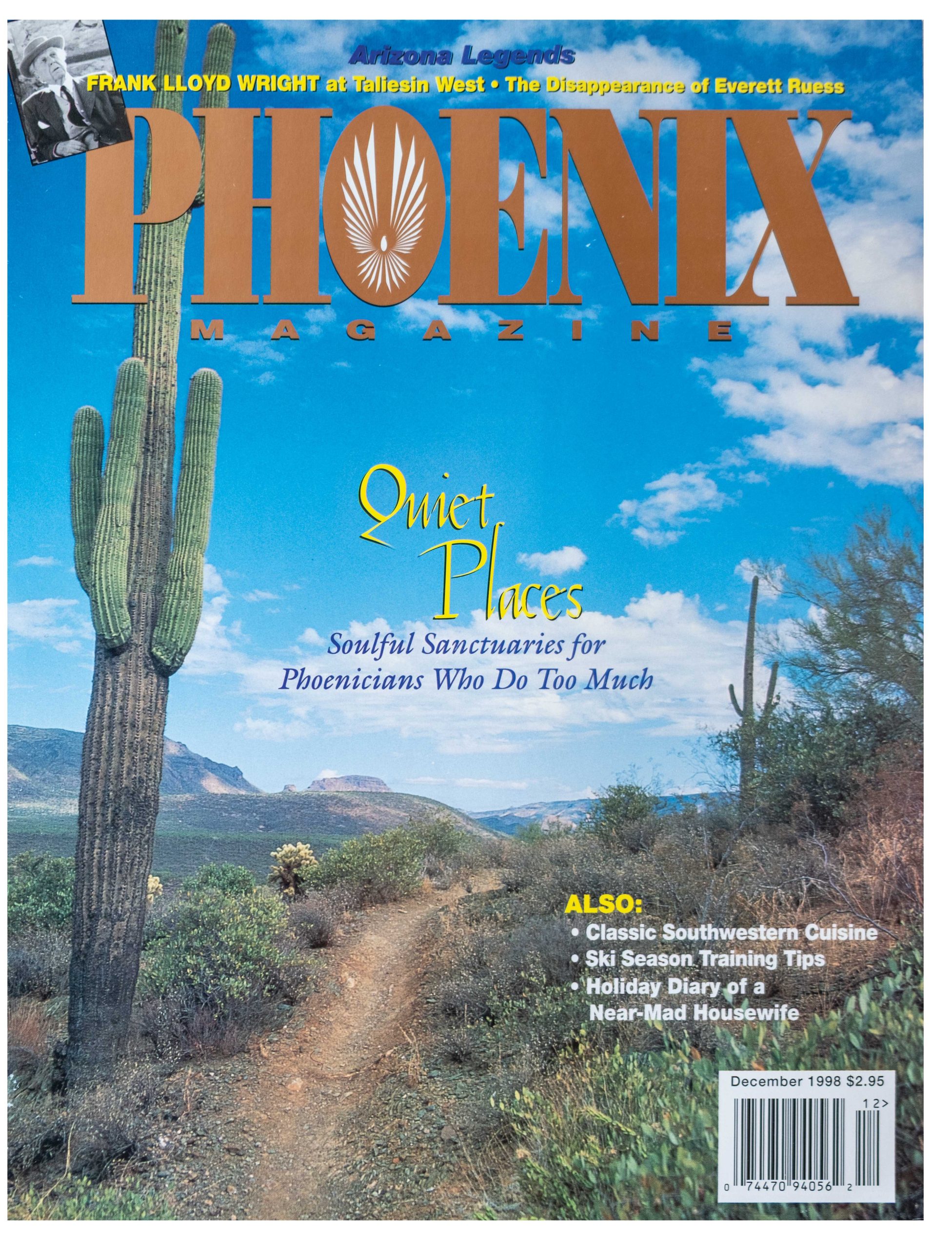
Cover Shot!
Our December 1998 cover story starts with a person kvetching about being bothered by the phone. Don’t tell them that smartphones and push notifications are coming.
OTHER 1998 NEWS BITS
- The Del E. Webb Corporation designs and builds Anthem, a master-planned community spanning 7 square miles of unincorporated land at the base of the Bradshaw Mountains.
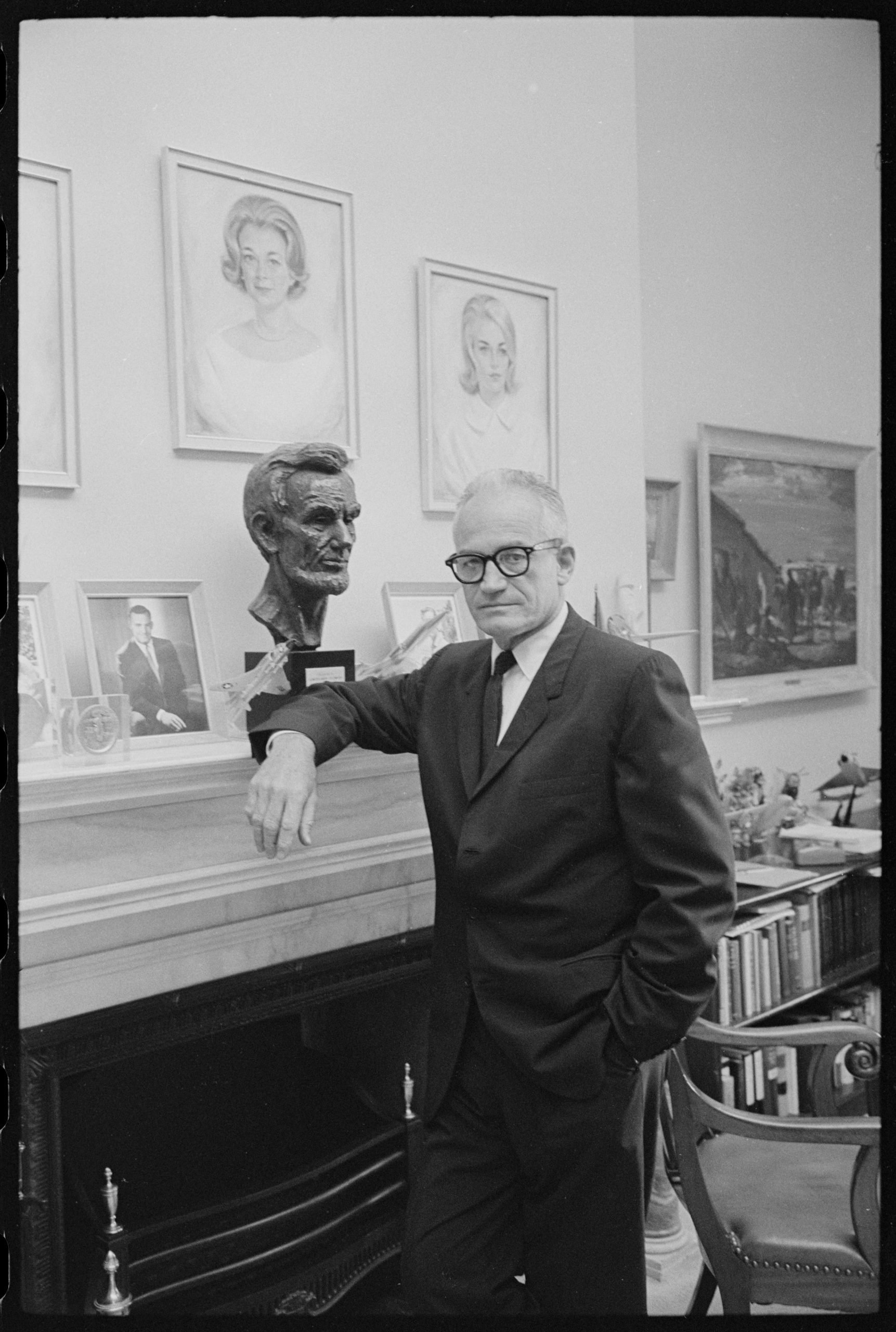
- Phoenix’s beloved native son and former Arizona senator Barry Goldwater (pictured) dies in his Paradise Valley home at the age of 89.
- Arizona State University student Benny Silman pleads guilty to charges related to a high-profile point-shaving scandal in which he allegedly bribed players to manipulate the point spread of ASU basketball games. The events rock college sports and inspire Ernest Dickerson’s 2002 film Big Shot: Confessions of a Campus Bookie.
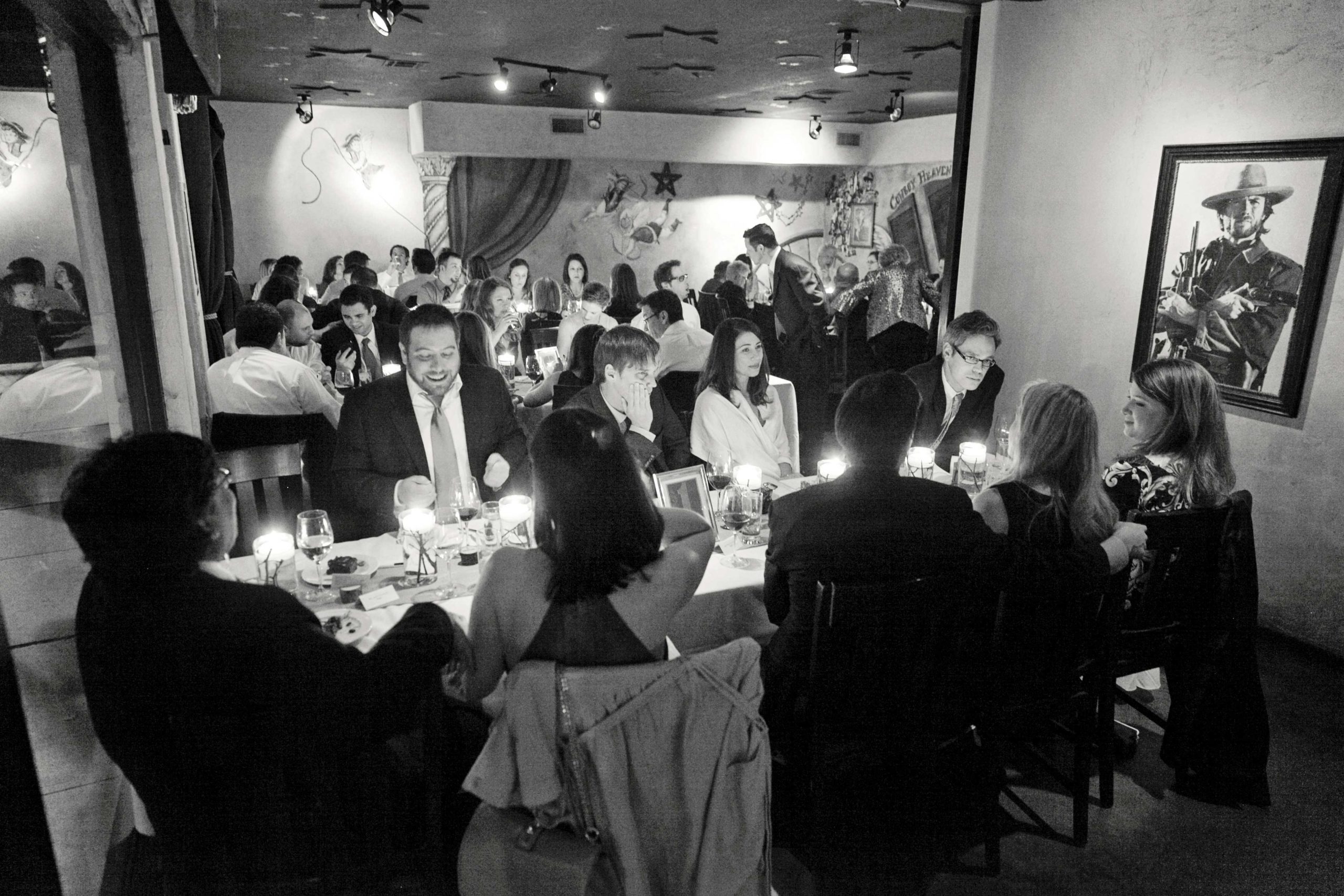
’90s Hot Spot: Cowboy Ciao
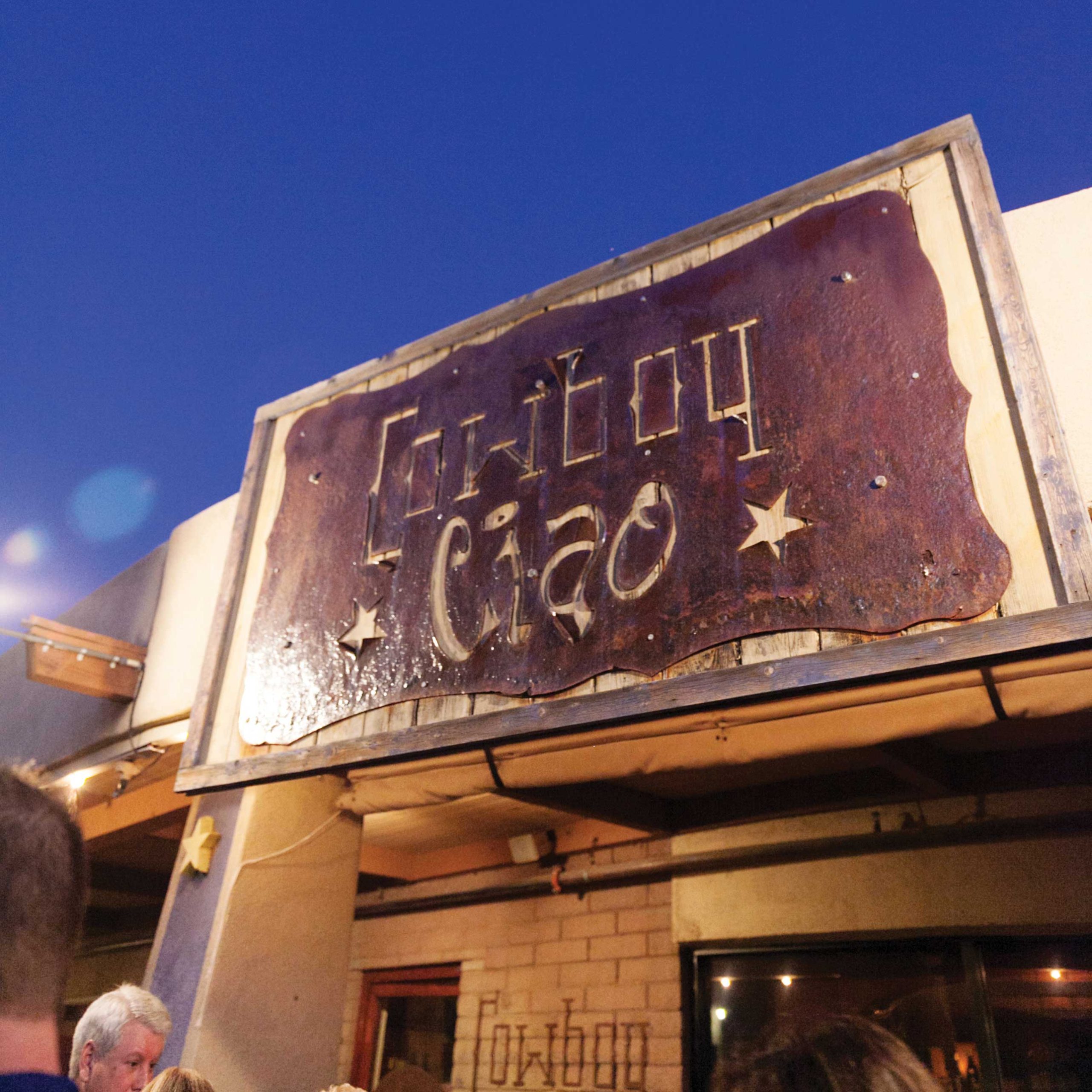
Peter Kasperski’s Old Town Italy-meets-Southwest restaurant was cool and quirky, a hipster hangout that drew the likes of George Clooney, Danica Patrick and Charles Barkley, thanks to its huge, hilariously descriptive wine list and iconic dishes such as the Stetson chopped salad and exotic mushroom panfry. Former head chef Bernie Kantak – who went on to found Citizen Public House, The Gladly, Beginner’s Luck and Minnow – says Kasperski and partner Marianne Belardi “bent over backwards to make every guest feel like the most important person in the room.”
PEOPLE OF THE ’90s
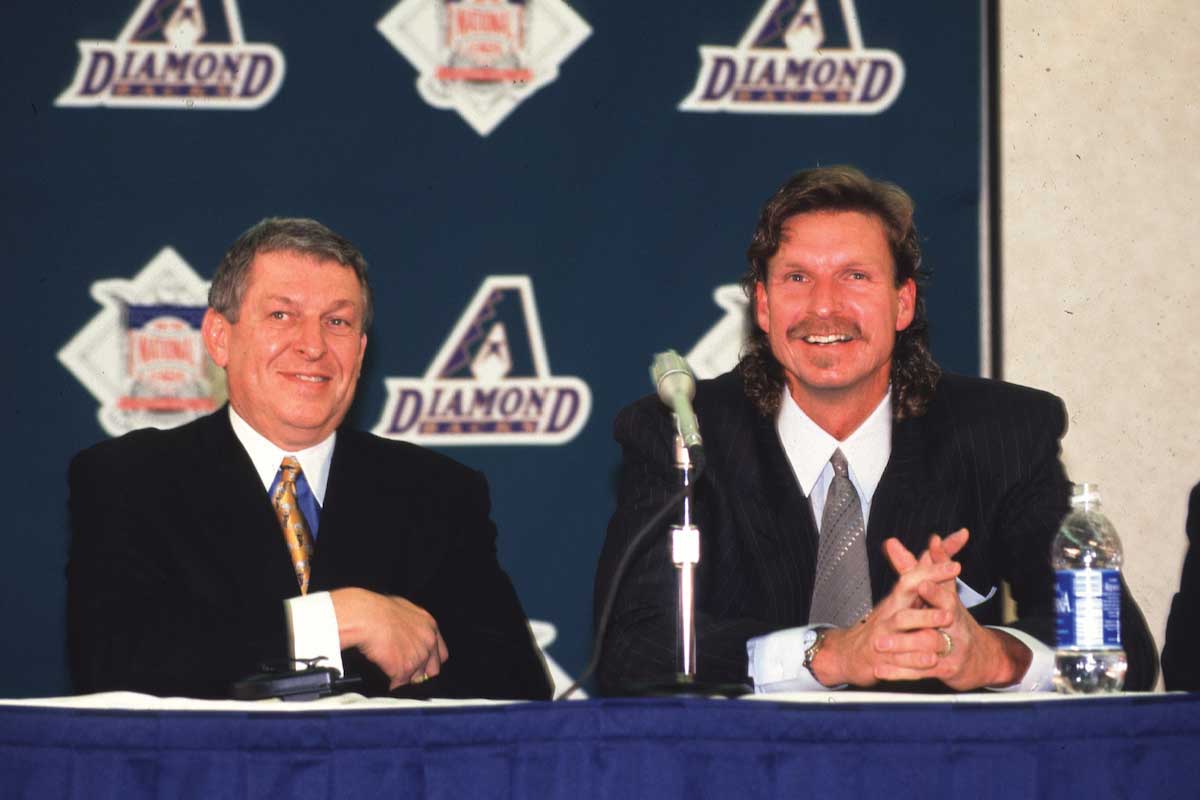
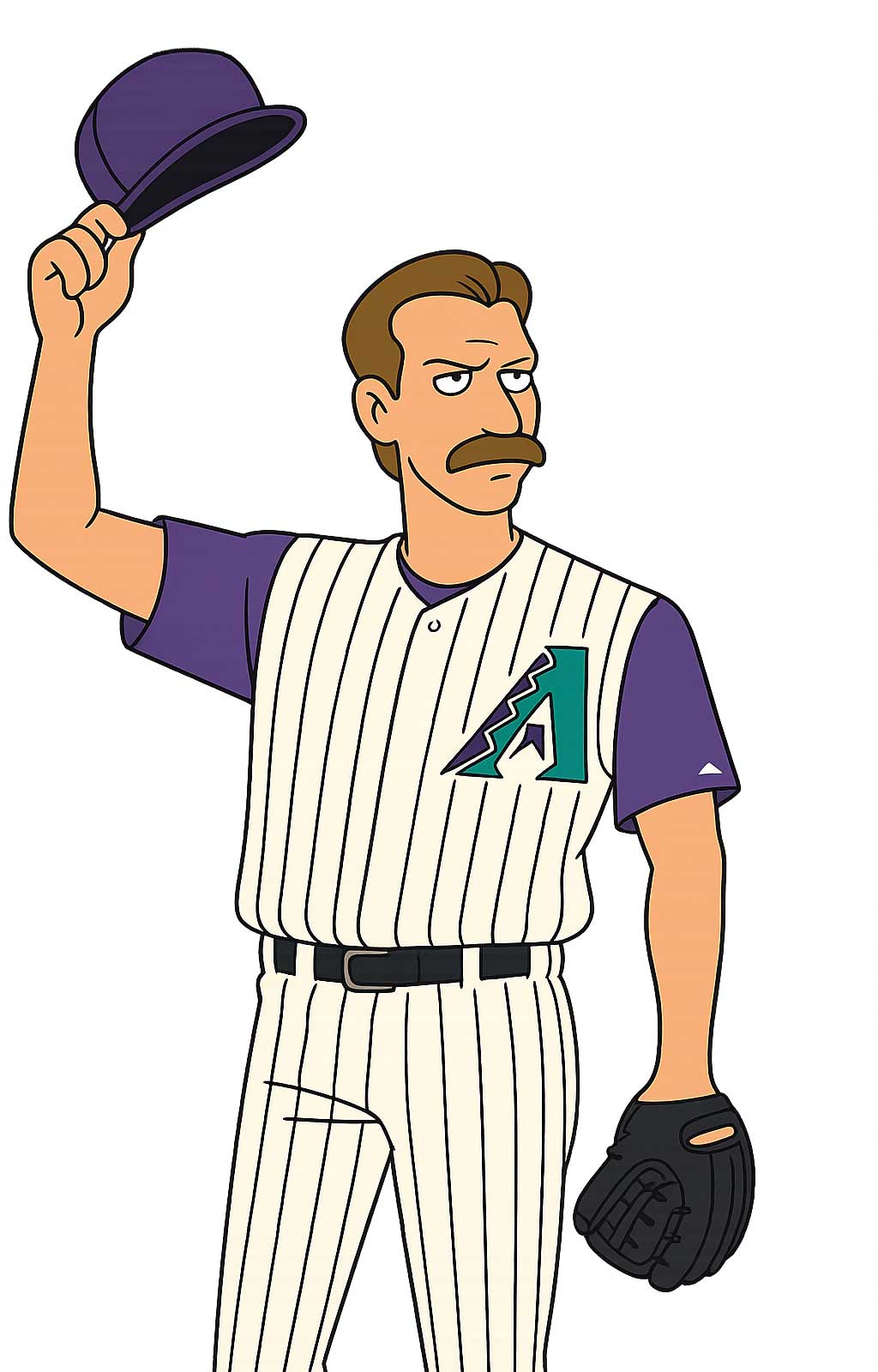
“Obviously, the highlight of my career was winning the World Series here in Arizona [in 2001]… [but] Jerry Colangelo brought me on board in 1999, the [team’s] second year. That was the first of four Cy Youngs that I won, which go to the best pitcher in the league, and then we also won the division that year.”
— Randy Johnson
Former Arizona Diamondbacks pitcher
THE SWINGIN’ SLINGER
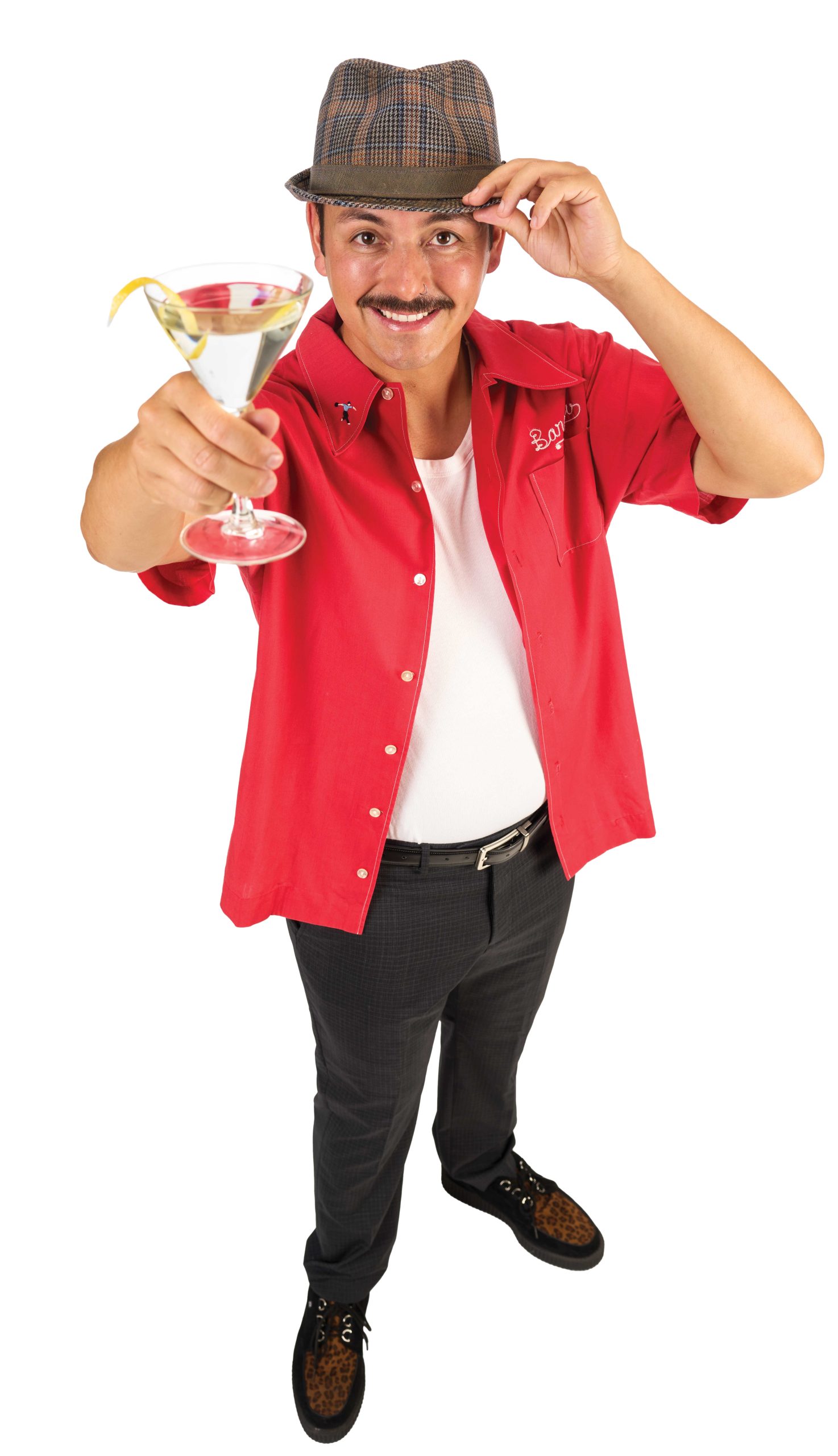
Mixology Pro Ruben Fernandez III
As the lead bartender at Carry On – the white-hot Downtown cocktail bar modeled after a 1970s passenger jet, complete with mid-flight turbulence – Fernandez is accustomed to era-specific outfits. As such, he rocks our Swingers-inspired ensemble of bowling shirt, ribbed tank and fedora. Outkast, The Notorious B.I.G. and Three 6 Mafia are his ‘90s jams. And to drink? “Tokyo Tea!” he says – essentially a Long Island with melon liqueur.
1999: City of the Future
Y2K anxiety nips at the national mindset as excited Americans look ahead to the 21st century – while Phoenicians reflect on a monumental decade that saw the desert metropolis leap four spots to become the sixth most-populated U.S. city.
Capital Gains
Phoenix in the 1990s was a city of paradoxes. It embraced urban sprawl, but largely neglected reliable public transit options. Its swelling population created a cultural melting pot, yet minorities remained underrepresented in public service roles. “Phoenix is ambitious and lazy, visionary and prone to the short hustle, on the leading edge and embarrassingly behind… and Phoenix is now so big,” local journalist and author Jon Talton mused in his 2015 book A Brief History of Phoenix. One thing is certain: The ’90s was a growth decade. Metro Phoenix’s population increased by more than 30 percent during the 1990s, jumping from 2.2 million in 1990 to more than 3 million in 1999. Chandler’s population more than doubled, and Gilbert grew by 300 percent. At its peak in 1999, Metro Phoenix was adding more than 4,000 single-family homes to the market every month. Major segments of urban arteries like Loop 101 and Loop 202 steadily opened, and Sky Harbor was transporting 25 million passengers per year. By 1999, Phoenix had largely shed its reputation as a dusty cow town lacking cultural depth and diversity, but it was also economically a monoculture, holding tight to a growth-first ethos it would not surrender until after the housing bubble collapse of 2008. In 2017, Phoenix passed Philadelphia to become the nation’s fifth-largest city.
Cover Shot!
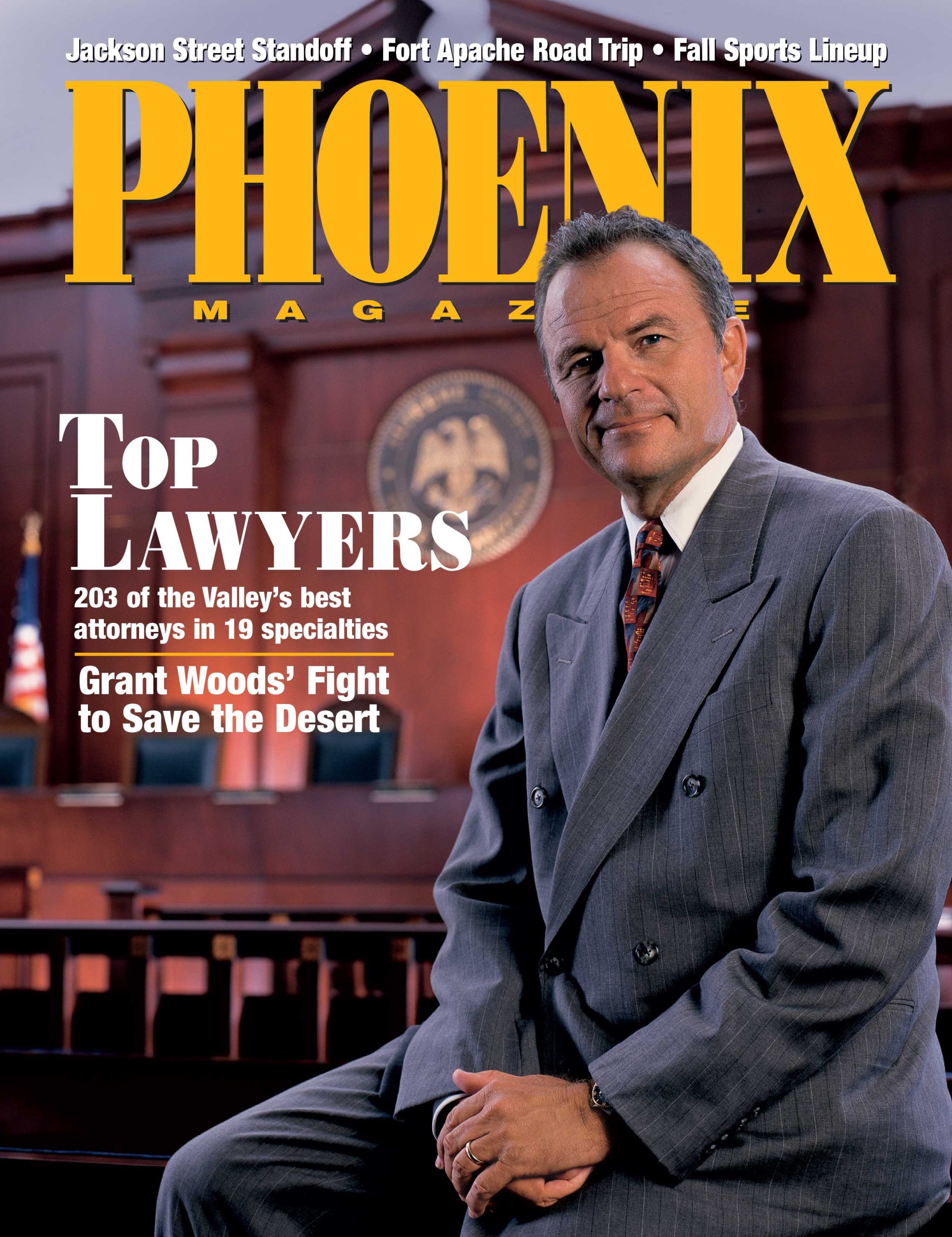
Former attorney general Grant Woods (RIP) graces our September 1999 cover, bringing a humanizing element to Top Lawyers with his impassioned environmental advocacy.

OTHER 1999 NEWS BITS
- Arizona’s Samaritan Health System merges with North Dakota-based Lutheran Health System to form Banner Health. Headquartered in Phoenix, Banner Health now operates hundreds of health centers, hospitals and clinics throughout the Southwest.
- The Central Phoenix/East Valley Light Rail Project finalizes route plans for a 20-mile line linking Phoenix, Tempe and Mesa – creating the blueprint for the rollout of the Valley Metro Rail in 2008.
- The finalization of man-made reservoir Tempe Town Lake (pictured) turns a 2-mile stretch of dry riverbed into a vibrant urban waterway in the heart of the desert.
’90s Hot Spot: Axis-Radius
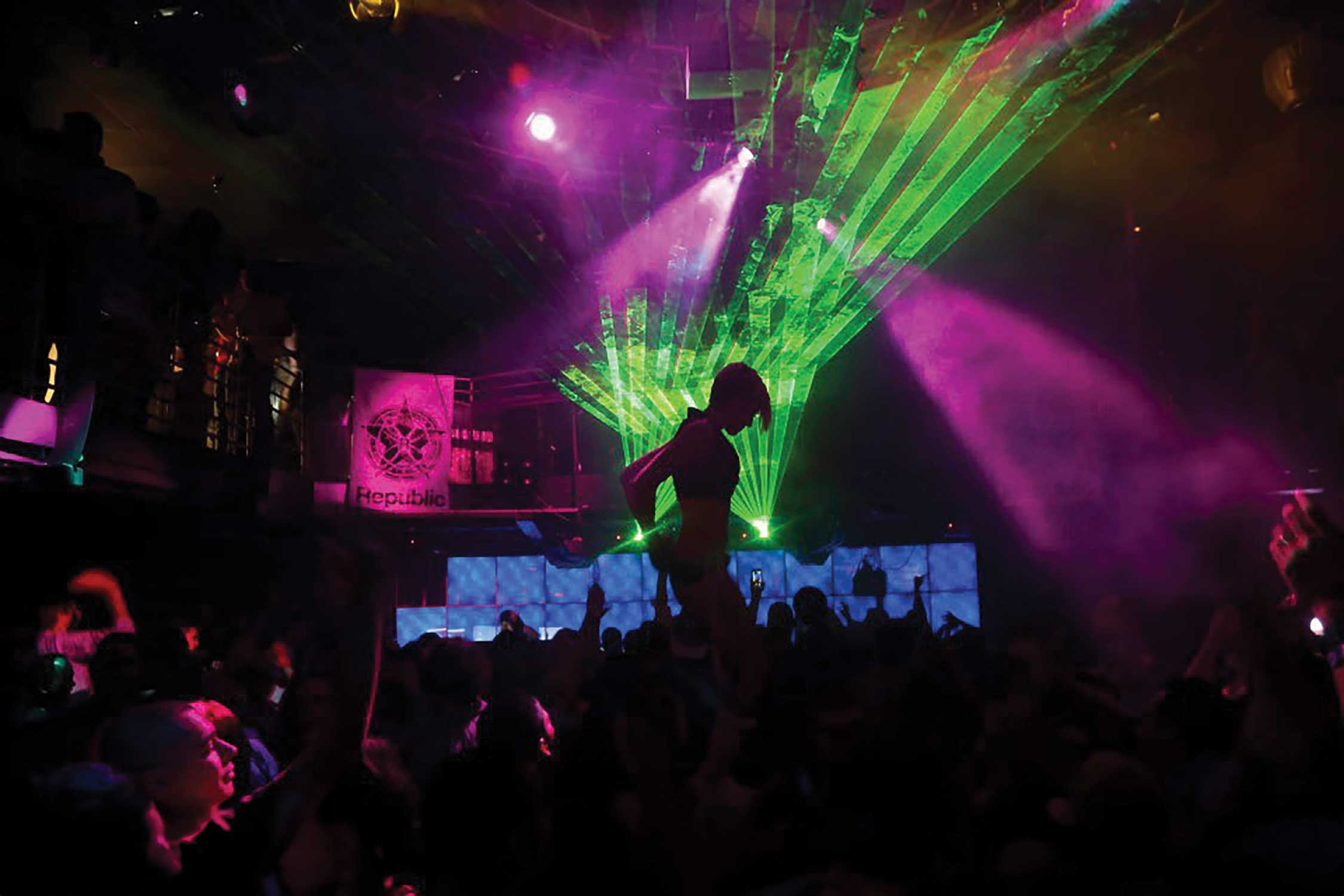
Nightlife in the late 1990s was all about velvet ropes and bottle service. And no nightclub in the Valley played the role more perfectly than owner Les Corieri’s two-headed den of debauchery in Old Town. Axis, a martini and cigar lounge, opened in 1997, but it wasn’t until its adjacent, dance-centric sister property went online the following year that Axis-Radius achieved critical mass, transforming a dusty, disused section of Scottsdale into an ocean of body-con skirts and Steve Madden slip-ons, aka the “entertainment district.” Corieri closed the nightclub in 2013, but its legacy lives on in the form of Bottled Blonde, the W Scottsdale and other scene-y crowd-pleasers that followed in its wake.

PEOPLE OF THE ’90s
“The first [Valley restaurant] we did was Bloom at Gainey Center… in 1999. I’d come up from Tucson a lot and I’d go to all these great restaurants [including Chicago-style steakhouse] Oscar Taylor’s. Our friend Lee Cohen did that. I was talking about the carrot cake last night, how great it was.”
— Sam Fox
Fox Restaurant Concepts founder

DAMES OF THE DESERT
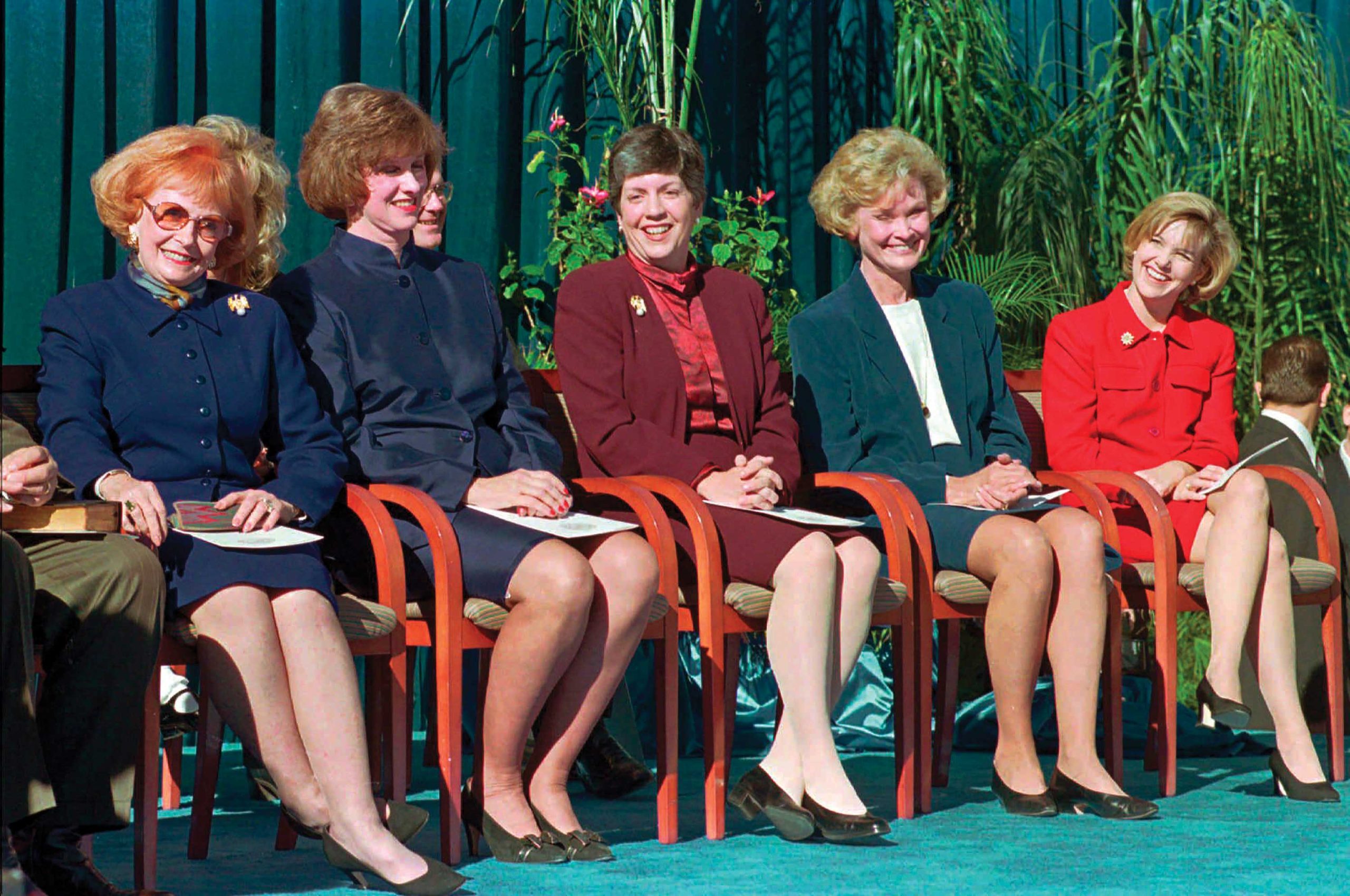
From left, Governor Jane Dee Hull, Secretary of State-elect Betsey Bayless, Attorney General-elect Janet Napolitano, Treasurer-elect Carol Springer, and Superintendent of Public Schools-elect Lisa Graham Keegan wait to be sworn into office in January 1999. It marked the first time in U.S. history that women simultaneously held the five top constitutional offices in a single state.