How these cutting-edge Valley medical groups became trusted institutions for patients across Phoenix.
By Jason Keil | Original Photography by Mirelle Inglefield
The Phoenix area is home to some of the nation’s leading, large-scale hospital networks and medical centers. But it also has a rich legacy of homegrown, doctor-led specialty clinics that have evolved from humble beginnings to become industry leaders. Here are five stories of clinics established in the Valley that are dedicated to improving the health of Arizonans.
Atria Heart
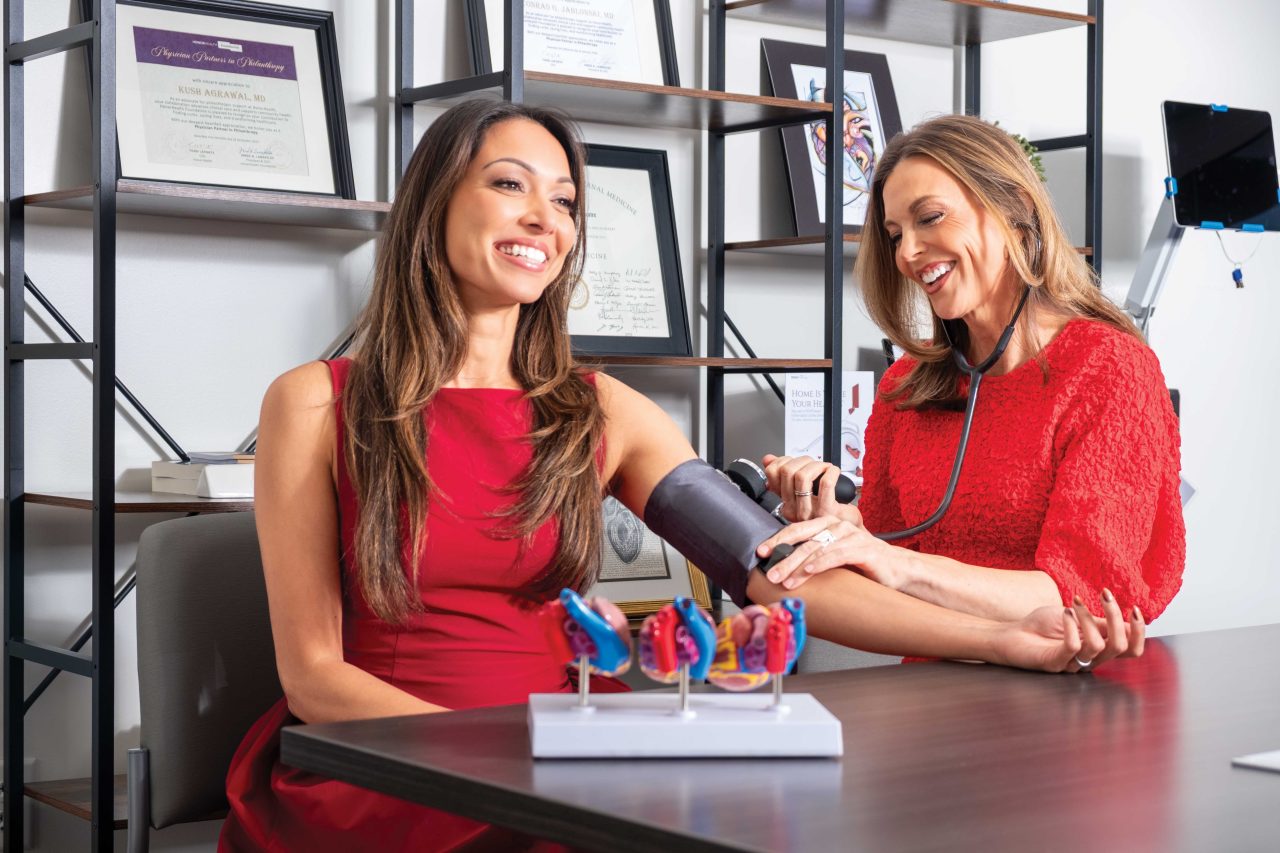
Heart disease is the leading domestic cause of death in men and women alike, according to the Centers for Disease Control and Prevention. But while the risk for heart disease increases as men age, it can be highest in women during their pregnancy years. Carrying a child acts as a “stress test” on the cardiovascular system, and the health issues that arise during pregnancy can signal an elevated long-term risk for heart and blood vessel problems.
Dr. Christina Reuss, a cardiologist at Atria Heart clinic, explains that the higher prevalence of obesity in women during pregnancy can contribute to conditions such as preeclampsia and high blood pressure, both of which are linked to the increased risk of heart disease.
Given this information, one might expect the number of male and female cardiologists to be evenly split. However, a recent study in the Journal of the American College of Cardiology found that women constitute only 15 percent of professionals in the field.
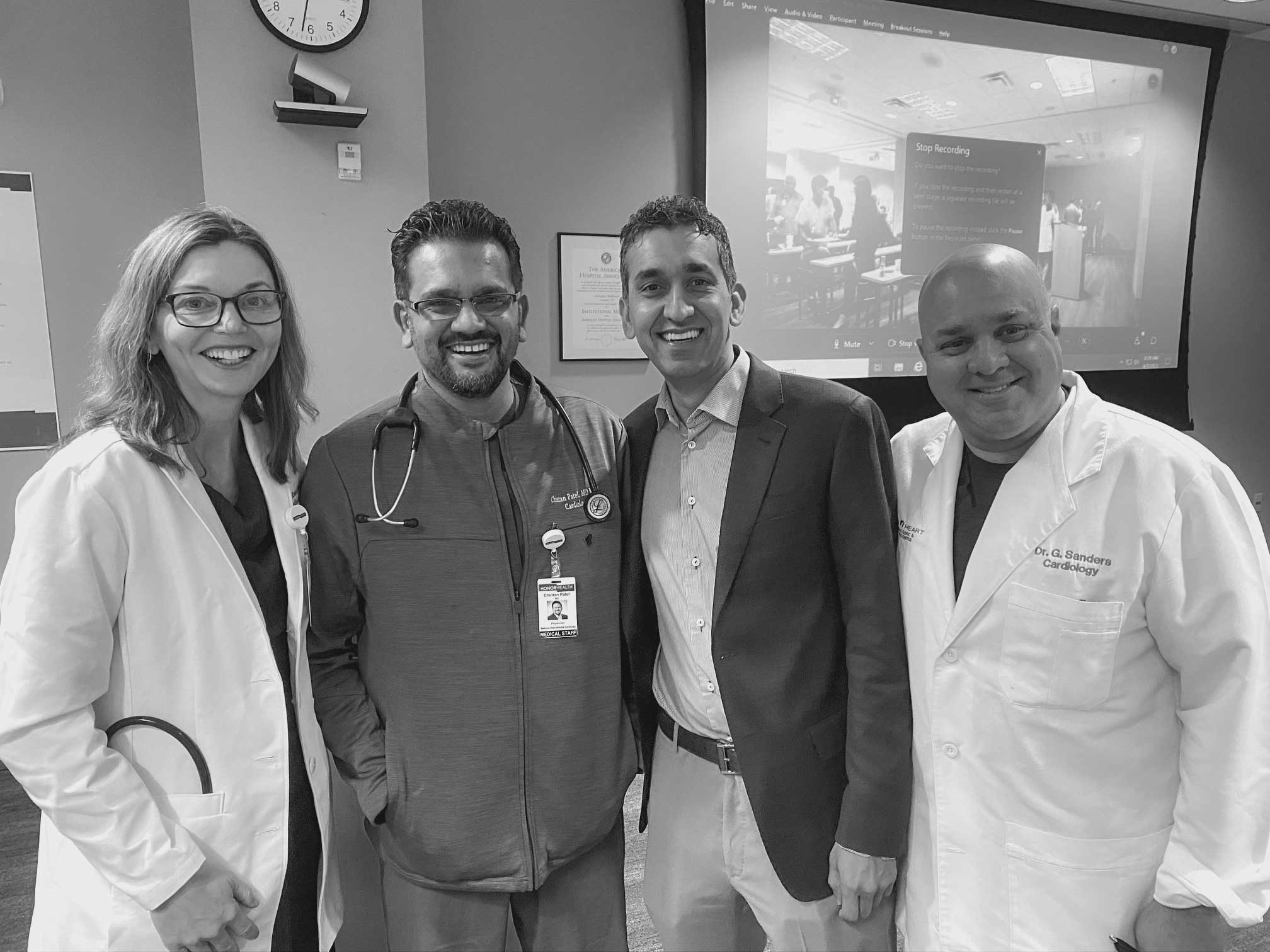
Reuss first noticed this gender imbalance during her time at the University of Arizona College of Medicine. By the time she joined fellow cardiologists Maulik Shah and Wesley Tyree at their newly launched Atria Heart clinic in 2015, the problem was even more prevalent.
“Women were feeling a little more dismissed by my male colleagues, and I was starting to sense that frustration from them in their voice,” Reuss says. “And I realized that not all male colleagues were doing this, certainly not on purpose. But because of their own insufficient training in the training programs, we are not taught to listen to women’s symptoms of heart disease.”
This observation led to the formation of the Women’s Heart Health Program at HonorHealth in 2022, which Reuss leads. She says it took some time for her colleagues to understand what she was trying to accomplish.
“Now, we have a study showing we deliver equal – even safer and better – care to patients in the hospital,” Reuss says. honorhealth.com/medical-services/cardiac-care/honorhealth-atria-heart-collaboration



The CORE Institute
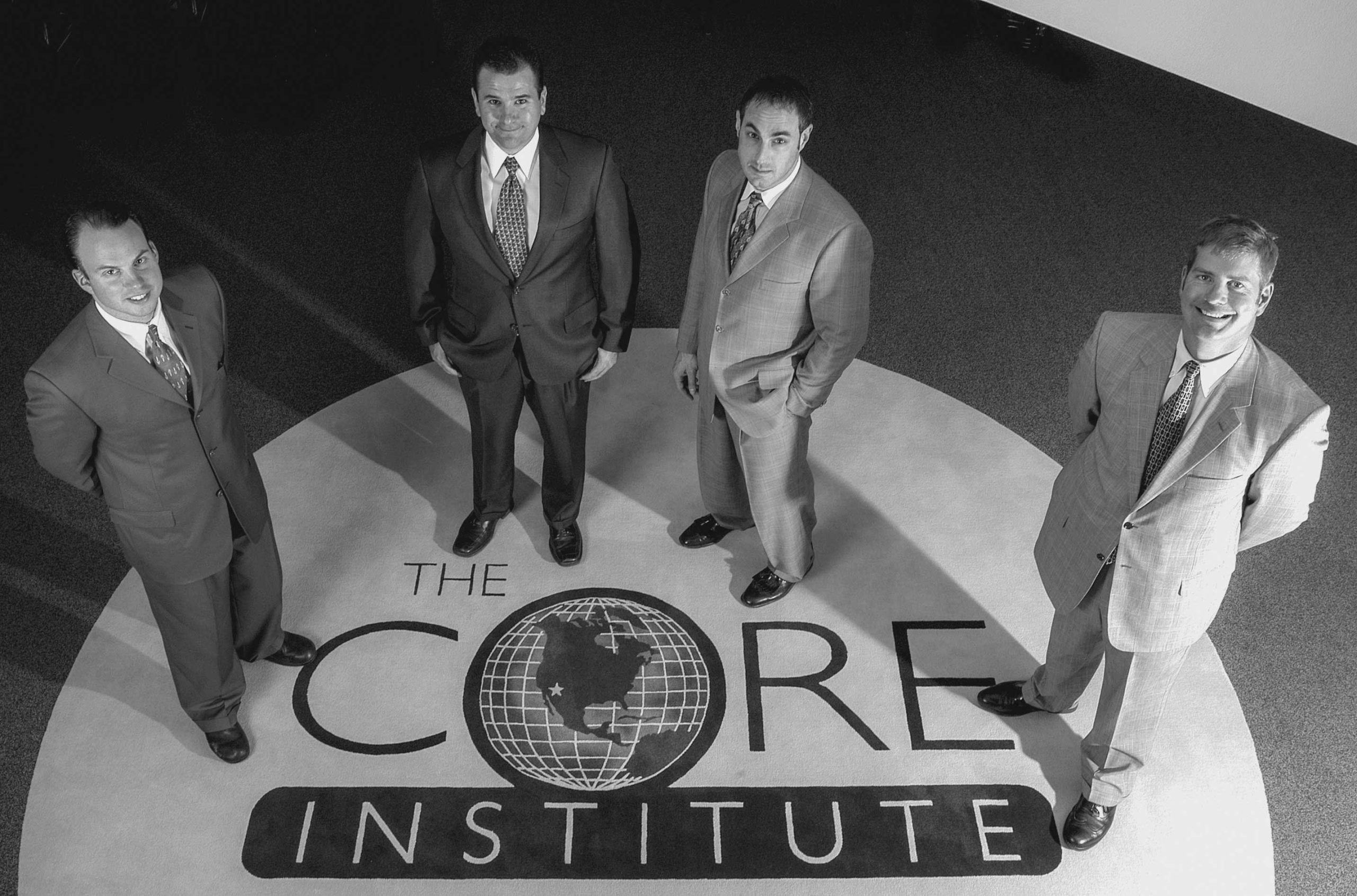
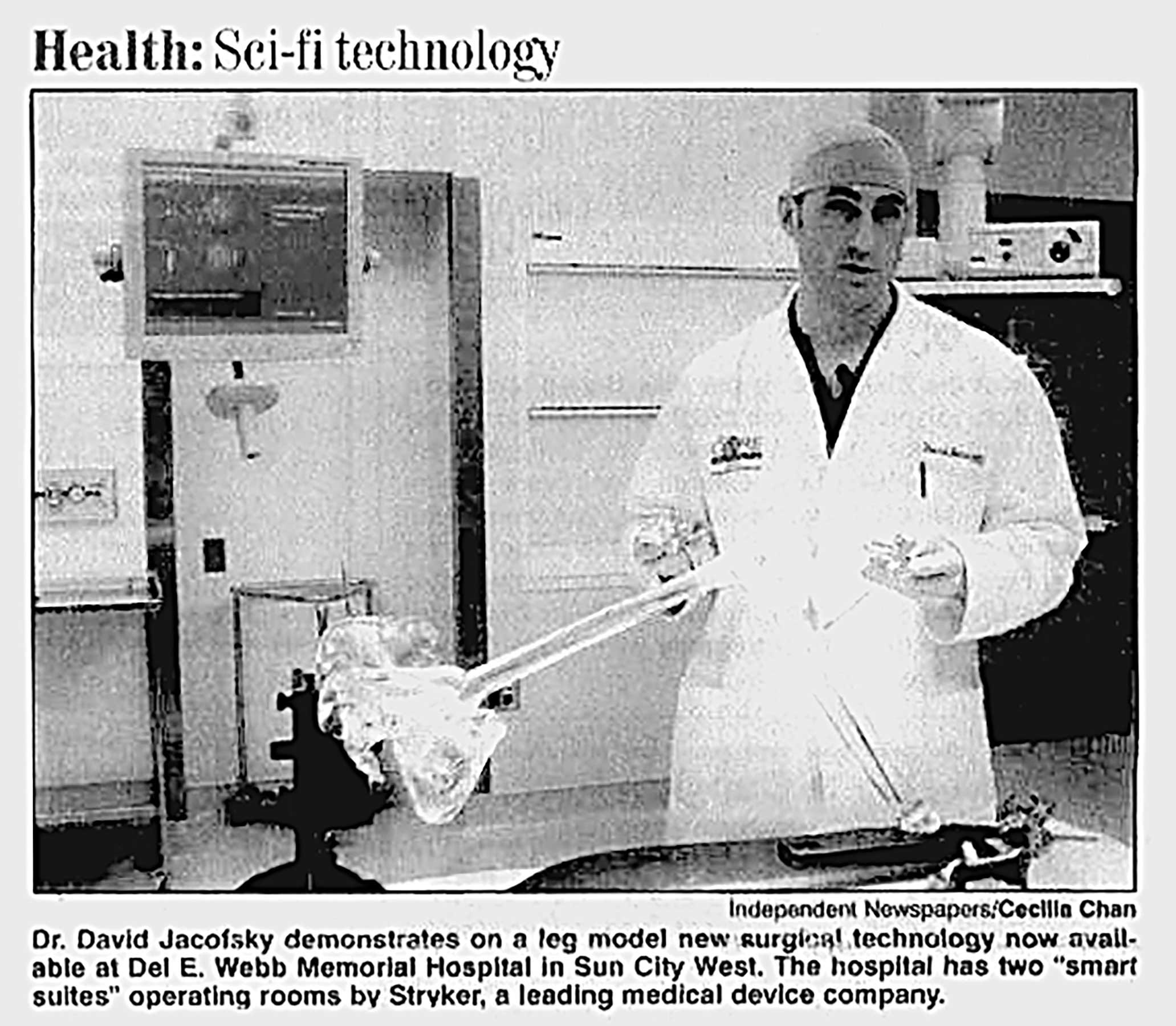
While The CORE Institute now boasts a network of 250 doctors, PAs and other clinicians across the Valley, it began 20 years ago with just three physicians in the emergency room at Del E. Webb Medical Center in Sun City West, using curtains for their exam “rooms” and trailers in the parking lot for administration. CORE has since grown into a leader in orthopedic care, recognized for setting standards in joint replacement and musculoskeletal health through its adoption of advanced procedures and patient outcome tracking.
“We did whatever we needed to do to make it work,” says Dr. David Jacofsky, a musculoskeletal oncologist who founded CORE with Dr. John Brown and Dr. Mark Campbell. “Now we’ve expanded north, so we have offices in Prescott, and we’ve got offices in Flagstaff. So, really, we span from Gilbert to Flagstaff.”
It was Jacofsky’s belief that there was a better way to deliver health care that kept him and his team going during those rough and ready years. He had left his job at the Mayo Clinic in Rochester, Minnesota, in 2004, armed with a business plan that outlined what he believed the future of health care should look like. The clinic began expanding in 2008 with a location on the campus of the Mercy Gilbert Medical Center.
From the testimonials on CORE’s website, it’s evident that treating patients using the latest healing methods and technology plays a big role in CORE’s efficacy. However, Jacofsky’s novel clinical model might play a greater role. Borrowed from Mayo Clinic’s playbook, the CORE model offers myriad specialties under one roof, including neurosurgery, vein health and bone health. CORE’s suite of physicians now includes neurologists, podiatrists and plastic surgeons in addition to its mainline orthopedic specialists.
“I think the physicians who work at The CORE Institute are really committed to that,” he says. “In many cases, they can make more money working elsewhere, but they probably know that the care that they provide their patients here is uniquely different than what we see in more traditional physician practices.” thecoreinstituteaz.com

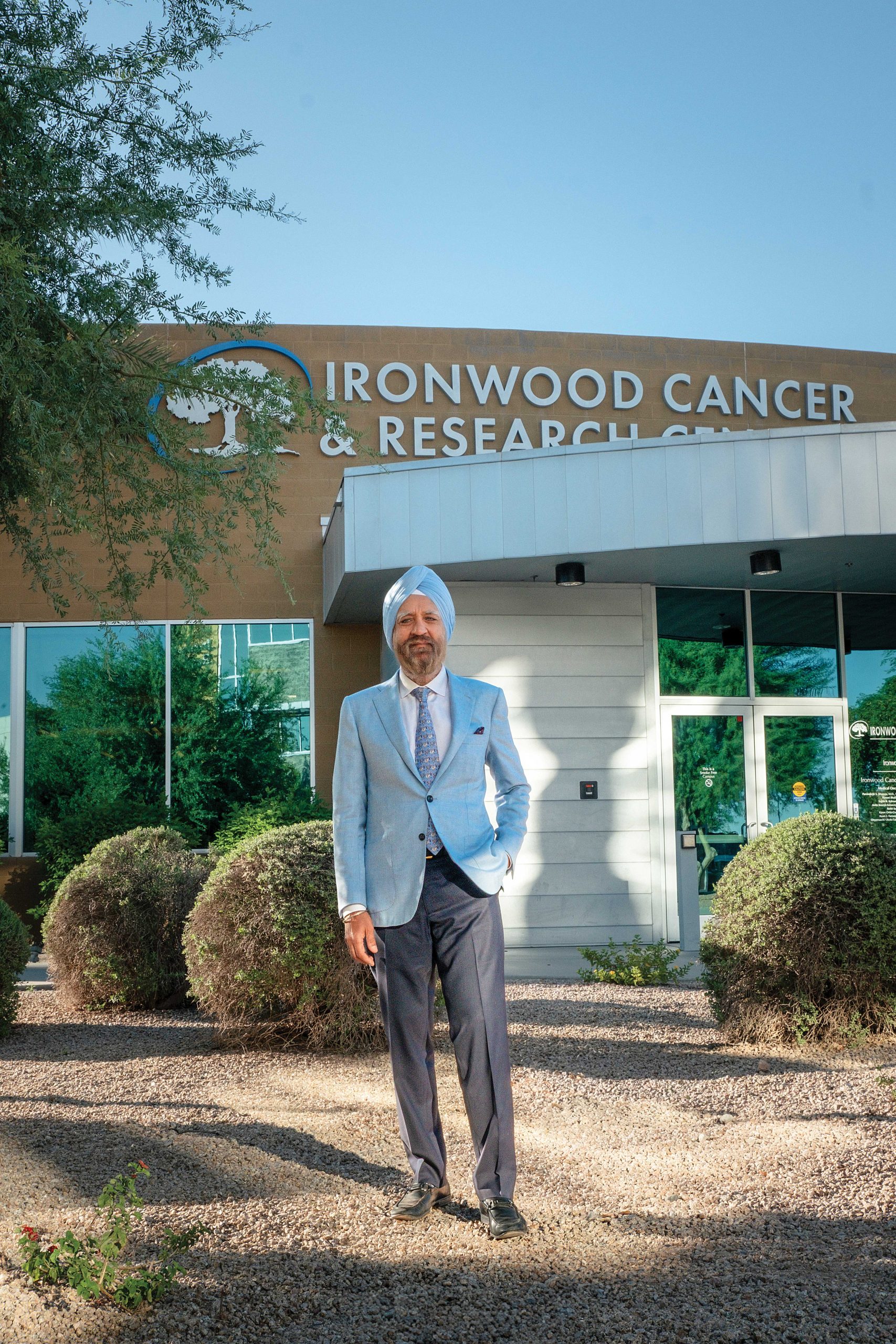
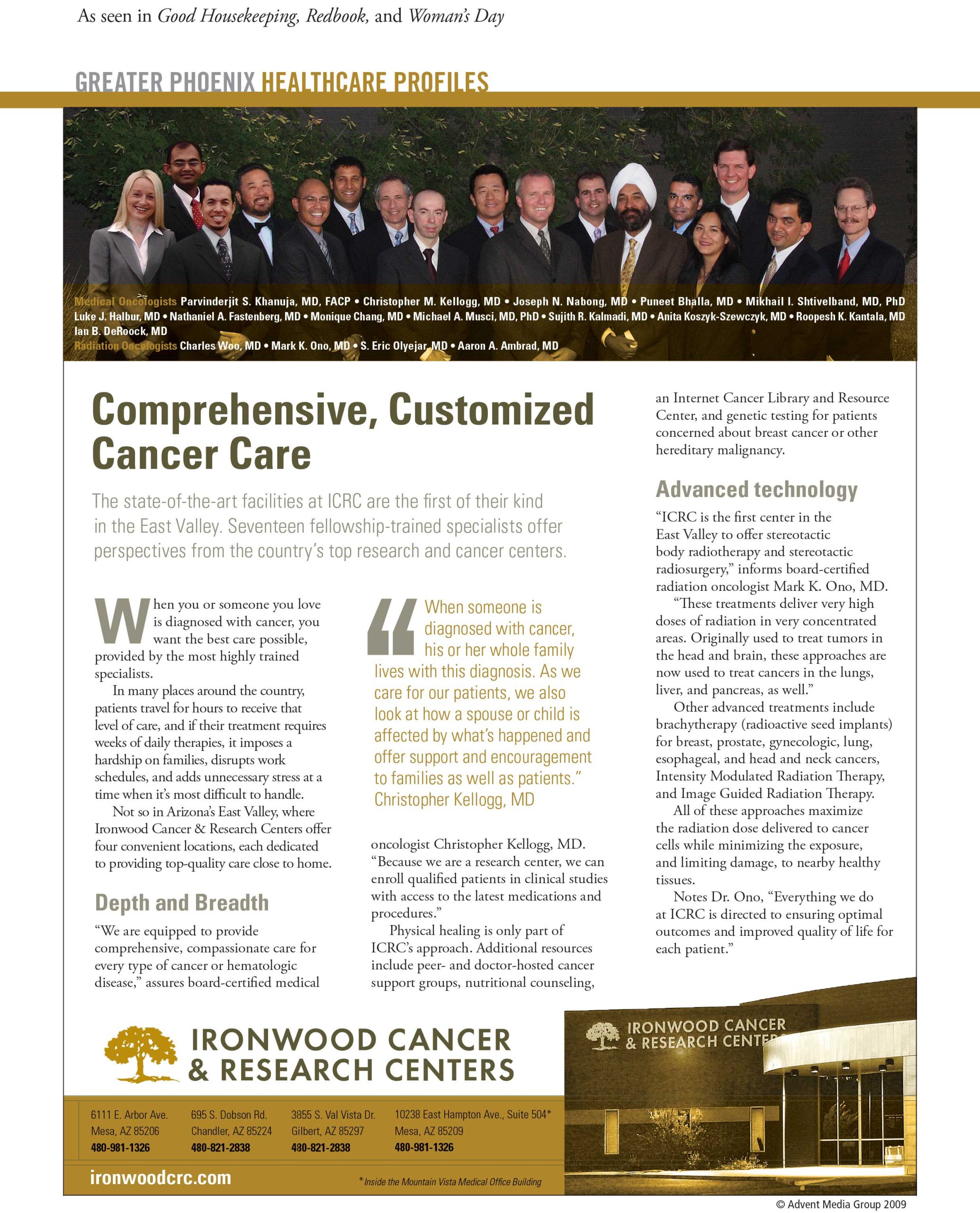
Ironwood Cancer & Research Centers
There’s a Sikh principle that inspired Dr. Parvinderjit Khanuja to found Ironwood Cancer & Research Centers in 1993. It’s known as sevā, which means “selfless service.”
“If you are in health care, you have to have a feeling of sevā in you,” the oncologist explains. “The bottom line is we have to take care of the patient. The patient is the focus for us.”
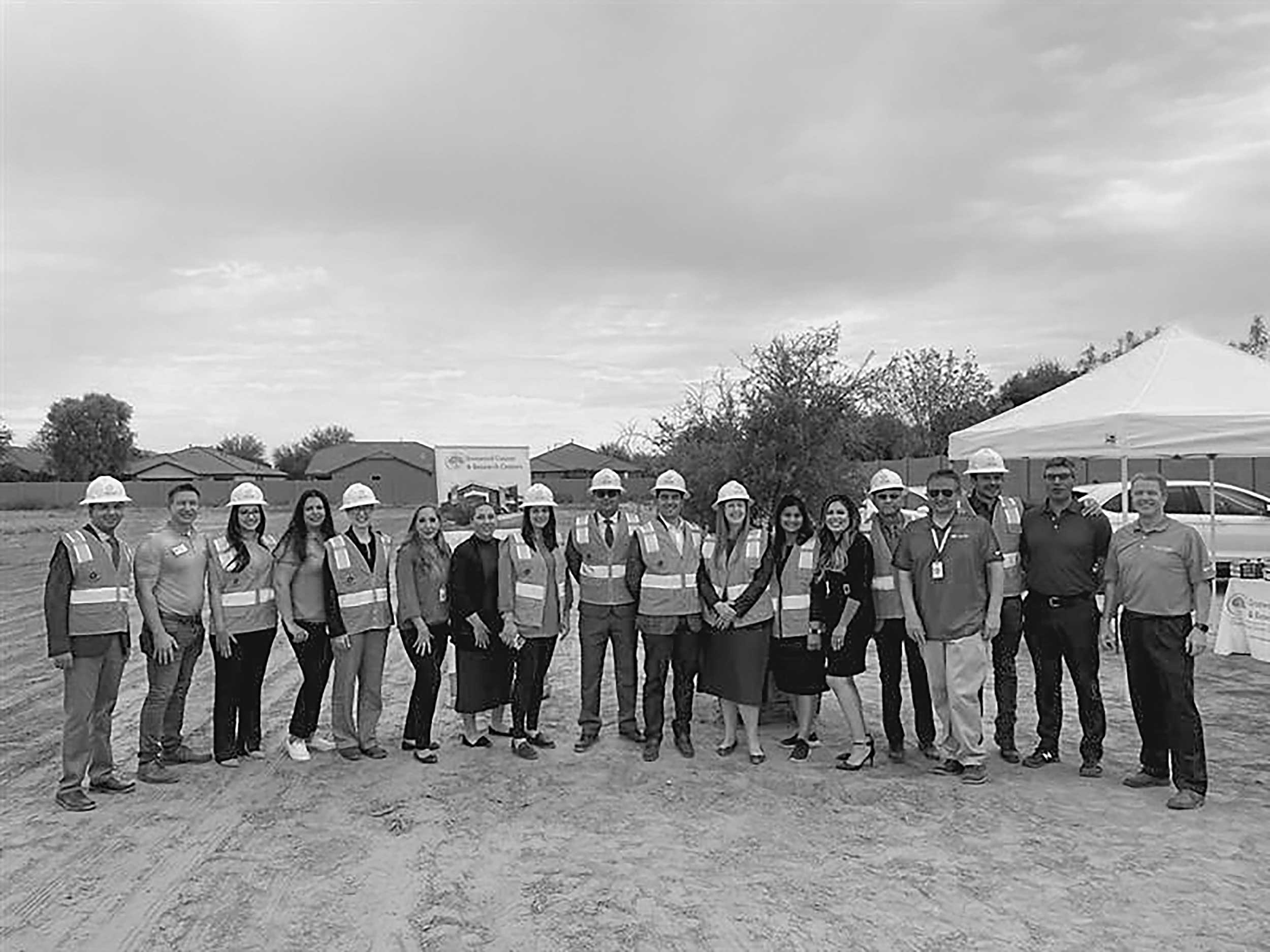
Khanuja says Ironwood’s expansion throughout the Valley started organically through the merger of independent cancer-care providers and oncology practices in the Valley. “Doing it on their own was becoming very difficult,” he says. “They wanted to remain independent and take good care of patients in the community.”
Ironwood provides comprehensive cancer care, offering radiation and medical oncology, CT and PET imaging, advanced radiation therapy, chemotherapy and immunotherapy at all of its 15 locations. Some centers also provide women’s oncology services.
“Patients don’t need to run around multiple places,” Khanuja says. “We [take] care of the majority of things within.”
Not only is this approach beneficial to the patient, but it has also helped keep treatment costs down. “We are one of the major private practice groups left, which is very sad in a way, because costs are increasing. The hospital’s cost is double,” Khanuja says.
Being independent has also allowed Ironwood to participate in some landmark studies, giving patients access to life-saving drugs long before they become available on the market.
However, Ironwood’s focus on the patient experience is the main factor that has allowed it to thrive in the Valley, the founder says. Every year, patients and caregivers come together for a survivor celebration. The event holds great significance for Khanuja, as it brings the principle of sevā that he lives by full circle.
“It’s a great experience for me,” he says. “It is a celebration of life.” ironwoodcrc.com
Regency Specialties
Tom Petty once crooned that “the waiting is the hardest part,” and that phrase more than aptly applies to health care. Patients often have to book appointments months in advance, and even speaking with someone over the phone can involve frustrating delays.
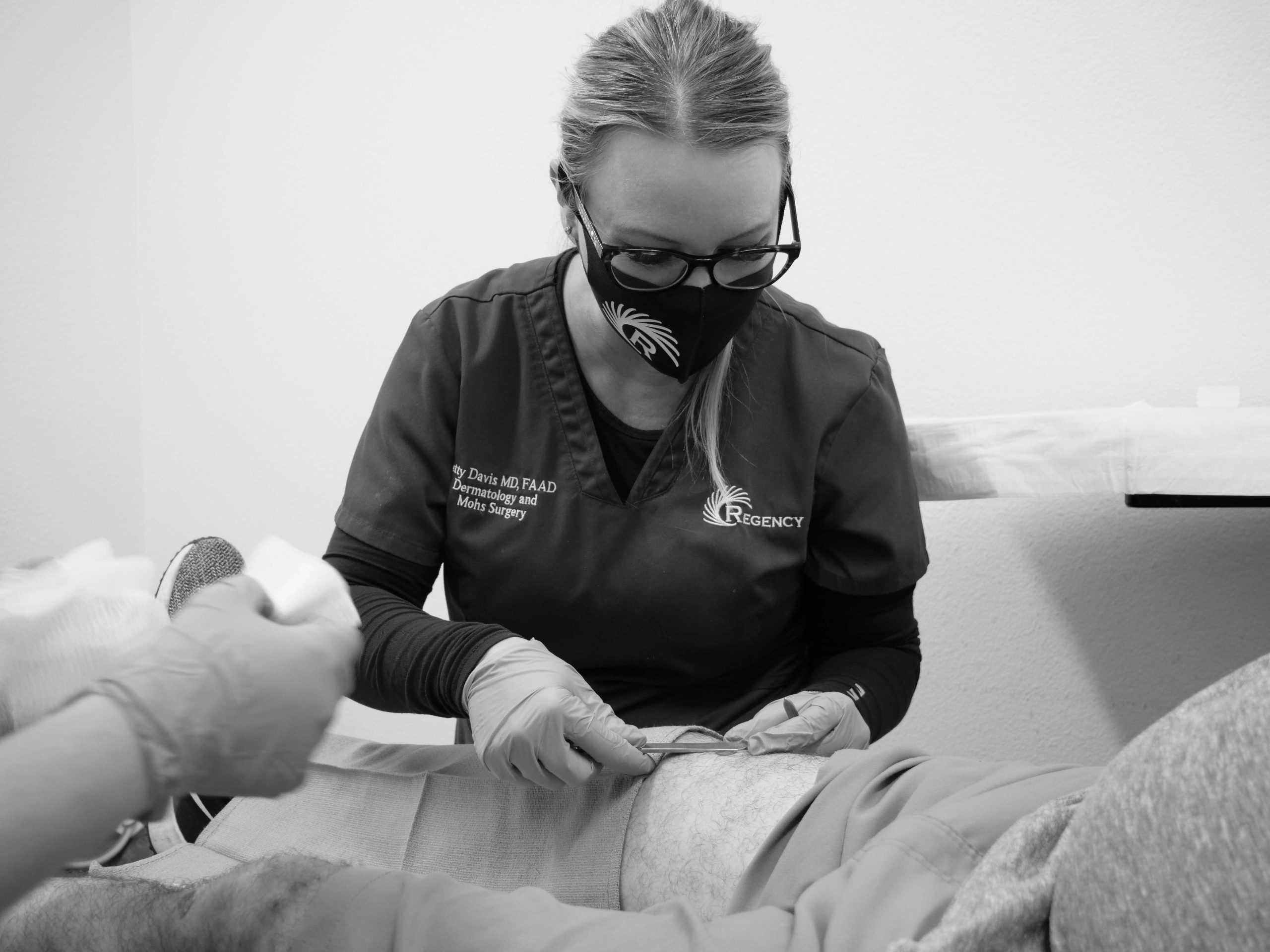
Plastic surgeon Jason Mussman and dermatologist Betty Hinderks Davis shared that sentiment as young specialists about a decade ago, recognizing that to gain an advantage in the competitive Valley market, they would need to have the best medical care readily available to patients at a moment’s notice. While it affects the bottom line, they always have two licensed physician’s assistants on call, one for dermatology and the other for plastic surgery.
“We keep a lot of people out of the emergency room just by letting them know they can come in first thing in the morning or giving them instructions,” Mussman says. “A lot of times, it’s just medications or pain control needs to be sent to a particular pharmacy.”
Mussman’s dedication to offering a high level of care to patients also stems from personal experience. Three weeks into Regency’s opening back in 2017, his daughter received a cancer diagnosis. Much of Mussman’s time was spent caring for trauma patients, but he knew it was time for a shift.
“I thought I had all the time in the world with my kids,” he says. “After that, I just stopped the trauma practice, which was the main thing that we focused on. We just made a commitment to dermatology and plastic surgery.”
Mussman credits Davis for her support during those early days. The two now maintain a strong balance as Regency adds more modalities. It is also expanding, with a fourth location set to open soon in Verrado.
“She’s the hardest working dermatologist I’ve ever met,” he says. “She’ll come in even on her days off, and write papers and do research and work on processes to improve patient care. It’s great to have colleagues like that.” regencyspecialties.com

Vincere Cancer Center
As any woman will tell you, getting a mammogram is not the most comfortable experience. But despite how unpleasant the test is, it’s considered by many to be the best way to catch breast cancer early.
But what if cancer detection and treatment could be safe, comprehensive and comfortable for patients?
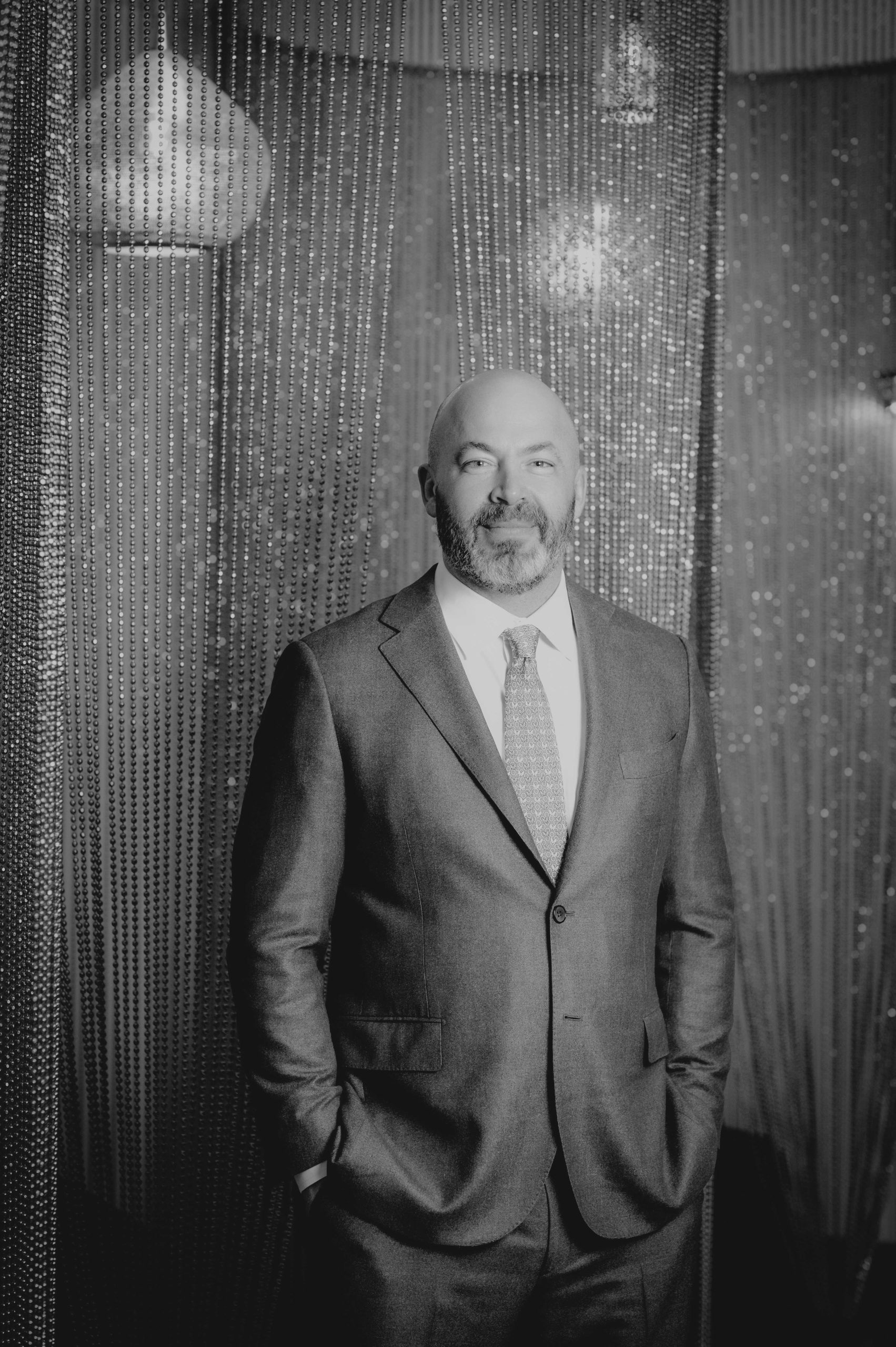
This goal is central to the Vincere Cancer Center in Scottsdale. Founded in 2016 by oncologist Vershalee Shukla and plastic and reconstructive surgeon Pablo Prichard, the facility leverages advanced technology not only to detect cancer, but also to prevent and treat it.
“Our mission from the beginning has been to provide world-class contemporary cancer care in a calming and inspiring environment, merging the most sophisticated technologies with holistic patient care from our caring and compassionate physicians,” Prichard says.
This level of care is not just limited to those who can afford it. For several years, Prichard has partnered with fire and police agencies throughout the Valley to offer free cancer screenings. In that time, the surgeon says the program has saved numerous lives by detecting the disease early in the first responders who participate.
It has even led to an increase in studies on the effects of per- and polyfluoroalkyl substances (PFAS) – commonly referred to as “forever chemicals” because they do not break down in the environment. These substances can accumulate in the bodies of people and animals over time.
“These learnings are guiding more studies on ways to reduce their carcinogenic potential, and much of this science has been applied not only to cancer pathways, but also cellular aging pathways, which is part of Vincere’s groundbreaking work in slowing cellular aging and altering the trajectory of disease,” Prichard says.
Prichard is sharing his discoveries in detecting and preventing cancer on his new television show, Forever Young with Dr. Pablo Prichard, which began airing in October on NBC’s Saturday morning educational programming block.
“While we do offer cutting-edge techniques for cancer treatment, we realize the best way to cure cancer is to detect it early,” he says. “We are world leaders in early cancer detection, prevention and interception.” vincerecancer.com