Whole-Person Care for Dementia
“Whole-person care” is a buzzy phrase filtering across the health-care industry as a whole – and care for older adults is no exception. Scottsdale-based Hearts for Dementia is one of 400 organizations across the country that have been tapped by the Centers for Medicare & Medicaid Services to pilot a new model for individuals living with dementia and the people caring for them.
The new model, called GUIDE, includes care coordination and respite services in addition to non-clinical essentials, like food and transportation. The goal is that with increased services, individuals living with dementia can remain in their homes and in their communities longer.
“People living with dementia and their caregivers need more than just clinical interventions – they need holistic support,” says Lolita Tramel, founder and CEO of Hearts for Dementia. “With the aging population continuing to grow, this innovative approach not only empowers families but also ensures people can maintain quality of life while staying in their homes longer, where they feel most comfortable and connected.”
Parkinson’s Progress
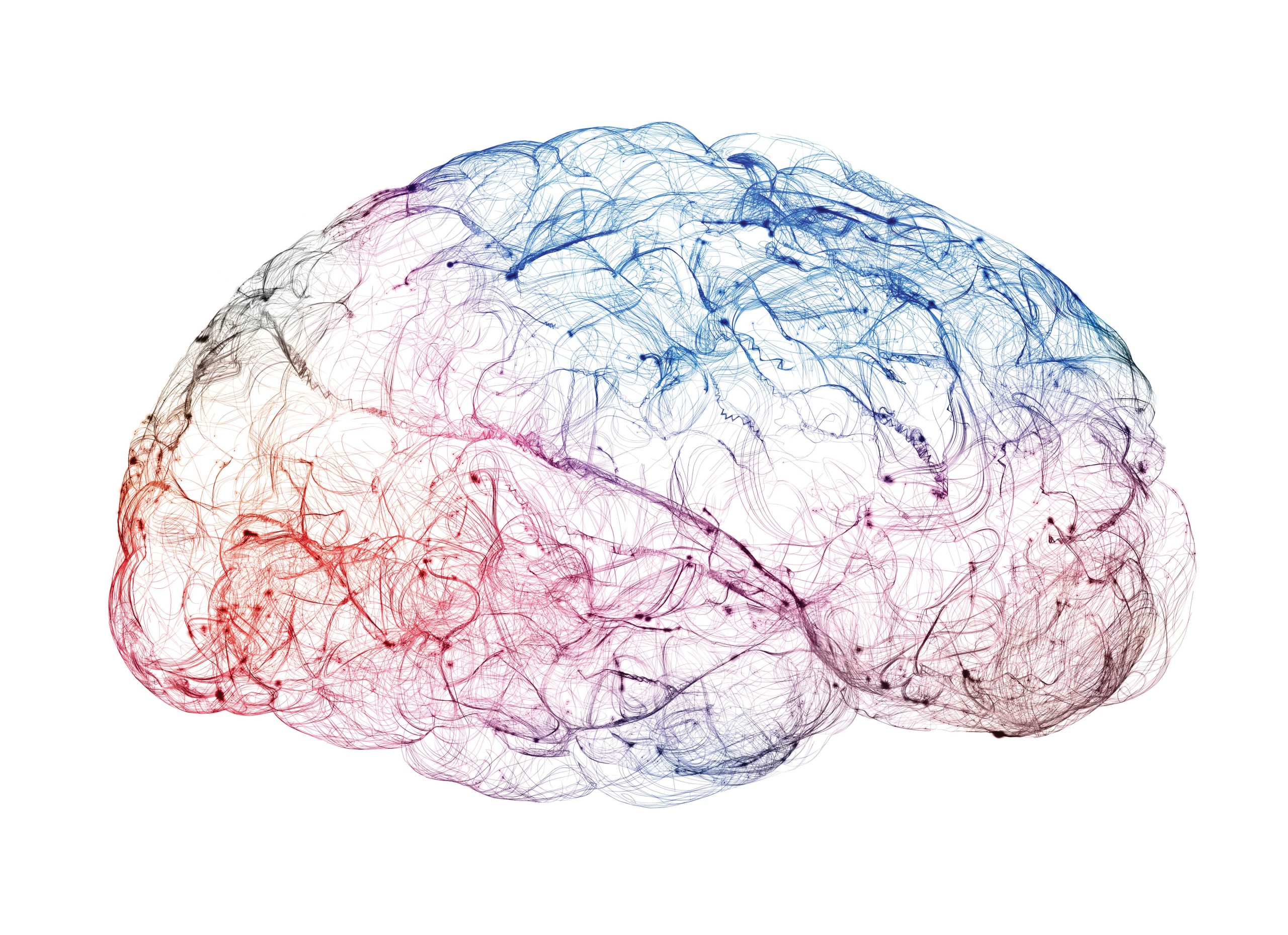
Researchers at the University of Arizona are making progress with a first-of-its-kind treatment for cognitive symptoms linked to Parkinson’s disease, a neurological disorder known for tremors, stiffness and poor balance.
Up to about 30 percent of patients diagnosed with Parkinson’s disease are already experiencing symptoms consistent with cognitive decline. As the disease progresses, that percentage of affected patients generally increases to up to 70 percent. At the moment, treatment for cognitive symptoms doesn’t exist.
A U of A research team is looking into the viability of PNA5, a “tiny protein” that has demonstrated a protective effect on brain cells in an animal model. Kelsey Bernard, Ph.D. is part of the research team and is hopeful that staving off degeneration could also hold promise for cognitive decline.
“By going down the protective route, we can hopefully prevent cognitive decline from continuing,” she says.
Zero-Gravity Gains
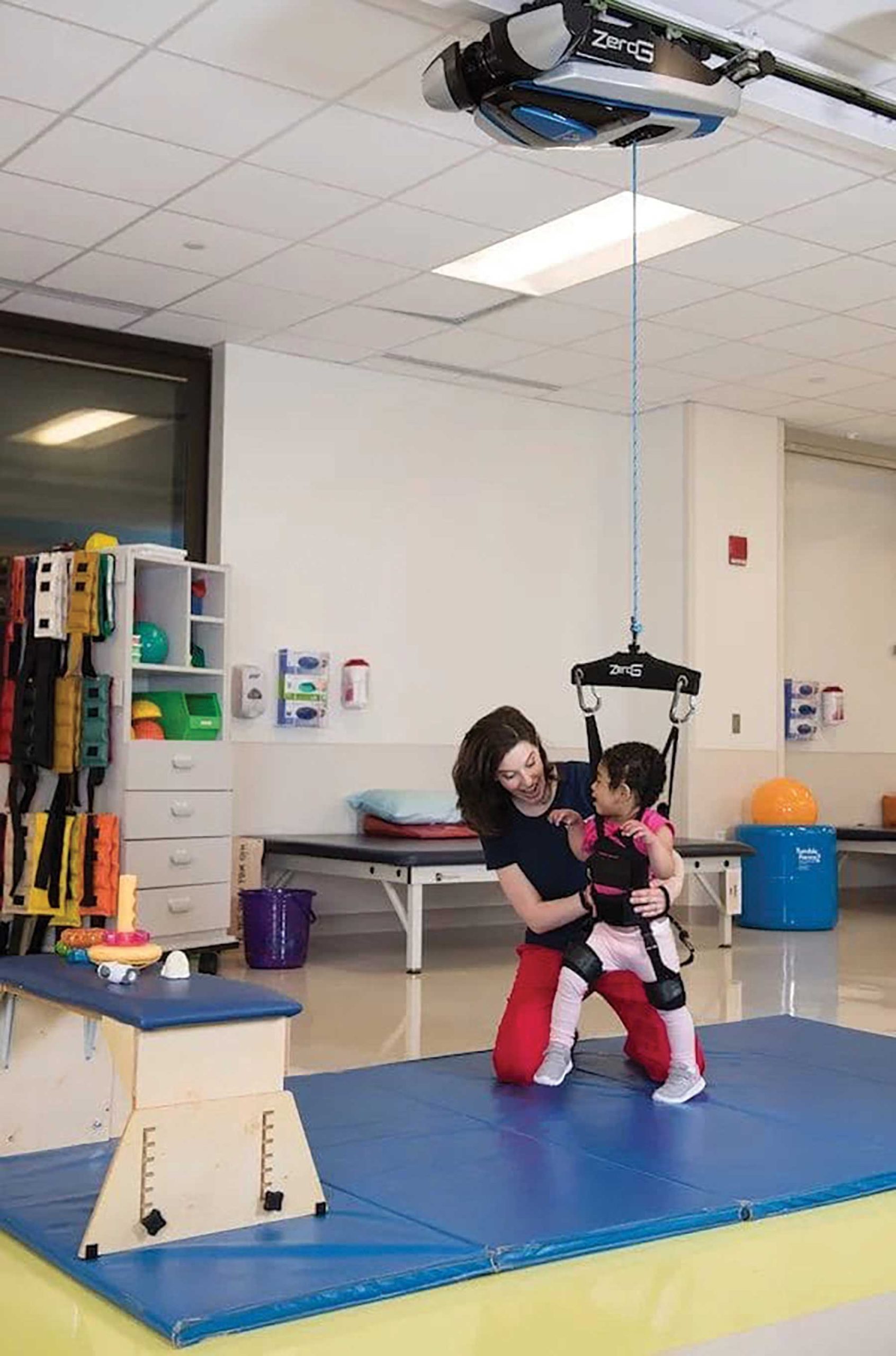
Baby steps don’t always come easy for children with cerebral palsy and other developmental challenges, but United Cerebral Palsy (UCP) of Central Arizona is hoping zero-gravity assistance may help. This spring, the organization will become the first clinical setting in the U.S. to offer BabyG, a balance and gait trainer that allows a child to move while suspended in a harness over a robotic track.
The trainer is designed to provide security and fall protection as children develop the ability to crawl, stand and walk at their own pace. UCP occupational therapist Valerie Pieraccini says it’s a game changer.
“Children under the age of 3 years old are in a period of developmental neuroplasticity, when the old adage ‘If you don’t use it, you lose it’ applies to the developing parts of a young child’s neural network,” she says. “Children with cerebral palsy, rare disorders or genetic disorders that result in a motor disorder often do not have the opportunity to move and play like their peers.”
Micro-Dosing Surrogates
Mushroom coffees and adaptogenic drinks are trending, so it was only a matter of time before drug-free versions of psychedelic therapies started piquing people’s interest, too.
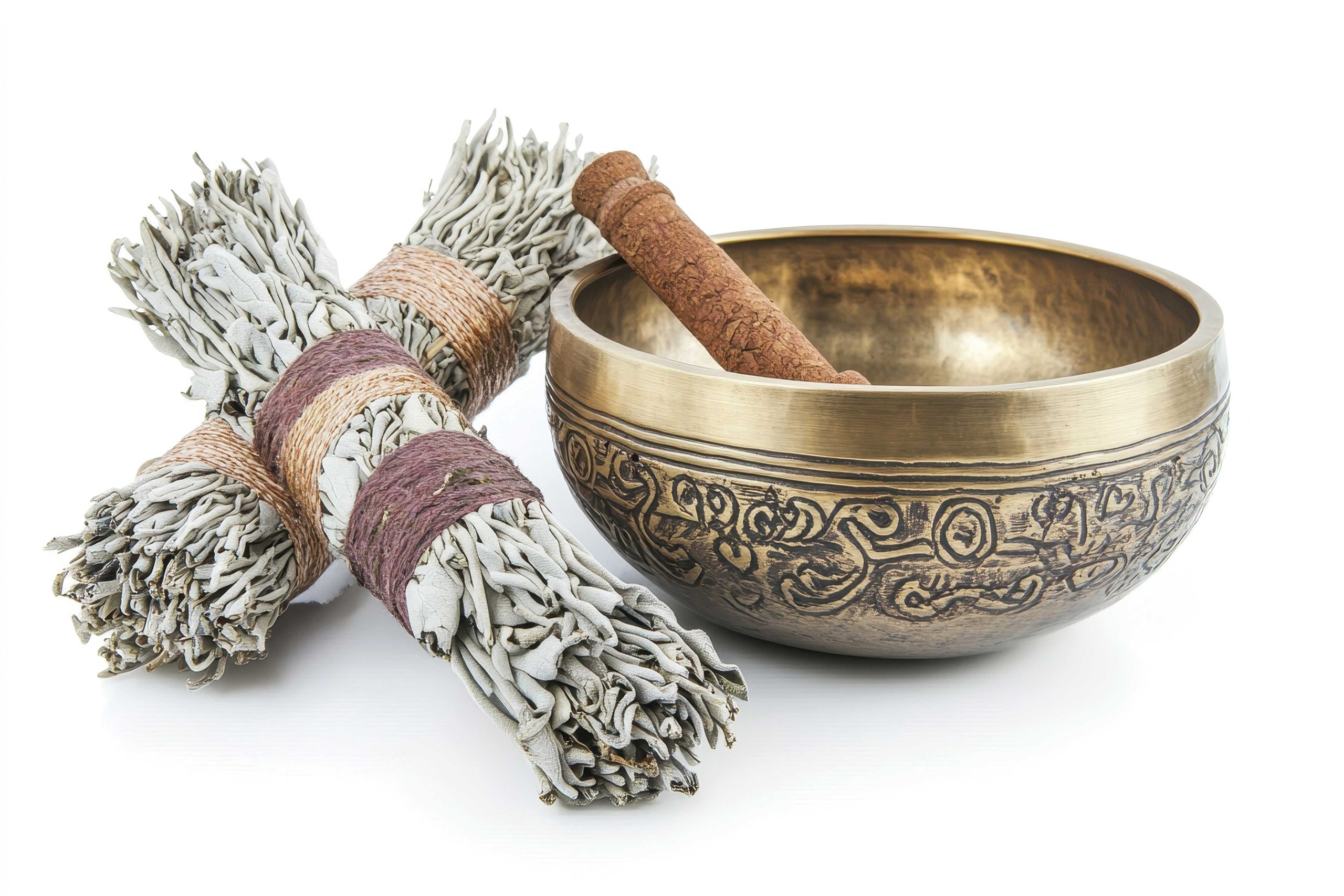
Kim Roach, owner of The Starlight House wellness center in Paradise Valley, has coined the introductory journeys that she guides as “vibe sessions,” to give participants a feel for the type of light-, sound- and vibration-infused trips they’re capable of taking. The goal of the drug-free, brain entrainment (synchronizing brainwaves with external stimuli) sessions is to connect participants to their “super conscious” mind as a means of healing their taxed nervous systems.
“You feel the music in your body and it’s warm. You just kind of melt into this therapy,” Roach says of the meditation-like method. “You kind of go somewhere. It is a journey. It’s like a workout for your brain.”
The 75-minute sessions are appetizers to Roach’s longer, digital psychedelic ceremony that lasts about two-and-a-half hours. Shorter sessions allow participants to work on surrendering before diving into a longer journey.
Biohacking Blitz
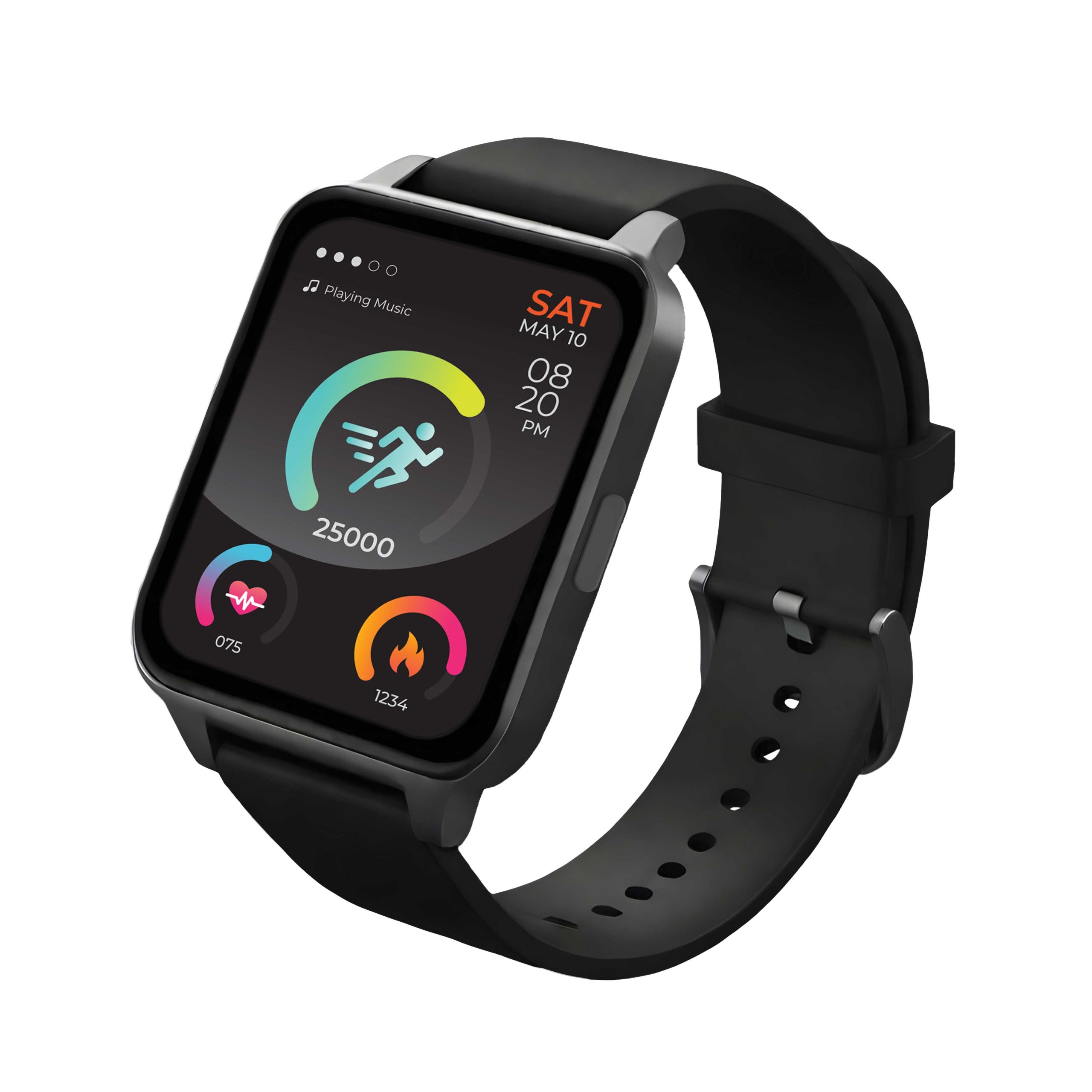
From cryotherapy to HIIT classes to peptide infusions and beyond, biohacking practices – where individuals make incremental lifestyle or diet changes to augment their health and body – have officially made their way into mainstream preventive health routines. Preamble, a program available at The Village Health Clubs & Spas and developed by physician and ex-Green Beret Jesse Greer, offers participants a comprehensive if concierge approach to healthy living rather than an unsupervised, à la carte menu.
At its core, the four-month Preamble program combines advanced medical diagnostics with personalized training and nutrition while integrating individual risk factors such as chronic disease, metabolic or hormonal health, and fitness level.
“We’re working with members who are seeking a proactive, science-driven approach to optimize their health and longevity and who are looking to improve their quality of life, manage long-term health risks, enhance strength and resilience, and adopt sustainable habits for lasting wellness,” Greer says.