For wild animal watching in the summer, Jackson Hole is on a planet of its own.
Partially hidden in the burbling creek embankment by trees and overhang, the pair of moose look a bit like donkeys, their long snouts animated in the solemn business of eating branches and other undigestible-looking vegetation.
“That’s called browsing, when they eat,” our guide, Jared Paul, happily informs us. Provided as a half-day guest experience by Amangani – a luxury resort secreted in the foothills over Jackson Hole in this obscenely handsome piece of Wyoming (see page 129) – our wildlife tour is largely being conducted in the comfort of a late-model Cadillac Escalade, which Paul expertly tucks into pullouts, races up side roads and otherwise manipulates in pursuit of the day’s mission.
The mission, of course, is to lay eyes on some extremely large mammals – moose, bison, elk, bighorn sheep, maybe even a grizzly bear, if the stars align. Marveling at such beasts – sometimes up close, sometimes through binoculars – is something of a cottage industry in these parts. And certainly a treat for us desert-city-dwellers, who proudly light up Nextdoor every time we see a raccoon.
Proportioned similarly to our own Valley of the Sun, this 40-odd-mile appendage of the Rocky Mountains appears as a flat valley plain flanked by the magnificent Teton Range to the west and a series of lesser peaks to the east. The town of Jackson itself holds fort on the south end of the valley, which is collectively known as “Jackson Hole” and has gained traction as a billionaire retreat of late, home to celebrities like Harrison Ford and Sandra Bullock, and people with names only your broker knows.
Another way this is different from the Valley of the Sun: It’s shockingly unpopulated. Barely more than 10,000 people live in Jackson, and only a handful more in the scant, privately owned parcels that pepper the valley. So it makes sense that, say, a herd of bighorn sheep will wander onto a rocky hillside and pose for a few carloads of delighted families; or that a bison will insouciantly wander onto a two-line highway and hold up traffic for an hour, a line of motorists gladly deferring to the beast as if it were a cow on the streets of Mumbai.
This is their land, and that’s what makes the place magical.
The moose shift places a bit, and everyone in the car gasps: There’s a third, smaller moose, previously concealed, also meditatively browsing on twigs. His oversize ears give him an even more donkey-like profile than his elders. “That’s a calf,” Paul confirms. “By the time they’re five days old, they can run faster than a man.”
And then we’re off, to meet more of Wyoming’s wildest residents.
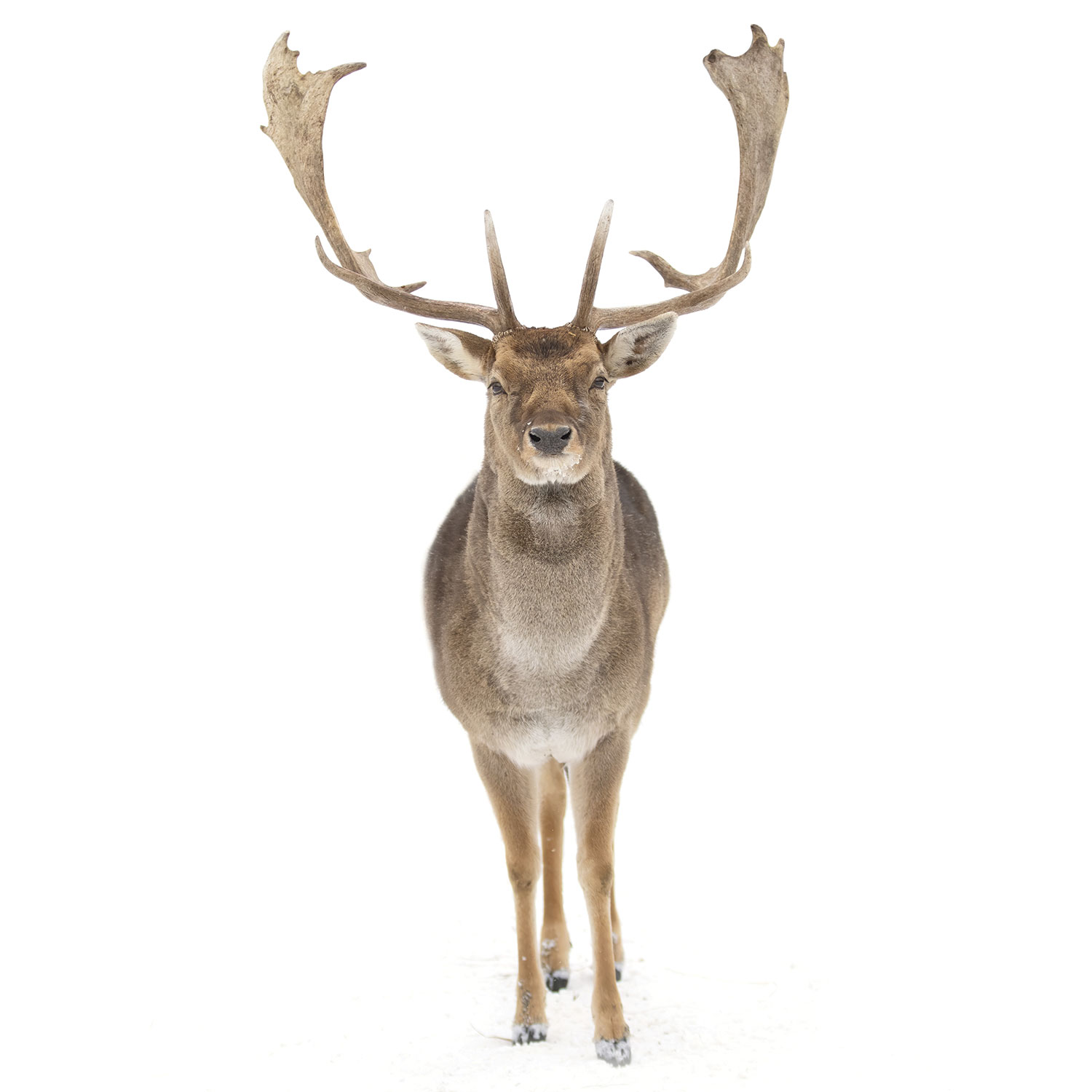
Elk
Cervus canadensis
In winter, the graceful, powerful ungulates (575-1,100 lbs.) are by far the easiest wild animals to espy in Jackson Hole, by virtue of the National Elk Refuge right in the middle of the valley, where up to 7,500 elk congregate to survive the cold. In spring, they leave for the mountains, shedding their antlers along the way and tipping off a week-long, locals-only antler hunt in early May.
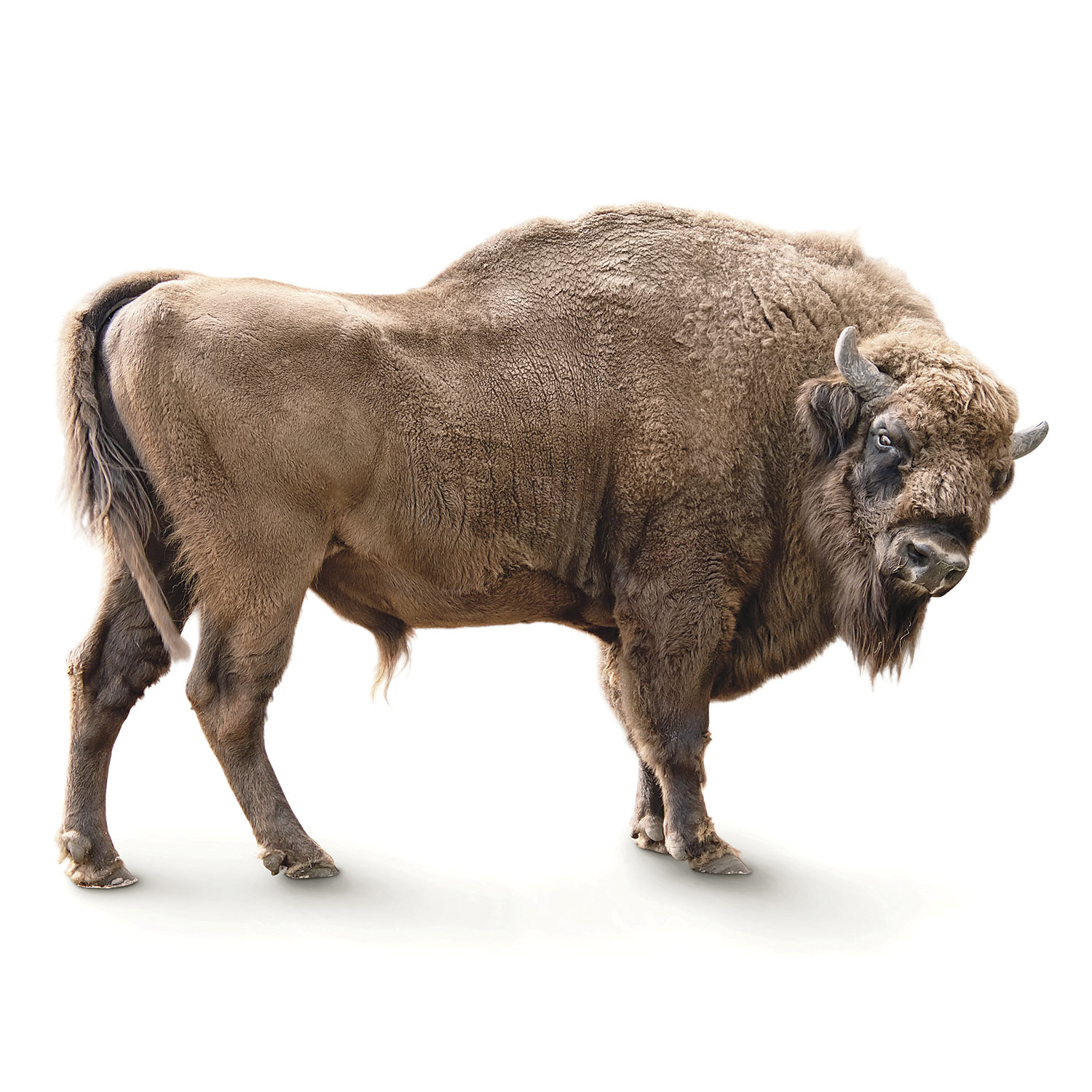
American Bison
Bison bison
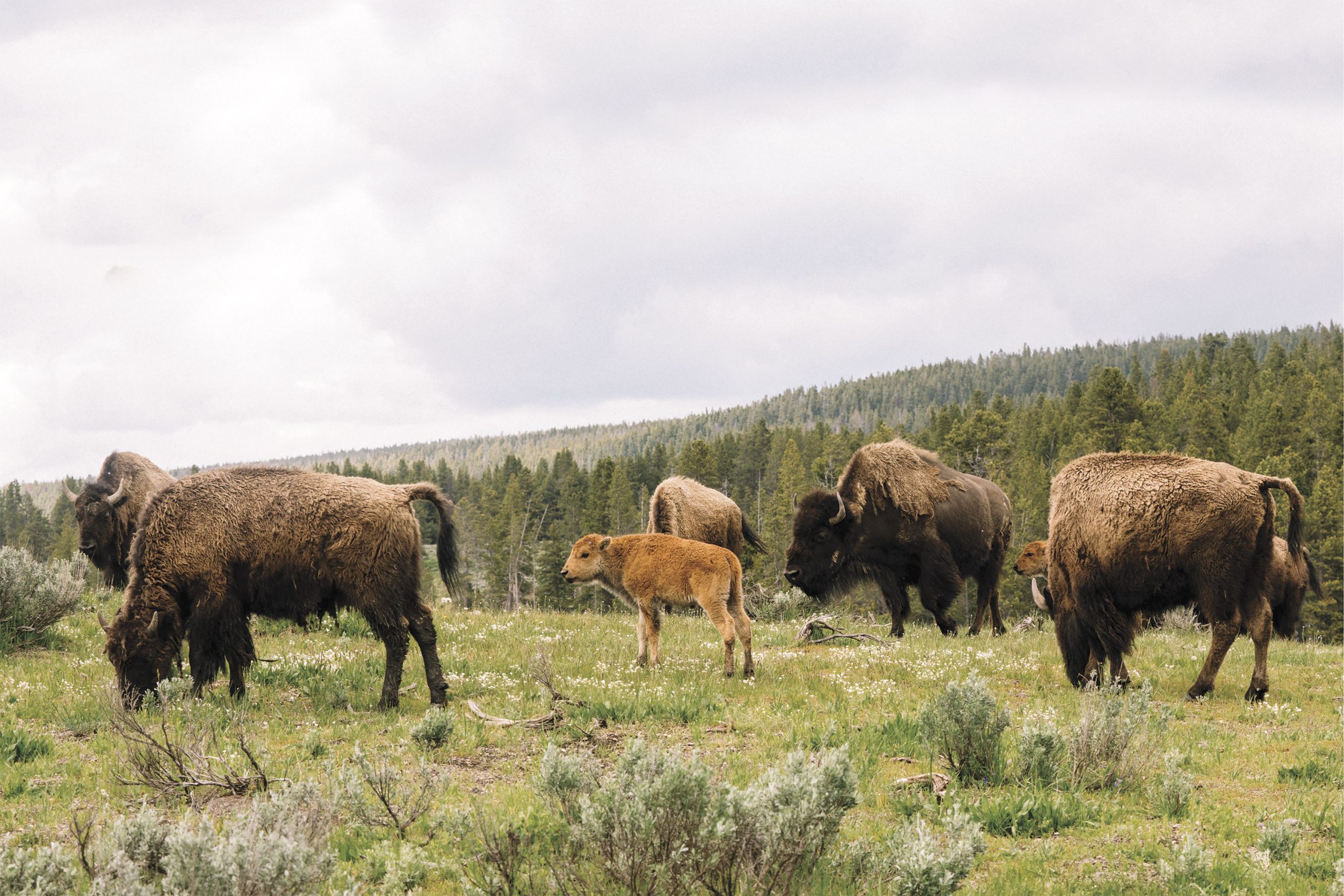
The largest (2,000 lbs.) of Wyoming’s big mammals, bison command a special reverence from man and beast alike. Hunted to near-extinction in the 19th century, the majestic bovines staged a comeback in the early 1900s – thanks in part to donations of breeding pairs by zoos and ranchers on the East Coast, ironically. Today, about 500 buffalo reside in Jackson Hole.
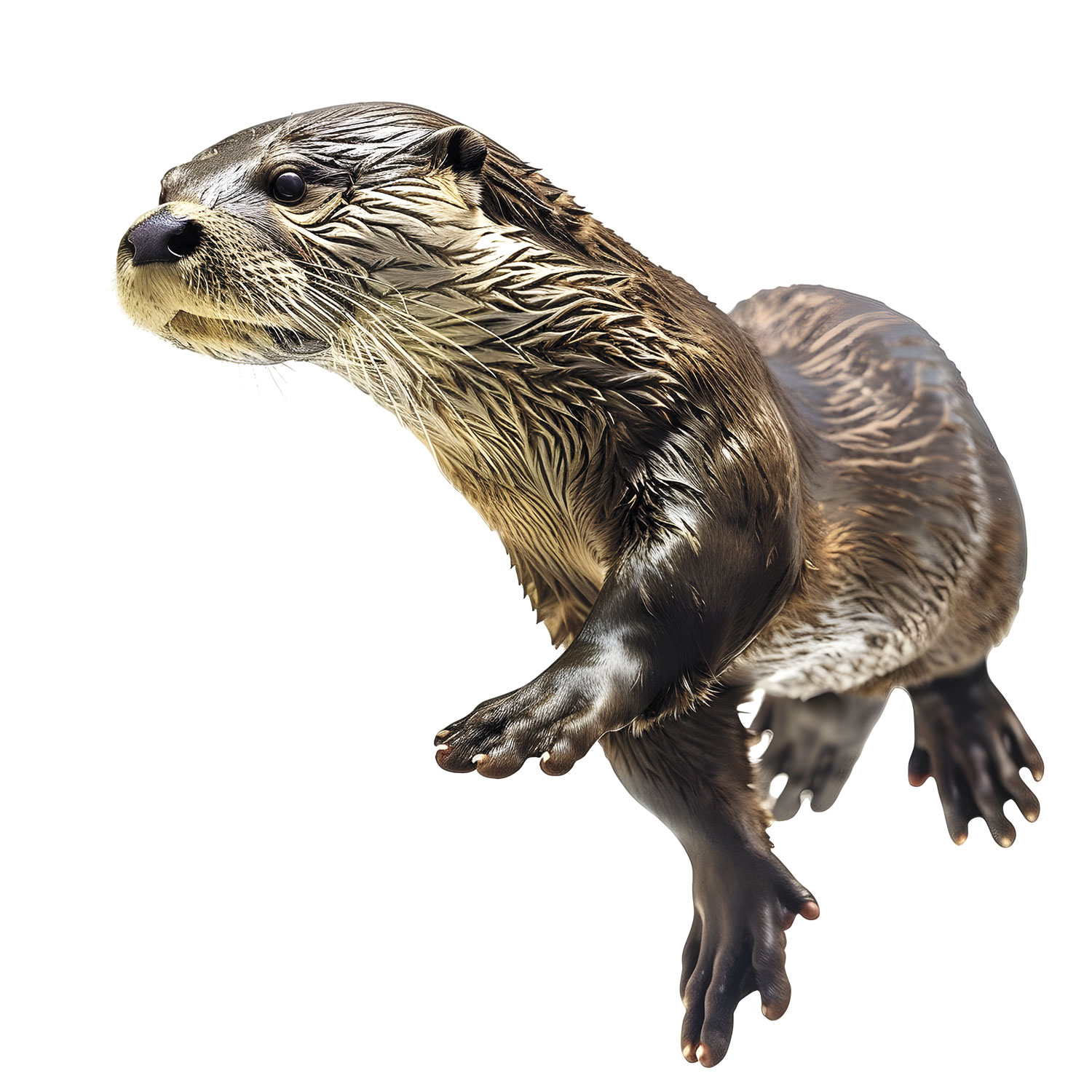
North American River Otter
Lontra canadensis
Fond of gorging on trout in Jackson Hole’s rivers and lakes, the crafty little mammals can be viewed year-round, but they’re also semi-nocturnal, so you’re more likely to see them playing at sunrise or sunset.
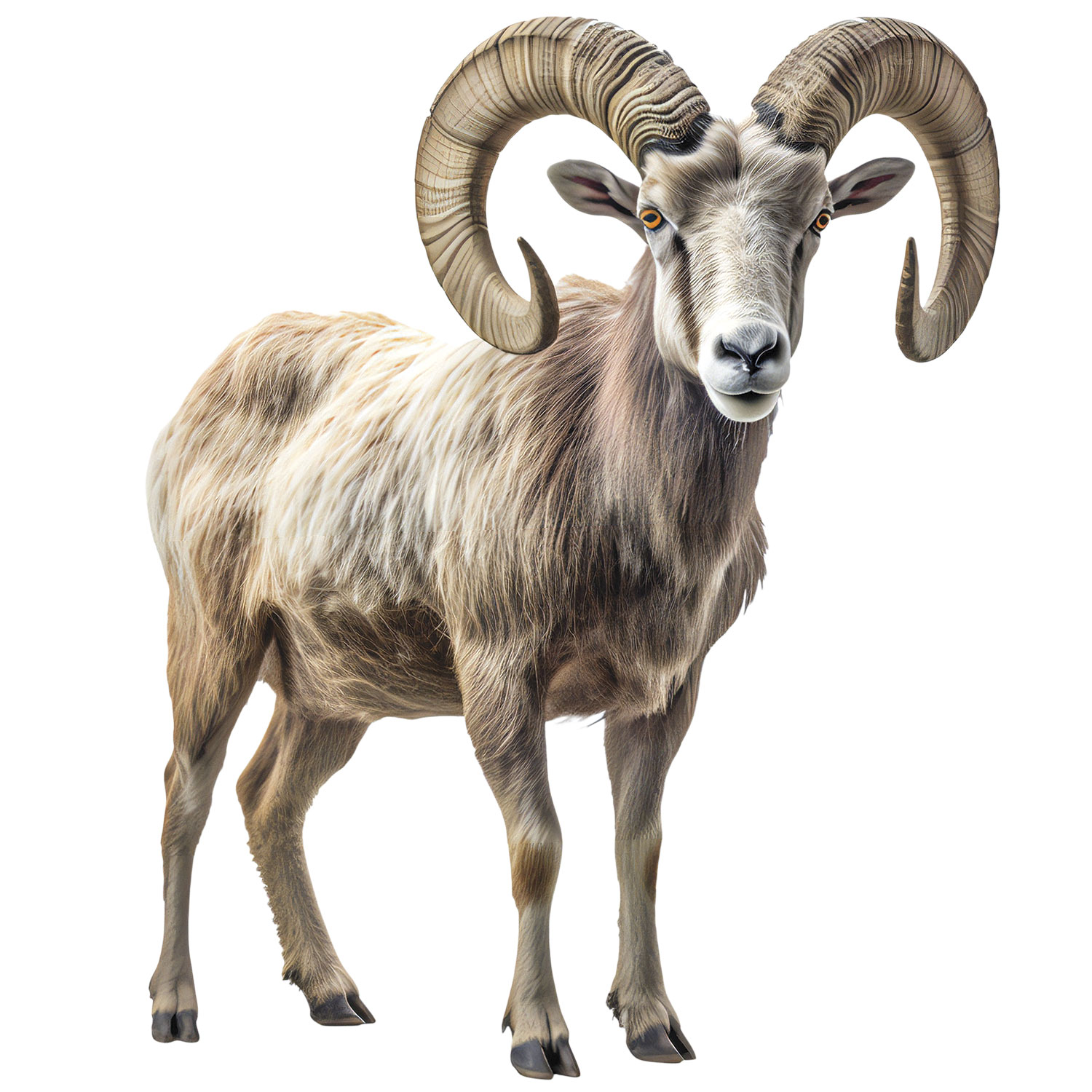
Big Horn Sheep
Ovis canadensis
Like elk, bighorn are typically easier to spot in the winter, when they retreat from the rugged high mountains in search of warmer temperatures near the valley floor. To see them in summer, you might be required to do some hiking, but seeing their gravity-defying, rocky-slope footwork will make the effort worthwhile.
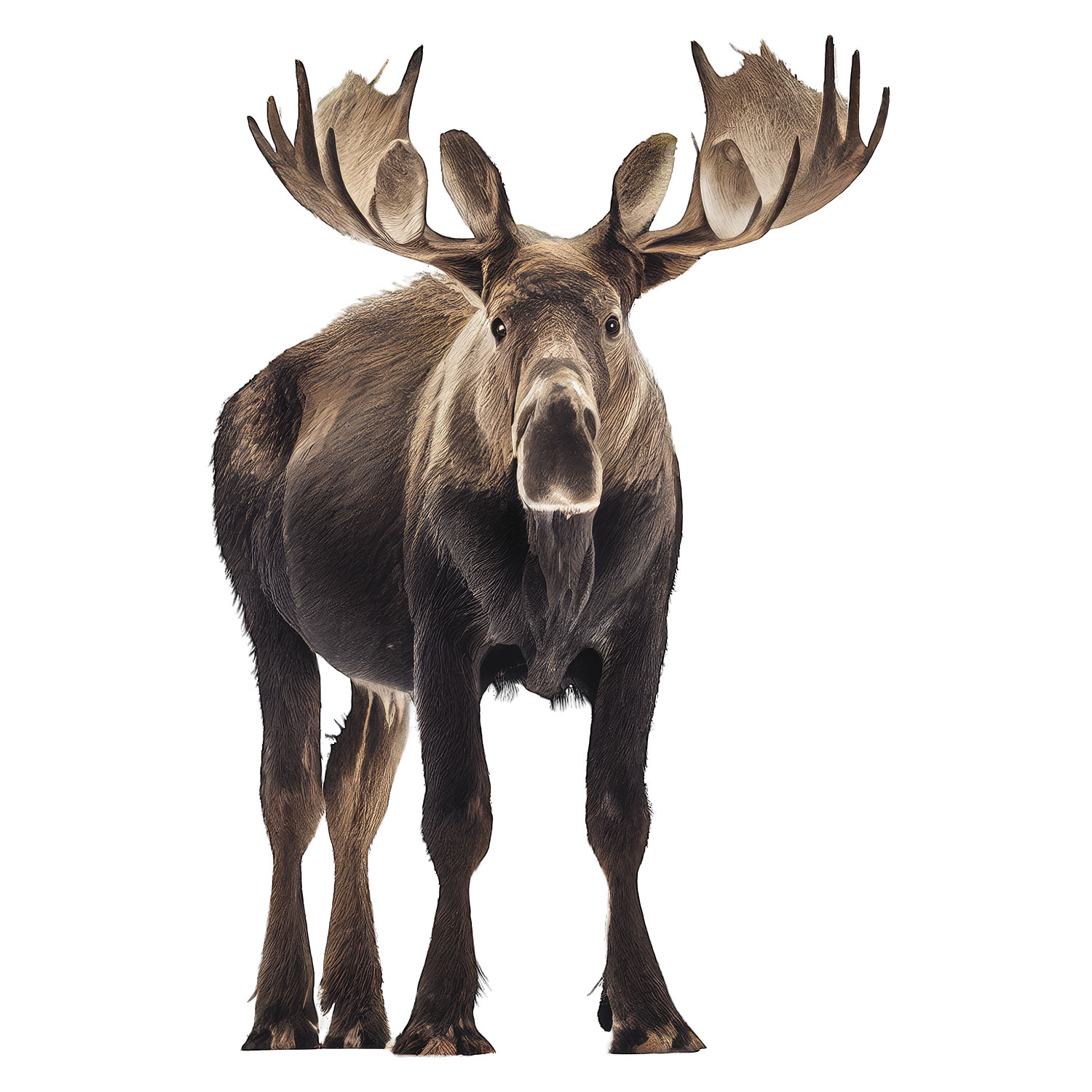
Moose
Alces alces
Second only to the mighty bison among North American land mammals in sheer mass (800-1,500 lbs.), the moose is the world’s tallest and heaviest species of deer. Skilled guides know to find them north of Jackson Hole outside the town of Kelly, always on river banks or near water, where they prefer to browse.
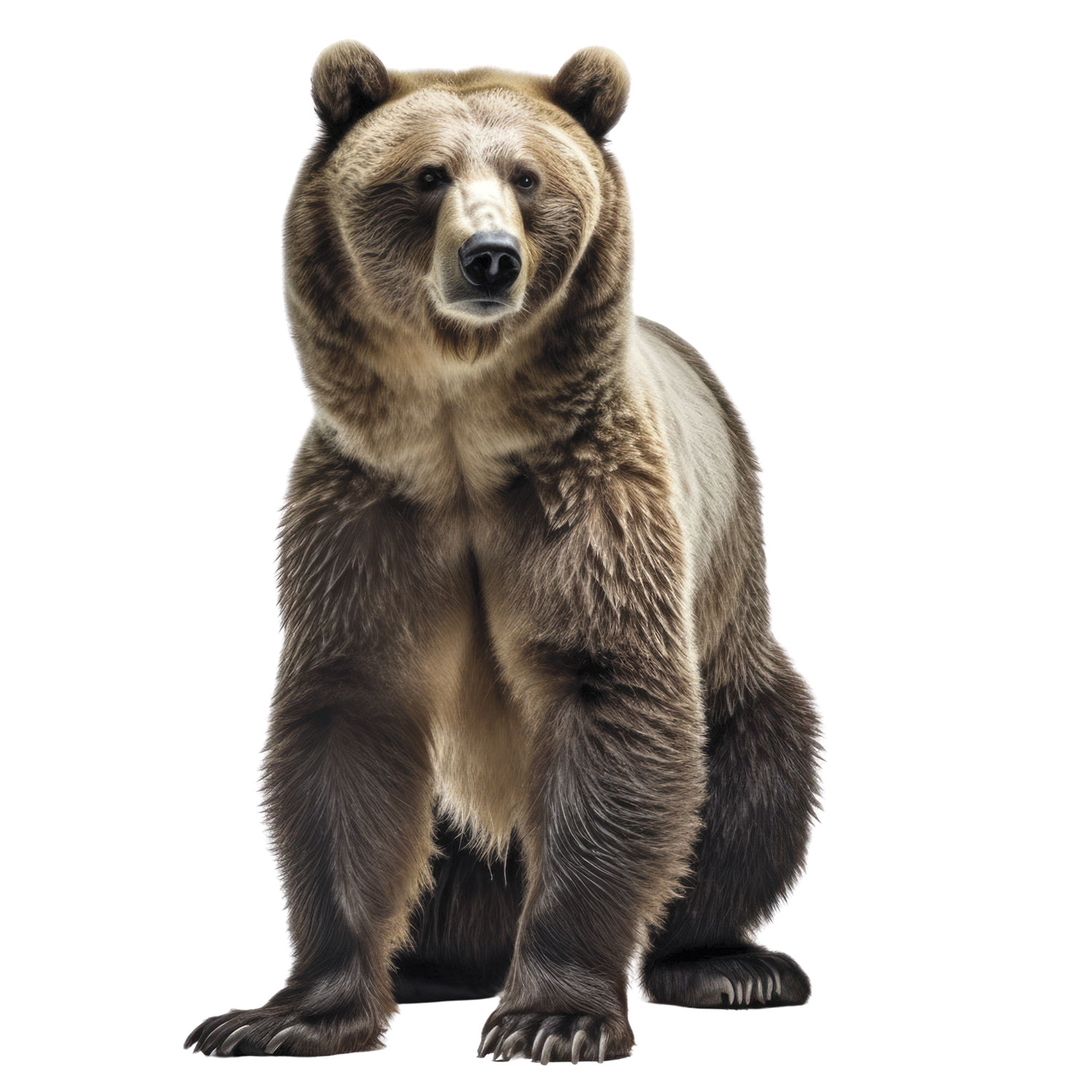
Grizzly Bear
Ursus arctos horribilis
For obvious reasons, guides are hesitant to get you too close to the fierce carnivores, but Amangani lead wildlife guide Jared Paul has a special go-to: Grizzly 399, a legendary specimen who’s believed to be the most prolific grizzly bear mother in North America, raising more than two dozen cubs across 27 years of breeding in the same, easily observable meadow near town. The big question in 2024: Will she return for another litter?

Antler Alert
Want to join in the antler-hunting fun after the locals have cherry-picked the easy ones? You must purchase a stamp from the Town of Jackson prior to collecting. jacksonwy.gov
Three Ways to See Wildlife in Jackson Hole
1. Multi-Day Safari
Hire a company like Jackson Hole Wildlife Safaris (jacksonholewildlifesafaris.com) to feed you, lodge you and entertain you with animal sightings at Grand Teton National Park and Yellowstone.
2. Float Trip
Hop into a Zodiac with fellow wildlife-watchers for an up-river excursion. Try to catch glimpses of animals that frequent riverbanks, woods and high trees. Dornan’s Float Trips (jacksonholefloattrips.com) is one such outfitter.
3. Day Tour/Private Trip
Spend 6-8 hours on a small-group tour like the one offered by local tour company Adrenaline (adrenaline.com). Lunch, binoculars and other essentials typically included.
Summering at Amangani
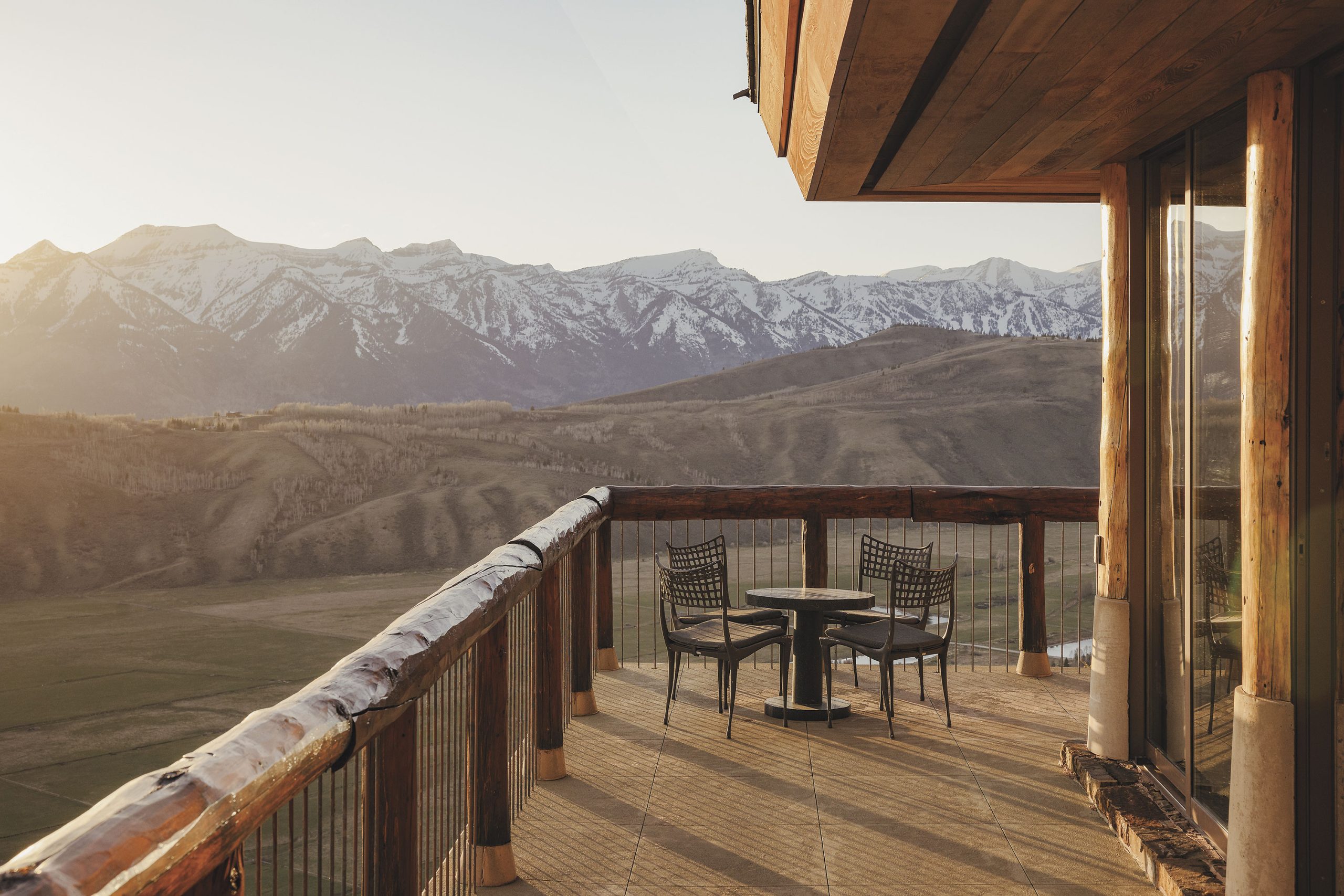
Like sister property Amangiri in the Utah desert outside Lake Powell, this 40-suite resort is a statement piece that elegantly – and eerily – marries nature and hospitality. Overlooking the serene Snake River Valley, with a long, glassy swimming pool that rides the very edge of the butte, the lodge-style resort bathes in quietude – there’s seemingly not a car horn or whirring HVAC unit within miles. During the summer, the full, lush aspen trees flanking the sunset side of the property fill the suites with trembling, hypnotic light.
That’s the ethereal side of it, anyway. Amangani (aman.com) also offers a welter of tangible amenities and experiences. Though Jackson Hole is known as a ski hot spot, any local will tell you that summer is the region’s true high season. Besides the aforementioned wildlife safari, the resort offers guided excursions to nearby Grand Teton National Park and Yellowstone; trout fishing and white water rafting on Snake River; and photography workshops to help you capture a piece of the Jackson Hole magic and take it home
with you.
At the conclusion of your summer outdoors-ism, retire back to the resort for dinner at on-site restaurant The Grill, with cuisine as expressive and colorful as the name is banal. The roasted mushroom starter, draped in egg yolk and pine nuts, will win over almost any palate with a one-two wallop of earth and umami, while protein fans will go crazy for the faint, lovely funkiness of a medium-rare elk T-bone – sourced locally, of course.
How to Get There
Daily flights from Phoenix to Jackson Hole Airport (jacksonholeairport.com) typically route through Salt Lake City. Flight time varies between 5 and 9 hours, depending on layover.