
The pandemic has presented new challenges for visual health, from commonplace maladies like digital eye strain to more grave realities like increased homelessness. Fortunately for Valley dwellers, eyecare specialists have risen to these challenges with state-of-the-art technology, enhanced safety measures and truly compassionate care.
Midwestern University Eye Institute
Health care meets academia at this research-driven campus in Glendale, which is open to the public and includes multiple clinics specializing in various aspects of health care. Midwestern embraces the One Health philosophy recognizing the interconnection between human, animal and environmental health. “One Health embraces the concept of collaboration between our different disciplines so we can provide the best integrated care for every individual patient who is seen in our clinics,” says Dr. Kaila Osmotherly, associate dean of clinical affairs at the Eye Institute. She’s seen a few issues trending over the past year and a half.
“The COVID-19 pandemic has touched so many areas of our lives, and our visual health is no different,” Osmotherly says. “We have seen some long-lasting visual effects with changes in the work and school environments moving so heavily to a remote setting. There have been publications in our peer-reviewed literature which have demonstrated an increase in children developing myopia (near-sightedness) throughout this time.”
If you have glasses for this condition, you might think it’s a mild and easily managed issue, but Osmotherly cautions against long-term effects. “Myopia can progress and cause blindness… In the last year, we have focused on our myopia control clinic. This is therapy specifically designed for children and teenagers who have developed near-sightedness, to prevent it from progressing to a dangerous level. As a mother of two daughters who are almost certainly genetically destined to become myopes, I am grateful this treatment exists and will refer my own children to our expert pediatric clinicians who provide this therapy.”


The institute has also seen an increase in cases of digital eye strain. Blame it on the Zoom meetings, social media addiction and round-the-clock device usage. “Our eyes have not adapted to our modern lifestyles of hours of screen time,” Osmotherly says. “The eye leads the body in many ways, and as we develop tired eyes, we often feel full-body fatigue as a result.
“Dry eye symptoms can be very impactful on quality of life, especially in our desert climate, and Midwestern is on the forefront of dry eye treatment. There have been numerous developments in dry eye therapy within the last decade, progressing far beyond the days of offering simple over-the-counter artificial tears.”
Midwestern also offers the only CAREN (Computer Assisted Rehabilitation Environment) in Arizona, a full-scale virtual reality system that bridges the gap between traditional clinical therapy and everyday life. It provides customized treatment to help patients with multiple conditions affecting vision, speech, physical therapy, neurological issues and more. “We don’t just treat diseases or conditions – we treat people,” Osmotherly says. “We want our patients to have the best quality of life possible, and we feel in order to do that we need to focus on those activities that are most meaningful to our patients.”

Global Retina Institute
It’s called Global Retina Institute, and the physicians there do think globally, with missions to the Dominican Republic and stints in other countries. But the prevailing vibe in the office feels much closer to home – the Midwest, to be exact. “Most of our practice is from Michigan… we’re all from the Midwest,” says chief medical officer Dr. Robin Ross. True to the stereotype, the genuinely friendly staff is dedicated to “a Cheers atmosphere, where we know the patients by name – even in their masks,” Ross says.
“Communication is important from front to back so that the patients feel like they’re not just a number, that they’re a family member,” says patient coordinator Robin Martini. “We care about their situation and we will do whatever it takes for them to get what they need, whether it’s calling other physicians, helping them with an appointment, helping them find their drops, whatever. We go the extra mile.”
It’s not just the personal touch that sets Global Retina Institute apart. “Our practice is really focused on investment in technologies that will educate patients earlier and try to give them a comprehensive picture of where their eye problems are so that they’re focused on the correct things,” Ross says. They added laser floater treatment in 2017, they have state-of-the-art imaging technology (including a clinic devoted to advanced dry-eye imaging) and they boast 60-inch screens in every exam room so patients can visualize and understand their conditions.
“One of the things that we focused on in the last six months is, before patients go to cataract surgery, about 42 percent of patients have ocular surface disease that they’re not aware of, and we’re looking through that to identify the retinal conditions,” Ross says. “If those surface diseases don’t get identified and cared for, they may not get the proper measurements for cataract surgery. So, we’re really trying to focus our practice on education so patients have the best quality outcomes, whatever surgery they end up having done.”
Director of operations Laura Kilgore says that emphasis on education extends beyond the patient. “We use videos, and we email their videos to them about their conditions,” she says. “Many times that we have patients that don’t do email or whatever, they’re putting their children on those emails… which helps them understand the condition.”
Perhaps most touchingly, during the pandemic the Global Retina Institute team used funds they were awarded from a PayPal grant to fund a portable refractor for Street Medicine Phoenix, a collaboration with the University of Arizona and Midwestern University. “We trained the students, and they began serving the homeless for eye care. Then we used Zenni Optical to decrease the turnover for them to get the glasses,” Ross says. “We think of global health as both global and local… because we weren’t able to travel during that time, we focused on the local community.”

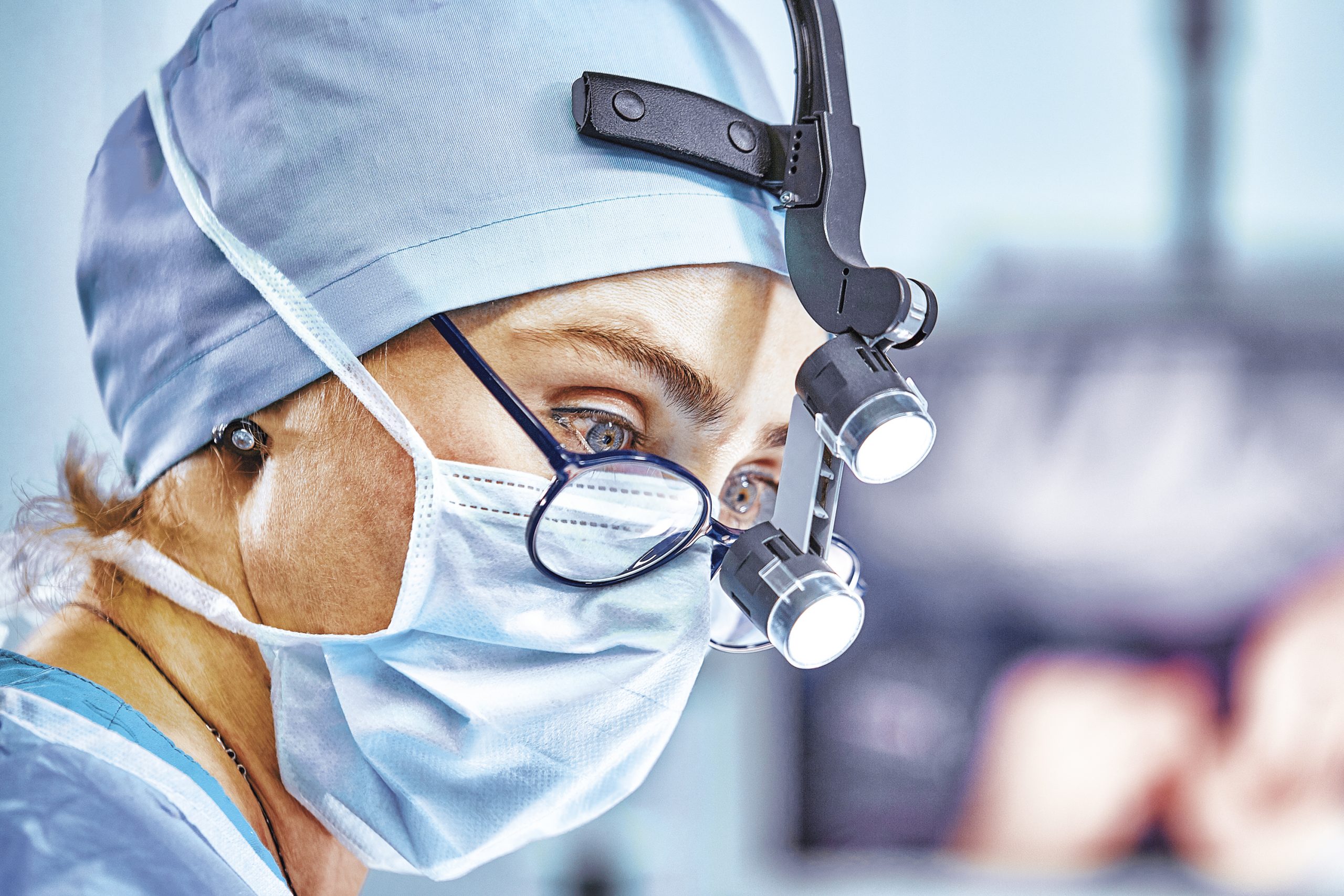
Associated Retina Consultants
Due to the novel coronavirus, the vision health community has had to recalibrate its care to ensure patient safety. “Since the start of the COVID-19 pandemic, some retina practices have adjusted their patient flow structures,” Dr. Rahul Reddy wrote in an article in the May/June 2020 issue of Retina Today. “At Associated Retina Consultants in Phoenix, for example, family members remain in their vehicles and patients never double back to the same hallway. Patients move in one direction for their entire visit, which maximizes efficiency and reduces the likelihood of patient-to-patient transmission of an infectious disease.”
Reddy and his colleagues at Associated Retina Consultants treat all retinal conditions, including macular degeneration, torn retina, diabetic retinopathy, ocular tumors and uveitis. “We have designated an isolated exam room in our office for patients who present with an urgent need for care and have been identified as positive for COVID-19. We may keep this room for similar use in the future.”
The virus may also have lasting impacts on the treatment paradigm, Reddy continues. “We often talk about the benefit of extended-duration treatments and the promises they hold. The thought many retina specialists used to have was this: If patients can go several months without visiting our practice while maintaining visual acuity and remaining safe, then they will be more likely to comply with treatment recommendations,” he says. “Being able to serve more patients as a result of this would be a windfall. Now, we have to consider whether or not we reduce patient risk for disease exposure if we extend duration between treatments, for example, for wet age-related macular degeneration.”
Another way Associated Retina Consultants keeps up with innovations is The Clinical Research Program, an initiative it started in 2005. It allows its physicians to participate in clinical research studies and trials, which exposes them to cutting-edge treatments in their field. Past clinical trials they’ve undertaken include those focused on diabetic retinopathy, macular degeneration, retinal vein occlusions, uveitis and surgical procedures and devices. Patients are invited to inquire to see if they’re a fit for current or future studies.
Want a downloadable version of this article? Click Here.