by Marilyn Hawkes | Photography by Angelina Aragon
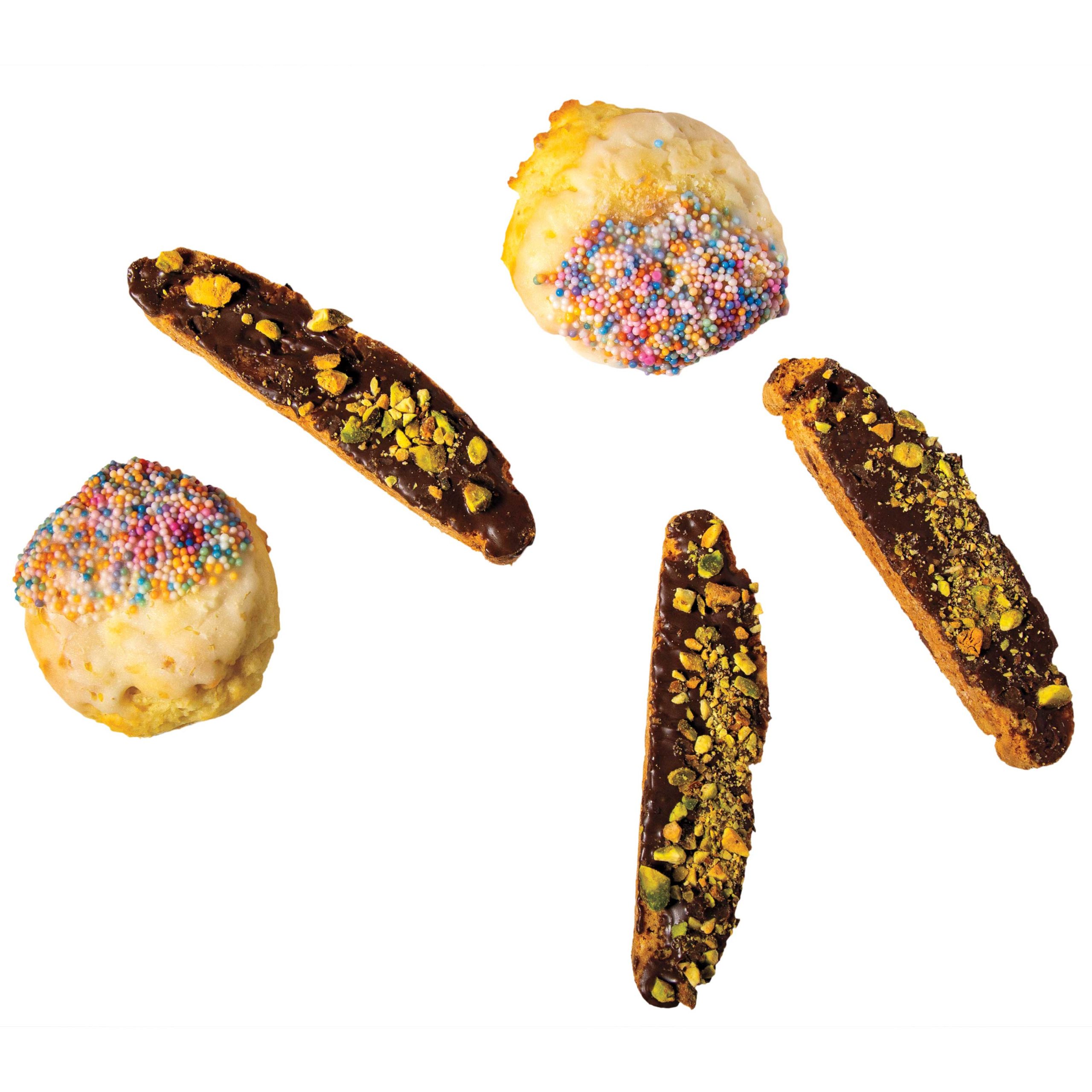
Artisan Biscotti
Growing up in a large Italian family near Chicago, Carri DeRose spent many hours baking with her grandmother, mom and aunt. About two years ago, DeRose, who now lives in Scottsdale and works as director of operations for a wireless distribution company, started making biscotti to fill a creative void in her life. After testing her baked goods with family and friends to much acclaim, she ventured out to farmers markets, where she now sells six flavors of biscotti, including crowd-pleasers like pistachio cherry with dark chocolate, vanilla chai spice and brownie pecan ($8 for a two-pack). “I really wanted people to see and understand that when it comes to biscotti, it doesn’t have to be bland or hard and tasteless,” she says. DeRose’s newest addition is a brilliant line of soft Italian lemon cookies ($15 for six) baked with ricotta cheese and adorned with vibrant sprinkles. DeRose recently scored a contract with Williams-Sonoma to make the company’s biscotti nationally. “It’s a huge step for me.”
Spice Rubs and Sprinkles
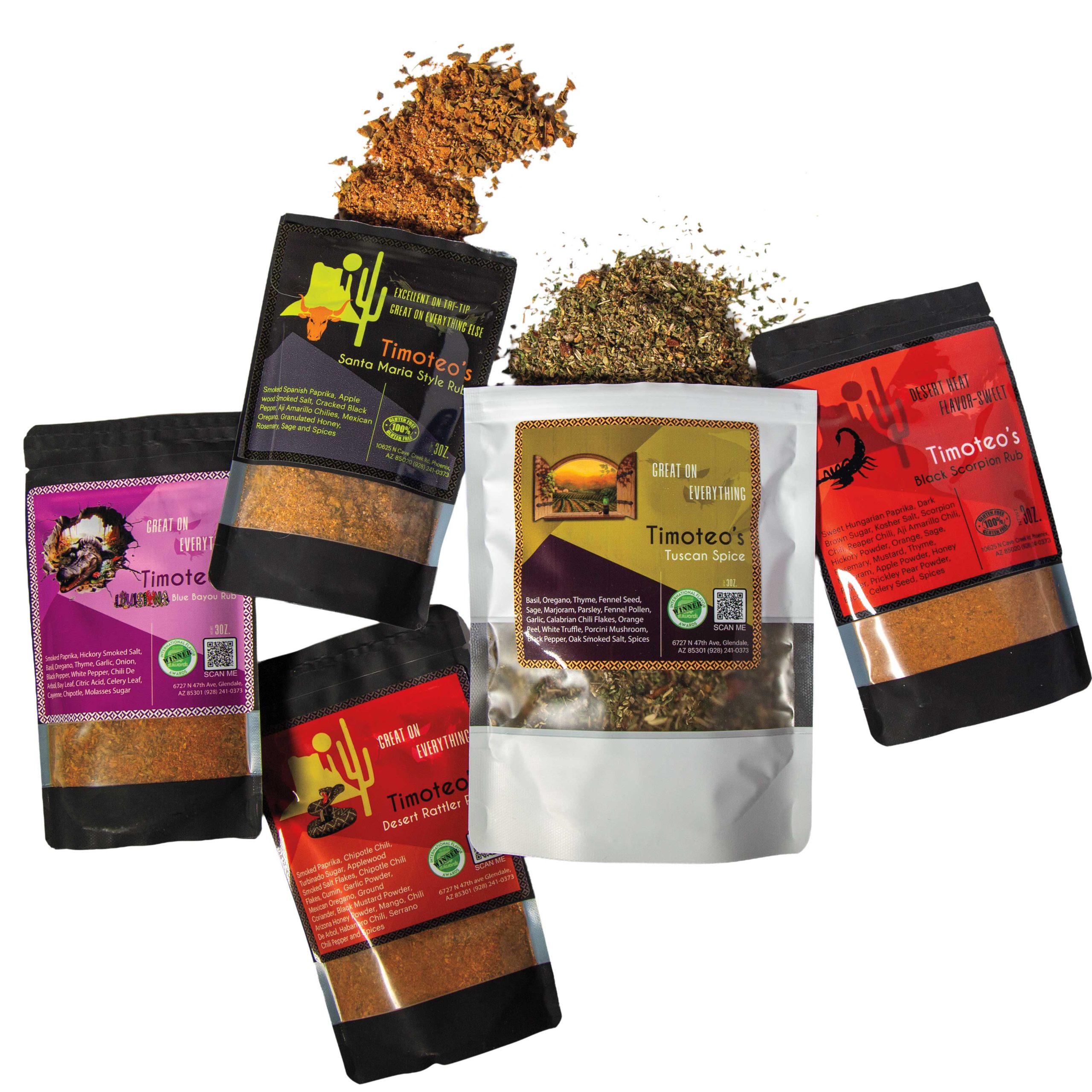
Tim Boudreaux has been a chef for almost 30 years, but after a neck injury sidelined him in the early 2000s, he changed course and began handcrafting gluten-free spice rubs. Today, the spice master mixes up 14 interesting blends, including Tuscan Rub (highlighted with basil and oregano), Sonoran Rub (anchored with smoked paprika) and Desert Rattler (an International Flavor Award winner that includes a spicy mix of four chiles). For fans of global flavors, Boudreaux’s line also includes Brazilian Chicken Rub and Flamin’ Asian Rub. Most folks use his mixes as intended – as rubs for meat and fish – but many customers report sprinkling the flavorful blends over noodles, cottage cheese and pasta sauce. “Each rub has 23-plus ingredients,” Boudreaux says. “They’re very complex flavor profiles and most of them have about 20 to 25 percent less sodium than what you’d find at the grocery store.” Timoteo’s Spice Co. is available at Uptown Farmers Market and online.
Hormone-Free Eggs
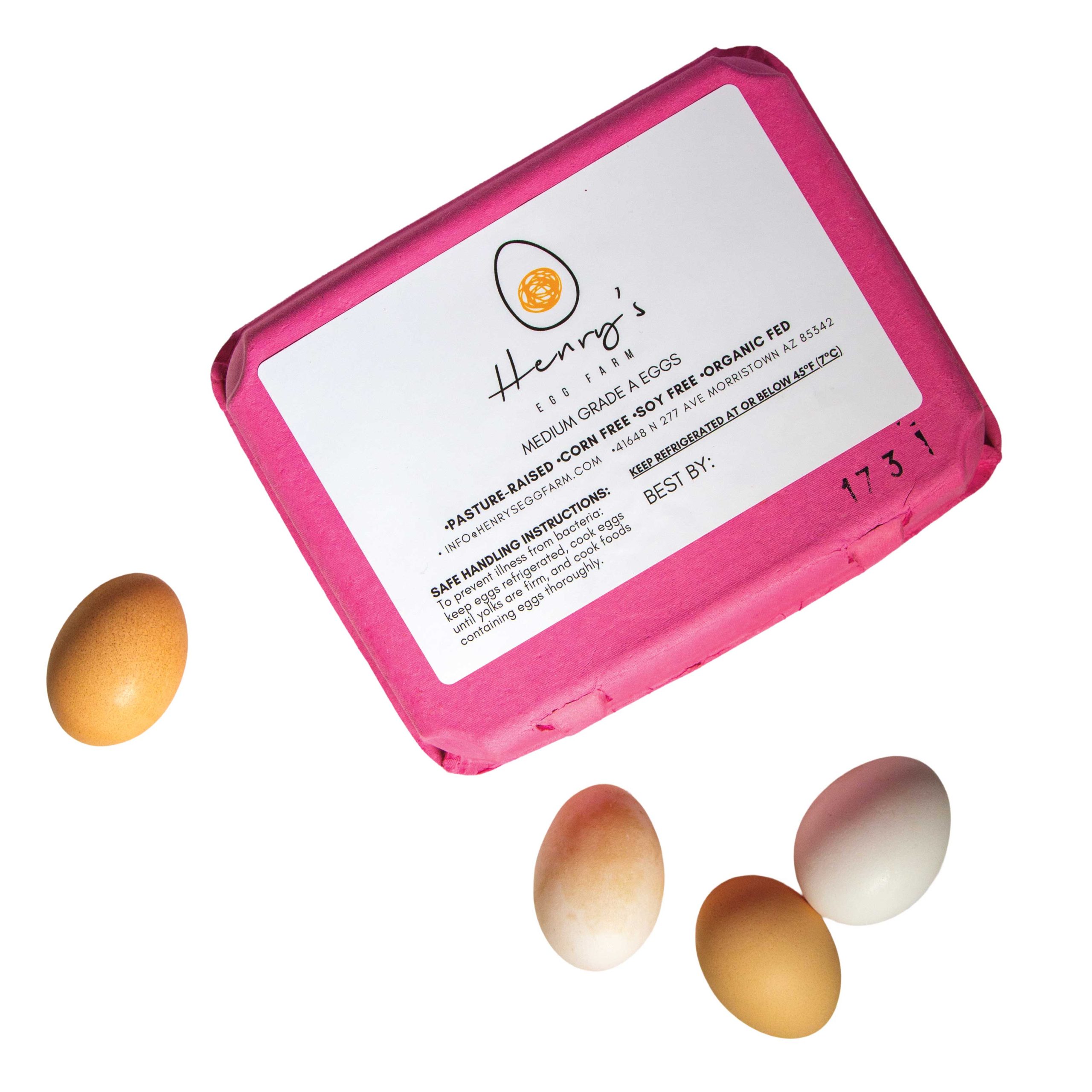
Located in Morristown in the Northwest Valley’s most northern, westerly extremity, Henry’s Egg Farm has quickly become one of the Valley’s go-to sources of fresh, local eggs. Founded by food scientist Henry Osineke Eziama and his wife, pediatric emergency physician Julie Augenstein, the sustainable farm is home to about 2,000 free-range and pasture-raised hens that produce premium, hormone-free organic eggs ($12 for a dozen). “The eggs are typically laid on Wednesday or Thursday, lightly washed on Friday and taken to the farmers market Saturday morning,” Augenstein says. “We sell out within an hour.” By comparison, grocery store eggs can be up to 90 days old, she says. Besides being more nutrient-dense than commercial eggs, fresh local eggs just taste better, Eziama says. “But it’s about more than taste. It has a lot to do with the local economy, the future of food and what we’re teaching our kids.” To find Henry’s Eggs at farmers markets and local stores, visit the website.