
To fight a disease like cancer, you first have to understand it. Here, we’ll explain the five most prevalent types of cancer and share the innovative and effective ways Valley clinics are treating them.
Understanding Melanoma
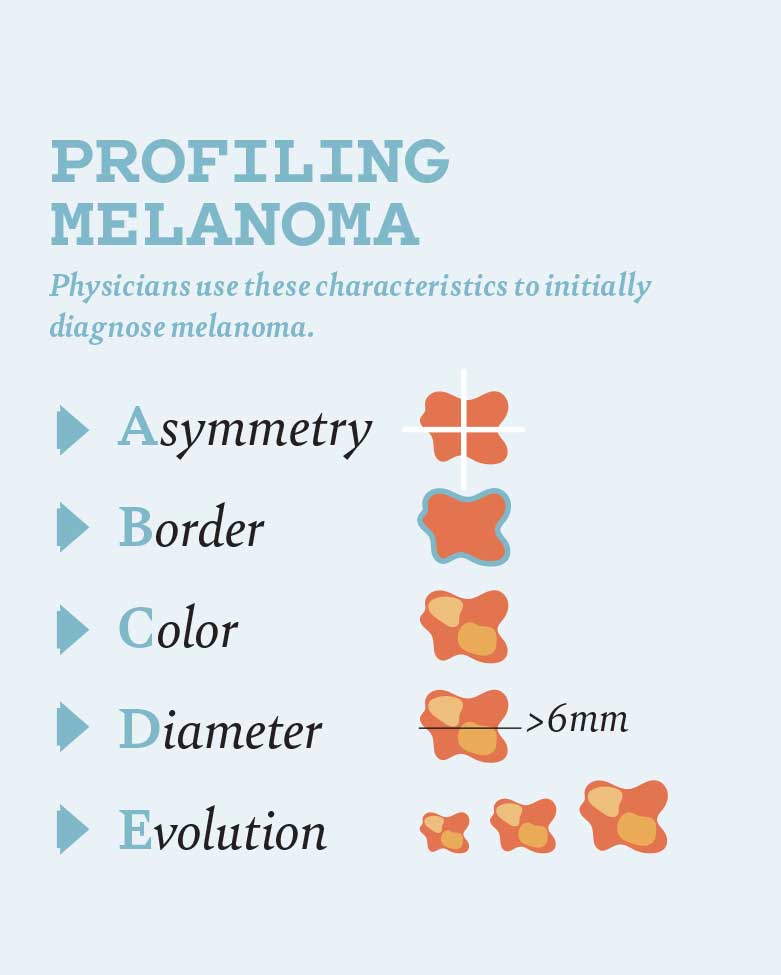
Melanoma can start as a new mole or a change in an existing one and can appear anywhere on the body. Warning signs include asymmetric moles with irregular borders, multiple colors or a diameter larger than a pencil eraser. It is one of the most aggressive forms of skin cancer, but it is also one of the most treatable if caught early.
At Mayo Clinic, physicians like Dr. Rick Bold are using advanced technology not only to treat cancers like melanoma more precisely, but also to make care more accessible, especially for patients living far from major medical centers.
“Radiation therapy can last for weeks, even months,” Bold says. “That’s a real challenge for people traveling from rural areas. With proton beam therapy, we can shorten treatment time and minimize side effects without compromising results.”
Proton therapy uses highly targeted radiation that spares healthy tissue and reduces the overall treatment burden. It’s especially helpful for patients needing care that fits around their lives, not the other way around.
Mayo Clinic’s goal is not only to treat cancer, but to eliminate it. Improving equity and access through technology remains a priority. For more information or to request an appointment at its Phoenix and Scottsdale campuses, visit mayoclinic.org/arizona
Understanding Leukemia
Leukemia begins in the blood and bone marrow, disrupting the body’s ability to produce healthy cells. Treating it requires not only a team of doctors with advanced expertise, but also access to state-of-the-art therapies.
At City of Hope Phoenix, patients receive nationally recognized, research-supported care from a team that is part of one of the country’s leading bone marrow transplant programs. Expert hematologic oncologists treat leukemia with care plans tailored to each patient and access to exclusive clinical trials.
These studies offer eligible patients access to promising new therapies that not only prioritize patient safety, but also consistently exceed national safety benchmarks. Additionally, City of Hope Phoenix has partnered with TGen to accelerate the pace of discovery and bring innovations from the lab directly to the bedside.
With a mission to deliver tomorrow’s cures today, City of Hope Phoenix offers patients with leukemia a range of treatment options at its Gilbert, Goodyear, North Phoenix and Scottsdale locations. Learn more at cityofhope.org.

Understanding Lymphoma
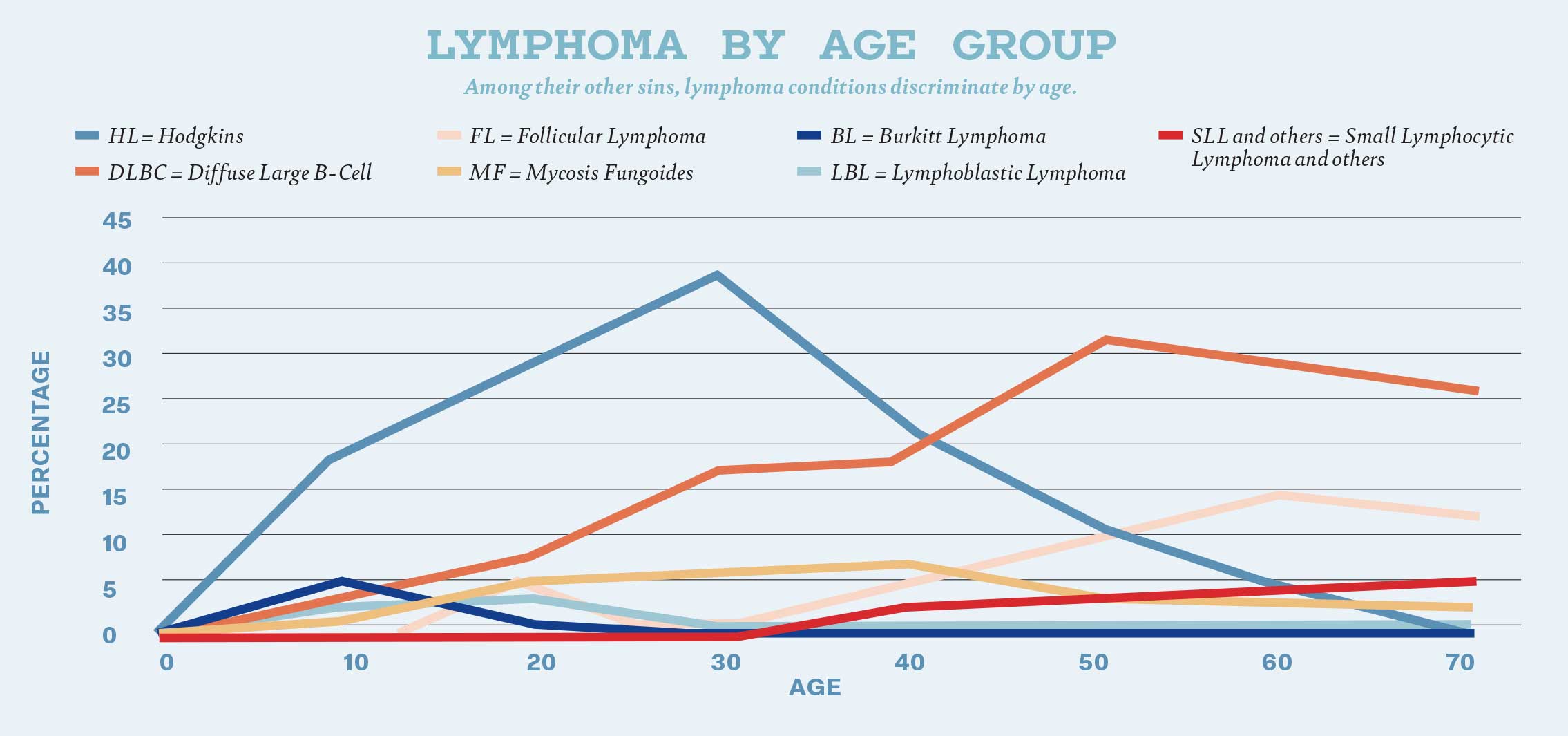
The signs of lymphoma are subtle. They can include swelling in the neck, armpits or groin; fatigue; persistent fever or night sweats; and sudden weight loss. Some symptoms are easy to miss, but early detection can make all the difference.
The team at Palo Verde Cancer Specialists provides patients with care tailored to their diagnosis and lifestyle. Through molecular tumor profiling, doctors match patients with the most effective treatments. These include targeted therapy, immunotherapy, chemotherapy or radiation, prioritizing powerful results and minimized side effects.
Advanced diagnostic tools, such as liquid biopsies and blood tests, assist in early detection and monitoring treatment response for lymphoma. When radiation is necessary, patients benefit from precise radiosurgery that protects healthy tissue.
Throughout diagnosis and recovery, Palo Verde Cancer Specialists ensure every patient receives expert guidance, support and personalized care for the best possible outcome. There are locations in Scottsdale, Gilbert, Glendale and Phoenix. To learn more, visit pvhomed.com.
Understanding Carcinoma
In Arizona, we are constantly exposed to the sun’s intense rays. That means that the risk of skin cancer in areas such as the face, ears, neck and arms is high. Our prolonged exposure to UV rays damages skin cells and can lead to carcinoma, the most common of skin cancers.
Fortunately, early detection and treatment can lead to positive results. At Regency Specialties, patients receive care tailored to our unique Valley lifestyle, including cutting-edge dermatology and plastic surgery.
For surface-level carcinoma, the clinic uses electrodesiccation and curettage, or surgical excision, to remove abnormal or diseased tissue with minimal impact to healthy skin.
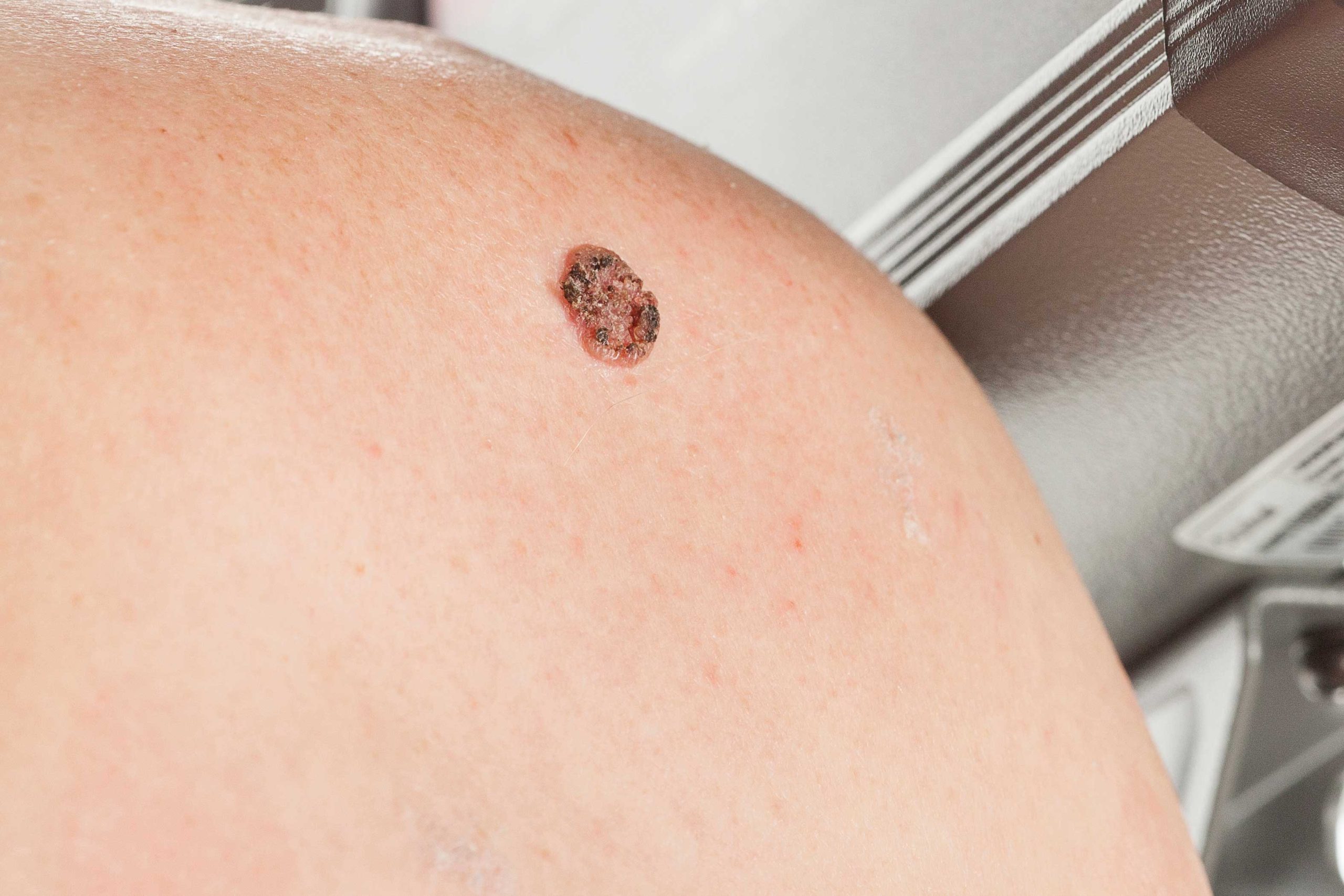
For more aggressive or complex cases, Regency’s dermatologic team, led by Dr. Betty Hinderks Davis, provides Mohs micrographic surgery (see sidebar). This specialized method removes the tumor in very thin layers, with each layer examined until only healthy tissue remains, preserving as much normal tissue as possible. It is considered the gold standard because of its high cure rate, which leads to better cosmetic and functional results.
Davis, a board-certified dermatologist and PHOENIX magazine Top Doctor, is committed to helping patients prevent, detect and treat skin cancer.
Visit regencyspecialties.com to schedule an appointment at its locations in Phoenix, Surprise and, soon, Verrado.
Mohs Def
The revolutionary micro-surgery by the numbers.
Mohs surgery has a cure rate of up to 99% for non-melanoma skin cancers, especially when performed by experienced surgeons.
The recurrence rate for skin cancers treated with Mohs surgery is significantly lower compared to other treatments, often around 1%-5%.
Mohs surgery is most commonly performed on older adults, as skin cancer risk increases with age. However, it is also effective for younger patients with high-risk lesions.
In the United States, Mohs surgery is performed more than 700,000 times annually, making it one of the most common surgical procedures for skin cancer treatment.
Understanding Sarcoma
It often starts as a painless lump. But sarcoma, a rare and aggressive cancer of the bone or soft tissue, can grow quietly in the body until it begins to press on nerves, muscles or organs. By the time symptoms such as swelling, persistent pain or restricted movement appear, the disease may already have advanced.
That’s why innovative treatments matter. At Phoenix CyberKnife & Radiation Oncology Center, patients with complex cancers such as sarcoma are finding renewed hope through the groundbreaking CyberKnife System.
Despite its high-tech name, there’s no knife involved in CyberKnife. It is an advanced robotic system that delivers precise, high-dose radiation from hundreds of angles. No incision is needed. CyberKnife can track tumors in real time, even as you breathe, allowing physicians to target tumors with sub-millimeter accuracy while sparing the surrounding healthy tissue.
For patients with inoperable or hard-to-treat tumors, CyberKnife offers a noninvasive, outpatient alternative to surgery or traditional radiation. It can treat even the most complicated cases. These cases include tumors of the prostate, lung, brain, spine, head and neck, liver, pancreas and kidney. The CyberKnife System requires no hospital stay or anesthesia and causes minimal disruption to daily life.
Phoenix CyberKnife and Radiation Oncology Center creates a unique treatment plan for each patient. Patients can visit one of three convenient Valley locations: Gilbert, Scottsdale or Phoenix. For more information, visit phoenixcyberknifecenter.com
Sarcoma Stats
Cancers of the bone and soft tissue typically make up less than 2% of cancers diagnosed in a given year – but early detection is key.
In the U.S., about 13,520 new soft-tissue sarcomas will be diagnosed (7,600 in males and 5920 in females).
About 5,420 people (2,960 males and 2,450 females) are expected to die of soft-tissue sarcomas in 2025.
The five-year survival rate for sarcoma cases is about 65% overall, but but this can differ widely depending on the type and stage of the sarcoma.