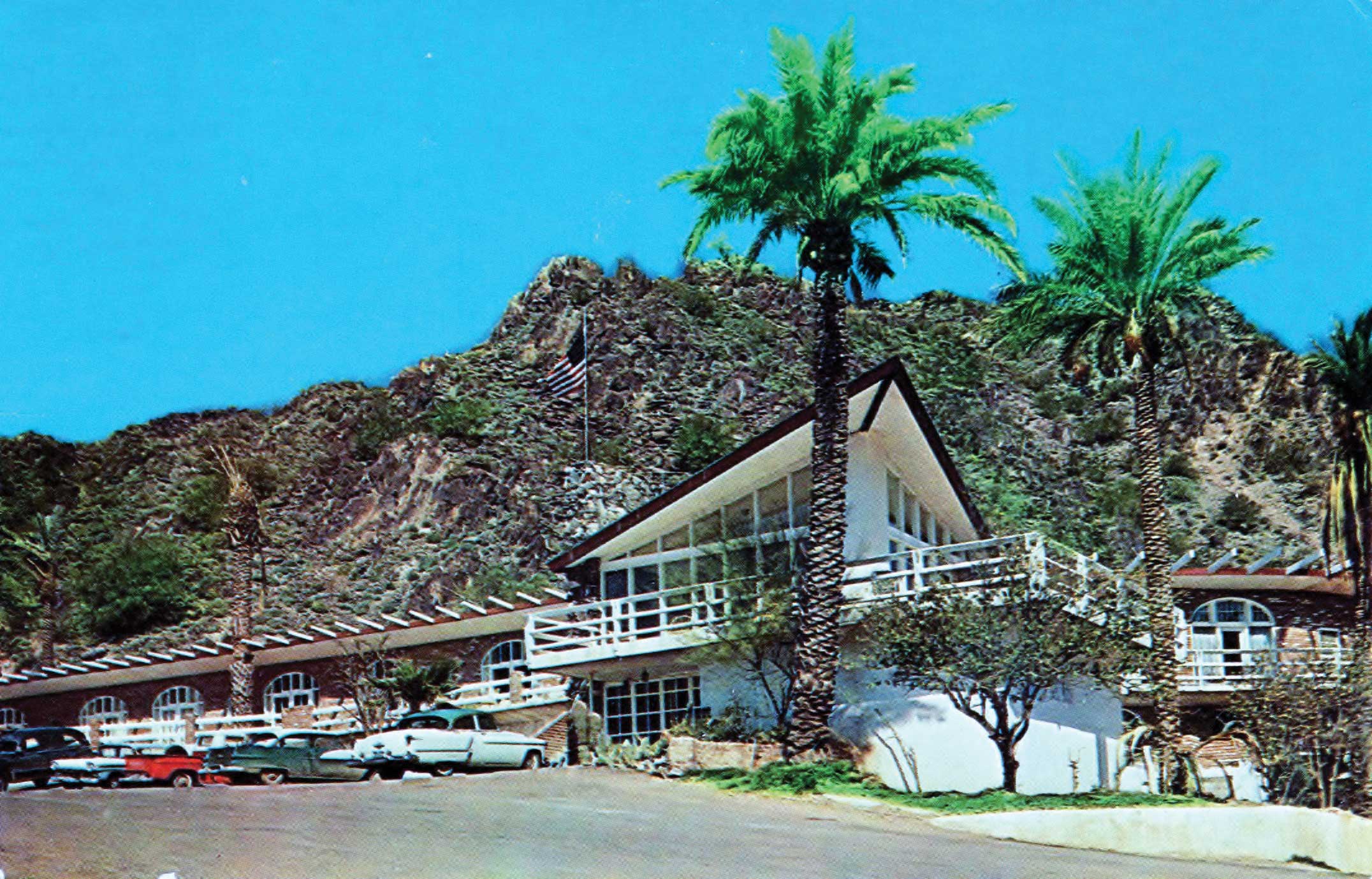
Phoenix’s second-oldest hospital, long known as Good Samaritan, has been at the forefront of medical care – and design – since its founding in 1911.
by Douglas C. Towne
Did George Jetson and Fred Flintstone relocate to Arizona to work as architects? It’s a question Phoenicians might have asked themselves when a distinctive high-rise debuted on McDowell Road in 1980. To social media commentators on a history page recalling its debut, the 12-story patient tower anchoring the hospital, then known as Good Samaritan, was a futuristic marvel straight out of The Jetsons, filled with Space Age medical technology operated via remote control. Others viewed the edifice as positively Stone Age, the personification of Bedrock Hospital, where Fred would have taken Wilma to deliver Pebbles during an episode of The Flintstones.
Tempe architect James Logan Abell has heard worse. “Some referred to it as a ‘prison,’ maybe because the oval – though really, cartouche-shaped – windows were so different.”
Conceived by Chicago architect Bertrand Goldberg, the building’s unique shape improved patient health outcomes, according to Abell, who worked on the project. It provided a step-saving layout for caregivers, allowing a mere 48 nurses to monitor 570 patients. “It was an innovative, ultra-modern, humane building design that aids in human comfort, affords ease of use, and delights us with architectural expressions that exhilarate our spirit and heal our infirmities.”
It was merely the latest innovation at the hospital, which has pushed boundaries to provide top-notch treatment since its founding more than a century ago – and continues to do so in its current existence as part of a major Arizona health network.
The hospital was the brainchild of Lulu Clifton, an Iowa native and health activist who came to Phoenix expecting to die but survived to devote her life to helping others.
As a young woman, Clifton studied for three years to become an unsalaried deaconess social worker in the Methodist church. Working at an Omaha hospital, she became engaged to a Methodist minister before contracting tuberculosis. In 1903, doctors recommended moving to Phoenix, but Clifton was so ill that they doubted she would survive the train trip, according to the book Miss Lulu’s Legacy by Stephen C. Shadegg. She left her beau and “… lived in a tent, cooked her own meals, and cared for herself [in Phoenix and recovered to resume] calling on the sick and the poor.”
With her health restored, Clifton worked to create a Protestant hospital, as some residents sought treatment outside of Phoenix due to their bias against the Catholic-run St. Joseph’s Hospital. In 1911, she leased a house at 750 W. Taylor St. in what is now regarded as Downtown Phoenix to establish the Arizona Deaconess Hospital. The facility relocated to the nearby two-story Angeny building at 215 N. Third Ave. in 1915. “The operating room was on the first floor… and they had to carry me upstairs to my room on a stretcher,” patient Helen Shackelford, obviously of hardy pioneer stock, told Shadegg. “But the nurses made me comfortable… it is not an unpleasant memory.”

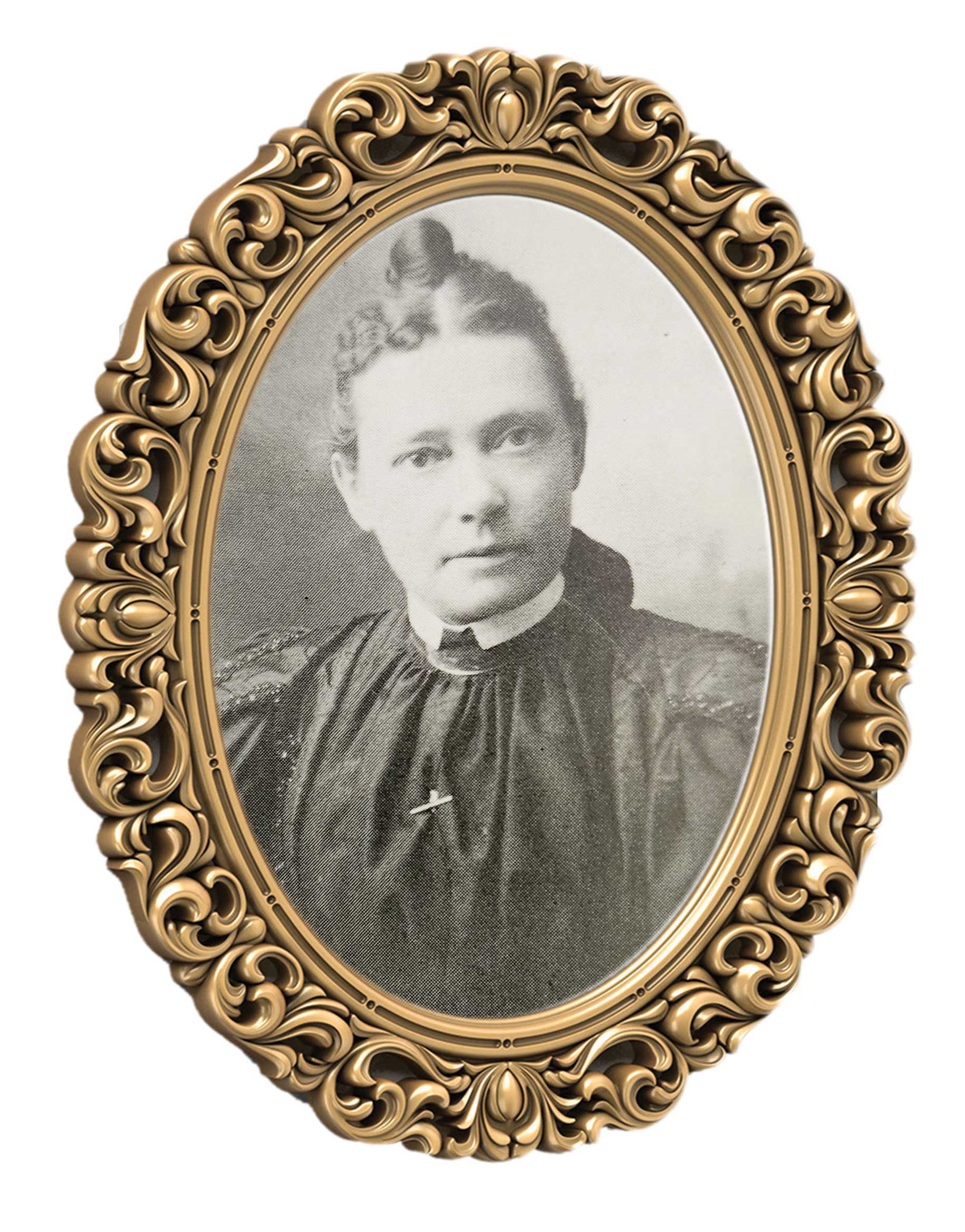
After land was donated to the Methodist church at McDowell Road and 10th Street – then a rural area – Clifton made plans for a new hospital. Construction began in 1918, but funding and supply issues delayed completion until 1923. The new Arizona Deaconess Hospital accommodated 105 patients, featured a modern delivery room with the state’s first incubator, and had a nursing school until 1973.
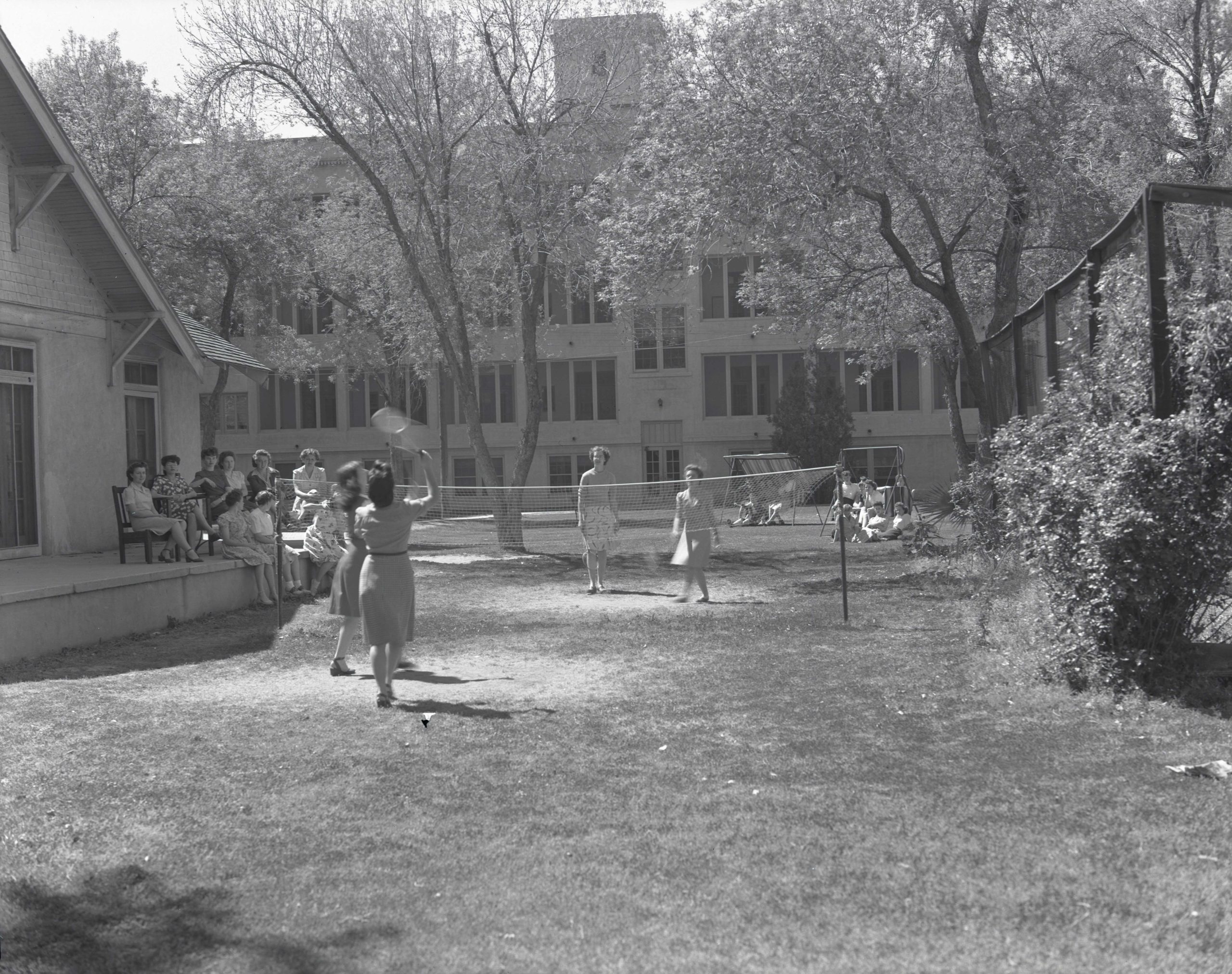
The hospital was renamed Good Samaritan in 1928 and consisted of stately buildings on a beautiful, shady campus where staff played badminton on the lawn. But significant funding challenges existed, which the Great Depression soon exacerbated. The struggling hospital benefited from the nation’s mobilization for World War II, experiencing increased patient numbers due to newly established military bases in the area, and afterward emerged with newfound health.
Hospital arrivals fascinated the neighborhood kids. “When we heard a siren, we’d hustle over to see what the ambulance brought,” says Galen Updike, one of seven children, whose mother was a nurse at Good Samaritan in the late 1950s. “When our backyard accidents were serious enough, we pulled the injured party in a red wagon about 200 yards from our back gate to the hospital. I remember the ER nurse greeting my mom with, ‘What happened this time?’”

Susan Irvine-Town, a Glendale resident, has bittersweet memories of delivering her child at Good Samaritan in 1967. “Back then, they kept you in the hospital for three days after giving birth and, on the last night, provided a candlelit steak dinner with your husband in your room,” she says. “Unfortunately, my hubby was in Vietnam, so I didn’t get that last chance for a peaceful and intimate couple’s meal before you take the baby home [and have] chaos.”
“I brought hundreds of patients [to the hospital from 1974-1978], from illnesses to gunshot wounds and stabbings, as well as the victims of other assaults and mayhem,” says journalist and author Jon Talton, a former emergency medical technician. “The nurses and physicians were uniformly professional and competent.”
“Good Sam” handled unusual situations with aplomb, recalls former drag artist Horace Mick, who was performing in curlers and a negligee on stage when he banged into a wall at Casa de Roma and got a nail stuck in his elbow in 1978. “I guess I was covered in blood and couldn’t figure out why the audience was screaming,” he says. “They took me to the ER, and I heard I was quite the topic of conversation from a male nurse who was a regular at the club.”
Today, Clifton wouldn’t recognize the expanded campus, the miraculous medical technologies or advanced facilities. Nor would she recognize its name. After being known as Good Samaritan for almost 90 years, the hospital was renamed Banner-University Medical Center Phoenix in 2015.
A recently constructed hospital building now overshadows architect Goldberg’s 45-year-old patient tower, which is slated for demolition around 2031. The once-misunderstood structure, however, has evolved into a beloved local landmark. “The hospital should convert it to residential use,” says Phoenix historian Donna Reiner, who is in The Jetsons camp. “It would be a tragedy to tear down that futuristic masterpiece.”
Dearly Departed Hospitals
These facilities once offered vital medical care in Phoenix.
Arizona State Tuberculosis Hospital
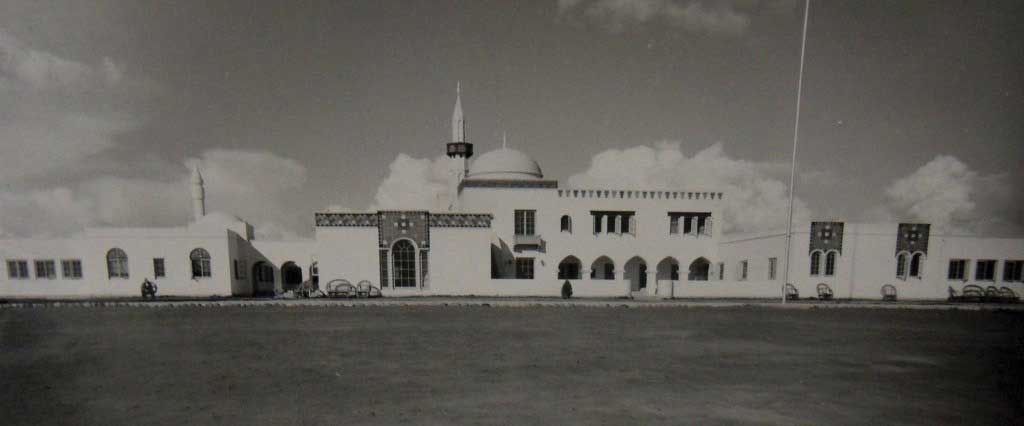
The Moorish Revival sanitarium opened near Papago Park in 1935. New Deal programs financed the building, which was razed in 1964 after an adjacent facility opened. In 1974, the new sanitarium closed, and the building became Arizona’s first children’s hospital. ASU bought the hospital for $1 in the 1980s to use as its Community Services Building.
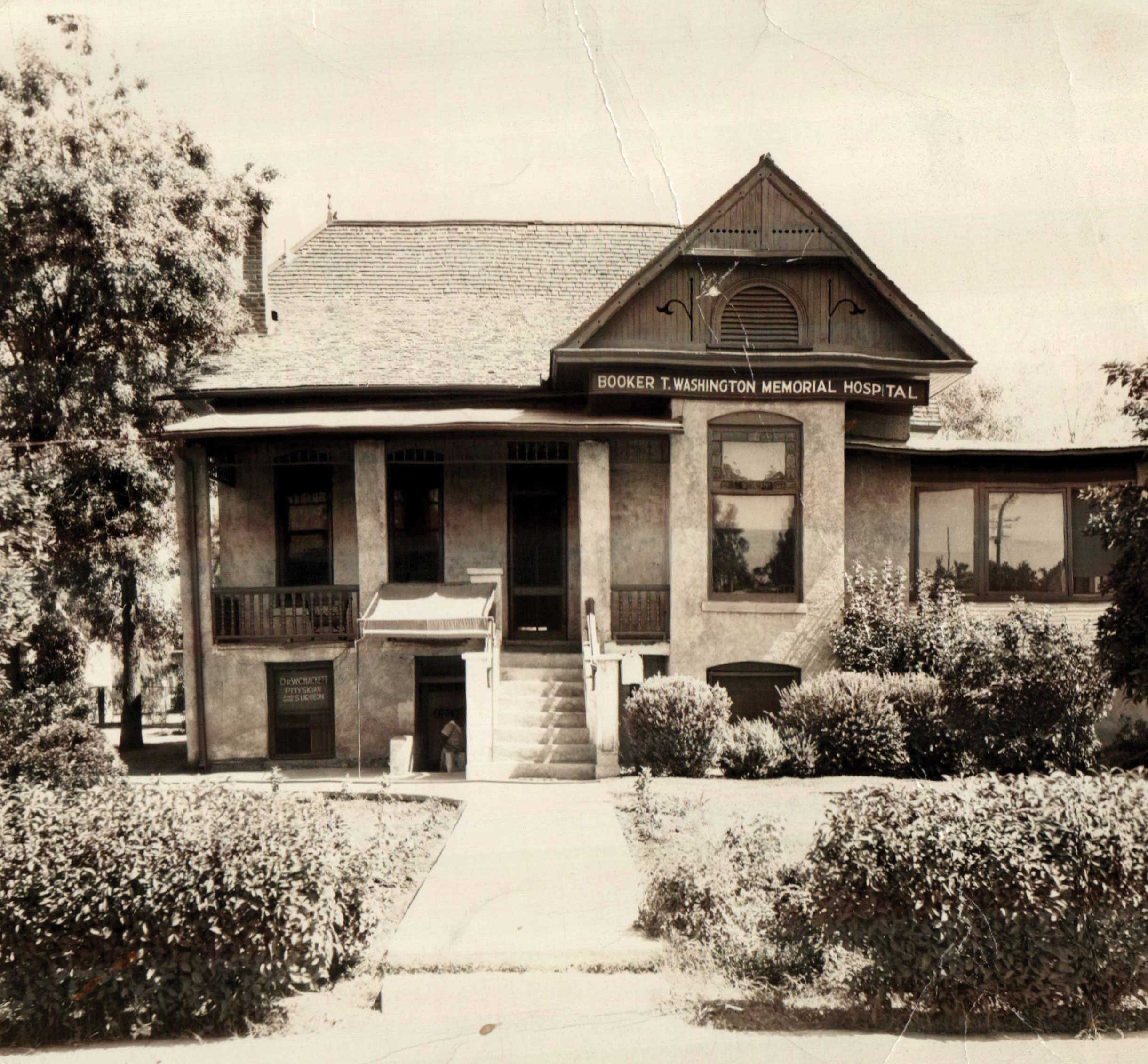
Booker T. Washington Memorial Hospital
The hospital, named after the African American educator, provided health services to Black residents, who were often denied care elsewhere. Dr. Winston Churchill Hackett, an African American, opened the facility in the Eastlake neighborhood in 1921 and recruited Black nurses from Southern schools. It closed in 1943 due to Hackett’s failing eyesight and was later razed.
North Mountain Hospital
In 1955, Dr. Kenneth Hall used volunteer labor and salvaged materials to build a medical facility in Sunnyslope. Financial scandals ended his career, and in 1971, the state revoked the hospital’s license. The building was converted into a nursing home, then a drug clinic, before being demolished.