Rising restaurant rents cause some local haunts to close their doors – or change their business models.

Rising rents have dominated housing headlines over the past year, but residential renters aren’t the only ones suffering – restaurateurs are also struggling with soaring rental prices. Popular haunts such as the larder + the delta, Simon’s Hot Dogs and others shut their doors last year, with some citing higher rents as reasons for their closure.
“Rent and real estate costs were always a factor, but post-COVID it’s become more and more of a factor in a negative sense,” says Steve Chucri, president and CEO of the Arizona Restaurant Association.
The closures have forced some restaurants to find new locations – and new ways – to reach their customers. Simon’s Hot Dogs now serves its Colombian-style hot dogs from a food truck, while Stephen Jones of the larder + the delta told PHOENIX in December that it may take up to a year to reopen his restaurant in a different locale.
The commercial real estate market for restaurants in the Valley has grown intensely competitive, with low vacancies, high demand and – in most cases – increased rent. Restaurants in trendier areas face even more pressure, as those neighborhoods tend to be more expensive.
“If you’re going to go into those nicer areas, you’re going to pay higher rents… you’re also going to be charging more in price,” Chucri says. “So, there’s so many factors. It’s not if you subtract one, you get to zero. What other realities are playing into the overall profit and loss statement of that particular restaurant?”
Chucri says some restaurants have found success relocating to different neighborhoods, but moving to an up-and-coming or less established area brings its own risks. “If it’s an up-and-coming area, you might have to slug it out for a while until more and more houses are built, from where infrastructure comes in and around you,” he says. He estimates local restaurant rents have increased 10 to 15 percent since the onset of the pandemic, although he says some restaurants have faced increases of up to 40 percent.
Other factors include the relationship between the tenant and the landlord, and landlords looking to capitalize on a restaurant’s popularity.
“The landlords are going to jack the rent knowing that there is no supply and they’re going to be able to get that rent from somebody,” says Eddie Gonzalez, a broker with commercial real estate brokerage firm CRE8 Advisors. He adds that prospective restaurant owners from more expensive states such as California are usually most willing to pay higher rents. Many of those businesses also relocated from California when Arizona was allowed to remain open during the pandemic, he says.
Gonzalez says the retail vacancy (under which restaurants fall) in Phoenix is around 4 percent, the lowest it’s been in about 15 years – unlike the trend in office vacancy.
Some restaurateurs insist on owning properties to avoid arbitrary rent increases from landlords. Grand Canyon Brewing + Distillery sells its wares in the Valley but only maintains physical locations in Williams, Flagstaff, Page and Kingman. It owns all except the Flagstaff spot.
“Leases can be risky anywhere, but Phoenix is a very competitive, very fast-moving market,” says Alexander Phillips, sales director for Grand Canyon Brewing + Distillery. The owners want to open a brewpub in the Valley, but haven’t yet found that perfect fit.
“One of our philosophies over the course of the 16 or so years we’ve been open is that when we expand, it has to be perfect,” he says. “It can’t be anything less, because there’s already so much inherent risk.”
—Jamar Younger
Out of Office
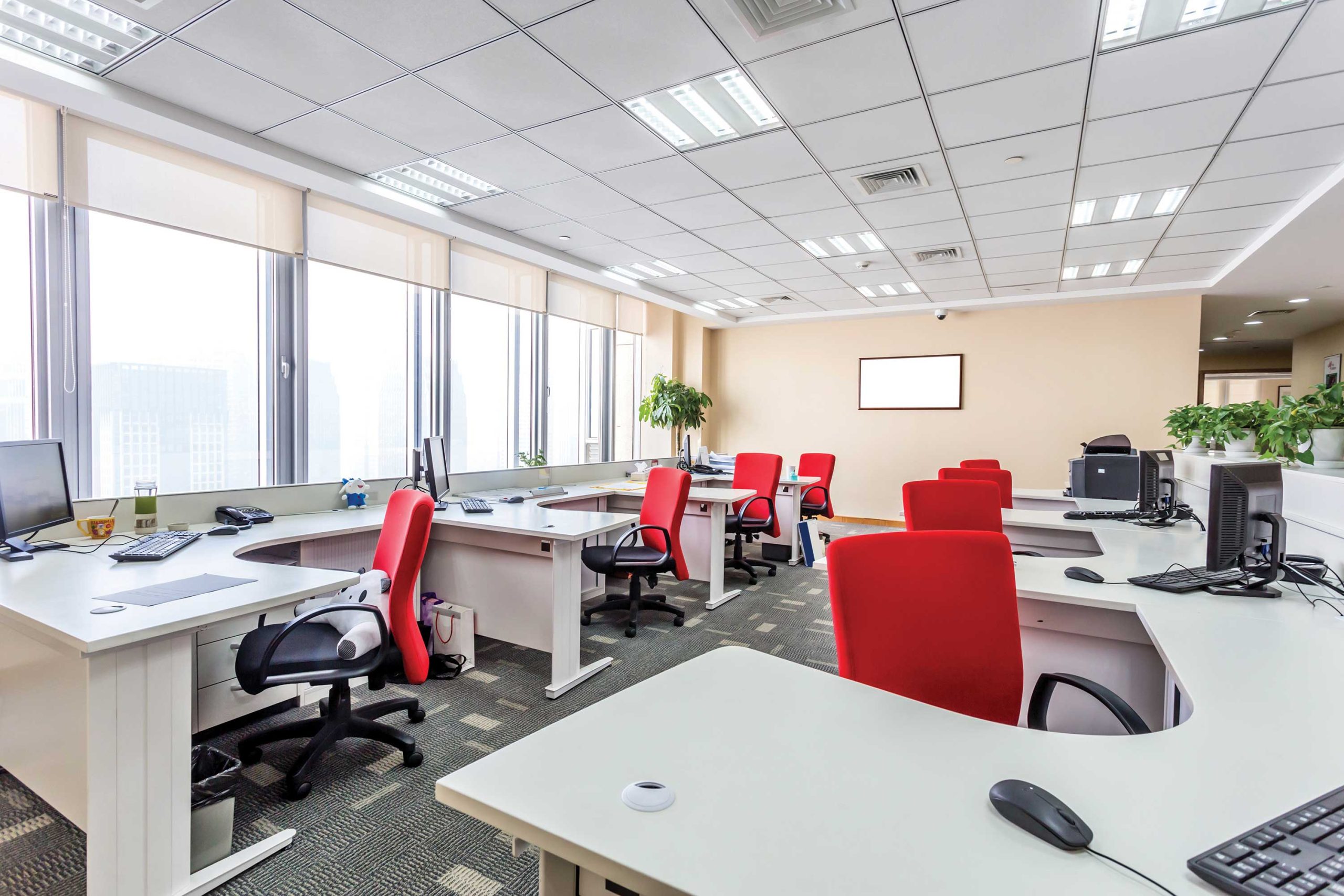
While vacancy rates for restaurants – and retail, in general – have shrunk, the market for office space has trended in the opposite direction.
- In 2023, the amount of office space leased decreased by 2.2 million square feet. For retail, it increased by 2.6 million square feet.
- There’s currently 2.7 million square feet of retail under construction, compared to 945,000 square feet for office space.
- The 15.9 percent vacancy rate for offices is the highest within the last 15 years, while the 4.6 percent vacancy rate for retail is the lowest during the same time.
Source: CoStar