The Valley couple behind Chilte went from tent to food truck to brick-and-mortar restaurant in the time it took most of us to get through the pandemic. It’s a food-truck-as-incubator path other restaurateurs are following.
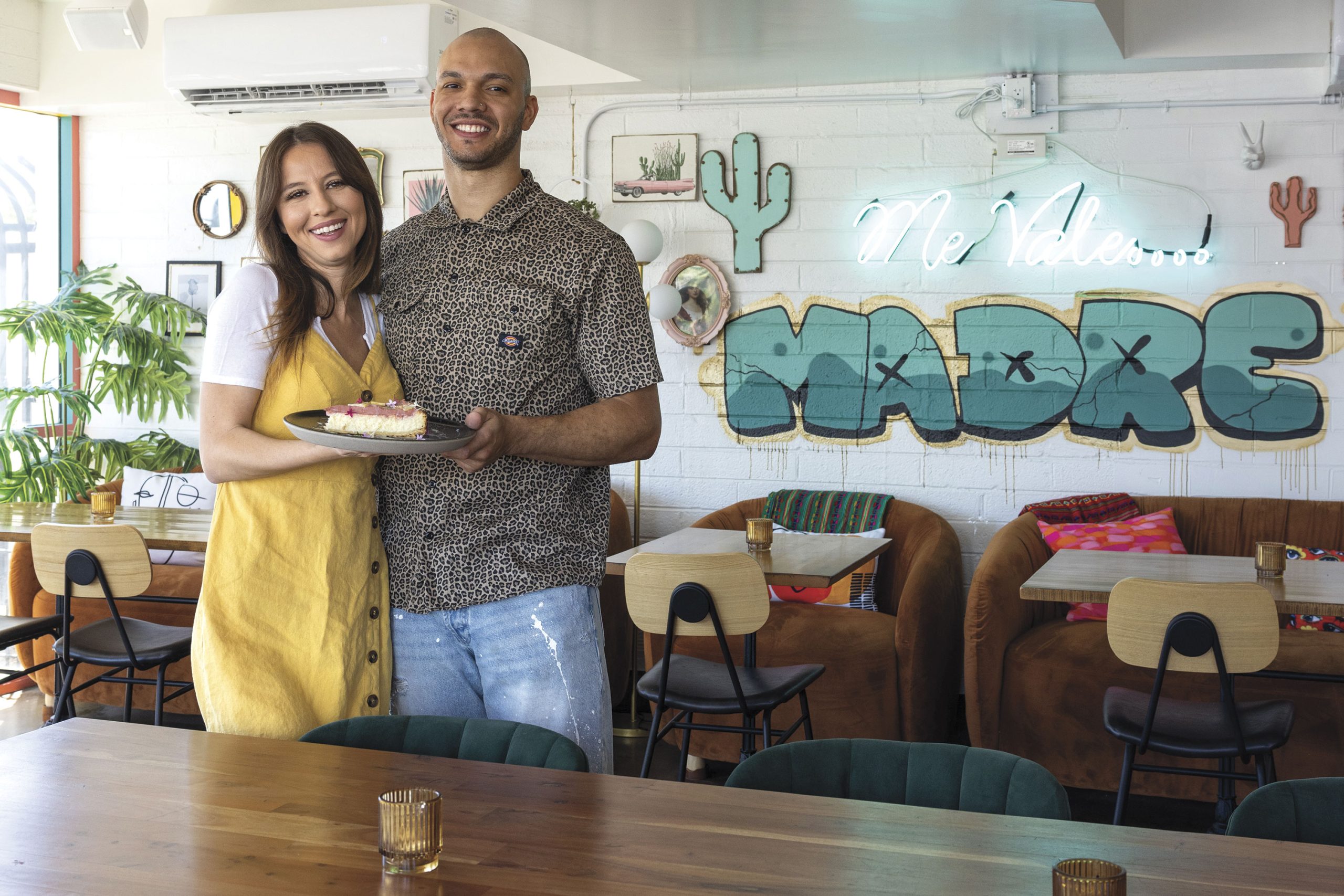
Starting a restaurant can seem like an unobtainable dream for the average couple. But with Chilte, Lawrence Smith and Aseret Arroyo managed to launch what would fast become one of Phoenix’s hottest new eateries – during the pandemic – for less than the cost of a Peloton.
“Honestly, the investment was maybe a couple grand,” says Smith, a college football player turned cook who found himself unemployed when Tempe Public Market Café, where he was working as executive pastry chef, shut down in early 2020. His fiancée, Arroyo, had been working as a marketing and events manager until the event scene dried up. Together, with public dining relegated to outdoors, they decided to try their hands at running a taco stand at the Downtown Mesa Farmers Market.
Other cooking couples have successfully made the now trendy transition from food truck to brick-and-mortar restaurant before (see below). But Smith and Arroyo’s story has even more humble beginnings.
“It started with me and Aseret in a tent at the farmers market, with just a grill, a tortilla press and a cooler,” Smith says. “It was like, grab a 10-by-10 tent off Amazon for $50, get a pop-up table and a tablecloth for another $50 at the thrift store. The grill was probably our most expensive piece of equipment, at like $200, $250. Then we had to get our opening food inventory, which was probably $300. Finally, we had to get the permits, which were really the most expensive thing. But our whole startup capital was under $2,000.”

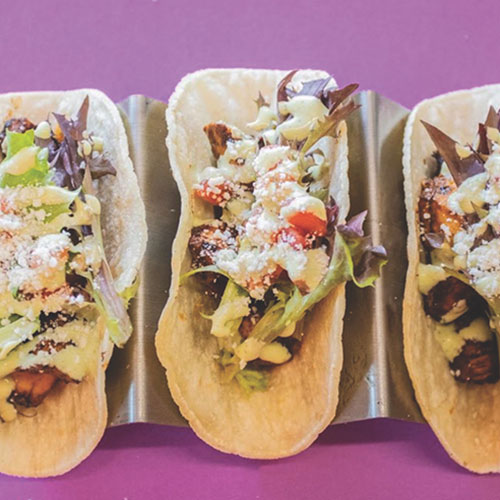
The fare – adventurous street tacos inspired by the couple’s trips to Sinaloa, Mexico, where Arroyo’s family is rooted, combined with Smith’s upbringing on creative soul food (plus his schooling at the Arizona Culinary Institute) – was an instant hit, creating demand at other farmers markets and netting the couple enough cash for the down payment on a $30,000 food truck. (Arroyo says they originally thought about going with a less-expensive trailer, but opted for a full-scale truck.) That spread their reach around town – and word-of-mouth across the internet.
An early rave review for the food truck on Thrillist caught the attention of Rebel Hospitality in Chicago. The hotel group had recently purchased the shuttered Las Palmas Inn in Phoenix and was looking for hip local flavor to anchor the property’s reopening as a reimagining of its original 1954 incarnation, the Egyptian Motor Hotel. Chilte Tacos (the name comes from chiltepín, the tiny but spicy Sonoran pepper that seasoned the couple’s trademark sauce and embodied their small-but-mighty ethos) fit the bill.
“They approached us,” says Smith, who expected to simply unpack the food truck into a built-out kitchen in the Grand Avenue lodge. Instead, because of construction delays, Smith did a lot of the grunt work himself – a task the 6-foot-3, 295-pound athlete, briefly signed to the Indianapolis Colts before being released in a pre-season trade, was fortunately built for.
“I ended up doing construction, plumbing, putting on roof tiles, installing equipment. I was working 20 hours a day, whatever needed to be done. ‘Are we building a bathroom today? Picking up fridges? Installing gas?’ We had to put the food truck on pause – which was super challenging financially, and emotionally taxing.”
But it paid off. Chilte’s brick-and-mortar restaurant has opened to stellar reviews in everything from Bon Appétit to Forbes. In March, InsideHook announced, “One of the best restaurants in the country is hiding in the hotel lobby.”
“I really enjoy having a kitchen, having a home base,” Smith says. “But we still have the truck,” he adds, noting that it’s been sitting idle since the change. “When we were mobile, it was always fun going out to our pockets of people, and we might eventually do some of that again. But now, they’re coming to us.”
Parking It
Smith and Arroyo join other Valley restaurateurs who’ve parlayed food truck success as proof-of-concept for their eventual sit-down restaurants.
Que Sazón South American Cuisine & Ceviche Bar
Colombian-born Fabian Ocampo and his wife, Julie, were food truck veterans before moving to Phoenix, serving South American cuisine in St. Louis since 2014. But they were an immediate hit in the Valley, allowing them in February to take over the bungalow in Heritage Square formerly occupied by Nobuo at Teeter House.
Persepshen
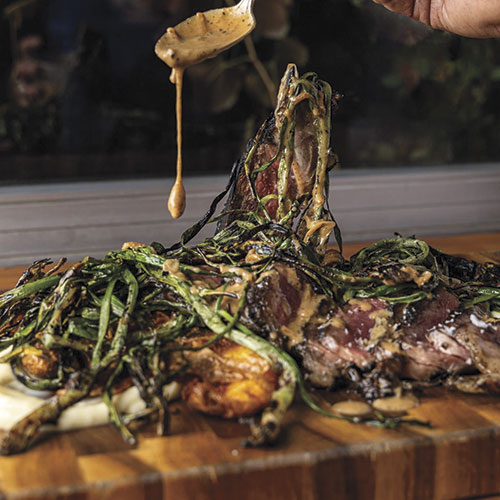
Jason and Katherine Dwight started at Uptown Farmers Market, a regular Saturday affair that gave the butcher and baker duo a chance to build a following for the sandwiches and pastries served out of their 1940s trailer. In October 2019, they took up residence in the space once occupied by Hula’s Modern Tiki on Central Avenue south of Camelback.
Short Leash Hotdogs and Rollover Doughnuts
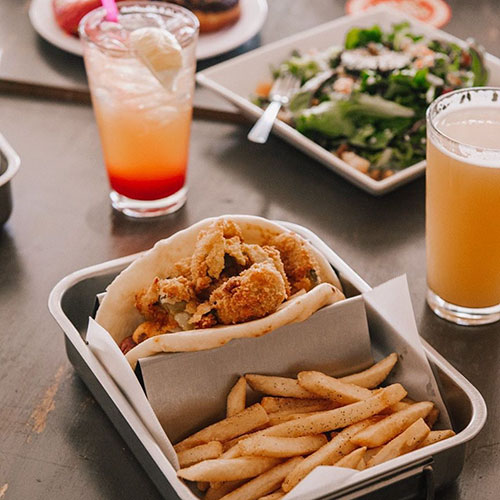
Brad and Kat Moore are the OGs in this game, having set the template for a food truck that customers basically willed into a brick-and-mortar landing. They moved into their first physical location on Roosevelt Row in 2013. Now they share a building on Seventh Avenue with sister shop Rollover Doughnuts, which also debuted as a food truck.