Adolescent athletes get a wake-up call as Arizona hospitals take the lead in tackling concussions.
Mary Shannon’s love affair with soccer began harmlessly – idyllically, even. At 7 years old, she begged her parents to let her play sports, and they enrolled her in the Madison Futbol Club, a Phoenix-area soccer league for kids ages 4 through 9. Tasked with blocking opposing players, the vibrant, raven-haired girl
actually spent most of her time on the field picking dandelions and scattering them to the wind.
But childhood distractions gave way to serious interest in the game as Mary moved into middle school at Madison Meadows. She later nabbed a coveted spot on the varsity girls’ soccer team during her freshman year at North High School and transitioned into the demanding role of striker. The playing field was Mary’s second home, a place she felt confident and safe. But her sense of security was short-lived.
In November 2011, Mary was storming a new goalie during a scrimmage when she tumbled over the other player and smacked her head on the ground. The agile teenager shook off the blow with no visible effects. But as the day wore on, Mary developed balance problems coupled with a severe headache. Paul Shannon remembers picking up his daughter from school later that day. “She told me she had hit her head, and I didn’t even suspect she had a concussion,” he says. “She’s a striker. Her advantage in the game is breaking free of the pack and running with the ball. The way you defend that is by tackling her, so she’s been knocked down every game.”
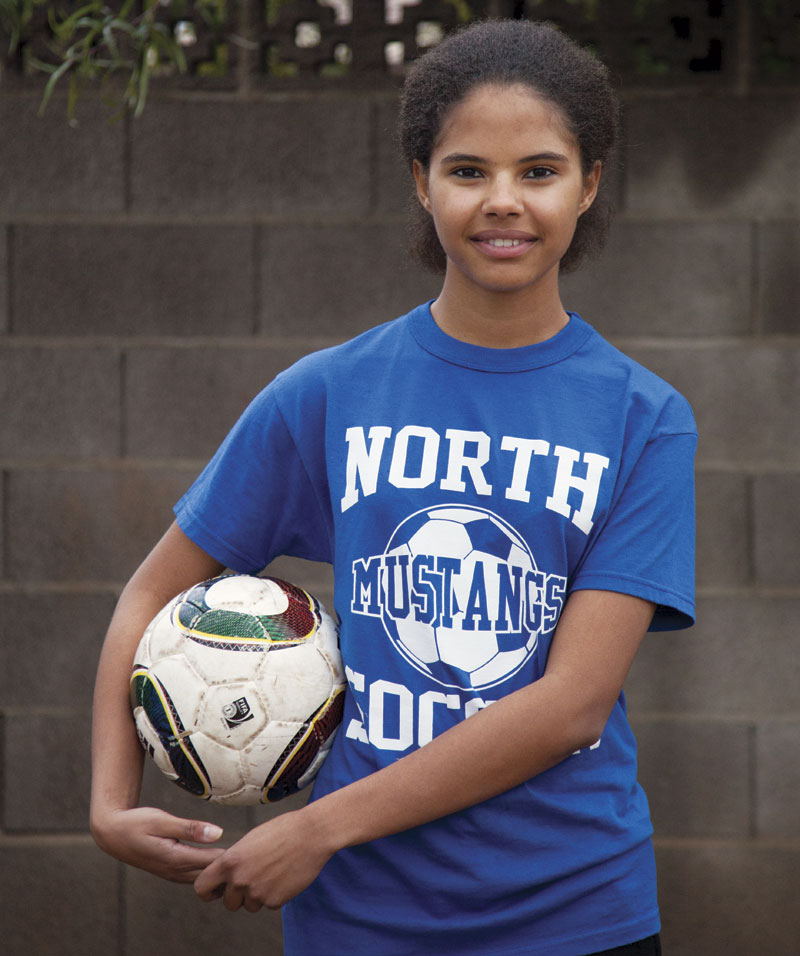
Mary’s doctor diagnosed her with a concussion and prescribed complete rest: no schoolwork, reading, computer tasks or television. The levelheaded girl complied, though she admits texting friends from her darkened room.
Because sustaining two concussions in quick succession can be fatal, Mary rested for nearly a month before being cleared to play again. Her father cautiously watched from the sidelines. Concerned about a potential parental meltdown, Mary’s coach would glance up after every blow Mary took and assure the doting dad of her safety. For a year, she played without incident. Then in early January 2013 came a moment Mary will never forget. Competing in the Copper Canyon Tournament, the teen was illegally tackled by an opposing player, who received a yellow card on the play. “She seemed angry about that,” Mary recalls. “So when I went to trap the ball with my chest, she knocked me to the ground, and I hit my head pretty hard.” Dizzy and in pain, Mary left the field in tears.
Her parents had advised her she would have to quit if she sustained multiple head injuries. After being diagnosed with a second concussion, Mary faced a difficult decision: give up soccer or keep playing and risk further injury – and perhaps permanent damage to her brain.
Mary’s story isn’t unusual. According to the American Journal of Sports Medicine, girls’ soccer is second only to football in the number of concussions reported by youth athletes. Student athletes are fast becoming a new breed of at-risk youth. Approximately 173,000 adolescents visit emergency rooms each year for brain injuries, more than a third of which are sports-related.
While concussion was once treated as merely “a little bump on the head,” the increasing number of sports professionals experiencing long-term cognitive problems is giving parents of young athletes cause for concern. Unfortunately, many student athletes are still unaware of the dangers. As a result, 48 states have passed some form of concussion law protecting young players, with more than 30 states requiring student athletes to undergo mandatory concussion education. Hospitals are using baseline testing and increasingly sophisticated scans to better diagnose aberrations in brain functioning. Doctors are searching for more clues to the neurometabolic cascade that causes concussion.
In all these fields, Arizona is breaking free of the pack and running with the ball.
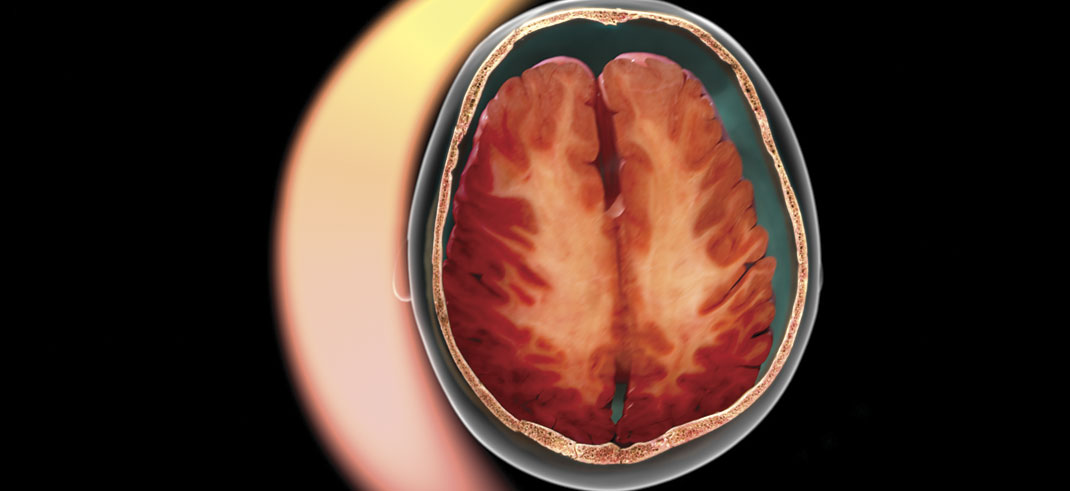
Think of the head as an egg – the brain is suspended in cerebrospinal fluid just as a yolk is suspended in egg-whites. When the egg is shaken or knocked against something, the yolk smacks against the shell and is damaged. The force involved in a typical sports concussion is about 100 Gs, roughly the equivalent of the car accident that killed Princess Diana in 1997, says Dr. Javier Cardenas, a neurologist and brain injury expert at Barrow Neurological Institute at St. Joseph’s Hospital and Medical Center in Phoenix. Obviously, not every blow of that magnitude is fatal. Duration, combined with other factors such as speed of acceleration and the use of safety equipment, affects how force impacts the human brain. For example, professional race car drivers have been known to survive impacts of more than 200 Gs. While a common misconception is that only players who are knocked unconscious suffer a concussion, in reality only a small percentage of concussed athletes black out.
Within the spectrum of brain injuries, concussion is a relatively mild disturbance. “When we talk about traumatic brain injury (TBI), we try to separate concussion from something more severe, like representative Giffords, who was shot in the head,” Cardenas explains. However, he adds, “The problems and symptoms that she still deals with, a person with concussion will deal with.” Those problems can include headache, dizziness, vomiting, disorientation, balance issues, memory loss, and time perception loss – symptoms that may initially present up to 72 hours after the injury. Vigorous mental activity is a common trigger for post-concussive syndrome. For example, after sustaining her first concussion, Mary Shannon’s symptoms didn’t manifest until she took an English test later that day.
“The brain has shorted out as a result of the concussion,” Cardenas explains. “The neurons misfire temporarily as a result of that force. What you experience after a concussion is your brain rebooting.”
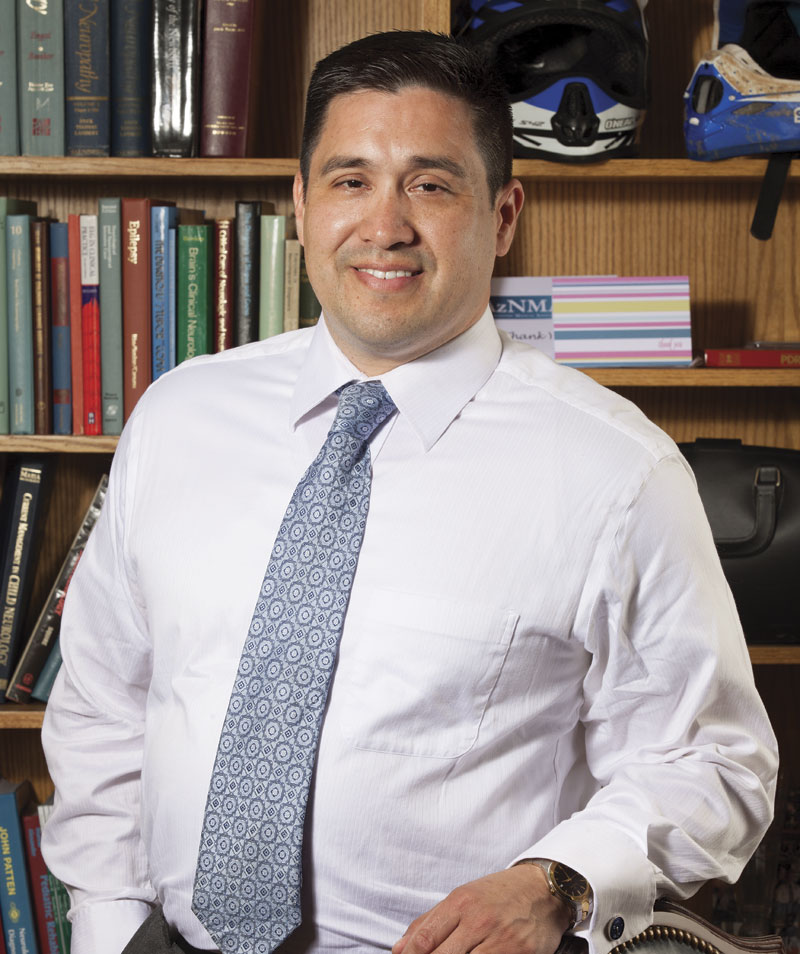 Thankfully, one blow to the head does not typically mean permanent damage. Approximately 98 percent of athletes who sustain a sports-related concussion make a full recovery, Cardenas says. However, in the last several years, studies of career athletes indicate that multiple concussions can cause a host of frightening long-term symptoms. “We now know enough to be very concerned, particularly for children and young adults whose brains are still developing,” says Dr. Julie Liss, a professor of speech and hearing at Arizona State University. “Sports that put kids at risk for multiple concussions over time are especially worrisome, as there is strong evidence of a cumulative effect.”
Unfortunately, existing concussion statistics – how many athletes sustain them, how many suffer multiple concussions – are worryingly incomplete. Neurologist Dr. David Dodick, a concussion specialist at Mayo Clinic in Phoenix, speculates that adding asymptomatic “silent concussions” and unreported concussions would balloon current estimates to alarming figures. The incidence of concussion in collision sports is estimated at 5 to 10 percent during any given sports season, but Dodick believes it’s really somewhere around 50 percent. “Why are we not recognizing the other 40 percent? Because the athletes aren’t reporting symptoms, or they are reporting symptoms that are not diagnosed as a concussion.”
That’s why, in 2011, Arizona became the first state to mandate educating student athletes about concussions and reporting such injuries to coaches. The initiative began with a partnership between Dr. Cardenas, the Arizona Interscholastic Association, and the Arizona Cardinals to create the Barrow Brainbook, the country’s first concussion education and test program for student athletes.
Despite the literary name, Brainbook mimics the look and feel of popular social media site Facebook. It’s a shrewd bit of branding considering most modern kids would drop Moby Dick for a post or Tweet in the time it takes to say “Call me Ishmael.” Brainbook’s online exam component is disguised in the form of multiple-choice questions and like/dislike radial buttons in which players answer inquiries about their attitude toward on-field injuries. In order to take to the field, all elementary, middle and high school athletes in Arizona must currently pass the test with a grade of 80 percent or better (a 10 percent increase from the original score required).
A sample version of Brainbook available for parents and press includes posts from Dr. Cardenas, as well as a simulated student named Healthy Hank and real-life former ASU quarterback Steven Threet, who hung up his helmet in 2010 after sustaining repeated head injuries. “It’s easy to get caught up in the game and want to keep playing, but it helps to know that your teammates care about your health too,” Threet cautions in the module. “It’s more important to me that someone sit out when they’ve been injured than to risk their long-term health.” Video clips feature local sports celebs such as former Arizona Cardinals head coach Ken Whisenhunt and 2012 USA Basketball Female Athlete of the Year Diana Taurasi.
Adolescents encounter a barrage of visual and mental stimuli every day, from Civil War history to YouTube videos, so it takes a lot to impact their behavior. But Barrow’s tactic seems to be working. Increasingly, young concussion patients are crediting Brainbook for prompting them to seek treatment. “It freaked me out,” Mary Shannon says of her experience with the online concussion exam, which she had coincidentally completed two days prior to her first injury. Though her parents had discussed the potential for brain injury, it wasn’t until Mary completed the module that she fully understood the consequences. “Now it seemed like a serious, serious thing. Serious enough you need a test for it.”
But education isn’t enough to protect the approximately 7,000 student athletes who suffer sports-related brain injuries in Arizona each year. It also requires something else to which students are accustomed: rules. In the past six months, for example, the National Federation of State High School Associations (NFHS) has enacted regulations that decertify a particular model of Reebok baseball bat and prohibit the risky “double twist to cradle” throw used in cheerleading. It’s the job of the Arizona Interscholastic Association (AIA) to implement local and national rules laid down by the NFHS, as well as supervise safety in local student sports, theater and spirit squad activities.
The AIA was responsible for Arizona becoming one of the first states to require high school football players to sit out a play if their helmet comes loose during the game. Buying into the machismo culture of the sport, athletes would often toss their helmets back on without tightening the safety straps and continue to play. “For a lot of players, it was a badge of honor if your helmet got knocked off,” Cardenas says. “[But] it’s a safety device. That’s like not wearing your seat belt in the car.” Officials banked on the belief that players would rather double-check their gear than be forced to miss part of the game. They were right. After the AIA introduced a new helmet law, local football saw an 80 percent reduction in helmet dislodgment. A year later, the NFHS adopted a similar rule, followed by the NCAA. “We were a year ahead of the curve in terms of equipment changes,” Cardenas boasts. As chair of the AIA’s Sports Medicine Advisory Committee, he certainly shares in the credit.
Going forward, Cardenas anticipates the AIA will be looking closer at rules of play including punting, kickoff and the number of times athletes will be allowed to collide with other players during practice. As of August 2011, the NFL limited the number of regular season full-contact practices a team can host to 14 per year. Meanwhile, student athletes are practicing up to five times per week. With no restrictions on the number of practices allowed in schools, the CDC’s estimated risk rate of .47 per 1,000 exposures in youth football – roughly 55,000 injuries annually – starts to look a lot scarier.
When soldiers began returning from Iraq and Afghanistan suffering from head trauma, doctors discovered it was extremely difficult to diagnose the extent of their brain injuries because they had no idea what the soldier’s cognitive performance was like pre-injury. As a result, in 2007 Congress mandated baseline brain function testing for all soldiers before being deployed.
Doctors attempting to diagnose concussion in student athletes face the same hurdle: There is often no way to gauge a student’s post-concussion performance against his or her normal performance. After all, little Timmy might just have naturally poor coordination and recall. To give doctors a cognitive benchmark, select Arizona schools, athletic associations and hospitals now offer baseline testing for student athletes. As part of the Barrow Concussion Network education and treatment program, under a grant from Dick’s Sporting Goods, Dr. Cardenas and his team provide baseline testing with ImPACT (Immediate Post-Concussion Assessment and Cognitive Testing), a tool utilized by NFL teams, Major League Baseball and the National Hockey League. The exam measures skills including learning and memory, concentration, and problem solving.
The lack of baseline testing in school athletics alarms the Mayo Clinic’s Dr. Dodick. While professional and collegiate players are required to complete baseline testing when they join a team, no such protocol exists for K-12 sports. “Those among us who are the most vulnerable – our kids – we don’t mandate it. Only if it were mandated, like the return-to-play protocol we have now, would it happen,” he says. As of January, Phoenix-area Mayo Clinics had given away more than 50,000 test credits to various schools and associations statewide. While only 20 percent of young athletes offered free testing have taken Mayo up on the offer, Dodick has seen the difference pre-injury assessment makes.
Still, diagnosis of mild traumatic brain injury can be tricky. About two-thirds of patients who visit the emergency room with a suspected concussion are sent for a Computed Tomography (CT/CAT) scan. Unfortunately, Dodick says, CAT scans are useful only in detecting skull fractures and brain bleeds. That’s why Mayo Clinic utilizes the more powerful functional MRI (fMRI) in diagnosing head trauma. Magnetic Resonance Imaging reveals changes in blood flow within the brain, allowing doctors to see more than they could with a CAT scan. Right now, patient complaints and CT/MRI scans are the most valuable tools for diagnosing mild TBI.
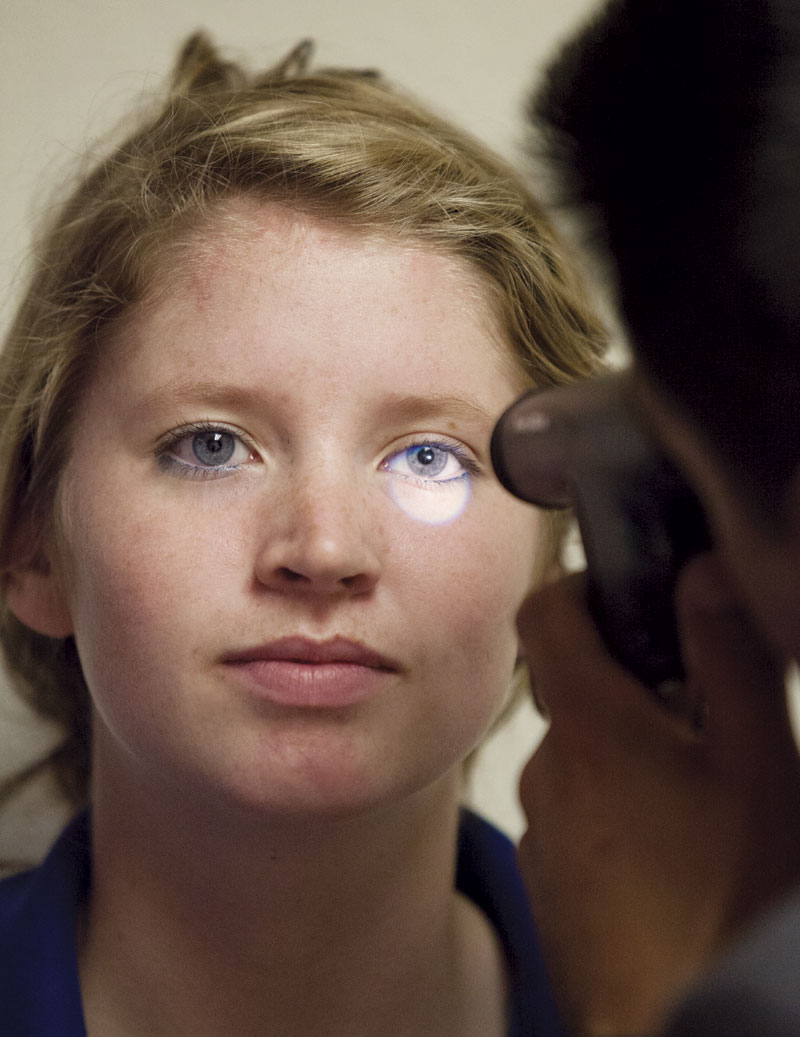
Treatment is equally tricky. Recuperation under a complete lack of stimuli is the standard treatment for concussion, with doctors able to prescribe medication only for symptoms such as headache. Though the AIA, NFL and NCAA have standardized return-to-play protocols, it’s possible athletes are resuming physical activity before they are fully healed. It’s the same problem that complicates diagnosis: Because brain injury does not always register on a brain scan, it’s difficult to chart a patient’s recovery process. Doctors rely on simple cognitive and balance tests to determine an athlete’s progress. But those tests may be too simple.
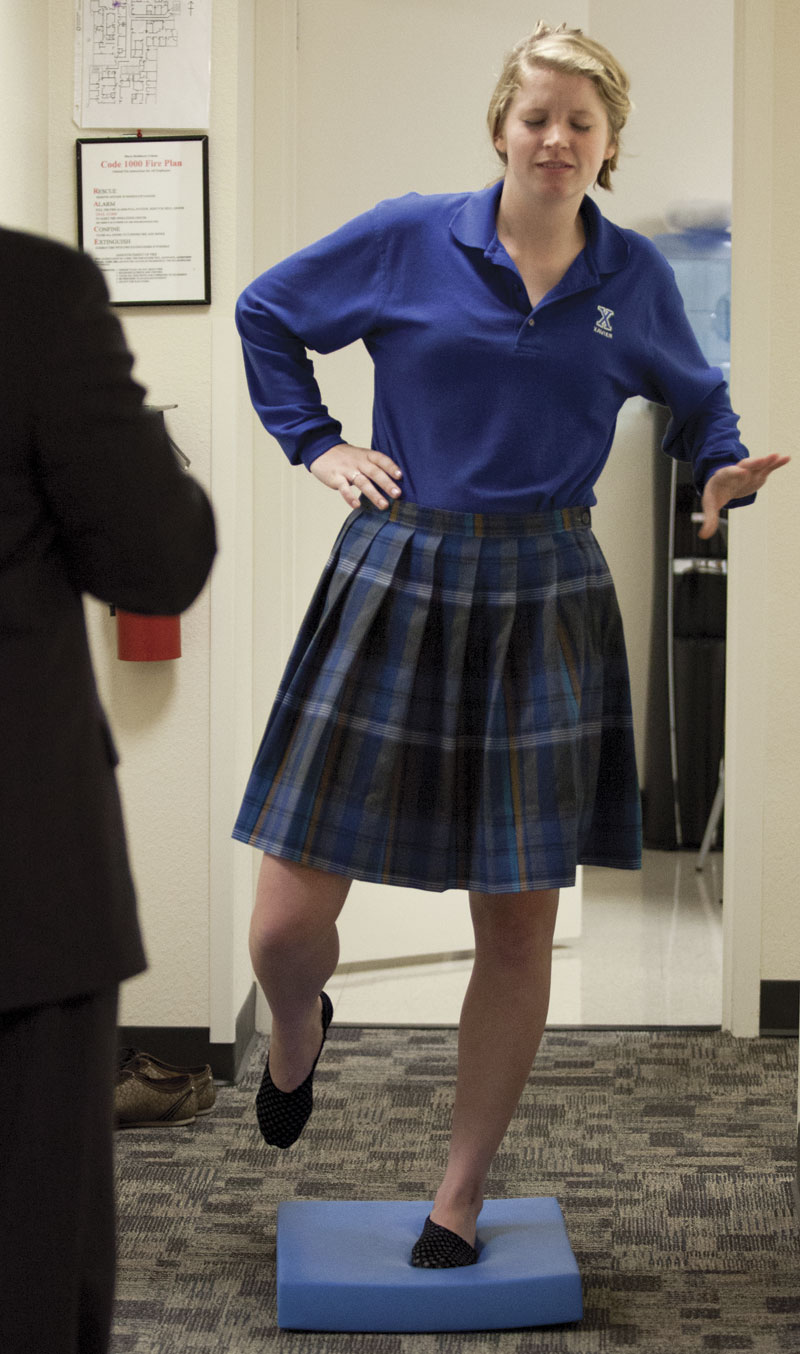
“It was surprising watching the concussion test. Stand on a foam pad and put your arms out. If that’s the level of sophistication of the test, then maybe we don’t know that much about it,” Paul Shannon quips.
Baseline testing can also assist in tracking recovery, Dodick says. “You don’t want to return the student to play too early. What we’re doing is trying to put something objective in the hands of providers to help guide their decision making.” With standardized measurements on file, physicians have an indicator of what the athlete’s test should look like when recovery is complete.
In addition, Dodick and ASU’s Dr. Liss are developing a method of using electroencephalography (EEG) to track changes in the nervous system triggered by brain injury. This will aid doctors in charting an injured athlete’s recovery through independent data, without relying on the patient’s input.
Dodick is searching for a biomarker for concussion similar to the breast cancer gene. If every person with a concussion exhibits specific changes in electrical brain activity, then a machine that detects those changes should show whether the patient has sustained a concussion even if he or she shows no symptoms. “All of the athletes we’re seeing have abnormalities in the function of their autonomic nervous systems, which probably accounts for some of the symptoms they report: dizziness, lightheadedness, maybe even headache,” Dodick explains. Such tests are crucial for student athletes who might want to rush to get back in the game, especially if they have coaches or parents pushing them.
EEG is painless and cost-effective, making it an ideal choice for doctor and patient. First, small electrodes are attached to the scalp. Next, the patient listens to a series of true-or-false questions and responds. Audio was chosen because listening requires the activation of pathways in the brain often damaged by mild TBI. Hearing can also be affected by very mild changes in the brain’s processing power. “The challenge is that some of the statements are noisy and difficult to understand, and they require attention and problem solving. By comparing brain activation in these difficult trials to those of easy trials, we get an index of the degree of cognitive impairment,” Liss explains. The EEG machine charts fluctuations in the brain’s electrical activity, including any concussion-related discrepancies.
Dodick and Liss’ study will continue until 50,000 patients are enrolled. The pair hopes their test will help prevent injured athletes from suffering another concussion before their brain has completely healed. Resuming play too early puts a player at risk for Second Impact Syndrome, or SIS, a condition marked by catastrophic (and often fatal) swelling of the brain. SIS isn’t necessarily related to the severity of the injury. Even a very mild concussion can be dangerous if sustained before an athlete has recovered from a previous brain injury.
Though there’s no magic number of mild TBIs a person can withstand without permanent damage, studies of career athletes indicate that multiple concussions can precipitate lifelong problems including memory loss, aggressive behavior, mood changes, dementia and severe depression. Nowhere is this more evident than in the tragic suicides of several ex-NFL athletes, including Michael Current, Junior Seau, and Dave Duerson, whose suicide text message explained to family that he shot himself in the chest so scientists could study his concussion-damaged brain. Postmortem examinations of around 20 of these career athletes at the Boston University School of Medicine resulted in the diagnosis of a progressive, degenerative disease called Chronic Traumatic Encephalopathy (CTE), believed to be caused by successive brain injuries. The disease is marked by unusual deposits of a protein called tau in the brain tissue. Research into a possible protein tag that will show the condition in living individuals is ongoing; currently, CTE can be detected only after death. Players as young as 18 years old have been diagnosed with CTE postmortem.
The idea that a childhood game could eventually lead to dementia or severe depression has some parents pulling their kids out of full-contact sports. After her second concussion, Mary Shannon’s parents urged her to quit. Initially defiant, Mary opted to withdraw from play. “I was thinking about other athletes who play sports and have had concussions, like Kurt Warner, who played football and quit because he wanted to remember his children when he got older. I was thinking I don’t want to end up like that.” Mary’s father, Paul, was both proud and sad. He remembers his daughter telling him that after she quit soccer, it was as if “a quarter of her had died.”
Still, many coaches, parents and student athletes are terrified that Boston University’s findings will change the way contact sports are played. Or, even worse, that it will result in the disintegration of school athletics. “The concern is that we’re a sports-crazy nation,” Dr. Dodick says. A self-described sports fanatic, he assures parents that each child’s concussion should be dealt with on a case-by-case basis. “I’m not saying that their kids shouldn’t play sports. There are a lot of positive things that come from playing sports: discipline, respect for peers and authority, staying in shape. I just think we as a society – as coaches, trainers, parents – need to be more aware of the devastating effects that some individuals experience with concussion.”
Concerned that medical professionals do not have a single proven treatment, Dodick is conducting additional research on the biology of concussion. “We need therapies that stop metabolic derangements that occur at the time of concussion in their tracks and mitigate the cascade of long-term effects,” he says. “Until we understand the biological underpinnings, we’re a ways away from those types of therapies.”
Drugs to help slow or stop the progression of CTE may be a distant hope, but education is the first step in helping Arizona’s most vulnerable population avoid unnecessary risks. With Barrow’s Brainbook program in action and free baseline testing provided by area hospitals including Mayo Clinic, Arizona is well on its way to making that happen.
In February, Barrow Concussion Network introduced a program that gives athletic trainers and primary care doctors access to Barrow brain injury specialists. Telemedicine services provided by phone, text or in person will help ensure every patient in the state has equal access to first-rate concussion care. A voluntary concussion registry is also in place so doctors and researchers can track sport-related injuries. “It will go light years to advance the knowledge of concussion,” Dr. Cardenas says.
Meanwhile, Cardenas advises student players to think not just about this game, but about all of the games, events and activities to come. As for his patient Mary, she remains positive about her future. Heading into her senior year at North High School in Phoenix, the stoic 17-year-old is focused on taking the SATs and getting into her dream pre-med program at Princeton University. She’s also considering shifting into a non-contact sport such as track and field.
Still, there’s a hint of sadness in her voice when she talks about not getting a fourth rose as part of a North High tradition of female seniors receiving flowers for each year they played on a varsity team. “I feel like you should try to open yourself up to other things so that if you lose one it doesn’t crush your soul,” she advises other student athletes. “You should look at the future. I think it would be unfair to my future self to do something now that would negatively affect her.”
Concussion: The Perfect Storm
To understand what happens in a concussion, imagine Hurricane Sandy slamming into New York City. The storm releases a flood that flows into buildings and subways. Until that gunk can be pumped out, those subways can’t operate. To repair the damage, the city needs supplies and fuel, but the storm cut off the very roads needed to deliver them. So people are eking by with reduced supplies and support at the time they need them most.
Now, imagine a soccer ball slams into your head. The impact makes the neurons stretch and fire simultaneously like an electrical storm, causing potassium to flood out of the cells and calcium to flood in. Until that balance is at least partially restored, those neurons can’t operate. To pump the calcium out and the potassium back in, the brain needs a lot of energy in the form of glucose, or blood sugar. But that influx of calcium caused the blood vessels to constrict, cutting off fuel just when the neurons need it most. Consequently, the starved and damaged cells don’t operate or communicate properly, and take a long time to repair themselves.
When Girls Collide
National reaction to the suicide of ex-NFL star Junior Seau has focused media attention on professional football, with a trickle-down effect to high school and college sports. Yet little attention is paid to young female athletes, who, reports indicate, are more concussion-prone than male athletes and are slower to recover. One study published in the Journal of Athletic Training found that young female soccer players were 68 percent more likely to sustain concussions than their male counterparts.
Girls’ soccer has the second highest risk rate of any high school sport (behind football), estimated by the Centers for Disease Control and Prevention at approximately one concussion sustained per 3,000 exposures. Girls are also more likely than boys to sustain head injuries while playing basketball. This comes as no shock to Paul Shannon, whose daughter Mary sustained two concussions while playing soccer. “I work with a man whose son plays varsity football and whose daughter plays varsity basketball, and he says the girls are way more vicious in the way they play,” Shannon says. “The culture of football is now shifting to being really cognizant of brain injury. I’m not so sure that girls’ soccer is aware.”
In some cases, the problem is not a lack of awareness. Mary Rounce, a student athlete featured in Steve James’ 2012 documentary Head Games, admits she has played through severe headaches without telling her coach or parents. Despite the risks, she’s unwilling to give up her passion. “I don’t wanna quit because of injuries. It’s just what I love to do,” she says, smiling into the camera. As of this writing, Mary Rounce continues to play soccer for Team Chicago Academy-Santos.
Concussion experts are divided on the reason for gender differences in sports concussions. One widespread theory is that female neck musculature makes girls more susceptible to head trauma. The “thick-necked jock” isn’t just a stereotype: Structurally, men have stronger, thicker necks capable of supporting increased weight. Many high school and professional men’s weight rooms offer neck-strengthening equipment to heighten that advantage.
How does neck structure affect head trauma? A majority of sports concussions are caused by rotational force, meaning that a blow to the face or body makes the head spin fast enough to result in brain injury. Stronger neck muscles cause the neck to be more stable, thus decreasing the risk of rotational injury.
Neck thickness isn’t the only theory for why boys report fewer concussion injuries in youth basketball or soccer. Some have suggested that boys simply keep quiet about their injuries, while others suspect differences in the way girls and boys play. Mayo Clinic expert Dr. David Dodick suggests an alternative theory based on hormones: “There’s evidence now that estrogen makes brain cells more excitable. It may be that there’s an effect of estrogen on the brain that makes [females] more vulnerable to that sudden synchronous discharge that leads to symptoms of concussion.”
Dodick’s theory is bolstered by animal studies that show estrogen increases brain damage from concussion when administered to female rats prior to the injury. Though studies on the effects of estrogen are ongoing, the fact remains that girls appear to be at higher risk for concussion – and no one has figured out how to level that playing field.