Resisting criticism, two Valley churches continue to stage graphic, damnation-based haunted houses.
“It sounds weird,” says Casey Mammen, associate pastor at The Door Christian Fellowship Church in Tempe. “But at Halloween, sometimes it’s effective if you put death in the mix.”
While fall feasts, pumpkin patches and “Trunk or Treat” parties have filled many a church parking lot, Christians have traditionally avoided the blood-and-gore Halloween scene. The exception: so-called “Hell Houses,” a controversial form of fire-and-brimstone Halloween entertainment practiced by a pair of chuches in the Valley.
“At Halloween, everybody is looking for something of that nature,” says Mammen, whose church has been producing Hell Houses or similarly-themed plays for years around Halloween. The idea is Marketing 101 – mixing the commercial dark side of Halloween with the church’s own message. The plays follow a somewhat formalized structure: After enduring scenes of murder, domestic violence, rape, suicide, school shootings and more, house-goers witness the perpetrator of each scene either standing before the judgment of God or already burning in hell. When the house lights come back on, a church member traditionally shares the gospel message that “Jesus saves.” While a few church leaders, like Mammen, think such productions are an effective way to evangelize, others – including some other Christian leaders – think Hell Houses go too far.
The concept gained popularity in the late 1970s, thanks to celebrity pastor Jerry Falwell, who put on a “Scaremare” event in 1972. The trend largely died out by the 2000s, but continues around the country in some religious universities and churches, including two here in the Valley – The Door Christian Centers in Tempe and Chandler.
At The Door in Tempe, it’s been a few years since they’ve done the typical Hell House. Mammen says in the interest of adding variety for church members, they’ve changed in recent years to a play. They’ll be performing one this year, which Mammen says will be called either Heaven’s Gates and Hell’s Flames or The Judgment. The play will show various scenes, each featuring one person who is “saved” and another who is not – the latter doing things like drugs, driving drunk, experimenting in the occult, attempting suicide, etc. The Christian will encourage the other to make a change. That’s when, Mammen says, “in some way, shape or form… life ends.”
The scenes will continue, showing the deceased standing before God, waiting to hear of his or her final destination. At the time of his interview, Mammen wasn’t sure whether this year’s play would include scenes of abortion and homosexuality like many previous productions. One Phoenix New Times review of The Door in Chandler’s 2008 “Final Destination III” haunted house reported the church showed a bloody abortion scene, complete with TV footage of abortions next to footage of the whipping scene from The Passion of the Christ. Church members in Chandler didn’t respond to inquiries except to say they’ve not always had a favorable relationship with media. Mammen says The Door in Tempe has never charged admission for their Halloween productions.
Mammen says the judgment experienced by non-believers in his church’s productions aren’t so much portrayed as a direct result of one poor decision, but instead depends on the overall way they are living their lives – without believing in Jesus. “It’s not to slam people for sinful things,” Mammen says. “We don’t hate people.” Instead, he says, the Hell Houses and morality plays are meant to show the harsher reality of poor decisions.
According to Mammen, responses to The Door’s Halloween productions are usually positive, often with people professing a newfound Christian faith. He concedes some patrons have “not liked” the presentation, but insists they must have known about the evangelical content beforehand, given the venue.
But not every Christian agrees with the shock-and-awe method. Brian Kruckenberg is lead pastor for the roughly 800 members of New City Church in Phoenix. “I think it just separates people from the gospel,” Kruckenberg says. “I think it doesn’t paint a true picture of all of us needing grace.” People don’t fall in love with Jesus out of fear, he contends. “You might get an emotional response, but that’s not conversion.”
Spiritual Exploration
A short list of documentaries detailing various religious groups and practices.
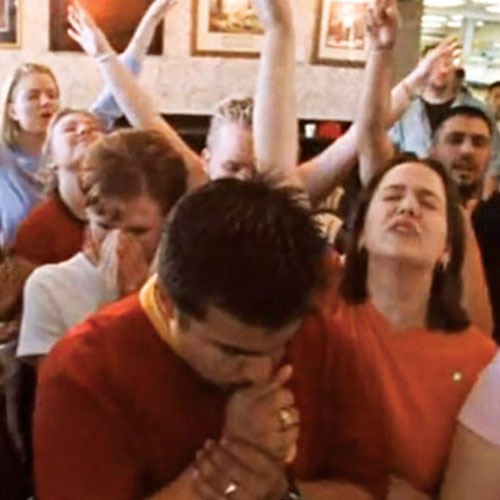
Hell House (2001): Captures the Halloween production by Trinity Church Assemblies of God in Cedar Hill, Texas (pictured); 10,000 people reportedly visit this Hell House every year and the tradition is still going strong.
Jesus, You Know (2003): This documentary features six Catholics as they converse with Jesus – out loud – in various churches.
Meet the Mormons (2014): Scheduled for official release in October by the LDS Church, this film follows the lives of six Mormons, including a female amateur kickboxer in Costa Rica.