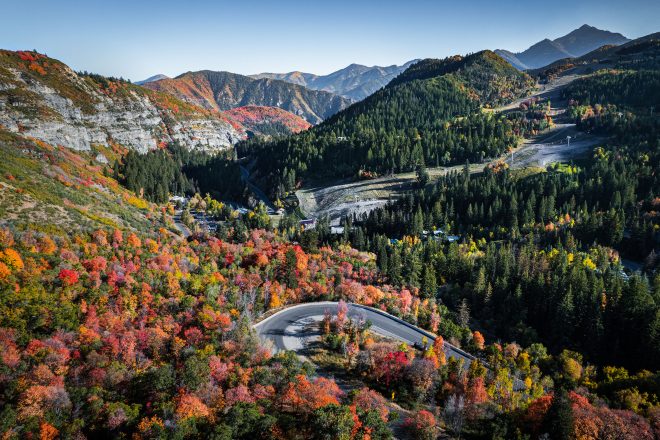
Explore a few of the state’s most magical wild spaces, guided by the people who know them best.
By Madison Rutherford | Photography by Ethan Beazley, Mare Czinar, Kevin Kaminski, Dawn Kish,
Mirelle Inglefield, Richard Maack, Andrei Stoica & David Zickl
WHAT MAKES A PLACE SPECIAL?
Perhaps it’s a fresh perspective on the familiar, a nostalgic spark of fond memories or a quiet reminder to slow down and recognize something greater than ourselves. Let the unique experiences of these seven Arizonans lead you through the destinations that hold special significance to them – and inspire travels of your own.
The Bench at Smith Canyon Trail

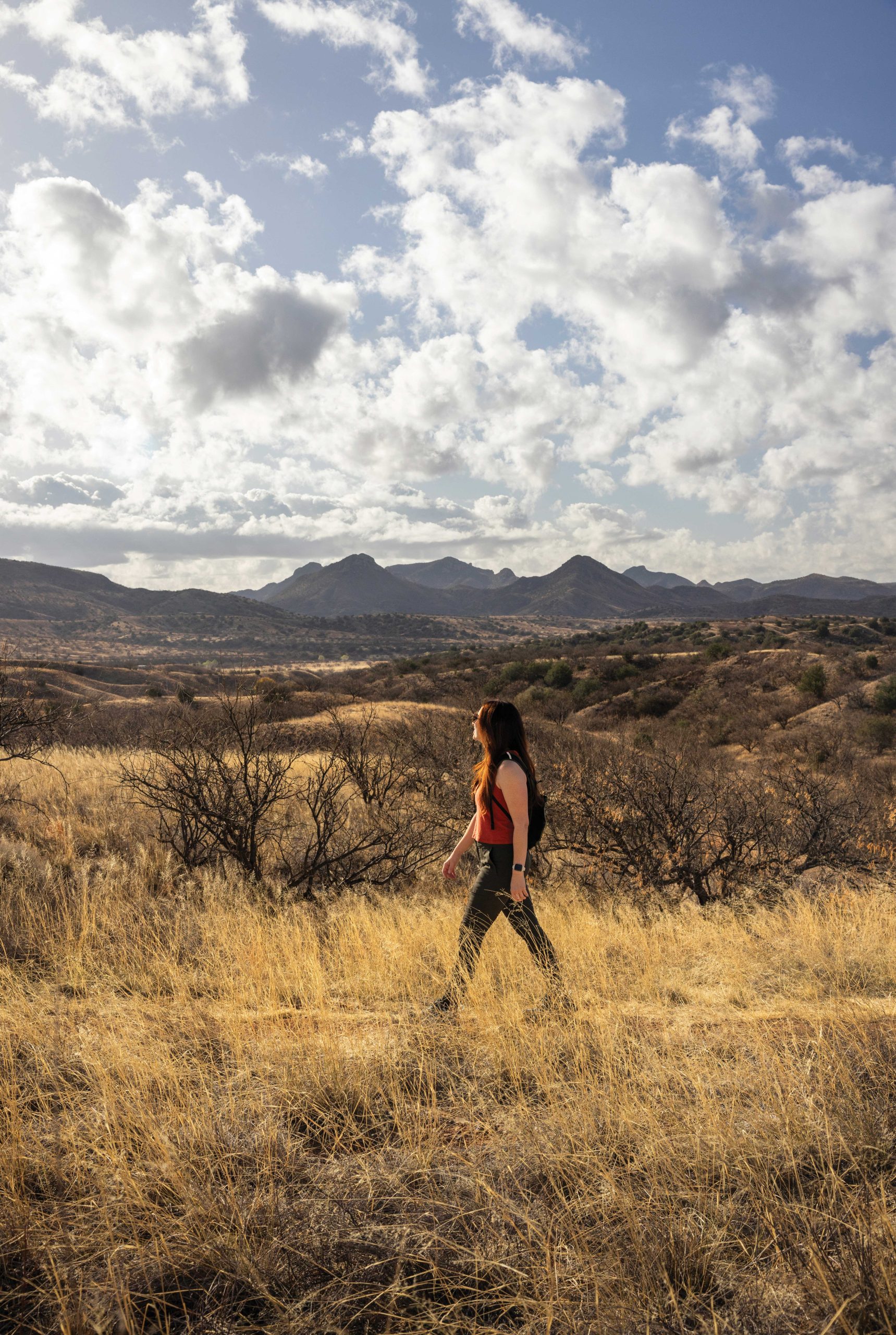
PHOENIX magazine editor-in-chief Craig Outhier was reporting for a food story in Southern Arizona when he stumbled upon the secluded Smith Canyon Trail in Patagonia. “I wanted to get a little bit of exercise between two high-calorie meals of upscale Mexican cuisine, so I opened my AllTrails app and found this meandering loop just off the 82 highway,” he says. “It was late in the day, and I was utterly alone, except for a family of whitetail deer and what sounded like javelina.”
The moderate, 3.5-mile hike traverses through a variety of terrain, including rocky cliffs, riparian areas and a shallow canyon dotted with junipers, manzanitas and desert scrub. An optional shortcut bifurcates the loop, but Outhier recommends continuing to the Cross Corridor Trail for a better chance of wildlife-spotting.
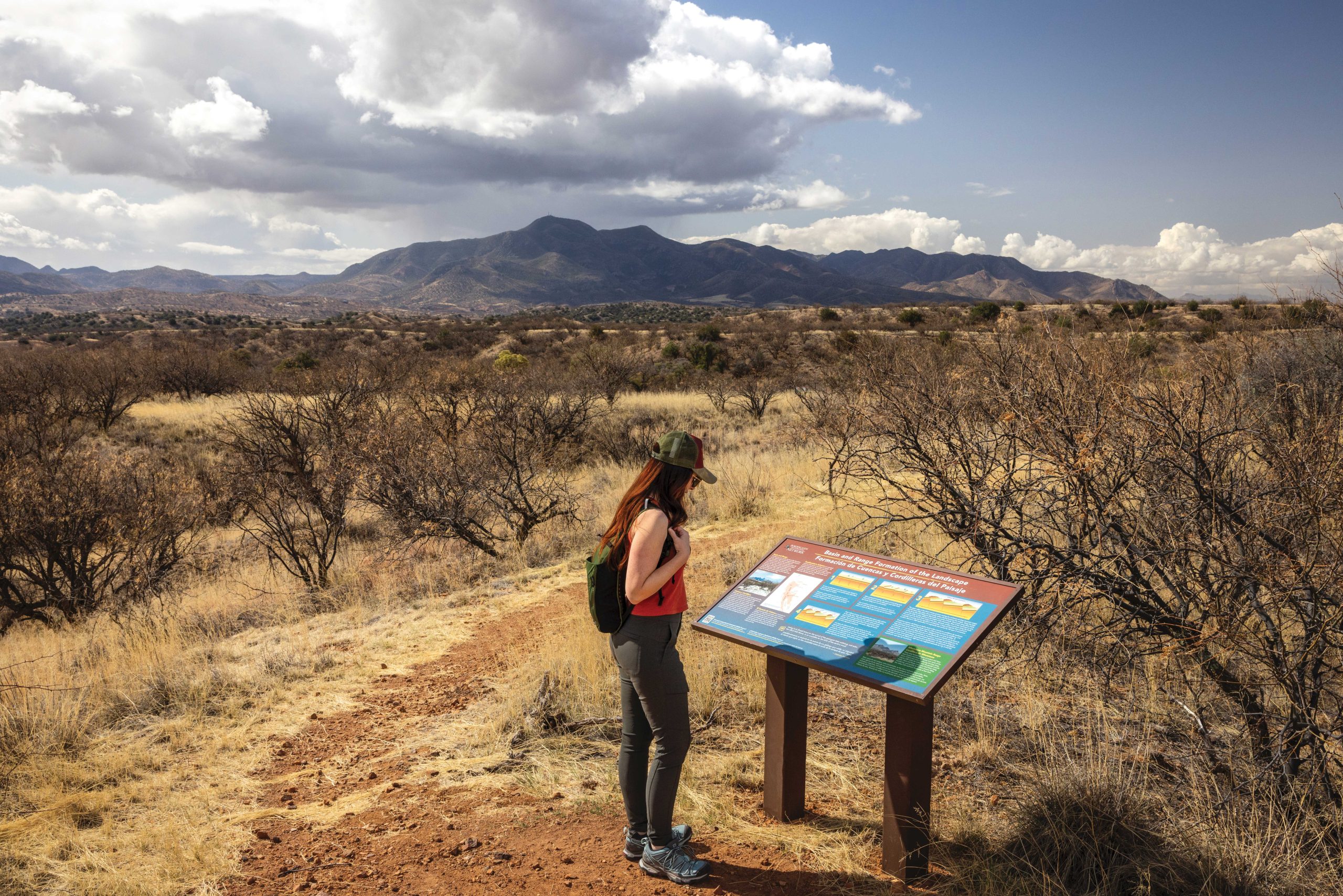
Outhier appreciated the trail’s abundance of interpretive signs, “but the thing that really hooked me was a scenic turnout on the north side of the loop, which led to a comfortable, sturdy bench overlooking the canyon, that someone had placed there.”
He took a seat to savor the “shatteringly serene views and balmy breeze” that surrounded him. “The moment was gorgeous in every way,” he says. “I was touched that someone would go to the effort of placing the bench to help share a place and a condition of contentment that clearly meant a lot to them.”
Amitabha Stupa & Peace Park
Consecrated by lama Jetsunma Ahkon Lhamo in 2004 and maintained by Buddhist organization Kunzang Palyul Choling, this sacred site in Sedona is named after Amitabha Buddha, the “Buddha of Infinite Light” associated with compassion and purification.
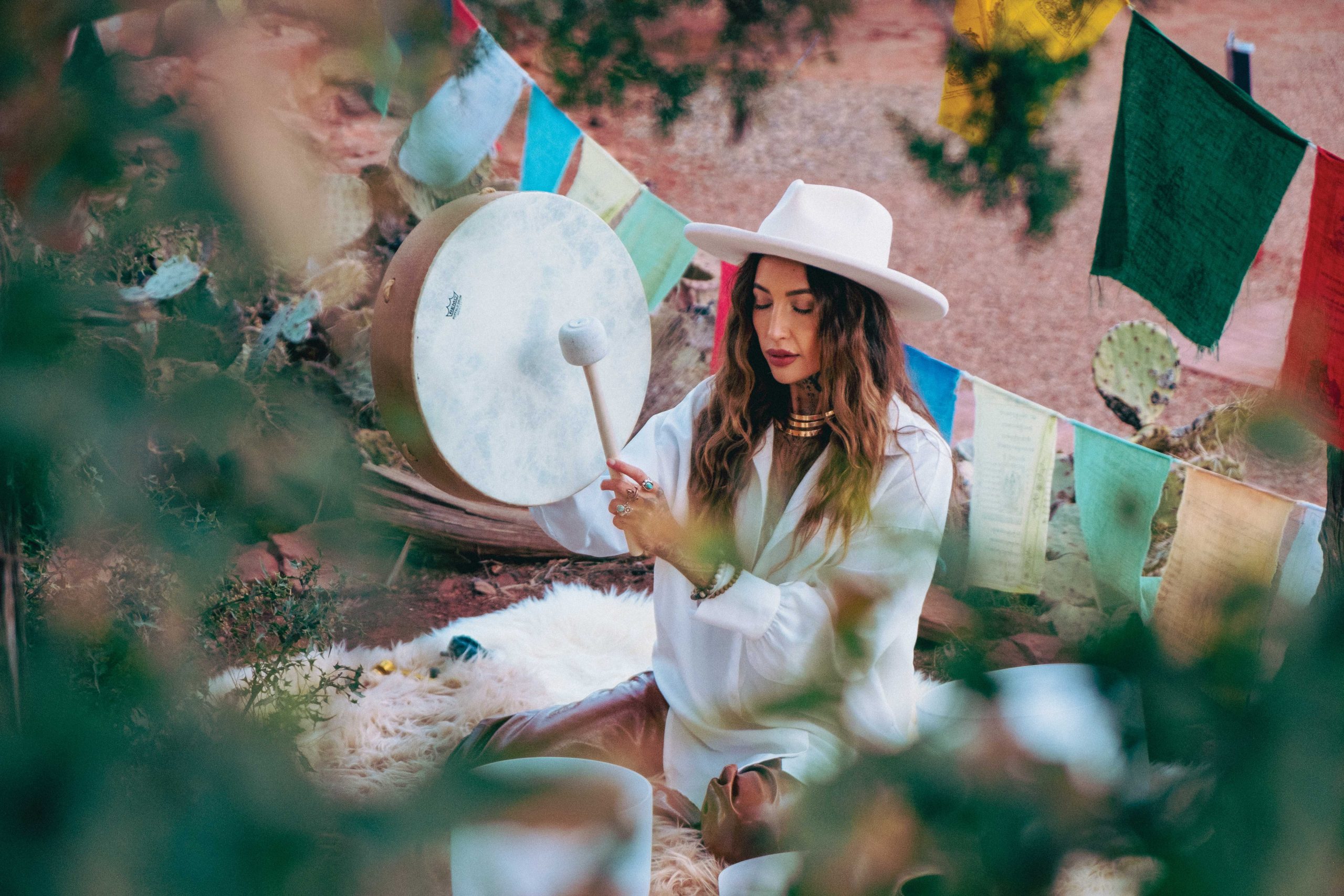
Tibetan prayer flags suspend from surrounding juniper trees and the 36-foot-tall stupa that anchors the space. The Buddhist structure is designed to represent the mind of enlightenment and is considered a powerful place for prayer, meditation and healing. Although rooted in Tibetan Buddhist tradition, the park is non-denominational and encourages visitors of all faiths to walk clockwise around the stupa while focusing on intentions or prayers.
The park abuts Sedona’s scenic Capitol Butte and features several smaller structures and myriad meditation paths. The quiet, noncommercial space is pet-friendly and free to the public, and is frequented by Buddhist practitioners, curious travelers and the many spiritual seekers that come to Sedona for peace and reflection. It holds specific spiritual significance to Valley sound healer and energy worker Ashley Paige. “One of my favorite experiences is simply walking around the stupa,” she says. “The structure itself is breathtaking – radiating a peaceful, loving energy you can truly feel as you circle it.”
A life-size wooden Buddha statue watches over one side of the park and always draws Paige in. “It’s impossible to walk by without sitting and soaking in its presence for a while,” she says. A quiet spot beneath the prayer-flag-draped trees overlooking the stupa is another one of her favorite spots within the space. “It’s where I like to lay down a blanket and do my spiritual rituals,” she says. “From that vantage point, you can see the entire park – every detail feels intentional and deeply calming.”
Paige makes it a point to visit the stupa any time she’s in Sedona and uses it as a way to reflect on her growth and transformation over the years. “I love photography and capturing moments in time. I’ve done several photo shoots at the stupa, and having those images makes each visit even more meaningful,” she says. “I’ve also had profound meditations there – some of my most meaningful guidance has come through while sitting in stillness at the stupa.” She recommends an early morning visit for optimal solitude, though “the space holds a collective reverence,” even when others are around.


Magic Hour on the Mogollon Rim

“Next to the Grand Canyon, the Mogollon Rim is arguably the most striking geological feature in the state of Arizona,” says Phoenix pathology lab manager Kyle Johnson.
Spanning Payson to Springerville near the New Mexico border, the 200-mile escarpment forms a commanding natural boundary between Arizona’s low and high deserts. “The dramatic change in scenery as you drive Highway 260 to the top feels like you’ve been transported to another world,” Johnson says. “It’s hard to believe that this exists just a few short hours from the strip malls and blacktop that is Phoenix.”
The Mogollon Rim has been a special place for Johnson since he was a toddler in the early 1980s, when his grandparents purchased a summer cabin in Forest Lakes, an unincorporated community that cradles the rim’s northern edge. Towering ponderosa pines served as the backdrop for some of his most cherished childhood memories – canoeing with his grandmother at Willow Springs Lake, fishing at Woods Canyon Lake, catching crawdads at Long Tom Pond and “going for sunset elk-spotting drives way out into the Sitgreaves National Forest in the back of my Grandpa’s old Chevy pickup,” he says.
The rim’s deep canyons and dramatic drop-offs were shaped by ancient lava flows over millions of years of faulting and erosion. Sun-dappled forest trails lead to limestone cliffs and sandstone plateaus that seem to stretch to the ends of the earth. The Rim Lakes Vista Trail traces the edge of the rim, providing stunning eyefuls of the Colorado Plateau and the desert beyond, but is not recommended for “the faint of heart or nervous parents, because there are no fences or rails,” Johnson warns. Monsoon season along the Mogollon Rim is particularly awe-inspiring, when desert storms bring the peaceful patter of rain on loamy soil and the inimitable earthy scent of creosote.
“If you are in the area, it is a must to view the sunset from the edge of the rim.” Johnson says. “The breathtaking views of the lush green carpeting of the forest stretched out below you as far as you can see are some of the best views you can find anywhere.”

Horseshoe Bend… From Below

In 2013, the Horseshoe Bend Overlook near Page welcomed just 4,000 visitors. Today, the National Park Service reports that nearly 2 million people visit the scenic lookout annually – a staggering surge in popularity largely credited to social media.
The overlook offers a breathtaking view of the Colorado River, which gracefully coils in a brilliant emerald-green loop around a towering copper-colored rock formation. It’s a scene that feels inherently serene. But finding a quiet, contemplative moment can be challenging when you’re surrounded by crowds clamoring for the perfect selfie. With the right angle and a little luck, a photo might convince your Instagram followers that you have the vast vista all to yourself.
To achieve this for real, without the photographic sleight of hand, Scottsdale business owner Meg Van Lith recommends simply viewing the iconic landmark from a different perspective. Instead of admiring Horseshoe Bend from above, why not experience it from 1,000 feet below?
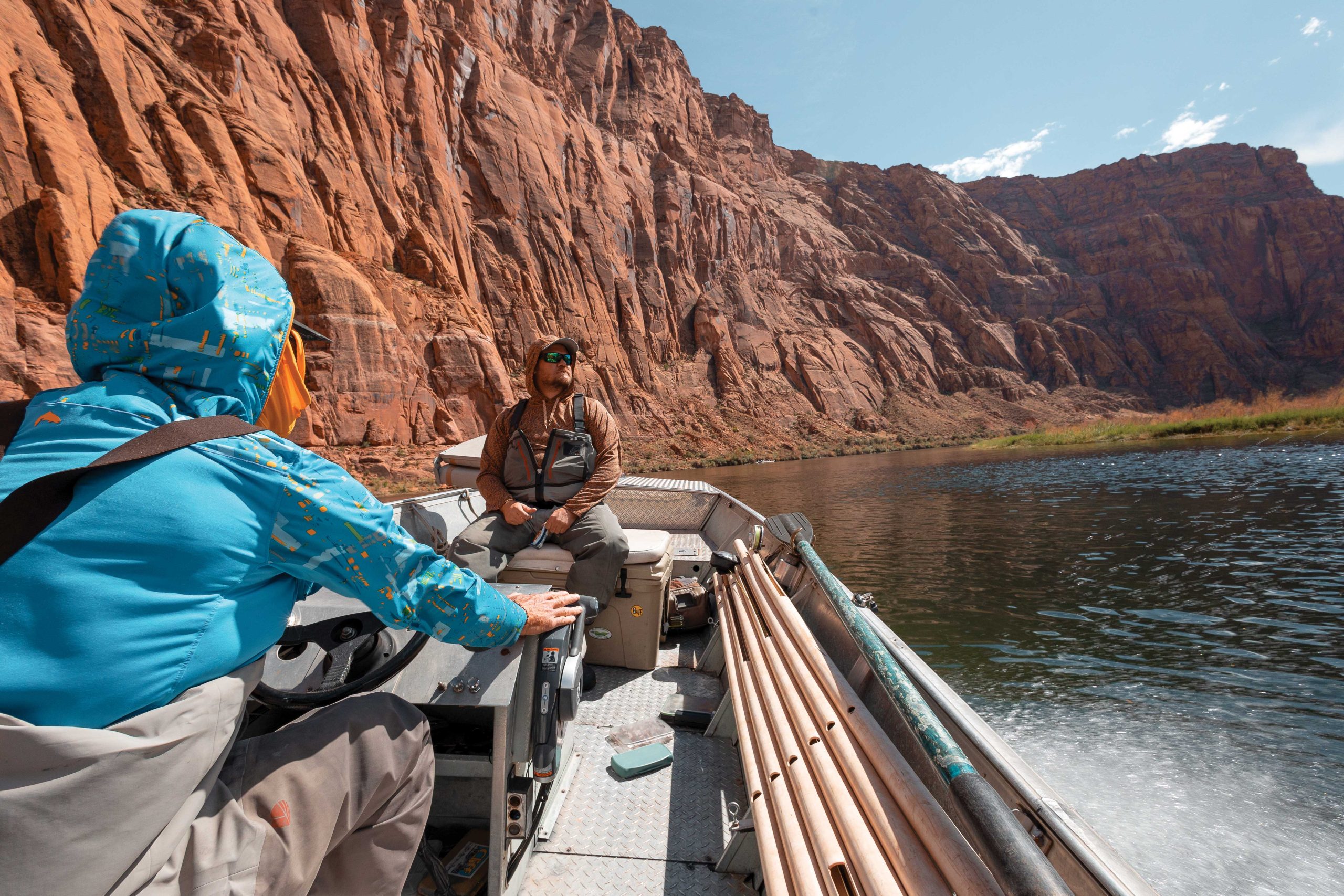
Known for its direct access to the area’s dramatic canyon walls and dazzling, crystal-clear water, the secluded Lees Ferry region of Glen Canyon National Recreation Area is mostly used as a launching point for multi-day raft excursions through the Grand Canyon. This scenic stretch of the Colorado River is also frequented by amateur anglers for its abundance of rainbow trout. For Van Lith, it was the first stop on a family road trip to Northern Arizona and Southern Utah several years ago.
“Lees Ferry Campground is a simple affair, with tent spots and parking for campers and RVs with nice bathrooms,” Van Lith explains. “But the magic of it is its location right on the river.”
Van Lith, her husband and three young children also rented a fishing boat from local outfitter Lees Ferry Anglers. They navigated the small, aluminum skiff through the canyon’s high sandstone walls, which she says radiate “orange and rust and fiery red” in the afternoon sun. “We could see the tiny specks of people high above taking photos at the famous Horseshoe Bend,” she says. “They seemed a world away from our quiet water world.” During their stay, Van Lith says she encountered just a handful of solitary fishermen and couples in kayaks. “Glen Canyon Dam towered above us, inspiring awe of a man-made kind,” she says. “But the natural world remained the true star of our trip that day.”
Van Lith and her family felt blissfully unhurried as they beached the boat and enjoyed a picnic, accompanied only by a flock of hawks and eagles effortlessly gliding on wind thermals above. “Trying our hand at fishing didn’t turn up anything for our dinner, but we had fun casting as we cruised around ’til evening,” she says. In the morning, she sipped her coffee while walking along the river’s edge, “watching the Zodiacs being piled with provisions for folks setting off on their own adventures.”
Seasonal Ponds on Humphreys Peak

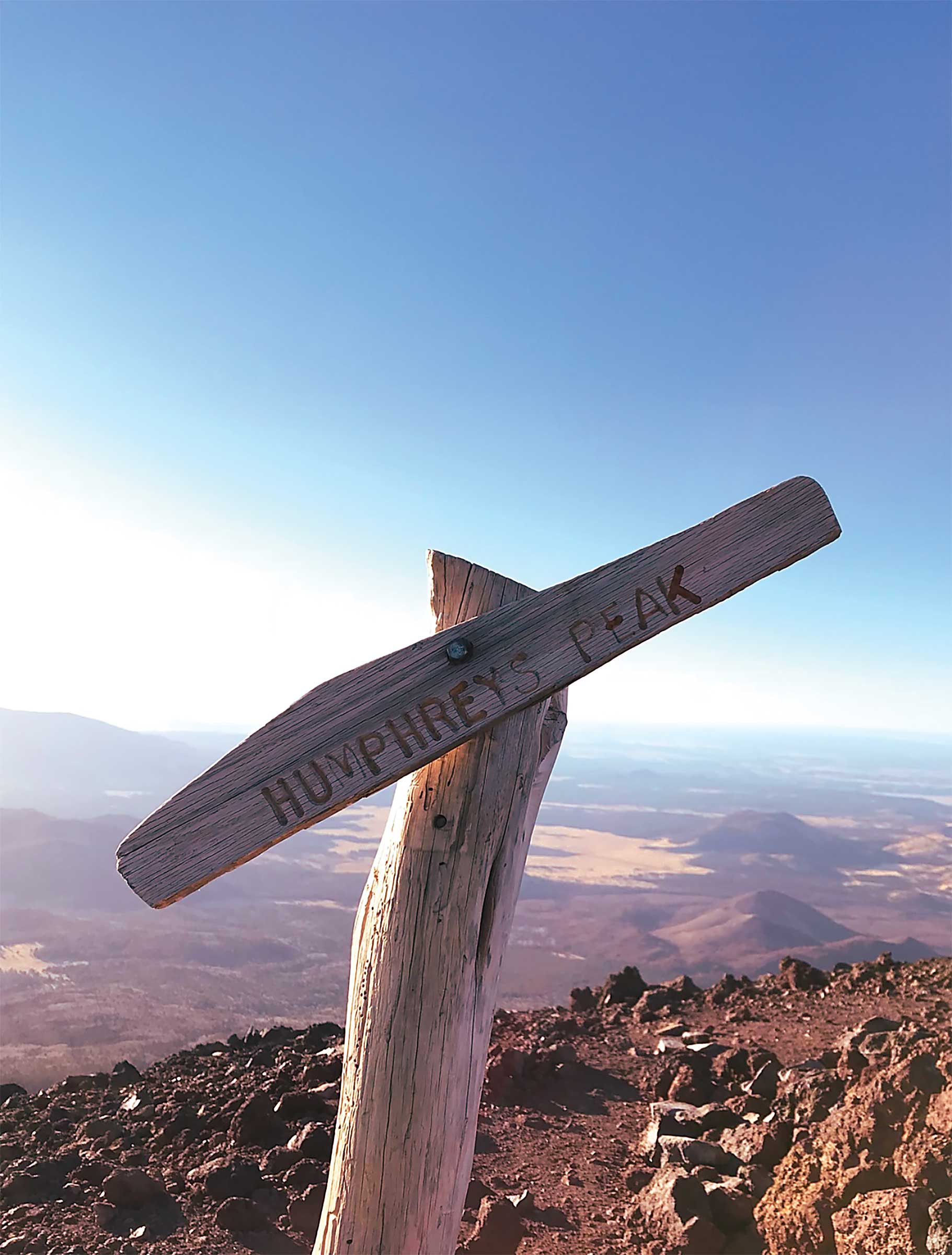
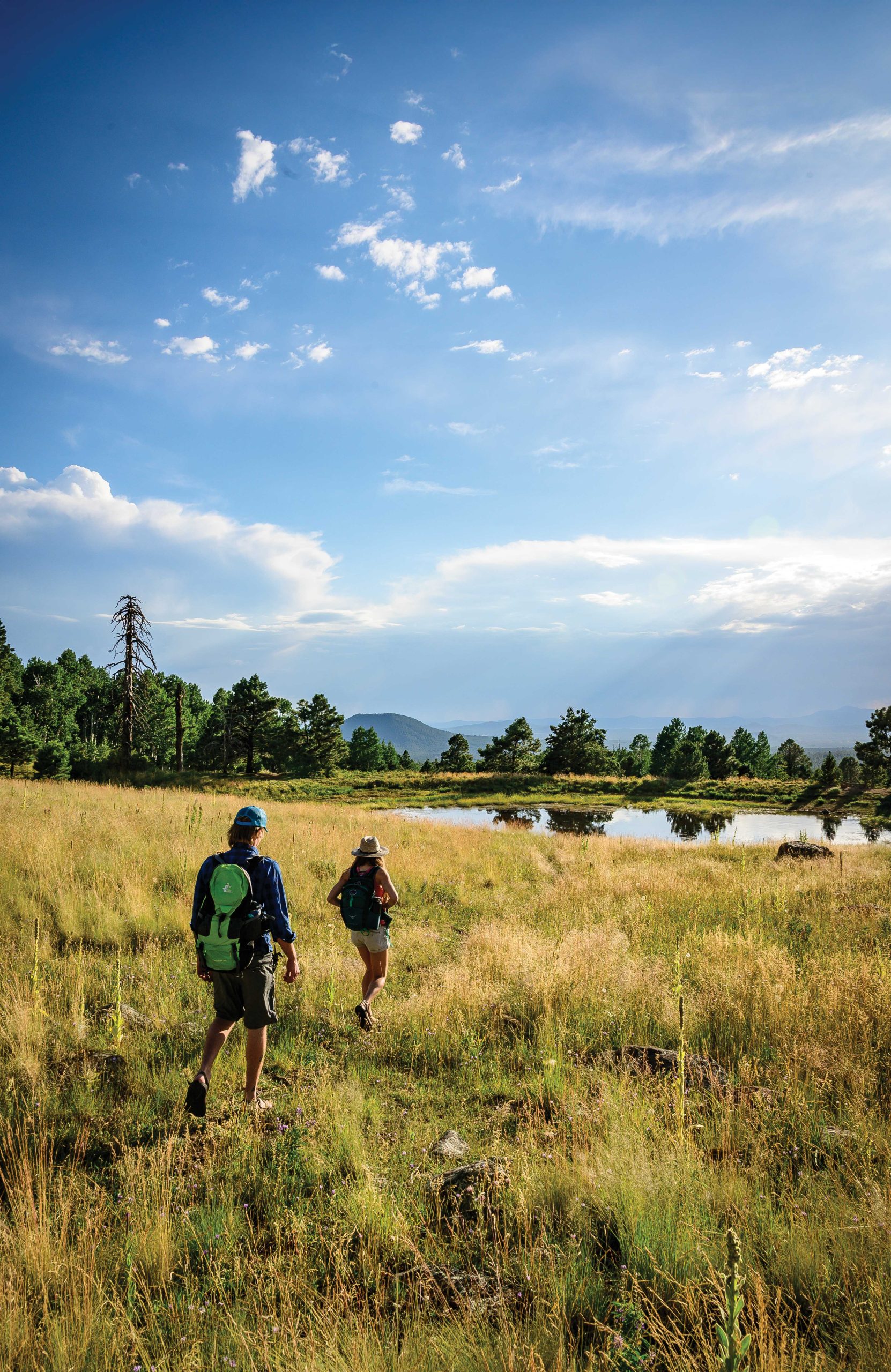
The perennially snowy summit of Humphreys Peak stands as a familiar sentinel along the pastoral, pine-studded drive into Flagstaff from Phoenix. Though its 12,633-foot apex makes it Arizona’s highest point, Humphreys Peak is just a snow-capped fragment of the sprawling San Francisco Peaks, a mountain range that stretches nearly 30 miles from Flagstaff’s western edge. In late spring and early summer, the mountain’s surplus of snowmelt transforms its meadows into small, temporary ponds and marshes.
Hiking Humphreys has also become a de facto rite of passage for outdoorsy Arizonans. Although the ascent is decidedly strenuous and time-consuming – the 10-mile round-trip trek takes a full day to complete, with a grueling elevation gain of more than 3,000 feet – hikers are offered an awe-inspiring array of shifting seasons and scenery throughout the journey. “At the base is the lush forest with myriad plants and, sometimes, animals,” says Peoria wilderness enthusiast Megan Tormey, who has summited Humphreys Peak several times.
“As you climb higher, it transforms into more of a rocky, barren landscape and rewards your efforts with the most amazing views.” On a clear day, summiters can get a bird’s-eye glimpse of the Grand Canyon.
While summer is ostensibly the opportune time to plan a hike, visitors will invariably find themselves at the mercy of Mother Nature. “Once, in June, we started hiking at the bottom dressed in tank tops and shorts to then get halfway up and have to change into jackets and pants due to the snow – in June!” Tormey says. “We didn’t make it all the way up because we needed crampons for our shoes to go any further.”
The mountain’s ethereal beauty eclipses its mental and physical challenges, she says. “It’s funny and frustrating to realize it has several false peaks before you reach the very top,” Tormey says. “Once there, the views are breathtaking. You are at once floating above the world but also realize how small a piece you are within it.”
Saguaro Lake’s Prettiest Beach

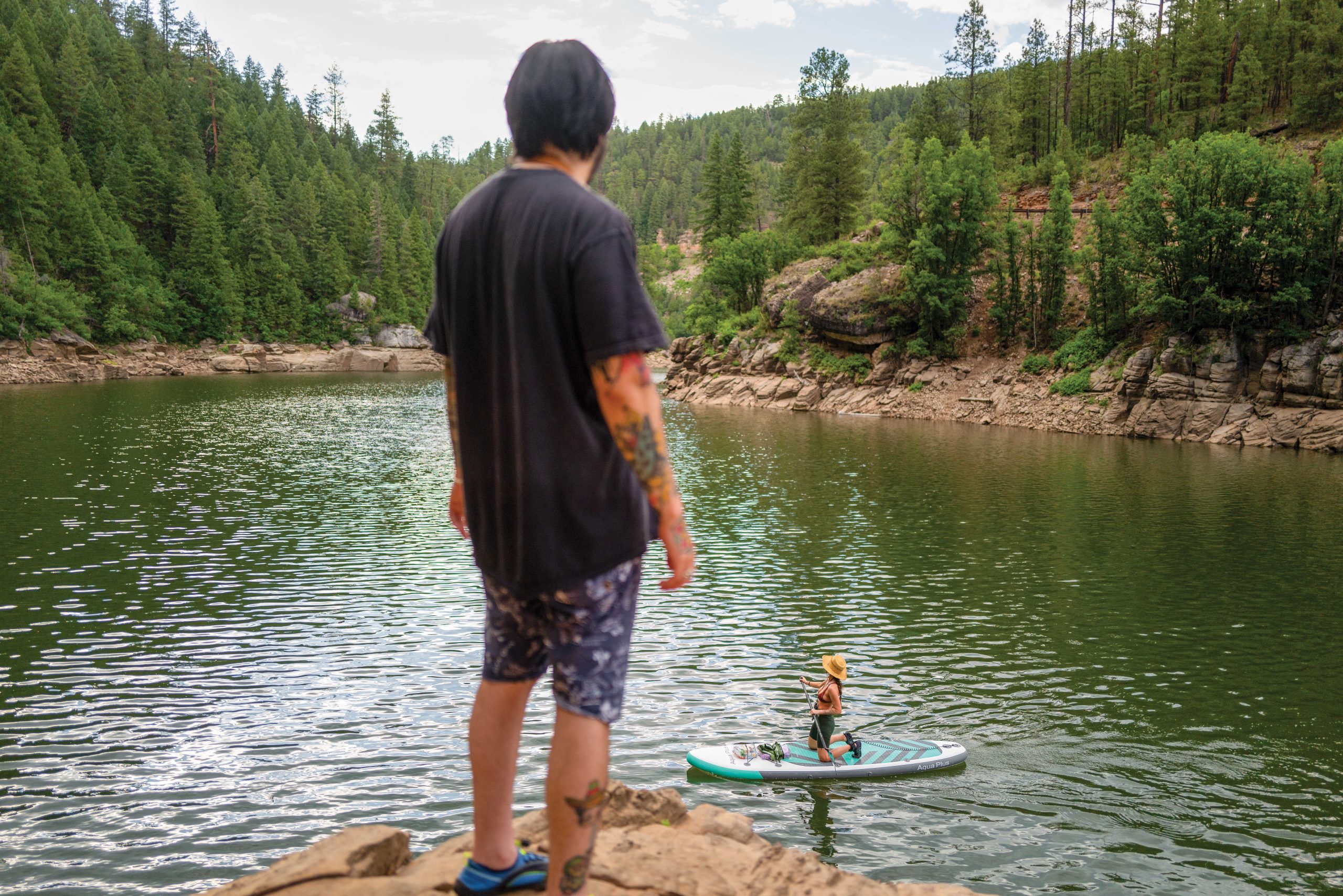
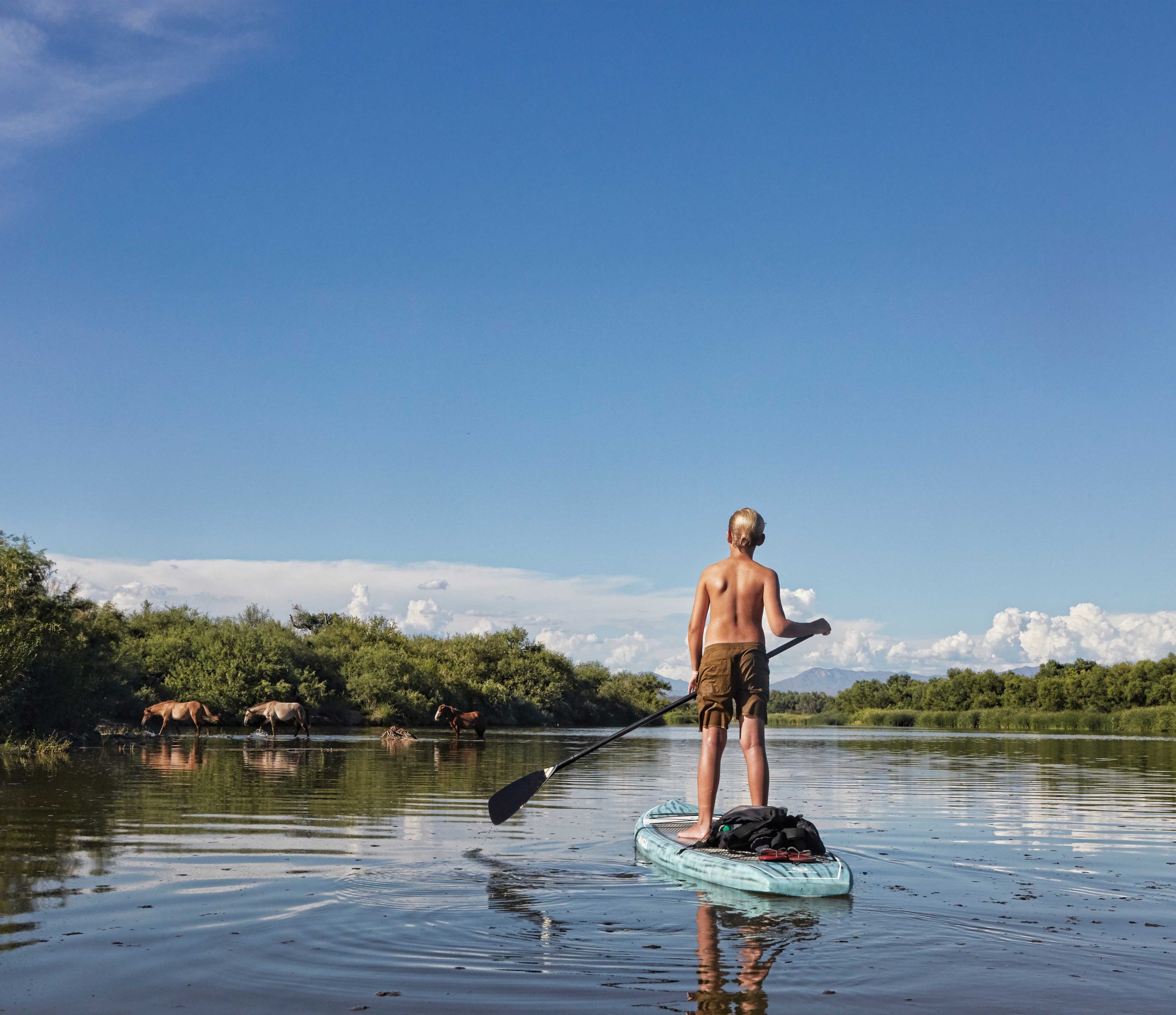
The phrase “desert beach” may sound like an obvious oxymoron, but it’s the best way to describe the sandy shoreline of Saguaro Lake, a man-made reservoir on the Salt River near Mesa. Surrounded by mature mesquite trees and statuesque saguaros, Butcher Jones Beach is a popular destination for kayaking, swimming, picnicking, paddleboarding and other sun-soaked revelry.
Its calm, shallow waters and proximity to the Valley make it a beloved summertime destination for families, including Mesa resident Sarah Harris and her young son. “It’s one of the closest places we have to an actual beach here in Phoenix,” she says. “It’s such a perfect spot to cool down in the summer.”
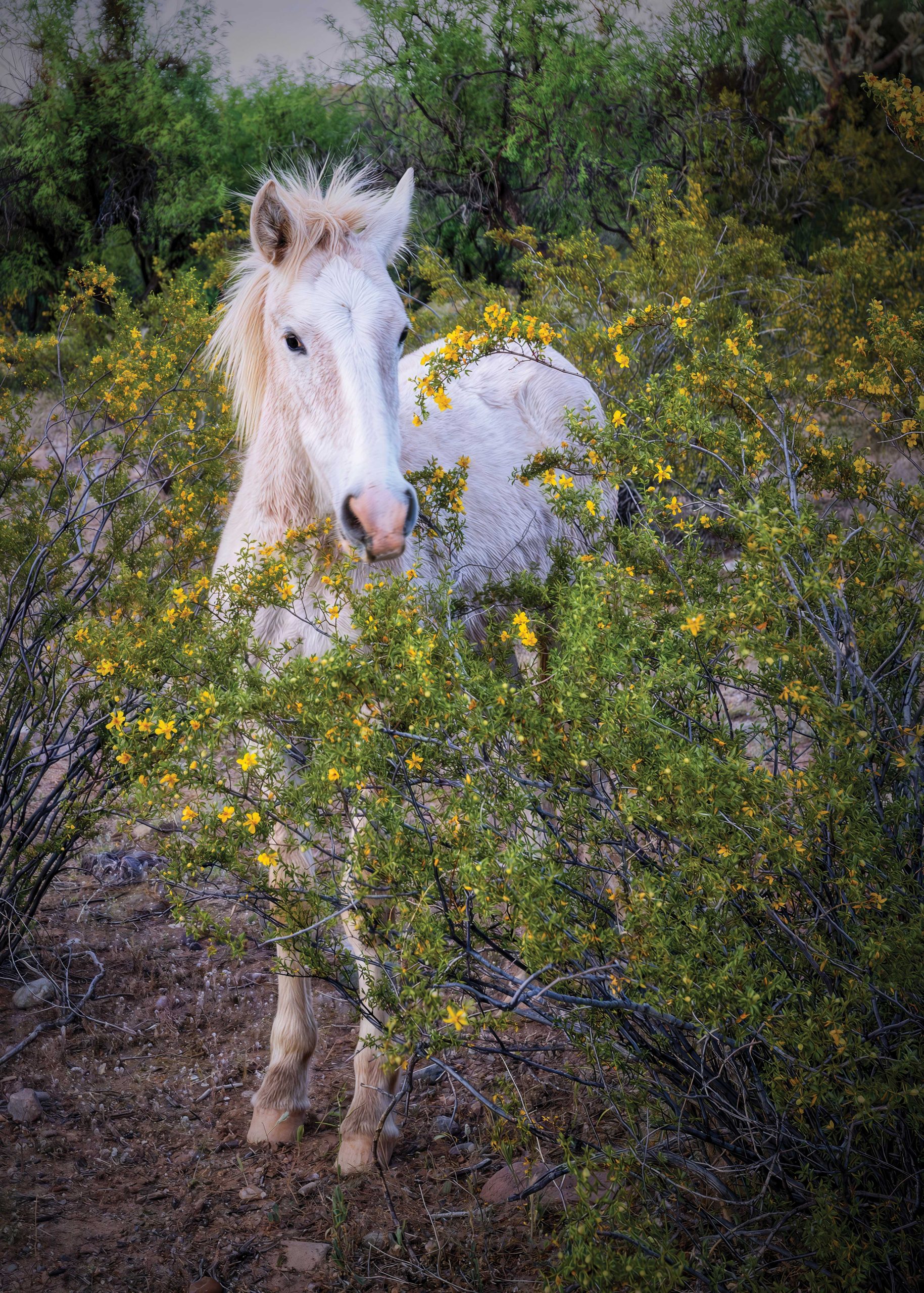
Visitors are also occasionally blessed with a wild horse sighting. Nearly 300 free-roaming horses, believed to be descendants of mustangs brought by Spanish explorers in the 16th century, call the Salt River area home. These majestic creatures are often seen grazing peacefully by the riverbanks or wading through the water. Harris recalls one particularly memorable golden-hour encounter. “I came with my friend around sunset,” she says. “The wild horses came up very close to us and were drinking water. It was magical.”
The beach’s namesake adds another layer of enigmatic charm. According to local lore, “Butcher Jones” likely refers to Dr. Walter Jones, a frontier-era physician who frequently visited the area for medical calls to nearby ranches. It’s rumored that he earned the nickname “Butcher” due to his surgical skills, and that Butcher Jones Beach originated from the colloquial reference to the area “down where Butcher Jones used to go.”
Arcosanti from Different Angles
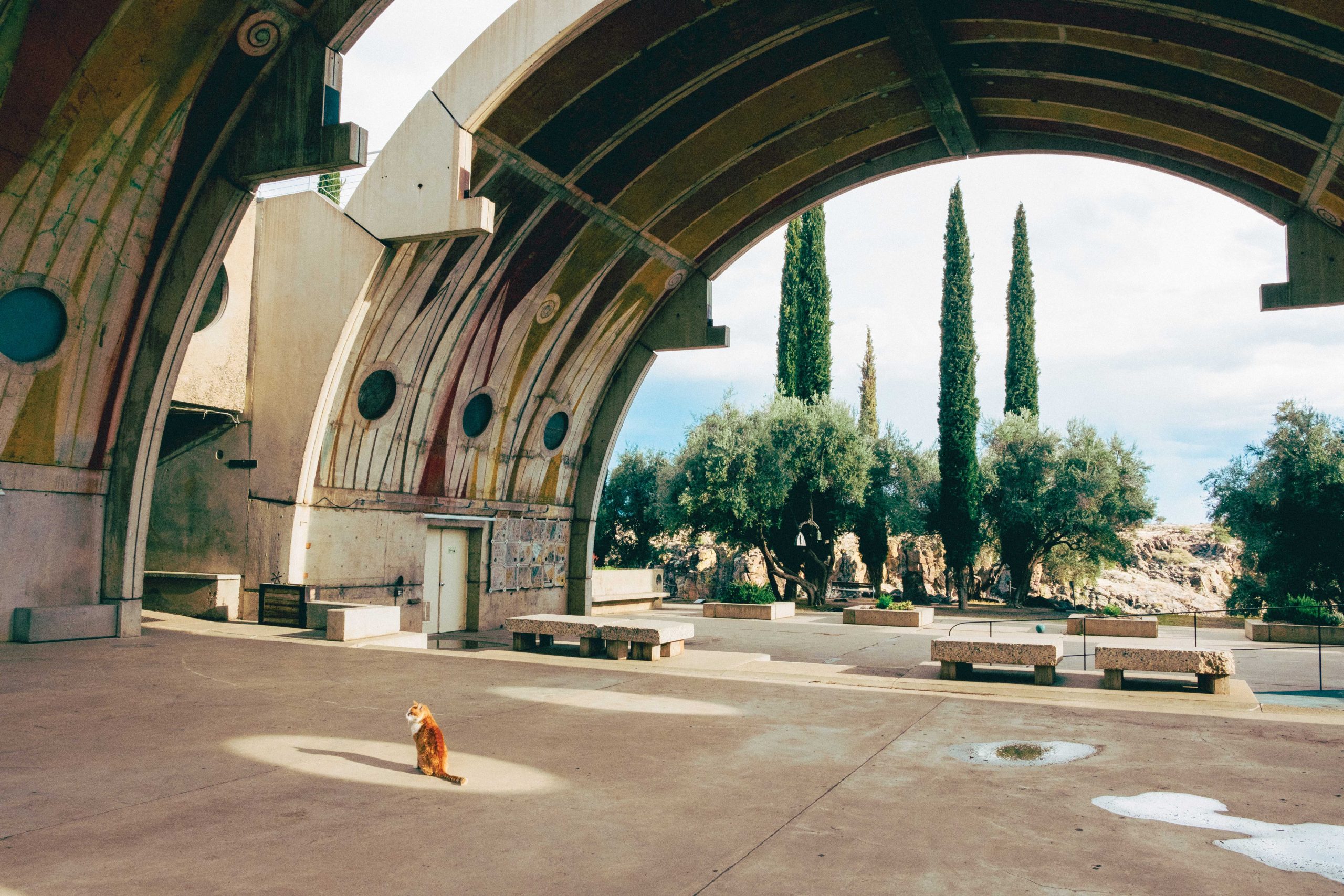
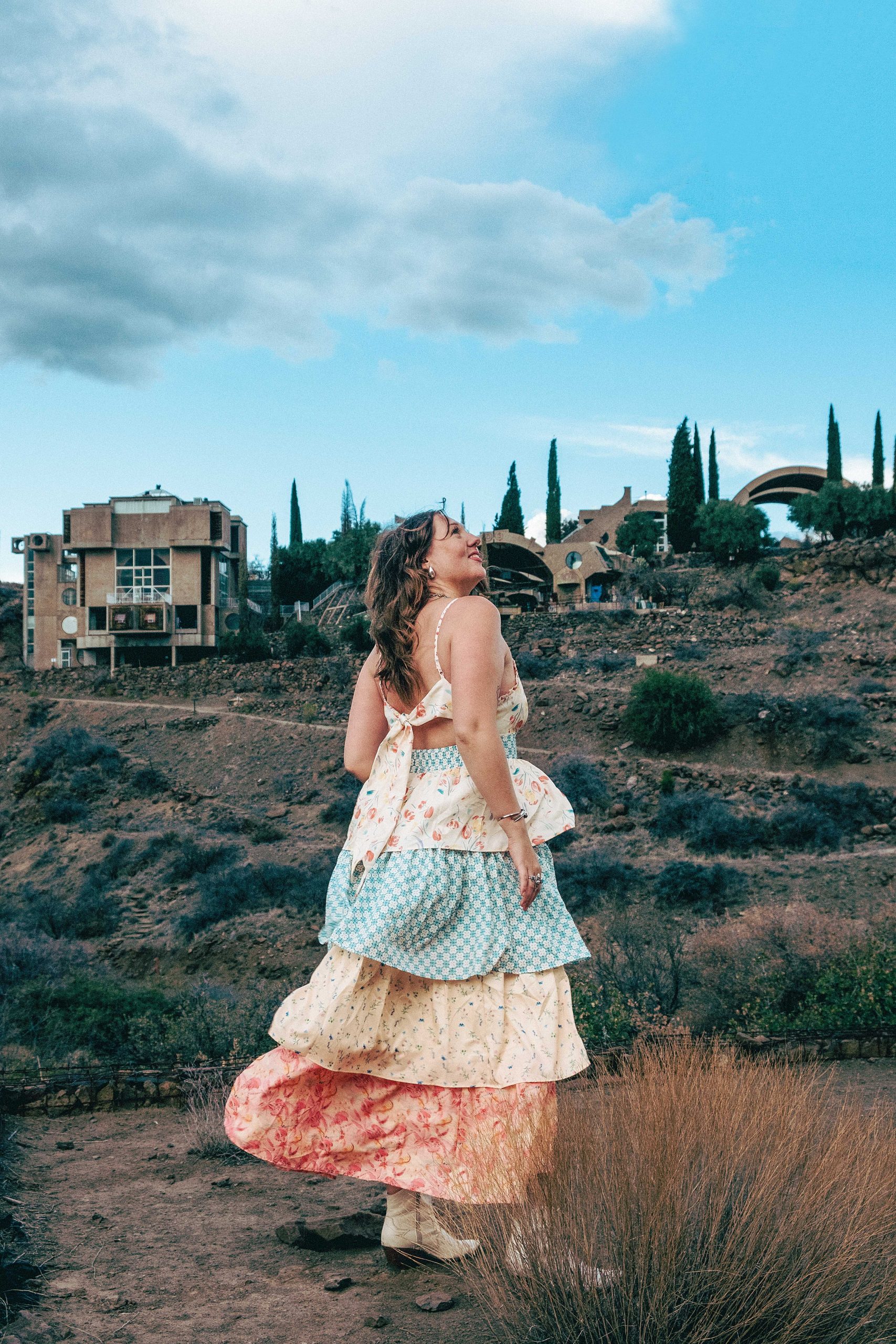
Scottsdale architect Paolo Soleri designed this otherworldly experimental town in the desert between Cordes Lakes and Camp Verde in 1970 to demonstrate how built environments can harmonize with their natural surroundings.
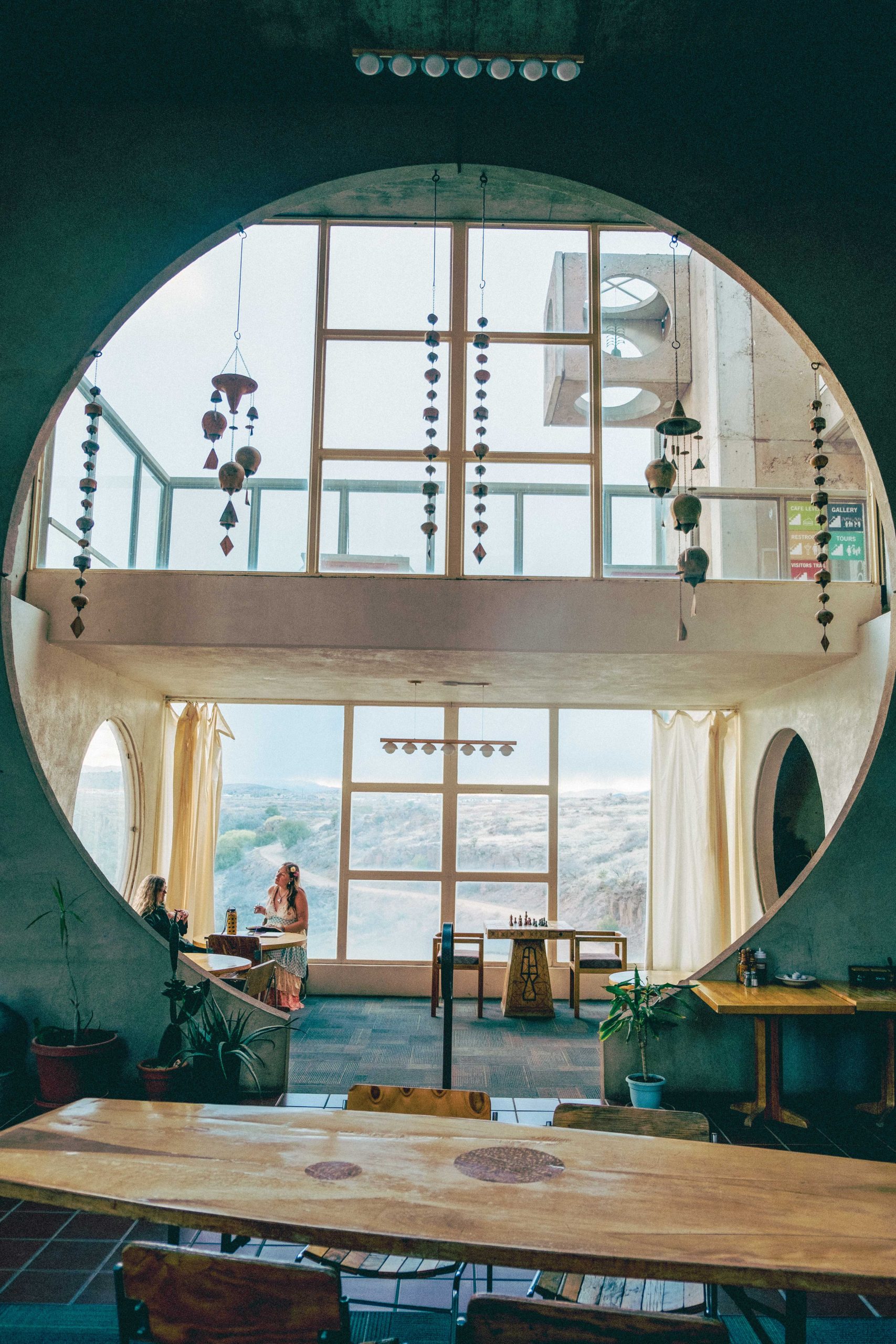
Soleri’s series of compact, sustainable and efficient structures represent his legacy of arcology – a symbiosis of architecture and ecology. This celebration of form and function endures even after his 2013 death, as evidenced by longtime residents like Nadia Bégin, who has lived at Arcosanti in a dome-shaped domicile with no 90-degree angles for 32 years. “What it does is it opens your creativity,” she says. “It takes you out of the box, literally.”
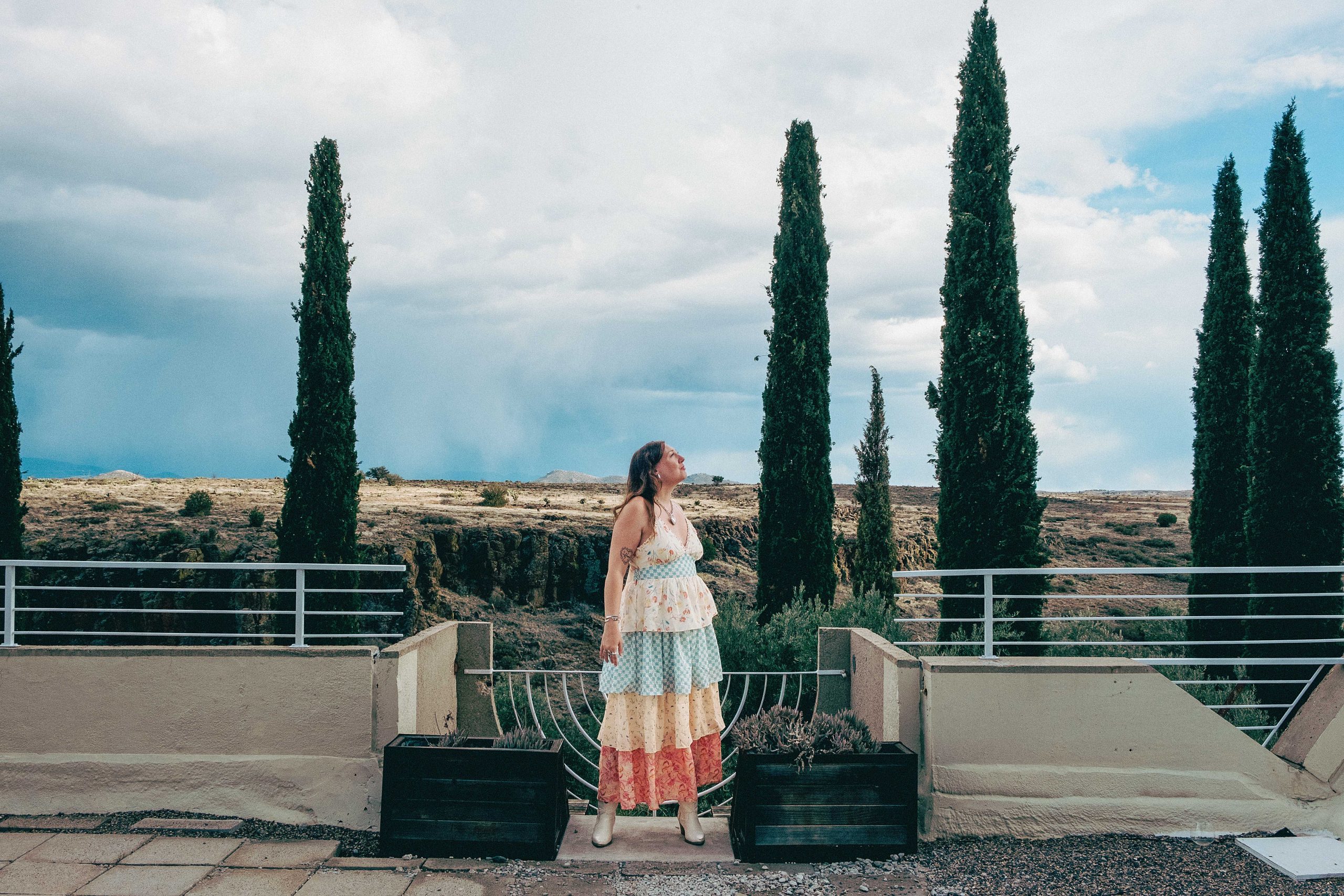
Constructed from a series of concrete panels cast in silt beds, most of Arcosanti’s buildings face south to maximize natural light and heat from the sun. The Vaults, a concrete, open-air rotunda, serves as the literal and emblematic heart of the community. It’s where performances, dances, dinners, weddings and other large gatherings take place, but Bégin also loves to climb to the top of the structure to watch the sunset in reverent solitude.
Arcosanti’s angular edifices, spherical windows and sweeping curves look like something out of a Dr. Seuss book or Ridley Scott movie. Bégin compares it to dwelling inside of a giant sculpture. “Everywhere you look, it gives you a different perspective and different ways to look at the environment,” she says. “I think it’s very inspiring to artists and architects because… it’s giving you another way to explore architecture, nature and forms. People stay because they’re inspired and it helps them on their art, just being in that type of environment.”
Bégin, a ceramic artist, spends most of her time on the property in the ceramic and bronze-casting apses – semicircular outdoor studios designed to foster collaboration. She and her dog, Ace, also frequently hike the Visitors Trail to relish an alternative angle of Arcosanti and its neighboring mesa. “To me, nature is my sanctuary,” she says.