A new exhibition at the Musical Instrument Museum isn’t fiddling around with stringed instruments.
By Robrt L. Pela | Photos courtesy Musical Instrument Museum
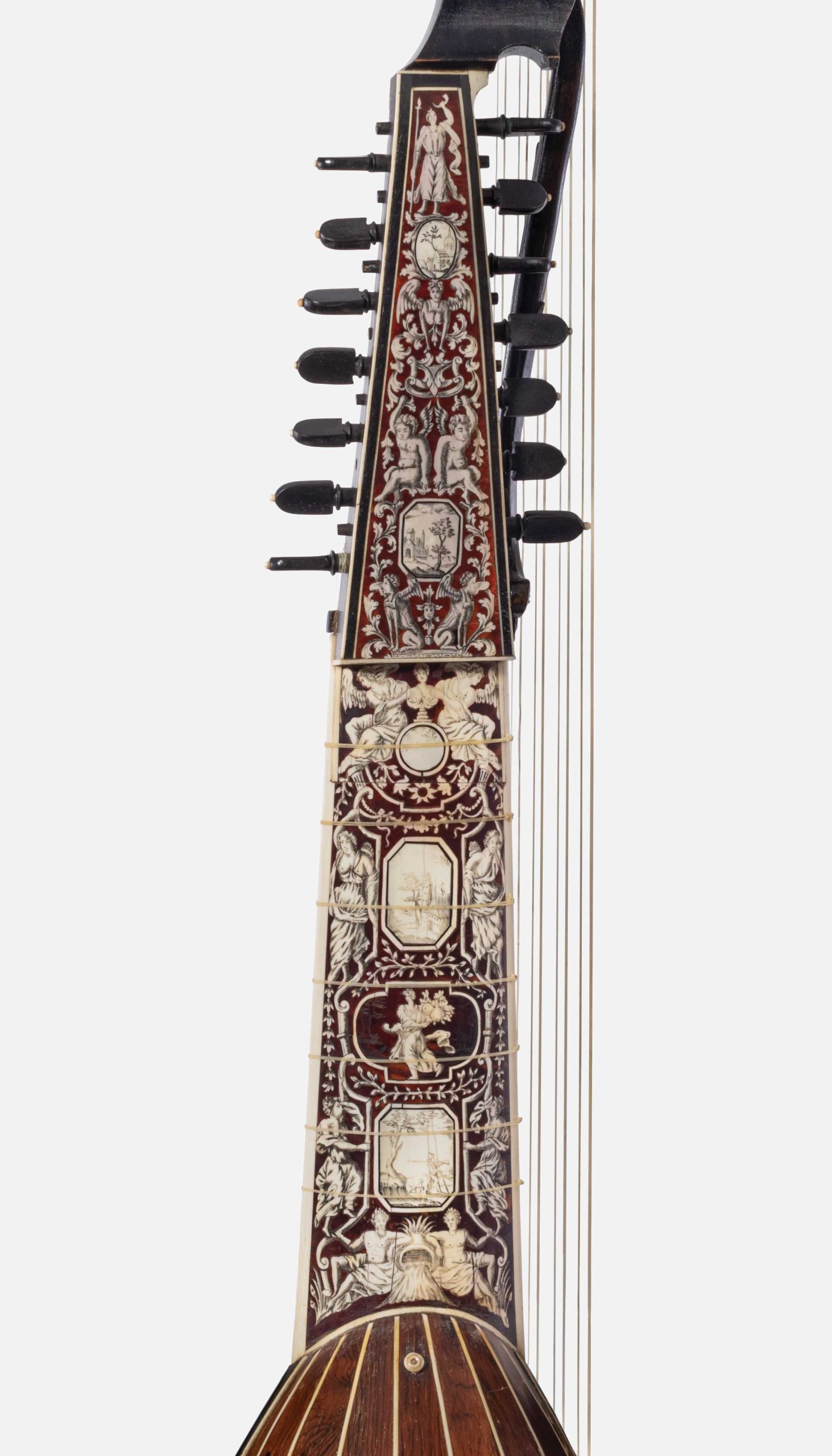
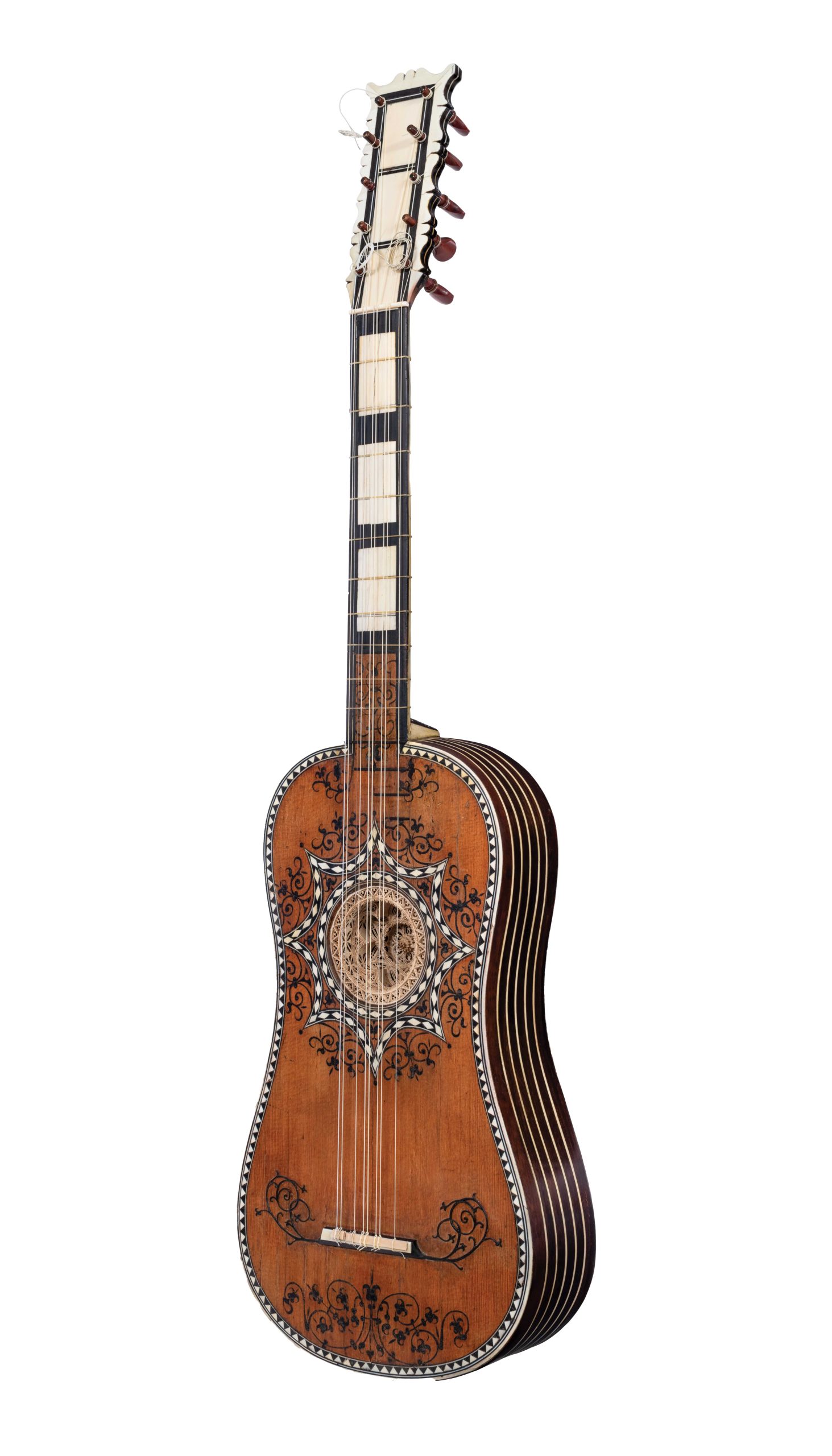
A publicist sent me a media kit about Stradivarius and the Golden Age of Violins and Guitars, an exhibition of beautiful string instruments opening at the Musical Instrument Museum on November 8. The exhibition, the press release explained, is a collection of more than 70 violins, guitars and bows crafted by legendary instrument-makers from the 16th to the 19th centuries. It includes notable work by the iconic Antonio Stradivari.
Not just musical instruments, but works of art. Well, I thought. I had better phone the curator and ask him about it.
When I did, I apologized to Matt Zeller, the curator of the exhibition, for not knowing the difference between a violin and a fiddle.
“Don’t apologize,” Zeller said. “People ask that all the time. And there’s no difference other than the music played on it. Sometimes a fiddle will have a smaller bridge, but that’s about it.”
Zeller knew several such things. Like how the shape of a violin has pretty much always been the same. “Really since the 16th century, the violin has changed little,” he promised. “Until Stradivari, who had a period where he made the body a little longer by a few millimeters.”
I figured Zeller ought to know; he went to a school where people learn how to build a violin. “After I studied violin-making, I went to a bow-making school,” he told me. Zeller seemed surprised that I didn’t know there were such places in the world.
“Of course,” he said. “There are at least three schools in the U.S. where you can study violin-making.”
I confided that I was worried about the poor, overlooked cello. You could count on people occasionally bringing up the violin in conversation, but no one ever seemed to mention cellos anymore. Zeller told me not to fret.
“We’ve got a couple of cellos in the show,” he swore. “A nice, small-sized one, and one large-body cello. You know that the cello started out as a much bigger instrument known as a bass violin, right?”
I pretended that I did know this. But what I didn’t know was which was the art: the gorgeous instruments in MIM’s exhibition, or the music that came out of them.
“For musicians, these violins, guitars, and other string instruments are tools to make music with,” Zeller said. “And for the most part, that music is the art being made. But these objects we have on display are masterpieces. They’re also historic artifacts, and we want to celebrate them for that.”