Rooted in primary care, the concierge-medicine model – membership fees, next-day appointments, dramatically more responsive service – is spreading into neurology, endocrinology, orthopedics and other specialties.
by Sydnee Wilson
The traditional specialist visit follows a familiar script.
A patient gets a referral, waits weeks for an appointment, spends a few rushed minutes in an exam room and, ideally, never needs to return.
Reality is different, of course – at least where the “never returns” part is concerned. For patients living with diabetes, thyroid disease, neuropathy or chronic back pain, the specialist is the ongoing relationship. Thus, a small but growing number of Valley specialists is embracing concierge medicine, which trades a membership fee for quicker appointments, longer visits and direct access to a physician. The model originally took root in primary care, fueled by patients willing to pay outside their insurance plans.
Physicians say the insurance-based model, with its short visits, packed schedules and follow-ups booked months out, has created concierge demand in the specialty fields, as well. “The one-size-fits-all health-care model cannot sustain as the complexity of health care grows,” says Scottsdale neurologist Todd Levine.
The Neurologist: Todd Levine
HonorHealth Concierge Neurology and Neuro Concierge, Scottsdale
For three decades, Levine has treated patients with neuromuscular disease, including running a clinic for people living with amyotrophic lateral sclerosis, or ALS, a progressive condition with no cure. “For me, it is not about a patient who is dying,” he says. “It is about helping a patient live with the time they have left.”
Levine was drawn to neurology for its detective work, but a nationwide shortage of neurologists leaves little room for careful problem-solving. “We don’t often have the time it takes to really care for our patients,” he says. After 30 years of practicing that way, he decided to see fewer patients, “an overriding principle of treating each of them as if they were my own family.”
He now leads HonorHealth’s concierge neurology program, where his panel is capped at 275 patients, the number he can carry while still offering the depth of care he prefers. A typical neurology appointment lasts about 20 minutes; his visits run an hour, sometimes longer. The extra time lets him coordinate with each patient’s other doctors. “This type of integrated care has been lost in much of medicine, and I think it is vital for the best possible care,” he says.

His concierge patients tend to be complex cases. A patient taking medication for low blood pressure can send Levine readings daily or weekly. A patient with neuropathy can have medications fine-tuned as often as needed instead of waiting three to six months for a follow-up. “This access just isn’t possible in routine neurology care,” he says.
Membership also brings in exercise physiologists, nutritionists and sleep and cognitive specialists when needed, an extension of Levine’s interest in preventive neurology. He and his wife, Samantha, wrote a book on the subject, Your Brain’s Second Chance. He also treats out-of-state patients, some through his separate practice, Neuro Concierge.
Levine acknowledges the model isn’t for everyone. Concierge patients still rely on insurance for testing and referrals, he notes, and HonorHealth has 20 other neurologists caring for patients through traditional channels.
The Endocrinologist: Heather Saran
Bright Endocrinology, Scottsdale
Saran’s interest in health started at the ballet barre. As a young dancer, she grew fascinated with how nutrition could better fuel her body, a passion that led her to endocrinology, where diet is central to treating diabetes.
But after nearly a decade in traditional practice, seeing 20 to 30 patients a day, she was burned out and contemplating retirement. “The cost of overhead was up, reimbursement was down and their only solution was to see more patients,” she says. “I thought my patients deserved better.”
So she stepped away to regroup. “I literally went out into the woods and did soul-searching and journaling about what I like about medicine,” she says.
The answer was getting to know her patients. No one in the Valley offered concierge or direct-care endocrinology at the time, so she took the leap and opened Bright Endocrinology. “I said to myself, this is either going to be the best idea I’ve had or the worst idea I’ve had.”
Today, Saran sees no more than 10 patients a day. New-patient visits that once lasted 30 minutes now run an hour, and 15-minute follow-ups have doubled to 30. A traditional 20-minute appointment, she notes, gets eaten up by charting, test orders and billing. “[It leaves} seven minutes face-to-face,” she says.
Saran accepts Medicare but no commercial insurance, and offers several membership tiers. Patients with unstable conditions can start at a higher tier and step down as their health improves.
Endocrinology, she argues, suits the model because its conditions are chronic and deeply personal. “I know what time they eat. I know when they walk the dog, when they are going to have risks of having high sugars, low sugars,” she says of her diabetes patients, citing details that help her build strategies for the moments she isn’t there.
Thyroid treatment can involve trial and error, and direct access means patients can simply text her. “They’re not having to wait months for an appointment,” she says.
Her patients come from as far as Tucson and Yuma. “We have teachers,” she says. “Not everyone has to be rich.”
Even so, Saran is candid about the trade-offs as more doctors leave insurance-based practice. “Some people are getting better access, other people are maybe having limited access to health care as a result of that trend,” she says.
She also hopes to dispel a misconception she once held herself. “I used to see the physicians as being selfish, charging cash, like they were trying to get rich,” she says. “But that is not the case at all. I’m not making any more money than I was before.”
What she has gained is time, along with the trust of patients she knows well. “So it’s been a win-win,” she says.
The Physiatrist: Michael Wolff
Southwest Spine & Sports, Scottsdale
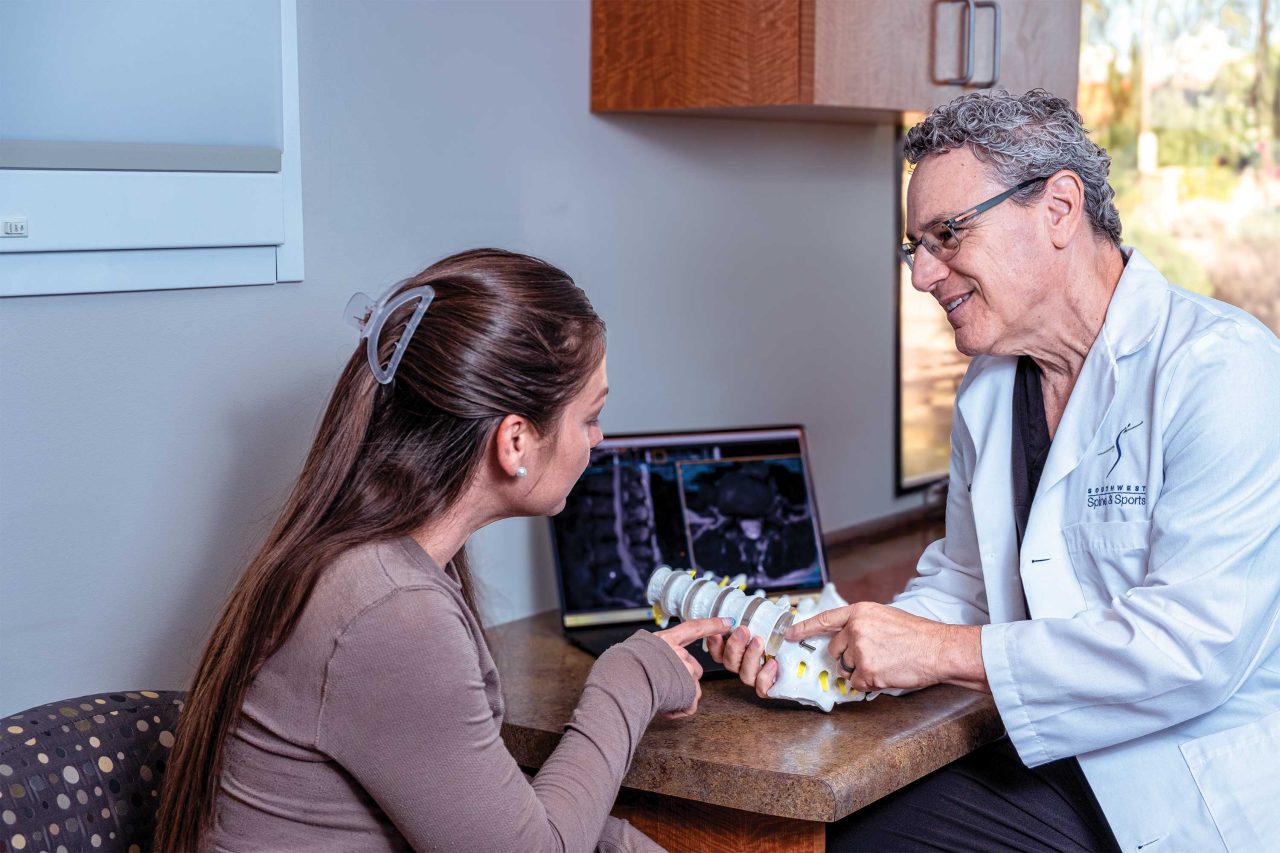
As a kid, Wolff practiced martial arts and was fascinated by how the body moves and why it sometimes breaks down. That curiosity led him to physical medicine and rehabilitation, also known as PM&R, a specialty he likens to “being an orthopedic surgeon in clinic without the surgery.” In 1999, with help from his wife, Polly, he opened Southwest Spine & Sports, focused on nonsurgical care for spine, joint and soft-tissue injuries.
The practice flourished, eventually growing to four locations. As insurance rules tightened, Wolff found himself spending more time fighting for approvals than treating patients. “I would speak with insurance adjustors or doctors who were not in my specialty only to have my recommended and appropriate treatment denied,” he says. “Standardized protocols are just that, protocols, not individualized treatment tailored to a patient’s specific needs.”
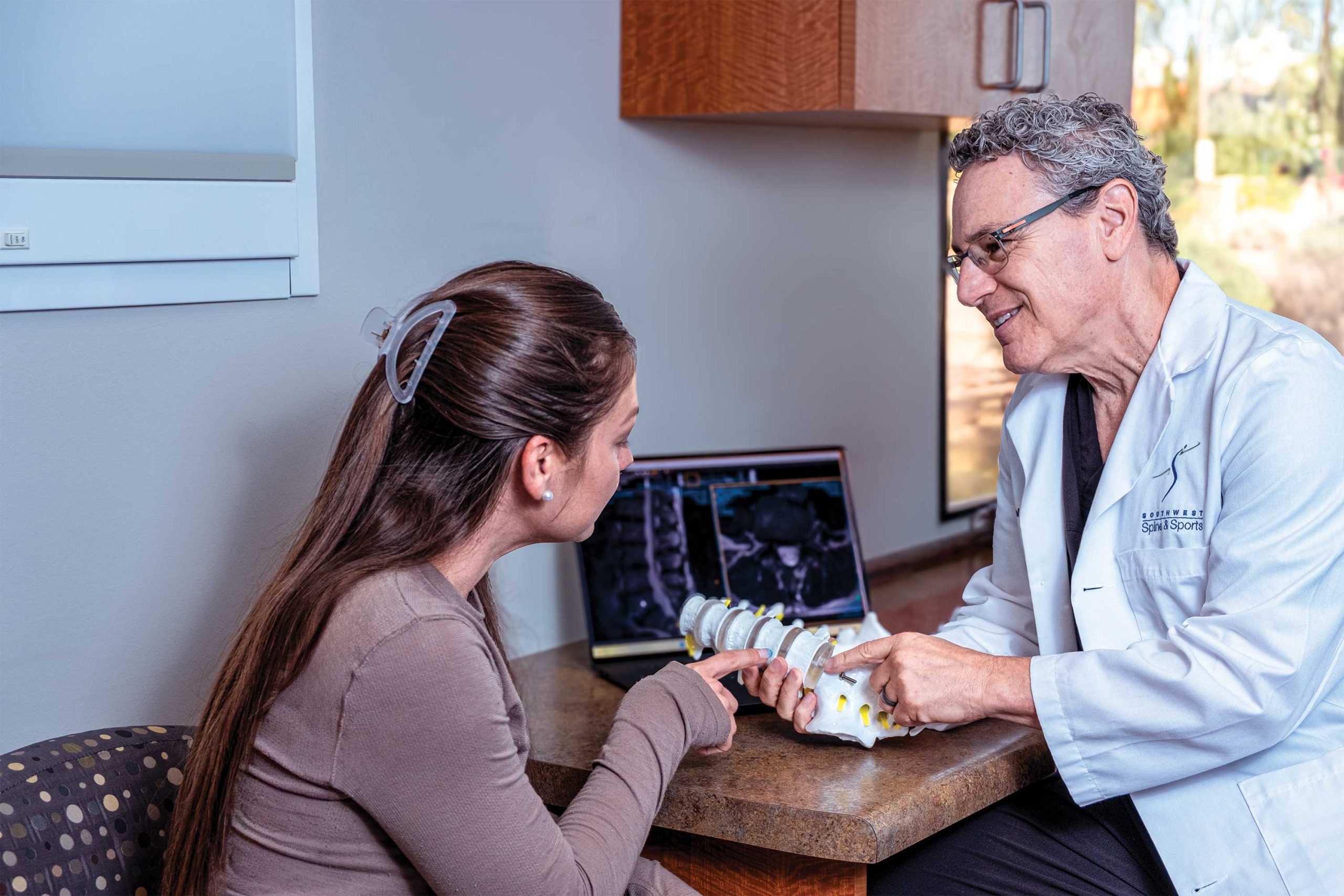
His path to concierge care was gradual. About 15 years ago, Wolff began offering regenerative treatments, also called orthobiologics, starting with platelet-rich plasma (PRP) and expanding to other biologic therapies that use the body’s own growth factors to repair injured tissue. Insurance doesn’t cover them, and many are off-label and not FDA-approved for these uses, though Wolff points out that plenty of now-common therapies began that way. Patients seeking those options moved into the cash-pay concierge side of his practice case by case, and he eventually returned to solo practice.
Concierge patients always see Wolff himself and get 30 to 60 minutes for a new visit and 30 for follow-ups. “I am no longer limited to just evaluating a single problem,” he says. “I can sit down with my patients, really listen to them, discuss their conditions and treatment options.”
Practicing outside the limits of insurance, he adds, “has proven to be reinvigorating. I am again enjoying the practice of medicine.”
Still, the physician doesn’t dismiss concerns that fee-based care limits access. “This is a legitimate concern, and I believe there is some truth to this,” he says. That’s why he has intentionally kept “a foot in both worlds,” continuing to treat patients who use insurance.
The Cardiologist: Anne-Marie Feyrer-Melk
Optimal Heart Center & Body Lab, Scottsdale
Cardiologist Anne-Marie Feyrer-Melk built her early career on the most dramatic moments in medicine: the ICU, the emergencies, the acute heart attack. “The odd thing is that now I focus exclusively on preventing the actual scenarios that I thrived upon in the past,” the cardiologist says.

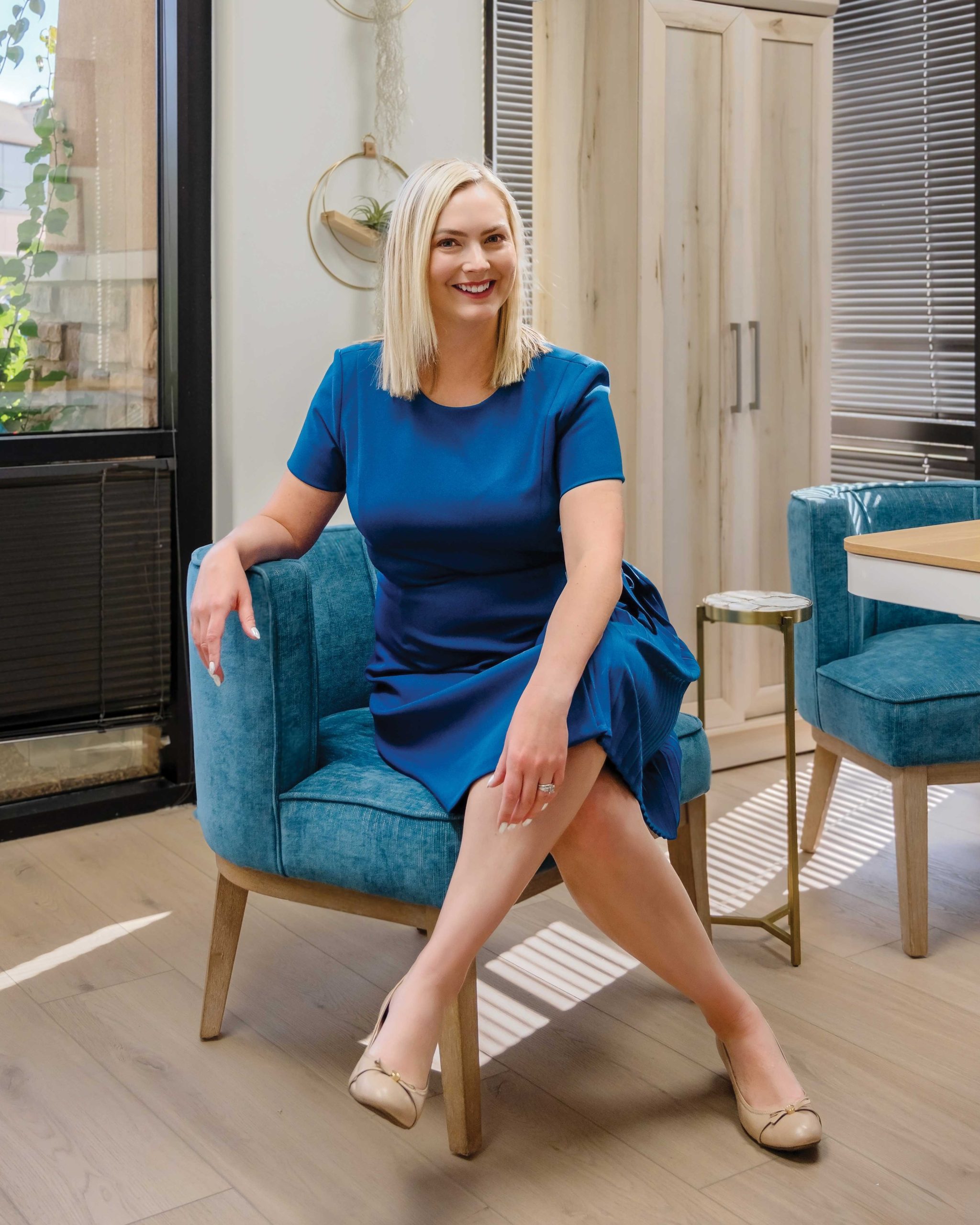
The shift began with what she calls “the hamster wheel.” In 2008, a consultant told her to trim her standard 30-minute appointments to 20 minutes. A year later, 20 became 10. Around the same time, a patient grabbed her hand as Feyrer-Melk (pictured above with her husband and practice partner, Steve Feyrer-Melk, PhD) wheeled her out of the cardiac catheter lab after her first heart attack and asked when she should expect the next one. “My blood went cold when I realized that I was doing that to her, giving her that fear, that trepidation, that hopelessness,” Feyrer-Melk says. That night, Feyrer-Melk, who is an enthusiastic equestrian, sat by her horses for hours, rethinking how she practiced. “I no longer wanted to operate within the realm of end-stage disease,” she says. “I wanted to prevent it.”
In 2011, she “jumped off a cliff and never looked back,” launching her concierge practice. Today she specializes in finding silent, hidden arterial disease and treating it with targeted medications, evidence-based supplements and lifestyle changes, guided by cardiovascular genetic testing. That approach, she says, demands “exquisite attention, unrestrained time, quarterly labs with evolving therapies, tweaking and fine-tuning every step of the way.”
Even patients who arrive believing they’re healthy, drawn by unlimited time and access, rarely leave without a plan. “I always find issues to fix, reverse, protect and heal,” she says. She sees a patient population hungry for that kind of partnership. “Patients are so beyond a pill for every problem,” she says. “Today’s patients want more, deserve more, advocate for more and devote resources for more.”


