The Leukemia & Lymphoma Society has a new name: Blood Cancer United. The 77-year-old organization (founded in 1949) underwent a rebrand last year to better reflect its broader commitment to support the entire blood cancer community.
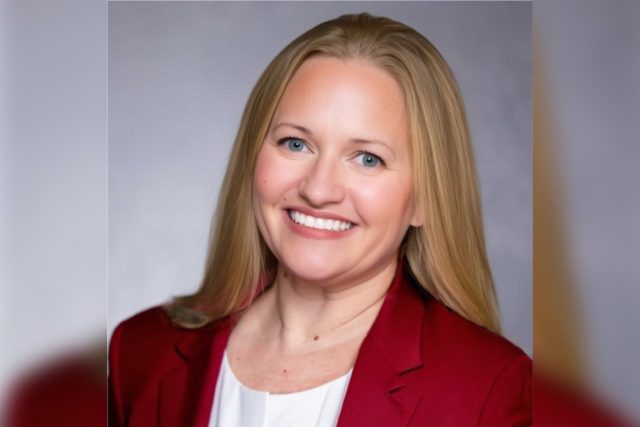
The nonprofit’s Desert Region, which includes Arizona, is gearing up to recruit participants for its 2026 Visionaries of the Year campaign, a friendly fundraising competition that brings together local business and community leaders to make a meaningful impact. Scottsdale’s Mack Media Relations founder Robyn Patterson was named 2025 Visionary of the Year after raising more than $163,000. We chatted with Desert Region executive director Lisa Ball to learn more.
Why did the Leukemia & Lymphoma Society change its name to Blood Cancer United?
We did a lot of studies, really talked to our donors and our patients, and the name just wasn’t representative of the vast amount of patients that we serve. For instance, the name Leukemia & Lymphoma Society doesn’t include a key blood cancer, myeloma, and so people who may be suffering from myeloma wouldn’t know that we have resources for them. There are over 100 forms of blood cancer, and the name just wasn’t capturing the full scope of what we do. We did it to make sure that we’re really reaching the patients we need to reach.
Tell us about the work that you do.
We focus on a 360-degree approach to patient care, and not just supporting the patients, but also the caregivers. As you can imagine, a cancer diagnosis is not just an individual journey, it affects an entire family, an ecosystem of people who support that patient. As soon as somebody is diagnosed, we are there with educational resources, financial assistance and peer-to-peer support.
What are some of the support services that Blood Cancer United provides?
We have an amazing program called First Connection, where patients who have been through a similar diagnosis help mentor and be a peer-to-peer support person that can say, “I’m here, I’ve been through your journey. Here’s what I went through. Let’s talk.” A huge piece of what we do is to ensure that people have access to health care. We do a lot of advocacy work in that area. And, of course, there’s the research element. We ultimately want to find a cure for all blood cancers.
How do people find out about your services?
We have an amazing boots-on-the-ground team – our patient and community outreach team. They partner directly with the hospitals to make sure that when somebody gets a blood cancer diagnosis, that our resources are immediately shared with patients and caregivers. A lot of the hospitals also fundraise for us to help make sure that we can continue to offer free services to patients and caregivers. We also offer free educational events where an oncologist from a local hospital will speak and offer education and support for our patients.