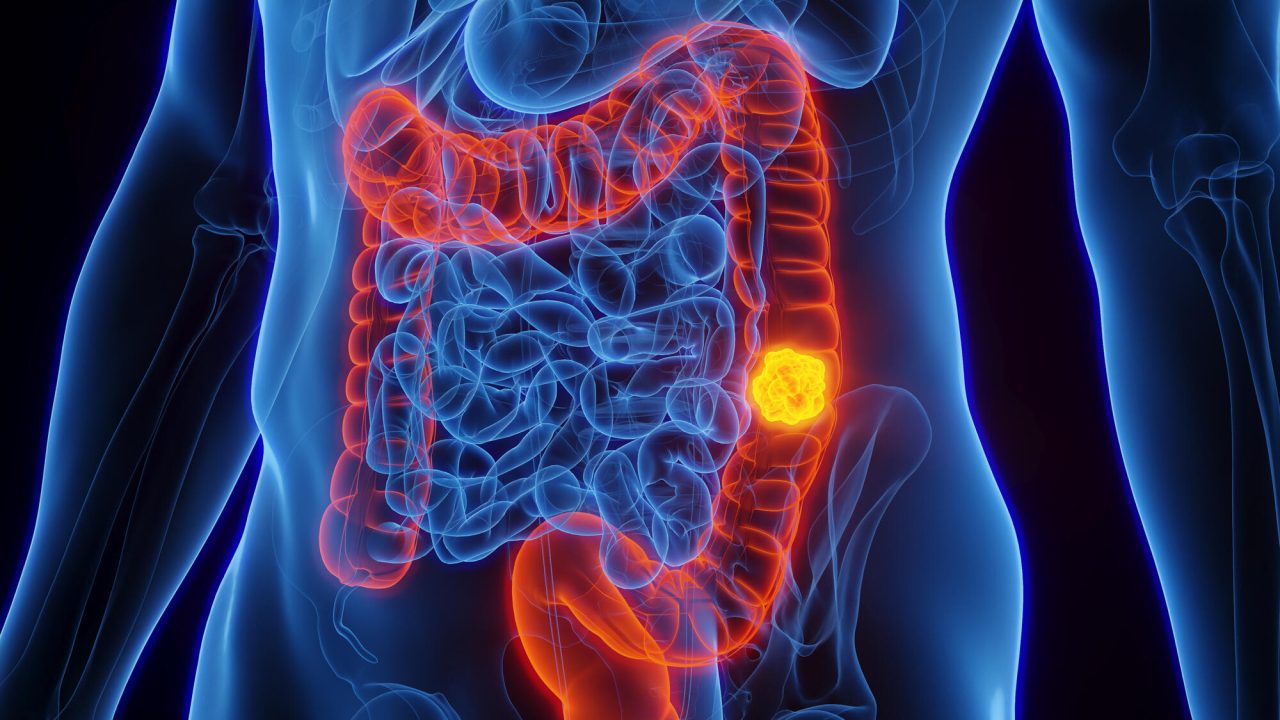
Colorectal cancer is now impacting younger generations at an alarming rate. People in their 50s, 40s and younger are increasingly being diagnosed with cancers of the colon and rectum. According to the American Cancer Society, incidence rates among people under 50 increased approximately 2% per year over the past decade.
In addition, rectal cancer is more common in younger people. In 2023, 37% of colorectal cancer cases in people younger than 50 occurred in the rectum, compared to 24% in those 65 and older.

Because of these trends, experts now recommend screening for colorectal cancer at age 45. But Justin Brady, M.D., a colon and rectal surgeon at Mayo Clinic in Arizona, says adults of all ages should be aware of the symptoms of colon and rectal cancer and report them to a healthcare professional.
“When you look at the five-year survival rate for people who have an early-stage tumor, it’s well over 90%. In more advanced stages, where the tumor has spread beyond the bowel to the lymph nodes, the survival rate can significantly decrease, often to around 70%,” says Dr. Brady. “If we catch it before that, that’s a big increase. Early detection is key.”
High or average risk?
Factors to consider for colorectal cancer
Typically, people are categorized as either average or high risk for developing colorectal cancer based on a variety of known factors that influence their likelihood of developing the disease.
For those at high risk, it’s often due to one of the following:
- Personal history, polyps on prior colonoscopy.
- Family history, first-degree family member (parent or sibling) with a colorectal cancer diagnosis or precancerous polyps.
- Medical condition, such as inflammatory bowel disease.
- Genetic condition, including familial adenomatous polyposis (FAP), a rare condition caused by a defect in the adenomatous polyposis coli (APC) gene, and Lynch syndrome, an inherited condition that increases the risk of various cancers like colon and endometrial cancer.
According to Dr. Brady, individuals at high risk — particularly those with family history — should begin screening earlier and more frequently than those at average risk. However, they make up only a small portion of those diagnosed with colorectal cancer.
“Hereditary colorectal cancers are the minority. Most patients we encounter don’t have a family history of the disease; it’s sort of sporadic,” says Dr. Brady. “We don’t know why it’s happening, but many suspect environmental or lifestyle factors, such as eating too much processed food, alcohol consumption and obesity, may play a role.”
Regardless of whether someone is considered average or high risk, Dr. Brady stresses that everyone can benefit from a healthy diet and regular exercise to help reduce the risk of colorectal cancer.
Non-invasive screening options exist,
but a colonoscopy may still be necessary
Most colorectal polyps do not cause symptoms, so you may have polyps without knowing it. This is why beginning colorectal cancer screening at the recommended age of 45 is crucial. Screening reduces the risk of cancer by identifying polyps in the colon and rectum that could develop into cancer. You may need to begin screening younger than 45 if you have risk factors.
“Often, we can catch these polyps before they turn into cancer,” says Dr. Brady, a strong advocate for colonoscopies, particularly for individuals at high risk.
In the U.S., colonoscopy is the most common screening method. During the procedure, a flexible tube (colonoscope) is inserted into the rectum. Equipped with a tiny video camera, the colonoscope allows the physician to examine the colon and rectum for any abnormalities, such as swollen tissues, polyps or cancerous growths. If detected, polyps or other abnormal tissues can be removed during the colonoscopy.
A non-invasive option for colorectal cancer screening is a stool DNA test (offered under the brand name Cologuard), which uses a stool sample to look for markers suggesting the development of colon cancer. The test checks for changes in DNA that are shed from the cells lining the colon. Certain DNA changes indicate that cancer is present or might develop. The test also looks for hidden blood in the stool.
While non-invasive tests offer suitable options for individuals with average risk, Dr. Brady emphasizes that colonoscopy remains the most effective screening method because it can detect and remove a polyp before it becomes cancer.
Know the symptoms of colorectal cancer
The symptoms of colon and rectal cancer can include:
- A change in bowel habits.
- Rectal bleeding or blood in the stool.
- Narrow stool.
- Ongoing discomfort in the belly area, such as cramps, gas or pain.
- A feeling that the bowel doesn’t empty.
- Weakness or fatigue.
- Losing weight without trying.
People younger than 50 who develop colorectal cancer can experience early warning signs, which often appear anywhere from three months to two years before diagnosis and include abdominal pain, rectal bleeding, diarrhea and iron deficiency (anemia).
“The main things we look for are blood in the stool or unexplained anemia detected in a blood test,” explains Dr. Brady. “If you’re experiencing these symptoms, it’s time to start listening to your body and seek attention.”
Colorectal cancer is a serious health concern, but it’s also one of the most treatable forms of cancer when caught early. If you notice any concerning symptoms, don’t delay speaking with your doctor. With awareness, early detection and timely intervention, the chances of successful treatment and recovery are much higher.
Learn more
To learn more about colon cancer and rectal cancer or find a clinical trial, visit Mayo Clinic.
Join the Colorectal Support Group on Mayo Clinic Connect, an online community moderated by Mayo Clinic for patients and caregivers.
Recommended articles on colon and rectal cancer:
- Colon cancer screening: Weighing the options
- Are colon and rectal cancers treated differently?
- Dear Mayo Clinic: Treating colon cancer
- Colorectal cancer in the liver: New treatment gives more people hope for a cure
- Colorectal cancer myths and facts
- Answers to 4 questions about colorectal cancer treatment and survivorship
- Plant power: Using diet to lower cancer risk