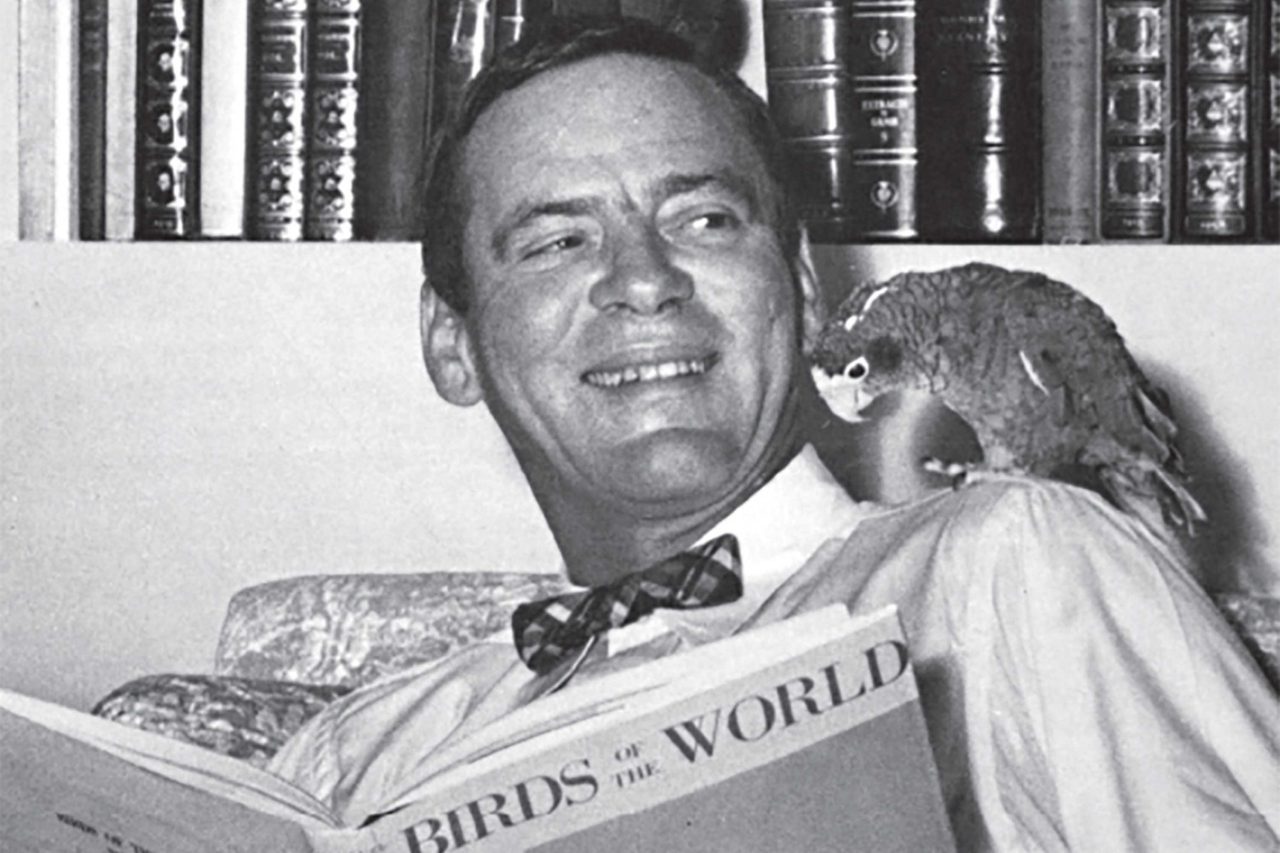
The launch of the world-class Phoenix Zoo was a homespun affair conceived by a wildlife conservationist with links to the Maytag Man.
Teen animal-lover Pete Horner and his family moved from Florida to Scottsdale in 1959 to a home on 5 acres just northeast of Camelback Mountain. Within a few years, strange arrivals showed up that brayed, shrieked, and roared throughout the night, alarming his sleep-deprived neighbors and annoying them to no end.
Horner, however, was undeterred. The loud, exotic creatures were his pets, after all.
“I brought my girlfriend over one night when my parents were traveling and didn’t mention what lived off the master bedroom,” Horner says. “A Bengal tiger on the patio jumped at her from behind bars when she entered. She shrieked, ran out, and asked why I didn’t tell her about the big cats. I said I wanted it to be a surprise.”
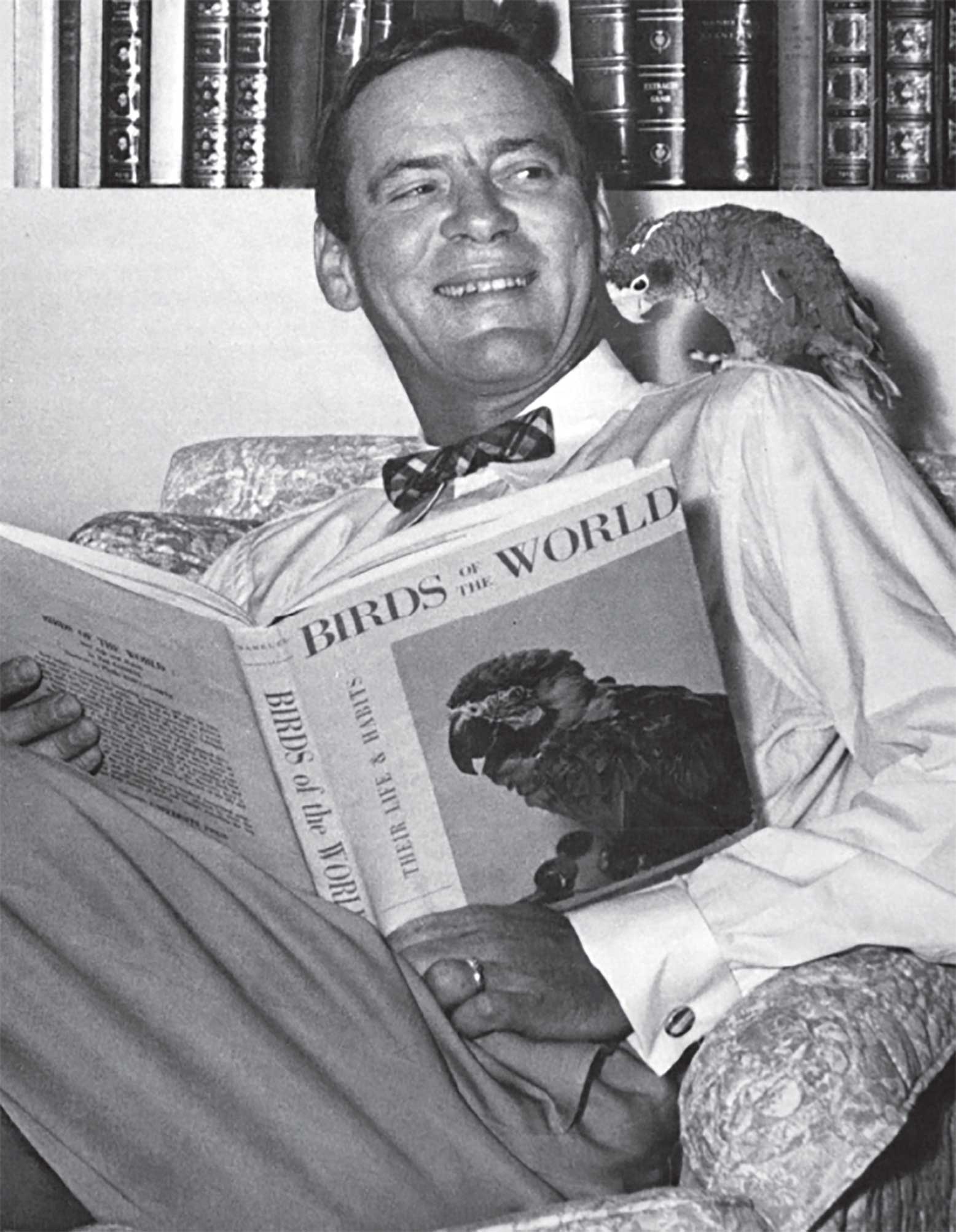
Two Bengal tigers were part of a collection that included a gorilla, a baby elephant, Chapman’s zebras, Sicilian miniature donkeys, woolly monkeys and numerous unusual birds, including a parrot whose vocabulary consisted entirely of cuss words. But these were not merely a rich kid’s playthings – they were, in fact, the earliest residents of the Phoenix Zoo.
Horner’s stepfather, Robert “Bob” Maytag, was the grandson of F.L. Maytag Sr., founder of the Maytag Company of Newton, Iowa. The appliance company scion was also a philanthropist who was passionate about wildlife. “My stepfather was outgoing and always had a smile,” Horner says. “He sponsored African safaris for the University of Miami for several years before he married my mom, Nancy [Horner Maytag].” In 1961, while on a Caribbean sport-fishing trip in St. Thomas, the couple pondered what Bob should do with his life over cocktails in a dockside lounge. Nancy had an epiphany that he should create a zoo for Phoenix. Upon their return, the couple started the Arizona Zoological Society. Hearing of the Maytags’ vision, zoos around the country sent their excess wildlife to their residence, which became a crash pad for all sorts of creatures.

To advertise their new venture, Horner, Bob Maytag and their friend, Speedy Barker, took animals – especially Heffalump, an infant Asian elephant, and Beau Brummell, a woolly monkey – to shopping centers and put on a dog and pony show. “We promoted memberships to the zoo on the premise we’d have one soon,” Horner says. The trio sold more than 1,000 memberships in 1961.
Maytag initially donated $100,000 as seed money to fund the privately owned and operated zoo, a gift amount that later exceeded half a million dollars. An ideal location became available when Arizona Game and Fish moved its administration offices and fish hatchery from Papago Park. This 125-acre site featured rock outcrops, five ponds and mature trees. The state sold the land to the City of Phoenix, which leased it to the Arizona Zoological Society for a dollar in 1961.
Zoo construction began with the donkey-elephant team of Lorenzo and Heffalump hitched to a plow to break ground in January 1962, a promotion that attracted 2,000 spectators. Then tragedy struck the Maytag family and nearly ended their zoo project. “That March, Bob was in San Diego with a doctor friend on his boat and became sick with pneumonia,” Horner says. “He only had one lung, as on an African trip, he had contracted malaria, and medical staff had to remove the other lung. Bob went downhill fast and died at age 38.”
His widow, Nancy Horner Maytag, became the Arizona Zoological Society president and spearheaded the zoo’s creation as a memorial to her late husband. “It was a period of delightful, enthusiastic chaos,” she told the zoo’s publication, Arizoo, in 1982. “We were absolute beginners. We didn’t have any idea what we were getting into, but our enthusiasm and the certainty that we were building a great zoo carried us through every challenge we faced.”
“The city’s rallying theme became ‘Build the Zoo in ’62!’ and it opened on November 21, 1962, as the Maytag Zoo,” Arizona state historian Marshall Trimble says. Only two sections were completed: the Arizona Exhibit and the Children’s Zoo, which had a nursery rhyme theme. Some of the more than 100 animals on display were donations from local sources, such as reptiles from the Arizona Alligator Farm in Mesa.
The zoo changed its name to the Phoenix Zoo in 1963 to gain more community support. “Eventually, after a few years, Nancy faded out of the picture and wanted the people of Phoenix to adopt the project, which they did and have done a good job with,” says Horner, a retired contractor. Since its humble beginnings, the Phoenix Zoo has grown to become the nation’s largest non-profit privately owned zoo with an emphasis on conservation projects. It tripled its annual attendance and now annually attracts more than a million visitors who view more than 3,000 animals in four themed areas: the Africa Trail, the Arizona Trail, the Tropics Trail and the Children’s Trail, which includes a petting zoo.
“Robert and Nancy Maytag’s forward-thinking approach not only created a beloved institution but also set the stage for the zoo to become a global leader in conservation efforts today,” says Bert Castro, president and CEO of The Arizona Center for Nature Conservation/Phoenix Zoo. Besides having a vision and resources, the Maytag family also did a lot of dirty work behind the scenes to make the zoo successful.
Horner continued to exhibit animals on weekends around the Valley for a few years after the zoo opened. “On Sundays, Speedy Barker and I would have elephant poop still on us and meet Mom for dinner at the Pink Pony or Lulu Belle in Scottsdale to tell her how good we did,” he says. “Between customers overhearing our conversation and getting a whiff of the aroma from our shoes, we’d often sell a few more zoo memberships.”
Animal Magnetism
This trio stands out from the Phoenix Zoo’s countless charismatic creatures.
Arabian Oryx
The Phoenix Zoo gained early street cred in the zoological world as part of a captive breeding program called Operation Oryx to save this white-coated antelope found in the Middle East. The zoo started with six Arabian oryx in 1963, and the species flourished in captivity despite being declared extinct in the wild in the 1970s. Reintroductions of the oryx to its native lands began in 1982. This achievement helped the zoo launch subsequent successful conservation initiatives with black-footed ferrets, Chiricahua leopard frogs, narrow-headed garter snakes, thick-billed parrots and Mexican wolves.
Baltimore Jack
When the zoo opened, Hazel, a female gorilla with an engaging personality, was a crowd favorite. In 1970, hoping for offspring, the zoo acquired Jack, a gorilla from the Baltimore City Zoo. To transport the 300-pound ape, actress and animal welfare advocate Amanda Blake asked Playboy founder Hugh Hefner to provide his personal DC-9 jetliner. Two days later, Hefner’s jet, Hare Force One, delivered a sedated Jack to Phoenix accompanied by Bunny flight attendants. The story made national headlines, but the gorillas never mated. Baltimore Jack died in 1972.
Ruby
Ruby, an infant Asian elephant, arrived from Thailand in 1974. Her keepers noticed she made marks in the sand with sticks and provided her with a brush, paint and canvas. Twice a week, Ruby created abstract paintings in about 10 minutes. Her art became famous three years later when the zoo offered it for sale to fund conservation efforts. In 1996, Ruby was relocated to mate at the Tulsa Zoo. She returned pregnant, but the calf died in her womb, and surgery revealed an infection that required Ruby to be euthanized. The zoo held a free-admission day in Ruby’s honor, which drew 43,000 people.