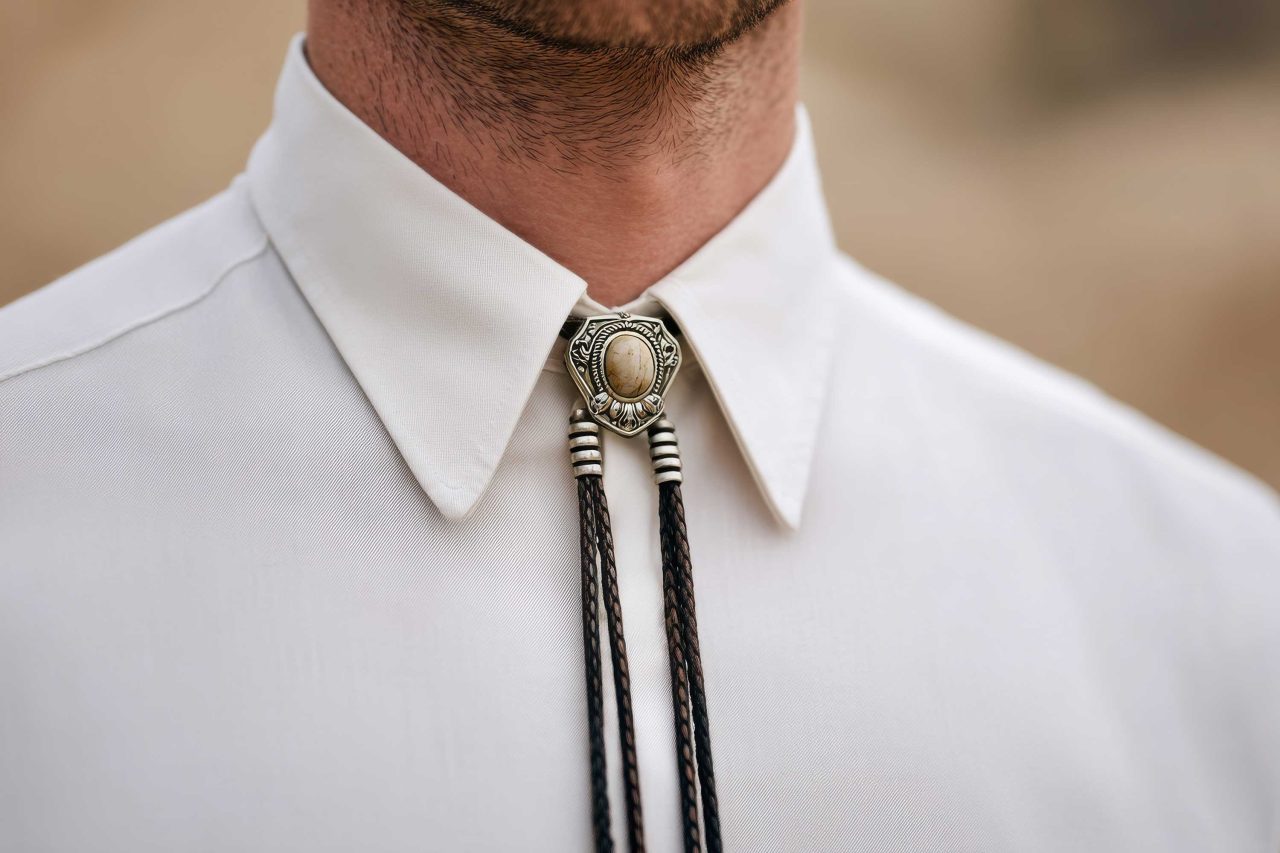
Legend has it that a gust of wind created the state’s most famous clothing accessory. In 1949, Vic Cedarstaff, a Wickenburg silversmith, was wearing a Stetson that featured a silver-tipped leather band when a sudden gale sent the 10-gallon hat sailing. He retrieved it and impulsively slipped the hatband over his neck. A fellow horseback rider complimented his new “tie,” sparking a Southwestern fashion trend. The initial name – “piggin necktie” – was a stinker, so it was rebranded as the bola tie, inspired by its resemblance to a boleadeira, an Argentine cattle-snaring tool. (Locals often mistakenly call the necktie a “bolo,” which is a machete-like knife used to cut sugar cane in the Philippines.) Wickenburg’s Sigler Western Museum (formerly the Desert Caballeros Western Museum) showcases exquisitely crafted bola ties that can incorporate some crazy stuff, such as scorpions, pacemakers and buffalo poop, proving that even cowboys can be avant-garde.

Overseas Affection
Cedarstaff’s bola ties evolved into his patented triangular slide, featuring silver clasps set with turquoise stones. His designs drew orders from far-flung places, especially Japan. “Visitors love that his story is uniquely Western and directly tied to Wickenburg,” says Tricia Loscher, the museum’s chief curator.

Heat Index
More than a fashion statement, this bola tie with a thermometer served a practical purpose by impressing visitors with how high the mercury rose during Arizona’s summer. Even more pragmatic is that it’s kosher to wear a bola tie with an open-collared shirt in such conditions.
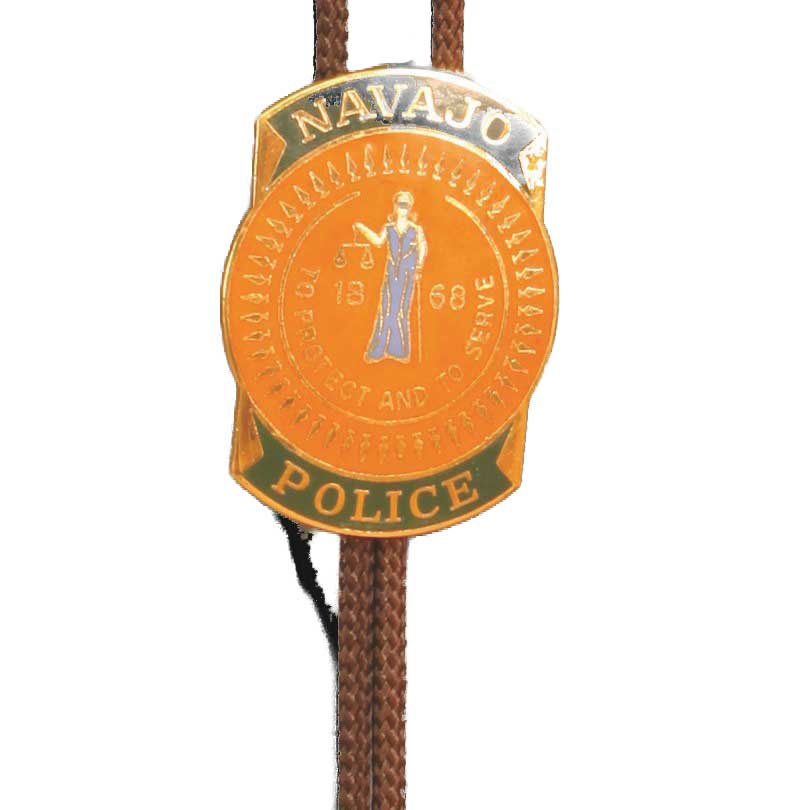
Breakaway Fashion
Tear-away clothing was once used by football players to fend off would-be tacklers. The Navajo Nation Police Department took note. The bola ties worn by officers are specially designed to break if a suspect grabs the neckwear, preventing the cops from being strangled.
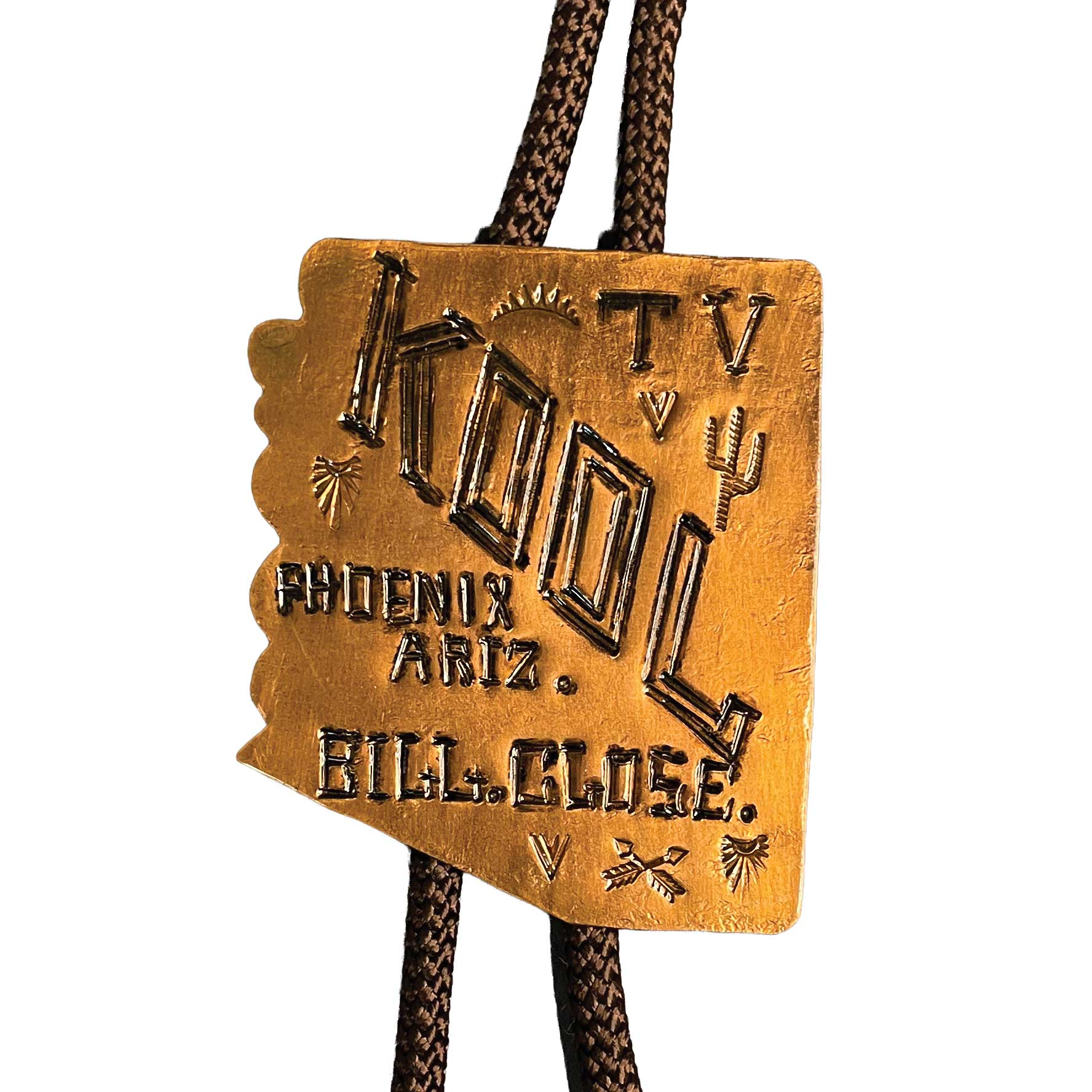
Bola Broadcasts
Phoenix anchor Bill Close hosted the Channel 10 news from 1964 to 1993, wearing an ever-present bola tie from his 240-piece collection. Close became president of the Bola Tie Society of Arizona in 1967 and helped secure its designation as the state’s official neckwear in 1971.
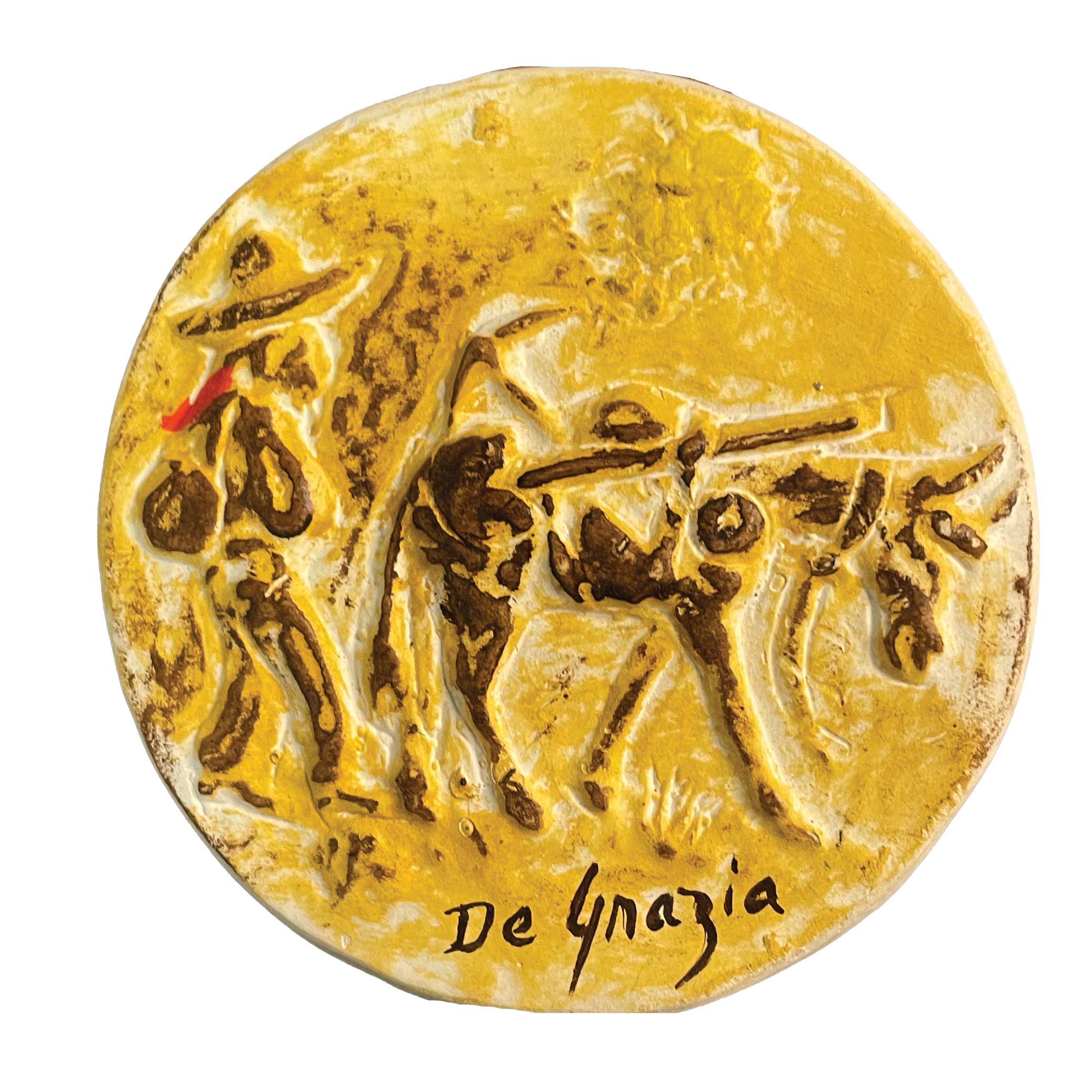
Prospecting With Ted
Like the prospector with his trusty burro depicted on this bola tie, Ettore “Ted” DeGrazia, famed for his impressionistic depictions of Native American children, long searched for the Lost Dutchman Mine in the Superstition Mountains. He designed this neckwear for Bill Close.