Looking for a nearby summer getaway with a twist? Consider a journey into the uncanny, right here in the Southwestern desert.
It was a cold November day.
I’d spent the afternoon at a Hopi basket weaver’s house on Second Mesa. She’d shown me the thick stalks of yucca she uses in her work, and we talked about sports. I brought lunch for us, sandwiches and a salad. When I left that evening for my hotel, the stark terrain was breathtaking in its isolation. I went to bed early. Around midnight, I awoke to the abrupt sinking of the mattress, as if someone had taken a seat on the edge of the bed. I felt a presence in the room, an entity, a… something. But I couldn’t see a thing. As quickly as it had sunk, the mattress buoyed, and just like that, the presence was gone. When I returned to the basket weaver’s house the next morning, I told her what had happened. She nodded her head once and then simply asked if I wanted a cup of tea.
Did I dream it? Was I hallucinating? I can’t say for sure, but I can say that’s never happened when I’ve visited family in Albany. That’s because the mythos of the Southwest isn’t just shrouded in mystery. It’s rooted in it. Stories of alien visitations. Belief in mesas that bristle with spiritual energy. Accounts of entire towns abandoned overnight.
This isn’t to say that other places in America don’t dabble in the enigmatic. Savannah claims to be the most haunted city in the country and Salem (the one in Massachusetts, not Oregon) embraces a past of witchcraft hysteria. But folks in the Deep South and New England likely aren’t unspooling legends of extraterrestrial landings and lost mines. That’s our brand of lore, fashioned from a set of circumstances unique to the Southwest.
“There’s no escaping folklore,” says Ronald James, a folklorist and historian who has spent his decades-long career exploring how the stories we tell define the character of a place. “Everyone enjoys a good story. So, the question becomes: What is it about a place that allows a type of folklore to flourish?”
With this in mind, I set out to discover what it is that makes the Southwest fertile ground for the unexplained.
Ghost Towns & Tall Tales
Throughout human history, communities have risen and fallen, appeared and disappeared, for all sorts of reasons. In the Southwest, the reason is often mining. The 1800s mining boom brought folks west to strike it rich. When they didn’t, or when the ore ran out, or when fires and floods raged through, the mining towns vanished. People left. Many died. But the buildings stayed, largely intact and preserved by the dry climate.
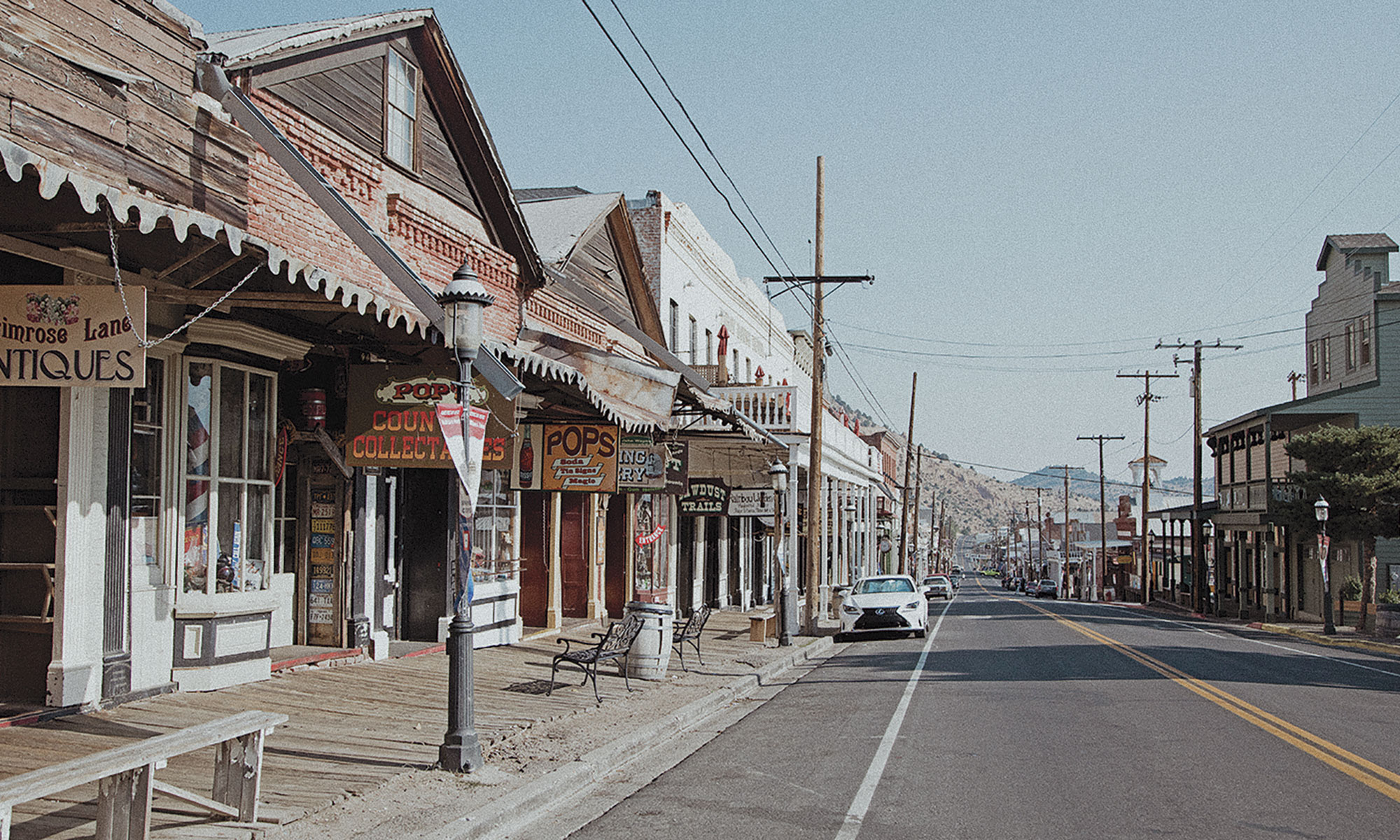
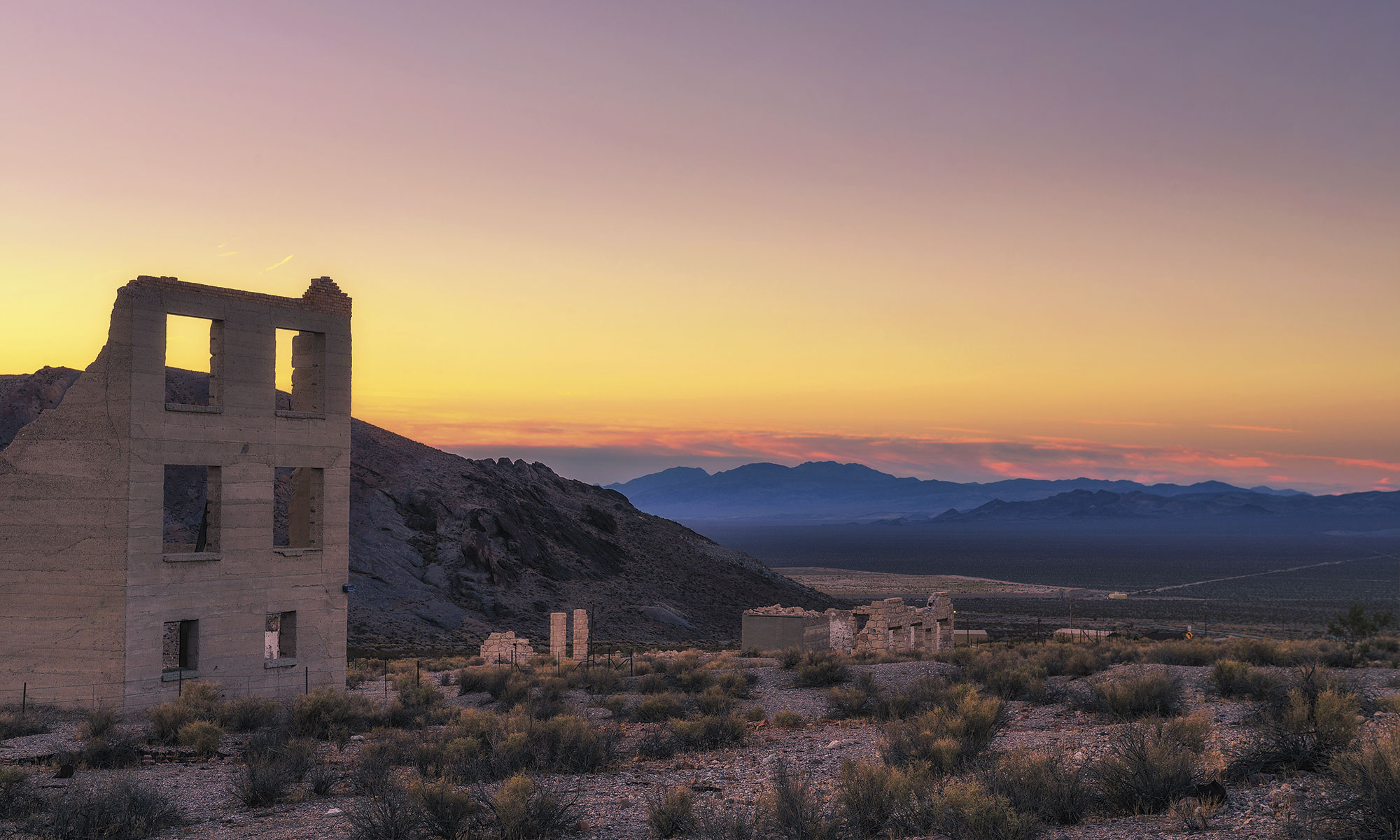
I’ve visited my share of ghost towns, though this is my first time to Rhyolite (travelnevada.com/ghost-town/rhyolite-ghost-town). According to Smithsonian Magazine, Nevada boasts 600 ghost towns – greater than its total number of populated communities, amazingly. Some, like Virginia City (travelnevada.com/cities/virginia-city), celebrate their mining heritage with tourist-friendly attractions. But Rhyolite, hugging the eastern edge of Death Valley, basks in eerie desolation.
In its gold-mining heyday in the early 1900s, Rhyolite thrummed with electricity, and ornate stone buildings anchored street corners. Today, all I see are crumbling relics soaking in the stillness of a blue Nevada sky. Silent reminders of lives lost; stoic keepers of people’s stories.
Ah, yes. The stories. James says that not only did mining kick off what he describes as the West’s “population turmoil,” it also formed how we pass along our history.
“There’s no question that mining shaped early Nevada folklore and was an important factor throughout the West, including in Arizona,” says James, who has authored more than four dozen academic articles and books on folklore, history and archaeology.
We think of the West as a region with an ever-growing population. The numbers bear this out. The U.S. Census Bureau reports that for every decade between 1950 and 2010, the growth rate of the Desert Southwest – an official Census Bureau designation comprising West Texas, Southern New Mexico, Southern Arizona, Southern California and Southwestern Nevada – was twice that of the United States as a whole, and from 1950 to 1980, it was triple the U.S. rate.
But even though the West’s demographic is ever-growing, more significantly, it’s ever-changing.
“It’s a mobile society in ways you don’t get elsewhere,” James says. “Starting with the mining boom and continuing to this day, people arrive, they leave, others move in. When population turnover is radical, everyone’s education then, as they’re seeking to understand their new home, is done through stories. And the stories people tell will be of the things they’ve heard. The chain of knowledge gets broken 20 times.”
That, James says, keeps the folkloric ball rolling. Think wild stories of the Old West as reenacted by the spirits who lurk in half-remembered places.
I wonder, too, if we as a regional population collectively hold a devil-may-care attitude for truth. Or at the very least, a suspension of disbelief when it comes to the strange and curious. We believe things for the sake of enjoying the narrative.
This, James notes in his 2023 book Monumental Lies: Early Nevada Folklore of the Wild West, is one of the tenets of Western folklore: the art of deception. He writes: “Many Westerners found liberation in their careless attitude toward facts.”
Though the art of deception was deployed for humor in storytelling – hence, the tall tale – might it also be influencing our willingness to believe stories that might seem outlandish anyplace else?
Unidentified Objects & Alien Encounters
The time: Summer, 1947. The place: Roswell, New Mexico.
Sheep rancher Mac Brazel awakens one morning to find odd debris – scraps of tape, tinfoil – strewn about his pasture. He brings the objects to a nearby military airbase, where a commander claims it’s evidence of a flying saucer. As in, alien spacecraft. Newspapers get word and run with the story.
Though Air Force officials later ascribed the debris to a crashed weather balloon, the Roswell event ultimately sparked a nationwide fascination with aliens, and particularly, their supposed frequent visits to the Southwest.
Nowhere is this obsession more evident than along Nevada’s Extraterrestrial Highway (travelnevada.com/road-trips/extraterrestrial-highway), a Vegas-to-Tonopah road trip that I’m enjoying more than I expected. (My supernatural enthusiasm leans more ghosts than aliens.)
I’m loving the mix of serious destinations such as the Nevada National Security Site (nnss.gov) and Lunar Crater (blm.gov/visit/lunar-crater) with kitschy spots like the Black Mailbox (travelnevada.com/extraterrestrial/black-mailbox), where folks leave messages for outer space buddies.
I learn that even though people have reported unusual things in the sky for as long as they’ve been looking up, it wasn’t until the 1940s that seeing flying saucers became a fad.
In a January 2024 episode of ABC News’ Impact x Nightline, Margaret Weitekamp, the department chair of the National Air and Space Museum, traced the public’s UFO interest to the famed Roswell event of 1947.
“A lot of lore has risen up around [Roswell] and around especially secure areas in the American West, where people then ask questions about what’s really happening there,” she told the interviewer.
Those “especially secure areas” she refers to? Area 51, the highly classified U.S. Air Force test and training facility near Rachel, Nevada, or New Mexico’s Los Alamos and Sandia, where the atomic bomb was developed. Mysterious celestial sightings near government-classified facilities such as these date back decades, according to UFO researcher Robert Hastings in his interview for the History Channel’s 2019 television series Unidentified. Sightings such as green fireballs in 1948 and flying saucers in 1950, both near Los Alamos, and enough “activity” in the skies above the Nevada National Security Site, a 1951 testing venue for nuclear devices, that employees were hired to monitor it.
Dovetailing with the Atomic Age, the era from 1940 to 1963 when the American public accepted nuclear testing as part of the fight against the Cold War, was the country’s Space Age – a national collective gaze skyward starting in 1957 with the launch of Sputnik.
Coincidentally, this is the period when the Southwest experienced a population explosion. After World War II, the shift to the Sunbelt crescendoed, with census figures for these years showing growth from 40 percent in New Mexico to 74 percent in Arizona.
“These cities were settled post-World War II, when all these other things were coming together – the country’s rush to the moon, the development of the space program, the Jetsons on TV and at our front doors. It shaped the psychology of the Southwest,” James says.
Big Skies & Sacred Spaces
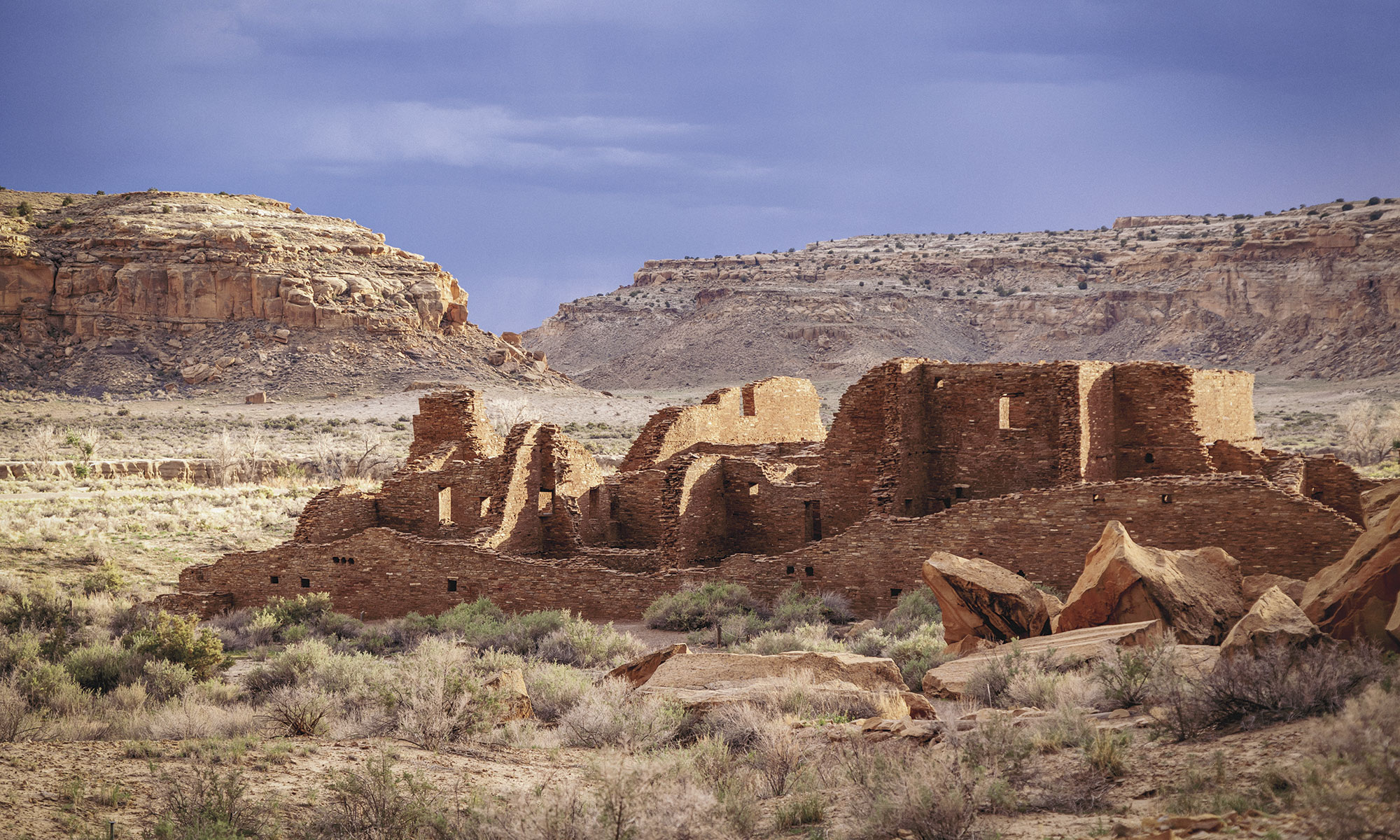
As a Southwest-based writer, I admit that I overuse the adjective “otherworldly” to describe the region. But c’mon – oftentimes, it truly looks like we live on another planet. I can’t think of a better word for the blinding gypsum glimmer of White Sands National Park (Alamogordo, New Mexico, nps.gov/whsa), the colorful strata of the Grand Canyon (nps.gov/grca) or the subterranean wonders of Great Basin National Park (Baker, Nevada, nps.gov/grba). In his forthcoming book Space to Roam (andrewstuder.com), photographer Andrew Studer actually outfits a man in an astronaut suit and photographs him in Southwest locales to show just how otherworldly this place is.
“There’s no question that geography drives part of the lore of the American Southwest,” James says.
Not only does the Southwest look otherworldly, it feels that way, too. People travel the globe to transcend their earthly existence via the power of Sedona’s vortexes (visitsedona.com). Vortexes – which according to believers include the Great Pyramid of Giza in Egypt, Machu Picchu in Peru and Taos (taos.org) and Chaco Canyon (nps.gov/chcu) in New Mexico – are places on Earth purported to harness and amplify the planet’s energy. I regularly visit Sedona in search of tapping into something bigger than myself – spiritual cleansing, a calming reset – and supernatural or no, there is something about a place so visually arresting that it halts the chatter in your brain just long enough to feel present.
Among the 66 federally recognized Indigenous tribes in Arizona, Nevada and New Mexico, many of these energy centers are considered sacred, along with other spiritual sites throughout the Southwest, such as Canyon de Chelly (Chinle, Arizona, nps.gov/cach) and Santuario de Chimayó (Chimayo, New Mexico, holychimayo.us). Some Indigenous groups even believe there are places here that serve as portals uniting the physical world with the supernatural.
Then there are our dark skies, gateways to actual other worlds. The Four Corners has the most International Dark Sky Communities in the world, and of the 19 Dark Sky Sanctuaries – remote spots with zero light pollution – five are in the Southwest, including Nevada’s Massacre Rim (three hours north of Gerlach, blm.gov/massacre-rim-dark-sky-sanctuary) and Cosmic Campground in New Mexico (8 miles north of Alma, fs.usda.gov).
It’s not a stretch to think that little green men might find our unfettered night skies inviting, or that funnels of energy circulate within our peculiar geologic formations. In a vast landscape forged from fiery volcanoes where dinosaurs once roamed, and with sightlines that unfurl as far horizontally as they do vertically, it’s plausible that Sedona’s vortex energy is real and that shapeshifting coyotes haunt Chaco Canyon.
Likewise, I think about that November night in the Hopi hotel a lot. Mostly, I think about how unmoved the basket weaver was at the notion that I might have had a spectral visitor. Then I think about the kinds of people who are drawn to the Southwest. The tribes who’ve called it home for centuries and also the newcomers – people searching for a frontier, ready to brave reinvention, unafraid of the unknown. Are we prone to searching for profundity in the inexplicable, or are we inhabiting a place genuinely mystical? Maybe the truth really is out there.
Or maybe we’ve just spent too much time in the sun.

Earthlings Welcome
The National UFO Reporting Center lists Arizona as one of the top 10 places in North America for UAP (Unidentified Anomalous Phenomena) sightings. One of these occurred on March 13, 1997, when nearly 10,000 people reported seeing light formations move across the sky. The event, known as the Phoenix Lights, is considered the most widely witnessed UAP occurrence in history. For more extraterrestrial encounters, check out:
• International UFO Museum & Research Center, Roswell, New Mexico, roswellufomuseum.com
• Roswell UFO Festival, July 5-7, 2024, Roswell, New Mexico, ufofestival.com
• UFO Experience, Scottsdale, theufoexperience.com
Paranormal Passport
The Paranormal Passport (travelnevada.com/experiences/paranormal-passport), a free mobile app from Travel Nevada, brims with 50 must-see destinations, from cheeky oddities to spooky spots. Digitally check in at each location to earn points toward swag and prizes. A few favorites:
Alien Research Center
Area 51 shop talk and UFO-themed souvenirs. alienresearchcenter.com
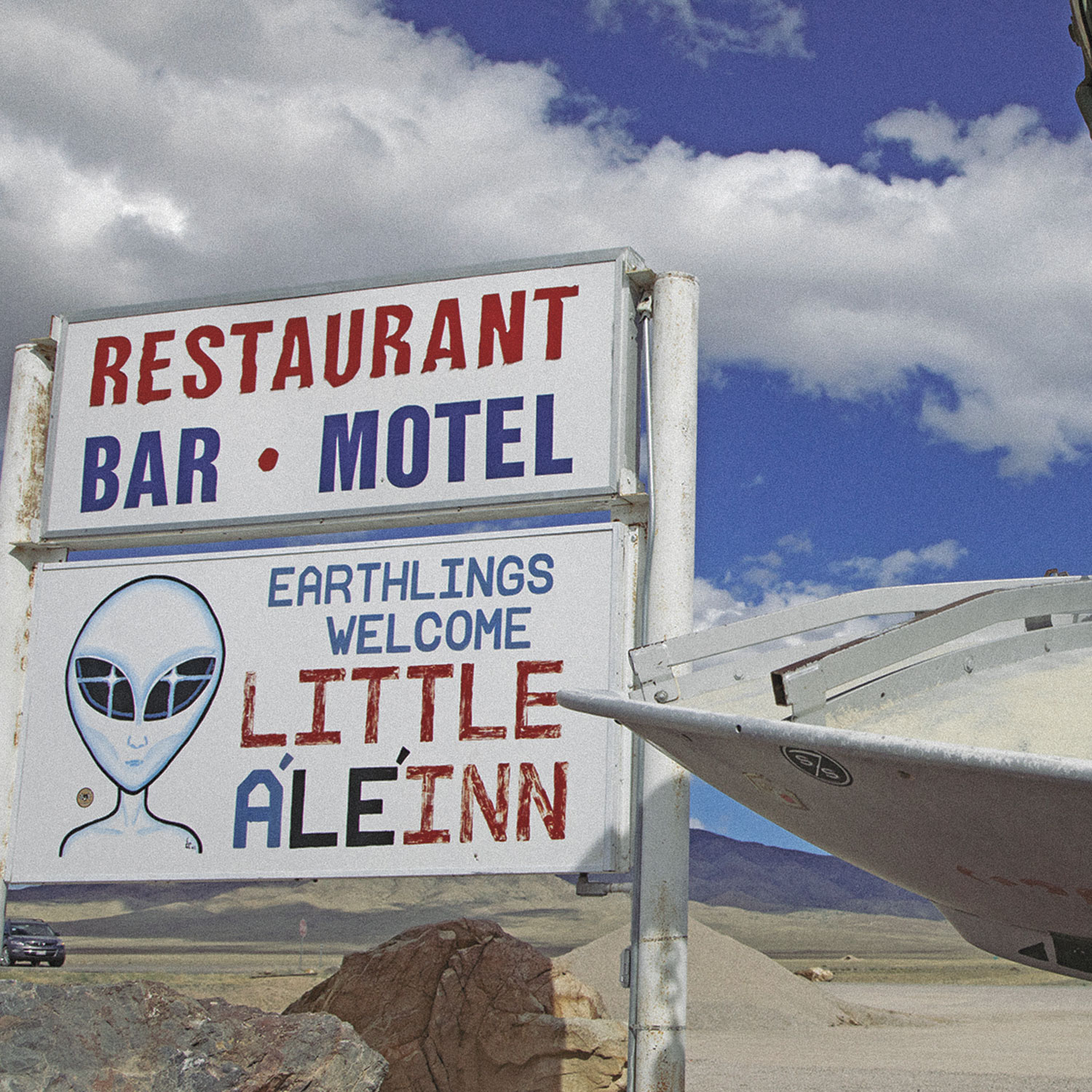
Little A’le’Inn
Roadside attraction that pairs first-person accounts of alien encounters with food and lodging. littlealeinn.com
Washoe Club
The saloon’s resident phantoms have been featured on A&E’s Ghost Hunters and Travel Channel’s Ghost Adventures. thewashoeclubmuseum.com
Back From the Dead
Not all ghost towns sit empty. Here are three resurrected as tourism hot spots.
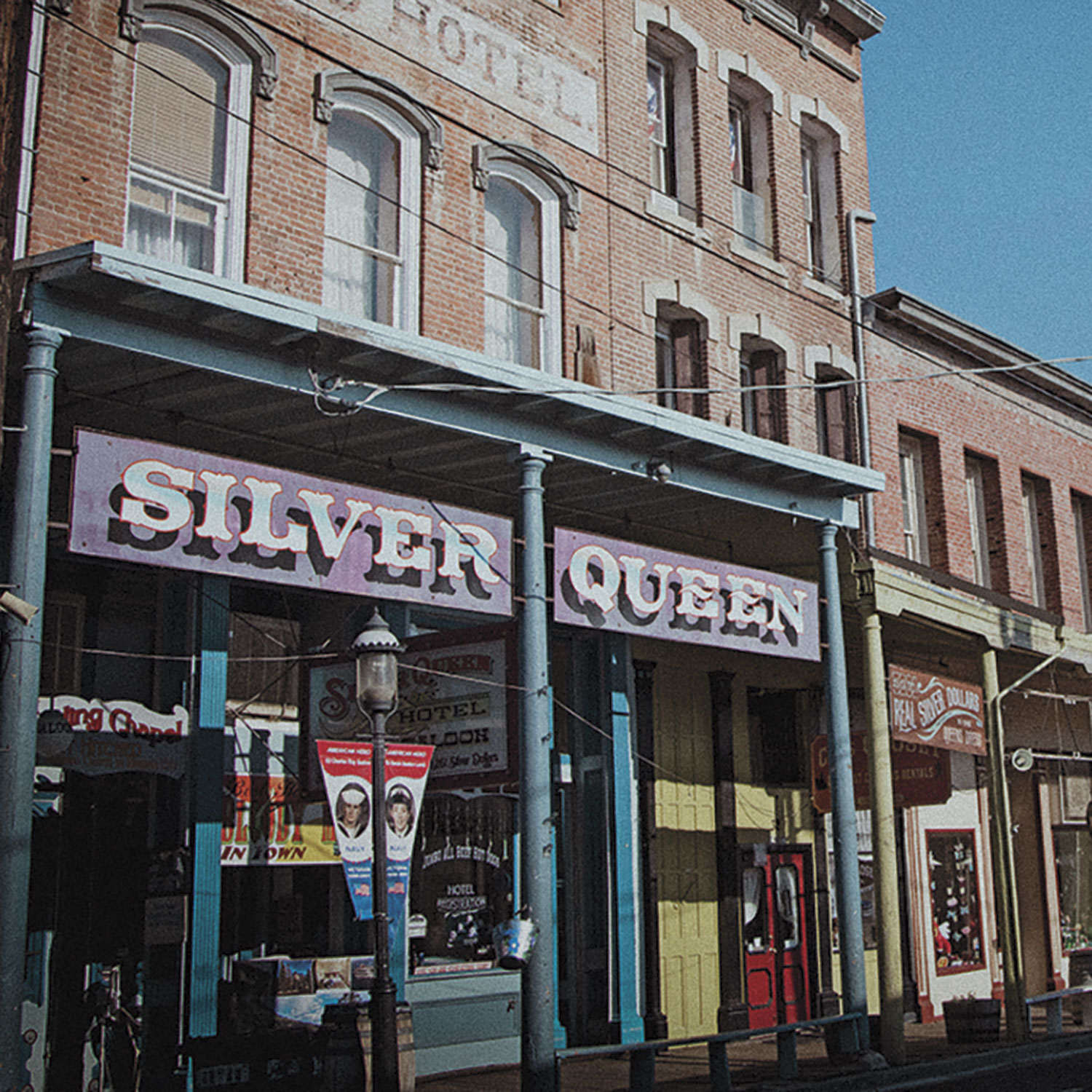
Virginia City, Nevada
Home of the Comstock Lode of silver ore, Virginia City is also the spiritual birthplace of Mark Twain – writer Samuel Clemens first used the now-famous pen name while living here in 1863.
Eat: Dig into smoked pork ribs at Virginia City Jerky Co. & Smokehouse. vcjerky.com
Drink: Imbibe day and night at the 24-hour Mark Twain Saloon & Casino. marktwainsaloon.com
Stay: Sleep at the Silver Queen Hotel (pictured), the most haunted hotel in Nevada’s most haunted city. silverqueenhotel.net

Bisbee, Arizona
Bisbee hit its population peak in 1910 with 20,000 souls thanks to an abundance of copper ore, namely in the Copper Queen Mine. It still thrives today, albeit as a bohemian arts and culture hub.
Eat: Dine on falafel wraps and scratch-made soup at Main Street Bistro (pictured). bisbeebistro.com
Drink: Order the best whiskey sour of your life at Bisbee Social Club. bisbeesocialclub.com
Stay: Book a room at the historical 1902 Copper Queen Hotel. copperqueen.com
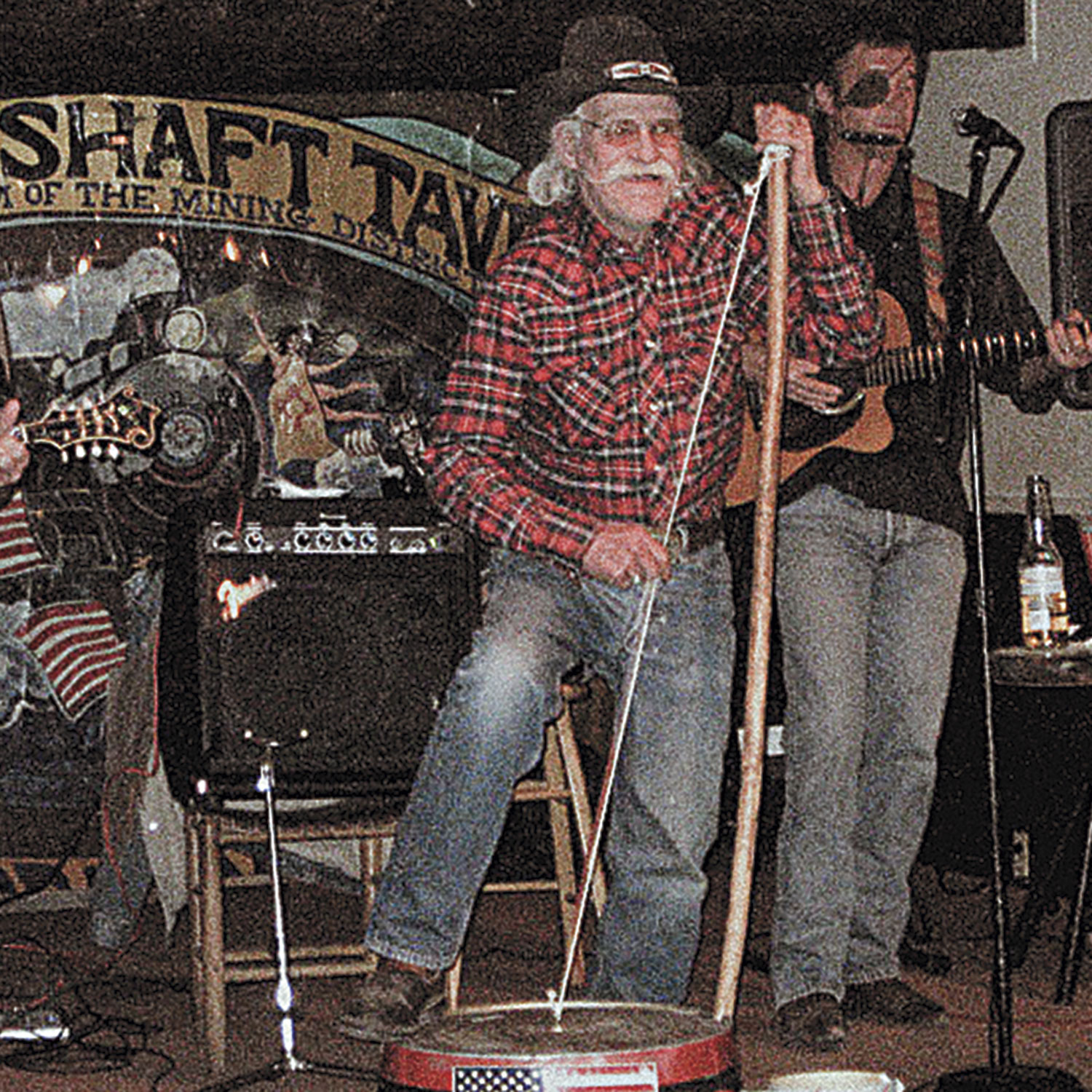
Madrid, New Mexico
A coal-mining town turned artists’ community, Madrid sits along New Mexico’s famed Turquoise Trail, a 50-mile meander from Albuquerque to Santa Fe.
Eat: Nosh on all things green chile at Jezebel, an art gallery and deli. jezebelgallery.com
Drink: Belly up to the bar for margaritas at Mine Shaft Tavern (pictured). themineshafttavern.com
Stay: Find sweetly appointed accommodations above the local coffee shop at Java Junction B&B. java-junction.com/bed-breakfast