Microchip giant TSMC isn’t just transforming the Valley’s economy – it’s infusing Phoenix with people, culture and global connection, at a pace not seen in decades.
By Madison Rutherford | lllustration By Eric Cox | Photography By Mirelle Inglefield
When Kimberly Chiu moved to Phoenix from Taiwan in December 2022, she was eager to spread her wings and embrace a new life with her husband and two young daughters.
The move was prompted by her husband’s managerial position at the newly constructed Taiwan Semiconductor Manufacturing Company (TSMC) chip fabrication plant in North Phoenix. But it was hardly a soft landing for the former marketing professional, who now works in administration at a third-party supplier for TSMC’s cleanroom operations in Arizona. “About 10 days before our flight, I broke my leg… for nearly four months after arriving in the U.S., I depended on others for many everyday tasks,” she says. “Because construction on the TSMC employee housing was delayed, our family had to stay in a hotel… all four of us were crowded into a single room with more than 20 suitcases and boxes.”
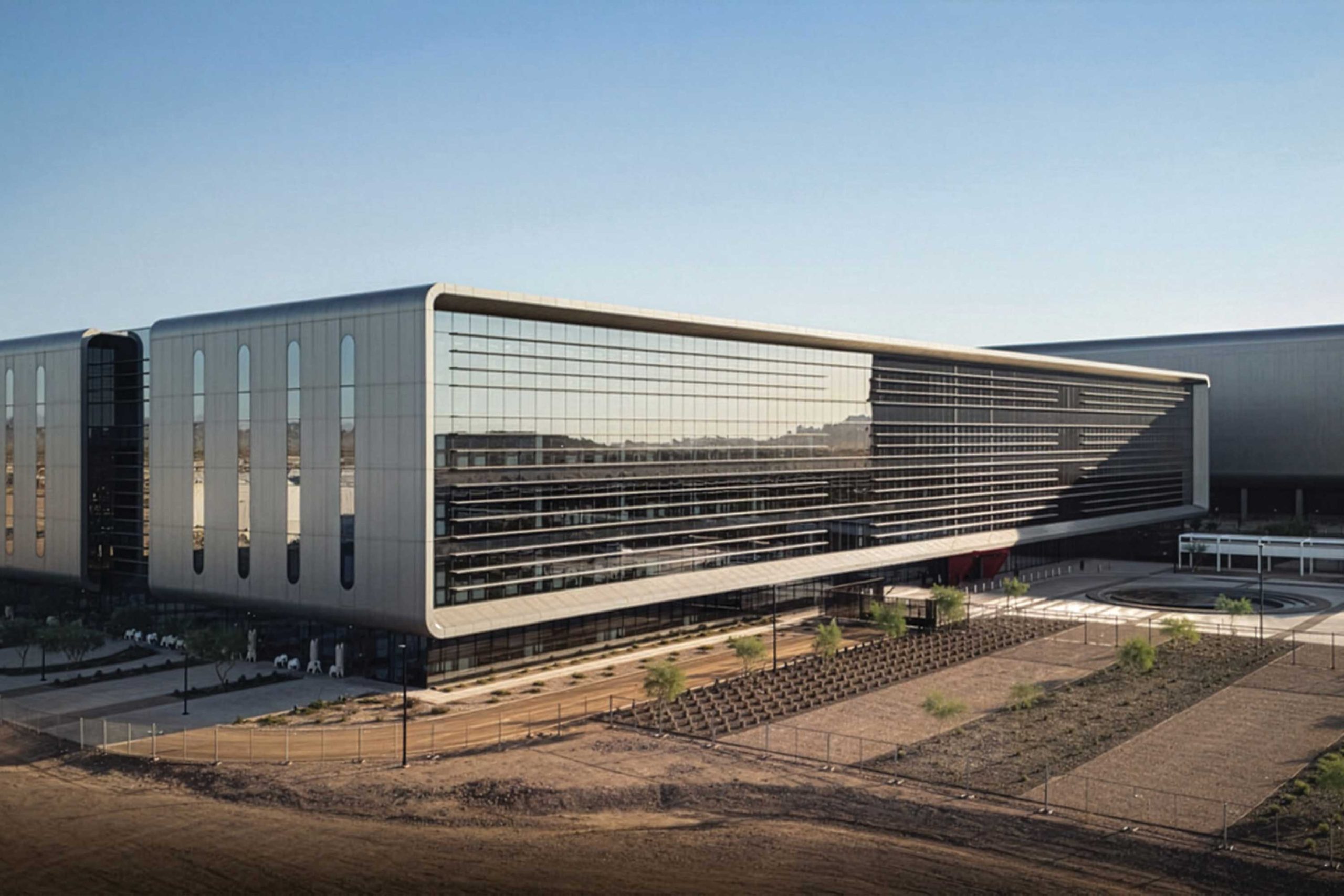
The Chiu family was part of the initial wave of roughly 500 Taiwanese expatriates to relocate to Arizona – a number that has swollen to an estimated 4,000 men, women and children as the Taiwanese tech giant continues to develop and staff its first-ever U.S. facility, a 2,000-acre campus in Deer Valley where microchips for smartphones, computers, vehicles and other technologies are manufactured using advanced semiconductor fabrication. After living in a hotel room for two months, Chiu and her family moved to Sentio, an apartment complex near Sandra Day O’Connor High School dubbed “TSMC Village,” where they found a support system of other disoriented Taiwanese expats beginning new chapters in Arizona. “We were all learning how to adapt,” she says. “For many newly arrived Taiwanese families, everything was unfamiliar, and we didn’t always know where to find guidance.”
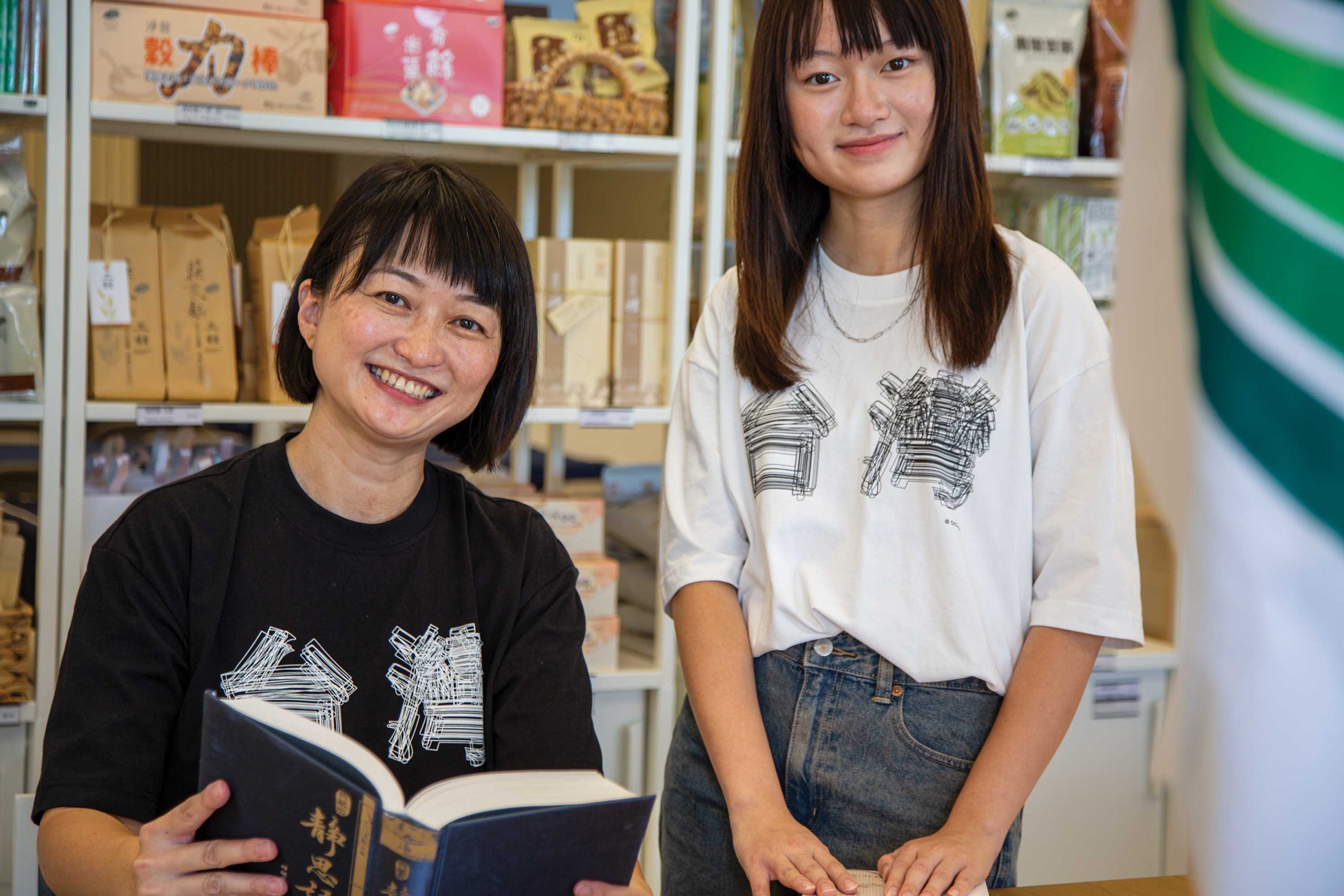
After almost four years navigating the challenges of a new language and cultural landscape, Chiu and her daughters began offering the resources and support they once needed themselves, connecting newcomers with Taiwanese realtors, clubs, community service opportunities, school programs and more.
Now, hearing Mandarin at school pickup and seeing Taiwanese products at Costco have become commonplace – echoes of a larger cultural transformation taking shape across the Valley.
TSMC brought the semiconductor industry to Phoenix, but the people arriving with it are bringing something of their own – and it will likely outlast any microchip.
TSMC’s multi-phase project in Phoenix began producing microchips at its first fab – short for “fabrication facility” – in 2024. But TSMC and U.S. officials first began exploring the possibility of expanding advanced chip manufacturing in Arizona in 2019. TSMC announced plans for a roughly $12 billion, five-nanometer semiconductor fab in Arizona in May 2020, as the U.S. sought to reduce its reliance on overseas chip manufacturing amid growing tensions with China. TSMC’s American customers, including Apple, Nvidia, AMD and Qualcomm, also stood to benefit from a domestic source of advanced chips and more secure supply chain. When Taiwanese engineers and technicians began arriving in 2022, they helped install and calibrate the thousands of pieces of specialized equipment needed to bring the fab online – inadvertently building the manufacturing operation and community at the same time.
In 2025, the company announced a $100 billion expansion that would add three more fabs to the campus. In July 2026, TSMC announced another $100 billion investment in Arizona, bringing its planned total to $265 billion and expanding the project to six fabs, two advanced packaging facilities and an R&D center.
Today, TSMC Arizona employs roughly 3,500 workers, of which about 40 percent are Taiwanese. When all six fabs are operating at full capacity, which may happen as early as 2030, TSMC expects to create more than 6,000 direct manufacturing jobs – extending the ripple effects of what began as the largest foreign direct investment in Arizona history.
According to Wei Li, Ph.D., a professor at Arizona State University’s School of Social Transformation whose research focuses on highly skilled international migration and Asian populations, many of TSMC’s Taiwanese employees arrive on L-1A and L-1B visas. The temporary, employer-sponsored visas allow multinational companies to transfer executives, managers and employees with specialized knowledge to a U.S. office. Unlike H-1B visas, which allow U.S. employers to hire foreign workers in specialty occupations, L-1 visas are specifically designed for intracompany transfers. “They are temporary migration visas, not immigrant visas, but both L-1A and L-1B can apply for a green card while they have a valid visa,” Li says. “Direct hires of L-1 visa holders are more likely to apply for green cards or permanent residency and eventually become naturalized citizens.”
In 2023, TSMC Arizona representatives said employees transferred from Taiwan would remain in Phoenix for three to four years to help ramp up operations, while an estimated 20 to 30 percent would put down permanent roots. The longer they remain in Arizona, the more likely they are to build lives here, particularly those with children in school and spouses with careers in Phoenix. In 2024, 282 Taiwanese students were enrolled in Deer Valley Unified District schools alone. Earlier this year, Phoenix Mayor Kate Gallego announced that more than 300 “TSMC babies” had been born in Arizona since the company established its Phoenix campus.
Chiu and her husband recently bought a home near the TSMC plant. “From what I have seen, purchasing a home is fairly common among TSMC employees and their families who have relocated here,” she says.
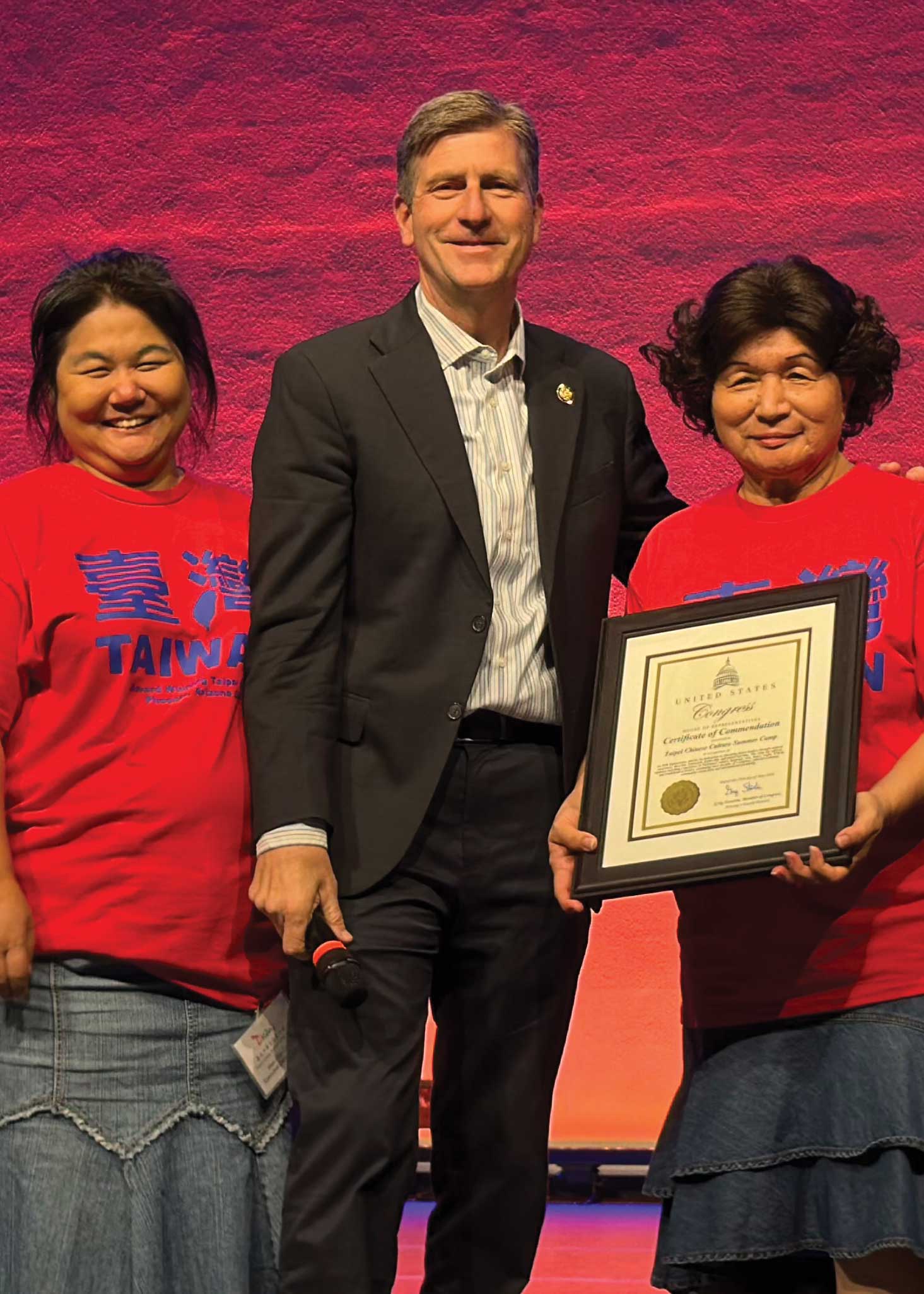
Chiu’s youngest daughter, Olivia Hsu, is a junior at Sandra Day O’Connor High School in Deer Valley. Since arriving in Phoenix, she has volunteered with Phoenix’s Buddhist Tzu Chi Foundation Phoenix Service Center in Phoenix and Phoenix Sister Cities’ Taipei Chinese Culture Summer Camp. Last year, she launched her own community organization, Smile Echo PHX, to empower and connect other Taiwanese youth in Arizona through community service, cultural exchange, STEM outreach, leadership programs and inclusive art projects. “I remember exactly how it felt when my family first moved to Arizona. Everything was new, and I wasn’t sure where I belonged,” Hsu says. “Thankfully, we met wonderful people who welcomed us and helped us connect with the community. That inspired me to create the kind of support I wish every new family could have.”
Hsu also helped lead Tempe’s CrAZy Cuddlefish Dragon Boat Youth Team to its first championship and became captain of Team Taiwan in the 2026 Arizona Dragon Boat Festival. “It really feels like home here. Home is not just a place you’re from or the place you spend the most time in. It’s the place you really belong in,” she says. “I feel like I belong here… I’m going to go to college and spend the rest of my life here.”
Though TSMC is the primary catalyst behind the recent wave of Taiwanese transplants, the Valley has a much longer history of Asian immigration. “[Asian workers in the 1800s] got themselves established in California and then the anti-Chinese, anti-Asian immigrant movement and racist incidents pushed Asian immigrants away from California, so they settled in Phoenix in the mid- to late- 19th century,” Li says, estimating that nearly 1,600 Chinese immigrants had emigrated to Arizona by 1880. “By the time they got to Arizona, they already had some capital, so there were a lot of Chinese immigrants who owned grocery stores in different parts of Arizona.”
Unlike today’s highly skilled technology workers, many of these early arrivals were working-class migrants. By the 1870s, a tight-knit Chinese immigrant community had begun to take shape in Downtown Phoenix. “Phoenix used to have a Chinatown, but Chinese immigrants were also dispersed,” Li says. “These are the pretext of contemporary Asian immigrants, in particular… Those were the same reason any historical Chinatown, Little Japan, Little Manila and all those ethnic enclaves were established – because of the mainstream racism and the violence against them. So, they cluster together for self-protection and for self-support.”
Phoenix’s former Chinatown, centered around First and Adams streets in present-day Downtown Phoenix, faced considerable anti-immigrant hostility. Chinese businesses were targeted with discriminatory taxes and regulations, while backlash from the broader community further strained the once-thriving enclave. Over time, tighter immigration restrictions, shifting demographics and assimilation contributed to its decline as residents and businesses dispersed into the suburbs.
Li says the closest parallel to today’s wave of highly skilled Taiwanese immigration came in the 1980s, when Japanese automakers such as Toyota and Honda established U.S. manufacturing operations and deployed “their own people” on temporary work visas. But one distinction, she notes, is that it isn’t simply a labor migration. TSMC is bringing highly educated, specialized workers, executives, entrepreneurs, students and professionals – creating a more socially and economically diverse community infrastructure. “It’s different from almost all previous highly skilled immigrants because you have American companies, higher education institutions or NGOs hiring H-1B visas,” Li says. “In this case, it’s a single Taiwanese employer, because of their huge investment, that prompted the migration.”
What factors determine where TSMC newcomers live, what their lifestyle will look like and how long they’ll stay? Li predicts a “spatial shift” as development and settlement increasingly cluster around TSMC’s facilities. She describes the trend as an “ethnoburb” – an immigrant community that begins to form organically and gains momentum through concerted efforts by realtors and community leaders. But whether it takes root or recedes also depends on how it’s received by the surrounding community. “Similar to other ethnoburbs, whether or not an immigrant community, especially a concentrated immigrant community, can develop or shrink, has a lot to do with local reception – whether or not local long-term residents welcome newcomers or backlash against them.”
For this new wave of TSMC employees and their families, priorities include proximity to the TSMC campus, newer housing stock and strong school districts. “They parachuted into a city where they have zero connection, so one of their key considerations would be close to work,” Li says. She also points to the emergence of other cultural anchors – restaurants, grocery stores, schools, religious institutions, professional networks, cultural organizations and other businesses – as strong indicators of the sociological concept of institutional completeness. “That means community organization beyond business, beyond professional,” she says. “They have different kinds of services, law, healthcare … When you see they have, in a sense, self-help and self-support organizations.”
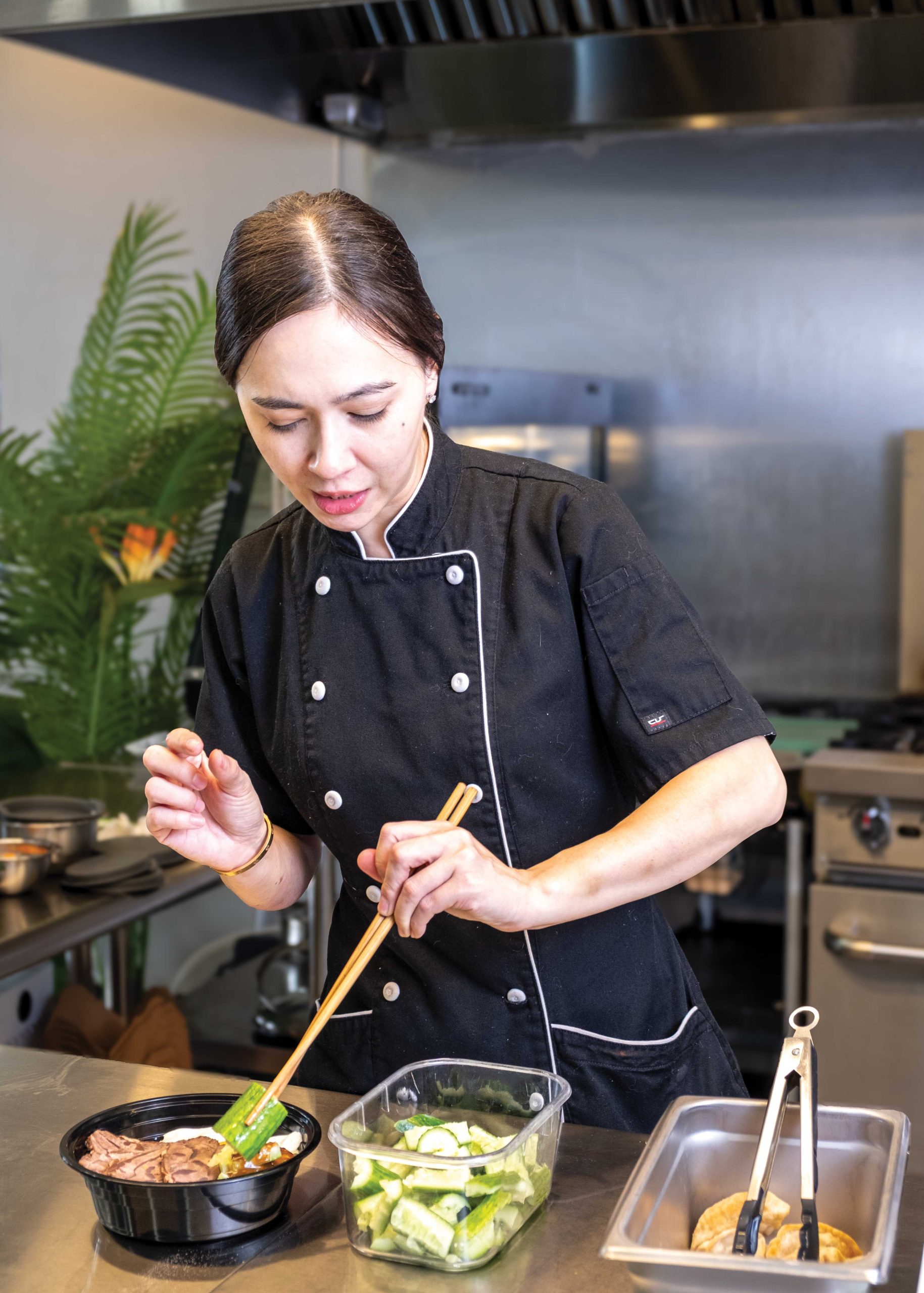
Phoenix is rapidly developing the infrastructure and opportunity for immigrants from Taiwan to build a comfortable life here – the “parachute” Li references, and the one Chiu wishes she and her family had when they landed in Phoenix. It’s also what ultimately led Taiwanese expat Elizabeth Heubusch to open her restaurant, CactiFlower, on 19th Avenue and Greenway Road in July 2025, creating a “a soft landing” for other Taiwanese transplants seeking authentic cuisine and genuine connection. “Taiwanese people, they talk about food, they know their food, they take pride in their food. It’s not just a meal they have three times a day,” she says. “It’s something they can bond over with other people. Actively creating that is actively creating cultural assets… We’re here to offer living, active culture.”
Heubusch brings that sense of connection to life through traditional Taiwanese comfort foods like lu rou fan (slow-cooked pork belly and rice), dan zai noodles and crispy chicken. Her “secret ingredient” is five-spice, a delicate blend of star anise, cloves, Sichuan pepper, Chinese cinnamon and fennel. “A lot of people refer to it as the soul of Taiwanese food,” she says.
But the authenticity extends beyond the seasoning. Heubusch honors the Taiwanese street-food tradition of preparing each meal from scratch in front of the customer. “People like to see their food being made. It’s prepared for you,” she says. “You know that it wasn’t pre-made or sitting in the warmer for five hours. It was made to taste good right now, specific for you.”
Though the majority of her customers are other Taiwanese expats seeking a taste of home, Heubusch has been pleasantly surprised by the diversity of her clientele. “Non-Taiwanese clients come in and study the menu long and hard, very confused. Our existing clients will use all the English they have to introduce the dishes to them,” she says. “We hope that the experience and everything really offers those who are here a sense of home and those who have never seen it get an idea of what it’s like.”
Social media posts featuring bottles of soy milk from Michelin-recognized Taiwanese breakfast institution Fu Hang at a Valley Costco recently went viral – further cementing Taiwan’s cultural footprint in Phoenix. Chiu says the sought-after “heavy milk” is also available through Weee!, an online Asian grocery delivery service.
Food is deeply woven into Taiwanese identity, right down to the most basic greeting. “If we’re friendly, the way we greet each other is, ‘Have you eaten yet?’ That’s the standard greeting because food is such an important thing in our culture,” says Helen Wu, executive director of global partnerships and operations at Thunderbird School of Global Management in Phoenix. “And if they say, ‘No,’ normally it’s, ‘Hey, here’s something to eat and share,’ or ‘Do you want to go grab something together?’”
Wu oversees Thunderbird’s Taipei Virtual Center, a remote educational hub that fosters student recruitment, academic collaboration, industry partnerships and applied learning between Phoenix and Taiwan’s capital city – a relationship that has been quietly blooming for decades.
Taipei and Phoenix officially became sister cities in 1979, making Taiwan’s capital one of the Valley’s earliest international partners through the Phoenix Sister Cities program. In fact, Phoenix Sister Cities Taipei Committee chair Wen Chyi Chiu claims the TSMC connection began as a Phoenix Sister City trip to Taipei.
“I call it the seed that was planted. And now you can see it growing,” Chyi Chiu says. “Now we can see the fruit.”
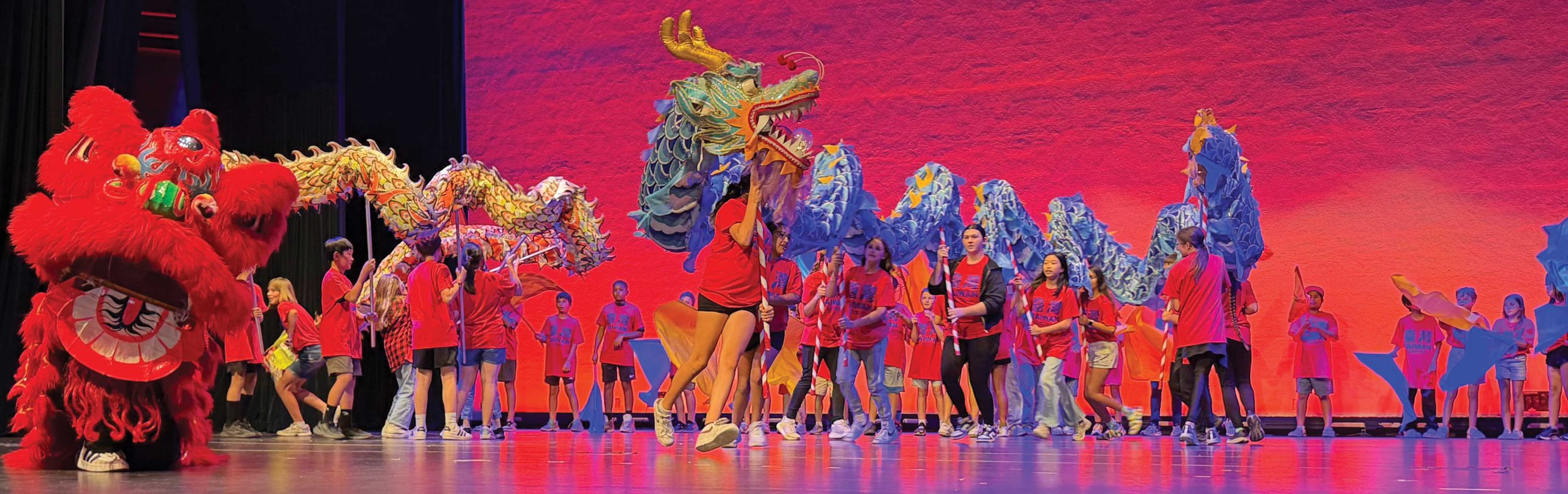
The committee has spent the last four decades cultivating that relationship through cultural exchange programs, youth leadership activities and annual events, including traditional night markets, Lunar New Year festivals and dragon boat races.
Wu credits TSMC with putting Phoenix on the map in Taiwan. “In 2011, if I tell my family and friends, ‘I’m in Phoenix,’ they don’t really know where that is,” she says. “Now, I’ll just say I’m living in Arizona … and the whole country knows.”
The reverse is true, too. “Before this Taiwanese community moved in, I don’t think people in Arizona knew much about people in Taiwan,” Wu says. “Every time I say I’m from Taiwan, people say, ‘I love Thai food!’ And I’m like, ‘OK, different country’ … Now, it’s so nice. People say, ‘Oh, you’re from Taiwan! TSMC!’”
Phoenix isn’t simply a passive recipient of Taiwanese business and culture – it’s rapidly becoming an active market for both. Earlier this year, renowned Taiwanese restaurant chain Din Tai Fung opened its first Arizona location, joining other Taiwan-born businesses with a presence in the Valley, including DaYung’s Tea and Fat Daddy Chicken – popular purveyors of bubble tea and popcorn chicken, which were both invented in Taiwan in the 1980s. “Other chains are considering opening their first overseas store here in Phoenix, which is rare,” Heubusch says. “It used to be New York first and then probably Houston or L.A. But now Phoenix is coming to the top of the list.”
TSMC’s arrival is also reshaping the Valley’s air travel infrastructure. Located just 10 miles from the TSMC plant, Phoenix Deer Valley Airport (DVT) is a tantalizing resource for the company, which appears to be grooming the feeder airport as a corporate aviation and aerospace hub. Known as one of the world’s busiest general aviation and training airports – which is to say, lots of Piper Cubs and Cessnas – DVT has more than 150 acres available for future development and extended runways. According to the City of Phoenix’s 2025 General Plan, several foreign investors have lined up to help expand the airport. Naturally, TSMC is among them.
Phoenix Sky Harbor International Airport is also feeling the nourishing effects of Taiwanese investment. In 2023, TSMC used China Airlines charter flights to transport employees between Taipei and Phoenix for training and work at its Arizona campus. In December 2025, China Airlines launched nonstop service between Phoenix and Taipei, followed by Taiwan-based STARLUX Airlines in January 2026.
Chiu is quick to acknowledge the growing pains of adjusting to life in Arizona on a micro and macro scale. “Language was definitely part of it, but everyday life was also very different. In Taiwan, almost everything is incredibly convenient. You don’t even need a car because the public transportation system is fast, reliable and easy to use… In Phoenix, having a car is almost essential, so that was a big adjustment for our family,” she says. “Another big difference was healthcare. Taiwan has one of the best national healthcare systems in the world… One day [in Phoenix], I suddenly lost vision in my right eye. The referral process and specialist appointments took nearly two weeks. Eventually, I flew back to Taiwan for medical care… That experience really showed me how efficient and accessible Taiwan’s healthcare system is.”
Similarly, TSMC’s arrival in the Valley hasn’t been entirely without friction. Arizona construction unions bristled in 2023 when the company sought visas for roughly 500 Taiwanese workers, arguing that TSMC was overlooking Americans by claiming it couldn’t find enough U.S. workers with the specialized skills needed to install its equipment. The dispute ultimately resulted in an agreement between TSMC and Arizona’s building trades to expand local training and hiring.
The Taiwanese contingent still represents only part of TSMC Arizona’s workforce. The company has hired thousands of U.S.-based employees and has increasingly invested in developing local talent through partnerships with ASU and Maricopa Community Colleges.
Heubusch believes the innate resiliency of Taiwanese people, tempered by the island’s proximity to the People’s Republic of China, which still regards the smaller country as a “breakaway province,” make them uniquely suited for life in the desert. “As a tiny island, they welcome everything… They welcome new ideas, they welcome new technologies, they welcome food,” she says. “That’s what I think makes Taiwanese people so resilient and so fun… Taiwanese people are very kind, very patient perfectionists. They take what they like, and they push it to the limits.”
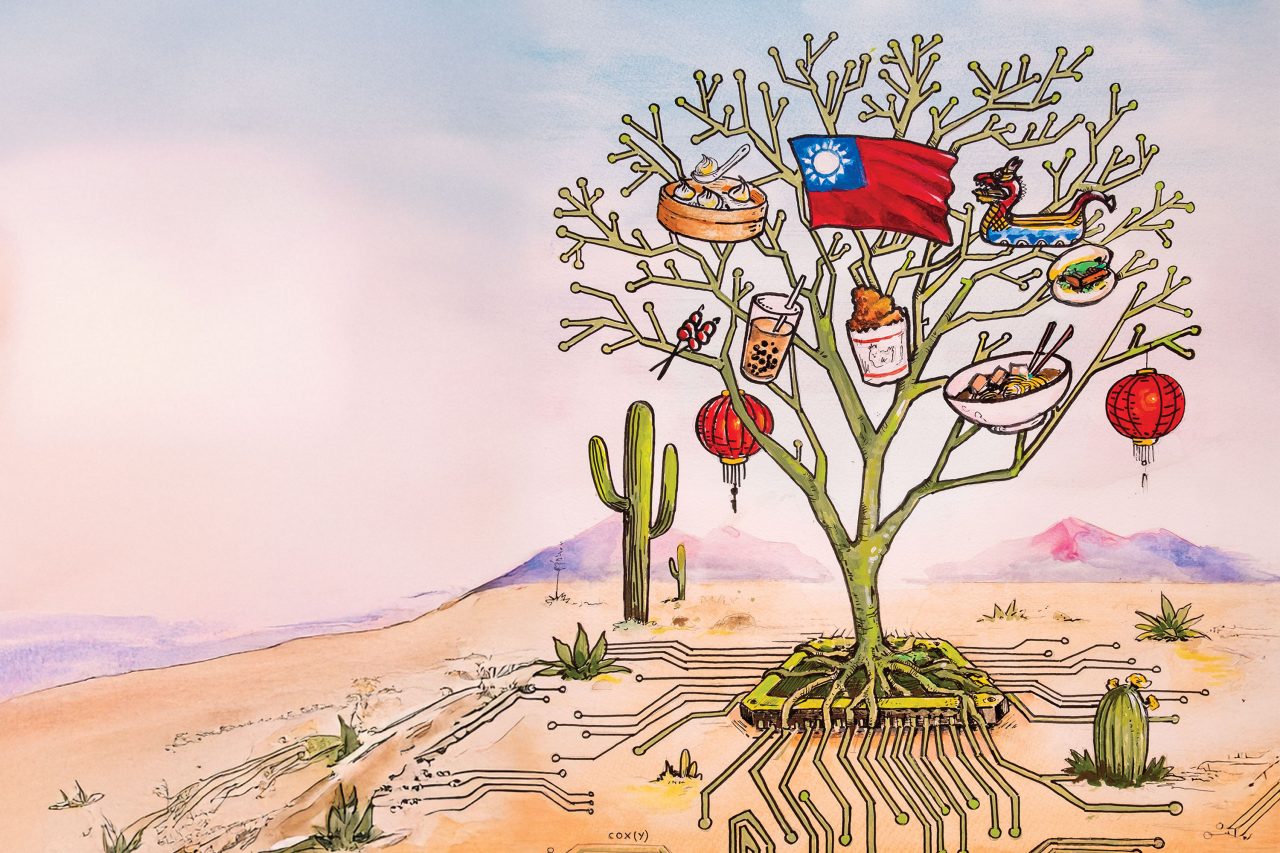
That inimitable adaptability inspired the name of her restaurant, upon seeing blooming cactus flowers atop formidable saguaros when she first arrived in Arizona. “These tough things bloom on their own in such a harsh environment,” she says. “It’s not going to be easy for everybody starting life over in a new state, but if they decide to, on their own time, in their own way, they will be able to bloom into something very beautiful.”
As TSMC grows and Phoenix evolves into a technological and cultural hub, Chiu is committed to preserving and sharing Taiwan’s cultural richness while embracing the rhythms of her new home. “I hope people see Taiwan as much more than just the home of TSMC… I want people to see that Taiwanese families don’t just work here. We belong here, contribute here and help make Arizona stronger,” she says. “Taiwan is where I was raised. Arizona is where I’ve learned to grow.”