With strong bookstores, digital tools and fewer distractions, the Valley is proving fertile ground for storytelling.
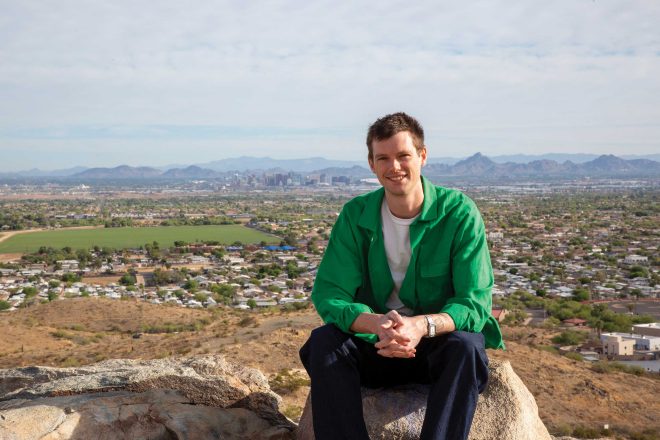
When author and screenwriter Dylan Park-Pettiford needed to get serious about writing another project recently, he told his wife he had to get out of L.A. and head back to Phoenix, where he honed his writing skills at Arizona State University, and where his mother still lives.
“It’s so loud in L.A. – both literally and metaphorically,” says Park-Pettiford, whose memoir Roadside was optioned for film before it even hit shelves. “Like, there’s just so much going on, it’s hard for me to settle down sometimes. So, I was talking about going back to Phoenix and just trying to knock out all my writing there.”
It’s a vibe shared by many local authors navigating the shifting literary biz. Michelle Hoffman, former Arizona Republic theater critic, says her novel The Second Ending was heavily influenced by her surroundings. “I included a lot of Scottsdale and Phoenix in my novel,” she says. “Right down to the scorpions and rattlesnakes and 110-degree heat!”
Hoffman found “pockets of support” in the Valley from bookstores like Changing Hands and Poisoned Pen (see sidebar), and made the rest of her connections online.
“Everything is done by Zoom now, anyway – my agent, editors, publisher all are in New York,” she says. “But you can absolutely live in Phoenix and have a writing career.”
Even New York agents are looking west of the Hudson. Kirby Kim, a senior agent at Janklow & Nesbit, relocated to Scottsdale (his wife’s hometown) after 15 years in NYC and continues to represent major authors from all over, including the Valley. “The literary culture in New York never stops,” Kim admits. “But with digital connectivity, it’s quite feasible to live and work here.”
Still, he notes that Phoenix lacks the density and spontaneous interaction of more established literary cities. “You don’t get as many random run-ins with other writers or industry folks,” he says.
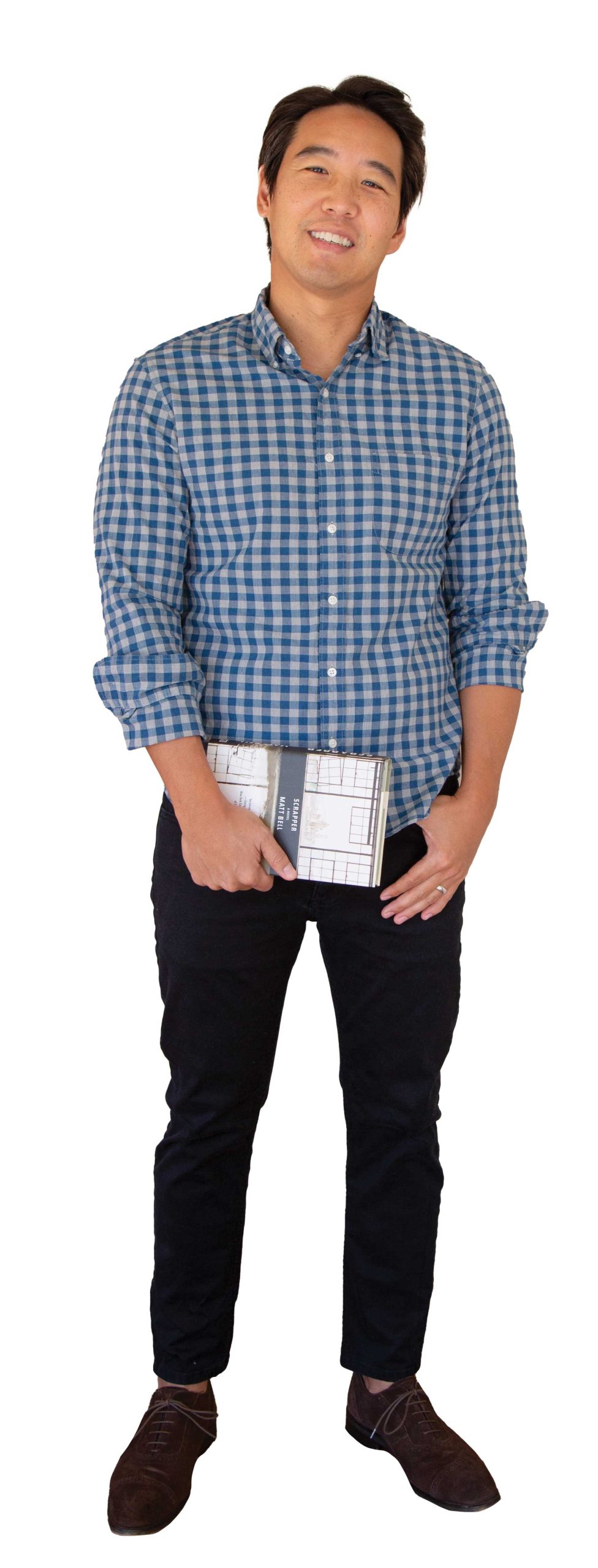
For novelist and ASU professor Matt Bell, that’s a good thing. He feels living outside major hubs can be a creative advantage. “Writers in Phoenix spend less time working the scene and more time working on their books,” he says. “I certainly believe it’s helpful in certain ways to live and work outside the fads and trends of literature or film.”
As for Park-Pettiford, sometimes all you need is the view.
“There’s just something about this place,” he says. “It might sound cliché, but the sunsets here? They’re like these ever-changing paintings. You sit in your backyard, watch that sky and think, ‘OK. I can do this.’”

Desert Roundtable
“I would love it if we had somewhere in Phoenix like The Algonquin, where Dorothy Parker and her friends had their roundtable,” Hoffman says. “We need that here.” Nevertheless, the Valley has several resources helping writers connect, create and publish:
Changing Hands Bookstore
Tempe & Phoenix
One of the largest indie bookstores in the Southwest, it hosts 300-plus events a year. “There are more good events every month than any one person could attend,” Bell says.
The Poisoned Pen Bookstore
Scottsdale
A major hub for mystery and crime fiction fans and authors. “They’re such a huge part of this mystery community,” Kim says. “Not just local, that’s nationwide.”
Virginia G. Piper Center for Creative Writing at ASU
Downtown Phoenix
Host of the Desert Nights, Rising Stars Writers Conference and year-round classes/workshops. “[They’re] responsible for bringing a lot of our national and international culture to Phoenix,” Bell says.
Phoenix Writers Network
Online & Local Events
Founded by travel memoir author Susan Pohlman, the network offers craft talks and community. “That and Desert Sleuths, for primarily women mystery writers, are good local writer’s groups,” Kim says.