Autumn is the season for apparitions, but some “ghosts” stay with us year-round thanks to historical buildings. The exterior walls of some aged structures may feature faded advertisements called ghost signs, which often promote long-defunct brands or businesses. These displays have evolved into public art, showcasing fonts, words and illustrations that inform about the past. Many ghost signs have become illegible over time, but repainting weathered specimens is best left to artists, since sloppy restoration can ruin their charm. Like spirits, ghost signs can be present unwittingly, only becoming visible when a building is demolished to reveal a pristine advertisement on an adjacent structure. And that’s certainly mystical.
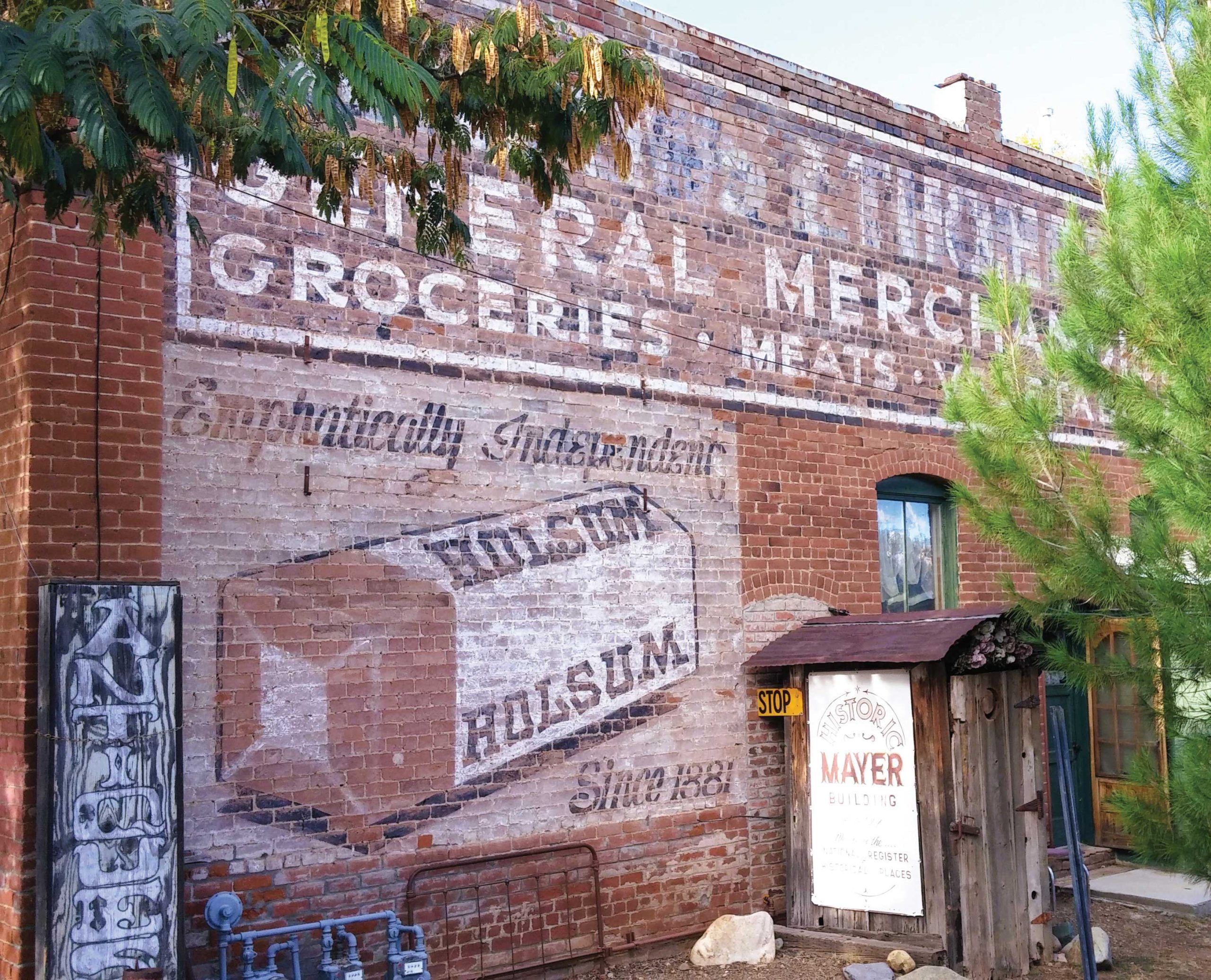
Holsum Bread – Mayer
The aroma of fresh-baked bread from Phoenix Bakery first wafted through Downtown in 1881. In 1929, the bakery went wholesale and secured statewide rights to the Holsum brand. This ghost sign later appeared in Mayer, an Arizona town known for its onyx marble deposits, on the General Market Store building at 12780 E. Central Avenue.
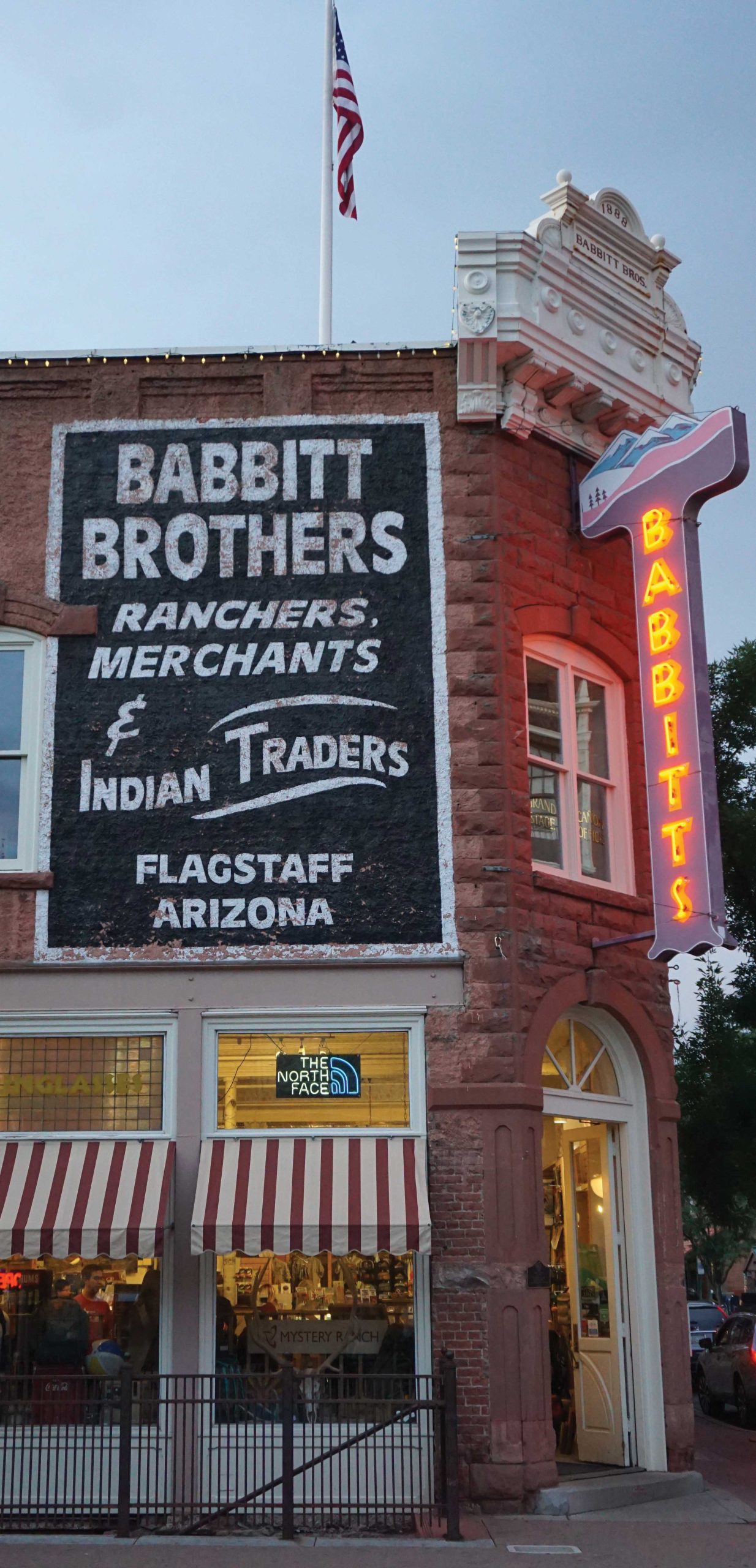
Babbitt Brothers – Flagstaff
Now operating as Babbitt’s Wholesale, this goods dealer got a promotional lift when its historical wall sign appeared in establishing shots for Sister Wives, a reality TV show about fundamentalist Mormons. The advertisement dates to 1888, when the Babbitt brothers opened their store at 12 E. Aspen Avenue, built from local red Moenkopi sandstone.
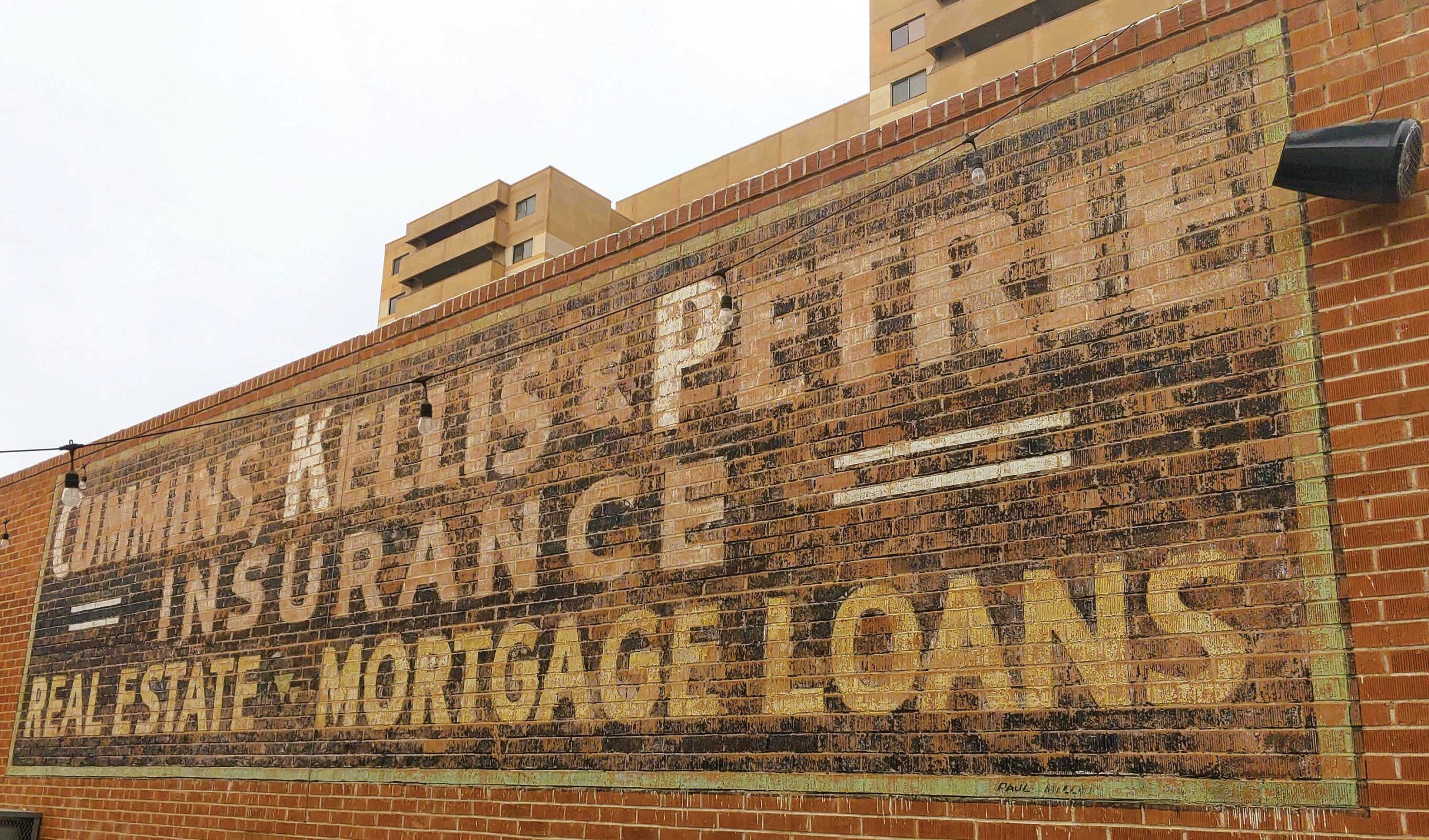
Cummins, Kellis & Petrie Insurance – Mesa
Those savoring a pint at Mesa’s Chupacabra Taproom should note Paul Millet’s signature on the ghost sign adorning the former insurance building at 14 N. Robson Street. Millet also created the nearby Diving Lady neon sign at the Starlite Motel. “Dad did freehand painting and had beautiful handwriting,” Deborah Denise Nelson, his daughter, says.
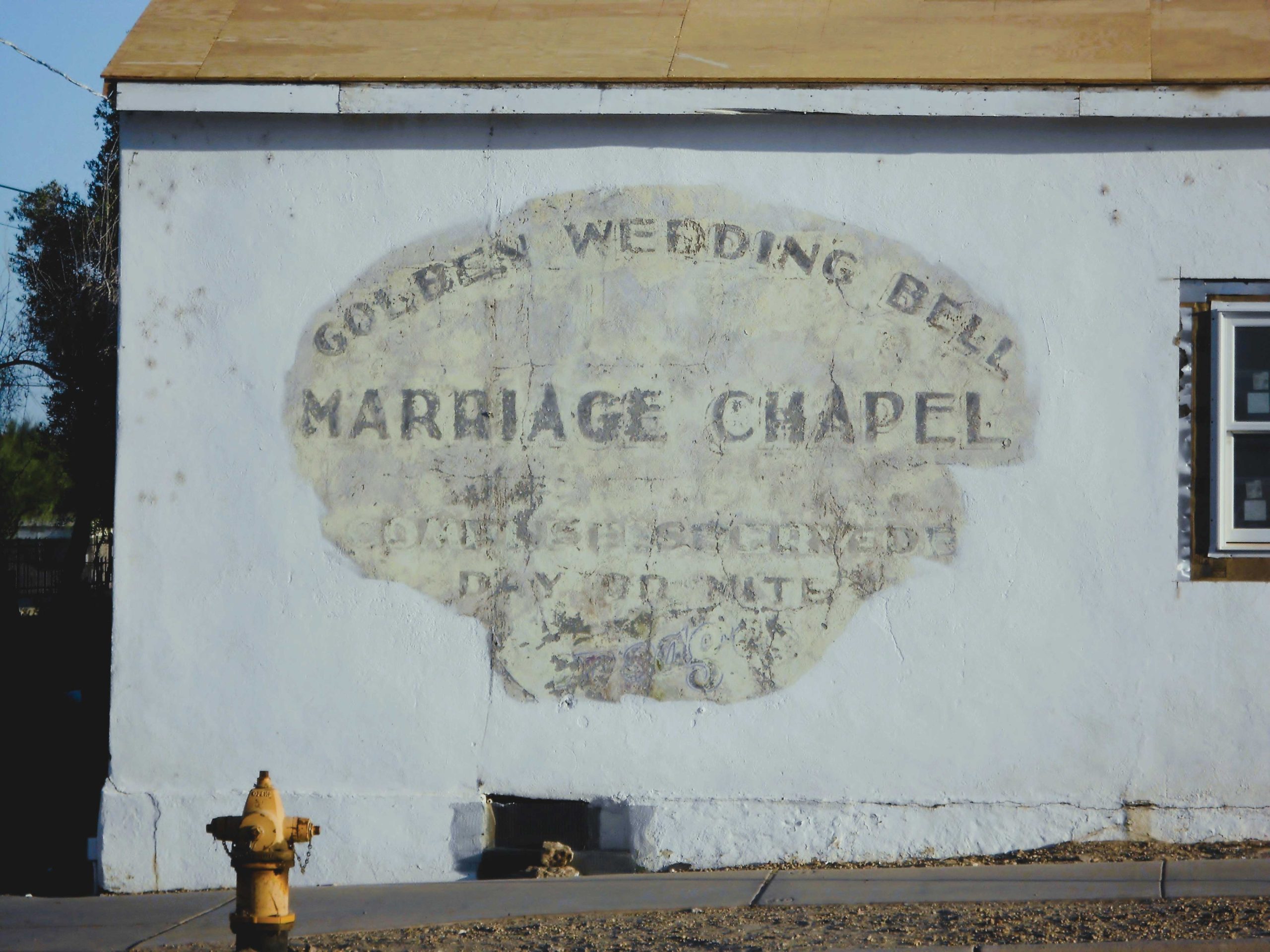
Golden Wedding Bell Marriage Chapel – Yuma
Long before Elvis impersonators married couples in Las Vegas, Yuma was the Southwest’s 24-hour hot spot for quickie weddings. Arizona’s love hub peaked from 1927 to 1956, as California couples avoided cumbersome restrictions to tie the knot “Day or Night” in Yuma at places like this chapel located at 102 S. Madison Avenue, which closed in 1957.
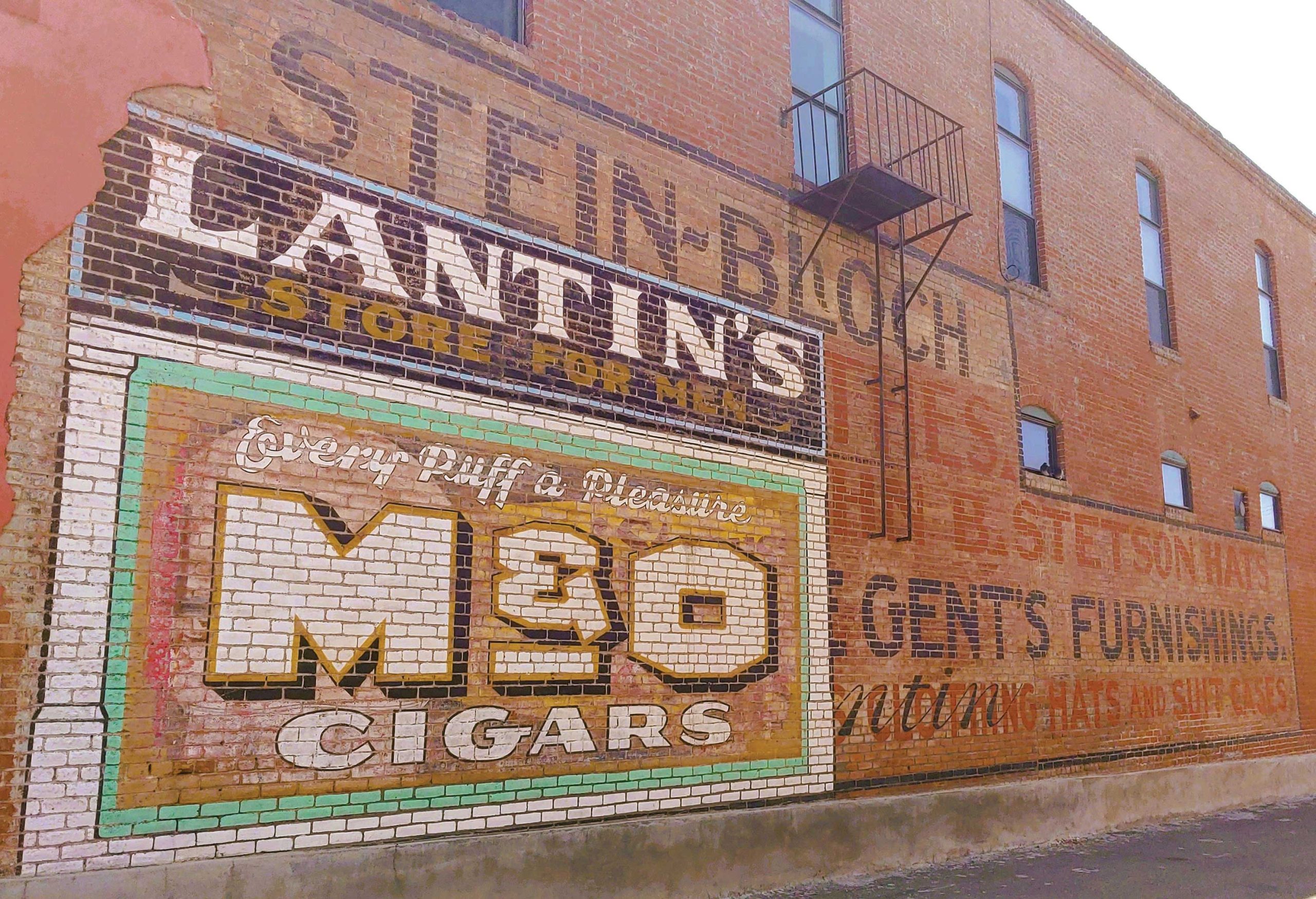
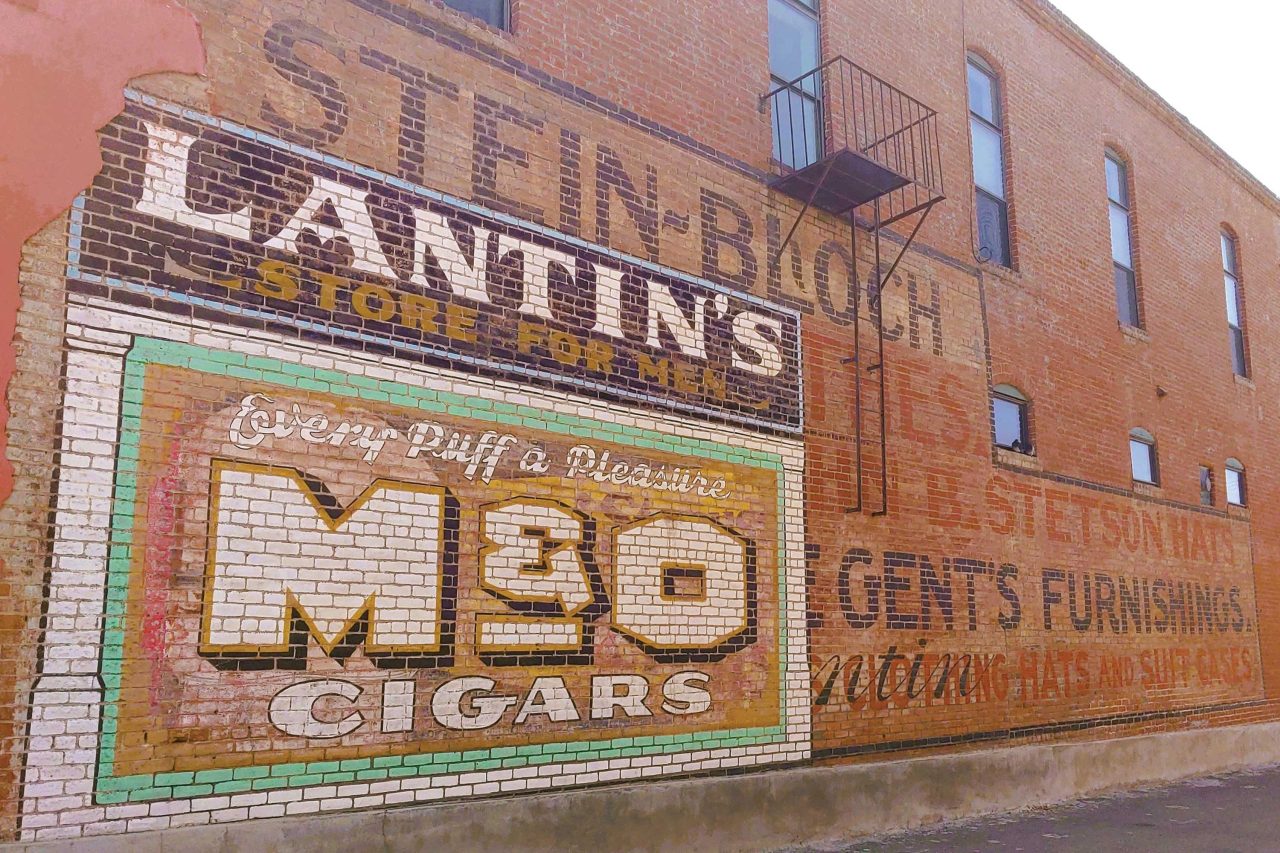
M & O Cigars – Globe
Whether for cigars or clothing, these overlapping signs at 396 N. Broad Street in the copper mining town of Globe targeted sophisticated gents. The advertisements are well-preserved because stucco was later applied and then mostly removed from the building’s brick walls, revealing retro phrases like “Every Puff a Pleasure.”