
March 2025 will mark five years since the World Health Organization declared the COVID-19 outbreak a pandemic. What has changed? What has stayed the same? As the pandemic nears its half-decade anniversary, we chart the major tectonic shifts – and lack thereof – in health, work, education and health care in Arizona.
By Sydnee Wilson
1. Stress-related health conditions continue to rise.
It’s no surprise that, following five years of an unprecedented global pandemic, stress-related conditions have become more common. Data from the Harris Poll for the American Psychological Association shows that long-term stress since the COVID-19 pandemic has significantly impacted well-being, with chronic illnesses rising from 48 percent in 2019 to 58 percent in 2023, particularly among those aged 35 to 44.
Chronic stress is recognized as a factor in various mental health issues like depression, anxiety and burnout. There’s also a strong link between stress and physical health issues like heart disease, diabetes and a weakened immune system. Before chronic stress becomes a more serious issue, it takes a daily toll by causing disturbed sleep, mood swings, digestive problems and more. Stress and anxiety may have persisted beyond the pandemic due to adaptation fatigue from changes in home life, work, relationships, finances, politics and health. Adapting back to a new normal can also feel challenging even if things might be looking up. No matter the cause, stress can wreak havoc on the body and mind.
Dr. Emily Parke, a board-certified anesthesiologist and the founder of Arizona Wellness Medicine, says she’s seen an increase in stress-related health conditions. Her preferred antidote: functional medicine, a biology-based approach that focuses on addressing the root cause of disease, which can help prevent and manage stress in ways traditional medicine can’t, she believes.
“What makes functional medicine different is that we talk about nutrition, sleep, exercise and movement, stress management and toxin reduction as foundational to creating health, and we do a deeper dive with laboratory investigations to find and treat root causes,” Parke says. “I like to say these foundational lifestyle factors are about 80 percent of what creates health. The other 20 percent or so is figuring out what is going on in each patient’s biochemistry.”
Quality sleep, whole foods, daily movement and exercise, meditation and sunlight exposure are some ways to reduce the impact of stress on the body, according to Parke. Functional medicine is another strategy for reaching wellness and not letting stress rule your life.
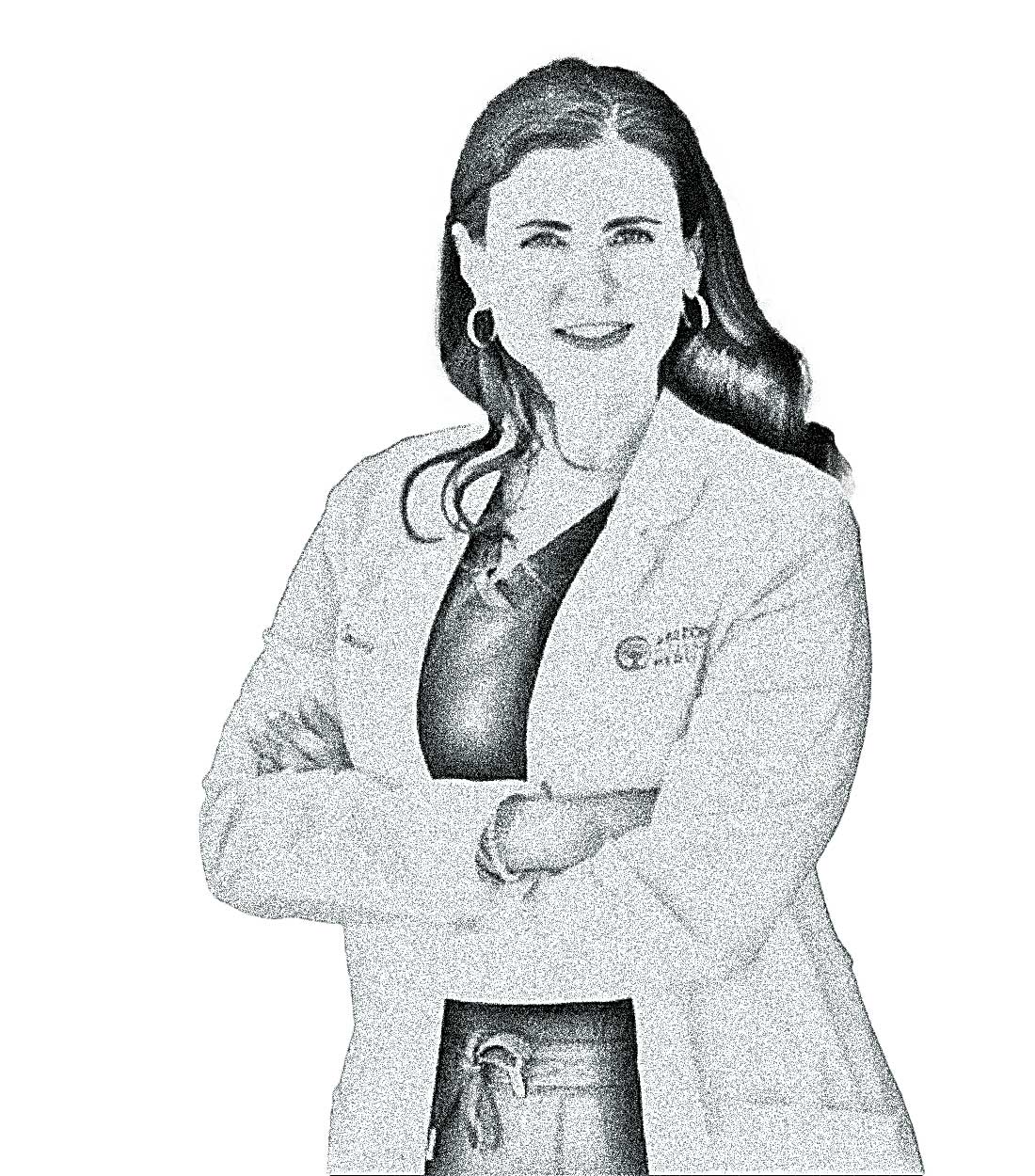
“I like to say these foundational lifestyle factors are about 80 percent of what creates health. The other 20 percent or so is figuring out what is going on in each patient’s biochemistry.”
– Dr. Emily Parke
“Functional medicine is a highly personalized, proactive and preventative type of medicine, and we are always aiming for optimal results, not just ‘normal’ ones,” she says.

2. Fully Remote work opportunities are dwindling.
Remote work was initially seen as one of the benefits of the pandemic – albeit a privilege primarily afforded to office employees and white-collar professions. While many hoped remote work would become a lasting arrangement, companies are transitioning back to mostly in-person work models. A 2022 report from McKinsey Global Institute showed that 56 percent of surveyed employees have hybrid arrangements, spending one to four days per week in the office. Meanwhile, 37 percent go to the office daily and only 7 percent work fully remotely.
For many researchers, the return to business as usual or something close to the pre-pandemic norm was expected.
Mara Aspinall is a professor of practice at Arizona State University’s College of Health Solutions and a biotech tycoon who was the principal investigator for ASU’s COVID-19 Diagnostics Commons project. She worked alongside co-investigator Nate Wade to survey more than 1,000 companies worldwide about their workplace models. The collection of data concluded in 2021, and the duo found that 42 percent of companies expected the future of work to be hybrid, while 32 percent expected full-time in-person models and 25 percent expected virtual. The researchers found that 63 percent of employers prefer employees to be in the office at least 20 hours a week and fully two-thirds intended to offer more flexible and work-from-home policies.

Work-life balance evolved in good and bad ways… people that work from home do not make the personal connections that people do [in the office].”
– Mara Aspinall
Three years later, Aspinall reflects on how these predictions have played out. “Many companies are eliminating full work-from-home options, but giving employees – mostly office workers – the ability to work out of the office for one to two days,” Aspinall says.
While this partial return to the office may bring up concerns about work-life balance and employee well-being, in-person work may not be as unfavorable as some may think.
“Work-life balance evolved in good and bad ways,” she says. “The mostly good news is that work can take place anywhere, so many people can live wherever they want. But the mostly bad news is that people who work from home do not make the personal connections that people do when they work together in person.”
Remote work might not have turned out to be the permanent post-pandemic shift many envisioned, but it did spark lasting conversations about work-life balance and the need for flexibility in the workplace.

3. The pandemic supercharged telemedicine and mobile care – and they remain essential.
While remote work options for many professions are decreasing, remote health-care options have been revolutionary for patients and providers. Virtual care exploded during the COVID-19 pandemic to mitigate the spread of the virus and – even though the World Health Organization declared the pandemic over in May 2023 – telehealth remains a growing facet of health care.
Dr. Matt Anderson, the chief medical information officer at HonorHealth Medical Group, says HonorHealth doctors had to ramp up virtual care quickly when the pandemic hit, collectively honing their skill to diagnose patients remotely, which continues to benefit the hospital system’s capacity. Anderson says this adaptability helps HonorHealth strategize day-to-day issues that may stand in the way of treating patients.
“If we were to encounter another pandemic or emergency, we would be able to scale up our virtual care services quite rapidly,” Anderson says. “Patients will be ready as well because they are continuing to use these technologies. Even on a small scale, we see improvements. For instance, in a situation where the power or water goes out in a practice, we used to have to close and reschedule patients, creating a delay in them receiving the care they need. Now we try to send our clinicians home and convert those visits to video visits. Patients can still get the care they need, and we maintain most of our operations.”
Telehealth has also played a significant role in tackling health disparities. Dr. Stephen Chakmakian, chief medical officer of health plan giant UnitedHealthCare, says rural areas in Arizona now have easier access to health care, and the expansion of telemedicine is critical to keep delivering care to patients in underserved communities. Additionally, he says mobile care has also become instrumental in breaking health-care barriers.
“Health disparities are often influenced by social drivers of health, including where an individual lives,” Chakmakian says. “People living in communities with limited providers, transportation and other barriers may experience greater challenges accessing care. People with greater health risks and economic challenges may also have a harder time accessing care. Through public-private collaborations, mobile care is brought directly to communities at a convenient setting where they are, such as schools or community centers.”

People living in communities with limited providers, transportation and other barriers may experience greater challenges accessing care.”
— Dr. Stephen Chakmakian
The UnitedHealthcare Community Plan of Arizona has helped deliver mobile care to various Phoenix communities in need through collaborations with organizations like March of Dimes, Brighter Way Dental Center and Valle del Sol Community Health.
“Meeting people where they are, especially in rural and underserved areas, can help improve access to preventive care and advance health outcomes for Arizonans,” Chakmakian says.

4. Health-care-worker well-being was not prioritized before the pandemic. Now it is.
Working conditions in the medical profession were intense even before COVID. Long-standing issues like high rates of burnout, physically demanding conditions, lack of mental health support and understaffing were only exacerbated by the crushing, round-the-clock demands of the pandemic. The pressure created a more fragile workforce and put the stability of the field into question. It highlighted the sacrifices health-care workers have made, inspiring a more open dialogue about well-being and increased efforts from workplaces to take care of their employees.
Anderson of HonorHealth Medical Group says the pandemic broke the stigma surrounding health-care workers’ well-being.
“I think we are all more aware of the burden people in health care face,” Anderson says. “We are more open to talking about it, asking our colleagues about it and making space to work on it. We want to talk about it, and that wasn’t always how we approached this in the past.”
A 2020 survey conducted by Mental Health America found that more than three-quarters of health-care workers were experiencing frustration, exhaustion, burnout and overwhelm, while a whopping 93 percent and 86 percent reported experiencing stress and anxiety. In addition, 39 percent of health-care workers said that they didn’t feel like they had adequate emotional support.
Anderson says HonorHealth dedicated an entire role to managing and prioritizing employee welfare amid the widespread struggles.
“At HonorHealth, we now have a vice-president chief of caregiver wellness and patient experience whose role focuses on the wellness of both patients and employees,” he says. “This position shines a light on our efforts to make sure that employees feel safe and are empowered to do good work wherever they are.”

We want to talk about it, and that wasn’t always how we approached this in the past.”
– Dr. Matt Anderson
Several medical organizations have adopted strategies from the National Institute for Occupational Safety and Health’s Impact Wellbeing campaign to address burnout and improve employee mental health. These strategies include encouraging time off, prioritizing worker health and safety, ensuring adequate staffing, involving employees in decision-making, appointing senior leaders to promote wellness and training supervisors to provide support.
Investing in the care of medical professionals is also an investment in public health. All it took was a global pandemic for the system to start reflecting that.

5. Students are slowly getting back on track.
The last few years have tested students’ resilience like never before. Across all levels of education, the shift – sometimes temporary, sometimes permanent – from in-person to online learning was challenging but fostered adaptability, especially for health-care students navigating a public health emergency.
While a 2022 National Center for Education Statistics report showed elementary and middle school students fell behind in subjects like reading and math, recent research shows strong recoveries. According to the January 2024 Education Recovery Scorecard, elementary and middle school students are improving at double the average annual rate seen in past decades, showing they’re on the road to recovery.
Medical and nursing students, however, faced unique challenges as hands-on clinical experience was replaced by online simulations, raising concerns about their preparedness. A post-pandemic report by the Association of American Medical Colleges showed diminished preparedness among graduates and a larger-than-normal percentage of those applying for residency were unable to secure residencies in their desired specialties or locations.
But the phenomenon was short-lived. AAMC data indicated that a greater percentage of students matched into residency programs in 2021 compared to the previous three-year time frame, and medical school applications for the 2021 academic year increased by 18 percent from the previous year.
Karilyn VanOosten, vice president of strategic business development at Unitek Learning, says that although students experienced disruptions, these challenges helped them develop vital skills in the realms of education and health care.
“One of the most important lessons I’ve taken away from the pandemic is the value of adaptability and resilience – both personally and professionally,” she says. “The health-care and education sectors faced unprecedented challenges, and those who thrived were the ones able to quickly adapt to changing circumstances, embrace new technologies and remain resilient in the face of uncertainty.”

“One of the most important lessons… is the value of adaptability and resilience – both personally and professionally.”
– Karilyn VanOosten