The art of transferring an organ between donor and recipient is a massive logistical symphony of sorrow and science, time and triumph.
By Madison Rutherford | Photography Brandon Tigrett
“If you say prayers, say them now. Please,” Katie Lukacsik wrote in a Facebook post on June 8, 2021.
Earlier in the week, the Peoria educator and mother of two had celebrated her 13-year wedding anniversary with her husband, Jim. Just 72 hours after that happy occasion, she kissed his lifeless body goodbye under harsh fluorescent lights outside an austere operating room.
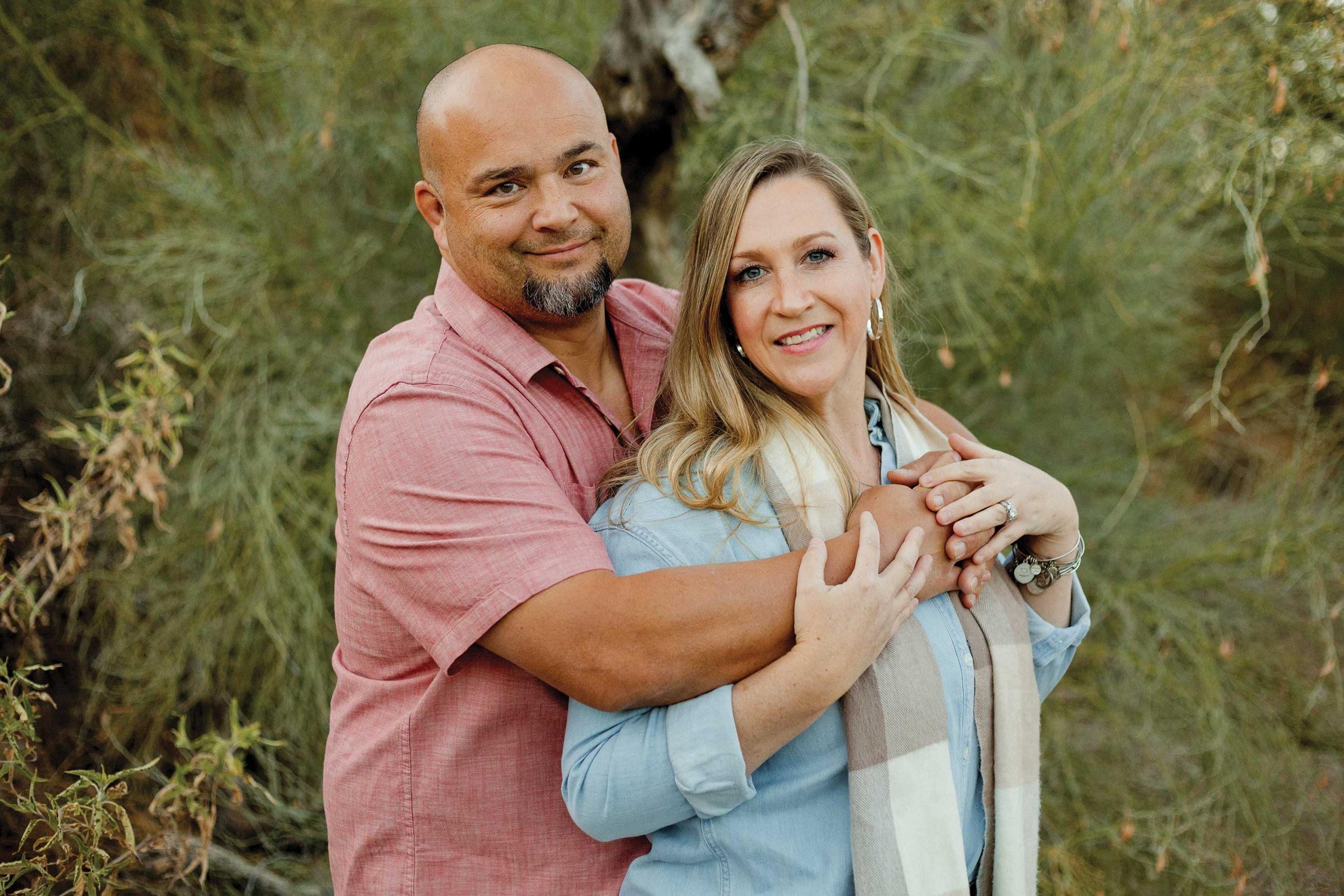
Jim had died due to complications of undiagnosed sleep apnea. “I woke up on a Tuesday morning to him coughing… I quickly realized his eyes were not really connecting with my eyes and that they were sort of looking through me,” Lukacsik says. “I see his face turning blue like he was holding his breath.” She called 911 and began performing CPR.
Nine years earlier, the couple had both registered as organ donors when updating their new home address through Arizona’s Motor Vehicle Division website. It was a decision they hadn’t revisited, and one that was far from Lukacsik’s mind as her husband laid motionless on a hospital bed drawing artificial breaths via a ventilator.
Amidst her shock and grief, she had to make another, more critical, decision. An agent from an organ procurement organization (OPO) gently approached her to discuss signing paperwork to begin finding matches for his organs. “The next morning, I told them I’m going to sign it,” she says. “I knew at that time that he wasn’t going to live.”
Once she authorized the harvesting of her husband’s organs, the OPO quickly found matches for his kidneys, corneas, liver and lungs. Lukacsik says the cardiovascular team chose not to extract his heart due to a small lesion. “They’re very particular about what [organs] they use,” she says.
On the afternoon of June 10, 2021, Lukacsik held her husband’s hand as the surgical staff solemnly wheeled his gurney toward the OR. “Every single nurse stopped their staff just to stand quietly side by side and line the hallway,” she says. “Many were in tears, saying, ‘Thank you so much,’ and ‘Your husband’s a hero.’”
For the next eight hours, nearly a dozen doctors and medical technicians carefully removed his viable organs and prepared them for transplant. Though Lukacsik chose not to know exact details about their terminus, his organs could’ve been implanted in recipients as far as Alaska and as nearby as down the street or even down the hall – it’s not uncommon for an organ recovered in Arizona to also be transplanted here.

According to data collected by the Donor Network of Arizona – the organization responsible for procuring and distributing organs throughout the state – an organ harvested in Arizona only travels across state lines 33 percent of the time.
Once an organ is deemed viable, it’s listed by the United Network for Organ Sharing (UNOS), which manages the national transplant waiting list and matches organ donors and recipients. Each organ has its own list and distribution policy. UNOS considers the distance between donor and transplant hospitals, blood type, size of the organ and medical urgency when selecting potential patients.
According to the Health Resources and Services Administration, more than 100,000 people in the U.S. are currently waiting for life-saving organ transplants. Because the number of those in need of a transplant far exceeds the number of available organs, only 40 percent will receive one. Tragically, 17 people die every day in the U.S. waiting for a match. However, the UNOS wait list is much more than a log of eligible organ recipients. It’s a dynamic database that depends on a complex algorithm to make sure organs are allocated fairly, accurately and promptly. Though the journey from procurement to placement is different for each organ, a single donor can save up to eight lives.
“One thing I could hang my hat on was that he was going to help other people, like him dying wasn’t all in vain,” Lukacsik says. “At least he’s going to be a hero and live on through someone else.”
In December 2016, Mesa entrepreneur Christopher Bucholz started experiencing mystifying symptoms. “My stomach started to feel hard and kind of distended, and it just didn’t feel right,” he says. “Then my legs started to get filled up with fluid.” He waited nearly six months before going to the ER, citing denial and a phobia of doctors.
Ultimately diagnosed with nonalcoholic steatohepatitis cirrhosis and told he would need a liver transplant, Bucholz was bewildered. “I thought cirrhosis of the liver was a drinking man’s disease,” he says.
Despite his aversion to alcohol and relatively healthy lifestyle, his liver was rapidly eroding. Hepatic encephalopathy (an accumulation of ammonia in the brain caused by advanced liver dysfunction) caused debilitating dizzy spells, amnesia and brain fog. Daily tasks like driving and tying his shoes became impossible.
On February 1, 2020, he was placed on the UNOS liver wait list, and on February 29, he got the call that would subsequently save his life. “I was relieved I was going to be over all of this, but I was also very sad because a family lost their loved one,” he says. Bucholz received little information about his new liver other than it was healthy and free of hepatitis.
Dr. Jeffrey Brink, a surgeon at Arizona Transplant Associates in Phoenix, says that liver patients typically remain on the list for “several months up to a couple years, depending on their disease.” Similarly, the lung and heart lists are ranked based on need, while kidney transplants are typically dependent on time and dialysis.
More than 46,000 organ, eye and tissue transplants are performed in the U.S. each year. In 2023, nearly 1,400 transplants took place in Arizona. Organ transplant is an expensive and resource-intensive undertaking that includes surgical fees, anesthesia services, organ preservation and transportation expenses, pre-transplant evaluations and post-operative care costs. All told, an organ transplant can cost anywhere from $100,000 to more than $1 million, with health insurance and financial assistance programs varying widely.
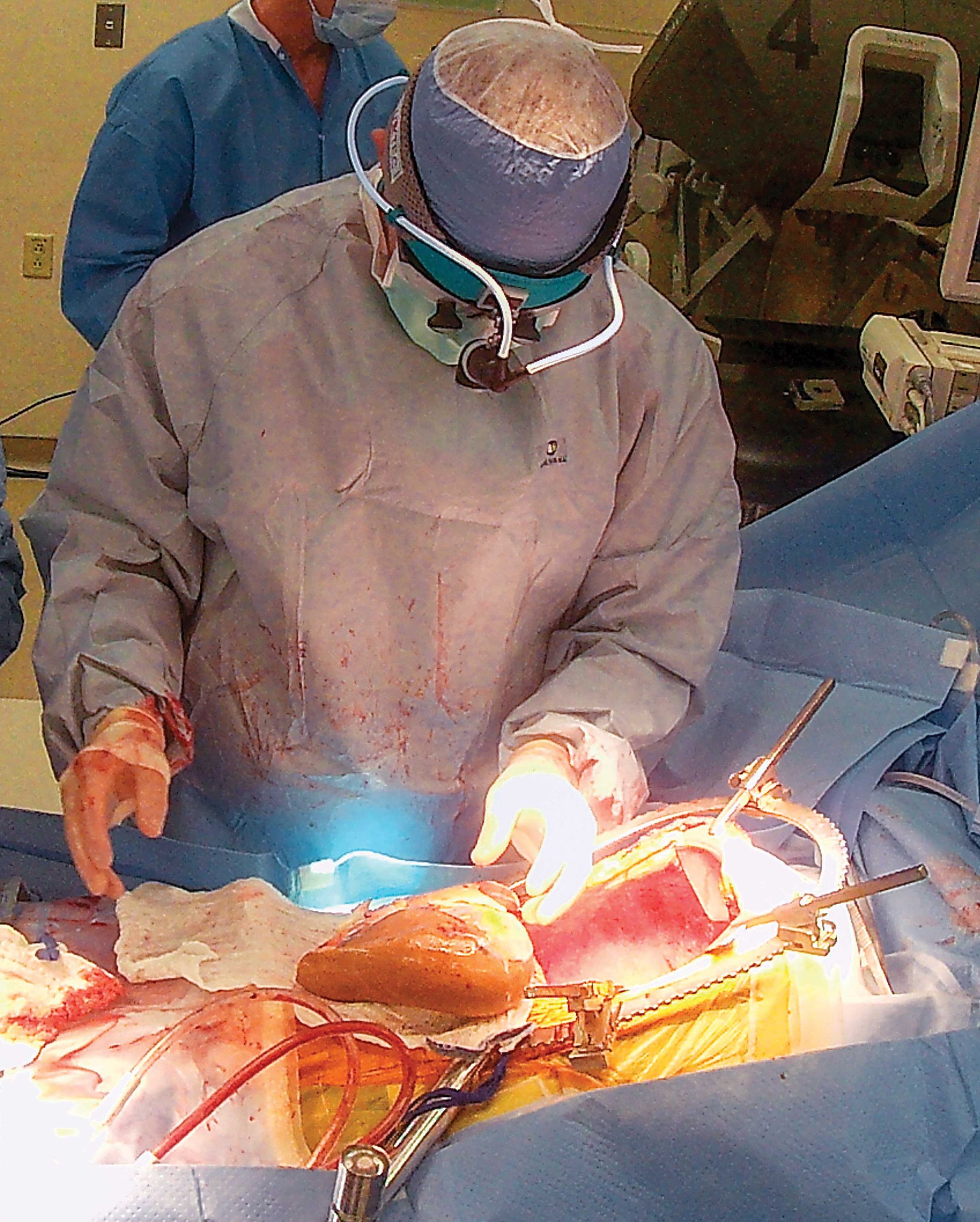
Once a donor’s organs are accepted, as many as seven different surgical teams may be in the OR at once. “The donor comes in, we have a moment of silence and then we do the operation, which is when we open them up and get all the organs ready to be taken out. At that time, we’re then able to put tools in places that will allow us to cold-perfuse the organs all at the same time,” Brink explains. “We cold-perfuse the liver and the kidneys at the same time, the heart guys will perfuse the heart at the same time, the lung guys will perfuse the lungs… we’ll drain the blood from the body, cut the organs out and everybody goes their separate ways back to the recipients’ hospitals so they can be transplanted.”
Brandi Krushelniski, vice president of transplant services at Norton Thoracic Institute in Phoenix, says there are also at least a dozen people involved on the backend, including transplant coordinators, nurses and dietitians. “It takes a village. This is not done in a silo,” she says. “This is a team sport. We can’t do it without everyone involved.”
For example, pharmacists play a vital role in managing the multifaceted medication regimens required by patients – medications that must be administered before, during and after surgery.
Radiologists are also integral to the effort, scrutinizing images of donor organs to assess their viability, assisting in the pre-transplant evaluation process by performing CT scans and ultrasounds, and providing real-time imaging guidance to help surgeons locate and position organs during surgery.
The organs themselves are only half the story. Before being approved as transplant candidates and placed on the wait list, recipients must also undergo a comprehensive series of tests, to satisfy a baseline level of health that gives them a reasonably good post-operative prognosis. “We give them incredibly intensive workups,” says Norton Thoracic Institute’s executive director Dr. Ross Bremner. “We have to make sure that the rest of the patient is completely healthy.”
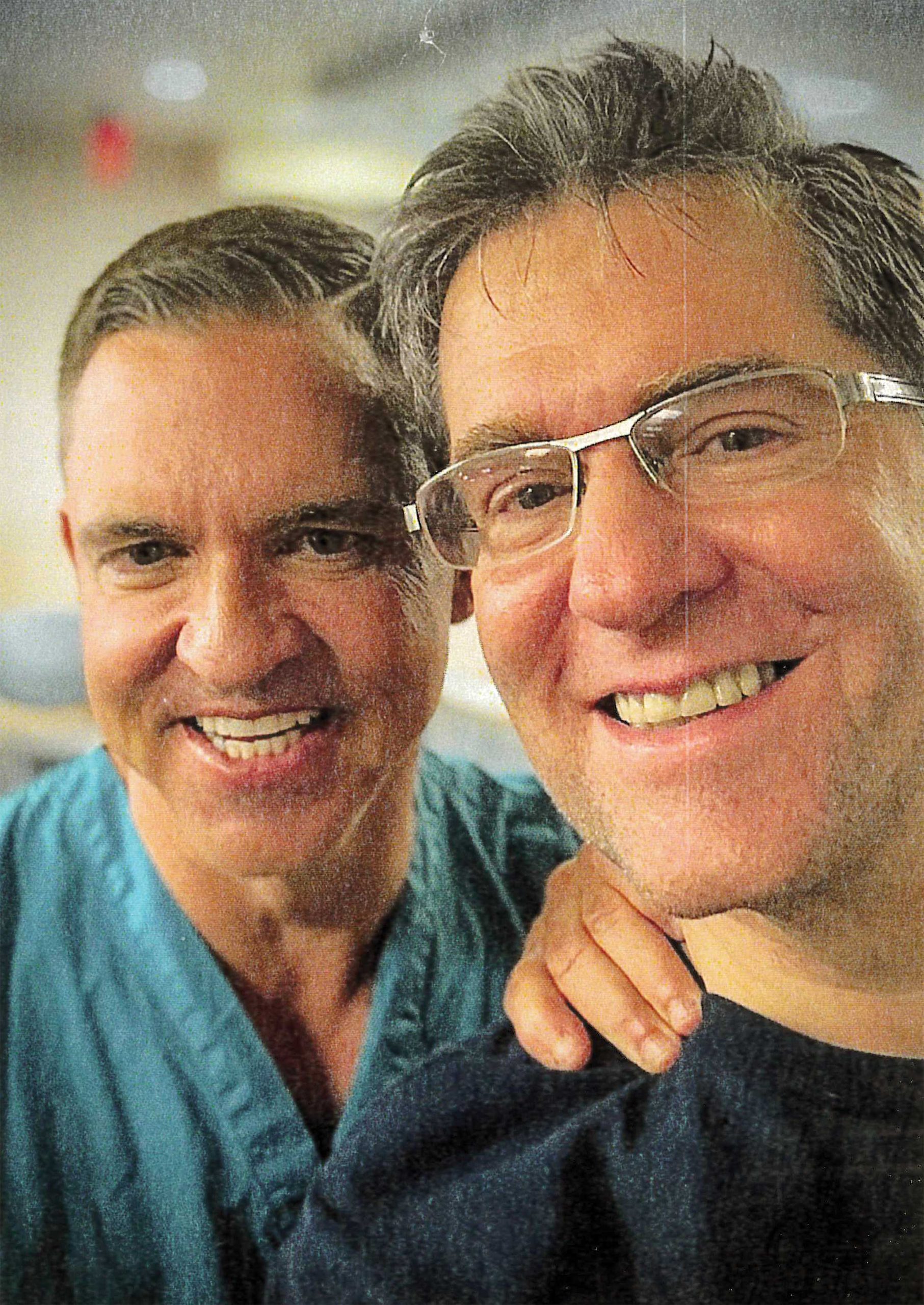
Bucholz says he underwent nearly 40 different tests over the course of two years, including ultrasounds, echocardiograms, MRIs, bone-density scans, endoscopies and numerous blood panels. “A lot of people think, ‘I just go to the hospital and they’re going to give me a transplant.’ That’s not the case,” Bucholz says. “I met with a psychologist and a social worker. You have to be physically and mentally strong.”
Recipients must also be ready for surgery at the drop of a hat. Bucholz says he had two “dry runs” before actually going under the knife. After his surgery, Bucholz was prescribed immunosuppressive medications to prevent organ rejection and attended frequent follow-up appointments to monitor his body’s reaction to his new liver.
Though UNOS takes proximity into consideration when allocating organs, it’s not always the main governing factor. Coast-to-coast organ transactions sometimes happen – and in those cases, the organ must travel 3,000 miles or more in a matter of hours. Certainly, transporting a pair of kidneys from Tucson to Phoenix within the required time frame is not terribly tricky – you can just put them on a helicopter – but what if there’s a perfect match in Pittsburgh?

Many hospitals recruit private charter companies to help transport this precious cargo. Scottsdale’s Sawyer Aviation began partnering with regional transplant centers to transport organs and surgical teams in 2019. Since then, they have successfully completed more than 1,500 transplant flights.
“It’s definitely a different type of flying,” says Sawyer Aviation president Chad Verdaglio. “It’s not just flying some golfers or skiers somewhere.”
According to Verdaglio, the call can come at any time, day or night. The organ arrives in a small cooler in the back of an ambulance or black SUV and is handed off to the flight team.
Once the organ is retrieved, it’s a race against the clock. The cold ischemia time (the maximum duration in which an organ’s blood supply is able to be cut off, chilled and restored in the recipient without tissue death, or ischemia) varies among each organ. A kidney is still viable 24 hours after it’s procured. Hearts and lungs must be transplanted in no more than six.
To maximize the likelihood of a successful transplant, a heart or lung harvested in New Mexico, for example, would generally not be transported to New Jersey – but such multi-time-zone transactions are not unheard of. If UNOS can’t find a suitable recipient locally or regionally, it will give the go-ahead for cross-country transport. In rare cases, organs with higher cold ischemia times are transported internationally – to Canada, Mexico and sometimes farther.
To facilitate long-distance organ transport, Verdaglio designed a revolutionary device that holds the portable organ care system – a medical apparatus that pumps oxygenated fluids through the organs to preserve them and boost cold ischemia time – in place during flight. The device, dubbed HALO (heart, abdominal and lung organs), increases the radius in which the team can fly to deliver an organ.
Norton Thoracic Institute, which has one of the leading organ preservation research programs in the country, is also exploring how different techniques and temperatures might allow organs to remain out of the body for longer periods of time. The objective is to expand the donor pool and enable surgeries that would traditionally be scheduled in the middle of the night to occur during daylight hours. “Historically, we’ve had to drop everything as soon as a donor becomes available, and our schedules are put on the backburner no matter what, whether it’s one of your daughters’ choir concerts or your own need for sleep,” Bremner says. “Hopefully, this is going to help us turn what has been an emergent process into something that is a little bit more deliberate, so we can ensure that the patient is taken care of as well as the rest of the operating team.”
Sometimes, Sawyer transports only the organ itself, no personnel, which the company refers to internally as a “box flight.” It will also on occasion shuttle small surgical teams – a surgeon, perfusionist and surgical assistant – between cities to perform both the procurement operation and the implant.
More often, the procurement and transplantation procedures are performed by two different teams – but there are manifest benefits to having the same transplant team perform both procedures. If a donor organ becomes available unexpectedly, time restraints may require the same surgeon to execute both the procurement and transplantation operations, and having the same surgeon perform both procedures also reduces the need for frequent handoffs and communication, resulting in a smoother, more streamlined process.
In 2010, Pulitzer Prize-winning photographer and Tucson resident Jack Dykinga was diagnosed with idiopathic pulmonary fibrosis, a debilitating lung disease with no known cause or cure. “After four years, I was on a trip at the Grand Canyon and my lungs decided to check out,” he says. “I went to Mayo, and they tried for a week to solve the problem, but they basically said, ‘You can get a transplant, or you can die.’”
He was transferred to Norton Thoracic Institute, where his workup revealed that he was also suffering from coronary artery disease. “He got very sick very rapidly,” Bremner says. On May 24, 2014, he became the facility’s first patient to simultaneously receive a double-lung transplant and heart bypass surgery.
“That was the beginning of new life. It’s an extension of what I’ve already done, except I do it with much more intention,” Dykinga says, a sentiment he echoes in his 2017 memoir and photobook A Photographer’s Life. Every few months, Dykinga will send Bremner and his team a collection of recent photos – “a compilation of what I’ve been up to,” he says. “It’s basically a love letter.”
Bremner asserts it’s the “highlight of my week when I get them.”
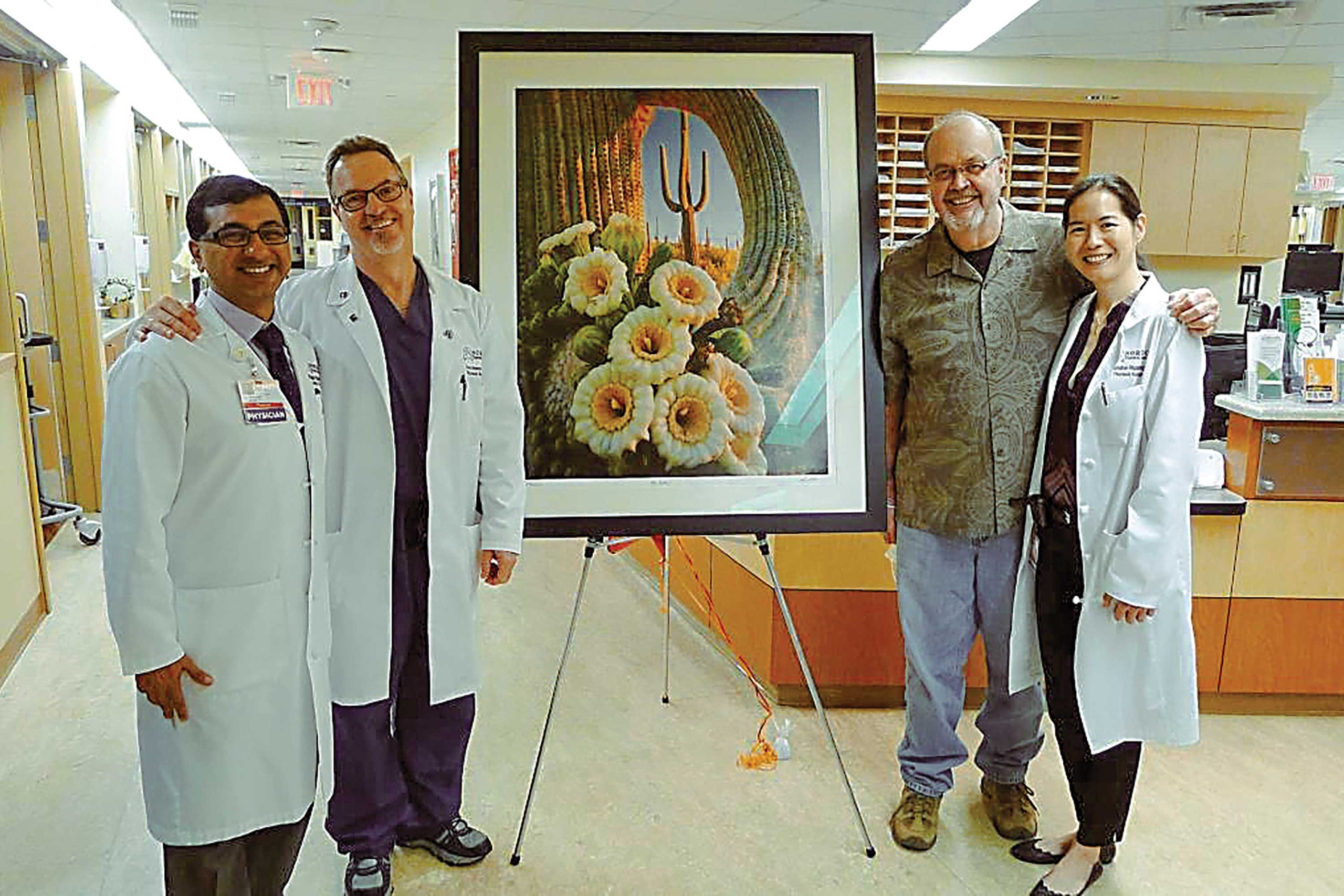
As a matter of medical industry policy and HIPAA rules, both the donor and the recipient (and their families) remain initially anonymous for their protection and privacy. However, either party may reach out through the OPO or transplant center. “It’s usually just the exchange of a letter, and it’s really guided by the experts at the transplant center and the organ procurement agency to make sure it’s a healthy relationship,” Krushelniski says, adding that many recipients carry “an immense amount of guilt around the fact that somebody had to die in order for them to live.”
Occasionally, the Donor Network of Arizona will help facilitate meetings between a recipient and their donor’s family. Chandler resident Marie Johnson was able to find solace in listening to a deep inhale from her late husband’s lungs when she met his organ recipient, Bobby Campbell, in 2023. “You’re gifting someone else extra time that would change not just their lives, but everyone around them,” she says. “It’s a remarkable legacy.”
Verdaglio refers to this bittersweet bargain as trading someone’s sunset for another’s sunrise – a feeling shared by some who survived the darkness between.
“[Jim] was able to help someone else stay on earth,” Lukacsik says of her husband’s final gifts. “The organ donation allowed for that process to happen without me being the one to say, ‘OK, pull the plug,’ on my own. It saved me, too.”
Finding a Match
A breakdown of how the United Network for Organ Sharing and organ procurement organizations across the country collaborate to accomplish the miracle of organ matching.
- Organ is donated.
When an organ becomes available, the OPO inputs all known medical and genetic information from the donor, including the donor’s blood type and the organ’s size and condition.
- Custom list is generated.
UNOS generates a list of potential recipients using a centralized computer network that links all OPOs, transplant centers and tissue compatibility labs. The system creates a list of transplant candidates that are medically and biologically compatible with the donor and ranks them based on clinical characteristics and time spent on the wait list.
- Transplant hospital is notified.
Organ placement specialists contact local hospital programs whose patients are on the list.
- Organ is considered for transplant.
When an OPO offers an organ to a hospital, the transplant team has an hour to assess its condition, staff availability and transportation options.
- Organ is accepted or declined.
If the hospital’s transplant team deems the organ a good fit, it “accepts” the organ for transplant. If it is not accepted, the OPO offers it to the next patient on the list and continues this process until the organ is placed.
Source: UNOS