A monthly look at Arizona wine with Valley dining impresario Pavle Milic.
Although the 2025 harvest wrapped up for most Arizona winemakers back in September and October, the work doesn’t stop – it just moves indoors.
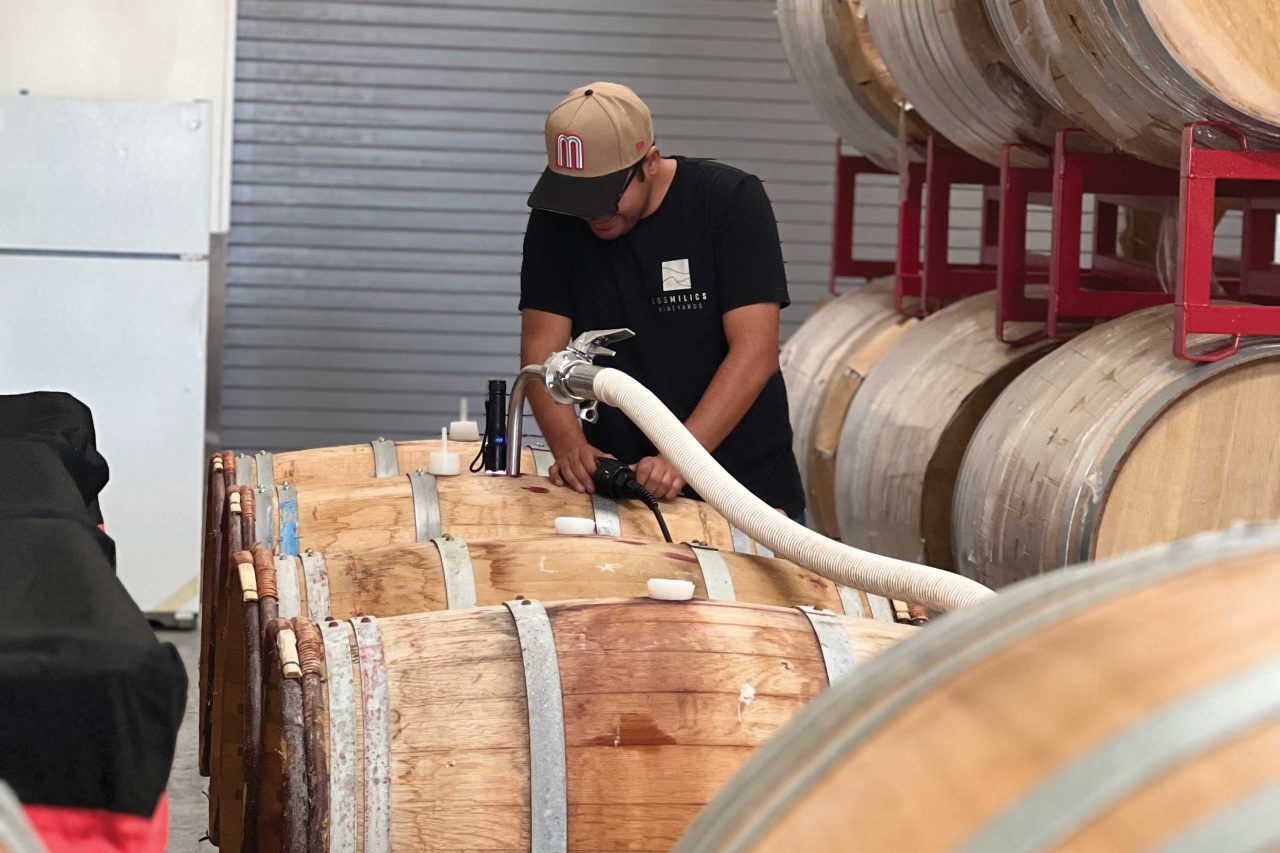
For many of us, winter is when we start racking wines from the 2025 vintage. By this point, most lots have finished their secondary fermentation – called malolactic fermentation (MLF), where sharper malic acid is converted into softer lactic acid. Translation: It’s the final step that rounds out the edges and makes a wine feel plusher and more complete.
Racking is simply moving wine off its lees (the spent yeast and solids) into a clean vessel. Most winemakers rack to clarify and “clean up” the wine. Others keep the wine on “fine” lees because that contact can build texture and complexity, like bready or nutty flavors.
Winter is also when we start mapping out bottling. We’re lining up whites and rosés from 2025 for bottling in 2026, while also cueing up reds from prior vintages – think 2023 and 2024. That means ordering the unglamorous essentials: bottles, labels, corks, capsules and all the bits that turn wine into something you can actually take home.
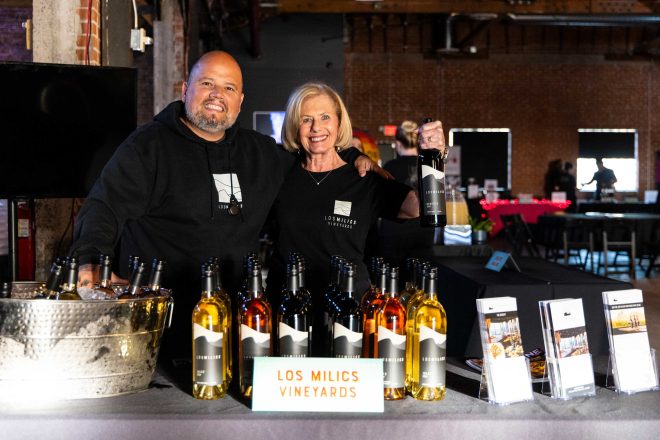
At my winery, Los Milics Vineyards, that’s exactly what we’re doing right now.
Out in the vineyard, January and February are all about pruning – i.e. giving the vines their annual haircut. We cut last year’s shoots down to two or three buds, which will break in April and become the season’s new growth – and, eventually, the next crop.
And if they let us cellar-dwellers out into the daylight, winter is also market season – winemaker dinners, a little windshield time, visits with loyal accounts and, ideally, making a few new friends along the way. If we’re really lucky, we’ll even squeeze in a research-and-development trip to somewhere that grows grapes, too.
After all, “researching” wine is the best part.