Mining magnate William Boyce Thompson founded the world’s first botanical garden dedicated to arid species 100 years ago near Superior, Arizona.

Visitors to Boyce Thompson Arboretum generally come for its assemblage of exotic desert plants, such as boojum trees that appear to have sprouted out of a Dr. Seuss book. But in 2024, autumn leaf-peepers are also wowed by something else: massive black-and-white canvases the arboretum has placed at key locations for its 100th-anniversary celebration.
“The historical pictures provide a ‘then-and-now’ experience of vistas and show how the grandeur of this distinctive botanical garden has grown over the past century,” says executive director Kim Gray.
The images illustrate how an incredible nature preserve germinated at the 392-acre botanical garden underneath picturesque Picketpost Mountain. “The vintage photo of the Smith Building stops people in their tracks,” Gray says. “It’s the original visitor’s center, built from rhyolite rock quarried nearby, and about the only shade is cast by a few saguaros. Trees have now created a cool oasis there that is a birding hot spot.”
The arboretum was founded by Superior, Arizona, mining mogul William Boyce Thompson, who amassed considerable wealth from minerals ripped from the earth but discovered his passion in the flora that grew on its surface.
“Thompson was a visionary man dedicated to expanding knowledge of arid plants and how they could be used,” Gray says. “He instilled a passion for desert botany, seed-collecting and education that exists to this day.” His catalyst for creating the arboretum, which is celebrating its centennial this year, was an overseas trip where horrific sights inspired his life’s mission.
Thompson had an unusual background for a plant fancier. A mining engineer by training, he became fabulously wealthy through copper mines and investments. He hobnobbed with presidents and tycoons and traveled in a luxurious private railroad car. Botany became his obsession after he visited Russia on a relief mission sponsored by the American Red Cross in 1917. Thompson toured a country suffering famine amidst the horrors of World War I and the Russian Revolution. Watching emaciated peasants forage for edible plants to eke out an existence convinced him of their importance.
“Preserve every native plant until something better is found to take its place – I love them all, the small and the large,” he was quoted as saying in the arboretum’s publication, Boyce Thompson Southwestern Arboretum: Purpose – History – Dedication.
In 1918, construction began on Thompson’s Picket Post House, a 7,000-square-foot winter home near the rich Magma copper mine he owned in Superior. Six years later, in the backyard of his “Castle on the Rock,” he launched the arboretum in a diverse ecological setting that allowed a wide variety of plants to thrive. He planned the arboretum’s buildings, roads, trails and transplant sites to raise the profile of the region’s often prickly plants at a time when few Arizona residents appreciated native vegetation. “It is a big job, but we will build here the most beautiful, and at the same time the most useful, garden of its kind in the world,” he declared.
The arboretum’s first transplant was a new species of hedgehog cactus, later named Echinocereus Boyce-Thompsonii. Holding his walking cane over it, Thompson declared, “I christen you as the first of my friends to be taken from the wild and given the protection and care you deserve.”
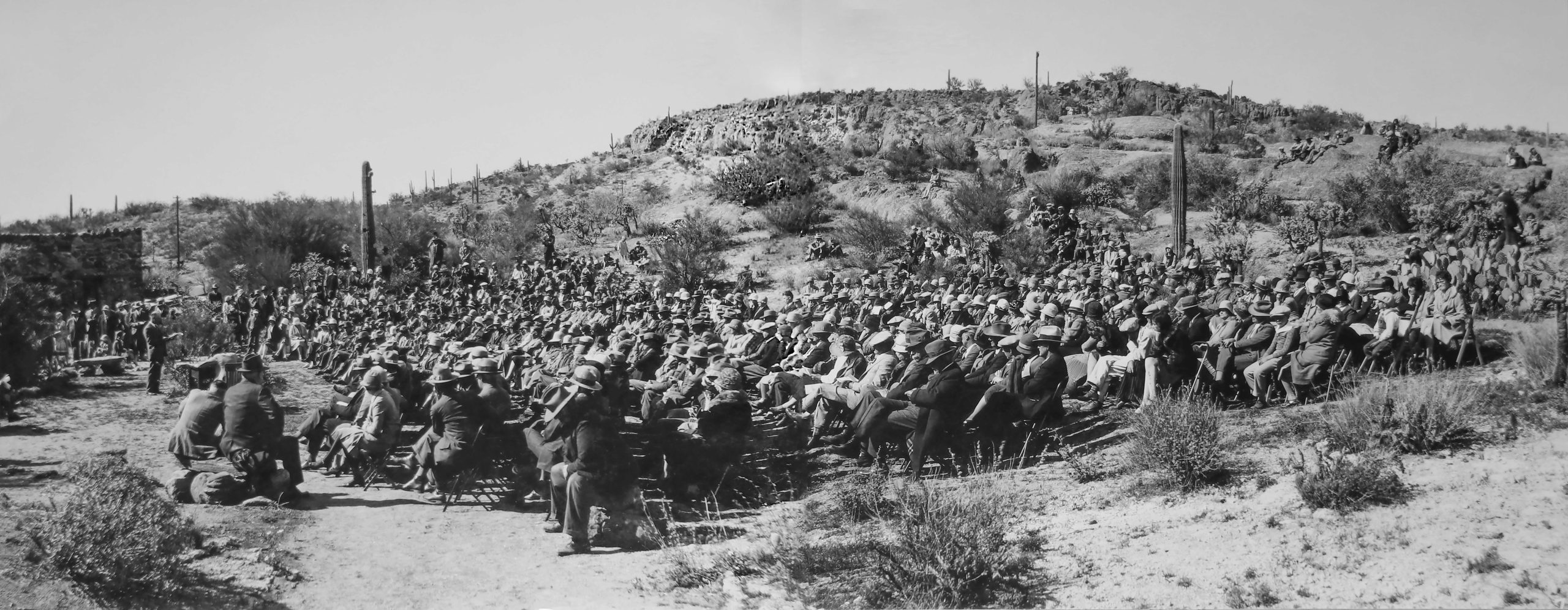
Special legislation in 1925 made the arboretum the state’s first nonprofit scientific institution. But Thompson’s finances suffered in the 1929 stock market collapse, and his death the following year left the botanical garden with minimal financial support. “The arboretum survived the Great Depression due to its low operating costs and the sheer will and resilience of its leaders,” Gray says.
Those leaders sought alliances to boost the arboretum’s profile and research. It partnered with the University of Arizona in 1964 to become the Desert Research Station. Arizona State Parks began comanaging it in 1976. This tripartite arrangement ended in 2019, when the arboretum returned to functioning as an independent nonprofit, reinvigorating the botanical garden. “We are in a growth mindset,” Gray says of the arboretum’s $5.6 million budget, 150,000 annual visitors and gardens representing 11 world regions. She believes their work has never been more valuable with the impacts of climate change on Arizona’s flora.
Gray, while focusing on future botanical research challenges, revels in the arboretum’s remarkable 100-year legacy. She acknowledges, though, that some changes have been for the better. “At one time, the botanical garden was a drive-in park,” she says. “People would motor past the Smith Building and through the Eucalyptus Forest. Of course, these are some of our 5 miles of hiking trails today, and cars stay in our parking lot.”
The arboretum’s role as an outdoor retreat has never been more vital. “It’s a wonderful place to hike and explore,” Gray says of the botanical oasis amidst Queen Creek’s lush riparian corridor. “The arboretum is one of the few places to visit a curated collection of trees and plants from around the world and regularly see native wildlife, including numerous birds, reptiles, coatimundi, javelina, bobcats and even bighorn sheep.”
Most importantly, the arboretum has maintained Thompson’s reverence for the desert and its inhabitants. Its in-house publication recounts how, in 1924, he was asked how much land he owned near Picket Post House, which was surrounded by a national forest. The mining tycoon, who knew a bit about affluence, “…replied with a characteristic smile and sweep of his hand, ‘I own it all, as far as the eye can see – because I love it.’”

Arboretum Addendum
The branches of Boyce Thompson Arboretum extend globally.
Arctic Seed Storage
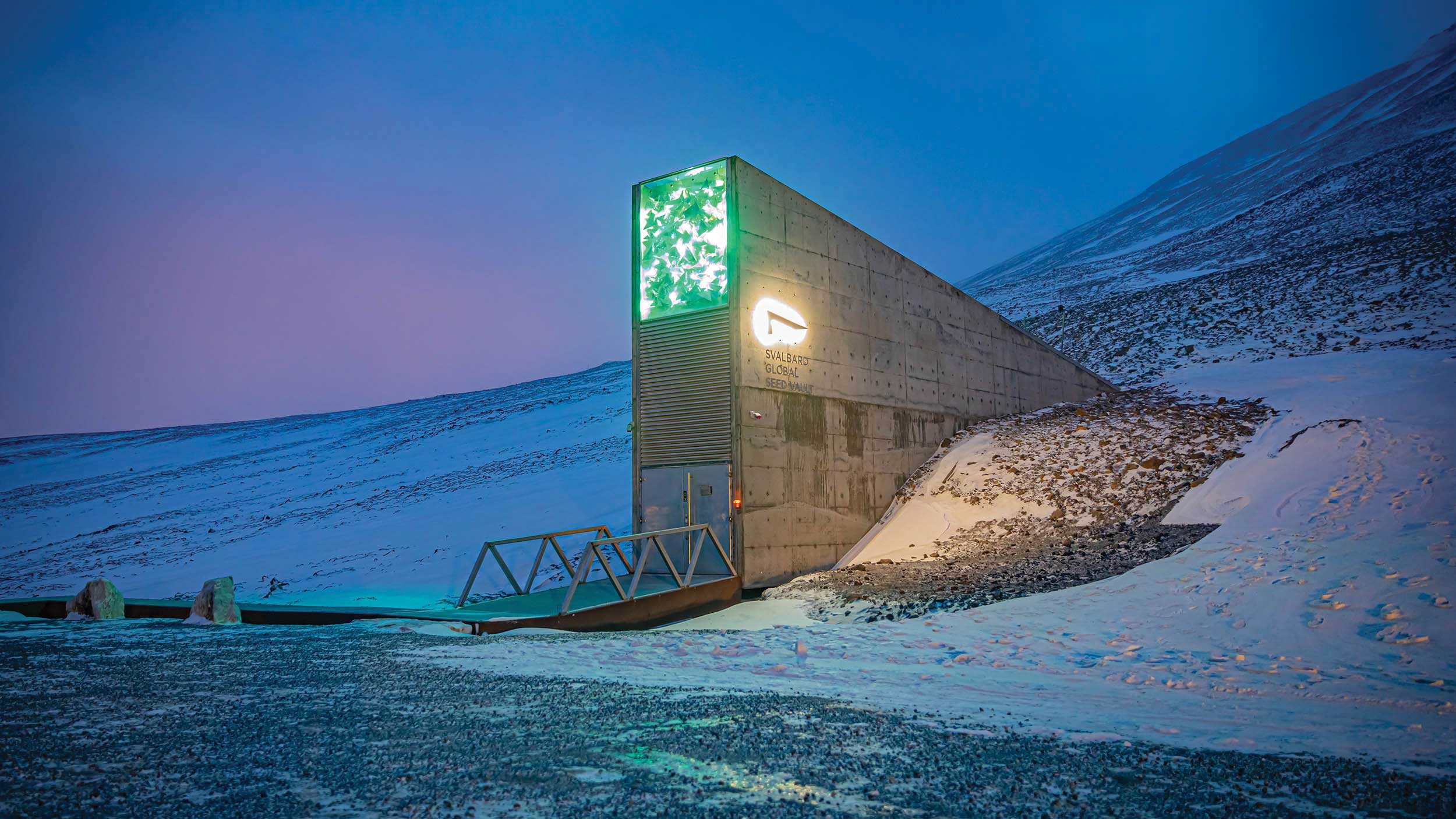
In 2011, the arboretum’s offspring reached a Norwegian archipelago above the Arctic Circle when seeds from the Desert Legume Program were deposited in the Svalbard Global Seed Vault, which stores duplicates from world seed banks.
Cork Oak Tree Project
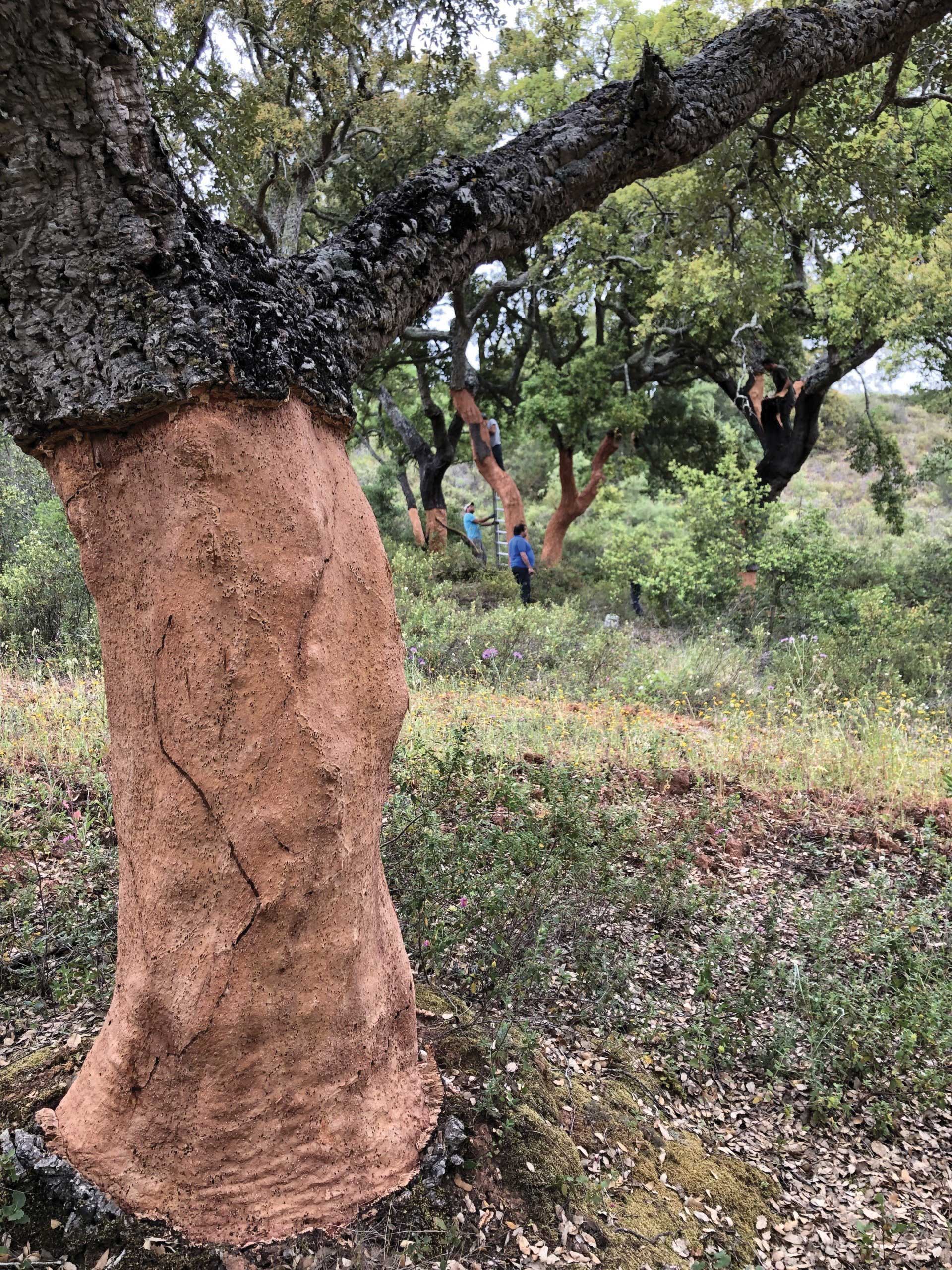
World War II disrupted imports of European cork used for bottle caps and engine gaskets. Crown Cork and Seal CEO Charles E. McManus Sr. launched a campaign to grow cork oaks domestically. The arboretum cultivated saplings and provided them to the public, some of which still thrive in the Phoenix area.

Bill “Wallace” Thompson
In 1955, Bill Thompson, William Boyce Thompson’s great-nephew, launched what became known as The Wallace and Ladmo Show. The children’s program filled with adult satire ran on Phoenix’s KHPO-TV until 1989, and Thompson was inducted into the Arizona Historical Society’s Hall of Fame.
Boyce Thompson Institute for Plant Research
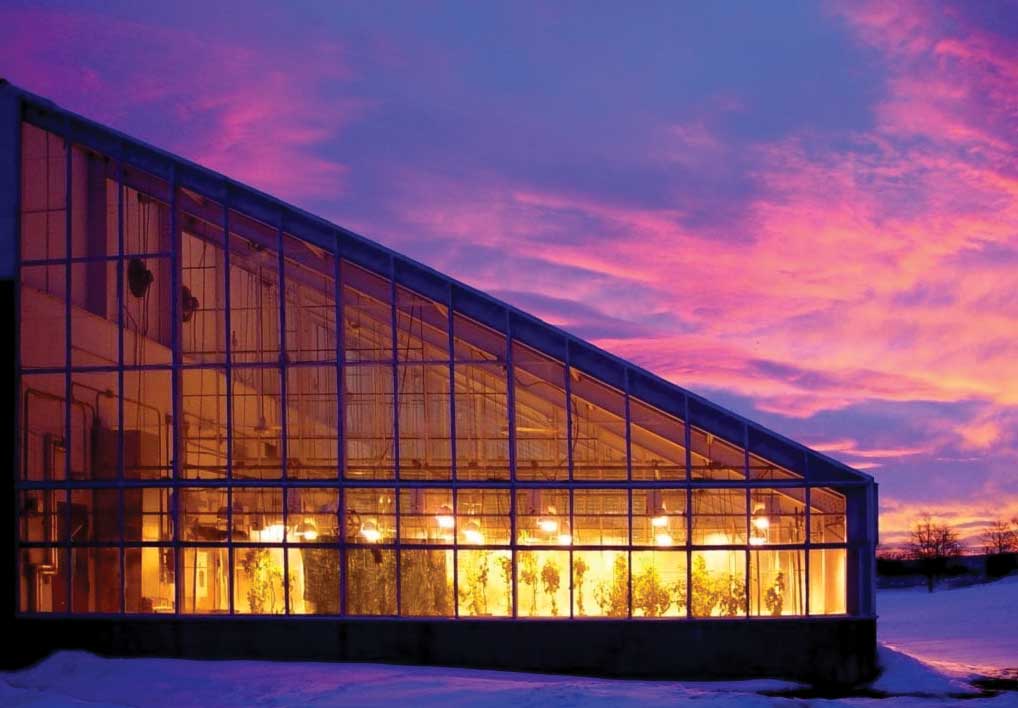
In 1924, Boyce Thompson established this institute in Yonkers, New York, across the street from his mansion. For many years, it served as the arboretum’s parent organization. It relocated to Cornell University in 1978.