The cuisines of the Middle East and South Asia are as diverse and rooted in tradition as the people who inhabit the sprawling land mass. While tastes and techniques vary by region, dynamic flavors and bold presentations pervade from Maghreb to Mumbai.
by Nikki Buchanan, Leah LeMoine, Craig Outhier & Madison Rutherford
Afghanistan
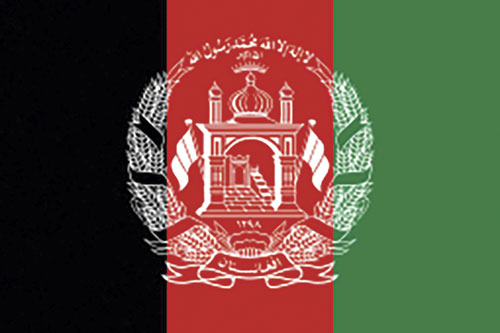
Served as a side dish or mixed with meat (typically lamb) as an entrée, the versatility and simplicity of aromatic, pilaf-like qabuli contribute to its designation as the national dish of Afghanistan. Khyber Halal (khyberhalalfood.com) in Phoenix makes its subtly sweet version with brown rice simmered with saffron, raisins and caramelized carrots.

Armenia
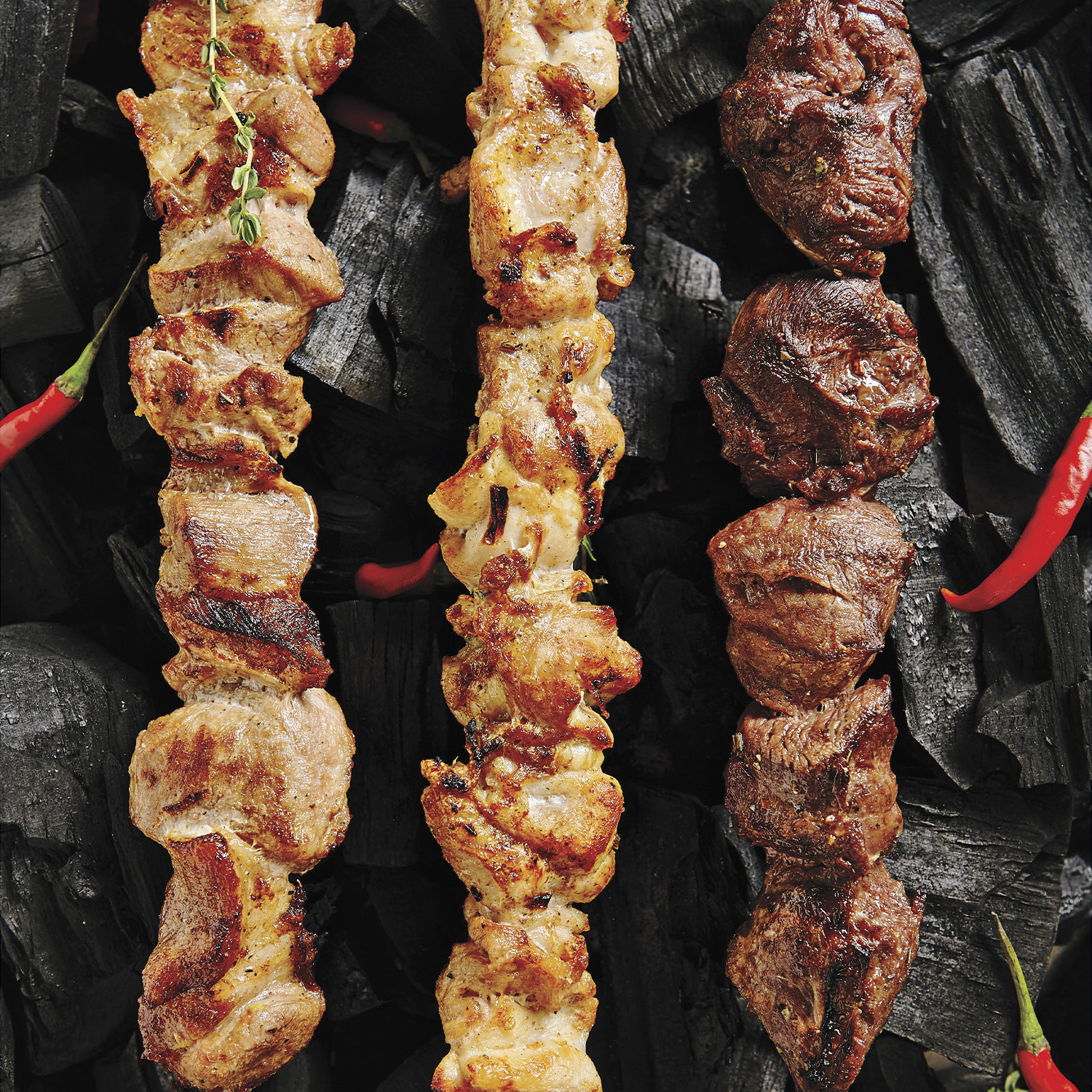
Armenian shish kebabs (also known as khorovats) are meat skewers traditionally roasted in a tandoor. Bedoian’s Bakery & Bistro (facebook.com/bedoians) in Wickenburg serves both beef and chicken breast khorovats platters with a side salad, yogurt sauce and fresh, fluffy pita.

No Love For… Azerbaijan
Heavily influenced by the conventions of neighboring regions like Iran and Eastern Europe, Azerbaijani cuisine largely consists of various permutations of meat and rice. While many local Middle Eastern eateries serve this classic combo, an explicitly Azerbaijani restaurant has yet to make its way to the Valley.

Bangladesh
Carved out of India by the British, Bangladesh shares many culinary traditions and ingredients with that country’s West Bengal region, and Restonra (restonra.square.site) is the Valley’s only restaurant to specialize in Bengali cuisine. Among other obscure dishes, you’ll find chicken bhuna khichuri, a one-pot dish of rice, lentils and chicken (akin to pilaf) and Bangladesh’s national dish: hilsa vuna, a fish curry made with mustard and yogurt.

India
Karan Mittal, head chef at PHOENIX 2022 Best New Restaurant of the Year Feringhee, describes his native India as “a vast country of 28 states, filled with unique languages, ethnicities, cultures and climates. Its many cuisines illustrate just how diverse these regions are.” In the ’80s and ’90s, Indian restaurants in the Valley generally offered the same 20 dishes, never veering into what they imagined picky American diners would deem too unfamiliar to order. These days, it’s much more possible to get a sense of India’s culinary richness, thanks to Feringhee and other regional trailblazers.
Map It: India
Where to find Indian regional culinary treasures in the Valley.
1. Uttar Pradesh
Murgh makhani (aka butter chicken) was popularized at Moti Mahal restaurant in Delhi. While there’s ongoing argument about which restaurant partner (both refugees from Peshawar) invented the dish of tandoor-cooked chicken morsels, afloat in a lush curry of spiced tomato and butter, no one disputes its massive popularity. Try an excellent version at Saffron Indian Bistro (saffronarizona.com) in Glendale.
2. Hyderabad
Food historians contend that biryani, arguably the most popular rice dish in South Asia, is a conflation of India’s spicy rice dishes and Persia’s pilaf. For great biryani selections, try Namaste Indian Restaurant in North Scottsdale (namastescottsdale.com), which offers six biryani, or nearby Hyderabad House (hharizona.com), which offers 23, some prepared Hyderabadi-style, with mutton and Middle Eastern spices.
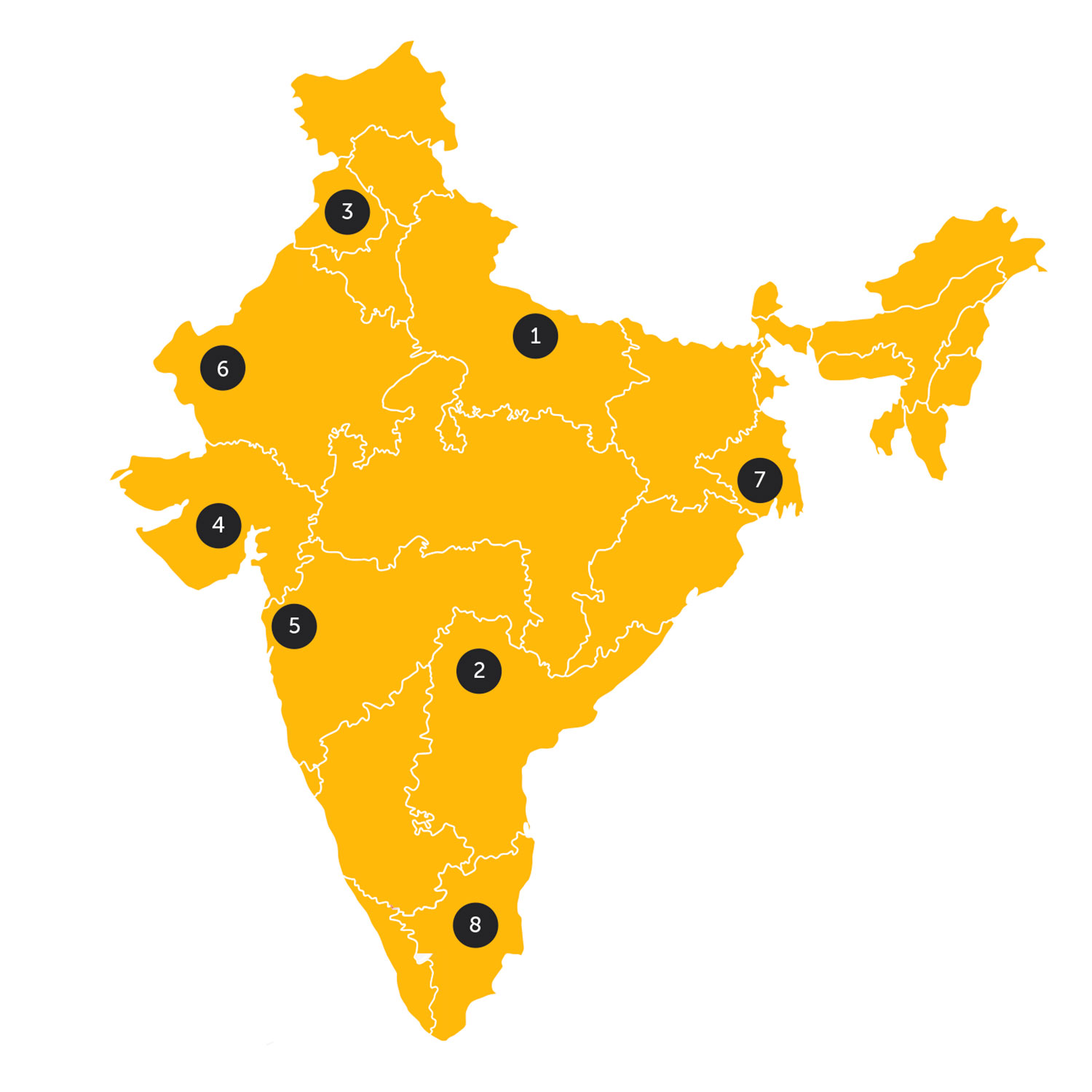
3. Punjab
Originally eaten by the aristocracy in Punjab, crispy, buttery paratha – an unleavened flatbread, folded repeatedly and coated with ghee (a cross between croissant dough and puff pastry) – are prepared plain or stuffed. India Palace (indiapalacephoenixaz.com) in North Phoenix features three classic fillings: mashed potato, onion and cauliflower.
4. Gujarat
Thali is an Indian-style combo meal, offering a selection of various dishes served in small bowls on a platter. A proper thali offers a range of flavors and sensations, including sweet, salty, sour, bitter, spicy and astringent. At new-ish Tempe eatery Chennai Café (thechennaicafeaz.com), you can choose among three.
5. Mumbai
Bombay became Mumbai to shed the legacy of British colonialism, but India kept the British notion of the sandwich, creating the Bombay sandwich to suit their own palates. Preparations vary, but at Chandler spot Jay Hind (jayhindaz.com), toasted bread spread with fresh green chutney bulges with cheese and veggies (boiled potato, onion, tomato and cucumber) tossed in chaat masala for a zesty vegetarian lunch.
6. Kashmir
Rogan josh is a thick, bright-red curry (usually lamb) jammed with aromatic spices. Introduced to Kashmir by the Mughals, a Muslim dynasty who ruled India for more than 300 years, it’s flavor-packed but moderately spicy, a must-try at Haldi Indian Cuisine (haldiaz.com) in Surprise or India’s Flame (indiasflame.com) in Tempe.
7. Bengal
Hugely popular in West Bengal and Bangladesh, ras malai is a sweet, creamy dessert composed of spongy, flattened balls of chhena (a mild cheese with a smooth, whipped cream consistency) and soupy malai (clotted cream), spiced with cardamom. Tempe mainstay The Dhaba (the-dhaba.com) adds pistachio for a bit of nutty crunch.
8. Tamil Nadu
Invented at the Buhari Hotel in Chennai in 1965, Chicken ’65 – spicy fried chicken nuggets – is often eaten as an appetizer, which is the case at City of Spice (cityofspice.com), where the chicken is marinated in yogurt and spices, shallow-fried, tossed in spicy, garlicky, ginger-scented sauce and garnished with raw onion and lemon.
Chef Chat
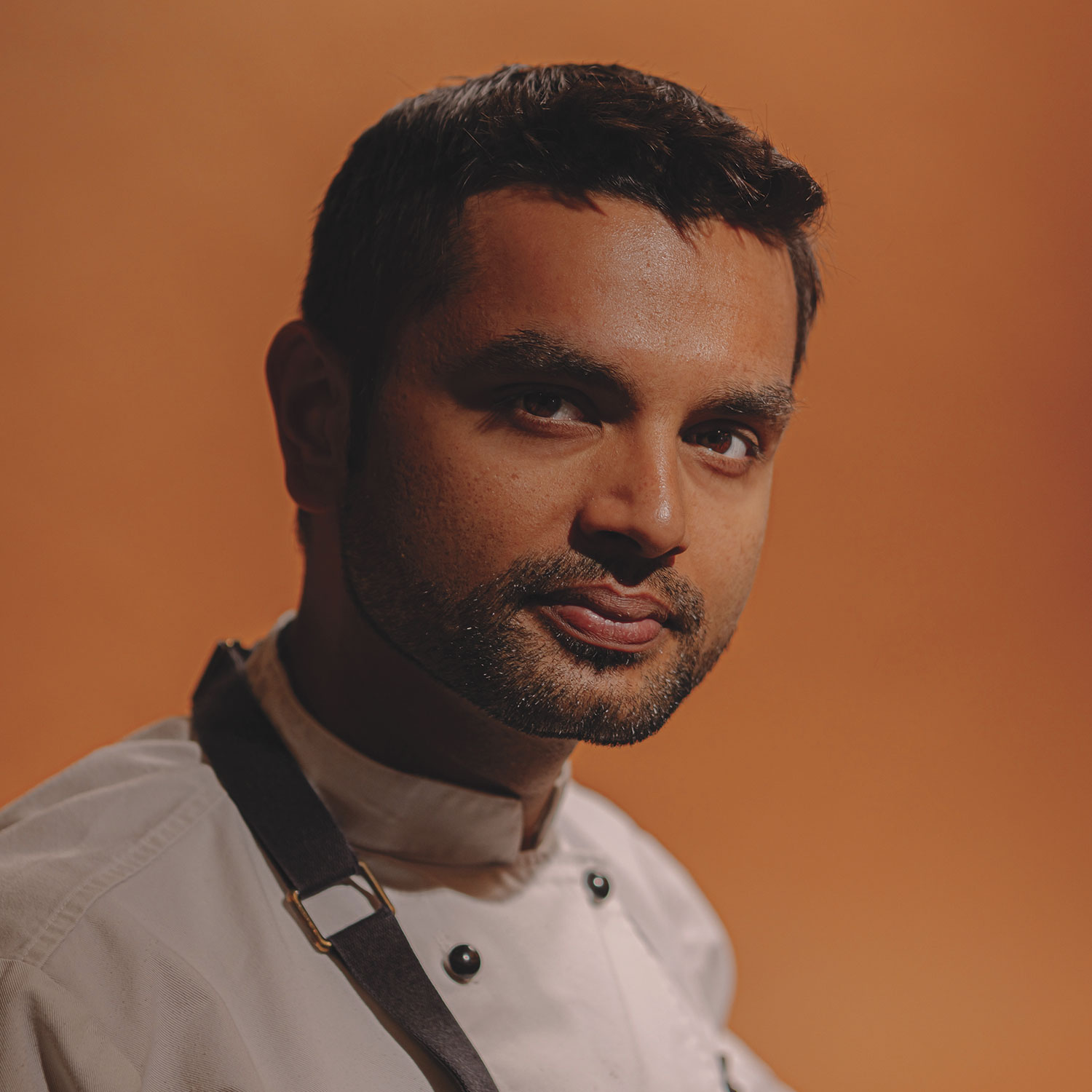
Karan Mittal of Feringhee
Karan Mittal, head chef at Feringhee (feringhee.com) in Gilbert, boasts an incredible résumé for a guy who’s barely 30: Michelin-starred Coi in San Francisco, Indian Accent in Delhi, aRoqa in New York (where Mittal developed the Indian tapas menu) and Restaurant Ananda in Dublin. Food & Wine named him a rising star in 2018.
What do you wish Americans understood about Indian cuisine?
That it’s so much more than tikka masala and naan. There are millions of dishes and recipes unique to each region, and the dimension of flavors in each one is broad. People often say that Indian food is too spicy, but chile is just one of the thousands of spices we use in our cuisine. Indian food is supposed to be flavorful but balanced, not just hot and spicy.
Favorite dish on the menu and why?
The saffron-pistachio kulfi popsicle bar, which I ate on the streets of Old Delhi with my family. We have recreated that memory, achieving the same velvety texture of kulfi, freshly churned in-house to give an incredible mouthfeel. It’s then dipped in white chocolate glaze and covered with Sicilian pistachios and rose petals. The white chocolate glaze gives the texture of the coarse milk fudge I savored back then, and every bite of kulfi gives the pistachio crunch I craved as a kid.
Chaat Chat
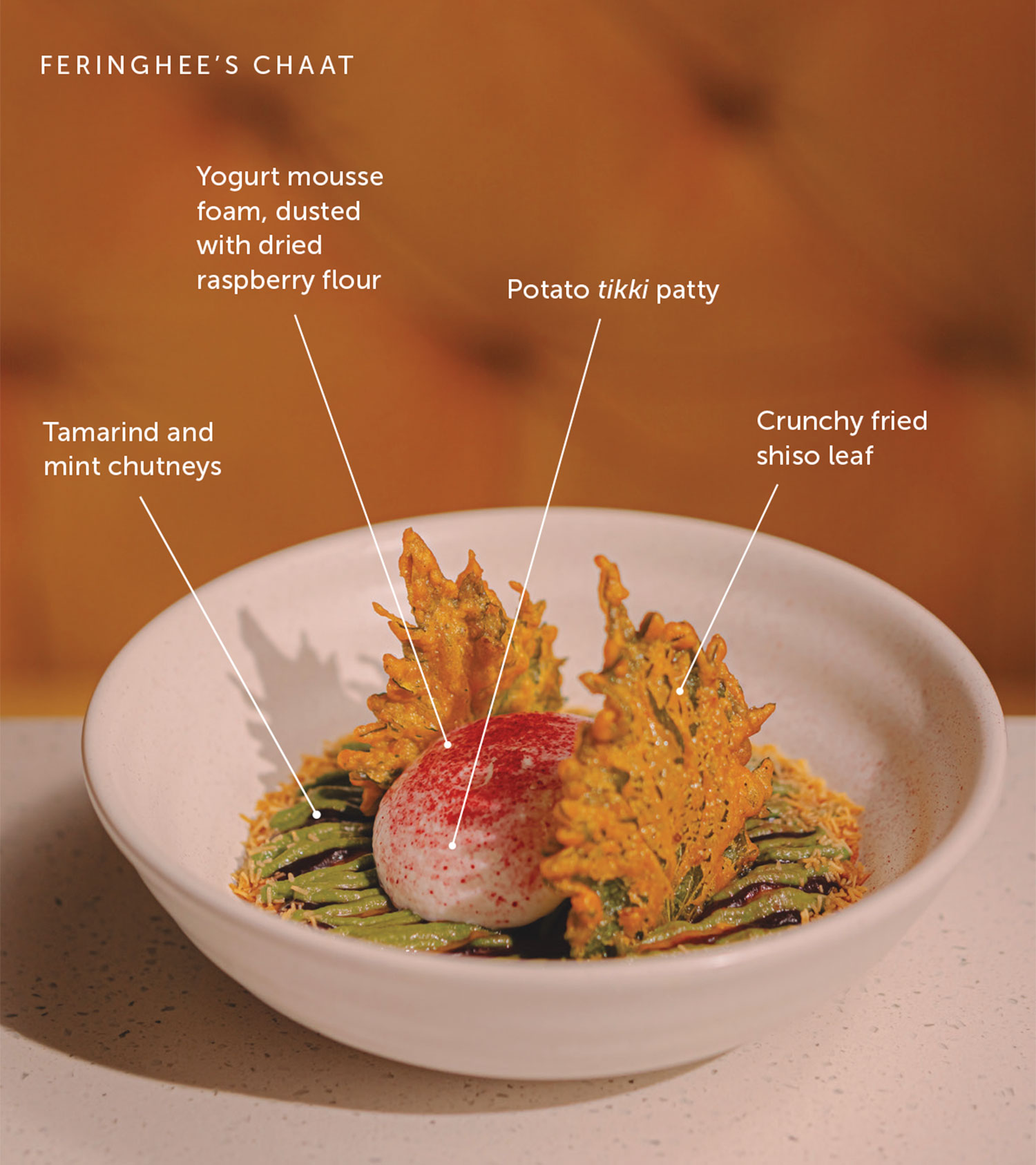
Street food, celebratory food, food for family gatherings – chaat is ingrained in Indian culture. It’s a family of mixed snacks that generally include chopped-up samosas (or other starchy base) tossed with veggies, chaat masala (a powdered spice mix) and other condiments and toppings. As Feringhee’s Mittal explains it, chaat offers “a sensory experience that goes beyond just taste – the crunchiness of puris [fried bread], the softness of potatoes, the coolness of yogurt, and the spiciness of chutneys.” Feringhee (feringhee.com) offers four versions: sweet potato chaat, pani puri trio, Bombay avocado bhelpuri and Feringhee’s Chaat (see photo, below).
glossary
sofrito /soh-FREE-toh/
An aromatic blend of onions, garlic, tomatoes, peppers, herbs and spices used as a flavoring base for soups and stews. A staple throughout the Caribbean.
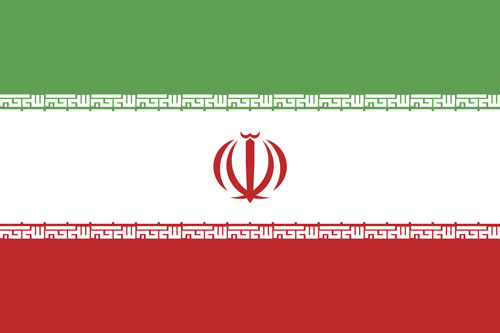
Iran
The use of fragrant spices, sour flavors and fresh veggies and herbs are all hallmarks of Iran’s staple dishes, which include hearty soups and stews, pickled salads and parboiled rice. Visit Persian Room (persianroom.com) in North Scottsdale for authentic preparations of Iranian specialties (see below).
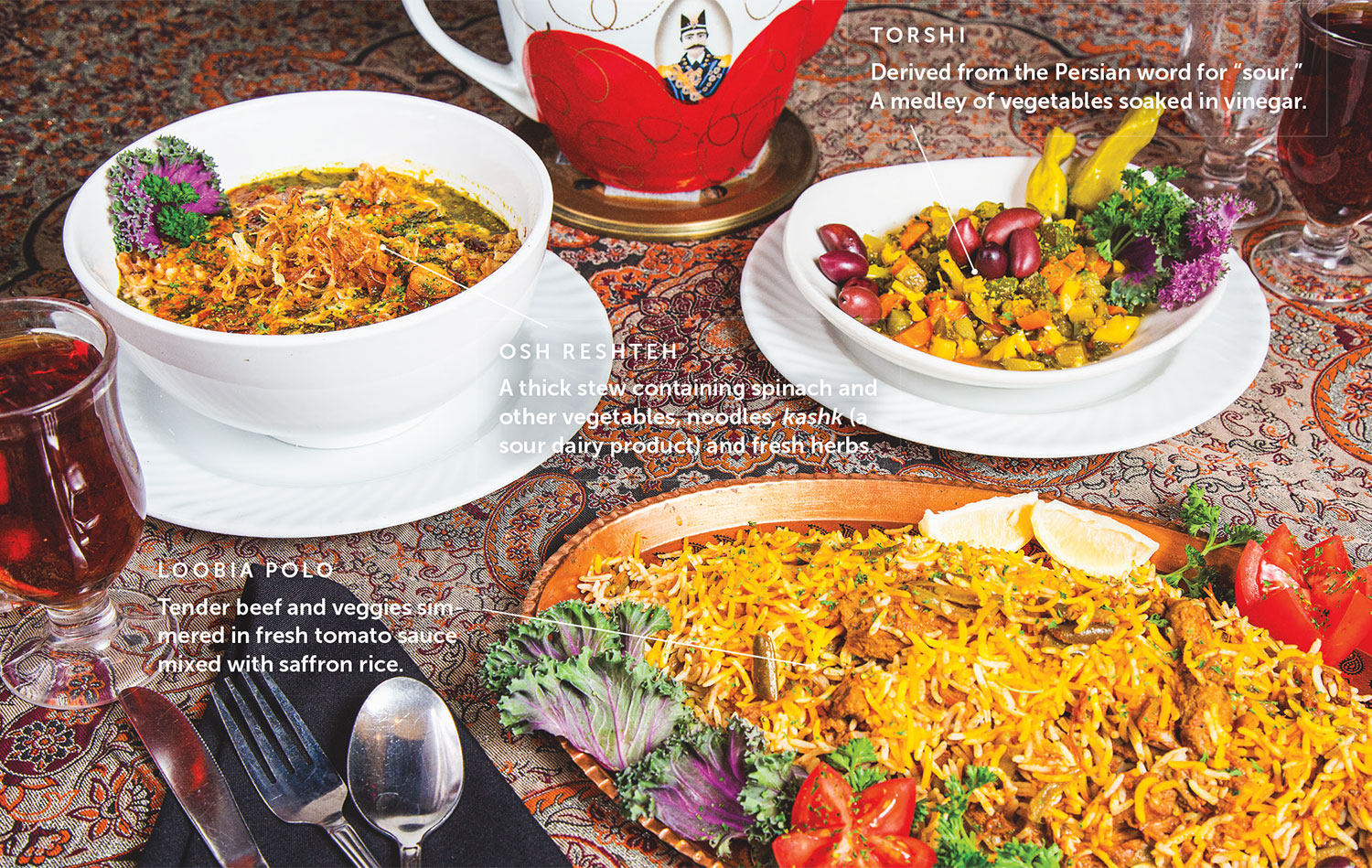

Iraq
Masgouf (grilled carp) is considered the national dish of Iraq. Traditionally seasoned with spices like turmeric and tamarind and slowly broiled over an open flame, masgouf is a versatile dish that may arrive at the table in various permutations. At Olive Branch Mediterranean Market & Restaurant (3581 W. Northern Ave., 602-872-7146) in Phoenix, the crispy fish is served whole on a large tray and garnished with fresh citrus and herbs.

Israel
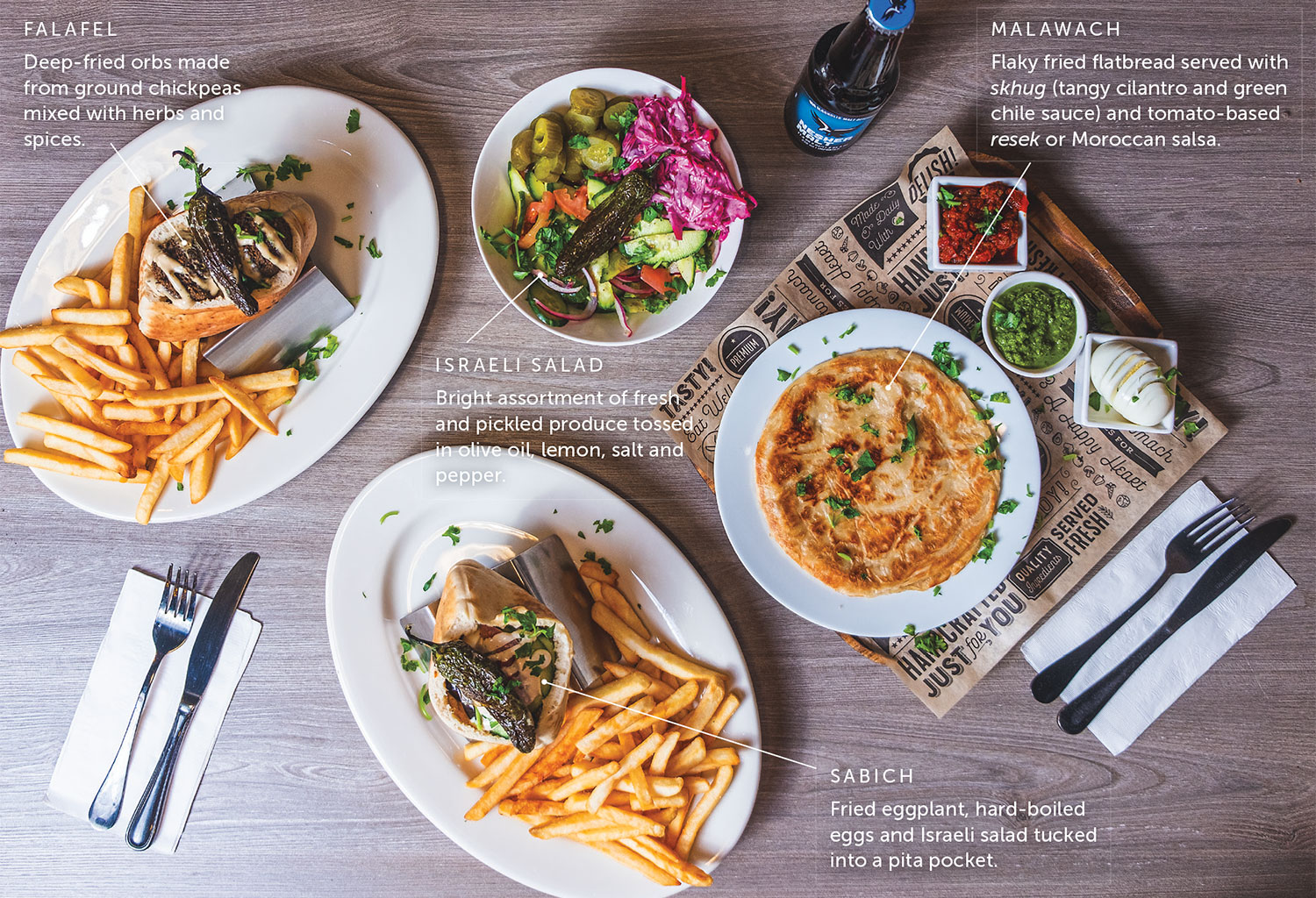
Much of Israel’s modern culinary customs were brought by waves of immigrant Jews from Yemen and Iraq, garnering a distinctive fusion of traditional Jewish and Arab dishes. This diverse diaspora is deliciously represented at Fata Morgana Mediterranean Cuisine (fatamorganaaz.com) in North Scottsdale (see below).

Chef Chat
Marwan Kandeel of De Babel
Originally hailing from Amman, Jordan’s capital city, Marwan Kandeel named his Middle Eastern restaurant in Scottsdale after the ancient civilization of Babylon as a “sign to the authenticity of the way we do things here at De Babel,” he says. His mezze platter – a fastidiously presented pastiche of baba ghanoush, grape leaves, hummus and falafel – is a revelation.
What do you want people to know about Jordanian culture?
Jordanians [are] very hospitable, peaceful and welcoming for people trying to explore Jordan and its culture.
Describe a traditional Jordanian meal.
Jordan is rich in dishes from all around the world. Hummus, falafel, fluffy pita and lamb meat [make up] an everyday dish… Every neighborhood has one or two hummus and falafel shops and its own bakery serving fresh pitas hot out of the oven. With the developing generations in Jordanian cooking, food with excellent presentation and hidden complex flavors becomes as important as the food itself. Every family or restaurant has its own secret recipes.
How do you incorporate traditional customs and cuisine into the menu at De Babel?
Jordanian food [is] generally shareable food, so gatherings and good company is important to complete the meal… At De Babel, we incorporate great hospitality and flexibility for people to eat their way, with a lot of customization options. The most common feedback is, “You took us home with your food.”
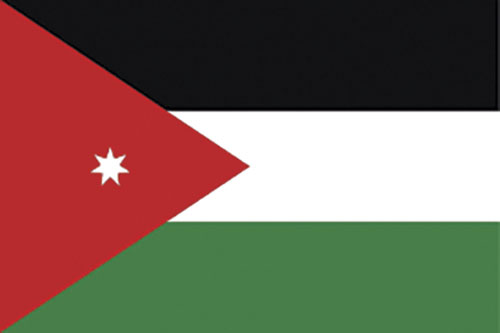
Jordan
There are almost as many olive trees as there are people in Jordan, making it one of the world’s top olive producers. As such, olive oil is a cornerstone of Jordanian cooking – used in everything from ubiquitous savory appetizers like baba ghanoush to special-occasion sweets like halva.

No Love for… Kazakhstan
Or Kyrgyzstan. Or Tajikistan. Or Turkmenistan, unfortunately. Uzbekistan was the only former Soviet republic “stan” than got any traction during our global sleuthing.

Lebanon
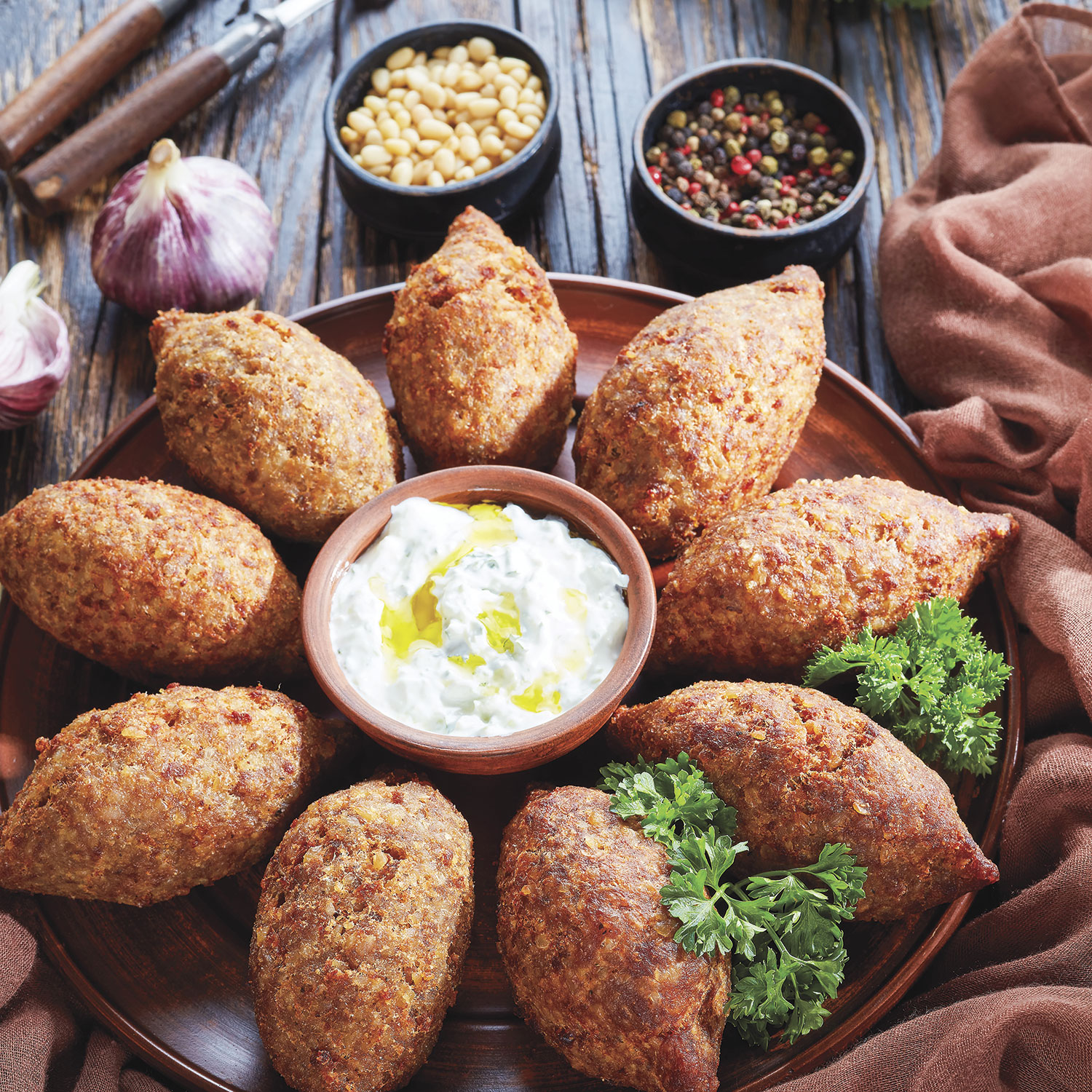
This coastal country’s national dish is kibbeh, golden-brown balls of grain stuffed with minced meat. Lebanon Palace (lebanese-palace.business.site) in Chandler constructs its kibbeh from deep-fried bulgur dough and fills each hollow fritter with ground beef, onions, pine nuts and a slew of spices like cinnamon, coriander, cumin, paprika, cardamom and cloves.
Food for Thought
No fewer than eight cultures and/or countries claim ownership of hummus – and it’s contentious. Lebanon even tried to trademark the ubiquitous chickpea spread with the European Union.

Nepal
Wedged between India and Southwestern China, Nepal takes culinary cues from its neighbors, as evidenced by momos, the meat- and vegetable-filled dumplings allegedly brought from Tibet. Mr. Momo, a pop-up at Uptown Farmers Market and Gilbert Farmers Market, offers its delicate dumplings with four sauces (some mild, others “blazing,” all delicious). Take-and-bake momos and sauces are also available. Follow @mrmomo_official.

Palestine
Though savory meals like maqluba (a layered rice dish) and musakhan (roasted chicken on flatbread) are popular in Palestine, perhaps its most pervasive dish is kunafa, a dessert made from phyllo dough, syrup, cheese and pistachios often eaten as a celebratory post-fast sweet during Ramadan. Find gloriously gooey versions in Phoenix at Alzohour Market & Restaurant (alzohour-market.business.site), Middle Eastern Bakery and Deli (3052 N. 16th St., 602-277-4927) and Mr. Sweets Pastries (facebook.com/mrsweetsaz).


Pakistan
Although Pakistan and India share substantial food-culture overlap (curries, biryani, naan, et al), Pakistan leans more heavily into meat. Its famous nihari, interpreted so deliciously at Saima’s Grill (2043 S. Alma School, Mesa, 480-300-5627) is a spicy beef stew, slow-cooked with ghee until the meat is ultra-tender, the broth a rich, silky gravy. Mopped up with naan, it’s the ultimate comfort food.

Saudi Arabia
Like many countries along the Arabian Peninsula, Saudi Arabia’s culinary emblem is an aromatic amalgamation of rice and meat. Kabsa, also called makbūs, consists of long-grain rice, various spices and chicken, goat, lamb or beef. Tempe’s Mandi House (1639 E. Apache Blvd., 480-659-4751) makes its kabsa with tender lamb and tangy tomato sauce served over basmati rice.
Say Cheese!
Though not as ubiquitous on American menus as Brie or burrata, Middle Eastern cheeses boast just as much taste and texture as those imported from Italy and France.
Feta
Originating from Greece, this crumbly cheese made from sheep’s milk shows up in everything from Turkish labneh to Lebanese fatayer. Find an A-1 iteration in the angular cheese pies with fresh whipped feta from Hana House (hanahouserestaurant.com) in Phoenix.
Akkawi
Named after the city of Akka in Israel, this smooth, salty cheese is the star of the cheese sambousek (savory Lebanese pastries similar to Indian samosas) at Lebanese Palace (lebanese-palace.business.site).
Jebneh
A mix between feta and halloumi, this creamy Syrian cheese is layered on flatbread at North-Central fast-casual The Palms Mediterranean Kitchen (thepalmsmed.com).

Syria
Contemporary Syrian cuisine incorporates the cooking styles of various groups who have relocated to the region, including Armenians, Palestinians and Iraqis. With origins in Aleppo, muhammara – which translates to “reddened” in Arabic – is a spicy, scarlet-hued dip traditionally made with peppers, walnuts and pomegranate molasses. Golden Restaurant (goldenrestaurantbakery.com) in Tempe also mixes in tomatoes, breadcrumbs, black caraway seeds and olive oil, and serves it with freshly baked pita bread.

Turkey
Teetering between Asia and Europe, Turkey has a robust coffee and breakfast culture. Get a taste at Rayoog Café (rayoogcafe.com) in Gilbert, which serves traditional Turkish coffee – finely ground coffee beans mixed with water and sugar and served unfiltered so that the grounds settle at the bottom of the cup. Turkish dolma – rice, diced tomatoes, parsley and lemon juice swaddled in succulent grape leaves – shine at Med Fresh Grill (medfreshgrill.com) in Tempe. Authentic manti (Turkish dumplings) – topped with yogurt, garlic and red pepper powder – can be found at Hilal Grill (hilalgrill.com) in Phoenix.

Uzbekistan
Samarkand Restaurant (7823 N. 19th Ave., 602-331-8991) in Phoenix specializes in Uzbek dishes that are seldom found in mainstream restaurants in the United States – including the regional delicacy plov, a rice dish containing mutton, carrots and onions.

Yemen
Clinging to the southern edge of the Arabian Peninsula, Yemen has a food culture that’s particularly distinct in the Middle East, sharing many Indian traditions. You can smell them in the gusts of turmeric that rise from a bubbling cauldron of fahsa (lamb stew) at Mandi House in Tempe (1639 E. Apache Blvd., Tempe, 480-659-4751) and see them when a crispy, succulent order of chicken mandi emerges from a tandoori oven (or tannour, as Yemenis would call it) at YS Mandi, also in Tempe (933 E. University Dr., 602-242-4656). Speaking of mandi: Broiled with a special mixture of spices called hawaij (cumin, black pepper, turmeric and cardamom), it’s the semi-national dish of Yemen. So, who does it better? See below.

Mandi vs. Mandi
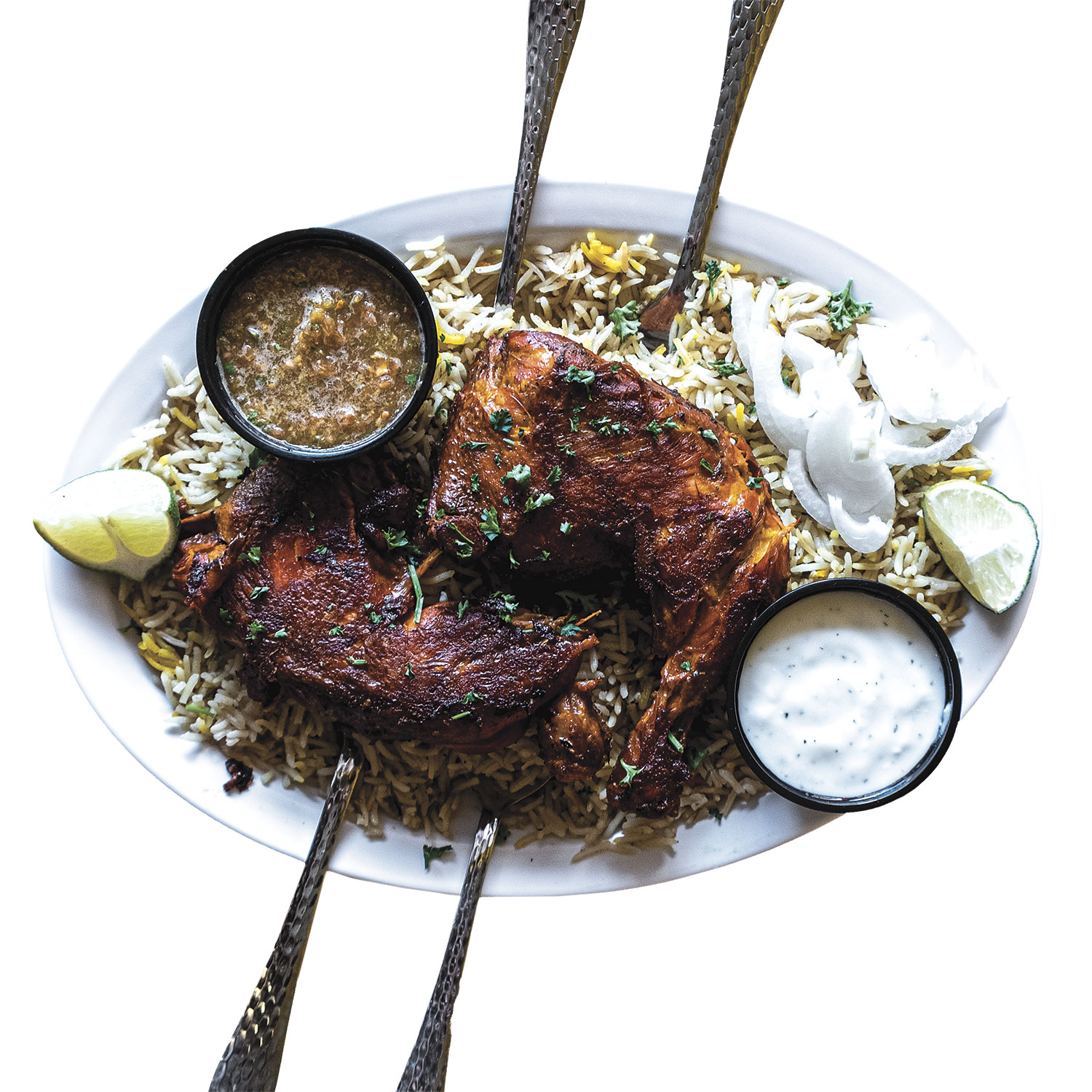
YS Mandi
Comes to the table on-the-bone with an appealing char, its skin broiled to a flavorful, reddish crisp familiar to any tandoori fan. Delicious.
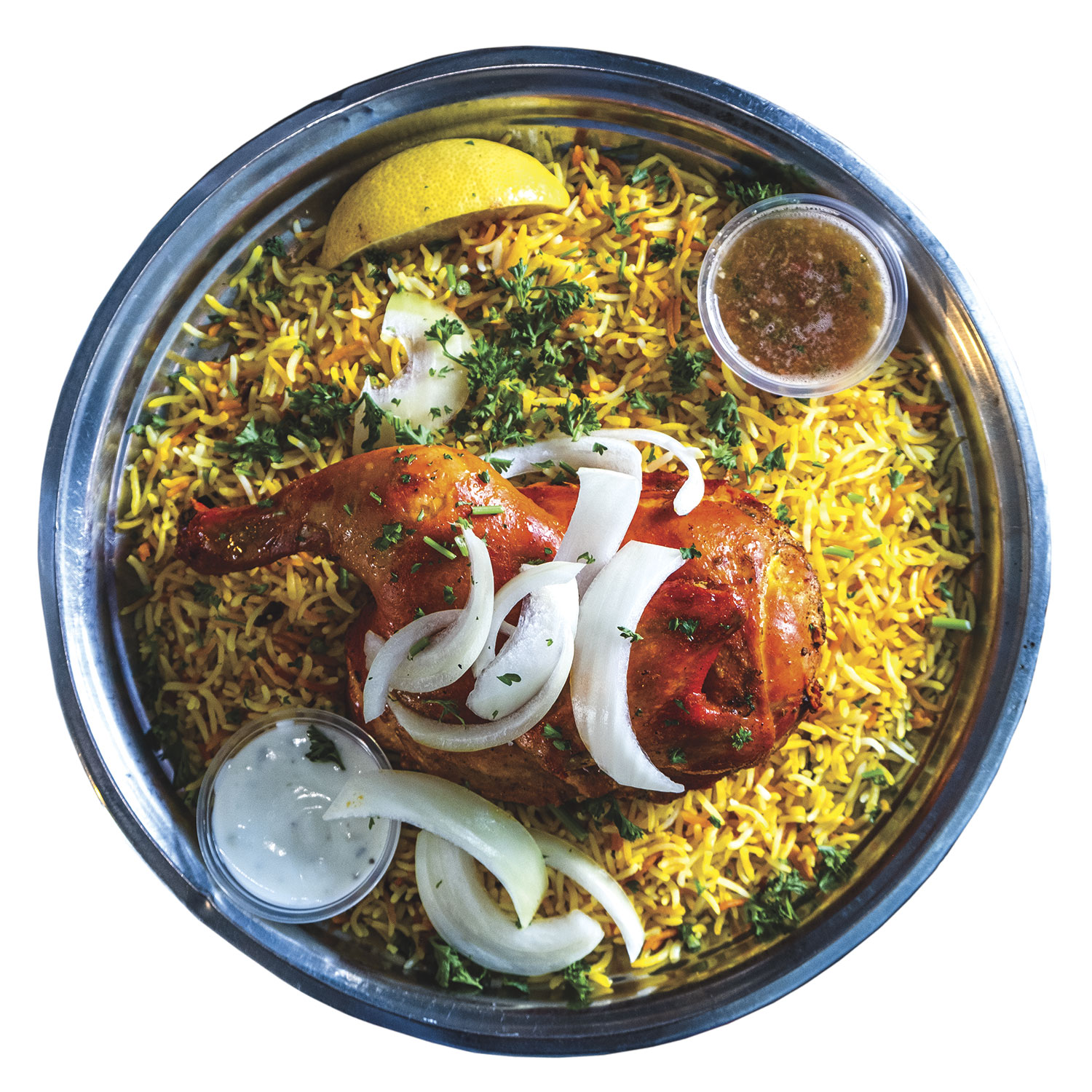
Mandi House
A more refined iteration of the dish: Not as textural or aggressively seasoned, but juicier and plumper. Our judgment: A mandi dead heat!