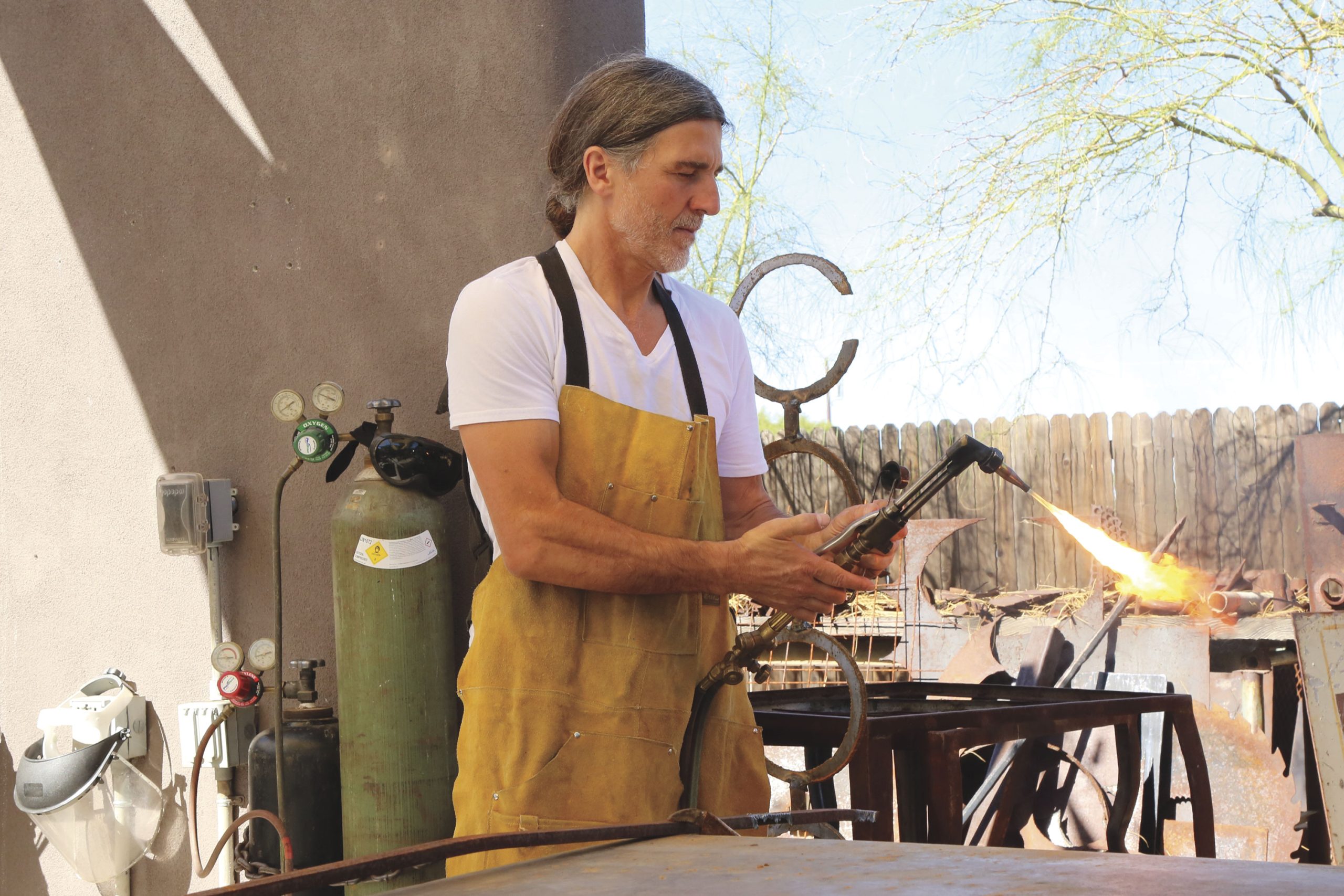
Sculptor Carlos Page admits he’s not much of a “tool guy.” Walking through his outdoor studio in Cave Creek, he points out a few that he uses to create his abstract pieces and high-design furniture – a welder, a hammer, tin snips. “I do a lot with a little,” he adds.
Perhaps seeing his large, labor-intensive works is what leads to the surprise at his minimal toolbox. The Buenos Aires-born artist takes no shortcuts. “I do everything by hand,” Page says.
He doesn’t do sketches in advance, and characterizes his process as organic. He’ll grab pieces and instinctually start putting them together. “It wasn’t even a thought process. It just felt natural,” he says of finding that artistic flow.
His journey as an artist began through metalsmithing, taking a course while in high school in Argentina. Page became fascinated with steel, and in the ensuing years forged ahead with an apprenticeship with Argentinian sculptor Pepe Ozan in San Francisco and study at Hunter College in New York.
“Steel is a very important material in our history. We have built our civilization with it,” he says. “It has a beauty that is super solid and stable, but at the same time is very malleable.”
He likes to use salvaged steel when he can, a practice adopted while living on the East Coast before working his way west and settling in Cave Creek. His works often also feature concrete and wood.
“I think the energy comes through with old steel, old wood,” Page says. “It’s special. People perceive that.”
In front of his plein-air studio – which he built himself – is a newly raised gallery space, which Page will use to exhibit his and fellow artists’ work. See Page’s pieces and creative space in person at the Hidden in the Hills Artist Studio Tour, running November 17-19 and 24-26 (Studio No. 30 on the tour; sonoranartsleague.org/hidden-in-the-hills) or by appointment. Learn more at carlospage.com.
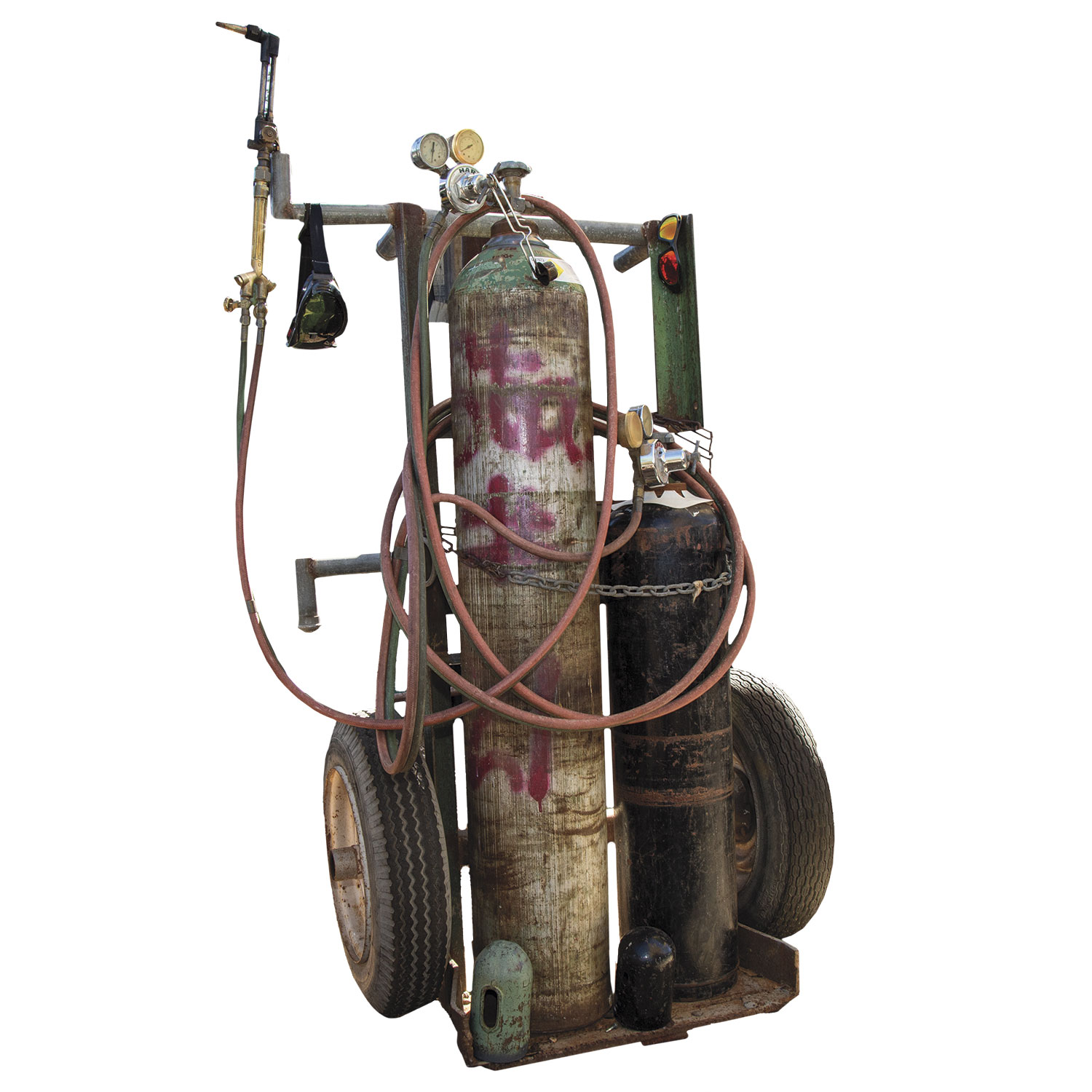
Page has three acetylene tanks positioned around his outdoor studio, allowing him to work in every corner of the space.
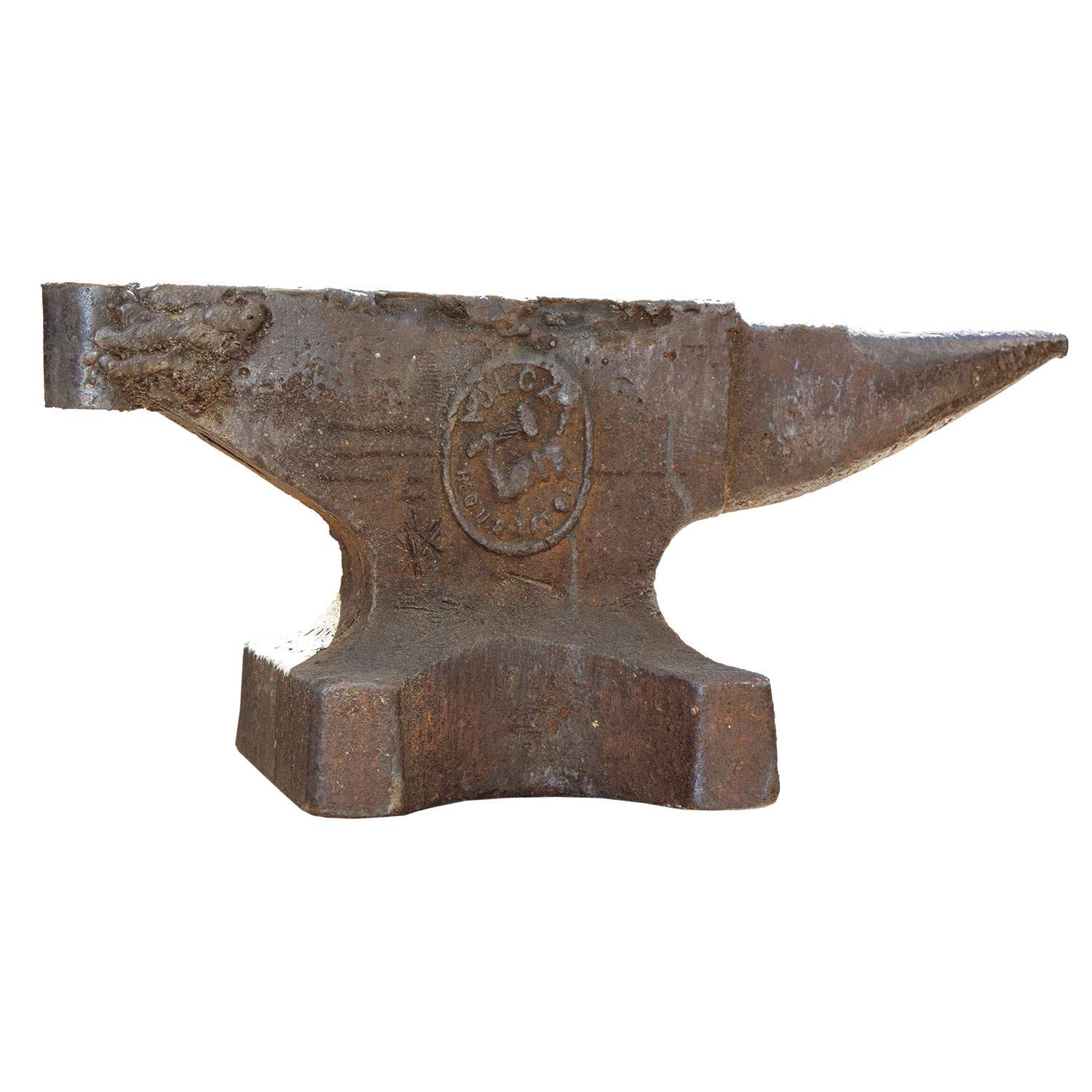
He uses “old-fashioned blacksmithing” techniques for his work, using an anvil and hammer to shape steel pieces to his artistic whims.
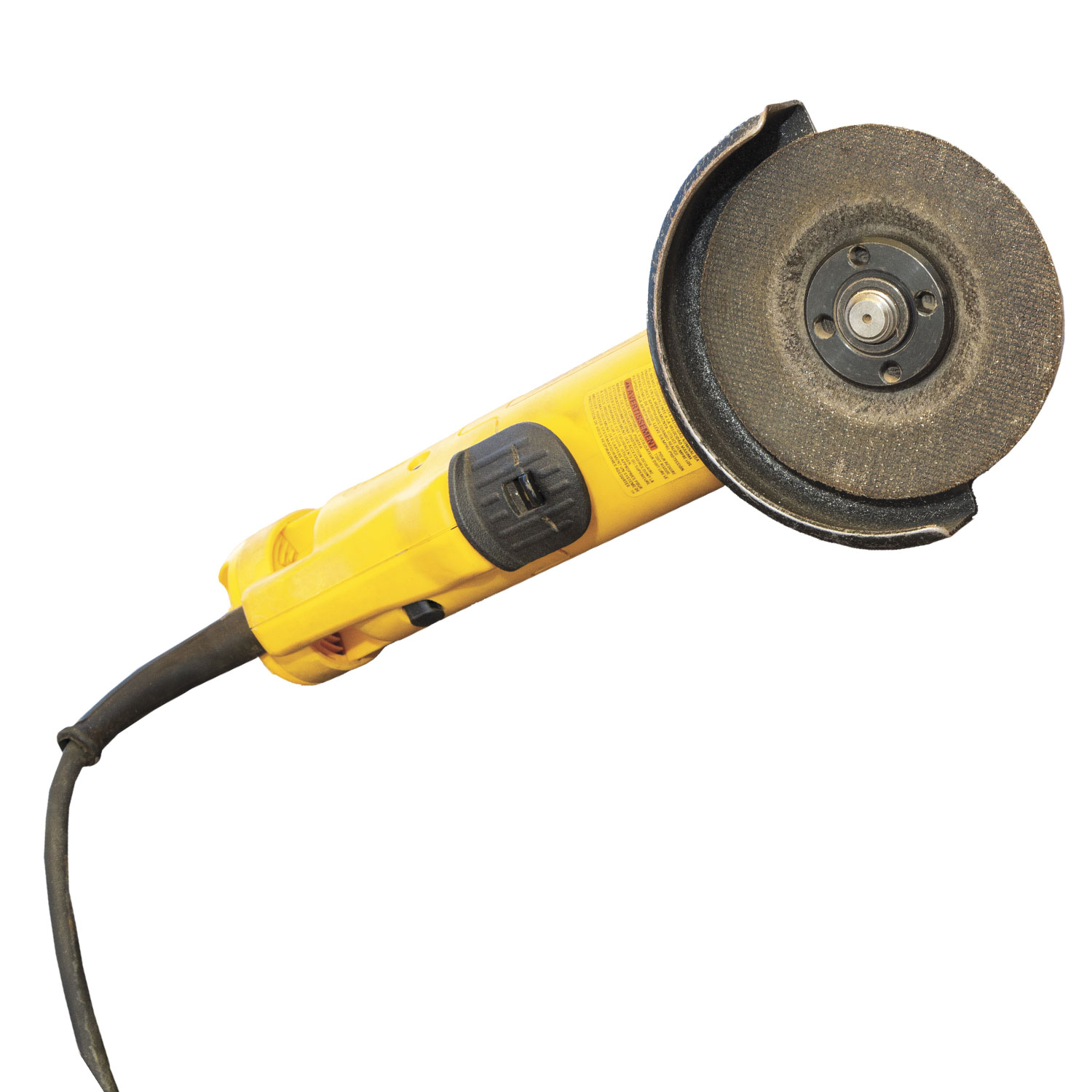
“I hardly have any tools,” Page says. One tool he uses for practically every piece? A hand-held grinder to smooth out the steel in his works.
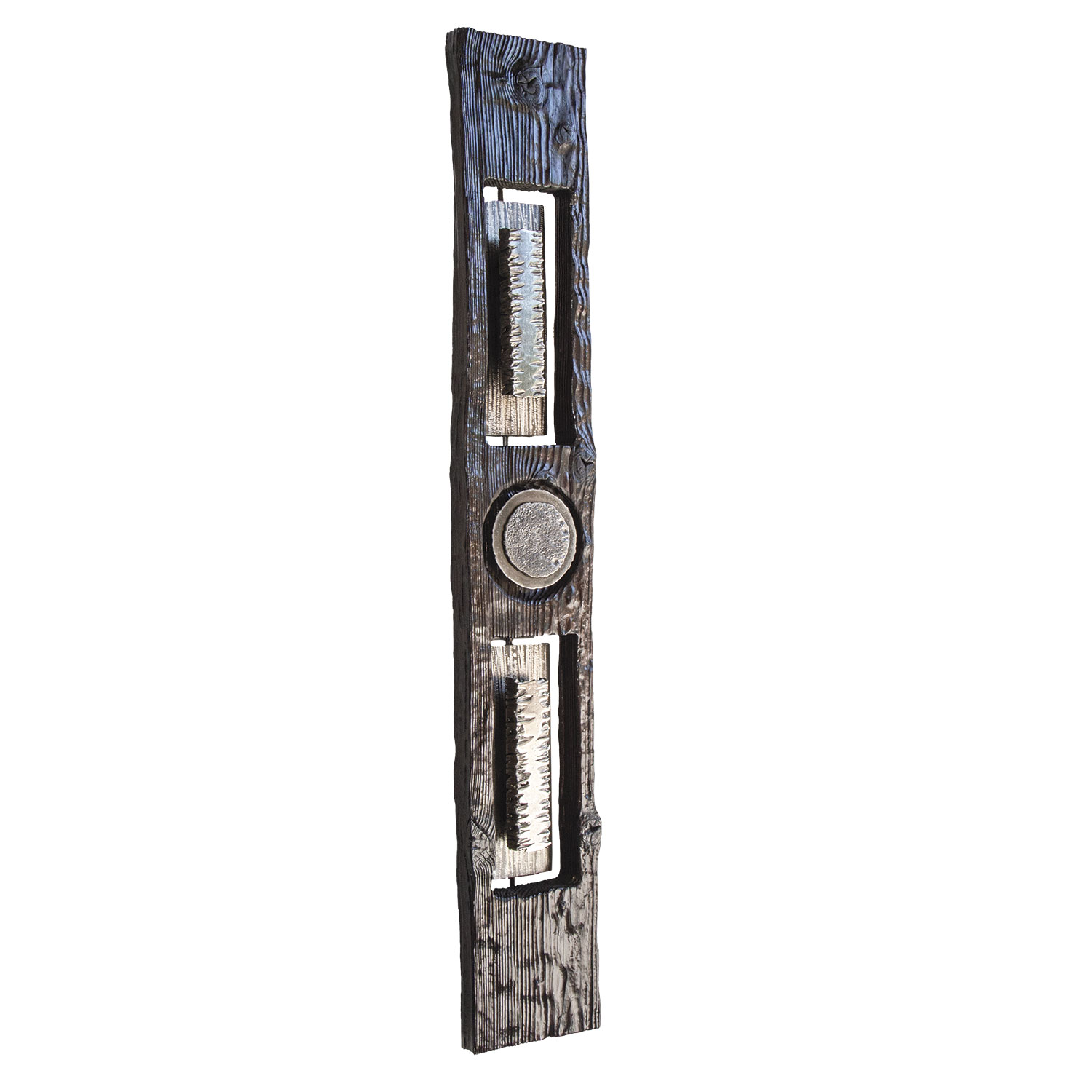
Page often combines natural and man-made elements in his work. In this case, he uses wood that he has burned with a torch, charring it to a rich noir and revealing deep chasms in the grain. He salvaged the steel in this piece, but also uses new steel, which he hammers to get a similar tarnished, textured effect.
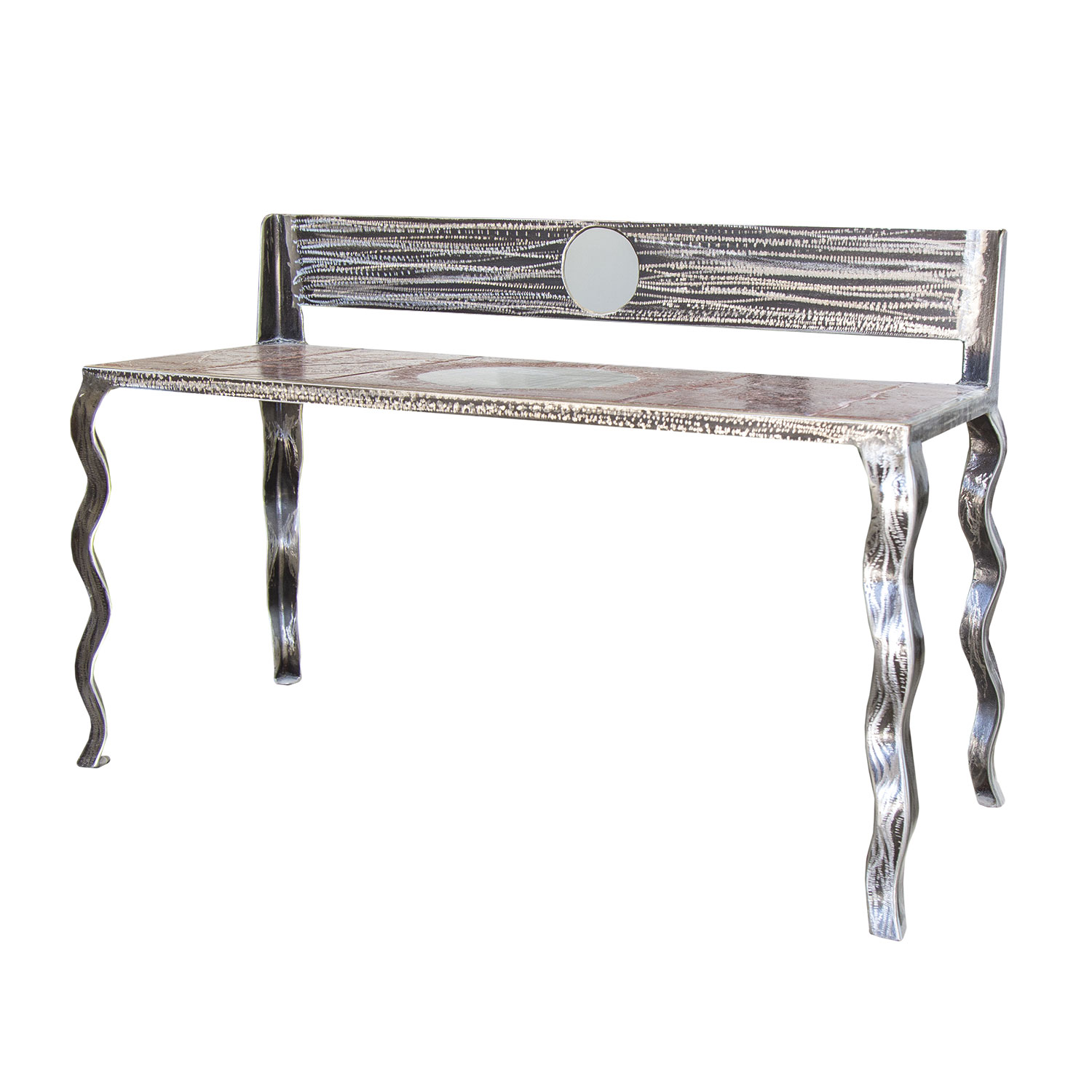
His benches are “pretty much unbreakable,” because of their welded frames. To create each swiveled leg, Page chalks out measurements and a hand-drawn design that he uses as a template. When he finishes, he erases the template. “That’s how each one is unique,” he says.