We recently caught up with Laurie Lemley, director of special projects for The Phoenix Theatre Company, to learn more about the nonprofit organization’s mission and upcoming projects.
What is The Phoenix Theatre Company’s mission?
The Phoenix Theatre Company creates exceptional theatrical experiences by using the arts to articulate messages that inspire hope and understanding.
How do you engage the community to participate in and support the arts?
The Phoenix Theatre Company hosts a “pay what you can” community night for every production. We partner with other community groups or organizations whose demographics would relate to the production or who work with segments of the community that are underserved by the arts. We also work with other nonprofits and community groups by providing fundraising, volunteer and other engagement opportunities.
How does the Partners That Heal program work?
Developed by The Phoenix Theatre Company to harness the power of theater to comfort and heal in hospitals and other care facilities, this unique program intensively trains its team members to utilize a repertoire of more than 250 intervention strategies, using songs, stories, puppetry and their own finely tuned improvisational skills to lift moods and increase trust and communication between caregivers and patients by creating shared memories that act as future points of conversation. Hospital staff and other caregivers who have worked with Partners That Heal report significantly improved communication and mood following a team visit. The program has earned the respect of front-line staff and is highly valued in all the care facilities where we provide services… Since its founding in 2010, Partners That Heal has provided services to approximately 75,000 patients.
What kinds of challenges does The Phoenix Theatre Company face?
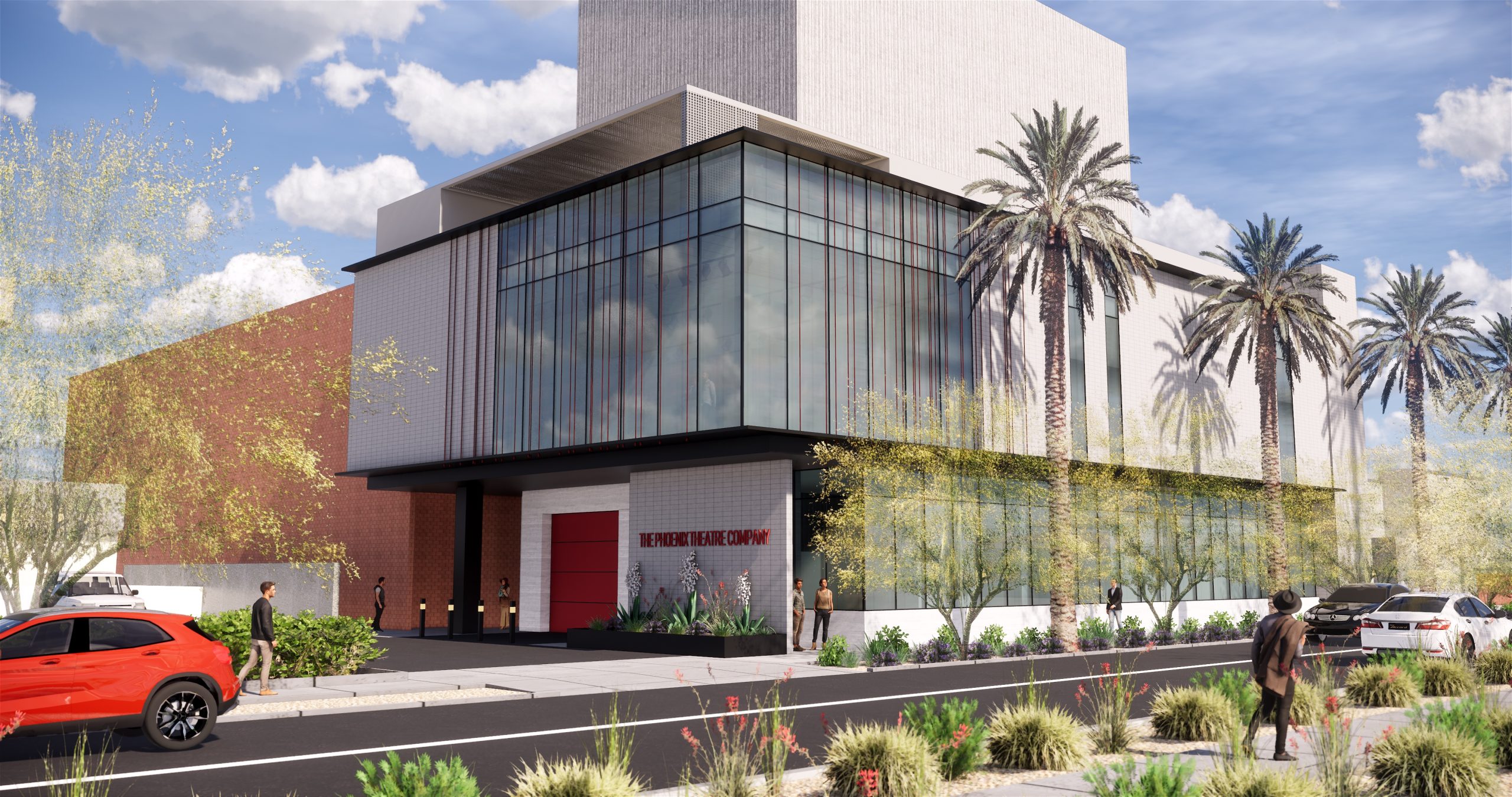
In September, we will break ground on a new 500-seat, technologically updated theater that is key for our vision of our next 100 years. We’ve been very successful raising funds, but unfortunately post-COVID inflation keeps moving goalposts, so we’re constantly playing catch up. Just recently, we learned that we have an additional $1.5 million to fundraise. We have been very fortunate in having some very generous support from the community and our donor family, but, funding, along with increasing our visibility, is always a never-ending challenge.
What kinds of volunteer opportunities are available at The Phoenix Theatre Company?
The Phoenix Theatre’s usher program welcomes volunteers ages 14 and up. During the past year, we have made outreach efforts to youth and community groups to volunteer with us. We will be launching a corporate group volunteer program soon. Our ushers act as ambassadors and greet all guests and help with general questions in our lobby spaces before each show. Once doors open for seating, ushers perform multiple duties such as ticket scanning, ushering patrons to their seats, handing out programs, helping with taking photos in the lobby, cleaning the theatre after performances, and other duties as assigned.
Can you tell us about the new theatre opening this fall and what it means to the organization?
The Broadway hit audiences see today in New York probably got its start in a regional theater like The Phoenix Theatre Company. When it comes to pre-Broadway show development projects, Broadway producers choose to partner with theater companies that are artistically strong and have a technically sophisticated theater capable of modeling a Broadway venue. The construction of our new 500-seat theater launches us into a bright future as a preferred destination for pre-Broadway show development. Making this dream a reality has major financial and cultural implications for the future of The Phoenix Theatre Company and the City of Phoenix. First, there is the potential to attract millions of dollars in production development money from Broadway producers, which will immediately flow into the local economy in the form of payments to actors, musicians, technicians, directors, production and administrative staff, bartenders, service workers and other creatives, not to mention local vendors from whom we purchase the steel, fabric, paint, wood, and other items that go into every show.